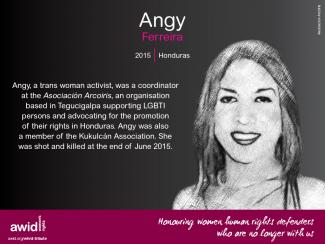
Angy Ferreira
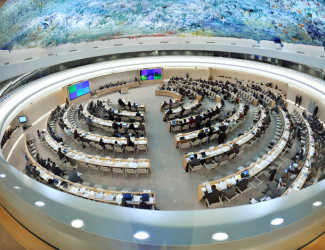
The Human Rights Council (HRC) is the key intergovernmental body within the United Nations system responsible for the promotion and protection of all human rights around the globe. It holds three regular sessions a year: in March, June and September. The Office of the UN High Commissioner for Human Rights (OHCHR) is the secretariat for the HRC.
Debating and passing resolutions on global human rights issues and human rights situations in particular countries
Examining complaints from victims of human rights violations or activist organizations on behalf of victims of human rights violations
Appointing independent experts (known as “Special Procedures”) to review human rights violations in specific countries and examine and further global human rights issues
Engaging in discussions with experts and governments on human rights issues
Assessing the human rights records of all UN Member States every four and a half years through the Universal Periodic Review
AWID works with feminist, progressive and human rights partners to share key knowledge, convene civil society dialogues and events, and influence negotiations and outcomes of the session.
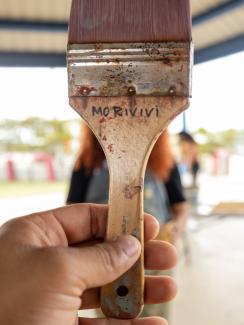
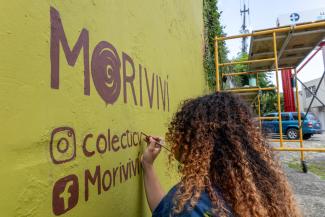
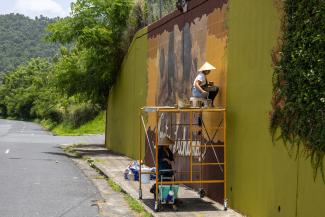
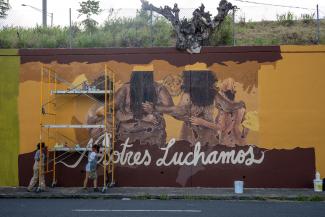
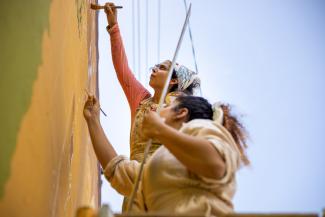
El Colectivo Moriviví es una colectiva de solo mujeres. Nuestra producción artística consiste en muralismo, muralismo comunitario y acciones/performances de protesta. Nuestro trabajo tiene como objetivo democratizar el arte y llevar a la esfera pública las narrativas de las comunidades de Puerto Rico, para generar espacios en donde sean validadas. Creemos que, a través del artivismo, podemos promover conciencia sobre temas sociales y fortalecer nuestra memoria colectiva.
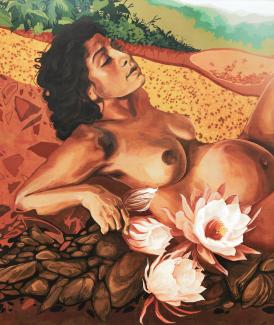
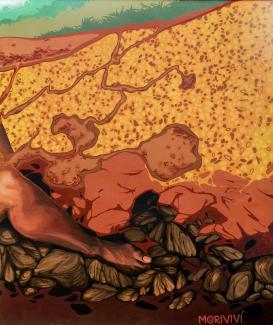
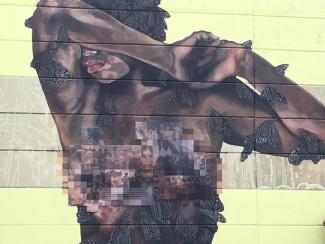
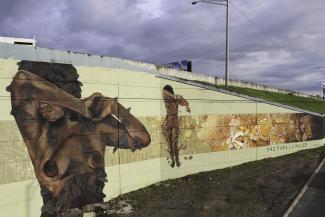
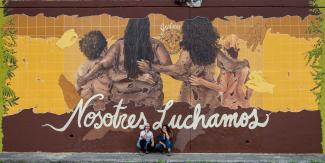
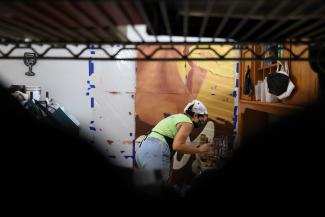
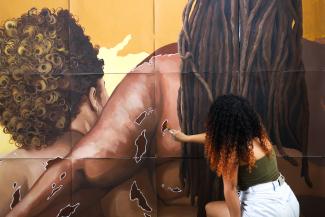
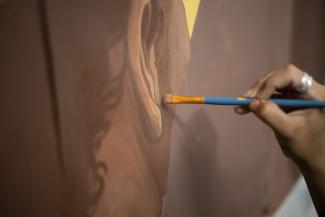
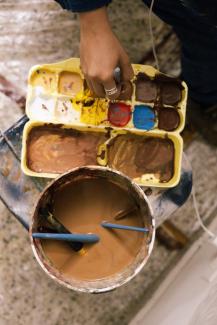
En el marco de su participación en el Grupo de Trabajo Artístico de AWID, el Colectivo Moriviví convocó a un grupo diverso de afiliadxs, asociadxs y personal de AWID y facilitó un proceso colaborativo de imaginación, configuración y decisión sobre el contenido para la creación de un mural comunitario, a través de un proceso de creación conjunta en múltiples etapas. El proyecto comenzó con una conceptualización remota con feministas de diferentes zonas del planeta reunidxs por AWID, y luego evolucionó hacia su recontextualización y realización en Puerto Rico. Nos honra haber contado con la contribución de las artistas locales Las Nietas de Nonó (@lasnietasdenono), la participación de mujeres locales en la Sesión de Pintura Comunitaria, el apoyo logístico de la Municipalidad de Caguas, y el apoyo adicional al colectivo, brindado por FRIDA Young Feminist Fund.
El mural explora la trascendencia de las fronteras, al presentar cuerpos como un mapa en un abrazo que realza la intersección de las distintas manifestaciones, prácticas y realidades feministas.
Agradecemos también a Kelvin Rodríguez, quien documentó y captó las diferentes etapas de este proyecto en Puerto Rico:

Cuando les líderes se reúnen en Brasil, los movimientos feministas hacemos incidencia, nos congregamos y alteramos el statu quo. Nos dirigimos, junto con otres feministas a Belém (Brasil) del 10 al 21 de noviembre de 2025. Allí continuaremos denunciando las soluciones falsas
Les antidroits ont adopté une double stratégie : outre leurs attaques ouvertes sur le système multilatéral, ils et elles sapent les droits humains depuis l’intérieur. Leur implication vise à prendre le contrôle des processus, instaurer des normes régressives et fragiliser la redevabilité.
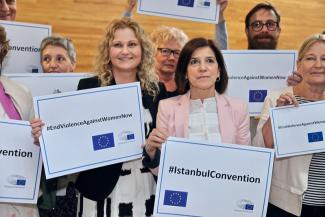
Leur implication dans les sphères des droits humains a un but essentiel : saper le système et sa capacité à respecter, protéger et assurer les droits humains de tout un chacun, et à tenir les États membres pour responsables de leurs enfreintes. Certaines tactiques antidroits en dehors de l’ONU visent à la délégitimer, exercer des pressions politiques pour limiter son financement ou se retirer d’accords internationaux sur les droits humains. Les acteur·rice·s antidroits gagnent cependant en influence au sein même de l’ONU. Leurs tactiques de l’intérieur incluent la formation de délégué·e·s, la dénaturation de cadres relatifs aux droits humains, la dilution de la substance d’accords sur les droits humains, l’infiltration de comités d’ONG, la demande du statut ECOSOC sous un nom neutre, l’infiltration des espaces des jeunes et la pression pour que des acteur·rice·s antidroits occupent des postes clés.
Lisez nos recherches sur le financement, sur les défenseuses des droits humains, sur la création de mouvements, sur les fondamentalismes, la justice économique et beaucoup plus

نرحب بالطلبات عبر مجموعة كاملة من المواضيع والتقاطعات المهمة للحركات النسوية وحركات العدالة الجندرية. في نموذج الطلب، ستتمكن/ين من تحديد أكثر من موضوع يناسب نشاطك.
Louise Malherbe est une programmatrice/commissaire de films et une critique de cinéma basée à Berlin. Elle a travaillé comme programmatrice de films pour l’association Metropolis Cinema à Beyrouth et coordonne aujourd’hui le projet Reel Streams qui vise à soutenir la diffusion du cinéma indépendant dans la région arabe. Elle est responsable de la programmation du Soura Film Festival, un festival de films queer centré sur la région S.W.A.N.A., écrit des critiques de films pour Manifesto XXI et est depuis peu commissaire de films et de festivals pour Cinema Akil.
Sign up to be an AWID member to connect with 9,600+ global feminist movements and co-create a range of platforms and spaces designed especially for activists and organizations from teach-ins to solidarity spaces and member mixers.
The AWID Membership community is available as an app. Download the app and start connecting with movements!
 |
 |
📅 Tuesday, April 28
🕒 6.30pm–9.30pm
🏢 Venue: River’s Edge, 18-31 Siddeley St
(a 5 minute walk across the river from the Melbourne Convention and Exhibition Centre)
Thank you for your enthusiasm. We're currently at capacity, but have opened a waiting list.
RSVP Required. Sign up for the waiting list!
هل اختبرتم من قبل لحظات من الصفاء الذهني العميق أثناء أو بعد ممارسة الجنس؟
شكرًا انجيلا وبيار

 |
يانيا صوفيا غرسون ڤالنسيا، أنا امرأة سوداء أعمل في مجال رأب صدع المُجتمع. أعيش في سنتاندر دي كيليتشاو في كاوكا في كولومبيا. مهتمّة بالعمليات الإبداعية التي تنظّم الحياة الجماعية المستدامة. أحبّ تبادل الأفكار والطبخ، والتحقيق والتحليل، وزرع البذور والتعلّم من النباتات، والقراءة واللعب. أقوم حاليًا بتنسيق مرصد العنف القائم على النوع الاجتماعي ضد المجتمعات المنحدرة من أصول إفريقية في كولومبيا (@VigiaAfro). |

كنّا أخيرًا نعيش ذلك النوع الآخر من الحبّ – ذاك الحبّ حيث نجلس معًا لمجرد السعادة في أن نكون معًا، ونصغي لبعضنا الآخر. بالنسبة إليّ، هذه الأنواع من الدردشات كانت ضمن تعابير الحبّ التي أتاحت لي الحياة أن أستمتع بها حديثًا فقط. ما كنت أعرف أن هذه الأشكال الأخرى ممكنة – تلك التي توجَد خارج نطاق ورشات العمل، أو أماكن الناشطين أو غرف الصفّ أو أماكن العمل. نحن، ثلاث صديقات، أمضينا فترة الأصيل معًا ولم يكن اختلاف لون بشرتنا بأمرٍ تظاهرنا أننا لم نلحظه، لا بل كان عنصرًا واقعيًا أتاح لنا أن نناقش بحرارة نقاط التشابه والاختلاف في التجارب التي خضناها في مرحلتي طفولتنا وشبابنا.
كنّا نحن الثلاثة «نتشارك» فترة الأصيل في حيٍّ جنوبي بوغوتا. كانت هناك مساحة خضراء كبيرة خُصّصت للّعب، شيء لم نألفه، جلسنا على مقاعد خشبية بدون مسند للظهر تحت شجرة بيلسان. كنّا أخيرًا نعيش ذلك النوع الآخر من الحبّ – ذاك الحبّ حيث نجلس معًا لمجرد السعادة في أن نكون معًا، ونصغي لبعضنا الآخر. بالنسبة إليّ، هذه الأنواع من الدردشات كانت ضمن تعابير الحبّ التي أتاحت لي الحياة أن أستمتع بها حديثًا فقط. ما كنت أعرف أن هذه الأشكال الأخرى ممكنة – تلك التي توجَد خارج نطاق ورشات العمل، أو أماكن الناشطين أو غرف الصفّ أو أماكن العمل. نحن، ثلاث صديقات، أمضينا فترة الأصيل معًا ولم يكن اختلاف لون بشرتنا بأمرٍ تظاهرنا أننا لم نلحظه، لا بل كان عنصرًا واقعيًا أتاح لنا أن نناقش بحرارة نقاط التشابه والاختلاف في التجارب التي خضناها في مرحلتي طفولتنا وشبابنا.
لم تكن تلك الدردشات مرتبطة بأية مهمّة وشيكة لحركة السود في كولومبيا، لكنها لا تنفكّ تمنحني القوة وتكتسب معانٍ جديدة. اشتدّت أواصر علاقتنا مع لقاءاتنا المتكررة، ومعرفة كلٍّ منّا للأخرى بشكل أفضل وتمييز فرادة تحرّرنا. ومعرفة أنّ التحرّر ليس حكرًا على مسلك واحد فقط ويمكن أن يتمّ عبر عدة مسالك – هذه المسالك التي مشيناها في كل مرّة قلنا «لا» وتمرّدنا. لم يخالجنا أي شعور بالانزعاج، إنما شعور بالأصالة المصنوعة من الضعف والقوة، شعور جَمَعَنا بدل أن يفرّقنا وقرَّبَنا من بعض أكثر.
كان هدفنا في فترة الأصيل الجميلة تلك، أن نكون نحن – ذاك الوعي أن نكون أنفسَنا ومع أنفسِنا. استذكرنا ماضينا فكانت الذكريات التي بقيت معنا هي تلك التي اخترنا نحن الاحتفاظ بها، وليس التي زرعها الخوف في أنفسنا. تذكّرنا مقتطعات معيّنة من مسلسلات تلفزيونية، وغنّينا أغنيات كتبها فنّانون علّمونا عن الحبّ المتناهي، والكره الشديد، والشتم كما يفعل الأشرار، والمعاناة كمأ تختبرها النساء في مواقع القيادة. أخبَرْنا بعضنا عن المقالب المدرسية، تلك التي بقيت في لاوعينا الذي كان مُنكشفاً على شتّى الطُرق التي ينتهجها الإعلام لإعادة بثّ انطباعات مُعيّنة، وعلى قصص الراهبات والمُعلّمات وما حملته من تطلّعاتٍ حياتيةٍ ترسمها معايير سندريلا. تلك العوامل هي ما حدّد إيقاع بقية القصة: مأساة الفتاة الفقيرة المسلوبة والمُهانة، والتي ستعيد لاحقًا إعتبارها من خلال فعلٍ يحرّرها من الحالة التي تعيشها. إعادة الإعتبار تلك لا تتحقق إلا إذا وقَعَتْ عينا رجل أبيض البشرة (على أقل تقدير) عليها – فيستحقّ ما بين فخذيها (وهو ما يتطلّع إليه أساسًا). وهكذا تتحوّل أحلامنا إلى حقيقة بشكلها الأمثل – قالوا لنا إنّ ذاك هو ما يجب أن نصبو إليه.
كنّا ثلاثتنا هناك ذاك الأصيل. كلٌّ منّا نشأت في منطقة مختلفة من البلاد، لكن ولدهشتنا، كنّا ثلاثتنا نقتبس مقتطعات وأحداث من أغانٍ ومسلسلات كانت لها غالباً نفس الرموز والشعارات مع بعض التحويرات الموائمة لبيئة منازلنا وعلاقاتنا الأولى، والأحياء التي عشنا فيها ومدارسنا. لاحظنا كلّ هذه التقاطعات والتحويرات من خلال كلامنا معاً وتعمّق معرفتنا ببعضنا الآخر. إنها النشأة في ظل ّوبإسم الـ «دراما» – أوليس هذا هو الوصف الذي كان يُطلق على المدرسة الإخراجية الناجحة تلك؟ – تلك المدرسة (الـ»جانر») التي تقول إن تَعاظُم معاناتكِ يحدّد ما تستحقّين. بكلمات أخرى، يطرح هذا الجانر المسألة التالية: كيف وبأية حالات يحقّ لكِ ويكون مقبولًا أن تعاني؟ فمعاناتكِ (وهذا شيء بالغ الاهمية)، هي الوصيةُ على سلوكياتك، إنها تُحدّد ما يجب أن يظهر عليه المرء المُعذَّب، وما هي الأفعال التي يجب أن تقوم بها ومَن عليها أن تكون. نجح بعضنا في تحرير أنفسهن و»تعلّمنا» أن تعريفنا الخاص للحبّ يمكن فقط تعلّمه في سن الرشد، وفي تهشيم أوهامنا، وفي تقبّل الخطيئة الطبيعية وفي الوعي بوجود آلة إنتاج عالميةٍ لنموذج العذرية التي قد نختار رفض التماثل بها لأنها وبكل بساطةٍ لا مكانة لها في إدراكنا وفي خيباتنا المتولّدة من الواقع التغريبيّ.
بعد الغناء، راجعنا بدايات استكشافاتنا الجنسية. لم يخطر لي يوماً أن معظم الناس خَبِروا تلك الأحاسيس قبل عمر التاسعة، وأنه حتى في سن الرشد تلك الاستكشافات، تلك الذكريات، تبقى حِملاً ثقيلًا. حتى في أيامنا هذه، في الكثير الكثير من الأماكن، ملايين الفتيات والفتيان يعتبرون براءتهم مُختصَرة بأجسادهم. إلقاء اللوم على الفضول هي آلية الضبط الأكثر فعالية. عدنا بالذاكرة إلى المحادثات المختصرة التي دارت بيننا عندما غيّرنا تاريخ حياتنا من أشخاص سود مُحقَّرين، إلى مفهومٍ أعاد ولادتنا من جديد. تذكَّرنا كيف أن العديد من زوجات أقاربنا وبناتهن، تركن منازلهن وانتمائهن وجذورهن بحثًا عن مستقبل في الخارج، في مكان آخر.
لم يأتِ المستقبل بلا ثمن، لأنه أَجبَر إعادة تشكيلٍ لتلك العلاقات التي وصمت طفولتنا، وحَبَسَها في غرف النسيان. إنها الأُسس التي نشأنا عليها، لكنها لم تكن دافعنا لنتقدّم. منبع التقدّم بالنسبة لنا كان إدراكنا بجوارحنا ما يستوجب علينا فعله للوصول إلى مكان اخر، فاقترنت فكرة التقدّم «بفُرصةٍ» للابتعاد عمّا في داخلنا، في محاولةٍ للاقتراب من الخارج البعيد. دفعت العديدات من زوجات أقاربنا وبناتهن، أثماناً باهظةً مُقابل تلقّف فرصةٍ للتسجيل في ومتابعة صفّ مسائي مثلاً، أو أخذ إجازة من العمل المنزلي. أثمانٌ مسّت بجنسانيّاتِهنّ، أثمانٌ هنّ أنفسهنّ وأخريات قبلهن سَبَق ودفعنها وربما تناسينها. وكان تسديد هذا الثمن أمراً حتميّاً، أشبه بتسديد فاتورة خدمات المرافق العامة. لكننا لن نرضخ لهذا الإرث.
في كولومبيا وأميركا اللاتينية، كان هناك دليل عن آداب السلوك وكان عنوانه «دليل آداب السلوك للكاتب كارينيو». كان ذاك الدليل مقرّرًا إلزاميًا للقراءة في المدراس الرسمية والخاصة حتى التسعينيات. وكانت أمّي، التي تتلمذت وتربّت على أيدي الراهبات الكرمليات، حفظته عن ظهر قلب: والدليل حدّد فعليًا كيف كان مفهوم الجسد. عندما قرأتُه للمرة الأولى، توقّفتُ أكثر من مرّة لأفرك معدتي التي آلمتني من شدّة الضحك. كان يحتوي على تعليمات سخيفه مثل: خذي دوشاً وعينيك مغمضتين، واطفئي النور لترتدي ملابس النوم. وتناولت عدّة فصول فيه كيفية التصرّف في المنزل، وفي الشارع وخلال حفل عشاء أو غداء – باختصارعادات الذوق الرفيع وآداب السلوك. النواة الأخلاقية للمواطنين الصالحين، الحضارة التي أتاحت للإنسان الابتعاد عن الحياة الريفية. الدليل ذاته أشار إلى أنّ إلقاء التحية بصوت عالٍ لأحد المعارف على الجهة الأخرى من الشارع أمر مشين، أداب السلوك تقتضي أن تَعبري الشارع. وعلى المنوال نفسه، على الرجال أن يخلعوا معاطفهم ويضعوها فوق بِرَك الماء الضحلة عندما يكونون بصُحبة امرأة تفادياً لابتلال حذائها. وهنا أدركتني خاطرة: بلادنا حارّة ولا نحتاج إلى ارتداء المعاطف، فما الحلّ إذا ما اضطررتُ إلى إلقاء التحية على أحدٍ على الضفة المُقابلة من النهر؟!
السيد كارينيو ذاك، هو شخصيةٌ مُختلفةٌ جوهرياً عن شخصية جدّ إحدى السيدات اللواتي وُلدن في تيوربو. أخبرتني ذات مرّة أنّ جدّها كان رجلًا حكيمًا، فقد علّمها عن الولادة وكيف تعتني بجسدها. تعلّمت أنها ولتعتني ببطنها، عليها الحفاظ على دفء جسدها، وتفادي البرد الذي يتسلل إلى نفوخ الرأس والقدمين والأذنين، لكي لا تشعر بألم أثناء المساء. لذلك عليكِ التنبّه لنوع الأطعمة التي تتناولينها وتلك التي يجب ألا تتناولينها، كما عليك التنبّه للملابس التي ترتدينها ولطريقة سيرك، لأن كلّ ذلك له علاقة بصحة الفتيات. قالت المرأة المسنّة أنها تعلّمت من جدّها المتفاني، أنّ المغص أصبح أكثر شيوعًا عندما لم تعد أرضيات المنازل مصنوعة من التربة و/ أو الخشب. عندما بدأ استخدام الباطون والبلاط، وعندما أصبحت المواد التي يتكوّن منها المنزل، تسمح للبرد بالدخول إلى الجسم من القدمين، ما أدّى إلى ازدياد اضطراب أنسجة البطن.
تفاجأتُ مرة أخرى، بالفرق الشاسع ما بين دون كارينيو والجدّ الحكيم فيما يتعلّق بإدراكهما للحياة. شاسعٌ هو الفرق، كبُعد إرشادات السلوك الجيّد التي تكبت دوافعك وحواسك، عن الأفعال المنطقية التي تصون صحّة الجسد. في تلك اللحظة، استطعت أن أدرك الطرق العديدة التي يكتم فيها الباطون نفَسَ الأرض وأنفاسنا كجزء من هذه الأرض، ولكن في بعدٍ مختلف. لم أكن أعرف من قبل أنّ مواداً وهندسات معمارية معيّنة، كانت وما زالت، تعتني بأجسادنا. في كولومبيا، كما في بلدان أخرى، كانت المواد المستخدمة لبناء البيوت، تُعتبَر مؤشرات للفقر المتعدّد الجوانب. فقد كان البيت الذي بُني من الباطون يعني أنّ قاطنيه ليسوا فقراء على الأرجح. هذا مجرد مثال آخر مثيرٍ للإحباط، يُظهر كيف أن التقدّم دَفَعَنا للتخلّي عن العلاقة بين بيوتنا وأجسامنا. الذوق الرفيع والتمدّن دفعا بنا للخروج عن ذواتنا: التقدّم يستوجب منك، كما زعموا كاذبين، الذهاب إلى هناك، إلى ذاك الخارج.
استطعت أن أدرك الطرق العديدة التي يكتم فيها الباطون نفَسَ الأرض وأنفاسنا كجزء من هذه الأرض، ولكن في بعدٍ مختلف. لم أكن أعرف من قبل أنّ مواداً وهندسات معمارية معيّنة، كانت وما زالت، تعتني بأجسادنا.
أزعَجَنا أنّ أحدًا من أهلنا، لا أمّهاتنا ولا أبائنا، تكلّموا معنا عن العادة الشهرية، قبل أن تلطّخ البقعة الحمراء الداكنة لباسنا الداخلي. ولم ينجحوا في حمايتنا من الشعور بالخجل، الذي يُفترض أن يكون شعوراً طبيعياً يرافق ظهورالعادة الشهرية. بدأت تشنّجات البطن والتي غالبًا ما كنّا نتحمّلها بصمت، فقد كان هناك دائماً عمل ما يجب إنجازه. كانت بعض التشنّجات نتيجة حويصلات أو ورم دموي أوأورام ليفية، كثيراً ما كانت السبب في موت الجدّات، أولئك اللواتي اكتشفنَ العلاجات ونسينهنّ، ومع الوقت أصبحن هنّ أنفسهنّ من المنسيّات. وبدأت أمهاتنا وأباؤنا بالقلق أكثر فأكثر. وجمّد الخارج شعورهم بالألفة والودّ، فبدلًا من أن يُدفئوا بطوننا، وضعوا الأحكام وأغدقوا النصح الذي كان أقرب لتحذيرات مما وصفوه «بالشيء الوحيد الذي يهمّ الرجال» – كلّ الرجال – مشرّعين بذلك الدور السالب للفالوس، وكأنّما خياره الوحيد هو ابتكار (إزالة البكارة) ما بين ساقينا. النسخات العديدة لتلك الحقيقة، استُبدلت بتطبيع ثابت وعميق لفكرة أنّ علينا جميعاً كنساء المحافظة على أنفسنا لواحد من بين الرجال، لذلك الرجل الأول الذي سيدفع قضيبه داخلنا، للرجل الذي سيعطينا شيئًا بالمقابل. وقالوا بأننا نساء فقط لأننا نطمح لذلك، ونسمح له بدخولنا. ولكنني كفتاة استكشفت عددًا من القضب والبظور، وخلال الألعاب التي كانت الفتيات تمارسنها، كان السؤال هذا يُهمس مرارًا: من التي ستلعب دور الرجل، ومن ستلعب دور المرأة الآن؟ وكانت الإجابة تتمثل في بدايات نشوات صغيرة، دون الاكتراث بالشخص الذي نتبادلها معه. أعتقد أن الأمر نفسه كان يحدث بين أجساد الذكور.
تجارب واستكشافات زوجات أقاربنا وبناتهن ورفيقاتهن، ركّزت على أنّ الجسد وعُريّه شيء مُحرّم. فتحاشَين التعبير عنها أو تسميتها، لدرجة أنهن أخفيَنها، واستخدمن أسماء جديدة للدلالة على إفرازات أجسادنا وانبعاثاتها وعملية الإنجاب والضمّ والاحتواء التي تقوم بها، وتلك الأخيرة منوطة بنا نحن النساء فقط. ذات مرّة سمعت سيدة في سياق ورشة عمل، تقول إنها عندما كانت تعيش مع جدّتها، انطبعت في ذاكرتها صورة لامرأة عجوز تنام بعينٍ مفتوحة والأخرى مغمضة وبندقية إلى جانب الفراش. وكان أي صوت ولو خافت أثناء الليل، كفيلٌ بإيقاظها، لتنهض مُستنفرةً مصوبةً بُندقيتها. كان هذا أمرًا شائعًا على الخط الساحلي الكولومبي المُطلّ على المحيط الهادئ، حيث طُبّع مع أنماط السلوكيات العدائية/ المؤذية. كان الرجال، المتزوّجون أو العُزّاب، إن أعجبتهم إمرأة شابّة يدخلون غرفتها في الليل – كنّا نُطلق على تلك الظاهرة اسم الزحف (gateada). كانت تلك مخاطرة: فبغض النظرعمّا إذا كان الفعل تحرّشًا أم لا، إنّ تنبّه ربّ المنزل لما يحدث كان ليكلّف ذلك الرجل صحّته أو حياته.
أخفق النهج الاجتماعي الداعي لأن يستعيد المرء حقّه بيده، فلم يستطع وضع حدٍّ لعمليات الزحف (gateada)، حتى أيامنا هذه. في ورشة العمل نفسها، كما دأبت على إخبار شقيقاتي، قالت مشاركات أخريات بأنهن، لا هنّ ولا والداتهن، لن يتركن بناتهن لوحدهن مع آباءهن وقت الاستحمام، إلا إذا كانت البنات ترتدين سراويلهن الداخلية. عندها تذكّرت صوت أبي وهو يقول، عندما كنت فى السابعة من العمر، أمّك لم تسمح لي يومًا بتحميمك. في سياق ذاك الحديث أضافت امرأة، بعكس ذلك، كان والدها يُحمّمها وهي عارية في باحة الحيّ حيث كانت تسكن حتى بلغت السابعة من العمر، ومن ثم أصبح شقيقها الأكبر يقوم بذلك حتى بلغت التاسعة من العمر. لم تشعر بإي أمرٍ غريب في نظراتهما إليها، فقد كان ذلك بالنسبة لهما مهمة أخرى للإهتمام بالطفل الأكثر دلالاً في المنزل. فكُلّ ما كانت تذكره، هو أنهم كانوا ينظرون إليها على أنها الطفلة الإبنة، والطفلة الأُخت، التي كانت تكره المياه.
فاجأتنا كالعادة قصص طفولات الماضي والحاضر، وتلك القصة بالذات فاجأتنا وأدخلت الراحة إلى نفوسنا في آن معاً. حتى أنني قد رأيت طُرُقاً مختلفةً في سير الأمور، فوالد ابنتي على سبيل المثال كان يُحممها في المغطس، واستمرّ في القيام بذلك حتى بلغت الثانية من العمر. حتى قبل أن تبلغ الثانية، كان يصفعها صفعات قليلة خفيفة على مؤخرتها كي تصبح أكبر، كما قال. يمكننا هنا الحديث عن أبعاد أخرى للكيفية التي تُبنى بها أجسادنا، لكن هذه قصة مختلفة. بالنسبة لي، كان موضوع الاستحمام مجرد مهمة أخرى، من بين العديد من المهام التي قرّرنا توزيعها فيما بيننا كما اتفقنا قبل ولادة الطفلة. لا يعني أن الرجال لا يُمكن أن يكونوا مُغتصبين، لكن بإمكانهم عدم القيام بهذا السلوك. كما أنّ هنالك رجالاً تربّوا على أن لا يكونوا يومًا بمغتصبين.
ما زالت هذه الأمور تحدث. حدثت لصديقة لنا ولإبنتي. وخطر لي: كيف يمكن أن تعيش بعض النساء مع رجال لا يسعهم إئتمانهم على بناتهم؟ أنا متأكدة أنّ أمي كانت تحبّ أبي. وبرغم أننا قلّما تكلّمنا عن المرأة التي كانتها قبل أن تصبح أمي، أعرف أن تجاربها مع الاستغلال والإساءة لا تُقارَن بالوحشية والإفراط في العضّ على الجُرح في أيامنا هذه. لكن هذا قرار على الكثير من النساء اتخاذه في العديد من الأماكن، وهذا يقودنا إلى أسئلة أُخرى. كم من المرّات، وكم تكرّرت حالات الإساءة الجنسية ضمن العائلات الممتدّة، إلى حدّ أن تجعل النساء يمنعن علنًا أو ضمناً الآباء من تحميم بناتهم؟ هل الأمر عائد إلى الضخ الإعلامي الذي يُحاصرنا منذ ولادتنا؟ كيف تبهت الروابط العائلية متحوّلةً إلى مجرّد مبادلات لرضى جسدي؟ هل هو القرب من القيم المدنية التي تعلّق أهمية بالغة على الشكل الجميل لجسم المرأة كمصدر لإثارة الرغبة وتدفع أجسام الرجال للتصرف وكأنها المالكة والغازية، مُتماثلين بذلك مع الصور النمطية التي يقدّمها الإعلام، فيتصالحوا مع طبيعة هويتهم الجنسانية؟ أهو الباطون وغيره من العناصر التي تُرافقه، مثل آداب السلوك لكارينيو، التي تُحصن وتُديم تلك النمطيات؟ هل يُصار إلى تشجيعها بالحاجة إلى نسيان بعض العلاقات التي كانت ثمنًا للتقدّم، ذاك الإصرارعلى «العمل للوصول إلى ذاك الخارج المُهيمِن»؟ ماذا حدث للأمور التي تعلّمناها في زمننا، أولئك منّا اللواتي، في السرّ أو العلن، خُضن تجارب جنسية أثناء طفولتنا؟ هل محاها الشعور بالذنب؟ هل تحوّلت لبذور عدم ثقة وخجل من الجسد العاري؟ هل تحوّلت لبذور عدم ثقة وخجل من التصالح مع ذواتنا؟ ولكن ألا يُمكن لتلك التعاليم الدفينة أن تكون مصدراً لبناء الثقة، وتشكيل فهمٍ واحترامٍ للجسد العاري وللذات وللآخر؟ ترشح هذه الأسئلة ضمن المساحات الآمنة، حيث يتبدد خوف المرء من المُجاهرة بما يُفكر ويشعر، على أملِ العثور على وصال صادق. فتخيّلن كم من قصةٍ شبيهةٍ بقصصنا تركد في زوايا هذا العالم المُظلمة. إنني أجزم أن ما طرحناه من أسئلةٍ ليس بجديد، وأنّ عِبرة ما قيل ليست سوى تكرار، وأننا سنجد الإجابات في كلّ ما نحياه.

This journal edition in partnership with Kohl: a Journal for Body and Gender Research, will explore feminist solutions, proposals and realities for transforming our current world, our bodies and our sexualities.

نصدر النسخة هذه من المجلة بالشراكة مع «كحل: مجلة لأبحاث الجسد والجندر»، وسنستكشف عبرها الحلول والاقتراحات وأنواع الواقع النسوية لتغيير عالمنا الحالي وكذلك أجسادنا وجنسانياتنا.