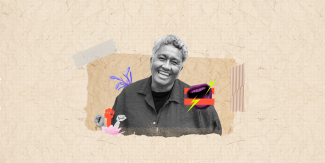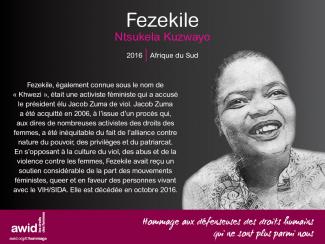
Fezekile Ntsukela Kuzwayo
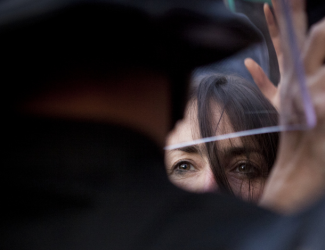
WHRDs are self-identified women and lesbian, bisexual, transgender, queer and intersex (LBTQI) people and others who defend rights and are subject to gender-specific risks and threats due to their human rights work and/or as a direct consequence of their gender identity or sexual orientation.
WHRDs are subject to systematic violence and discrimination due to their identities and unyielding struggles for rights, equality and justice.
The WHRD Program collaborates with international and regional partners as well as the AWID membership to raise awareness about these risks and threats, advocate for feminist and holistic measures of protection and safety, and actively promote a culture of self-care and collective well being in our movements.
WHRDs are exposed to the same types of risks that all other defenders who defend human rights, communities, and the environment face. However, they are also exposed to gender-based violence and gender-specific risks because they challenge existing gender norms within their communities and societies.
We work collaboratively with international and regional networks and our membership
We aim to contribute to a safer world for WHRDs, their families and communities. We believe that action for rights and justice should not put WHRDs at risk; it should be appreciated and celebrated.
Promoting collaboration and coordination among human rights and women’s rights organizations at the international level to strengthen responses concerning safety and wellbeing of WHRDs.
Supporting regional networks of WHRDs and their organizations, such as the Mesoamerican Initiative for WHRDs and the WHRD Middle East and North Africa Coalition, in promoting and strengthening collective action for protection - emphasizing the establishment of solidarity and protection networks, the promotion of self-care, and advocacy and mobilization for the safety of WHRDs;
Increasing the visibility and recognition of WHRDs and their struggles, as well as the risks that they encounter by documenting the attacks that they face, and researching, producing, and disseminating information on their struggles, strategies, and challenges:
Mobilizing urgent responses of international solidarity for WHRDs at risk through our international and regional networks, and our active membership.
We work to achieve gender justice and women’s human rights by strengthening the collective voice, impact and influence of global women’s rights advocates, organizations and movements.
سيقدم صندوق الوصول الخاص بنا عددًا محدودًا من المنح الدراسية لتمويل مشاركة النشطاء/ الناشطات الذين/ اللواتي لا يستطيعون القيام بذلك، وليس لديهم/ن علاقات مع الممولين/ات الذين/ اللواتي يمكنهم/ن تغطية مشاركتهم/ن. لذلك إذا كان لديك احتمالات أخرى، يرجى استكشافها. سنبذل قصارى جهدنا لتقديم أكبر عدد ممكن من المنح الدراسية، وسنشارك المزيد من المعلومات حول هذه العملية وكيفية التقديم لاحقًا في أوائل العام 2024.
En rejoignant l’AWID, vous intégrez l’organisation féministe mondiale, un pouvoir collectif qui se fonde sur la solidarité et puise ses racines dans le travail entre les mouvements.
Querida y maravillosa persona:
Sé que estás muy cerca. Puedes sentirlo, ¿verdad?: cómo las cosas necesitan cambiar y cómo necesitas centrarte.
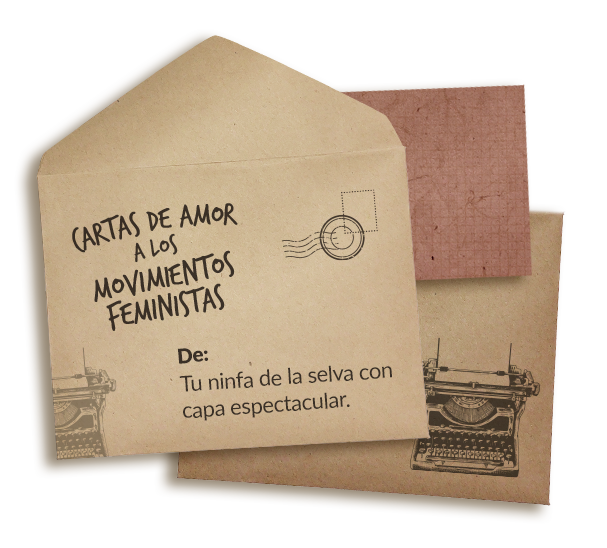
Esta es una carta para decirte que lo hagas. Elige tu sanación. Elige estar bien. Mejor que bien. Elige estar plenx, ser feliz. Llora a lágrima viva solo por tí y por nadie más. Elige cerrar la puerta ante el mundo y decirle «Vuelvo en 5 minutos». O en cinco días. O en cinco años.
O nunca.
Elige no hacerte cargo de todo. Elige no asumir nada. Porque nada de eso es tuyo. Nunca lo fue. Te dijeron desde que naciste que eran tuyos. Los problemas de tu familia. Los problemas de tus amantes. Los problemas de tus vecinxs. Los problemas del mundo. Ese susurro constante de que esos problemas te pertenecen. Que son tuyos. Tuyos para cargarlos, tuyos para llevarlos sobre los hombros. Tuyos para solucionarlos.
Eso fue una mentira.
Un engaño
Un engaño de larga duración.
Una estafa.
Los problemas del universo no son tuyos.
Los únicos problemas que son tuyos son los tuyos. Todxs lxs demás pueden irse de paseo.
Permítete dejarlo todo y adentrarte en la selva. Hazte amigx de una ninfa vestida de margaritas, crea una biblioteca pequeña en las raíces de un árbol. Baila desnudx y aúlla a la luz de la luna. Conversa con Oshun en el lecho del río.
O simplemente tómate una taza de té cuando necesites un momento para respirar.
Permítete desaparecer en la niebla y reaparecer tres países más allá como unx misteriosx chocolaterx con un pasado dudoso y afición por capas espectaculares y cigarros puros.
O deja de responder a las llamadas del trabajo durante los fines de semana.
Permítete nadar hasta una isla desierta con unx amante y vestirte solo con las cáscaras de los cocos que usaron para hacer el ron de coco que beben al atardecer.
O di que no cuando no tengas la capacidad de crear un espacio de contención para alguien.
Las opciones para sostenerte a ti mismx son infinitas.
Hagas lo que hagas, debes saber que el mundo siempre seguirá girando. Por eso es bello y por eso duele.. No importa a quién o qué elijas por encima de tí mismx y de tu alma, el mundo siempre seguirá girando.
Por lo tanto, elígete a tí mismx.
Por la mañana, con la primera luz, elígete a tí mismx. Cuando sea la hora del almuerzo, o te den ganas de llorar durante las horas de trabajo, elígete a tí mismx. Por la noche, cuando estés calentando las sobras porque no tuviste tiempo de volver a cocinar, elígete a vos mismx. Cuando la ansiedad te despierte y la existencia esté en silencio a las 3:45 am.
Elígete a tí mismx.
Porque el mundo siempre seguirá girando, inclinado, y tú mereces tener a alguien que siempre intente acomodarlo para tí.
Cariños,
tu ninfa de la selva con capa espectacular.
by Ana María Belique
The Naranjo Batey community is far from the city, but it’s full of hard-working people brimming with enthusiasm. A girl named Dieula lived there. (...)
< artwork: “Fury” by Diana Manilla Arroyo
نعم من فضلك. لقد تغير العالم منذ عام 2021 ونحن ندعوك لتقديم مقترح يعكس واقعك وأولوياتك الحالية.
The Forum is a live example of what the bigger WE can do. We go to the Forum, we are seeds, we then get sowed. This we have to celebrate.
- Sara Abu Ghazal, Lebanon
I am pleased to share with you one of my remarkable dates as feminist with disability. It was May 30, 2014 when we (the Nationwide Organization of Visually-Impaired Empowered Ladies NOVEL) participated in the Philippine Fashion Week Holiday 2014 for our white cane advocacy campaign. Two ladies who are blind walked down the catwalk to promote the white cane as one of the symbols of gender equality, empowerment, full inclusion and equal participation of women and girls with visual impairment in society.
Their walk in front of the crowd were extremely a nerve-wracking experience for me, as the proponent of our project with the Runway Productions (I enduringly waited for a year for its approval), knowing that they were not models, they were the crowned Ms. Philippines Vision and 1st Runner Up of 2013 Ms. Philippines on Wheels, Signs and Vision by Tahanang Walang Hagdanan, Inc. (House with No Steps). Also, they fell on their orientation and practiced the evening before the event and they didn’t have practice with professional models. Before the show started, I talked to them via mobile phone to boost their confidence and to pray together for God’s guidance. When they exited the catwalk, I breathed deeply while my tears were flowing. I was feeling euphoric because we did it despite the challenges we’ve been through! Our message to the world that women and girls with visual impairment can walk with dignity, freedom and independence on an equal basis with others, with the use of our assistive device - white canes was successfully delivered! We trended in social media and we were featured by television networks.
My life as a feminist with disability started as a means to mend my broken spirit and to see a different path towards finding my life’s purpose after I became victim-survivor to a vicious acid attack in 2007 while I was waiting for a ride going home from office. My eyes were severely damaged, to the point that I became a woman with low vision.
I never knew how joyful and purposeful my life could be again until I met women leaders in the gender and disability movement who influenced me to keep going. Their words of encouragement attracted me and became the sweetest music to my ears. My broken heart leaped like a hummingbird in flight every time I think of them and feminism which stimulated me to partake in making difference for our invisible sisters with disabilities and to those who continue to experience discrimination. To date, I am consumed by the desire to be with the movement. I cannot hide my excitement whenever I submit project proposals to different stakeholders for our sisters with disabilities' empowerment, development and advancement; and to make representations in local, national and international conversations to amplify our voices even at my expense.
Unexpectedly, I was selected as our country’s female representative in the 2012 World Blind Union (WBU) General Assembly in Thailand even though I was a newcomer in the disability movement. In the same year, I was elected as the only woman officer of the Philippine Blind Union (PBU) in its assembly. I was inspired to reach out, gather and empower our sisters with visual impairment on their rights and to know their intersecting issues. In 2013, we officially launched the Nationwide Organization of Visually-Impaired Empowered Ladies (NOVEL) to support the empowerment of our sisters with disabilities, build coalitions with cross-disability and women’s movements and promote gender and disability-inclusive development.
My participation as co-focal person of women with disabilities in our 2016 CEDAW Shadow Report submission convened by Women’s Legal and Human Rights Bureau (WLB) with the marginalized groups of women, opened many doors such as working with various women’s organizations and attending the 2017 Inclusion Days International in Berlin, Germany together with 3 Filipino women leaders with disabilities to share our good practices, mainly our engagement with the women’s movement in our country.
My journey as feminist with disability has been an emotional roller coaster for me. It gave me happiness and a sense of worth when I participated in promoting for our sisters with disabilities full inclusion, equal and effective participation in society, yet I felt frustrated and upset when I gave my all but I received negative remarks. Nevertheless, I feel that way because I am in love with the movement.
I see my future working in solidarity with the movement to ensure that our sisters with and without disabilities can equally and fully enjoy and participate in society.
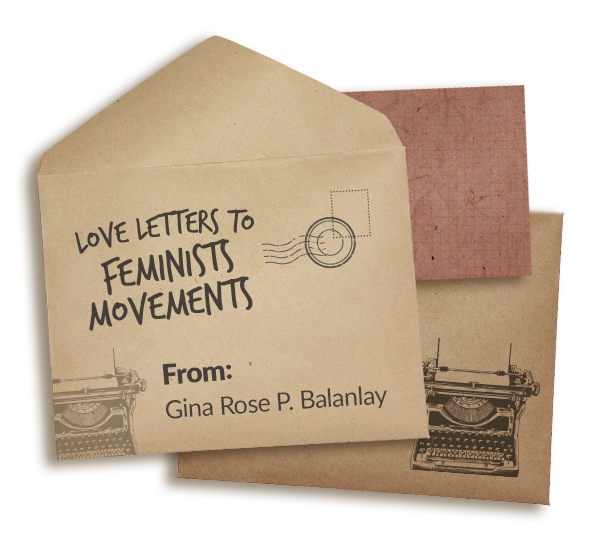
Love lots,
Gina Rose P. Balanlay
Feminist with disability
Philippines
Ya está disponible nuestro programa final del Club de Cine Feminista: “Films from Nuestramérica” es una serie de películas sobre realidades feministas latinoamericanas / centroamericanas curada por Alejandra Laprea (Venezuela).
Notre travail est de portée internationale. Nous collaborons étroitement avec nos membres et d’autres organisations pour les droits des femmes et autres allié-e-s, tant au niveau local que national et régional. Nous faisons en sorte que leurs réalités nourrissent notre travail.
เราจับตาดูเรื่องนี้และความเสี่ยงอื่นๆอย่างระมัดระวัง และจะนำเสนอข้อมูลด้านสุขภาพและความปลอดภัยที่คลอบคลุมเมื่อมีการเปิดให้ลงทะเบียน เพื่อให้คุณสามารถตัดสินใจได้อย่างมีข้อมูล มากกว่านั้นการจัดประชุมแบบสองรูปแบบ(ออนไลน์และกายภาพ)ถูกออกแบบให้ให้เกิดการมีส่วนร่วมอย่างมีความหมายสำหรับผู้เข้าร่วมที่เลือกจะไม่เดินทาง หรือผู้เข้าร่วมที่ไม่สามารถเดินทางได้
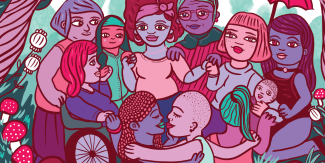
AWID es parte de un impresionante ecosistema de movimientos feministas que trabajan para alcanzar la justicia de género y la justicia social en todo el mundo. Al acercarse nuestro 40° aniversario estamos celebrando todo lo que hemos construido a lo largo de estos últimos cuarenta años. Como organización global de apoyo a los movimientos feministas, sabemos que nuestro camino hacia adelante es trabajar con feminismos apasionados, reconociendo tanto la multiplicidad de los feminismos como el valor de un impulso por la justicia apasionado y sin reservas. El estado del planeta y de los movimientos feministas requiere conversaciones y acciones valientes. Esperamos con ansia trabajar junto con nuestrxs afiliadxs, asociadxs y donantes para crear los mundos en los que creemos,celebrar los logros y expresar la verdad ante el poder, al servicio de los movimientos feministas a nivel global.
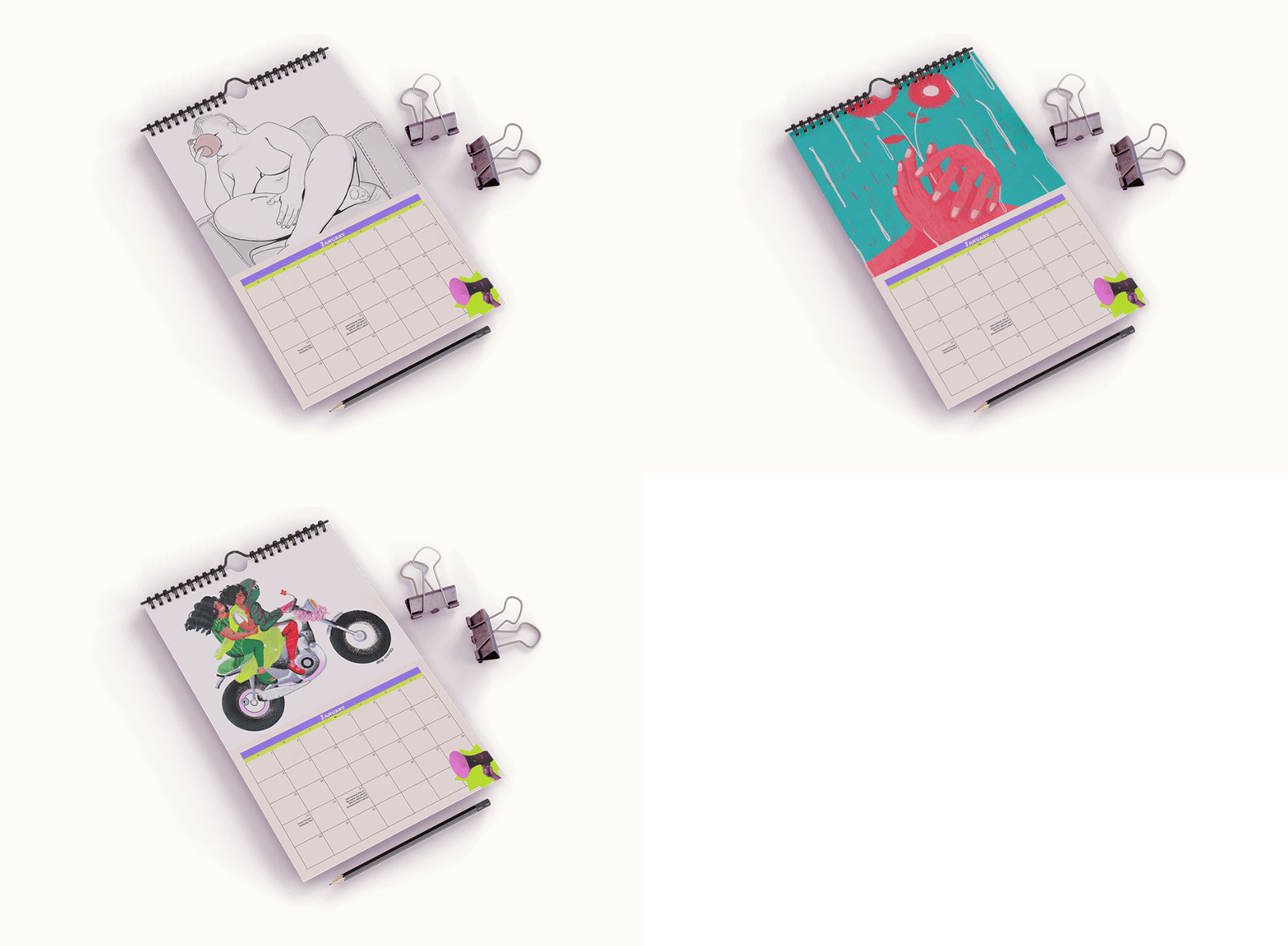
El Calendario Feminista 2023 es un regalo para los movimientos. Presenta las obras de arte de algunxs de nuestrxs maravillosxs afiliadxs de AWID.
¡Consíguelo en tu idioma preferido! |
Escoge la calidad de imagen |
| English | Descarga para impresión | Versión digital |
| Français | Descarga para impresión | Versión digital |
| Español | Descarga para impresión | Versión digital |
| Português | Descarga para impresión | Versión digital |
| عربي | Descarga para impresión | Versión digital |
| Русский | Descarga para impresión | Versión digital |