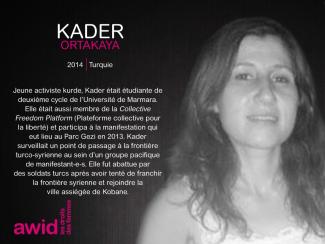
Kader Ortakaya
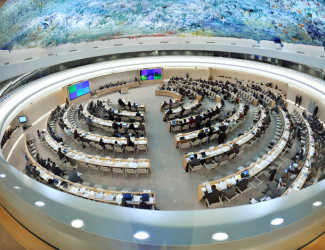
The Human Rights Council (HRC) is the key intergovernmental body within the United Nations system responsible for the promotion and protection of all human rights around the globe. It holds three regular sessions a year: in March, June and September. The Office of the UN High Commissioner for Human Rights (OHCHR) is the secretariat for the HRC.
Debating and passing resolutions on global human rights issues and human rights situations in particular countries
Examining complaints from victims of human rights violations or activist organizations on behalf of victims of human rights violations
Appointing independent experts (known as “Special Procedures”) to review human rights violations in specific countries and examine and further global human rights issues
Engaging in discussions with experts and governments on human rights issues
Assessing the human rights records of all UN Member States every four and a half years through the Universal Periodic Review
AWID works with feminist, progressive and human rights partners to share key knowledge, convene civil society dialogues and events, and influence negotiations and outcomes of the session.
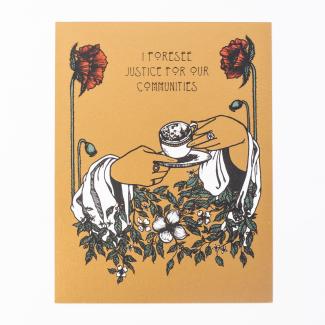
Tasseography is the study of coffee grounds and/or tea leaves for the act of divination. It is a practice that has been passed down through the women on my Armenian side of the family and was taught to me by my mother, she from her mother, and so on. As I would watch my Nana read the coffee grounds from the Armenian coffee prepared for family and friends, I would notice how often times she would see what she would want to say. These prints say some of the things I want to see in the world; I hope you do too.
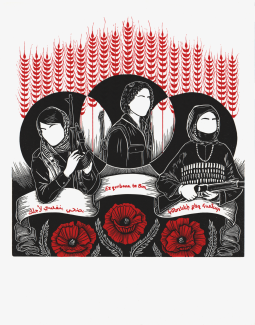
This print celebrates the resilience, sacrifice and strength of SWANA freedom fighters throughout history and the solidarity that exists. It was originally inspired by an article I read about an exhibition held in Tatvan, a district of Bitlis that was highlighting the Armenian presence in the region. My ancestors are from Bitlis, now within the borders of modern day Turkey.
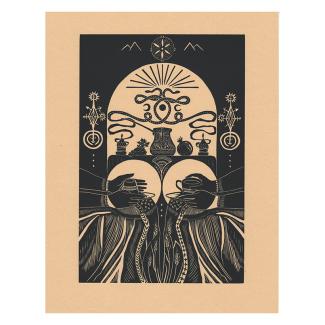
Tasseography (the study of reading coffee grounds) is a cultural practice that Armenian women have used for hundreds of years to speak among and to each other, a coded language to open up conversations, to build inter-relatedness and weave connections.
![]Ali Chavez Leeds portrait](/sites/default/files/styles/max_325x325/public/2021-10/portrait.jpeg?itok=0yU3PqLe)

The AWID Forum is just one stop in the Feminist Realities journey. Let’s travel this path together and explore our power in action!
Êtes-vous à la recherche d'un emploi? L'un des avantages de rejoindre la Communauté de l'AWID est d'avoir accès à notre tableau d'offres d'emploi organisé par la communauté. Vous aurez l'occasion d'explorer de nouvelles opportunités et vous aurez également la possibilité de partager des postes vacants et des appels à propositions avec tous les membres.
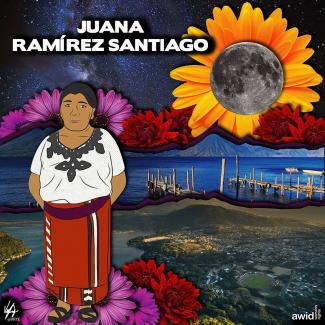
Juana fue una de las fundadoras y era actualmente integrante de la junta directiva de la Red de Mujeres Ixiles de Nebaj, una organización por los derechos de las mujeres indígenas que es parte de la Iniciativa Mesoamericana de Mujeres Defensoras de Derechos Humanos (IM-Defensoras).
También era partera y madre de siete hijxs. Había recibido amenazas de muerte que fueron denunciadas ante la Fiscalía. Juana es la tercera defensora de derechos humanos indígena asesinada en el área durante 2018. El Ombudsman de Guatemala informa que un total de 20 defensorxs de derechos humanos fueron asesinadxs este año en el país.
Juana Ramírez Santiago fue baleada de muerte por atacantes desconocidos mientras cruzaba un puente en Nebak, Quiché, Guatemala. Están en curso las investigaciones para identificar a los perpetradores.
Curado por Jess X. Snow
Con asistencia de Kamee Abrahamian y Zoraida Inglés
Editado por Kamee Abrahamian
A través de Asia y el Pacífico, y de toda su vasta diáspora, mujeres feroces y personas trans han estado luchando por un futuro en el que todxs puedan ser libres. A medida que la subida de los niveles del mar amenaza a las islas del Pacífico y las costas de Asia continental, la batalla por proteger la Tierra y los océanos se intensifica en todo el mundo. Nuestro planeta guarda una memoria geológica de todo lo que ha experimentado. El auge de la colonización, la industrialización y la destrucción ambiental está conectado con el crecimiento del Estado-Nación patriarcal binario. El poder que reside en la Tierra para reencarnar, sanar y florecer a pesar de la violencia debe, por lo tanto, conectarse con las mujeres, con la maternidad, con la indigeneidad, y con todas las fuerzas expansivas, sagradas y queer. No es una coincidencia que las realidades feministas unan la lucha por la protección de los derechos de las mujeres y de las personas trans y LGBTQ+ con la lucha por la protección de la Tierra. Desde las madres-hijas protectoras de Mauna Kea en el Reino de Hawái hasta las complejas relaciones madre-hijx de lxs refugiadxs vietnamitas, los despertares sexuales queer en la conservadora India, la recuperación del hogar en Mongolia Interior y la lucha por la liberación LGBTQ en Filipinas: esta colección de películas es una cosmología de las formas en las que las mujeres y las personas queer y trans contemporáneas de Asia-Pacífico defienden el camino hacia nuestra liberación colectiva, a través de océanos y fronteras.
Todas estas películas tienen un fuerte sentido de lugar: activistas indígenas protegen sus territorios sagrados, lxs jóvenes despejan las narrativas coloniales de su tierra natal para descubrir verdades ocultas, se exploran complejas relaciones de maternidad y cuidados, y lxs personajes recurren a sus propios cuerpos y a su sexualidad como santuario, cuando la familia y la ciudad que lxs rodea amenazan su seguridad.
por Jess X. Snow
«Una película inolvidable, con asombrosas tomas que invocan la resistencia ambiental feminista, y cuán profundamente arraigada está esa resistencia en la historia cultural y en la tierra...»
- Jessica Horn, activista feminista panafricana, escritora y co-creadora del sitio web the temple of her skin
En el documental experimental Afterearth, cuatro mujeres luchan por preservar el volcán, el océano, la tierra y el aire para las generaciones futuras. A través de música, poesía y sentidos testimonios que honran zonas próximas al Océano Pacífico: Hawái, Filipinas, China y América del Norte, Afterearth es una meditación poética sobre la relación intergeneracional y feminista de cuatro mujeres con las tierras y las plantas de las cuales provienen.
por Jalena Keane Lee
En Standing Above the Clouds, dos activistas nativas hawaianas (madre e hija) luchan juntas para proteger su montaña sagrada, Mauna Kea, y evitar que sea utilizada como sitio de la construcción de uno de los telescopios más grandes del mundo. Como protectoras de Mauna Kea, esta película muestra la relación interconectada entre Aloha ʻĀina (amor a la tierra) y el amor a lxs ancianxs y a las generaciones venideras.
por Quyên Nguyen-Le
En el cortometraje narrativo experimental Nước (agua/tierra natal) unx adolescente vietnamita-estadounidense genderqueer desafía las narrativas dominantes sobre la Guerra de Vietnam en Los Ángeles, California. A través de potentes secuencias oníricas y quiebres de la realidad, esta película sigue el camino de lx joven que intenta reconstruir y entender la experiencia de su madre como refugiada de la Guerra de Vietnam.
por Kimi Lee
En Kama’āina, una joven queer de dieciséis años debe pilotear su vida en las calles de Oahu hasta que, finalmente, guiada por una tía, encuentra refugio en el Pu’uhonua o Wai’anae, el campamento organizado de personas sin techo más grande de Hawái.
por Karishma Dev Dube
En Devi (diosa, en hindi) Tara, una joven lesbiana no declarada, arriesga tanto su familia como su tradición al aceptar su atracción por la criada de su infancia. Ambientada en Nueva Delhi, Devi es una historia de transición a la adultez, así como un comentario sobre las distinciones sociales y de clase que actualmente dividen a las mujeres en la India contemporánea.
por Yuan Yuan
En Heading South, Chasuna, una niña de 8 años criada por su madre en la meseta de Mongolia Interior, visita a su padre violento en la gran ciudad. En casa de su padre se encuentra con una nueva incorporación a la familia, y debe aceptar el hecho de que su verdadero hogar es inseparable de su madre y de su tierra.
por Johnny Symons & S. Leo Chiang
El largometraje Outrun sigue la trayectoria de la primera mujer transgénero del Congreso de Filipinas. Confrontando la opresión de una nación predominantemente católica, su viaje triunfal se convierte en un clamor por los derechos de las personas LGBTQ+ de todo el mundo.
Abarcando formas documentales, narrativas y experimentales, estas películas muestran que los cuidados comunitarios, el amor por unx mismx y la escucha transformadora profunda entre nuestros seres amados son un portal a las realidades feministas a las que hoy estamos dando existencia. Desde toda la zona de Asia-Pacífico y su diáspora, estas historias nos enseñan que, frente a la violencia, la ternura es la fuerza de resistencia más intensa.
Mira nuestra conversación con lxs cineastxs
Facebook: @AWIDWomensRights
Instagram: @awidwomensrights
Twitter ENG: @awid
Twitter ES: @awid_es
Twitter FR: @awid_fr
LinkedIn: Association for Women's Rights in Development (AWID)

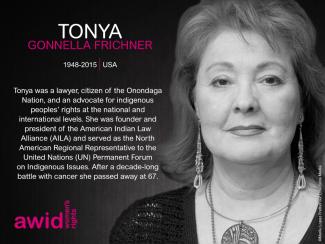
Ana était un ardente défenseure des droits des femmes et travaillait avec un large éventail de femmes au sein d’organisations de terrain ainsi que dans le secteur privé.
Elle croyait en la construction de ponts entre les secteurs. Ana était membre du Réseau national de promotion de la femme (RNPM) et participait activement à l'élaboration de nombreux programmes sociaux traitant de questions telles que la santé et les droits sexuels et reproductifs.
Un réseau complexe et mouvant d’antidroits exerce une influence croissante dans les sphères internationales et les politiques locales. Souvent soutenu·e·s par des financements d’origine imprécise, ces acteur·rice·s renforcent leur impact en créant des alliances tactiques entre thématiques, régions et croyances.
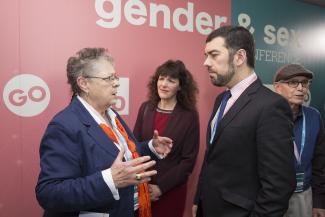
Alors que les discours des fascistes et fondamentalistes sont tout à fait nationalistes, leurs assises idéologiques, alliances politiques et réseaux de financement ne connaissent pas de frontières. Parfois soutenus par des flux de financement d’origine obscure, en lien avec de grosses entreprises ou des partis d’extrême droite, ces groupes concluent des alliances stratégiques, voire avec des sous-groupes de mouvements féministes et pour les droits des femmes, dans certains cas, tout en s’éloignant d’éléments ouvertement extrêmes pour acquérir davantage de légitimité. Ces acteur·rice·s diffusent et reproduisent également partout dans le monde leur modèle d’organisation antidroits : leurs manières de faire campagne, de faire pression ou de mener des actions stratégiques en justice.
par Karina Ocampo
C’est dans un recoin caché du Chiapas, au Mexique, que nous sommes arrivées, femmes et dissidentes sexuelles, pour organiser nos actions. (...)
< illustration : « La muerte sale por el Oriente » [la mort se lève à l’Est], par Sonia Madrigal
✉️ In-person registration is now closed. Sign up for the livestream here
📅 Wednesday, March 12, 2025
🕒 12.00-1.30pm EST
🏢 UNDP, 304 E 45th St. Doha Room, 11th Floor (FF Building)
Organizers: UNDP, Femena, SRI and AWID
Just like women have learned to avoid dark streets for their safety, women journalists are forced to avoid reporting certain stories as a result of online harassment.
Harassment is not part of the job description and should be called out and challenged at every turn to ensure these important voices are not silenced.
This tribute to journalists was made on behalf of IFEX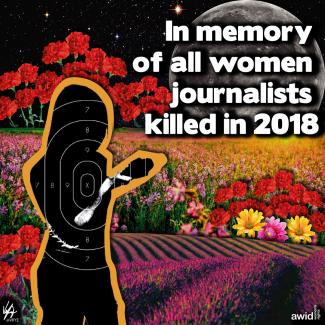
فقدان الكلامترجمة رولا علاء الدين |
 |
 |
| تشينيلو أونوالو | غوى صايغ |
«لمّا نكون مُستَقتِلين للتغيير، لِكوننا في حالة مرضٍ وتمرّدٍ في آنٍ واحد، تخلو لغتنا من التعقيد وتنصقل لتعكس أبسط ركائزها. (...) لكن، ومع استمرار المرض والثورة، تصبح اللغة المُصاغة في هذه الحالة وعنها أكثرَ عمقاً وأكثرَ تعبيراً عن الفوارق الدقيقة، وتكون منغمسة انغماساً شديداً في التجربة الإنسانية التي يواجه فيها المرءُ حدودَه عند نهاية العالم».
بدأنا التخطيط لعدد المجلّة هذا مع نانا داركوا قُبيل مهرجان «ابدعي، قاومي، غيٍّري: مهرجان للحراكات النسوية» لجمعية «حقوق المرأة في التنمية» AWID، وانطلقنا وقتها من سؤالٍ هو بالأحرى ملاحظة حول حالة العالم، ورغبة في تغيير الاعتقادات السائدة: لماذا لا تزال جنسانيّاتنا وملذّاتنا تخضع للترويض والتجريم مع أنّه يتمّ تذكيرنا مراراً وتكراراً بأنّها لا تأتي بأيّ قيمة أو تطوّر؟ واستنتجنا أنّ جنسانيّاتنا، لمّا تتجسّد، فيها ما يتعارض مع النظام العالمي الذي ما زال يتجلّى من خلال ضوابط الحدود، والتمييز العنصري في توزيع اللقاح، والاستعمار الاستيطاني، والتطهير العرقي، والرأسمالية المُستشرية. هل يمكننا إذاً القول إنّ لجنسانيّاتنا قدرةٌ تعطيليّة؟ وهل يصحّ هذا القول عندما ننظر إلى واقع حركاتنا التي يتمّ الاستيلاء عليها ومأسستها في سعيها للتزوّد بالموارد؟
عندما يصبح عملنا المتجسّد مادةً ربحية في أيدي الأنظمة التي نسعى إلى إزالتها فلا عجب أنّ جنسانيّاتنا وملذّاتنا توضَع جانباً من جديد، لا سيّما أنّها ليست مُربِحة بما فيه الكفاية. لقد تساءلنا، في مواقف عدّة خلال إنتاج هذا العدد، ما الذي سيحدث إذا رفضنا مراعاة خدمات الرأسمالية الأساسية؟ لكن هل نجرؤ على هذا التساؤل وقد أنهكنا العالم؟ ربما يتمّ تجاهل جنسانيّاتنا بهذه السهولة لأنها لا تُعتَبَر أشكالاً من أشكال الرعاية. ربما ما نحتاجه هو أن نعيد تصوّر الملذّة كشكلٍ من أشكال الرعاية الجذرية، تكون أيضاً مناهضة للرأسمالية وللمؤسساتية.
بدأنا العام الثاني على التوالي لحالة الجائحة العالمية وكان لا بدّ أن تركّز مقاربتنا للتجسيدات العابرة للحدود القومية على ملاحظة سياسيّة واحدة: أنّ الرعاية هي شكل من أشكال التجسيد. وبما أنّ جزءاً كبيراً من عملنا يتمّ حالياً من دون أيّ اعتبار للحدود بيننا وفينا فنحن جميعاً متجسّدون بشكلٍ عابرٍ للحدود القومية، ونحن جميعاً نفشل. نحن نفشل في رعاية ذاتنا، والأهمّ أننا نفشل في رعاية الآخرين.
هذا الفشل ليس من صنع أيدينا.
إنّ الكثير من أهالينا اعتبروا العملَ مقايضةً، أي أنّه شيءٌ يُعطى مقابل أجرٍ وضمانة بالحصول على الرعاية. صحيحٌ أنّه تمّ الإخلال بهذه المقايضة أحياناً، لكنّ أهالينا ما كانوا يأملون أنّ عملهم سيوفّر لهم الرِضا الذاتي، وكانوا يعتمدون لهذا الغرض على نشاطهم الترفيهي وهواياتهم ومجتمعاتهم. أمّا اليوم، فنحن، أولادهم الذين تمّت تهيأتنا لنعتبر العمل متشابكاً مع الشغف، توقّعاتنا مختلفة تماماً. نحن لا نفرّق بين العمل والترفيه ونعتبرهما عنصراً واحداً، وبالنسبة للكثيرين بيننا، العمل بات يجسّد الذات بكاملها.
إنّ الرأسمالية القائمة على الأبويّة والمغايَرة الجنسية لا ترى لنا أيّ قيمة، ناهيك عن عملنا وجنسانيّاتنا. إنّه نظامٌ سيستمر في طلب المزيد والمزيد منك إلى يوم مماتك، وبعدها سيستبدلك بشخصٍ آخر. يُنتَظَر منّا أن نكون على اتصال بالإنترنت في كلّ الأوقات، ما يعني أنّه لا يمكننا الانصراف عن العمل حتى لو شئنا ذلك. إنّ هذا التَتْجير للعمل وفصله تماماً عن الشخص قد تسلّل إلى كلّ ناحية من نواحي حياتنا، ويتمّ ترسيخ هذا التَتْجير حتى في الأوساط الأكثر نسويّة والأكثر تمرّداً وتشدّداً.
لطالما حمَلَت تطلّعات الرأسمالية ضرراً كبيراً بالأجساد التي لا تتوافق مع النموذج المثالي، وأولئك الذين يسعون إلى ترسيخ سلطتهم استغّلوا الجائحة كفرصة لاستهداف النساء والأقلّيات الجنسية وكلّ مَن يعتبرونه دون المستوى.
تمّ إعداد هذا العدد الخاص بفعل هذا الواقع، وطبعاً، رغماً عن هذا الواقع.
لقد قدّم المساهمون/ المساهمات والعاملون/ العاملات كلّهم تقريباً مجهوداً يفوق طاقاتهم، وكلٌّ من الأعمال الواردة هنا هو نتاجُ سعيٍ شغوف ولكن أيضاً نتاج حالة إنهاكٍ شديد. يشكّل هذا العدد، بطريقة غايةً في الواقعية، تجسيداً للعمل العابر للحدود القومية، علماً أنّ أيّ عمل في عصرنا الرقمي أصبحَ عابراً لتلك الحدود. وفيما فُرِضَ علينا تقبّل حدود جديدة، وهي حدود لا تخالف النظام القائم سابقاً بل تعزّزه، اختبرنا مباشرةً، إلى جانب مساهمينا، كيف تستنزف الرأسمالية طاقاتنا القصوى – كيف يصبح من الصعب بناء الحجج المتماسكة لا سيّما حينما تكون خاضعة لموعد التسليم. إننا نعاني بشكلٍ جَماعي من فقدان الكلام لأننا أساساً نعاني من فقدان العوالم.
الشعور بالضياع والوحدة في عالم الرأسمالية القائمة على الأبوية والمغايَرة الجنسية هو بالتحديد ما يجعل من الضروري أن نعيد تقييم أنظمة الرعاية التي نتّبعها وأن نُعيد النظر فيها. لقد حوّلنا هذا العدد بوسائل عدّة إلى مهمّة لإيجاد الملذّة في الرعاية. فبما أنّه بات من الصعب بناء الحجج المتماسكة، برزت الوسائط البصرية والمبتكرة وقد لجأ كثرٌ ممن اعتادوا الكتابة إلى هذه الوسائط كطرقٍ لإنتاج المعرفة واختراق الضباب الفكريّ الذي أحاط بنا. لقد ضمّينا في هذا العدد أصواتاً أخرى، بالإضافة إلى أصواتٍ عدّة استمعتم إليها في المهرجان، كوسيلة لإطلاق حوارات جديدة وتوسيع آفاقنا.
بما أنّ كلماتنا قد سُرِقَت منّا، يقضي واجبنا السياسي بأن نستمر في إيجاد الوسائل للحفاظ على أنفسنا والآخرين والاهتمام بأنفسنا وبالآخرين. بالتالي، يصبح تجسّدنا نوعاً من المقاومة إذ هو بداية إيجادنا لسبيل الخروج من الذات ودخولها.
We would like to thank the Amar.ela collective of women feminists activists and creatives who made this series possible, and especially Natalia Mallo (the team’s octopus) for her support and accompaniment throughout this journey.
We also extend our deepest gratitude and admiration to all the collectives and people who participated in this project, and we thank them for sharing their time, wisdom, dreams and hopes with us. We thank you for making this world a more just, feminist and sustainable one.
We hope the rest of the world will be as inspired by their stories as we are.