Advancing Universal Rights and Justice
Uprooting Fascisms and Fundamentalisms
Across the globe, feminist, women’s rights and gender justice defenders are challenging the agendas of fascist and fundamentalist actors. These oppressive forces target women, persons who are non-conforming in their gender identity, expression and/or sexual orientation, and other oppressed communities.
Discriminatory ideologies are undermining and co-opting our human rights systems and standards, with the aim of making rights the preserve of only certain groups. In the face of this, the Advancing Universal Rights and Justice (AURJ) initiative promotes the universality of rights - the foundational principle that human rights belong to everyone, no matter who they are, without exception.
We create space for feminist, women’s rights and gender justice movements and allies to recognize, strategize and take collective action to counter the influence and impact of anti-rights actors. We also seek to advance women’s rights and feminist frameworks, norms and proposals, and to protect and promote the universality of rights.
Our actions
Through this initiative, we:
- Build knowledge: We support feminist, women’s rights and gender justice movements by disseminating and popularizing knowledge and key messages about anti-rights actors, their strategies, and impact in the international human rights systems through AWID’s leadership role in the collaborative platform, the Observatory on the Universality of Rights (OURs)*.
- Advance feminist agendas: We ally ourselves with partners in international human rights spaces including, the Human Rights Council, the Commission on Population and Development, the Commission on the Status of Women and the UN General Assembly.
- Create and amplify alternatives: We engage with our members to ensure that international commitments, resolutions and norms reflect and are fed back into organizing in other spaces locally, nationally and regionally.
- Mobilize solidarity action: We take action alongside women human rights defenders (WHRDs) including trans and intersex defenders and young feminists, working to challenge fundamentalisms and fascisms and call attention to situations of risk.
Related Content
Snippet - WITM Acknowledgements - AR
شكر
ان جمعية حقوق المرأة في التنمية ممتنة للعديد من الأشخاص الذين/ اللواتي ساعدت أفكارهم/ن، تحليلاتهم/ن ومساهماتهم/ن على تصميم استطلاع "أين المال" على مدار السنوات.
نشكر جزيل الشكر أعضاء/ عضوات AWID والنشطاء/ الناشطات الذين/ اللواتي شاركوا/ن في استشارات استطلاع "أين المال؟" وقاموا/ن بتجربة الاستطلاع وأعطونا بسخاء من وقتهم/ن وتحليلاتهم/ن وقلوبهم/ن.
نقدر بشكل عميق الحركات النسوية، الحلفاء/ الحليفات والصناديق النسوية بمانقدر بشكل عميق الحركات النسوية، الحلفاء/ الحليفات والصناديق النسوية وهنا بعض منها وليس جميعها: Black Feminist Fund, Pacific Feminist Fund, ASTREA, FRIDA Young Feminist Fund, Purposeful, Kosovo Women's Network, Human Rights Funders Network, CEECCNA Feminist Fund e PROSPERA, على بحثكم/ن الرائع عن وضع التمويل، تحليلكم/ن الدقيق والمناصرة المستمرة لتمويل وقوة أكبر وأفضل للحركات النسوية وتنظيمات العدالة الجندرية في جميع السياقات.
انضموا/من للمجتمع العالمي من النسويات/ين اللواتي/ اللذين يرفعن/وا صوتهم/ن ويتحدثن/وا عن التمويل، ويطالبن/وا بتمويل وبقوة أكبر وأفضل للنسويات/ين في كل مكان
Our values - bodily autonomy
Bodily autonomy, integrity and freedoms<
We celebrate everyone's right to choose their identities, relationships, goals, work, dreams and pleasures, and what they do with their mind, body and spirit. We believe in working towards access to resources, information and safe and enabling environments that allow this to happen.
Я являюсь индивидуальной(-ым) активисткой(-том), не сотрудничающей(-им) в данный момент ни с какой группой, организацией и/или движением – могу ли я принять участие в опросе?
Нет, мы очень ценим вашу работу, но в данный момент мы не собираем информацию об отдельных активистках(-тах).
FRMag - The Triple
The Triple Cripples: Let’s talk about sex, baby!
by Nandini Tanya LallmonOlajumoke ‘Jay’ Abdullahi and Kym Oliver are revolutionary feminists in more ways than one. (...)
artwork: “Bloomed” by Titash Sen >
FRMag - Dieula and the Black Dolls
Dieula and the Black Dolls
by Ana María Belique
The Naranjo Batey community is far from the city, but it’s full of hard-working people brimming with enthusiasm. A girl named Dieula lived there. (...)
< artwork: “Fury” by Diana Manilla Arroyo
هل استطلاع "أين المال" متاح للأشخاص ذوي/ات الإعاقات؟
نعم، انه متاح للأشخاص أصحاب/ صاحبات الإعاقات السمعية، البصرية، النظرية والفكرية المختلفة.
ours chapter 3
Chapter 3
Anti-Rights Discourses
Anti-rights discourses continue to evolve. As well as using arguments related to religion, culture, and tradition, anti-rights actors co-opt the language of social justice and human rights to conceal their true agendas and gain legitimacy.
Должен ли я отвечать на все вопросы сразу или я могу делать это с перерывами?
При необходимости, вы можете сохранить свои ответы и вернуться к опросу позже. Eсли Вы хотите сохранить ответы и вернуться к опросу позже, это можно сделать при условии, что Вы продолжите работу на том же устройстве. KOBO сохранит Ваши ответы в левом верхнем углу страницы опросника и подгрузит Ваш черновик, когда Вы вернетесь к опросу.
Snippet Kohl - Plenary: The revolution will be feminist – or it won’t be a revolution
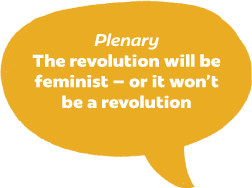
with Manal Tamimi, Bubulina Moreno, Karolina Więckiewicz, and Anwulika Ngozi Okonjo.
Respondi ao inquérito, mas mudei de ideias e quero que a nossa resposta seja eliminada. Como devo proceder?
Tem o direito de eliminar a sua resposta, por qualquer motivo e se assim o desejar. Queira entrar em contacto connosco através deste formulário, ao indicar "WITM Survey" ("Inquérito WITM") no título da sua mensagem, e iremos proceder à eliminação da sua resposta.
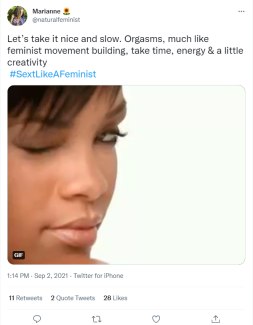
#8 - Sexting like a feminist Tweets Snippet EN
When you’ve just met and need a good opening line.
هل يمكنني مشاركة الاستطلاع مع الآخرين/ الأخريات؟
نعم! الرجاء القيام بذلك! نشجعكم/ن على مشاركة رابط الاستطلاع في شبكاتكم/ن. سيسمح لنا جمع وجهات النظر أكثر تنوعاً، فهم البيئة التمويلية للحركات النسوية بشكل أكبر.
التعبير عن الرغبة وغيرها من الممارسات السياسيّة الأيديولوجيّة المجسَّدة | Title Snippet AR
التعبير عن الرغبة وغيرها من الممارسات السياسيّة الأيديولوجيّة المجسَّدة
مع منال التميمي وليديوي راسيكوالا ولويز ماليرب حقوق ملكيّة المدوّنة الصوتية: زهور محمود
Snippet - Blog post Quote_EN
"We believe that this is the time for us to continue to organize from a place of solidarity, hope and radical imaginations."
- Beijing+30 & CSW: Feminist meaning-making at a time of polycrisis
Disintegration | Title Snippet EN
Disintegration
Adapted from a tale by Ester Lopes
Photos by Mariam Mekiwi
Costume design and modeling by El Nemrah
Snippet - CSW69 - Transfeminist Alliances - EN
Transfeminist Alliances Against Fascism
✉️ By registration only. Register here
📅 Thursday, March 13, 2025
🕒 09.30-11.30am EST
🏢 Outright International Office, 17th Floor, 216 E 45th Street, New York
🎙️AWID speaker: Inna Michaeli, Co-Executive Director
Organizer: Outright International
Moving Conversation | Small Snippet EN
Moving Conversation
"We were finally experiencing that other form of love – that pleasure of being together and listening to each other. For me, these kinds of chats are among the expressions of love that life had only recently allowed me to enjoy..."
Snippet - WCFM smart filtering - EN
With smart filtering for both databases, you can connect with funders based on:
| Nature of funding: Due to global funding cuts and freezes |
|
 |
Recipient type: Filter for organizations or individual funding opportunities |
 |
Preferred languages: Boil them down to communications language preferences |
| Funding type: Be it rapid response, grantmaking, seed, direct aid and more |
|
 |
Movement and Struggle: Connect with funders that speak to your movement |
Communicating Desire | Small Snippet AR
التعبير عن الرغبة وغ
وغيرها من الممارسات السياسيّة الأيديولوجيّة المجسَّدة
المضيفة: نحن نميل إلى الاعتقاد أنّ التعبير عن الرغبة يقتصر على العلاقة الحميمة داخل غرفة النوم وعلى علاقاتنا الشخصيّة. ولكن هل يمكننا أيضًا اعتبار هذا النوع من التعبير كبُنية، أو ممارسة أيديولوجيّة توجّه عملنا، وما نحن عليه، وكيف سنكون في هذا العالم؟