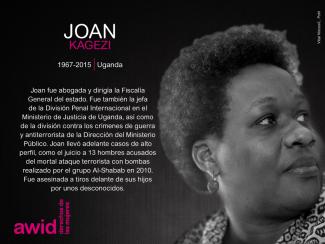
Joan Kagezi
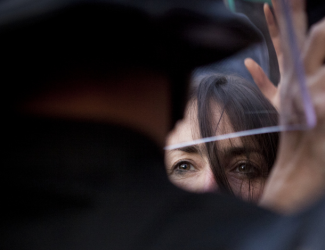
WHRDs are self-identified women and lesbian, bisexual, transgender, queer and intersex (LBTQI) people and others who defend rights and are subject to gender-specific risks and threats due to their human rights work and/or as a direct consequence of their gender identity or sexual orientation.
WHRDs are subject to systematic violence and discrimination due to their identities and unyielding struggles for rights, equality and justice.
The WHRD Program collaborates with international and regional partners as well as the AWID membership to raise awareness about these risks and threats, advocate for feminist and holistic measures of protection and safety, and actively promote a culture of self-care and collective well being in our movements.
WHRDs are exposed to the same types of risks that all other defenders who defend human rights, communities, and the environment face. However, they are also exposed to gender-based violence and gender-specific risks because they challenge existing gender norms within their communities and societies.
We work collaboratively with international and regional networks and our membership
We aim to contribute to a safer world for WHRDs, their families and communities. We believe that action for rights and justice should not put WHRDs at risk; it should be appreciated and celebrated.
Promoting collaboration and coordination among human rights and women’s rights organizations at the international level to strengthen responses concerning safety and wellbeing of WHRDs.
Supporting regional networks of WHRDs and their organizations, such as the Mesoamerican Initiative for WHRDs and the WHRD Middle East and North Africa Coalition, in promoting and strengthening collective action for protection - emphasizing the establishment of solidarity and protection networks, the promotion of self-care, and advocacy and mobilization for the safety of WHRDs;
Increasing the visibility and recognition of WHRDs and their struggles, as well as the risks that they encounter by documenting the attacks that they face, and researching, producing, and disseminating information on their struggles, strategies, and challenges:
Mobilizing urgent responses of international solidarity for WHRDs at risk through our international and regional networks, and our active membership.
En octubre de 2007 se creó el Women’s Working Group on Financing for Development [Grupo de Trabajo de Mujeres sobre Financiación para el Desarrollo, WWG on FfD en inglés], una alianza entre organizaciones y redes por los derechos de las mujeres cuyo objetivo es defender y promover avances en cuanto a igualdad de género, empoderamiento de las mujeres y derechos humanos en los procesos de la ONU relacionados con la FpD.
Tercer Diálogo de Alto Nivel sobre la Financiación para el Desarrollo, 23 al 25 de octubre de 2007
by Judyannet Muchiri
October last year I left for Kenya to begin what I have come to think of as my most important work yet. (...)
artwork: “Healing Together” by Upasana Agarwal >
Por Nkhensani Manabe
El título de la conversación «¿Pansexual, ginosexual o abrosexual? Una exploración de lo queer, el placer y la positividad sexual» da mucho para pensar. Tiffany Kagure Mugo (escritora, educadora y curadora de HOLAAfrica) comienza la sesión con una lectura de Touch [Tocar/Tacto], una compilación recientemente publicada de ensayos de ficción y no ficción sobre sexo, sexualidad y placer. En este fragmento, la autora propone la idea de que el placer es constante y continuo, que está presente en las actividades cotidianas, y que no se circunscribe a las relaciones sexuales.
Esta idea de que el placer es parte de la vida diaria (al igual que tantas otras cosas) atraviesa la conversación, que también abarca temas sobre el deseo, la atracción y la orientación sexual.
Desde el comienzo, existe una sensación de esperanza y posibilidad. Tiffany presenta opciones y explica alternativas, dándonos un nuevo lenguaje para hablar sobre quiénes somos, qué nos gusta, y cómo lo queremos. Esto se refiere al deseo y al sexo, pero se trata primordialmente de autoconocimiento y empoderamiento. Tiffany habla apasionadamente sobre tomar decisiones desde un lugar de poder: aprender sobre la propia identidad para poder elegir lo mejor para unx mismx.
En una conversación abierta y libre, que representa la actitud que Tiffany propone que todxs adoptemos, aprendemos que el conocimiento sobre sexo y sexualidad está en permanente cambio, que los límites se están desplazando. Lo que podemos haber aprendido o, más fundamentalmente, aquello que se nos ocultó durante la infancia o la adultez es exactamente el lugar desde donde deberíamos comenzar a desaprender y reprogramarnos. Tiffany señala que, actualmente, las personas jóvenes necesitan herramientas para comprender las experiencias que ya están teniendo, un recordatorio para no subestimar jamás lo que lxs niñxs y adolescentes saben sobre la clase de placer/es que quieren procurarse en la vida.
La conversación abrió mi mente a esto: conocerme a mí misma me ayudará a desarrollar mi confianza; podré encarar relaciones con cuidado no solo de mí misma sino de otras personas también. Aprender el lenguaje de orientación, atracción, deseo y placer contribuirá a profundizar mis futuras conexiones. Valoré el espacio para pensar sobre este aspecto de mi vida: las partes privadas e íntimas a las que no accedo habitualmente. El entusiasmo de Tiffany sobre el placer y la identidad desplazó mis propias barreras, permitiéndome considerar nuevas posibilidades personales.
La idea de aprender a establecer conexiones holísticas no es algo común todavía. En general, vivimos en una cultura de conexiones instantáneas y pasajeras. Casi no hay tiempo para reflexionar verdaderamente sobre cómo y por qué buscamos relaciones o parejas... al menos, no hasta que llega un momento de crisis.
Por supuesto, existen espacios privilegiados que están abiertos a preguntas y conversaciones, tales como el festival «Crear Résister Transform» de AWID y otras plataformas o publicaciones en línea que promueven la libertad de pensamiento. Pero el acceso a la información de fuentes útiles y sin prejuicios es algo que todavía debe ser descifrado. Esto puede deberse en parte al hecho de que la gente no se siente segura en el lenguaje de la sexualidad y el placer.
La idea del lenguaje y las herramientas se repite durante toda la presentación de Tiffany. Ella y sus colegas están haciendo el trabajo de hablar, enseñar y nutrir, viendo qué es lo que cada persona necesita, dónde están esas personas, qué quieren para sí mismxs, y caminando junto con ellxs mientras construyen sus mundos ideales, brindándoles nuevas palabras y definiciones para ayudarlxs a configurar sus identidades en las diferentes etapas de sus vidas.
Esta es la clase de conversaciones que se necesita, incluso en una sociedad que permanentemente difunde un sinfín de mensajes sobre el cuidado de la salud, con diferentes grados de detalle. A veces la gente debe retrotraerse de las instancias de perspectiva global, y sentirse alentada a aprender sobre sus opiniones y deseos individuales. Esto es lo que hace la ponencia de Tiffany: genera un espacio para cada persona, dentro del rompecabezas general.
Sexual: el deseo expreso de tener relaciones sexuales con una o varias personas
Sensual: el deseo de tocar a una o varias personas, de estar físicamente cerca, sin necesariamente incluir una relación sexual
Romántica: el deseo de salir con una o varias personas, o de estar en una relación con una o varias personas
Platónica: el deseo de construir amistades profundas
Estética: el deseo de mirar a una o varias personas, sintiendo placer por su apariencia
Estos cinco tipos o niveles de atracción ofrecen una forma abreviada para definir el deseo y el placer, y ayudan a contextualizar las distintas clases de placer que pueden experimentar las personas.
Pensar la atracción más allá de lo físico o sexual ofrece una nueva perspectiva sobre la conexión. Es una oportunidad para restar presión a las relaciones, abriendo oportunidades para asociaciones diferentes, más esclarecidas y satisfactorias.
Esta libertad y este conocimiento que propone Tiffany configuran una hoja de ruta hacia el futuro. La presentación ofreció una nueva perspectiva sobre aquello que es posible.
Tal como lo expresa el fragmento de apertura, el placer es continuo. A la luz de la ponencia de Tiffany, también resulta claro que el placer es dinámico y apasionante. Siempre hay más para aprender.
Esto puede parecer abrumador al comienzo, pero del otro lado del titubeo se encuentran la esperanza, el potencial y la libertad.
Yamile Guerra fue una conocida abogada, líder comunitaria y activista política de la región colombiana de Santander.
Trabajó activamente para resolver las disputas entre comunidades locales y empresas promotoras, y abogó contra la apropiación ilegal de las tierras. Yamile ocupó varios cargos políticos, entre ellos la Secretaría General del Gobierno de Santander en Bogotá, y se presentó también a la Alcaldía de Bucaramanga. En los últimos años de su vida, Yamile se volvió cada vez más activa en las causas medioambientales contra los desarrollos urbanos, particularmente, en la defensa de los humedales biodiversos de Santurbán contra los desarrollos urbanos, una región que abastece de agua dulce a casi 2 millones de personas .
Según su familia y amigxs, Yamile recibía amenazas de muerte a diario y había pedido protección a las autoridades.
"Ella era muy consciente de este problema [litigio de tierras] y manifestó repetidamente que se sentía insegura". - Alixon Navarro Muñoz, periodista y amigo de la familia Guerra.
El 20 de julio de 2019, Yamile fue asesinada a tiros por dos hombres en Floridablanca, Santander. Acababa de terminar de discutir con ellos por una disputa de tierras. Un sospechoso fue arrestado más tarde por su asesinato y admitió haber recibido un pago por llevar a cabo su asesinato. Según varios informes, o Yamile fue la tercera integrante de su familia en ser asesinada a causa de las disputas por tierras. El padre de Yamile, Hernando Guerra, había sido asesinado también varios años antes.
El asesinato de Yamile forma parte de una ola de violencia y asesinatos sistemáticos contra cientos de activistas sociales y defensorxs de los derechos humanos en Colombia. Según el Instituto de Estudios para el Desarrollo y la Paz (INDEPAZ), en el momento de la muerte de Yamile, más de 700 líderes comunitarios y activistas de derechos humanos habían sido asesinadxs desde que el país firmó un acuerdo de paz en agosto de 2016. La mayoría de ellxs fueron asesinadxs por enfrentar el tráfico ilegal de drogas y las operaciones mineras. Las personas indígenas, afrocolombianas y las mujeres defensoras de derechos humanos son lxs activistas que corren mayor riesgo.
Menos de una semana después de la muerte de Yamile, miles de colombianxs marcharon por pueblos y ciudades sosteniendo fotos en blanco y negro de activistas que habían sido asesinadxs, en las pancartas se podía leer: "Sin líderes no puede haber paz" y "No más derramamientos de sangre".
Yamile Guerra tenía solo 42 años en el momento de su asesinato.
Nuestra presencia colectiva trastorna las prácticas institucionales de exclusión en dichos espacios y, a la vez, apoya los procesos de organización de los movimientos en torno a las alternativas feministas a los sistemas de opresión.
Súmate a las conversaciones desde el 10 al 21 de marzo de 2025, mientras transformamos de forma colectiva la CSW69 en espacios para y sobre la resistencia y la solidaridad.
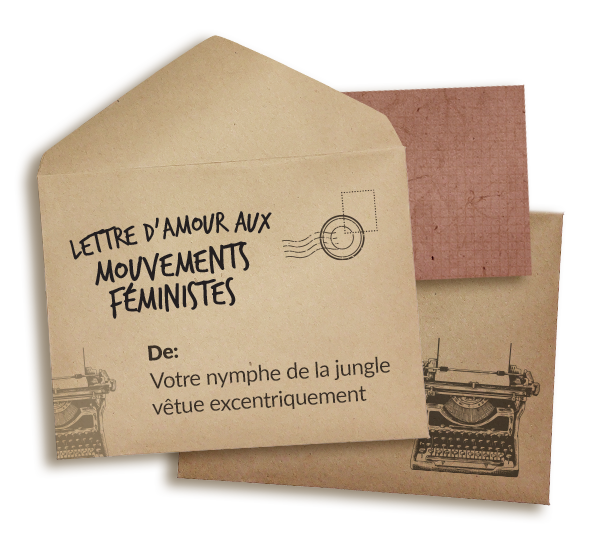
Chers êtres splendides,
Je sais que vous y êtes presque. Vous le sentez, non? La manière dont les choses doivent changer et que vous devez recentrer.
Ceci est une lettre pour vous dire de le faire. Choisissez votre guérison. Choisissez d’aller bien. Mieux que bien. Choisissez d’être entières, être heureuses. De pleurer pour vous-même et pour personne d’autre. Choisissez de laisser le monde dehors et de lui dire « Je reviens dans cinq minutes ». Ou dans cinq jours. Ou dans cinq ans.
Ou jamais.
Choisissez de ne pas tout prendre. Choisissez de ne rien en prendre. Parce que rien de tout cela n’est à vous. Et ça ne l’a jamais été. On vous dit depuis votre naissance que c’est à vous. Les problèmes de votre famille. Les problèmes de votre amoureuxse. Les problèmes du quartier. Les problèmes du monde. Cette petite voix constante qui vous dit que ces problèmes vous appartiennent. Ils sont à vous. C’est à vous de les tenir, à vous de les supporter. À vous de les régler.
C’était un mensonge.
Un bobard.
Une arnaque.
Une escroquerie.
Les problèmes de l’univers ne sont pas les vôtres.
Les seuls problèmes qui sont à vous sont les vôtres. Tout le reste peut aller se faire voir.
Permettez-vous de tout lâcher et de partir en courant dans la jungle. Faites connaissance avec une nymphe vêtue de marguerites, ouvrez une petite librairie dans les racines d’un arbre. Dansez toute nue et hurlez à la lune. Discutez avec Ochun sur les berges de la rivière.
Ou buvez simplement une tasse de thé quand vous avez besoin de prendre le temps de vous poser.
Donnez-vous la permission de disparaître dans la brume et réapparaissez trois pays plus loin en tant que mystérieuse chocolatière au passé un peu trouble avec un penchant pour les habits excentriques et les cigares.
Ou arrêtez de prendre les appels du travail cette fin de semaine.
Nagez jusqu’à une île déserte avec votre amoureuxse et habillez-vous de noix de coco avec lesquelles vous aurez fait un rhum que vous savourerez au coucher du soleil.
Ou dites non quand vous n’avez pas la capacité de faire de la place à quelqu’un.
Les options pour vous retenir sont innombrables.
Quoi que vous fassiez, sachez que le monde continuera de tourner. C’est là toute la beauté et la douleur de l’expérience. Qui ou quoi que vous choisissiez plutôt que vous-même et votre âme, le monde continuera toujours de tourner.
Donc, choisissez-vous.
Le matin, quand la première lueur apparaît, choisissez-vous. Quand arrive midi et qu’il est l’heure de pleurer pendant vos heures de travail, choisissez-vous. Le soir, quand vous réchauffez des restes parce que vous n’avez pas eu le temps de cuisiner, choisissez-vous. Quand l’anxiété vous réveille et que l’existence fait silence à 3 h 45 du matin.
Choisissez-vous.
Parce que le monde continuera toujours à tournoyer, de guingois, et que vous méritez d’avoir quelqu’un·e qui essaie toujours de le redresser pour vous.
Avec amour,
Votre nymphe de la jungle vêtue excentriquement
Todos nuestros procesos de cambio se basan en las relaciones que construimos en espacios como los Foros de AWID donde se baila juntxs, tu humor se trasluce, tu yo real, cuentas historias... eso es lo que hace la diferencia.
- Nicky Mcintyre, Estados Unidos
Binta Sarr était une activiste pour la justice sociale, économique, culturelle et politique, en plus d’avoir occupé le poste d’ingénieure hydraulique au Sénégal. Après 13 années de service, celle-ci a choisi de quitter le fonctionnariat pour travailler auprès de femmes rurales et marginalisées.
Cet engagement a donné lieu à la création de l’Association pour la promotion des femmes sénégalaises (APROFES), un mouvement de base auquel est venu se greffer une organisation fondée par Binta en 1987. L’une de ses approches était la formation au leadership, non seulement dans le cadre d’activités économiques mais également en lien avec les droits des femmes et leur accès à des fonctions décisionnelles.
“« Les populations à la base doivent s’organiser, se mobiliser, assumer le contrôle citoyen et exiger une gouvernance démocratique dans tous les secteurs de l’espace public. La priorité des mouvements sociaux doit aller au-delà de la lutte contre la pauvreté et être axée sur des programmes de développement articulés et cohérents en adéquation avec les principes des droits humains, tout en prenant en compte leurs besoins et leurs préoccupations tant au niveau national, sous régional que dans une perspective d’intégration africaine et mondiale. » – Binta Sarr
Ancrée dans la conviction de Binta, à savoir que les changements essentiels dans le statut des femmes nécessitent la transformation des attitudes masculines, APROFES a adopté une approche interdisciplinaire et s’est appuyée sur la radio, les séminaires et le théâtre populaire, offert une éducation publique innovante et apporté un soutien culturel aux actions de sensibilisation. Sa troupe de théâtre populaire a créé des pièces sur le thème des castes dans la société sénégalaise, de l’alcoolisme et de la violence conjugale. Binta et son équipe ont également pris en compte l’interconnexion essentielle entre la communauté et le monde élargi.
« Pour APROFES, il s’agit d’étudier et de prendre en compte les interactions entre le micro et le macro, le local et le mondial, ainsi que les différentes facettes du développement. De l’esclavage à la colonisation, le néo-colonialisme et la marchandisation du développement humain, qui représentent la majeure partie des ressources d’Afrique et du Tiers-Monde (pétrole, or, minéraux et autres ressources naturelles), demeurent sous le contrôle des cartels financiers et autres multinationales qui dominent ce monde mondialisé. » – Binta Sarr
Binta était également l’une des membres fondatrices de la section féminine de l’Association culturelle et sportive Magg Daan, et a reçu des mentions élogieuses de la part du gouverneur régional et du ministre de l’Hydrologie pour sa « dévotion aux populations rurales ».
Née en 1954 dans la petite ville de Guiguineo, Binta est décédée en septembre 2019.
« La perte est incommensurable, la douleur est lourde et profonde mais nous allons résister pour ne pas pleurer Binta; nous allons garder l’image de son large sourire en toutes circonstances, pour résister et nous inspirer d’elle, maintenir, consolider et développer son œuvre... » – Page Facebook de l’APROFES, 24 septembre 2019
« Adieu, Binta! Nul doute que ton immense héritage sera préservé. » – Elimane FALL, président de l’ACS Magg-Daan
Further drafting sessions on the Addis Ababa outcome document
Learn more from the CSO Hitchhiker’s Guide
Une enquête personnelle sur la vie mystérieuse de la tante de la réalisatrice Sally, une aristocrate éthiopienne devenue rebelle communiste qui a disparu après la révolution conduisant au renversement de l'empereur Haile Selassie.
23 juin à 12 h 30 EST sur IG en direct
Regularly updated and searchable directory of 200+ funders across different sectors and regions that support vital gender justice work.
Me complace compartir con ustedes una de mis fechas destacadas como feminista con discapacidad. Fue el 30 de mayo de 2014, cuando nosotras, la Nationwide Organization of Visually-Impaired Empowered Ladies (NOVEL) [Organización Nacional de Mujeres con Discapacidad Visual Empoderadas]), participamos en la Semana de la Moda de Filipinas 2014, en el marco de nuestra campaña de promoción del bastón blanco. Dos mujeres ciegas recorrieron la pasarela para promover el bastón blanco como uno de los símbolos de la igualdad de género, el empoderamiento, la plena inclusión y la participación igualitaria en la sociedad de mujeres y niñas con discapacidad visual.
Su desfile frente a la multitud fue para mí una experiencia sumamente impactante, ya que fui quien propuso nuestro proyecto a Runway Productions (esperé pacientemente un año hasta que fue aprobado), sabiendo que ellas no eran modelos: una había sido coronada como Ms. Philippines Vision [Srta. Filipinas Visión], y la otra era la segunda finalista del concurso 2013 de Ms. Philippines on Wheels, Signs and Vision [Srta. Filipinas sobre Ruedas, Señas y Visión] de Tahanang Walang Hagdanan, Inc. (House with No Steps [Casa Sin Escalones]). Dependían de su orientación y ensayaron la noche antes del evento, pero no practicaron con modelos profesionales. Antes de que comenzara el desfile, hablé con ellas por teléfono móvil para estimular su confianza y para rezar juntas pidiendo la ayuda de Dios. Cuando bajaron de la pasarela respiré profundamente y se me caían las lágrimas. ¡Me sentía eufórica porque lo habíamos logrado, a pesar de los desafíos que habíamos tenido que superar! ¡Nuestro mensaje al mundo de que las mujeres y las jóvenes con discapacidad visual pueden caminar con dignidad, libertad e independencia, sobre una base de igualdad con otras, mediante el uso de nuestro dispositivo de asistencia (los bastones blancos) había sido transmitido exitosamente! Fuimos tendencia en las redes sociales, y nos presentaron en los canales de televisión.
Mi vida como feminista con discapacidad comenzó como una forma de sanar mi espíritu quebrantado y de ver un camino diferente para encontrar mi propósito en la vida después de que me convertí en víctima-sobreviviente a causa de un brutal ataque con ácido en 2007, cuando esperaba mi transporte para volver a casa desde la oficina. Mis ojos quedaron severamente dañados, al punto que quedé con la visión reducida.
No sabía cuán plena de alegría y propósito podía ser mi vida nuevamente, hasta que conocí a mujeres líderes del movimiento de género y discapacidad que me convencieron para que continuara. Sus palabras de aliento me atrajeron y fueron la música más dulce para mis oídos. Mi corazón roto salta como un colibrí en vuelo cada vez que pienso en ellas y en el feminismo que me estimuló para participar en hacer la diferencia para nuestras invisibles hermanas con discapacidades y para quienes continúan experimentando discriminación. Al día de hoy me siento consumida por el deseo de estar con el movimiento. No puedo ocultar mi entusiasmo cada vez que presento propuestas de proyectos a diferentes sectores involucrados, a favor del empoderamiento, el desarrollo y el fomento de nuestras hermanas con discapacidades y cuando me presento en coloquios locales, nacionales e internacionales para difundir nuestras voces, incluso a mi costo y cargo.
Inesperadamente, fui seleccionada como representante mujer de nuestro país ante la Asamblea General 2012 de la Unión Mundial de Ciegos (WBU en inglés) en Tailandia, a pesar de que era una recién llegada al movimiento de personas con discapacidad. Me sentí inspirada para conectarme, reunir y empoderar a nuestras hermanas con discapacidad visual respecto de sus derechos, y para conocer sus problemas interrelacionados. En 2013, lanzamos oficialmente la Nationwide Organization of Visually-Impaired Empowered Ladies (NOVEL) para apoyar el empoderamiento de nuestras hermanas con discapacidades, construir coaliciones con movimientos de mujeres y de discapacidades diversas y promover el desarrollo inclusivo del género y la discapacidad.
Mi participación como co-representante de las mujeres con discapacidades en la presentación del Informe Sombra CEDAW, convocado en 2016 por la Oficina Legal y de Derechos Humanos de las Mujeres (WLB, por sus siglas en inglés) con los grupos marginalizados de mujeres, me abrió muchas puertas, tales como el trabajo con diferentes organizaciones de mujeres y la asistencia a los Días Internacionales de la Inclusión 2017 en Berlín, Alemania, junto con tres líderes filipinas con discapacidades, para compartir nuestras buenas prácticas y, principalmente, nuestro compromiso con el movimiento de mujeres de nuestro país.
Mi recorrido como feminista con discapacidad ha sido para mí una montaña rusa emocional. La promoción de la plena inclusión de nuestras hermanas con discapacidades y su participación igualitaria y efectiva en la sociedad me ha dado felicidad y autoestima. También me he sentido frustrada y disgustada cada vez que di todo de mí y recibí a cambio comentarios negativos. No obstante, me siento así porque estoy enamorada del movimiento.
Me veo en el futuro trabajando en solidaridad con el movimiento para garantizar que nuestras hermanas con y sin discapacidades puedan disfrutar y participar en la sociedad de forma completa e igualitaria.
Mucho amor,
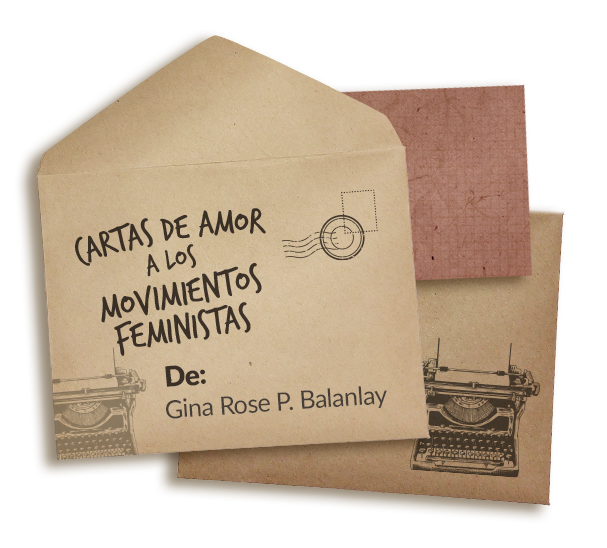
Gina Rose P. Balanlay
Feminista con discapacidad
Filipinas
Chaque Forum de l’AWID se déroule dans une région différente, et il était temps de retourner en Asie ! Nous avons visité de nombreux pays de la région, consulté des mouvements féministes et procédé à des évaluations détaillées de la logistique, de l'accessibilité, de la sécurité, des visas et bien d’autres choses encore. Finalement, le conseil d'administration de l'AWID a approuvé à l’unanimité Bangkok, en Thaïlande, comme étant la meilleure option. Nous sommes ravi·e·s de retrouver Bangkok, où le Forum de l’AWID avait déjà eu lieu en 2005.