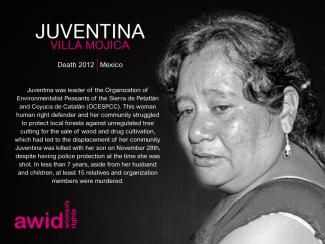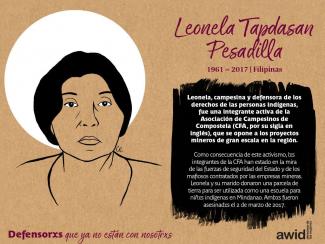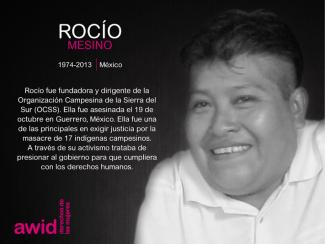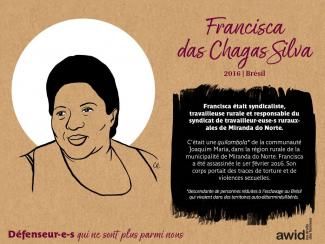
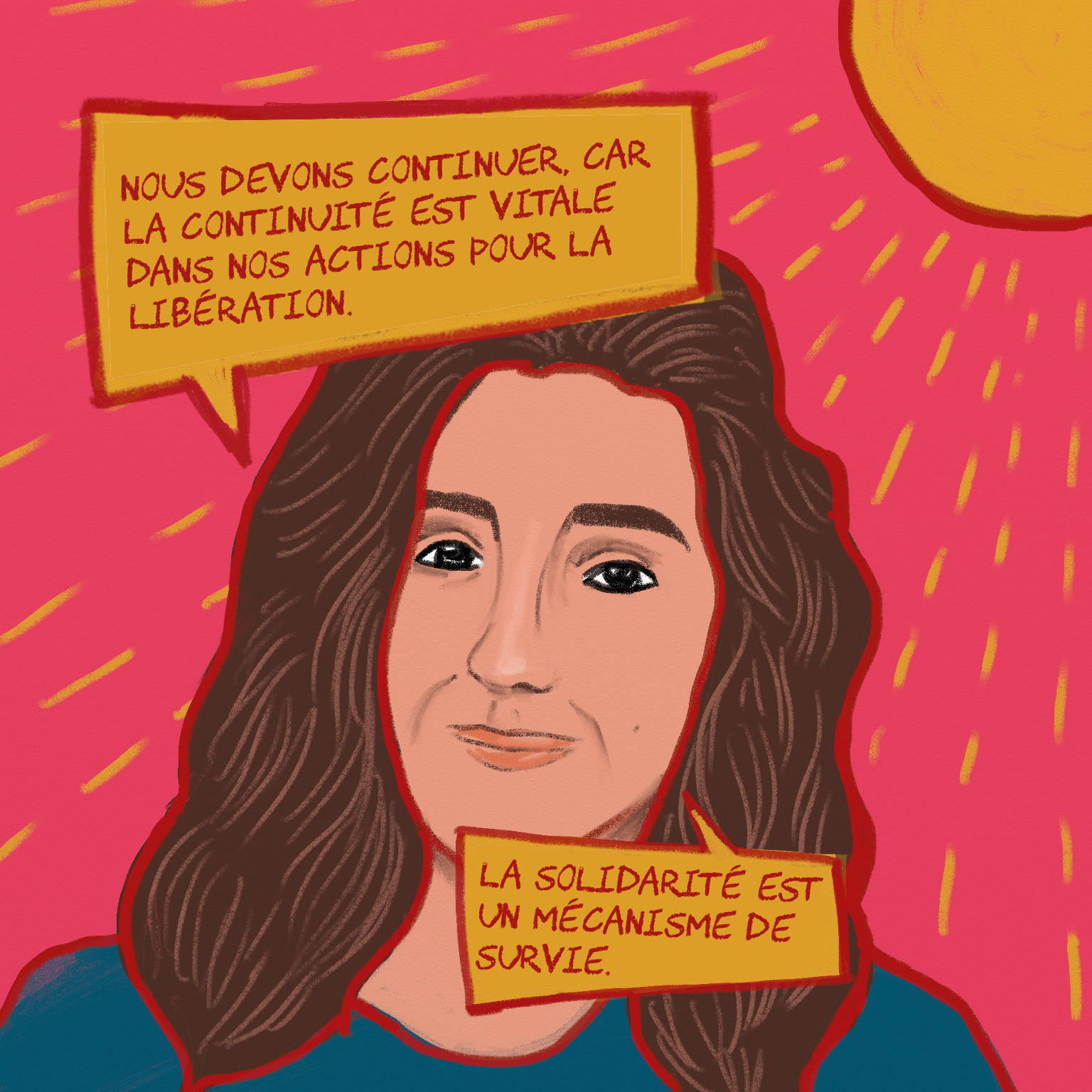
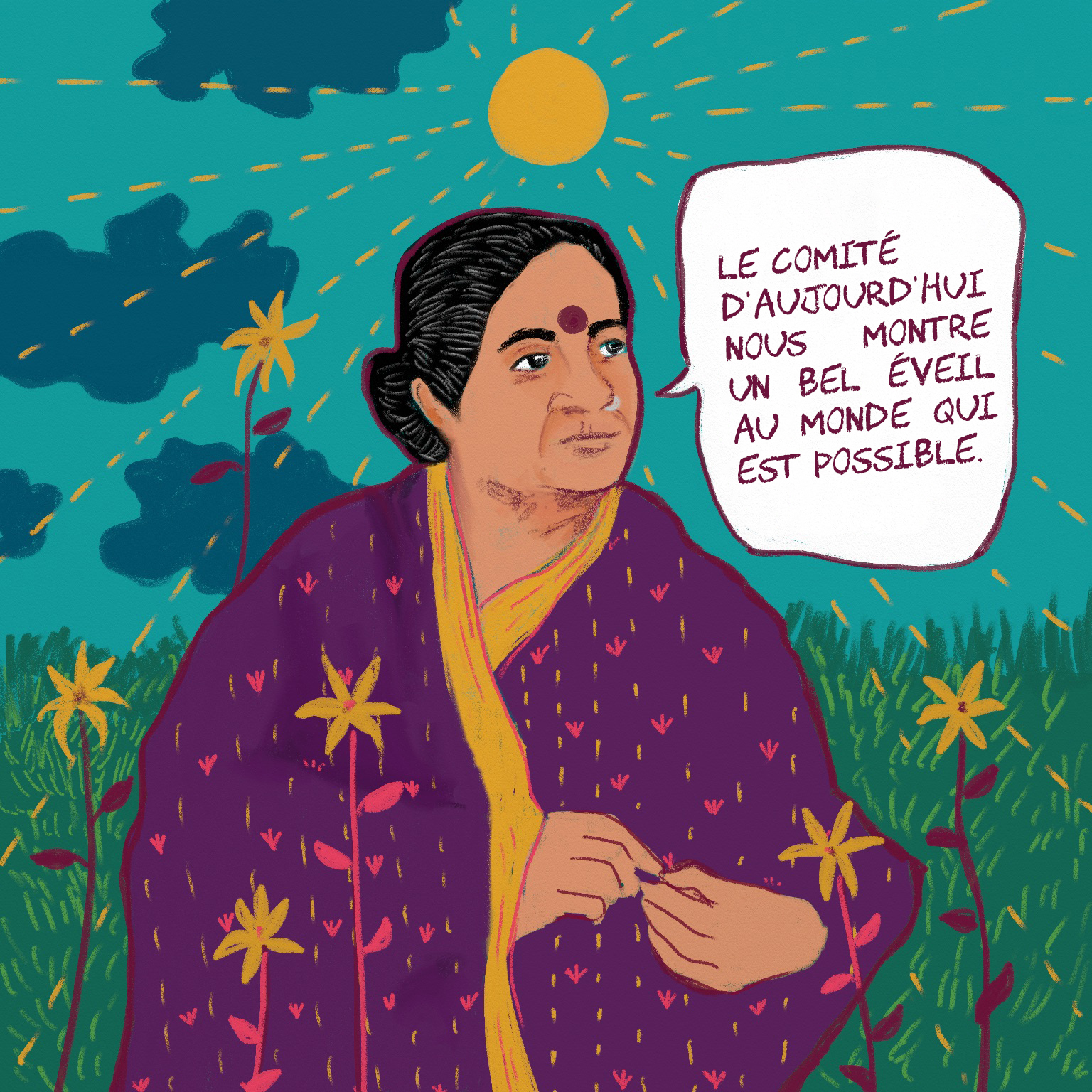
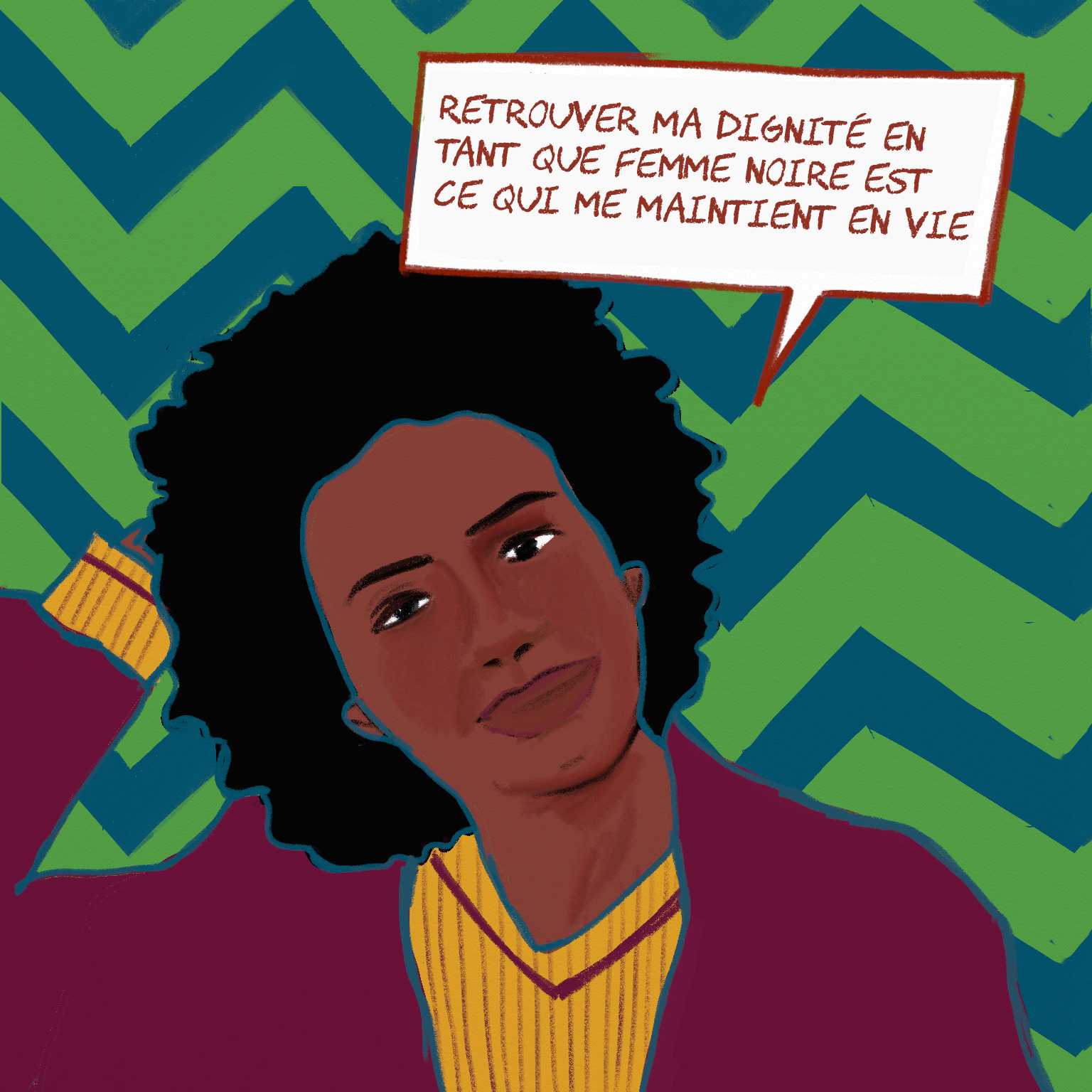
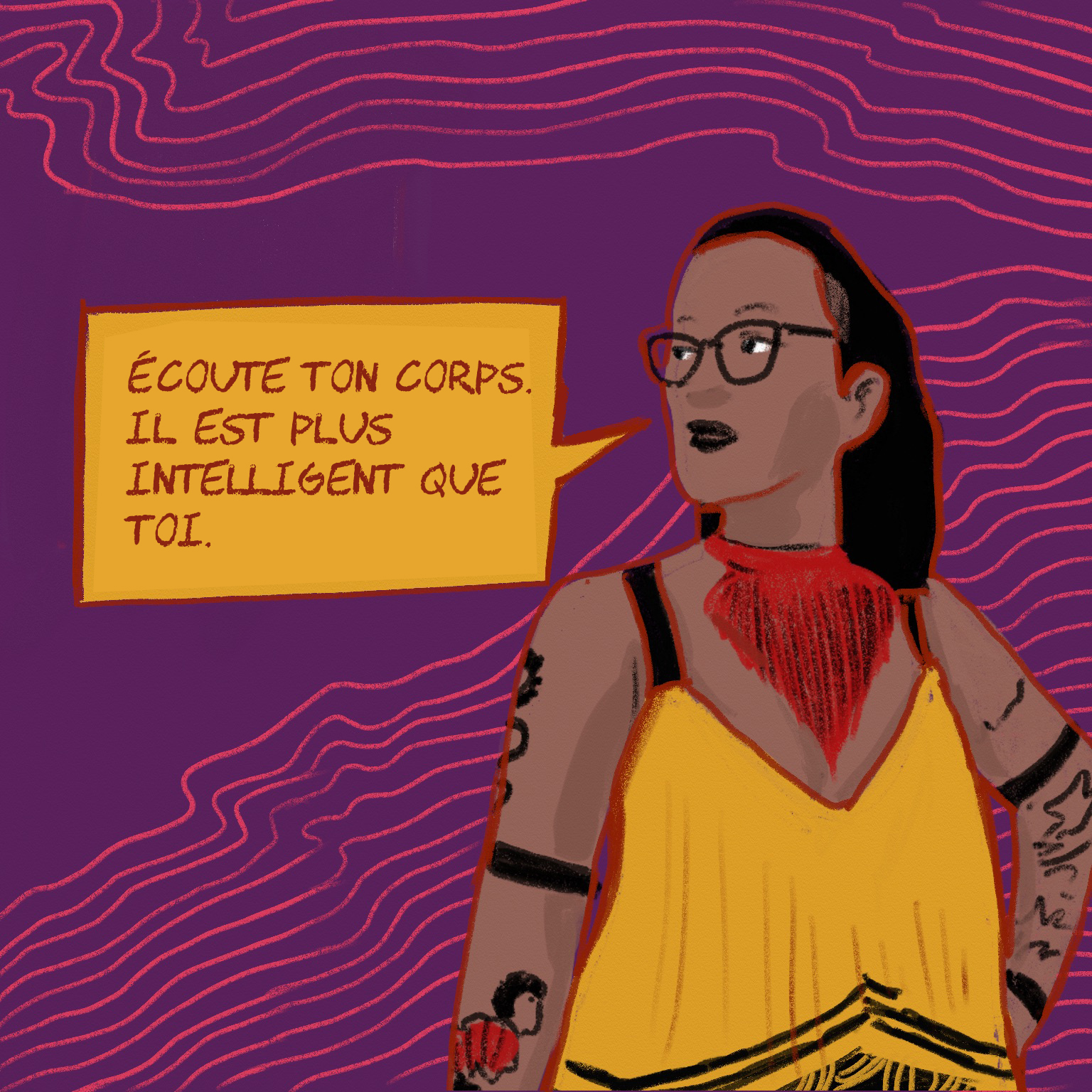
Women Human Rights Defenders
WHRDs are self-identified women and lesbian, bisexual, transgender, queer and intersex (LBTQI) people and others who defend rights and are subject to gender-specific risks and threats due to their human rights work and/or as a direct consequence of their gender identity or sexual orientation.
WHRDs are subject to systematic violence and discrimination due to their identities and unyielding struggles for rights, equality and justice.
The WHRD Program collaborates with international and regional partners as well as the AWID membership to raise awareness about these risks and threats, advocate for feminist and holistic measures of protection and safety, and actively promote a culture of self-care and collective well being in our movements.
Risks and threats targeting WHRDs
WHRDs are exposed to the same types of risks that all other defenders who defend human rights, communities, and the environment face. However, they are also exposed to gender-based violence and gender-specific risks because they challenge existing gender norms within their communities and societies.
By defending rights, WHRDs are at risk of:
- Physical assault and death
- Intimidation and harassment, including in online spaces
- Judicial harassment and criminalization
- Burnout
A collaborative, holistic approach to safety
We work collaboratively with international and regional networks and our membership
- to raise awareness about human rights abuses and violations against WHRDs and the systemic violence and discrimination they experience
- to strengthen protection mechanisms and ensure more effective and timely responses to WHRDs at risk
We work to promote a holistic approach to protection which includes:
- emphasizing the importance of self-care and collective well being, and recognizing that what care and wellbeing mean may differ across cultures
- documenting the violations targeting WHRDs using a feminist intersectional perspective;
- promoting the social recognition and celebration of the work and resilience of WHRDs ; and
- building civic spaces that are conducive to dismantling structural inequalities without restrictions or obstacles
Our Actions
We aim to contribute to a safer world for WHRDs, their families and communities. We believe that action for rights and justice should not put WHRDs at risk; it should be appreciated and celebrated.
-
Promoting collaboration and coordination among human rights and women’s rights organizations at the international level to strengthen responses concerning safety and wellbeing of WHRDs.
-
Supporting regional networks of WHRDs and their organizations, such as the Mesoamerican Initiative for WHRDs and the WHRD Middle East and North Africa Coalition, in promoting and strengthening collective action for protection - emphasizing the establishment of solidarity and protection networks, the promotion of self-care, and advocacy and mobilization for the safety of WHRDs;
-
Increasing the visibility and recognition of WHRDs and their struggles, as well as the risks that they encounter by documenting the attacks that they face, and researching, producing, and disseminating information on their struggles, strategies, and challenges:
-
Mobilizing urgent responses of international solidarity for WHRDs at risk through our international and regional networks, and our active membership.
Related Content
J’ai déjà proposé une activité à un Forum précédent, dois-je renvoyer une proposition ?
Oui, s’il vous plaît. Le monde a changé depuis 2021, et nous vous invitons à proposer une activité qui reflète vos réalités et priorités d’aujourd’hui.
Snippet - WITM Survey will remain open - PT
A pesquisa está disponível até 31 de julho de 2024
Annual Report 2011

In order to achieve our mission, AWID works through multi-year interconnected programs which encompass a variety of strategies including knowledge production and dissemination, action-research, advocacy, alliance building, and convening strategic dialogues.
Our 2011 Annual Report provides key highlights of our work during the year to contribute to the advancement of women’s rights and gender equality worldwide.
Disintegration | Small Snippet FR
Zita Kavungirwa Kayange
Zita was a women’s rights activist who defended the rights of rural women in Greater Kivu.
She was the first Executive Director of UWAKI - a well known women’s organisation. Through her work with Women's Network for Rights and Peace (RFDP), and the Women's Caucus of South Kivu for Peace, she committed her life to helping to restore peace in the Eastern DRC. She spoke out strongly against the use of sexual violence as a weapon of war.
In 2006, she put herself forward as a candidate in the first democratic elections in the DRC. Although she did not win, she continued to advocate for women’s rights and the South Kivu community remembers her fondly.
Snippet - WITM Acknowledgements - AR
شكر
ان جمعية حقوق المرأة في التنمية ممتنة للعديد من الأشخاص الذين/ اللواتي ساعدت أفكارهم/ن، تحليلاتهم/ن ومساهماتهم/ن على تصميم استطلاع "أين المال" على مدار السنوات.
نشكر جزيل الشكر أعضاء/ عضوات AWID والنشطاء/ الناشطات الذين/ اللواتي شاركوا/ن في استشارات استطلاع "أين المال؟" وقاموا/ن بتجربة الاستطلاع وأعطونا بسخاء من وقتهم/ن وتحليلاتهم/ن وقلوبهم/ن.
نقدر بشكل عميق الحركات النسوية، الحلفاء/ الحليفات والصناديق النسوية بمانقدر بشكل عميق الحركات النسوية، الحلفاء/ الحليفات والصناديق النسوية وهنا بعض منها وليس جميعها: Black Feminist Fund, Pacific Feminist Fund, ASTREA, FRIDA Young Feminist Fund, Purposeful, Kosovo Women's Network, Human Rights Funders Network, CEECCNA Feminist Fund e PROSPERA, على بحثكم/ن الرائع عن وضع التمويل، تحليلكم/ن الدقيق والمناصرة المستمرة لتمويل وقوة أكبر وأفضل للحركات النسوية وتنظيمات العدالة الجندرية في جميع السياقات.
انضموا/من للمجتمع العالمي من النسويات/ين اللواتي/ اللذين يرفعن/وا صوتهم/ن ويتحدثن/وا عن التمويل، ويطالبن/وا بتمويل وبقوة أكبر وأفضل للنسويات/ين في كل مكان
AWID EN 2015: Construyendo impacto colectivo

En 2015, AWID creció y se diversificó.
Intensificamos los preparativos para el 13º Foro Internacional de AWID, pusimos mucha energía en los procesos de la Agenda 2030 y del financiamiento para el desarrollo, y hemos continuado nuestro trabajo diario y central en nuestras áreas prioritarias
- Desafiando a los fundamentalismos religiosos
- Defensoras de derechos humanos
- Justicia Económica
- Recursos para los Derechos de las Mujeres
- Activismo joven feminista
Un adelanto del informe
El contexto
- Continuamos observando un rápido quiebre de la democracia y las instituciones democráticas, así como una reducción de los espacios para el disenso.
- Las crisis sistémicas múltiples y simultáneas (de energía, alimentos, financiera y climática) continúan profundizando las desigualdades y presentan desafíos enormes.
- Las corporaciones son un poder de gran peso en cuanto a decidir cuál será la agenda para el desarrollo.
- La violencia contra las defensoras de derechos humanos continúa siendo un problema urgente.
- Los fundamentalismos religiosos son omnipresentes y tienen un poder cada vez mayor.
- Han surgido nuevas formas de violencia de género en línea.
En respuesta a esto, estamos saliendo de nuestros compartimentos estancos.
En todo el mundo, los movimientos por los derechos de las mujeres y otros movimientos están logrando articular cada vez más la naturaleza sistémica e interseccional de estos problemas y de muchos otros.
Nuestro impacto
- Para poser trazar esrategias y hacer incidencia de manera efectiva, necesitamos datos
- Para intercambiar conocimiento y darnos las manos en solidaridad, necesitamos una comunidad virtual fuerte
- Para construir nuestro poder colectivo, necesitamos trabajar juntxs
- Para influir sobre procesos internacionales, necesitamos acrecentar nuestro acceso y nuestras voces
- Para reposicionar el poder necesitamos dar visibilidad y énfasis al importante rol que ya están desempeñando los movimientos feministas y de derechos de las mujeres
Nuestrxs afiliadxs

Lee el informe completo
Hospital | Content Snippet ES
Hospital
«Este sería un buen momento para repensar cómo podría ser la revolución. Quizás no sera una marcha por las calles de cuerpos enojados y sin discapacidades. Quizás será más como el mundo detenido porque todos los cuerpos que hay en él están exhaustos: porque el cuidado debe ser priorizado antes de que sea demasiado tarde.»
- Johanna Hedva
Los hospitales son instituciones, espacios vivientes del capitalismo, y lo que se manifiesta cuando alguien está supuestamente haciendo reposo allí es un microcosmos del sistema en que vivimos.
Las instituciones están organizadas para separarnos de nuestros sistemas de cuidados: en ellas nos encontramos aisladxs en estructuras rígidamente jerárquicas, y a menudo sentimos como si ese cuidado fuera algo que se nos hace a nosotrxs, en lugar de algo dado/recibido como parte de una conversación. Debido a su integración en la demanda capitalista, el cuidado institucional está compartimentado: una persona trata tu pierna y solo tu pierna, otra persona trata tu presión arterial, etc.
El mes pasado, la fotógrafa Mariam Mekiwi tuvo que someterse a una cirugía y documentó el proceso. Sus imágenes de entornos esterilizados (luces blancas de neón, filas y filas de estructuras repetitivas), con una paleta de colores desteñidos, reflejan un lugar que estaba vaciado de vida y de movimiento. Esta fue una de las formas en que Mariam mantuvo vivo su propio espíritu. Era una forma de protesta desde dentro de los confines de una institución con la cual tenía que interactuar.
Las fotos constituyen un retrato de algo increíblemente vulnerable, porque observar a alguien atravesar el colapso de su propio cuerpo es siempre un recordatorio sagrado de nuestra fragilidad. Son también un testimonio de la fragilidad de estos sistemas de cuidado, que nos pueden ser negados por diversas razones: desde no tener dinero hasta no estar en un cuerpo considerado lo suficientemente valioso, un cuerpo que es quizás demasiado femenino, demasiado queer, o demasiado marrón.
El cuidado experimentado como algo desencarnado y solitario, que puede ser revocado en cualquier momento, no nos ayuda a prosperar. Y es muy diferente del modo en que los seres humanos se comportan en la realidad cuando cuidan unos de otros. ¿En qué sería diferente nuestro mundo si nos comprometiéramos a desmantelar las actuales estructuras capitalistas referidas a nuestra salud? ¿Cómo sería nuestro mundo si lo reinventáramos en forma radical?
Hanifa Safi
Bessy Ferrera
Bessy Ferrera was a lifelong defender of the human rights of trans people, sex workers and HIV positive people in Honduras.
Bessy was also a member of Arcoíris, an organisation which supports the LGBTI+ community. She was also a focal point person for the Right Here, Right Now (Derechos aquí y Ahora) Platform of Honduras, and advocated strongly for full citizenship of trans people, and the passing of a gender identity law that would allow trans people to change their gender identity legally.
"Since the beginning of the year [2019] the trans community has been suffering a series of attacks, for defending, for demanding rights." - Rihanna Ferrera (Bessy’s sister)
Bessy was a sex worker, and in early July 2019, was shot to death by two men while working in the streets of Comayagüela. Her assailants were subsequently arrested.
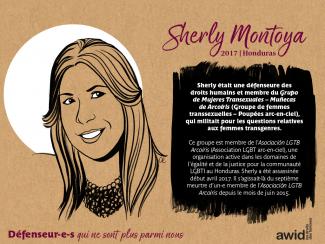
Bessy is one of many LGBTI+ rights defenders in Honduras, who were murdered because of their identities and work. Other companeras include: Cynthia Nicole, Angy Ferreira, Estefania "Nia" Zuniga, Gloria Carolina Hernandez Vasquez, Paola Barraza, Violeta Rivas, and Sherly Montoya.
Bessy’s case is emblematic of injustice and a much larger problem of the systematic violence the LGBTI+ community faces in Honduras as the state fails to guarantee rights offer and fails to offer protection. This has created a culture of impunity.
Despite the risks LGBTI+ defenders in Honduras face, they continue their work to challenge and resist violence, and fight stigma and discrimination on a daily basis.
“If I die, let it be for something good not for something futile. I don’t want to die running away, being a coward. If I die, I want people to say that I died fighting for what is mine.” - member of Arcoíris
Я являюсь индивидуальной(-ым) активисткой(-том), не сотрудничающей(-им) в данный момент ни с какой группой, организацией и/или движением – могу ли я принять участие в опросе?
Нет, мы очень ценим вашу работу, но в данный момент мы не собираем информацию об отдельных активистках(-тах).
Annual Report 2010

Nuestro Informe Anual 2010 pone en relieve nuestros acontecimientos y el impacto de nuestro trabajo durante el año.
Pueden leer como estamos traduciendo nuestra visión y misión en estrategias y actividades que hemos logrado en colaboración con miembros, socias y aliadas de AWID para avanzar los derechos de las mujeres y la igualdad de género a través del mundo.
Este informe también incluye vínculos a las últimas publicaciones de AWID.
CREDITS | Content Snippet ES
Agradecimientos
|
Consejo editorial Co-editorxs Diseño e ilustración Estratega de las comunicaciones Editora de la versión árabe Responsable de la traducción
Corrección |
Traducciones árabes
Corrección
Corrección |
Margarita Santizo Martínez
Yelena Grigoriyeva
Yelena Grigoriyeva, a menudo conocida entre sus amigxs como Lena, fue una destacada defensora de los derechos LGBT en Rusia.
Formó parte de movimientos democráticos, anti-guerra y LGBT. En su activismo, fue una crítica feroz del Presidente Vladimir Putin y su administración, y expresó su oposición a la anexión por parte de Rusia de la península de Crimea de Ucrania y al maltrato de prisionerxs.
Yelena se declaró bisexual a principios de 2019. "Su salida del armario fue una sorpresa para mí, y no la aprobé. Le dije: ‘Escucha, Lena, ya estás en la mira por tu actividad política. Te acabas de clavar otro blanco en el pecho’". - Olga Smirnova
Yelena, de hecho, recibió múltiples amenazas de muerte y, según algunxs de sus conocidxs, figuraba en un sitio web homofóbico que instaba a sus visitantes a que persiguieran a las personas LGBT. Yelena denunció las amenazas a la policía, pero el Estado ruso no le proporcionó ningún tipo de protección.
Sin embargo, Yelena, a pesar de vivir en una sociedad en la que la oposición política, así como lxs integrantes de la comunidad LGBT y lxs defensores de sus derechos, se enfrentan a una violencia continua y creciente, siguió haciendo campaña por la justicia social y la igualdad.
"No se perdió ni una sola acción. Y la detuvieron tantas veces que hasta perdí la cuenta", Olga Smirnova (compañera activista de la oposición y amiga).
Yelena fue asesinada el 21 de julio de 2019, cerca de su casa. Las autoridades detuvieron a una persona sospechosa pero, según algunas fuentes, muchxs amigxs y compañerxs activistas creen que es un chivo expiatorio y que, en realidad, se trata de un asesinato político deliberado.
Para los familiares y amigxs de Yelena, su caso sigue sin resolverse aunque la persona sospechosa haya confesado.
En 2013, Rusia aprobó una ley que prohíbe la difusión de lo que describió como "propaganda gay". En 2014, Human Rights Watch publicó un informe al respecto.
Lucy O.
Con más de 10 años de experiencia en finanzas, Lucy ha dedicado su carrera a misiones con y sin fines de lucro. También ha prestado trabajo voluntario para organizaciones sin fines de lucro. Desde el acelerado mundo de las finanzas, Lucy siente pasión por estar al día con las competencias tecnológicas asociadas con este ámbito. Lucy se incorporó a AWID en 2014. En su tiempo libre disfruta de la música, de viajar y de practicar una variedad de deportes.
Celluloid Ishtar | Small Snippet AR
المقطع الأول
عندما كنت في السادسة من العمر، علِمت أنّ جدّي كان يملك داراً للسينما. أخبرَتني أمّي كيف أنه افتتحها في أوائل الستينيّات، وكانت هي حينها في مثل عمري، إذ كان عمرها قُرابة الستّ سنوات. تذكّرتُ أنهم في الليلة الأولى عرضوا فيلم «صوت الموسيقى».