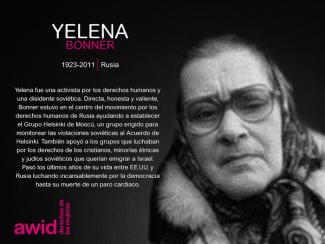
Yelena Bonner
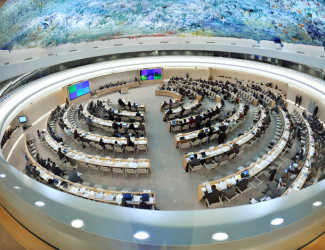
The Human Rights Council (HRC) is the key intergovernmental body within the United Nations system responsible for the promotion and protection of all human rights around the globe. It holds three regular sessions a year: in March, June and September. The Office of the UN High Commissioner for Human Rights (OHCHR) is the secretariat for the HRC.
Debating and passing resolutions on global human rights issues and human rights situations in particular countries
Examining complaints from victims of human rights violations or activist organizations on behalf of victims of human rights violations
Appointing independent experts (known as “Special Procedures”) to review human rights violations in specific countries and examine and further global human rights issues
Engaging in discussions with experts and governments on human rights issues
Assessing the human rights records of all UN Member States every four and a half years through the Universal Periodic Review
AWID works with feminist, progressive and human rights partners to share key knowledge, convene civil society dialogues and events, and influence negotiations and outcomes of the session.
As feminists struggling for gender, peace, economic, social and environmental justice, we know there is no single recipe for success but an array of possibilities that can and are making change happen. The menu of options is as diverse as our movements and the communities in which we live and struggle.
Before we dare to present some of the feminist imaginations for another world, here are the principles around which we base our propositions:
We believe there is no one model for all and that everyone has a right to claim and contribute to building another world that is possible, as the World Social Forum motto puts it.
This includes the right to participate in democratic governance and to influence one’s future – politically, economically, socially and culturally.
Economic self-determination gives peoples the ability to take control over their natural resources and use those resources for their own ends or collective use. Furthermore, women’s economic agency is fundamental to mitigating the often cyclical nature of poverty, denial of education, safety, and security.
The principle of substantive equality is laid out in the Convention on the Elimination of All Forms of Discrimination against Women (CEDAW) and other international human rights instruments. This principle is fundamental for development and achieving a just economy as it affirms that all human beings are born free and equal.
Non-discrimination is an integral part of the principle of equality that ensures that no one is denied their rights because of factors such as race, gender, language, religion, sexual orientation, gender identity, political or other opinion, national or social origin, property or birth.
The inherent dignity of all persons without distinction must be upheld and respected. While States are responsible for ensuring the use of maximum available resources for the fulfilment of human rights, reclaiming rights and dignity is fundamentally a key space for civil society struggle and popular mobilization.
This principle, exercised through organized efforts to transform unjust institutions, guides the restoration of balance between "participation" (input) and "distribution" (output) when either principle is violated.
It puts limits on monopolistic accumulations of capital and other abuses of property. This concept is founded on an economy model that is based on fairness, and justice.
In order to make change happen, we need strong and diverse feminist networks. We need movements building solidarity from the personal to the political, from the local to the global and back.
Building collective power through movements helps convert the struggle for human rights, equality and justice into a political force for change that cannot be ignored.
“Only movements can create sustained change at the levels that policy and legislation alone cannot achieve.”
See more on this at Batliwala, S: 2012 “Changing Their World. Concepts and Practices of Women’s Movements” 2nd Edition. AWID
Nuestra meta es alcanzar un total de 200 respuestas, prácticamente el doble de la cifra registrada en la última encuesta ¿Dónde está el dinero? de 2011.
Antes de retirarse, ocupó muchas posiciones de alto perfil, como por ejemplo miembrx de la Corte de Apelaciones de Uganda y Presidenta Adjunta de la Corte Suprema de Uganda. Fue la primera mujer ugandesa en ocupar el cargo de Primera Magistrada entre 1973 y 1986, y la primera mujer en ser nombrada jueza de la Corte Suprema en 1986.
Fue una de las primeras mujeres investidas como “Caballero Papal” de la historia de la Iglesia Católica en África. Murió de un paro cardíaco.

Las propuestas de decrecimiento cuestionan la premisa de que la economía de los países debe ‘crecer o perecer’ y muestran la falsedad del lugar central que se le otorga al crecimiento medido por un aumento del Producto Bruto Interno (PIB).
Un modelo de decrecimiento propone un cambio hacia niveles de producción y consumo más bajos y sostenibles. En esencia postula una reducción del sistema económico para dejarle más espacio a la cooperación entre personas y a los ecosistemas humanos.
Esta propuesta incluye:
Las perspectivas feministas dentro de la teoría y práctica del decrecimiento sostienen que también es necesario redefinir y revalidar el trabajo no remunerado y remunerado, de cuidados y en el mercado, para superar los estereotipos tradicionales de género así como las brechas laborales y las desigualdades en el ingreso prevalecientes que devalúan el trabajo de cuidado.

La Coopérative Textile Nadia Echazú porte le nom d'une pionnière dans la lutte pour les droits des personnes trans en Argentine. À bien des égards, le travail de la coopérative célèbre la vie et l'héritage de Nadia Echazú, qui a eu une carrière militante remarquable.
La Coopérative Textile Nadia Echazú porte le nom d'une pionnière dans la lutte pour les droits des personnes trans en Argentine. À bien des égards, le travail de la coopérative célèbre la vie et l'héritage de Nadia Echazú, qui a eu une carrière militante remarquable.
Peu de temps après sa mort, ses collègues militantes ont fondé la coopérative en son nom, pour honorer la marque profonde qu'elle a laissée sur l'activisme trans et travesti en Argentine.
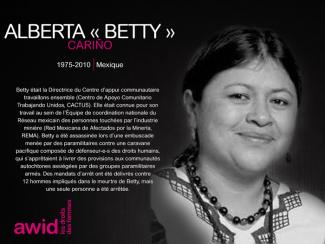
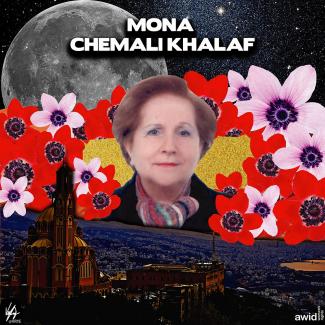
Mona était économiste et consultante indépendante sur les questions de genre et de développement.
Elle a été professeure d'économie et directrice de l'Institut d'études féminines du monde arabe à l'Université libanaise américaine. Elle est décédée subitement le 6 janvier 2018.
Des amis et d'anciens collègues disent de Mona: « Pour lui rendre hommage, la meilleure chose à faire est de continuer à faire ce qu'elle a commencé: l'égalité de genre, à tout prix.
Lxs actores ultra conservadores han desarrollado una serie de discursos en la esfera internacional de los derechos humanos. Utilizan argumentos que manipulan la religión, la cultura, la tradición y la soberanía nacional para minar los derechos relacionados con el género y la sexualidad.
Lxs actores anti-derechos se han alejado cada vez más del lenguaje explícitamente religioso. Vemos que actores regresivxs —que antes tal vez ridiculizaban los conceptos de derechos humanos — ahora los manipulan y cooptan para promover sus propios objetivos.
Este discurso emergente y exitoso parece inocuo, pero resulta útil como un tema ‘sombrilla’ bajo el que se cobijan múltiples posiciones patriarcales y anti-derechos. Por eso el tema de la «protección de la familia» resulta un ejemplo clave que muestra la tendencia de lxs actores regresivxs a llevar adelante una incidencia integral e integrada.
El lenguaje de la «protección de la familia» opera desplazando al sujeto de los derechos humanos, reemplazando al individuo por instituciones ya poderosas. También afirma una concepción unitaria, jerárquica y patriarcal de la familia que discrimina a todo formato familiar que esté fuera de estos límites rígidos.
Por último, intenta cambiar el enfoque del reconocimiento y la protección de los derechos de integrantes vulnerables de la familia a la no discriminación, la autonomía y la ausencia de violencia en el contexto de las relaciones familiares.
La Santa Sede y varios grupos de la derecha cristiana buscan apropiarse del derecho a la vida para ponerlo al servicio de su misión contra el aborto. Mezclando el lenguaje de los derechos humanos con la doctrina religiosa conservadora, argumentan que el derecho a la vida, tal como se lo establece en la Declaración Universal de Derechos Humanos y en el Pacto Internacional de Derechos Civiles y Políticos, se aplica a partir del momento de la concepción.
Ningún instrumento universal de derechos humanos apoya ese argumento. Sin embargo, esta es una táctica atractiva para lxs actores anti-derechos, porque el derecho a la vida no puede ser violado bajo ninguna circunstancia y es un estándar legal vinculante.

Lxs actores anti-derechos humanos utilizan una serie de dispositivos retóricos en su campaña para minar los derechos sexuales: sostienen que estos derechos no existen o que son «nuevos derechos»; que causan daño a las niñas, los niños y la sociedad; y/o que se oponen a la cultura, la tradición o las leyes nacionales.
Lxs actores conservadores dedicados a hacer incidencia en la ONU atacan el derecho a una educación sexual integral (ESI) desde varios frentes. Afirman que viola los «derechos parentales»; que perjudica a las niñas y los niños; y que no es educación sino adoctrinamiento ideológico.
También alegan que poderosos grupos de presión les imponen la Educación Sexual Integral a las niñas y los niños, los padres y las Naciones Unidas para beneficiarse de los servicios que estos mismos grupos proporcionan a niñas, niños y jóvenes.
Los intentos de invalidar los derechos relacionados con la orientación sexual y la identidad de género se han multiplicado. Lxs actores ultra conservadores argumentan que aplicar los principios y leyes históricos de derechos humanos a esta temática equivale a crear «nuevos derechos», y proponen un cambio radical en el significado actual de los derechos que resultaría de interpretarlos a la luz de la "cultura" o de las «particularidades nacionales».
Desde hace muchos años, las organizaciones de la derecha cristiana se movilizan en contra de los derechos reproductivos junto con la Santa Sede y otrxs aliadxs anti-derechos. A menudo argumentan que los derechos reproductivos no son más que una forma de control poblacional impuesto por Occidente sobre los países del Sur Global. Irónicamente, esta afirmación proviene a menudo de actores con sede en Estados Unidos y Europa Occidental, que en su mayoría trabajan activamente para exportar sus discursos y políticas fundamentalistas.
Lxs actores regresivxs también citan argumentos «científicos» de grupos de expertxs ultra conservadores y de fuentes que emplean metodologías de investigación poco sólidas, para sugerir que el aborto causa una serie de efectos secundarios psicológicos, sexuales, físicos y relacionales.
Así como lxs actores anti-derechos buscan construir una nueva categoría de «protección de la familia», también proponen otra: los «derechos parentales», que tampoco encuentra respaldo en las normas de derechos humanos vigentes. Este discurso paradójicamente intenta utilizar las protecciones de derechos que les corresponden a los niños y las niñas, tal como las expresa la Convención sobre los Derechos del Niño, para fundamentar el derecho de padres y madres a controlar a sus hijas e hijos y limitar sus derechos.
Cada vez más, lxs actores anti-derechos, están intentando infiltrar y subvertir los estándares y discursos desarrollados por defensoras de derechos humanos, como la violencia contra las mujeres.
En la Comisión de la Condición Jurídica y Social de las Mujeres y en otros escenarios, estos actores insisten en tratar esta forma de violencia como un concepto al que le adosan argumentos anti-derechos reproductivos y otros de cariz patriarcal. Lxs actores ultra conservadores, por ejemplo, han argumentado que las relaciones de pareja no tradicionales ni heteronormativas son un factor de riesgo para la violencia, y enfatizan que los padres son necesarios para proteger a las familias de la violencia.
La Santa Sede ha elaborado y sostenido una crítica al género, a la «ideología de género», lxs «radicales del género» y la teoría de género. Lxs actores anti-derechos a menudo leen el término ‘género’ como un código equivalente a ‘derechos LGBTQ’. La derecha religiosa utiliza el género como un concepto transversal que une muchos de sus discursos. Cada vez más, el pánico que generan en torno a este tema se concentra en la identidad de género y en los derechos de las personas trans.
Varios actores ultra-conservadores emplean el discurso de la complementariedad de los sexos. Estructuran su retórica en torno a una presunción de diferencia: se supone que los hombres y las mujeres tienen roles diferentes pero complementarios en el matrimonio, la vida familiar, y también en su participación en la vida comunitaria, política y económica.
La referencia a los roles «naturales» tiene por objeto rechazar los derechos humanos universales a la igualdad y la no discriminación. También se utiliza para justificar las violaciones de estos derechos por parte de actores estatales y no estatales, y el incumplimiento de las obligaciones del Estado en cuanto a eliminar los prejuicios y las prácticas basadas en roles estereotipados para hombres o mujeres.
Este discurso sugiere que organismos de la ONU o Estados que actúan a través de la ONU atacan injustamente a los gobiernos nacionales. Lo que se intenta aquí es desplazar el sujeto de los derechos humanos de la persona o sector marginado que sufre una violación de sus derechos a una institución poderosa y/o regresiva, el Estado, para justificar excepciones nacionales a los derechos universales o para apoyar la impunidad estatal.
Lxs actores anti-derechos han adoptado el discurso de la libertad religiosa para justificar violaciones a los derechos humanos. Se refieren a la libertad religiosa de una manera que contradice directamente el propósito de este derecho humano y entra seriamente en conflicto con el principio de la universalidad de los derechos.
Su argumento es que la libertad religiosa se ve amenazada y debilitada por la protección a los derechos humanos, particularmente aquellos relacionados con el género y la sexualidad.
Lo que se proponen instalar es que el derecho a la libertad religiosa tiene por objeto proteger a las propias religiones y no a las personas, que son quienes en verdad tienen la libertad de profesar o no distintas creencias. Sin embargo, el derecho internacional de los derechos humanos protege a lxs creyentes y no a las creencias, y el derecho a la libertad de religión, pensamiento y conciencia incluye el derecho a no profesar ninguna religión ni creencia así como a cambiar de religión o de creencias.
El despliegue de referencias a la cultura y la tradición para debilitar los derechos humanos, incluido el derecho a la igualdad, es una táctica común entre lxs actores anti- derechos. Presentan la cultura como algo monolítico, estático e inmutable, y a menudo la oponen a las «normas occidentales».
Las alusiones a la cultura por parte de lxs actores anti-derechos en los debates de política internacional tienen como objetivo debilitar la universalidad de los derechos, defendiendo un relativismo cultural que prevalece sobre las reivindicaciones de derechos o las limita. El uso de los derechos culturales por parte de actores regresivxs se basa en una tergiversación deliberada de la cultura como derecho humano. Los Estados deben velar por que no se utilicen actitudes tradicionales o culturales para justificar violaciones a la igualdad. Las normas de derechos humanos exigen acceso, participación y contribución igualitaria en todos los aspectos de la vida cultural para todas las personas, incluidas las mujeres, las minorías religiosas y raciales y las personas cuya identidad o expresión de género difieren de las normativas.
En espacios políticos internacionales, lxs actores anti-derechos manipulan cada vez más las referencias a los derechos humanos universales o fundamentales para revertir el significado de la universalidad de los derechos.
En lugar de utilizar el término ‘universal’ para describir todo el conjunto de derechos humanos indivisibles e interrelacionados, lxs actores ultra conservadores lo emplean para delimitar y describir un subconjunto de derechos humanos que ellxs consideran «verdaderamente fundamentales». Todos los otros derechos estarían sujetos a la discreción del Estado, serían derechos 'nuevos' u opcionales. Este discurso resulta especialmente poderoso ya que instala una categoría indefinida - lo «verdaderamente universal» - que queda abierta a interpretaciones cambiantes.


لتجسيد قوتكم/ن كخبيرات عن وضع التمويل للحركات النسوية
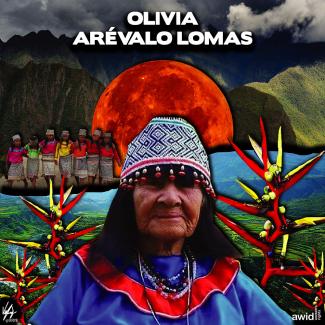
Olivia was the spiritual leader of the Shipibo Konibo indigenous peoples.
A wise Indigenous woman and grandmother, she was known for cultivating traditional medicine and the sacred songs of her people (Íkaros). Olivia Arevalo was an active defender of the cultural and environmental rights of her people. Olivia’s murder occurred in a context of territorial conflict between the Shipibo community and companies that desire to take over their land to cultivate palm oil.
Members of her community have said: “Her death is an aggression against the entire Shipibo community. She was the living memory of her people”.
Notre nouveau rapport de recherche Le Diable est dans les détails aborde les lacunes du secteur du développement en termes de connaissance des fondamentalismes religieux et vise à améliorer la compréhension de la façon dont les fondamentalismes religieux entravent le développement et les droits des femmes en particulier. Il offre des recommandations aux acteurs-trices du développement quant aux manières d’éviter de renforcer les fondamentalismes par inadvertance et sur les stratégies pour les contrer. [CTA download link: Lire le document]
| Graphic1 | 1. Control of women’s bodies, sexuality, and choice are “warning signs” of rising fundamentalisms. |
| 2. Neoliberal economic policies have a particularly negative impact on women, and fuel the growth of religious fundamentalisms. | Graphic2 |
| Graphic3 | 3. Choosing religious organizations as default for partnerships builds their legitimacy and access to resources, and supports their ideology, including gender ideology. |
| 4.Everyone has multiple identities and should be defined by more than just their religion. Foregrounding religious identities tends to reinforce the power of religious fundamentalists. | Graphic4 |
| Graphic5 | 5. Religion, culture, and tradition are constantly changing, being reinterpreted and challenged. What is dominant is always a question of power. |
| 6. Racism, exclusion, and marginalization all add to the appeal of fundamentalists’ offer of a sense of belonging and a “cause”. | Graphic6 |
| Graphic7 | 7. There is strong evidence that the single most important factor in promoting women’s rights and gender equality is an autonomous women’s movement. |
Le Diable est dans les détails détaille les violations graves à l’encontre des droits humains, et ceux des femmes en particulier, légitimées par des fondamentalismes parrainés par les États ainsi que par des acteurs fondamentalistes non étatiques, tels que les milices, les organisations communautaires religieuses et les particuliers. Le renforcement fondamentaliste de normes sociales patriarcales régressives conduit à la montée de la violence contre les femmes, les filles et les femmes défenseuses des droits humains (WHRDs). La rapport met en avant ces éléments-clé pour comprendre et affronter la situation :
Les acteurs du développement sont en mesure de jouer un rôle important dans ce contexte. La capacité collective des acteurs du développement à reconnaître les fondamentalismes religieux et à les affronter de manière concertée est essentielle pour faire progresser la justice sociale, économique et de genre et les droits humains pour tous, dans un contexte de développement durable. En donnant la priorité à des partenaires progressistes dans le cadre de leurs activités, les acteurs du développement peuvent éviter d’octroyer des ressources ou de la légitimité aux fondamentalistes religieux. Les organisations de femmes ont de l’expertise sur le sujet et ont développé des stratégies pour lutter contre les fondamentalismes : Les acteurs du développement pourraient s’appuyer sur ces connaissances et s’engager à leurs côtés au sein de coalitions intersectorielles pour faciliter leur diffusion