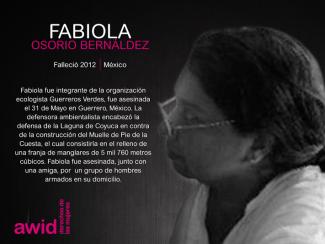
Fabiola Osorio Bernáldez
Women human rights defenders (WHRDs) worldwide defend their lands, livelihoods and communities from extractive industries and corporate power. They stand against powerful economic and political interests driving land theft, displacement of communities, loss of livelihoods, and environmental degradation.
Extractivism is an economic and political model of development that commodifies nature and prioritizes profit over human rights and the environment. Rooted in colonial history, it reinforces social and economic inequalities locally and globally. Often, Black, rural and Indigenous women are the most affected by extractivism, and are largely excluded from decision-making. Defying these patriarchal and neo-colonial forces, women rise in defense of rights, lands, people and nature.
WHRDs confronting extractive industries experience a range of risks, threats and violations, including criminalization, stigmatization, violence and intimidation. Their stories reveal a strong aspect of gendered and sexualized violence. Perpetrators include state and local authorities, corporations, police, military, paramilitary and private security forces, and at times their own communities.
AWID and the Women Human Rights Defenders International Coalition (WHRD-IC) are pleased to announce “Women Human Rights Defenders Confronting Extractivism and Corporate Power”; a cross-regional research project documenting the lived experiences of WHRDs from Asia, Africa and Latin America.
"Women Human Rights Defenders confronting extractive industries: an overview of critical risks and Human Rights obligations" is a policy report with a gender perspective. It analyses forms of violations and types of perpetrators, quotes relevant human rights obligations and includes policy recommendations to states, corporations, civil society and donors.
"Weaving resistance through action: Strategies of Women Human Rights Defenders confronting extractive industries" is a practical guide outlining creative and deliberate forms of action, successful tactics and inspiring stories of resistance.
The video “Defending people and planet: Women confronting extractive industries” puts courageous WHRDs from Africa, Asia, and Latin America in the spotlight. They share their struggles for land and life, and speak to the risks and challenges they face in their activism.
Challenging corporate power: Struggles for women’s rights, economic and gender justice is a research paper outlining the impacts of corporate power and offering insights into strategies of resistance.
AWID acknowledges with gratitude the invaluable input of every Woman Human Rights Defender who participated in this project. This project was made possible thanks to your willingness to generously and openly share your experiences and learnings. Your courage, creativity and resilience is an inspiration for us all. Thank you!
"Nous savons que tout est contre nous et il y a très peu de chances de changer cela. Mais nous croyons en l'intervention et je pense que nous avons une opportunité et nous devrions l'utiliser. C'est pourquoi nous faisons tout ce que nous faisons. Nous sommes prêt·e·s à pousser pour des choses inouïes."
Sopo Japaridze dans OpenDemocracy
Photo @სოლიდარობის ქსელი / Solidarity Network
Participez au Forum international de l'AWID - un rassemblement féministe mondial majeur - et bénéficiez de réductions spéciales et de points d'entrée pour le dialogue virtuel réservés aux membres de l'AWID. Co-créé par des mouvements féministes, le Forum est un espace unique de discussion profonde et d'imagination où nous remettons en question et renforçons notre organisation, et joignons nos luttes et nos réalités féministes.
Day 2
Contenido relacionado
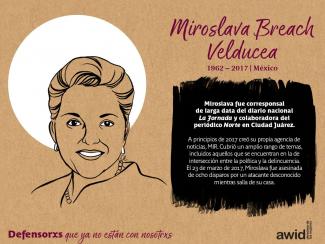
Norte Digital de Ciudad Juárez: Cerramos en protesta
La Jornada: Brazo del ‘cártel’ de Sinaloa ordenó asesinar a Miroslava Breach: FGE
BBC: Miroslava Breach, la periodista “incómoda” asesinada en México cuando llevaba a su hijo a la escuela

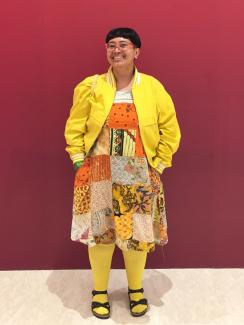
Bunga or flower in English is something that is often associated with women in Indonesia. Meaning, a flower can also be associated with transgender women. Because transgender women are women. As beautiful, as strong, and they both lived not only waiting to be 'picked' but instead grew and bloom and died as they pleased. This work is a tribute to my transgender women friends on The International Transgender Day of Visibility.
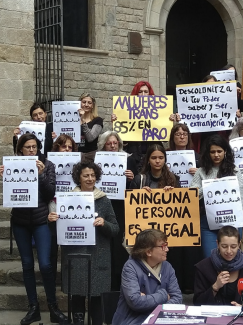
We work towards a world based on social, environmental, and economic justice; and interdependence, solidarity, and respect. We work towards dismantling systems of oppressive power and against all its manifestations, including patriarchy, fundamentalisms, militarisms, fascisms and corporate power that threaten our lives and our world. We want a just world where resources and power are shared in ways that enable everyone to thrive.
📅 Miércoles 13 de marzo
🕒 10:30 a. m. - 12:00 p. m. EST
Organizan: AWID, Red-DESC, Franciscan International y Womankind Worldwide como parte de Feministas por un Tratado Vinculante
🏢 Church Center de las Naciones Unidas, 777 United Nations Plaza, piso 11, Nueva York
por Esra Ozban
En un mundo obsesionado con los productos, el proceso de priorización es un método feminista fundamental. Los procesos importan, y la curaduría no es una excepción. Mientras trataba de determinar cuáles de las películas de la región del Sudoeste Asiático y África del Norte (SWANA, por su sigla en inglés) serían más relevantes para el tema de las realidades feministas, la pandemia global, que todavía estamos enfrentando, modificó tremendamente nuestras vidas cotidianas. Incluso pensar, escribir o expresarme se ha convertido en una lucha diaria. Se me pasaban constantemente las fechas límites, y mandaba correos de disculpas a Kamee Abrahamian, con quien estaba trabajando como curadora independiente para el proyecto de la Club de Cine Feminista de AWID. El invalorable apoyo de Kamee, su comprensión y sus sugerencias, me recordaron que, incluso en dos lugares diferentes del mundo, como colegas que nunca se han encontrado personalmente, podemos crear conjuntamente micro versiones de las realidades feministas que anhelamos y para las cuales vivimos.
Para mí, las realidades feministas tienen mucho que ver con las sororidades. Sororidades que ayudan a lxs mujerxs que se ocupan de la remoción de minas en Artsaj/Alto Karabaj. Sororidades horneadas en Vegan Inclusive Trans Cake [Torta Trans Vegana Inclusiva] de feministas trans jóvenes de Ankara, que les recuerdan que no están siendo bienvenidas por la generación Z a las hermanas cis. Sororidades que están creciendo entre la menta de la azotea de Dragiča Alafandi, en el campamento de refugiadxs de Dheisheh de la Palestina ocupada, en Sowing seeds of resistance [Sembrando semillas de resistencia]. Sororidades que asumen proximidades íntimas, sexuales y revolucionarias en el Parque Gezi en #resistayol. Sororidades que sacan a la luz un encuentro imaginado entre dos generaciones de mujerxs exiliadxs en las calles de Haifa, en Your father was born 100 years old and so was the Nakba [Tu padre nació teniendo 100 años, igual que la Nakba]. Sororidades interespecies que se desarrollan en un espacio ficticio (y valiente) creado por Mounia Akl en Submarine [Submarino] para su personaje rebelde Hala, quien se rehúsa a ser evacuada de una ciudad llena de basura y es abandonada con su amigx perrx.
Esta selección reúne trozos y fragmentos de muchas realidades feministas que se han producido en la región del Sudoeste Asiático y África del Norte durante los últimos años. Continuaremos imaginando, aprendiendo y compartiendo corporizaciones feministas de esperanza y poder. Mientras tanto, sumerjámonos en las potentes alternativas a las que lxs cineastas y lxs protagonistas de estas películas han dado vida. Podemos crear conjuntamente cada paso, cada acto y cada intento, mientras seguimos cohabitando este mundo con otrxs que están viviendo realidades feministas y que persisten en sus sueños para dar vida a más de estas realidades.
por Emily Mkrtichian y Jesse Soursourian
«Con una belleza visual y atractivas escenas de la realidad, Motherland es un espectáculo de camaradería y fortaleza femeninas... La película es un testimonio de mujeres de todo el mundo que están dispuestas a trabajar más aún, para superar cualquier obstáculo que encuentren.»
- Nosarieme Garrick, cineasta galardonada
«Motherland es una inspiradora visualización de solidaridad, valentía, y agallas...»
- Hers is Ours Collective, organizadorxs del Outsider Moving Art & Film Festival
Motherland from jesse soursourian on Vimeo.
Emily Mkrtichian sobre las realidades feministas y Artsaj/Alto Karabaj
Filmamos el cortometraje Motherland en la República de Artsaj en 2018. Cada una de estas mujeres me atrajo por su fortaleza, su resiliencia y su humor, a pesar del contexto en el que vivían. En 2018, ese contexto era el del período posterior a una guerra brutal que había tenido lugar en la década de 1990, después de la cual su país se convirtió en un territorio no reconocido (o disputado, para la comunidad internacional) que no recibía la autonomía y la independencia de las que gozan tantos otros países. Artsaj estaba también profundamente afectada por las consecuencias que vemos en casi todos los lugares que atraviesan conflictos violentos, -consecuencias que tan a menudo recaen sobre las mujeres-: trastornos de estrés postraumático, altas tasas de alcoholismo, altas tasas de violencia doméstica, menos igualdades y libertades otorgadas a las mujeres, poca o ninguna representación de las mujeres en la política y la administración pública. Frente a estos desafíos, esta película trata de captar el fuego y el poder de las mujeres de Artsaj, algo que podría no ajustarse al paradigma feminista occidental tradicional, pero que ha sido creado por y para ellas mismas a través de los profundos lazos comunitarios, el cuidado de sus familias, el trabajo duro, y la capacidad de reírse juntas a lo largo de todo este proceso. Hoy, la República de Artsaj ha sido devastada nuevamente por otra guerra, que la dejó sin el 70% de las tierras que estas mujeres consideraron como propias durante toda sus vidas. Sin embargo, puedo prometerles que estas mujeres, y miles de otras, continúan sosteniendo a sus familias, sus comunidades y su cultura a través de las mismas redes de cuidado, del mismo compromiso con el trabajo duro y de las mismas carcajadas revoltosas, de cara a un futuro incierto.
por Baladi-Rooted Resistance
«Una película oportuna para mirar después de ser testigxs del último bombardeo de Gaza por parte de las Fuerzas de Defensa de Israel. Una mirada sobre el modo en que las mujeres de las comunidades palestinas sobreviven a la opresión estructural, a través de la historia de un banco de semillas tradicionales... y de las mujeres que lo sostienen como forma de alimentar la rebelión.»
- Jessica Horn, activista feminista panafricana, escritora y co-creadora del sitio web the temple of her skin
«Ver mujeres que se reúnen y trabajan colectivamente por la autonomía alimentaria es, para mí, terapéutico y empoderante.»
- Hers is Ours Collective, organizadorxs del Outsider Moving Art & Film Festival
Equipo Baladi-Rooted Resistance sobre las realidades feministas«¿Cómo hablar sobre realidades feministas cuando vives en Deheisheh, un campamento de refugiadxs palestino, construido hace setenta años para contener a tres mil refugiadxs, pero que es ahora el hogar de quince mil personas, en la Cisjordania ocupada? ¿O cuando la tierra que cultivas está amenazada constantemente por los colonizadores ilegales?
Si eres mujer en Palestina ocupada, tienes que luchar no solo contra el patriarcado, sino también contra el colonialismo y contra una ocupación militar brutal.
Dragiča y Vivien están peleando contra estos múltiples sistemas de dominación, a su propio modo.
Vivien utiliza semillas nativas para ayudar a lxs palestinxs a mantener su identidad. Cultivar alimentos tradicionales de forma tradicional es sumamente significativo: «Si ya no eres unx productorx, eres unx consumidorx, y qué mejor manera de esclavizar a alguien que convertirlx en tu consumidxr . Esto está sucediendo en todo el mundo, pero aquí se duplica con la ocupación militar.»
El 31,5% de los hogares de Cisjordania no tiene seguridad alimentaria. Mediante un huerto de azotea, Dragiča logró incrementar la autonomía alimentaria de su familia. En el hacinado campamento, al que el ejército israelí realiza incursiones nocturnas de forma regular para arrestar y acosar a lxs residentes, el huerto de azotea de Dragiča no solamente nutre a su familia, sino que, en especial, nutre su alma.»
por Ruzgar Buski
Ruzgar Buski sobre las realidades feministas
«No sé qué decir sobre las realidades feministas, pero, como artista trans, como activista de Turquía, sé que nuestras realidades son duras. Vivimos con violencias: ¡físicas, emocionales, económicas, sexuales!. Por eso es que tenemos que construir nuestras propias redes, y crear conjuntamente microrrealidades recíprocas es, para mí, una realidad feminista. #resistayol es mi primera película, y al comienzo planeaba hacer una película por/para/con personas trans que no tratara de convencer a nadie del hecho de que las personas trans son humanas, ni que se centrara en crear consciencia sobre los temas trans. Sin embargo, sucedieron las protestas del Parque Gezi, que se convirtieron en una de las sublevaciones más grandes de la historia de Turquía, y la película resultó ser algo diferente.
Creo que el proceso de producción afecta realmente lo que la película termina siendo. Nos esforzamos mucho para que trabajaran mujeres y personas trans y no binarias en cada etapa de la filmación. Esta película está hecha por gente que se reunió con camaradería y amistad. Kanka Productions está basada en el compañerismo transfeminista. Quiero que la película aporte esperanza, que sane, porque acarreamos muchos traumas en nuestros cuerpos: esto es lo que nos constituye y lo que nos conecta. La sanación es un proceso que nunca termina, y tenemos que crear espacios para respirar. #resistayol es una hora de respiración colectiva.»
Boysan Yakar en #resistayol
«Bueno, lxs lubunyas (queers) estábamos sentadxs en el parque, y de pronto llegaron topadoras y todxs nos enojamos. En realidad, en resumen, eso fue suficiente . Es el parque de lxs lubunyas, y teníamos treinta días para explicar eso a esta ciudad enorme. Todxs reconocen que a la noche los ibnes (putos) cogen en ese parque... El bloque LGBTI llevó a nuestra comunidad ahí. Ya no confiábamos en el Estado s y la policía, y no teníamos seguridad; hemos establecido nuestras propias formas de hacer las cosas, nuestras propias leyes y costumbres para sobrevivir... Rápidamente, llevamos nuestra ley a Gezi. En un esfuerzo por establecer un lenguaje y un entendimiento comunes entre todos estos grupos, el lenguaje LGBT de unión y solidaridad se propagó por todo el parque. Todos los días había una Marcha del Orgullo, todxs decían continuamente “ayol”. Embellecimos el lenguaje apestoso y polvoriento de la izquierda. Supongo que tuvimos este nivel de impacto porque hemos sido repudiadxs todos estos años. Desde lxs más radicales hasta lxs más conservadorxs y nacionalistas, todxs nos necesitaban, porque todxs nos habituamos a ser confrontadxs por todo. Ellxs no estaban acostumbradxs a tanta energía, a nuestra energía. Por eso esta fue una gran arena política para nosotrxs. Todos los días hacíamos realidad aquí nuestra mayor y principal lucha, o sea, una lucha por la visibilidad y el reconocimiento. Por eso dejamos Gezi con una gran victoria.»
por Pembe Hayat
«... un manifiesto multifacético que muestra la alegría que existe en las amistades dentro de la comunidad queer de Turquía, como despliegues de rebelión y resistencia.»
- Nosarieme Garrick, cineasta galardonada
«... diversión, luz, y azar. En un mundo constantemente marcado por las cicatrices de la violencia contra la comunidad trans, nada, ninguna acción, está (desafortunadamente) privada de significado. De modo que ¡por más alegría, más amor, y más azar significativo!»
- Hers is Ours Collective, organizadorxs del Outsider Moving Art & Film Festival
Cayan Azadi en Vegan Inclusive Trans Cake
«Hola Barbies, Kens, muñecas de porcelana, Olivia Olivo, muñecas Pimpollo. Novias de Chucky, hermanas de Chucky, cuñados de Chucky y, por último pero no menos importante, estimados amantes de los cuñados.
Entonces, por qué hicimos esta torta.
Ahora recibimos la noticia de que una trabajadora sexual trans ha intentado suicidarse debido a la violencia de los vigilantes y la policía en las calles. En este momento, está siendo retenida en un puesto de policía y es exactamente por eso que hicimos esta torta. Esta torta travesti es horneada para mostrar que existimos en todas las partes de la vida, que existimos persistentemente, y esta torta muestra que no seremos erradicadas o ignoradas en esta sociedad.
Sí, hay violencia en nuestras vidas y sí, también hay mucha falta de respeto [shade], pero a pesar de todo eso igual podemos divertirnos, disfrutando de la vida todo lo que podemos. ¡Buen provecho, hermana!»
por Razan AlSalah
por Mounia Akl
«Este film está dirigido como se escribe un poema: es simple, un poco abstracto, y conmovedor.»
- Hers is Ours Collective, organizadorxs del Outsider Moving Art & Film Festival
Esra Ozban:
Esra Ozban es unx programadorx y cineasta turcx. Su trabajo artístico, curatorial y académico se cruza con las prácticas críticas de archivo, el trabajo sexual, la pornografía y las culturas cinematográficas feministas/queer, entre otras.
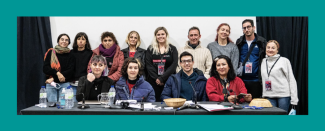
Este Foro de AWID celebrará y difundirá las realidades feministas que nos rodean en diferentes etapas de desarrollo.


Centers activists’ voices and experiences to analyze how money moves and who it is reaching
Related content
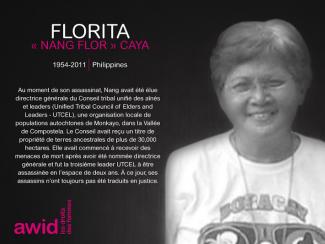
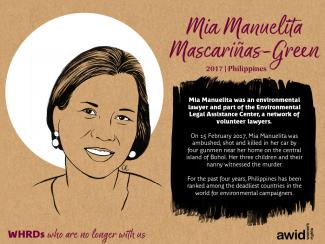
ABS - CBN (Original: Agence France Presse): Environmental lawyer murdered in Bohol
Business and Human Rights Resource Centre: Philippines: Killing of lawyer Mia Mascariñas-Green brings to 112 the number of environmental campaigners murdered in the country in the last 15 years
BBC: Mia Mascarinas-Green: Widower tells how wife was killed in Philippines (Audio)
Les discours antidroits continuent à évoluer. Outre le recours à des arguments religieux, culturels et traditionnels, les acteur·rice·s antidroits s’approprient le langage de la justice sociale et des droits humains pour travestir leurs véritables programmes et gagner ainsi en légitimité.
Il y a trente ans, un télévangéliste américain candidat républicain décrivait le féminisme comme « un mouvement politique antifamille qui encourage les femmes à quitter leur mari, tuer leurs enfants, pratiquer la sorcellerie, détruire le capitalisme et devenir lesbiennes ». Cette idée progresse et acquiert aujourd’hui une légitimité insoupçonnée sous les apparats de l’« idéologie du genre » – une espèce de croque-mitaine polyvalent créé par les antidroits dans le seul but de s’y opposer.
Un thème revient sans cesse dans leurs discours teintés d’« impérialisme culturel », de « colonisation idéologique », de « génocide prénatal » et d’appel à la « clause de conscience » : la prise de contrôle. Les antidroits s’approprient des questions d’intérêt légitime, qu’ils et elles déforment pour servir leurs programmes oppressifs.