WHRDs are self-identified women and lesbian, bisexual, transgender, queer and intersex (LBTQI) people and others who defend rights and are subject to gender-specific risks and threats due to their human rights work and/or as a direct consequence of their gender identity or sexual orientation.
WHRDs are subject to systematic violence and discrimination due to their identities and unyielding struggles for rights, equality and justice.
The WHRD Program collaborates with international and regional partners as well as the AWID membership to raise awareness about these risks and threats, advocate for feminist and holistic measures of protection and safety, and actively promote a culture of self-care and collective well being in our movements.
Risks and threats targeting WHRDs
WHRDs are exposed to the same types of risks that all other defenders who defend human rights, communities, and the environment face. However, they are also exposed to gender-based violence and gender-specific risks because they challenge existing gender norms within their communities and societies.
By defending rights, WHRDs are at risk of:
Physical assault and death
Intimidation and harassment, including in online spaces
Judicial harassment and criminalization
Burnout
A collaborative, holistic approach to safety
We work collaboratively with international and regional networks and our membership
to raise awareness about human rights abuses and violations against WHRDs and the systemic violence and discrimination they experience
to strengthen protection mechanisms and ensure more effective and timely responses to WHRDs at risk
We work to promote a holistic approach to protection which includes:
emphasizing the importance of self-care and collective well being, and recognizing that what care and wellbeing mean may differ across cultures
documenting the violations targeting WHRDs using a feminist intersectional perspective;
promoting the social recognition and celebration of the work and resilience of WHRDs ; and
building civic spaces that are conducive to dismantling structural inequalities without restrictions or obstacles
Our Actions
We aim to contribute to a safer world for WHRDs, their families and communities. We believe that action for rights and justice should not put WHRDs at risk; it should be appreciated and celebrated.
Promoting collaboration and coordination among human rights and women’s rights organizations at the international level to strengthen responses concerning safety and wellbeing of WHRDs.
Supporting regional networks of WHRDs and their organizations, such as the Mesoamerican Initiative for WHRDs and the WHRD Middle East and North Africa Coalition, in promoting and strengthening collective action for protection - emphasizing the establishment of solidarity and protection networks, the promotion of self-care, and advocacy and mobilization for the safety of WHRDs;
Increasing the visibility and recognition of WHRDs and their struggles, as well as the risks that they encounter by documenting the attacks that they face, and researching, producing, and disseminating information on their struggles, strategies, and challenges:
Mobilizing urgent responses of international solidarity for WHRDs at risk through our international and regional networks, and our active membership.
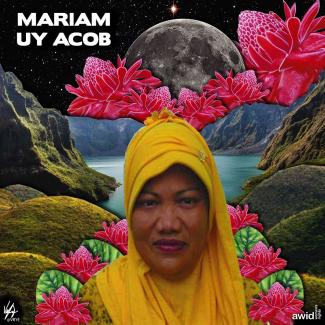
Mariam was a paralegal at the Kawagib Moro Human Rights Alliance.
Mariam was a staunch critic of militarization in Moro communities, and consistently denounced aerial bombardment and encampment. She had to seek sanctuary after exposing and calling out the injustices committed against Muslim communities in the Philippines.
She is believed to have been killed by suspected military agents because of her work as a WHRD. The assailants who killed Mariam waited for her, caught up with the vehicle she was using and shot her seven times.
Allez-vous ouvrir un appel à propositions ?
Oui ! Veuillez lire notre Appel à activités et vous inscrire ici. La date limite est fixée au 1er février 2024.
OURS 2021 - Chapter 1 es
Capítulo 1
Promover agendas feministas: progresos clave en género y sexualidad
La montée en puissance des antidroits a préparé son terrain. Nous devons comprendre la montée de l’ultranationalisme, du pouvoir incontrôlé des entreprises, de la répression croissante et de l’amenuisement de l’espace civique pour contextualiser les menaces actuelles contre nos droits.
Me complace compartir con ustedes una de mis fechas destacadas como feminista con discapacidad. Fue el 30 de mayo de 2014, cuando nosotras, la Nationwide Organization of Visually-Impaired Empowered Ladies (NOVEL) [Organización Nacional de Mujeres con Discapacidad Visual Empoderadas]), participamos en la Semana de la Moda de Filipinas 2014, en el marco de nuestra campaña de promoción del bastón blanco. Dos mujeres ciegas recorrieron la pasarela para promover el bastón blanco como uno de los símbolos de la igualdad de género, el empoderamiento, la plena inclusión y la participación igualitaria en la sociedad de mujeres y niñas con discapacidad visual.
Su desfile frente a la multitud fue para mí una experiencia sumamente impactante, ya que fui quien propuso nuestro proyecto a Runway Productions (esperé pacientemente un año hasta que fue aprobado), sabiendo que ellas no eran modelos: una había sido coronada como Ms. Philippines Vision [Srta. Filipinas Visión], y la otra era la segunda finalista del concurso 2013 de Ms. Philippines on Wheels, Signs and Vision [Srta. Filipinas sobre Ruedas, Señas y Visión] de Tahanang Walang Hagdanan, Inc. (House with No Steps [Casa Sin Escalones]). Dependían de su orientación y ensayaron la noche antes del evento, pero no practicaron con modelos profesionales. Antes de que comenzara el desfile, hablé con ellas por teléfono móvil para estimular su confianza y para rezar juntas pidiendo la ayuda de Dios. Cuando bajaron de la pasarela respiré profundamente y se me caían las lágrimas. ¡Me sentía eufórica porque lo habíamos logrado, a pesar de los desafíos que habíamos tenido que superar! ¡Nuestro mensaje al mundo de que las mujeres y las jóvenes con discapacidad visual pueden caminar con dignidad, libertad e independencia, sobre una base de igualdad con otras, mediante el uso de nuestro dispositivo de asistencia (los bastones blancos) había sido transmitido exitosamente! Fuimos tendencia en las redes sociales, y nos presentaron en los canales de televisión.
Mi vida como feminista con discapacidad comenzó como una forma de sanar mi espíritu quebrantado y de ver un camino diferente para encontrar mi propósito en la vida después de que me convertí en víctima-sobreviviente a causa de un brutal ataque con ácido en 2007, cuando esperaba mi transporte para volver a casa desde la oficina. Mis ojos quedaron severamente dañados, al punto que quedé con la visión reducida.
No sabía cuán plena de alegría y propósito podía ser mi vida nuevamente, hasta que conocí a mujeres líderes del movimiento de género y discapacidad que me convencieron para que continuara. Sus palabras de aliento me atrajeron y fueron la música más dulce para mis oídos. Mi corazón roto salta como un colibrí en vuelo cada vez que pienso en ellas y en el feminismo que me estimuló para participar en hacer la diferencia para nuestras invisibles hermanas con discapacidades y para quienes continúan experimentando discriminación. Al día de hoy me siento consumida por el deseo de estar con el movimiento. No puedo ocultar mi entusiasmo cada vez que presento propuestas de proyectos a diferentes sectores involucrados, a favor del empoderamiento, el desarrollo y el fomento de nuestras hermanas con discapacidades y cuando me presento en coloquios locales, nacionales e internacionales para difundir nuestras voces, incluso a mi costo y cargo.
Inesperadamente, fui seleccionada como representante mujer de nuestro país ante la Asamblea General 2012 de la Unión Mundial de Ciegos (WBU en inglés) en Tailandia, a pesar de que era una recién llegada al movimiento de personas con discapacidad. Me sentí inspirada para conectarme, reunir y empoderar a nuestras hermanas con discapacidad visual respecto de sus derechos, y para conocer sus problemas interrelacionados. En 2013, lanzamos oficialmente la Nationwide Organization of Visually-Impaired Empowered Ladies (NOVEL) para apoyar el empoderamiento de nuestras hermanas con discapacidades, construir coaliciones con movimientos de mujeres y de discapacidades diversas y promover el desarrollo inclusivo del género y la discapacidad.
Mi participación como co-representante de las mujeres con discapacidades en la presentación del Informe Sombra CEDAW, convocado en 2016 por la Oficina Legal y de Derechos Humanos de las Mujeres (WLB, por sus siglas en inglés) con los grupos marginalizados de mujeres, me abrió muchas puertas, tales como el trabajo con diferentes organizaciones de mujeres y la asistencia a los Días Internacionales de la Inclusión 2017 en Berlín, Alemania, junto con tres líderes filipinas con discapacidades, para compartir nuestras buenas prácticas y, principalmente, nuestro compromiso con el movimiento de mujeres de nuestro país.
Mi recorrido como feminista con discapacidad ha sido para mí una montaña rusa emocional. La promoción de la plena inclusión de nuestras hermanas con discapacidades y su participación igualitaria y efectiva en la sociedad me ha dado felicidad y autoestima. También me he sentido frustrada y disgustada cada vez que di todo de mí y recibí a cambio comentarios negativos. No obstante, me siento así porque estoy enamorada del movimiento.
Me veo en el futuro trabajando en solidaridad con el movimiento para garantizar que nuestras hermanas con y sin discapacidades puedan disfrutar y participar en la sociedad de forma completa e igualitaria.
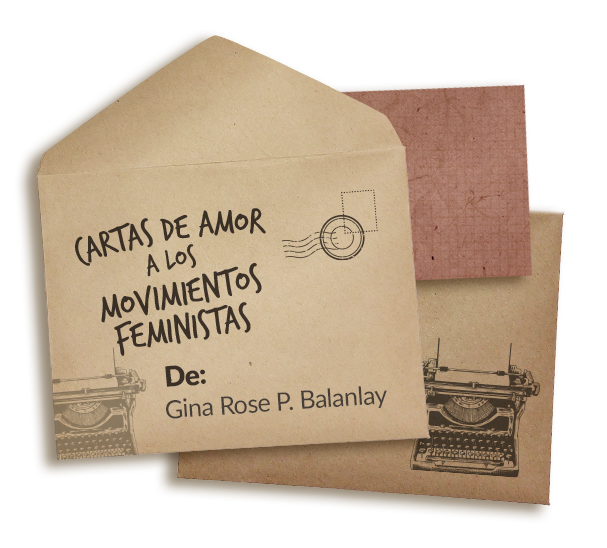
Mucho amor,
Gina Rose P. Balanlay
Feminista con discapacidad
Filipinas
¿Alguna vez te preguntaste cómo son los presupuestos de las organizaciones feministas?
En 2023, las organizaciones feministas y por los derechos de las mujeres tenían un presupuesto anual promedio de USD 22.000. Detrás de ese promedio se esconde la disparidad y la desigualdad: mientras que algunos grupos acceden a recursos a gran escala, la gran mayoría apenas sobrevive con presupuestos muy ajustados.
Una mirada más detallada a los presupuestos reales revela gran diversidad y desigualdad de ingresos.
Florence fue una activista por los derechos de las personas con discapacidad que trabajó con varias organizaciones de mujeres con discapacidad en Uganda.
También ocupó la Dirección del Distrito de Lira de la Asociación de Mujeres con Discapacidad, así como del foro de Consejeras Mujeres del Distrito de Lira. Formada como consejera para personas con discapacidad y para madres y padres de niñxs con discapacidad, apoyó muchos proyectos que reclamaban mayor representación de las personas con discapacidad.
Murió en un accidente de motocicleta.
How can I fund my participation in the AWID Forum?
If your group or organization receives funding, you might want to discuss with your funder already now if they are able to support your travel and participation to the Forum. Many institutions plan their budgets for next year early in 2023, so better not delay this conversation for next year.
Bibliothèque de ressources « Nos droits en danger »
Bibliothèque de ressources « Nos droits en danger »
Collection évolutive de ressources en soutien aux mouvements féministes, aux décideur·euse·s et aux allié·e·s pour contrer les fascismes, les fondamentalismes et résister aux tendances antidroits.
L'AWID fait partie d'un incroyable écosystème de mouvements féministes qui œuvrent pour la justice de genre et la justice sociale dans le monde entier. Avec notre 40e anniversaire, nous célébrons tout ce que nous avons construit au cours de ces 40 dernières années. En tant qu'organisation mondiale de soutien aux mouvements féministes, nous savons que la collaboration avec des féminismes féroces est notre moyen d'avancer, en reconnaissant à la fois la multiplicité des féminismes et la valeur d'une volonté de justice féroce et sans faille. L'état du monde et des mouvements féministes appelle à des conversations et des actions courageuses. Nous sommes impatient.e.s de travailler avec nos membres, nos partenaires et nos bailleurs de fonds pour créer les mondes auxquels nous croyons, célébrer les victoires et dire la vérité pour que le pouvoir soit au service des mouvements féministes dans le monde.
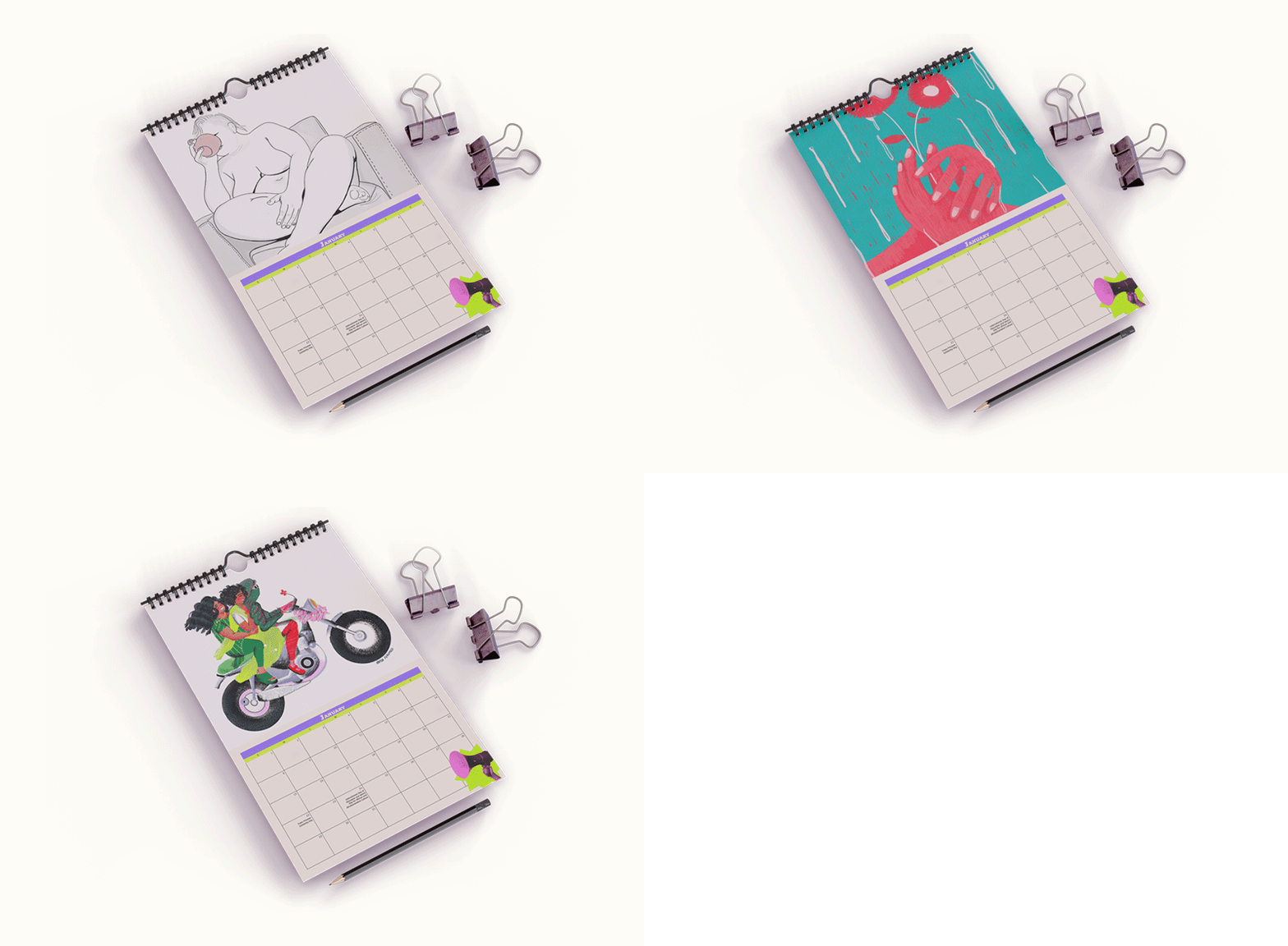
Le calendrier féministe 2023 est notre cadeau aux mouvements. Il présente les œuvres d'art de quelques-un.e.s des formidables membres de l'AWID.
Rejoignez le mouvement féministe pour soustraire l’action climat de l’emprise des multinationales
Alors que la COP29 de l’année dernière avait été marquée par la présence de près de 1 773 lobbyistes du secteur des énergies fossiles, nous voilà en route vers Belém au Brésil, aux côtés d’autres féministes, pour assister à la COP30 du 10 au 21 novembre 2025. Nous continuerons d’y dénoncer les fausses solutions, d’interpeller sur la mainmise des multinationales, et d’exiger aux États qu’ils respectent leurs engagements envers le principe des responsabilités communes mais différenciées(en anglais), et préconiserons des alternatives économiques féministes.
2,7 mille milliards USD pour l’armée. 300 milliards USD pour la justice climatique. Nous sommes là pour inverser la vapeur.
Son soutien aux femmes et aux personnes les plus vulnérables de sa communauté a fait que Nadine était un modèle pour beaucoup. Elle était déterminée à aider les pauvres et les sans-abri en particulier.
Bien que sa mort ait été déclarée comme étant accidentelle, la famille Ramaroson, sur l’initiative de son père André Ramaroson, a mené une enquête qui a mis en évidence des preuves de son assassinat. Elle serait décédée dans un accident mortel survenu entre Soanierano - Ivongo et Ste Marie - une histoire qui a été réfutée par sa famille. Elle avait reçu de nombreuses menaces de mort pour ses positions politiques résolues. L’affaire est toujours en cours auprès des tribunaux à Antananarivo (la capitale de Madagascar).
¿Cómo se conecta el Foro de AWID con espacios regionales y otros?
Estamos en comunicación con reuniones regionales, temáticas y de donantes planificadas para 2023-2024, para garantizar el flujo de conversaciones y conexiones. Si estás organizando un evento y deseas establecer una conexión con el Foro de AWID, ¡por favor contáctanos!
Rights at Risk: The Observatory on the Universality of Rights Trends Report 2017
Report:
Rights at Risk - OURs Trends Report 2017
The first report from the Observatory on the Universality of Rights acts as a compendium of information on anti-rights trends in international spaces. Find out about key anti-rights religious actors, discourses, and tactics within the UN.
How do you react when the world seemingly descends upon you? For Tidinha, it is one where she found herself being able to be heard as she questions the choice of location, while also discovering shared visions and dreams and realizing that she is not alone.
Snippet - COP30 - International Eco-Socialist Encounter - FR
Rencontre internationale éco-socialiste
Panels, ateliers, sessions plénières et espaces d’échanges entre collectives, activistes et organisations en lutte pour prendre collectivement le chemin vers un agenda et un programme de lutte pour l’éco-socialisme.
📅 Du 8 au 11 novembre 2025
📍 Buenos Aires, Argentine
« J’ai constaté la discrimination dans la rue, que ce soit par des taquineries ou des agressions verbales qui y ont lieu. Je me suis aussi faite plein d’ami·e·s et j’y ai rencontré plusieurs personnes. Il se peut que ce soit dangereux là-bas, mais je suis une survivante, et pour le moment, c’est là où je suis. » - Sainimili Naival
Sainimili Naivalu était une activiste féministe des droits des personnes handicapées issue du village de Dakuibeqa, sur l’île de Beqa aux Fidji.
Elle a demandé aux responsables et acteurs politiques de fournir des politiques et des services adaptés au handicap, comme la construction de rampes dans les villes et les villages afin d'accroître leur accessibilité. Les barrières physiques n’étaient pas les seules qu’elle aspirait à modifier. Sur la base de sa propre expérience, elle savait que des changements plus difficiles devaient être menés dans les sphères économiques et sociales. Bon nombre des défis avec lesquels sont aux prises les personnes handicapées trouvent leurs racines dans les attitudes discriminantes et stigmatisantes.
Survivante et combattante, Sainimili a contribué à co-créer des réalités féministes qui renforcent l’inclusion et font évoluer les attitudes par rapport à l’égalité des personnes handicapées. Elle a été membre de la Spinal Injury Association of Fiji (SIA) ainsi que participé à la formation « Démarrez votre entreprise » de l’Organisation internationale du Travail à Suva via le projet « Pacific Enable » (le Pacifique rend possible) du Forum Asie-Pacifique sur le handicap. Elle a ainsi pu transformer ses idées en une entreprise qui lui était propre. Elle était commerçante sur l’étal de marché 7 de Suva, offrant des services de manucure, tout en gérant un stand au marché des femmes SIA pour y vendre de l’artisanat, des suls et des objets historiques. Sainimili planifiait d’élargir son commerce et de devenir une employeuse majeure de personnes handicapées.
Outre son activisme, elle était également médaillée de tennis de table et une récente championne.
Avec sa personnalité vive, Sainimili était unique. On savait toujours lorsqu’elle était dans la pièce car ses rires et ses histoires étaient la première chose qu’on pouvait remarquer. - Michelle Reddy
Sainmili est décédée en 2019.
Y aura-t-il un espace dédié aux jeunes féministes ? Un espace consacré à la justice pour les personnes en situation de handicap ? Un pôle numérique/technologique ? Des réunions- café pour les bailleurs de fonds ? Des espaces bien-être et thérapeutiques ?
Nous partagerons dès que possible les informations concernant le programme, les espaces et la manière dont vous pourrez vous impliquer dans leur élaboration. Vous pourrez également participer au développement de ces espaces dans le temps précédant le Forum et pendant le Forum. Restez à l'écoute !