Barbara Lezama
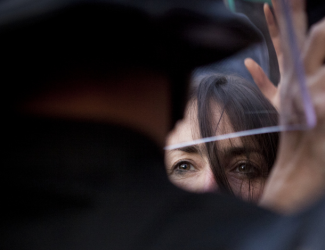
WHRDs are self-identified women and lesbian, bisexual, transgender, queer and intersex (LBTQI) people and others who defend rights and are subject to gender-specific risks and threats due to their human rights work and/or as a direct consequence of their gender identity or sexual orientation.
WHRDs are subject to systematic violence and discrimination due to their identities and unyielding struggles for rights, equality and justice.
The WHRD Program collaborates with international and regional partners as well as the AWID membership to raise awareness about these risks and threats, advocate for feminist and holistic measures of protection and safety, and actively promote a culture of self-care and collective well being in our movements.
WHRDs are exposed to the same types of risks that all other defenders who defend human rights, communities, and the environment face. However, they are also exposed to gender-based violence and gender-specific risks because they challenge existing gender norms within their communities and societies.
We work collaboratively with international and regional networks and our membership
We aim to contribute to a safer world for WHRDs, their families and communities. We believe that action for rights and justice should not put WHRDs at risk; it should be appreciated and celebrated.
Promoting collaboration and coordination among human rights and women’s rights organizations at the international level to strengthen responses concerning safety and wellbeing of WHRDs.
Supporting regional networks of WHRDs and their organizations, such as the Mesoamerican Initiative for WHRDs and the WHRD Middle East and North Africa Coalition, in promoting and strengthening collective action for protection - emphasizing the establishment of solidarity and protection networks, the promotion of self-care, and advocacy and mobilization for the safety of WHRDs;
Increasing the visibility and recognition of WHRDs and their struggles, as well as the risks that they encounter by documenting the attacks that they face, and researching, producing, and disseminating information on their struggles, strategies, and challenges:
Mobilizing urgent responses of international solidarity for WHRDs at risk through our international and regional networks, and our active membership.
No, no es necesario ser afiliadx de AWID para participar, pero lxs afiliadxs de AWID reciben una tarifa de inscripción con descuento, así como otros beneficios.
Obtén más información sobre cómo sumarte a la membresía de AWID.
A living collection of resources to support feminist movements, policy-makers, and allies to resist fascisms, fundamentalisms, and anti-rights trends.
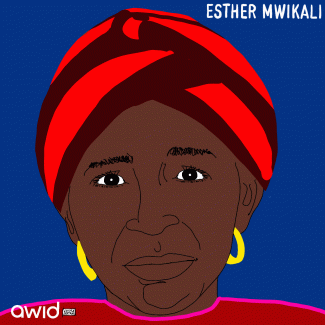
El hogar de Esther Mwikali estaba en la aldea de Mithini, en el condado de Murang'a, Kenya. Esther fue una defensora del derecho a la tierra destacada y valorada que investigó los abusos contra okupas de tierras reclamadas por magnates. La investigación de la que participó Esther incluyó también violaciones del derecho a la tierra cometidas por personas con poder en Makuyu.
Luego de que Esther faltara a una de las reuniones de la aldea, un grupo de búsqueda salió a rastrear a Esther. El 27 de agosto de 2019, dos días después de su desaparición, el cuerpo de Esther fue encontrado en una granja cerca de su casa, con signos de tortura. Esther había sido brutalmente asesinada.
"El trabajo de Esther por evitar el desalojo de lxs integrantes de las comunidades de las tierras reclamadas por magnates era conocido por todxs. Para lxs activistas locales no existía ninguna duda de que su asesinato estaba relacionado con las luchas en la zona por el acceso a la tierra; un trágico recordatorio de la alarmante frecuencia con que se llevan a cabo las ejecuciones extrajudiciales en Kenia."- Global Wittness Report, Julio 2020
"Asociamos la muerte de Mwikali con las luchas locales por el derecho a la tierra, y exigimos al Gobierno que investigue el asunto sin demora." - James Mburu, portavoz de lxs okupas.
"Es necesario tomar medidas con respecto a las personas que presuntamente han amenazado a lxs ocupantes ilegales, incluida la familia de Mwikali". - Alice Karanja, Coalición Nacional de Defensorxs de Derechos Humanos
"El impacto de su trabajo y su tenacidad permanecerán vivos en Kenia durante décadas. El CJGEA consuela a las personas afligidas y pide justicia". - Comunicado de prensa del Centro para la Justicia y la Acción Gubernamental (CJGEA, por sus siglas en inglés), 13 de septiembre de 2019
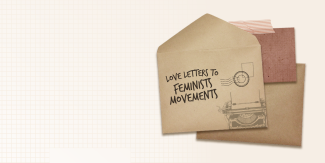
Queridos movimientos feministas,
El amor es lo que mantiene encendido nuestro fuego feminista. Junto con el cuidado de nuestras comunidades, la ira y la rabia ante la injusticia, y el coraje para actuar.
En septiembre de 2022, asumimos con gran entusiasmo nuestros roles de liderazgo en AWID, como Co-Directoras Ejecutivas. Sentimos el calor y el abrazo de la sororidad feminista cuando ustedes nos recibieron.
Reflexionando sobre nuestras memorias más preciadas como feministas, recordamos momentos poderosos de unión en protestas callejeras, análisis agudos y voces valientes que sacuden el status quo en las reuniones. Mantuvimos esas conversaciones íntimas hasta bien entrada la noche, nos reímos durante horas y bailamos juntes en fiestas.
Es necesario alimentar los fuegos feministas, especialmente en tiempos difíciles cuando no faltan los desafíos externos, desde la crisis climática y el ascenso de las fuerzas de derecha, hasta las economías explotadoras y los patrones persistentes de opresión dentro de nuestros propios movimientos sociales. Son estos fuegos, que arden por todas partes, los que iluminan nuestros caminos y nos mantienen calientes, pero no podemos ignorar los efectos agotadores de la violencia política y la represión dirigida contra muchas de nuestras luchas, movimientos y comunidades
Entendemos el deseo de cambiar el mundo como un ingrediente esencial de la organización feminista. Nunca podemos olvidar que somos quienes hemos estado esperando, en la construcción de alternativas y la configuración de nuestro futuro. Sin embargo, la vibrante energía feminista no puede darse por sentada y debe salvaguardarse de muchas maneras. En este sentido, seguiremos vigilantes. Mejor y más equitativo acceso a la atención y el bienestar, a la sanación y al placer, no son solo instrumentales para prevenir el agotamiento y sostener nuestros movimientos, aunque esa es una función importante; ante todo, son la forma en que esperamos vivir nuestras vidas.
Estamos encantades de arremangarnos y trabajar con ustedes. El nuevo plan estratégico de AWID "Fierce Feminisms: Together We Rise" (“Feminismos Osados: Juntos Nos Levantamos”) refleja nuestra convicción de que ahora es el momento de ser desenfadades y sin temores en nuestras agendas mientras hacemos un esfuerzo por conectar a través de los movimientos y llegar a conocer verdaderamente las realidades individuales, para que podamos ponernos en pie juntes, porque, para nosotres, este es el único camino.
¡Nuestros planes incluyen el tan esperado Foro de AWID! Esperamos conocerles a todes en persona y en línea en 2024. Escuchamos de ustedes la necesidad de conectarse y recargar energías, descansar y sanar, ser desafiados e inspirados, compartir buena comida y reír y bailar juntes. Pocas cosas en este mundo son tan poderosas y transformadoras, como la unión de feministas de todas partes del mundo, y realmente esperamos con ansias por este momento, porque sabemos la magia que podemos crear juntes.
Nuestra conexión con la membresía ha cobrado vida propia a través de la Comunidad AWID (nuestra plataforma en línea), y nuestro enfoque en construir conexión y solidaridad resuena con muches de ustedes. Únase y conéctese con nosotres y otras personas en los movimientos feministas de todo el mundo. Conocemos la importancia de la conexión en un tiempo y espacio donde las reglas no están hechas para nosotres, y mantenemos cerca nuestra comunidad, donde cada uno de nosotres importa.
Junto con nuestres fantásticas colegas de AWID, prometemos hacer todo lo posible para apoyar los movimientos feministas, como es la misión y el propósito de AWID. Por favor, observen y exijan lo mejor de nosotres.
Durante los últimos 40 años, ustedes, los movimientos feministas, han dado forma a la historia de AWID y nos han impulsado a ser más valientes, creatives y radicales. 40 es una edad fabulosa, y esperamos cumplir otros 40 años más junto a ustedes. Esperamos con ansias las asociaciones, los llamados a la justicia, la colaboración, la influencia política y el poder feminista genial que todes traen para navegar la resistencia cada vez mayor a la justicia de género, racial y ambiental. Tenemos mucho que aprender de ustedes y unes de otres, mientras construimos colectivamente los mundos en los que creemos.
Cindy Clark y Hakima Abbas, gracias por abrirnos el camino y prepararnos para llenar sus enormes zapatos. Siempre apreciamos a todes sobre cuyos hombros nos apoyamos y continuamos de pie. Nos entendemos como parte de un panorama de movimiento más amplio, historias feministas, presentes y futuros valientes.
A la Junta Directiva de AWID, les agradecemos el apoyo y el amor feminista que nos muestran, y su compromiso con el liderazgo del Sur Global y el modelo de co-liderazgo. Enviamos nuestro amor y respeto a todes y cada une de les compañeres de AWID, nos sentimos honradas de trabajar con un equipo feminista tan excepcional de profesionales dedicadas.
Esta es la primera vez que escribimos una carta de amor juntes, ¿cómo podríamos concluir sin expresar amor, cuidado y respeto mutuo? ¡Es una relación bastante intensa en la que hemos entrado! Ambas aportamos nuestras diferentes y diversas perspectivas y habilidades a nuestro trabajo y, de manera individual, también aportamos nuestras experiencias vividas y nuestras “yo” auténticas.
Junto con todes ustedes, somos una historia en desarrollo, una parte de un bello tejido, y a menudo hermosamente desafiante, un tapiz que continuará en el futuro. Nos divertimos al comenzar este viaje juntes y con ustedes, y tenemos muchas esperanzas de mantener vivo el romance.
En solidaridad, con amor y cuidado.
Inna y Faye
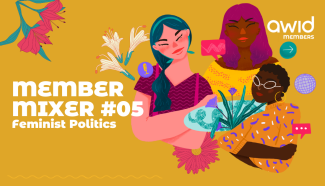
21 de febrero de 2023, Fiesta Feminista #5, sobre Políticas Feministas con Faye e Inna.
¿No estás afiliade todavía? Obtén más información sobre la Membresía de AWID.
"¿Dónde está el dinero para las organizaciones feministas?
¿Cuánto sabes sobre la movilización de recursos feminista? Responde el cuestionario de AWID “¿Dónde está el dinero para las organizaciones feministas?” y pon a prueba tus conocimientos
Responde el cuestionario en línea Descárgalo e imprímelo.
Oui ! Nous explorons actuellement des technologies innovantes qui permettront une connexion et une participation considérables.
¿Quieren juntar a distintas personas para fortalecer la resistencia? Esta metodología de talleres ofrece ejercicios grupales para incrementar el conocimiento y el poder colectivos, con opciones para adaptarlos a las distintas necesidades.
« Je n’y connais pas grand-chose sur la spiritualité ou sur ce qui se passe lorsqu’on meurt, mais ma vie de queer crip coréenne me laisse penser que notre esprit corporel terrestre n’est qu’une petite partie du tout. En ne considérant pas nos ancêtres, nous choisissons de ne voir qu’un aperçu de qui nous sommes. » - Stacey Park Milbern
Stacey a cofondé avec quelques ami·e·s le club de culture sur la justice liée au handicap, un groupe de travail en soutien aux diverses communautés, notamment les plus vulnérables, aidant entre autres les personnes sans-abri à accéder aux ressources durant la pandémie de COVID-19.
Elle a également coproduit une campagne impactante pour le documentaire « Crip Camp » de Netflix. Elle était membre du conseil d’administration de la WITH Foundation et a dirigé plusieurs organisations aux niveaux local, régional et national. Stacey écrivait joliment et vigoureusement :
« Mes ancêtres sont des personnes déchirées de leurs amours par la guerre et les déplacements. C’est grâce à elleux que je connais le pouvoir de construire un foyer avec tout ce que l’on trouve, peu importe l’endroit et les personnes qui sont avec nous. Mes ancêtres sont des queers qui vivaient au Sud américain. Grâce à elleux, j’ai compris l’importance des relations, des lieux et d’une vie vécue en grand, même lorsque cela peut être dangereux. Tou·te·s mes ancêtres connaissent le désir. Ce désir est souvent notre espace de connexion... » - Stacey Park Milbern
Elle est née à Séoul, en Corée, a grandi en Caroline du Nord et continué son parcours dans la région de la baie de San Francisco. Stacey est décédée à la suite de complications chirurgicales le jour de son 33ème anniversaire, le 19 mai 2020.
Lisez un essai écrit par Stacey Park Milbern (en anglais)
Écoutez un entretien avec Stacey Park Milbern (en anglais)
#StaceyTaughtUs : enregistrez votre histoire pour le projet Disability Visibility
« Beaucoup de gens le diraient : c’était une leader. Elle couvrait tous les aspects de ce rôle. Vous savez, parfois il y a des conduites de premier rang, de milieu ou de l’arrière. Et elle était d’une certaine façon capable de mener tous ces rangs. » - Andraéa LaVant, activiste pour les droits des personnes handicapées
« Perdre Stacey au moment où nos communautés ont le plus besoin de son leadership est une réelle épreuve, surtout dans un contexte où sa force, sa vision et son cran étaient de plus en plus reconnus dans des milieux autres que ceux du handicap, lui offrant des leviers plus importants pour faire progresser le travail de toute une vie… Nous n’aurons pas la chance de savoir où son leadership charismatique nous aurait mené·e·s. Mais une chose est sûre : ce que Stacey nous a donné, en un temps relativement court, continuera de bénéficier à d’autres dans les prochaines années. » - Disability Rights Education and Defense Fund (Fonds de défense et d’éducation sur les droits liés au handicap)

Je n'ai jamais su que j'avais une famille proche qui m'aime et qui veut que je m'épanouisse, Ma mère a toujours été là pour moi, mais je n'aurais jamais imaginé que j'aurais des milliers de familles qui ne sont pas liées à moi par le sang.

J'ai découvert que les familles ne sont pas seulement des personnes liées par le sang, mais des personnes qui vous aiment inconditionnellement, sans se soucier de votre orientation sexuelle, de votre état de santé, de votre statut social ou de votre race.
Je pense aux moments précieux où j'ai écouté toutes mes sœurs du monde entier qui sont des féministes fortes, des personnes que je n'ai pas rencontré.e.s physiquement, mais qui me soutiennent, m'enseignent, se battent pour moi : je suis à court de mots, les mots ne peuvent pas exprimer à quel point je vous aime, vous les mentor.esse.s et les autres féministes, vous êtes une mère, une sœur, une amie pour des millions de filles.
Vous êtes incroyables, vous vous êtes battu.e.s pour des personnes que vous ne connaissez pas - et c'est ce qui vous rend si spéciales.aux.
Cela me fait plaisir de l'exprimer par écrit.
Je vous aime tou.te.s et je continuerai à vous aimer. Je n'ai vu aucun.e d'entre vous physiquement, mais il me semble que nous nous connaissons depuis des décennies.
Nous sommes féministes et nous sommes fières d'être des femmes.
Nous continuerons à faire savoir au monde que notre courage est notre couronne.
Une lettre d'amour de FAITH ONUH, une jeune féministe du Nigeria.
Ce rapport révèle la réalité du financement des organisations féministes et de défense des droits des femmes dans un contexte de bouleversements politiques et financiers. S’appuyant sur plus de dix ans d’analyse depuis la dernière étude Où est l’argent ? de l’AWID, il dresse un bilan des progrès réalisés, des lacunes persistantes et des menaces croissantes dans le domaine du financement féministe.
We will share information about the program, the spaces, and the way for everyone to participate in shaping them, as soon as we can, and ways for you to participate in shaping them - on the road to the Forum, and during the Forum. Please stay tuned!
Mientras el capitalismo heteropatriarcal continúa forzándonos al consumismo y el acatamiento, observamos que nuestras luchas están siendo compartimentadas y separadas por fronteras tanto físicas como virtuales.
Y con los desafíos adicionales presentados por una pandemia global que todavía deben ser superados, esta estrategia de «divide y vencerás» ha sido favorable para la proliferación de la explotación en muchas áreas.
No obstante esto, desde el 1° hasta el 30 de septiembre de 2021, un festival para movimientos feministas! de AWID nos llevó a un viaje sobre lo que significa encarnar nuestras realidades en espacios virtuales. En el Festival se reunieron activistas feministas de todo el mundo, no solo para compartir experiencias de libertades duramente conquistadas, de resistencias y de solidaridades más allá de las fronteras, sino para articular lo que podría ser una forma transnacional de compañerismo.
Esta solidaridad tiene el potencial de desafiar las fronteras, tejiendo una visión del futuro que es transformadora, porque es abolicionista [del complejo industrial carcelario] y anticapitalista. A lo largo de un mes, a través de las infraestructuras digitales que ocupamos con nuestra cuiridad / queeridad, nuestra resistencia y nuestros imaginarios, el Festival nos mostró una forma de desviarnos de los sistemas que nos hacen cómplices de la opresión de otras personas y de nosotrxs mismxs.
Si bien Audre Lorde nos enseñó que las herramientas del amo nunca desarmarán la casa del amo, Sara Ahmed nos demostró que podemos utilizarlas en forma indebida. Dado que teníamos que dar espacio a la asamblea, y a pesar de todas las otras demandas sobre nuestro tiempo, fue posible imaginar una disrupción de la realidad del capitalismo heteropatriarcal.
Ahora bien, si entendemos la asamblea como una forma de placer, entonces, se hace posible establecer el vínculo entre el placer transgresor y la resistencia transnacional/transdigital: entre las clases de placer que desafían las fronteras por un lado, y la cuiridad / queeridad, lo camp, las luchas por la tierra y los movimientos indigenistas, el anticapitalismo y la organización política anticolonial por el otro.
Esta edición intentó captar un sentido de cómo el ejercicio de la asamblea en el Festival adoptó múltiples formas e imaginaciones. Además de contar con las colaboraciones directas de algunxs de sus conferencistas y soñadorxs, trajimos a una plétora de otras voces del Sur global para que conversaran sobre muchos de sus temas y sujetxs. Lo que sigue es una muestra de algunos de los paneles del Festival que más nos inspiraron.
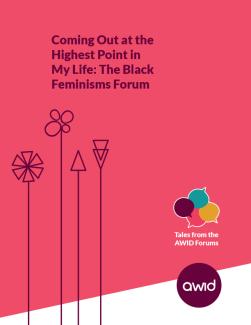
Many participants experience the AWID Forums as a unique space of freedom where they are embraced and celebrated as they are. In a world where even the most privileged feminists often find themselves not fully fitting in, for those whose identities are criminalized or otherwise condemned in their everyday contexts this experience of freedom and celebration can be deeply transformative (and restorative). The story of how OluTimehin Kukoyi – a first time participant – experienced the Black Feminist Forum (BFF) and the AWID Forum in Bahia (2016) powerfully illustrates this.
Le sommet climat organisé par et pour les mouvements.
📅 12 novembre - 16 novembre 2025
📍 Université fédérale du Pará, Belém
Site web en anglais
avec Nazik Abylgaziva, Amaranta Gomez Regalado, Cindy Weisner et Lucineia Freitas.
Cette politique régit toutes les pages hébergées sur le site www.awid.org, et tout autre site web géré par l'AWID, ainsi que les pages d’inscription à ces sites. Elle ne s'applique pas aux pages hébergées par des organisations autres que l'AWID auxquelles nous pouvons nous associer, et dont les politiques de confidentialité peuvent différer. Veuillez lire le document suivant pour comprendre notre politique de confidentialité concernant la nature, le but, l'utilisation et le partage de vos données personnelles collectées via ce site web.
D’une manière générale, vous pouvez naviguer sur ce site web sans nous soumettre vos informations personnelles. Cependant, dans certaines circonstances, nous vous demanderons de nous fournir certaines données personnelles.
Lorsque vous êtes sur le site web et que nous vous demandons des données personnelles, ces informations ne sont pas partagées en dehors de l’AWID.
1.1.1 Les données que vous fournissez pour obtenir des mises à jour de l'AWID :
Lorsque vous vous inscrivez pour avoir accès au site web - par exemple, que vous vous abonnez pour recevoir des courriels de notre part ou que vous demandez à devenir membre – nous vous demandons de fournir des données personnelles telles que votre nom, pays, langue, courriel pour recevoir les mises à jour. Vous nous transmettez ces informations grâce à des formulaires sécurisés et elles sont stockées sur des serveurs sécurisés.
1.1.2 Les données de paiement que vous envoyez pour devenir membre ou vous inscrire à un événement :
En devenant membre ou en vous inscrivant à des événements, vous devrez peut-être également fournir des données de paiement. L’AWID ne stocke aucune information de carte de crédit sur ses serveurs et utilise des systèmes de paiement sécurisés pour traiter ces informations.
1.1.3 Les informations facultatives que vous avez choisi de nous fournir (avec votre consentement) :
Lorsque vous communiquez avec l’AWID ou que vous fournissez des informations facultatives via des formulaires en-ligne ou utilisez le site pour communiquer avec d'autres membres, nous recueillons ces informations et toute information que vous choisissez de donner.
1.1.4 Les données que nous recueillons via des formulaires de contact ou lorsque vous communiquez directement avec nous :
Lorsque vous communiquez avec nous, nous recueillons ces données ainsi que toute autre information que vous choisissez de nous fournir.
Nous collectons et stockons également certaines autres informations concernant l'utilisation de notre site web par nos utilisateurs-trices afin que des tiers puissent nous fournir des rapports et des analyses concernant l'utilisation et les modes de navigation des utilisateurs-trices.
Pour plus d'informations sur les cookies, veuillez consulter la page suivante : www.allaboutcookies.org/fr/.
Si vous ne souhaitez pas recevoir de cookies, vous pouvez facilement modifier le paramétrage de votre navigateur web pour refuser de recevoir des cookies, ou pour demander d’être informé-e lorsque vous recevez un nouveau cookie. Cliquez ici pour voir comment procéder.
L'AWID utilise les informations collectées à propos de vous pour :
Si vous vous êtes abonné-e aux bulletins électroniques de l'AWID ou à des mises à jour par courrier électronique ou si vous êtes devenu-e membre, nous vous enverrons régulièrement des informations, ainsi qu’indiqué dans la section correspondante du site web. Vous pouvez vous désabonner à tout moment des bulletins électroniques ou des mises à jour par courriel en suivant les liens vers les informations de désabonnement incluses dans nos courriels.
L'exactitude des données vous concernant personnellement est importante pour l'AWID. Nous sommes en permanence à la recherche de moyens pour vous faciliter l’accès aux données que l'AWID conserve à votre sujet via notre site web et à la possibilité et les modifier. Si vous changez votre adresse e-mail, ou si l'une des autres informations que nous détenons est inexacte ou n’est plus d’actualité, merci de nous contacter ici.
Si vous avez consenti à ce que l’AWID utilise vos données personnelles, vous pouvez néanmoins changer d’avis à tout moment en nous contactant et en spécifiant l’autorisation que vous annulez. Veuillez noter que le retrait de votre consentement n'affecte pas la légalité des activités de traitement basées sur ce consentement avant son retrait.
Excepté dans le cas détaillé ci-dessous, l'AWID ne divulgue aucune de vos informations personnelles et ne vend ni ne loue des listes contenant vos informations à des tiers. L'AWID peut divulguer des informations quand elle a votre permission de le faire ou dans des circonstances particulières, par exemple lorsqu’elle croit de bonne foi que la loi l'exige.
Nous mettons continuellement en œuvre et mettons à jour les mesures de sécurité administratives, techniques et physiques afin de protéger vos données contre tout accès non autorisé, perte, destruction ou altération de celles-ci. Certaines des mesures de protection que nous utilisons pour protéger vos informations sont les pare-feu, le cryptage des données et les contrôles d'accès aux informations. Si vous savez, ou avez des raisons de croire, que vos informations d'identification AWID ont été perdues, volées, détournées ou autrement compromises, ou en cas d'utilisation non autorisée réelle ou suspectée de votre compte d'adhésion à l’AWID, veuillez nous contacter.
Cette politique est susceptible d’être modifiée de temps à autre. La dernière version de la politique sera postée sur notre site web, ainsi que la date de sa dernière mise à jour. En cas de modification(s) apportées à cette politique, vous recevrez une mise à jour par courriel. Au cas où vous ne seriez pas d'accord avec la politique ainsi révisée, vous aurez la possibilité d'annuler votre (vos) abonnement(s) chez nous. N’hésitez pas à nous contacter. Tous vos commentaires au sujet de cette politique sont les bienvenus !
Dernière mise à jour : mai 2019