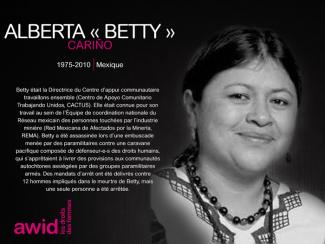
Alberta "Betty" Cariño
AWID’s Tribute is an art exhibition honouring feminists, women’s rights and social justice activists from around the world who are no longer with us.
This year’s tribute tells stories and shares narratives about those who co-created feminist realities, have offered visions of alternatives to systems and actors that oppress us, and have proposed new ways of organising, mobilising, fighting, working, living, and learning.
49 new portraits of feminists and Women Human Rights Defenders (WHRDs) are added to the gallery. While many of those we honour have passed away due to old age or illness, too many have been killed as a result of their work and who they are.
This increasing violence (by states, corporations, organized crime, unknown gunmen...) is not only aimed at individual activists but at our joint work and feminist realities.
The portraits of the 2020 edition are designed by award winning illustrator and animator, Louisa Bertman.
AWID would like to thank the families and organizations who shared their personal stories and contributed to this memorial. We join them in continuing the remarkable work of these activists and WHRDs and forging efforts to ensure justice is achieved in cases that remain in impunity.
“They tried to bury us. They didn’t know we were seeds.” - Mexican Proverb
It took shape with a physical exhibit of portraits and biographies of feminists and activists who passed away at AWID’s 12th International Forum, in Turkey. It now lives as an online gallery, updated every year.
To date, 467 feminists and WHRDs are featured.
As part of AWID’s Feminist Realities journey, we invite you to explore our newly launched Feminist Film Club: a collection of short and feature films selected by feminist curators and storytellers from around the world, including Jess X. Snow (Asia/Pacific), Gabrielle Tesfaye (Africa/African Diaspora), and Esra Ozban (South West Asia, North Africa). Alejandra Laprea is curating the Latin & Central American program, which we’ll launch in September during AWID’s Crear, Résister, Transform: A Festival for Feminist Movements. In the meantime, look out for announcements on special films screenings and conversations with filmmakers!
Nuestra meta es alcanzar un total de 200 respuestas, prácticamente el doble de la cifra registrada en la última encuesta ¿Dónde está el dinero? de 2011.
This year we are honoring 19 Women Human Rights Defenders from the Latin America and the Caribbean region. 16 defenders were murdered, including 6 journalists and 4 LGBTQI rights defenders. Please join us in commemorating the life and work of these women by sharing the memes below with your colleagues, friends and networks and by tweeting using the hashtags #WHRDTribute and #16Days.
Please click on each image below to see a larger version and download as a file


Yes! Please read the Call for Activities and apply here. Deadline is February 1st, 2024.
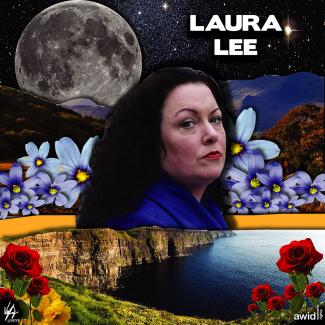
Laura was a leading activist and lawyer who campaigned fearlessly for the decriminalisation of sex work in Ireland.
She is remembered as “a freedom fighter for sex workers, a feminist, a mother to a daughter and a needed friend to many.”
Laura advocated for individuals in the sex industry to be recognised as workers deserving of rights. She advanced demands for decriminalisation, including initiating a judicial review at Belfast’s high court in respect of the provisions criminalising the purchase of sex. Laura stated that her intention was to bring the case to the European Court of Human Rights.
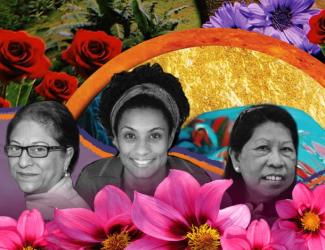
Les trois défenseuses des droits humains de la région Pacifique auxquelles nous rendons hommage cette année ont travaillé dans les médias, fait campagne pour les droits des personnes handicapées ou plaidé en faveur des droits des femmes. Leur contribution restera irremplaçable et nous leur rendons honneur. Nous vous invitons à vous joindre à nous pour commémorer la vie de ces femmes, leur travail et l’héritage qu’elles nous ont laissé. Faites circuler ces mèmes auprès de vos collègues et amis ainsi que dans vos réseaux et twittez en utilisant les hashtags #WHRDTribute et #16Jours.
S'il vous plaît cliquez sur chaque image ci-dessous pour voir une version plus grande et pour télécharger comme un fichier


No, no es necesario ser afiliadx de AWID para participar, pero lxs afiliadxs de AWID reciben una tarifa de inscripción con descuento, así como otros beneficios.
Obtén más información sobre cómo sumarte a la membresía de AWID.

Al momento de su muerte, luego de una corta pero denodada batalla contra el cáncer, Deborah era la Jefa de Comunicaciones y Participación en la Women’s Funding Network (WFN, Red de financiamiento para mujeres).
Deborah también trabajó para el Fondo Global de Mujeres entre 2008 y 2017. Era sumamente querida y respetada por el consejo asesor, el personal y lxs colaboradorxs de la organización.
Kavita Ramdas, anterior directora ejecutiva del Fondo, acertadamente señaló que Deborah era un «pequeño paquete que explotaba de calidez, generosidad, inteligencia, estilo y un apasionado compromiso por unir la belleza con la justicia. Ella entendía el poder de las historias. El poder de la voz de las mujeres. El poder de la experiencia vivida. El poder de levantarse de las cenizas y decirle a otrxs que era posible. Y todavía nos levantamos».
Musimbi Kanyoro, actual directora ejecutiva del Fondo Global de Mujeres, añadió: «Hemos perdido a una hermana y su vida ilumina valores que nos unen y nos inspiran. Al reunirnos para llorar el fallecimiento de Deborah, recordemos y celebremos su notable, audaz y apasionada vida».

A living collection of resources to support feminist movements, policy-makers, and allies to resist fascisms, fundamentalisms, and anti-rights trends.
لتجسيد قوتكم/ن كخبيرات عن وضع التمويل للحركات النسوية

Este kit inclui mensagens modelo apropriadas para Twitter, Facebook e LinkedIn, além de imagens que podem ser usadas para acompanhar essas mensagens.
Este kit é muito simples de usar. Basta seguir estes passos para:
Combine estas mensagens com as imagens para Twitter
Eu vou para o #AWIDForum. O lugar para conectar com movimentos de direitos das mulheres & justiça social. Vamos!: http://forum.awid.org/forum16/pt-br
Contando os dias para re-imaginar #FuturosFeministas com outr@s ativistas por direitos das mulheres & justiça social @ #AWIDForum! Participe: http://forum.awid.org/forum16/pt-br
Estou muito animada/o para participar do #AWIDForum em Maio, e agora já podemos nosinscrever! Vamos! http://forum.awid.org/forum16/pt-br
As inscrições já estão abertas para o #AWIDForum! Costa do Sauípe, Brasil, 8 de 11 set. de 2016 http://forum.awid.org/forum16/pt-br
Participe do #AWIDForum, um encontro histórico entre ativistas de todo o mundo em defesa dos direitos das mulheres & justiça social http://forum.awid.org/forum16/pt-br
Participe do #AWIDForum para comemorar as conquistas dos movimentos sociais & analisar aprendizados para seguir em frente http://forum.awid.org/forum16/pt-br
#AWIDForum – mais que um evento, uma chance de romper com a opressão & avançar a justiça http://forum.awid.org/forum16/pt-br
Participe do #AWIDForum para comemorar, traçar estratégias, revigorar os movimentos sociais e a nós mesm@s http://forum.awid.org/forum16/pt-br
Vamos construir #FuturosFeministas junt@s. Inscreva-se no #AWIDForum 2016. Costa do Sauípe, Brasil http://forum.awid.org/forum16/pt-br
Una-se a nós para re-imaginar & co-criar #FuturosFeministas no #AWIDForum 2016. Inscreva-se http://forum.awid.org/forum16/pt-br
#FuturosFeministas: aproveite o momento @ #AWIDForum para avançar visões compartilhadas por um mundo mais justo http://forum.awid.org/forum16/pt-br
Seremos 2.000 ativistas de movimentos sociais @ #AWIDForum, traçando estratégias para nossos #FuturosFeministas http://forum.awid.org/forum16/pt-br
Nós somos mais do que uma luta por uma só bandeira. Una-se a nós no #AWIDForum http://forum.awid.org/forum16/pt-br
Participe do #AWIDForum, um espaço para criar estratégias entre movimentos sociais & alavancar o nosso poder coletivo http://forum.awid.org/forum16/pt-br
Mobilize solidariedade & poder coletivo entre movimentos sociais no #AWIDForum http://forum.awid.org/forum16/pt-br
Romperas barreiras entre os movimentos sociais. Re-imaginar & co-criar nossos futuros. Tudo isso no #AWIDForum http://forum.awid.org/forum16/pt-br
Solidariedade é um verbo. Vamos colocá-lo em ação no #AWIDForum http://forum.awid.org/forum16/pt-br
Doadores engajados com os direitos das mulheres e movimentos sociais no #AWIDForum: http://forum.awid.org/forum16/pt-br
Mídia e movimentos sociais: amplificando #FuturosFeministas no #AWIDForum: http://forum.awid.org/forum16/pt-br
Combine estas mensagens com as imagens para Facebook
Nota: estas mensagens também podem ser usadas no Twitter via Mensagens Diretas privadas, que não têm limite de caracteres. Você pode compartilhar as imagens preparadas e adicionar estas mensagens modelo.
A espera acabou! já podemos nos inscrever no Fórum AWID 2016. Será maravilhoso reconectar com companheiras/os ativistas e re-imaginar nossos futuros feministas. Vejo vocês lá em Sauípe! http://forum.awid.org/forum16/pt-br
Estou muito animada/o para participar do Fórum AWID em Maio, e agora já podemos nosinscrever! Vamos! http://forum.awid.org/forum16/pt-br
Estou curtindo a ideia de re-imaginar futuros feministas com 2.000 pessoas de inúmeros movimentos incríveis de direitos das mulheres e justiça social no Fórum AWID. Inscreva-se e a gente se vê por lá! http://forum.awid.org/forum16/pt-br
As inscrições já estão abertas para o Fórum AWID 2016 na Costa do Sauípe, Bahia! Este não é apenas qualquer evento – é um espaço único para ativistas em defesa dos direitos das mulheres e justiça social de todo o mundo se encontrarem e re-imaginarem nossos futuros feministas. Você não vai querer perder! http://forum.awid.org/forum16/pt-br
Una-se a nós no Fórum AWID 2016 na Bahia! Ativistas e movimentos de todo o mundo irão se encontrar para comemorar, criar estratégias, inspirar e renovar nossas lutas coletivas e a nós mesm@s. Inscreva-se agora! http://forum.awid.org/forum16/pt-br
O Fórum AWID 2016 será um encontro histórico entre ativistas de todo o mundo por direitos das mulheres & justiça social. Una-se a nós lá para romper as barreiras, fortalecer a solidariedade e alavancar nosso poder coletivo. Inscreva-se agora! http://forum.awid.org/forum16/pt-br
O Fórum AWID 2016 será um encontro histórico entre ativistas de todo o mundo em defesa direitos das mulheres & justiça social. Una-se a nós lá para romper as barreiras, fortalecer a solidariedade e alavancar nosso poder coletivo. Inscreva-se agora! http://forum.awid.org/forum16/pt-br
Download das suas imagens favoritas
Oui ! Nous explorons actuellement des technologies innovantes qui permettront une connexion et une participation considérables.