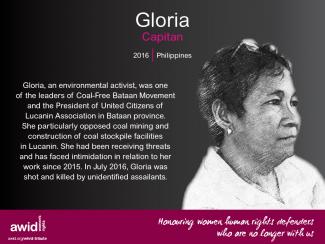
Gloria Capitan
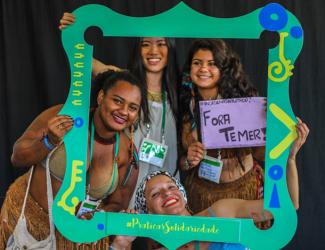
Young feminist activists play a critical role in women’s rights organizations and movements worldwide by bringing up new issues that feminists face today. Their strength, creativity and adaptability are vital to the sustainability of feminist organizing.
At the same time, they face specific impediments to their activism such as limited access to funding and support, lack of capacity-building opportunities, and a significant increase of attacks on young women human rights defenders. This creates a lack of visibility that makes more difficult their inclusion and effective participation within women’s rights movements.
AWID’s young feminist activism program was created to make sure the voices of young women are heard and reflected in feminist discourse. We want to ensure that young feminists have better access to funding, capacity-building opportunities and international processes. In addition to supporting young feminists directly, we are also working with women’s rights activists of all ages on practical models and strategies for effective multigenerational organizing.
We want young feminist activists to play a role in decision-making affecting their rights by:
Fostering community and sharing information through the Young Feminist Wire. Recognizing the importance of online media for the work of young feminists, our team launched the Young Feminist Wire in May 2010 to share information, build capacity through online webinars and e-discussions, and encourage community building.
Researching and building knowledge on young feminist activism, to increase the visibility and impact of young feminist activism within and across women’s rights movements and other key actors such as donors.
Promoting more effective multigenerational organizing, exploring better ways to work together.
Supporting young feminists to engage in global development processes such as those within the United Nations
Collaboration across all of AWID’s priority areas, including the Forum, to ensure young feminists’ key contributions, perspectives, needs and activism are reflected in debates, policies and programs affecting them.
Le thème du Forum − S'élever ensemble − est une invitation à nous engager avec tout notre être, à nous connecter les un.e.s aux autres de manière ciblée, bienveillante et courageuse, afin que nous puissions sentir le battement de cœur des mouvements mondiaux et nous élever ensemble pour relever les défis de notre époque.
Les mouvements féministes, de défense des droits des femmes, de justice basée sur le genre, LBTQI+ et autres mouvements apparentés du monde entier se trouvent à un tournant décisif, confrontés à un puissant revers/recul sur les droits et libertés précédemment acquis. Ces dernières années ont été marquées par la montée rapide des autoritarismes, la répression violente de la société civile et la criminalisation des femmes et des défenseuses.eurs des droits humains, l'escalade des guerres et des conflits dans de nombreuses régions du monde, la perpétuation des injustices économiques et les crises sanitaires, écologiques et climatiques qui s'entrecroisent.
Nos mouvements sont ébranlés et, en même temps, ils cherchent à construire et à maintenir la force et le courage nécessaires pour le travail à venir. Nous ne pouvons pas faire ce travail seul.e.s, dans nos bulles. La connexion et la guérison sont essentielles pour transformer les déséquilibres de pouvoir persistants et les lignes de faille au sein de nos propres mouvements. Nous devons travailler et élaborer des stratégies de manière interconnectée, afin de pouvoir prospérer ensemble. Le Forum de l'AWID favorise cet ingrédient vital qu'est l'interconnexion dans la pérennité, la croissance et l'influence transformatrice de l'organisation féministe à l'échelle mondiale.
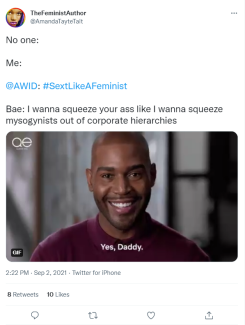
Le 2 septembre 2021, les géniales féministes et activistes pour la justice sociale du festival de l’AWID Crear | Résister | Transform se sont retrouvées, non seulement pour mettre en commun leurs stratégies de résistance, cocréer et transformer le monde, mais également pour parler crûment sur Twitter.
Nana Darkoa Sekyiamah, cofondatrice du blog Adventures From The Bedrooms of African Women et autrice de The Sex Lives of African Women, menait l’exercice, épaulée par la plateforme numérique panafricaine womanist queer AfroFemHub, pour poser la question suivante : Comment pouvons-nous, de manière sûre et consensuelle, explorer notre plaisir, nos désirs et nos fantasmes par textos?
Je pense que c’est une question de très haute importance, parce qu’elle porte sur la question plus large de la navigation en ligne selon un point de vue féministe. Avec le capitalisme, le langage autour des corps et du sexe peut être déshumanisant et perturbant, et aborder le plaisir sexuel sur le numérique peut sembler devoir prendre une tournure performative. Donc, trouver des manières d’examiner comment nous faisons part de notre désir, qu’elles soient à la fois affirmatives et enthousiastes, peut repousser les modèles dominants de présentation et de consommation, et se réapproprier ces espaces comme autant de lieux d’un engagement authentique, prouvant que les sextos devraient tous être justement ça : féministes.
En outre, permettre aux conversations féministes d’incarner leur côté ludique dans les conversations en ligne contribue à recadrer le récit populaire selon lequel les interventions féministes sont tristes et austères. Mais nous le savons bien : s’amuser fait partie de notre politique, et est inhérent à ce qu’être féministe veut dire.
À l’aide du mot-dièse #SextLikeAFeminist des universitaires et des activistes du monde entier se sont donné rendez-vous pour partager leurs tweets féministes les plus affamés, et voici mes dix favoris.
Comme ces tweets le montrent, sextoter comme une féministe est à la fois sexy, drôle – et chaud. Mais sans jamais perdre de vue son engagement en faveur de l’équité et de la justice.
Lisez nos recherches sur le financement, sur les défenseuses des droits humains, sur la création de mouvements, sur les fondamentalismes, la justice économique et beaucoup plus
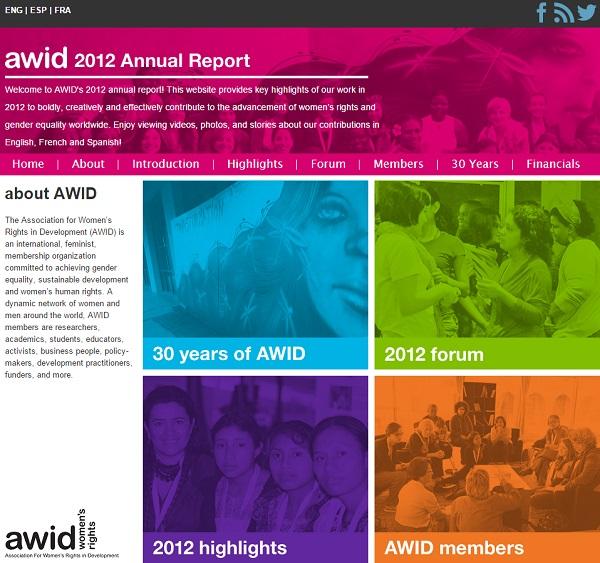
Our 2012 Annual Report provides key highlights of our work during the year to boldly, creatively and effectively contribute to the advancement of women’s rights and gender equality worldwide.
Enjoy viewing videos, photos, and stories about our contributions.
Visit our 2012 Annual Report site

As these tweets show, it turns out that sexting like a feminist is sexy, funny – and horny. Yet, it never loses sight of its commitment to equity and justice.

En 2016 convocamos el 13º Foro Internacional de AWID en Bahía, Brasil, al que asistieron 1800 participantes de 120 países y territorios de todo el mundo. El Foro fue un espacio muy necesario para la construcción de estrategias y alianzas con feministas y otros movimientos de justicia.
Sabemos que los movimientos por lo derechos de las mujeres y feministas son actores clave en la creación de un cambio transformador sostenible. En nuestros movimientos, la organización, resistencia y respuesta al contexto desafiante se está agudizando, y en nuestro mundo cada vez más conectado, el potencial para la acción colectiva a través de diversos movimientos ha crecido dramáticamente. Este es el trabajo crucial que AWID busca amplificar y apoyar. Nos proponemos informar y equipar a organizaciones y movimientos por los derechos de las mujeres para responder a las oportunidades y contrarrestar las amenazas. Apoyamos una mayor visibilidad y comprensión de las iniciativas por los derechos de las mujeres y las amenazas que enfrentan, y también trabajamos para influenciar a lxs actores e instituciones que dan forma a los derechos humanos y a los resultados de desarrollo.
El innovador 13º Foro Internacional de AWID se realizó del 8 al 11 de septiembre de 2016 en Bahía, Brasil, con el tema: «Futuros Feministas: Construyendo poder colectivo por los derechos y la justicia». Si bien gran parte de la energía de AWID en 2016 se dedicó al proceso del Foro, también se valió del pensamiento y la energía de casi 500 aliadxs, presentadorxs, panelistas, moderadorxs, artivistas, escritorxs, facilitadorxs, innovadorxs de TI y artistas de performance, muchxs de ellxs líderes en su campo. También, en reconocimiento a la historia y la lucha de Bahía, albergamos al Foro de Feminismos Negros (BFF, por su sigla en inglés), de dos días, organizado por un grupo de trabajo conformado por feministas negrxs de todo el mundo.
SOBRE DESAFIAR AL PODER CORPORATIVO. Produjimos Desafiar al poder corporativo: las luchas por los derechos de las mujeres, la justicia económica y de género junto con el Solidarity Center, revelando la escala y el alcance del poder corporativo y describiendo cómo las corporaciones en connivencia con élites y otros actores poderosos están teniendo impacto en las vidas de las mujeres y los pueblos oprimidos. El informe ofrece ideas sobre estrategias de resistencia, destacando cinco luchas que utilizaron la colaboración entre movimientos para desafiar al poder corporativo.
SOBRE ECONOMÍAS FEMINISTAS. Produjimos Propuestas feministas para una economía justa juntamente al Centro para el Liderazgo Mundial de las Mujeres (CWGL, por su sigla en inglés) y la Red de Mujeres Africanas para el Desarrollo y la Comunicación FEMNET. Propuestas Feministas es una plataforma en internet que propone una agenda feminista para el desarrollo y la justicia
económica y de género.
SOBRE DESAFIAR A LOS FUNDAMENTALISMOS. El diablo se esconde en los detalles: En el nexo entre el desarrollo, los derechos de las mujeres y los fundamentalismos religiosos detalla cómo los fundamentalismos religiosos limitan el desarrollo y los derechos de las mujeres en particular y proporciona recomendaciones a lxs actores del desarrollo para fortalecer los derechos de las mujeres.
SOBRE ACTIVISMO JOVEN FEMINISTA. Junto a FRIDA lanzamos Valientes, creativxs, resilientes: La situación a nivel global de la organización de jóvenes feministas en el Espacio de Activismo Joven Feminista durante el Foro de AWID. Este proyecto de descripción del estado del activismo feminista joven se basa en los datos recopilados de 1360 solicitudes de subvenciones recibidas por FRIDA entre los años de 2012 y 2014 y una encuesta global, que contó con 694 respuestas de 118 países diferentes.
AWID, en asociación con otras organizaciones feministas y por los derechos de las mujeres, se involucró en la incidencia y el diálogo para explorar mejores soluciones para las agendas de derechos de las mujeres, como nuestro trabajo con el consorsio Count Me In!
Las experiencias de mujeres con discapacidad, mujeres negras y afrodescendientes, trabajadorxs sexuales, mujeres indígenas, personas trans y personas intersexuales, trabajadorxs domesticxs
y cómo sus vidas se ven afectadas por múltiples opresiones y violencias estuvieron en el centro del proceso del Foro.
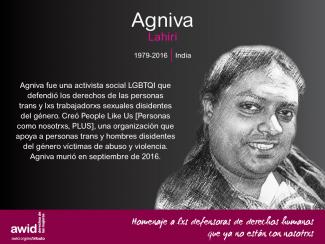
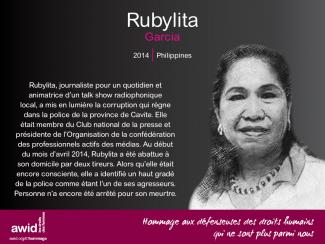
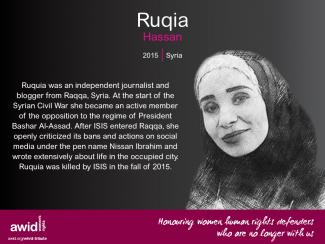
Durante los 16 Días de activismo, y gracias a las contribuciones de nuestrxs increíbles afiliadxs, lanzamos el Tributo a lxs defensorxs de derechos humanos 2016 para celebrar la vida de lxs defensorxs que ya no están con nosotrxs.
Nuestra colaboración con The Guardian y Mama Cash: la sección de enfoque en derechos de las mujeres e igualdad de género del portal de desarrollo global de The Guardian ha resultado en una mayor atención a los grupos y temas
que no suelen recibir la cobertura adecuada de los medios de comunicación dominantes.

นับเป็นครั้งแรกที่เวทีประชุม AWID จะเสนอรูปแบบการมีส่วนร่วม 3 รูปแบบ
ผู้เข้าร่วมสามารถเดินทางเข้าร่วมด้วยตัวเอง ที่กรุงเทพฯ ประเทศไทย ซึ่งเราจะตั้งหน้าตั้งตาคอยท่านอยู่!
Hosted by MADRE, Fondo Semillas and Feminist Church
📅 Wednesday, April 29
🕒 4.00-5:30pm
🏢 Melbourne Convention and Exhibition Centre, Room #204
En 2021, AWID, junto con muchas otras organizaciones, comenzábamos a asumir las consecuencias de la pandemia global, todavía en curso, para nuestro modo de trabajo y nuestro rol en este momento tan particular. Fue un año que nos enseñó tres lecciones cruciales sobre cómo transitar este momento como organización global de apoyo a los movimientos feministas.
Descargar el informe anual 2021
Lo que nos queda claro de nuestra experiencia en 2021 es el rol preponderante -y de alguna forma singular- que AWID desempeña en la construcción y el sostenimiento de una comunidad feminista global transversal a diversas identidades y temas.

Lindiwe Rasekoala est une coach de vie spécialisée dans ce qui touche à l’intimité et au bien-être relationnel. Elle est passionnée de santé sexuelle et contribue à des contenus en ligne. Au travers de ses propres expériences et de méthodes de recherche non conventionnelles, elle pense pouvoir combler le fossé éducatif et le manque d’accès à l’information qui existent autour du bien-être sexuel. Elle contribue à diverses émissions de radio et de télévision et a suivi une formation de coach auprès de la Certified Coaches Alliance. La mission de Lindiwe est d’éradiquer les obstacles qui entravent les conversations autour du bien-être sexuel et de donner à ses client·e·s les moyens de mieux se comprendre afin qu’ils·elles puissent avoir un mode de vie et des relations plus saines et holistiques.
Organized by: UAF-Africa and Agence Française de Développement (AFD)
📅 Tuesday, April 28
🕒 3.00pm
🏢 Venue: Crowne Plaza Hotel
With over ten years of finance experience, Lucy has devoted her career to for profit and furthering nonprofit missions. She also worked and volunteered at non-for-profit organizations. From the fast-paced world of Finance, Lucy has passion for staying tuned with tech skills in the finance field. Lucy joined AWID in 2014. During her spare time she enjoys music, traveling, and variety sports.