Women Human Rights Defenders
WHRDs are self-identified women and lesbian, bisexual, transgender, queer and intersex (LBTQI) people and others who defend rights and are subject to gender-specific risks and threats due to their human rights work and/or as a direct consequence of their gender identity or sexual orientation.
WHRDs are subject to systematic violence and discrimination due to their identities and unyielding struggles for rights, equality and justice.
The WHRD Program collaborates with international and regional partners as well as the AWID membership to raise awareness about these risks and threats, advocate for feminist and holistic measures of protection and safety, and actively promote a culture of self-care and collective well being in our movements.
Risks and threats targeting WHRDs
WHRDs are exposed to the same types of risks that all other defenders who defend human rights, communities, and the environment face. However, they are also exposed to gender-based violence and gender-specific risks because they challenge existing gender norms within their communities and societies.
By defending rights, WHRDs are at risk of:
- Physical assault and death
- Intimidation and harassment, including in online spaces
- Judicial harassment and criminalization
- Burnout
A collaborative, holistic approach to safety
We work collaboratively with international and regional networks and our membership
- to raise awareness about human rights abuses and violations against WHRDs and the systemic violence and discrimination they experience
- to strengthen protection mechanisms and ensure more effective and timely responses to WHRDs at risk
We work to promote a holistic approach to protection which includes:
- emphasizing the importance of self-care and collective well being, and recognizing that what care and wellbeing mean may differ across cultures
- documenting the violations targeting WHRDs using a feminist intersectional perspective;
- promoting the social recognition and celebration of the work and resilience of WHRDs ; and
- building civic spaces that are conducive to dismantling structural inequalities without restrictions or obstacles
Our Actions
We aim to contribute to a safer world for WHRDs, their families and communities. We believe that action for rights and justice should not put WHRDs at risk; it should be appreciated and celebrated.
-
Promoting collaboration and coordination among human rights and women’s rights organizations at the international level to strengthen responses concerning safety and wellbeing of WHRDs.
-
Supporting regional networks of WHRDs and their organizations, such as the Mesoamerican Initiative for WHRDs and the WHRD Middle East and North Africa Coalition, in promoting and strengthening collective action for protection - emphasizing the establishment of solidarity and protection networks, the promotion of self-care, and advocacy and mobilization for the safety of WHRDs;
-
Increasing the visibility and recognition of WHRDs and their struggles, as well as the risks that they encounter by documenting the attacks that they face, and researching, producing, and disseminating information on their struggles, strategies, and challenges:
-
Mobilizing urgent responses of international solidarity for WHRDs at risk through our international and regional networks, and our active membership.
Related Content
Snippet - WITM Our objectives - EN
Our research objectives
1 |
Provide AWID members, movement partners and funders with an updated, powerful, evidence-based, and action-oriented analysis of the resourcing realities of feminist movements and current state of the feminist funding ecosystem. |
2 |
Identify and demonstrate opportunities to shift more and better funding for feminist organizing, expose false solutions and disrupt trends that make funding miss and/or move against gender justice and intersectional feminist agendas. |
3 |
Articulate feminist visions, proposals and agendas for resourcing justice. |
Patrona Benita Sandoval
My question isn’t answered here
For additional questions, please use our contact form, and select “14th AWID Forum" from the dropdown menu.
Test Page
This is body text
After the gallery
Some English aside content
Snippet FEA Occupation’s kitchen Instagram 2 (EN)
Occupation’s kitchen campaign:
Women sustain Care | Care Sustains Life | Life Sustains Economy | Who takes care of women? | Not one less1 | Together | Sunday lunch
1Nenhuna a menos literally translates as “not one woman less” or “ni una menos” in Spanish - a famous feminist slogan in Latin America that emerged in Argentina as a response to increasing gender-based violence.
Why should I consider responding to the survey?
There are many reasons why your response to the WITM survey matters. The survey offers the opportunity to share your lived experience of mobilizing funding to support your organizing; claim your power as an expert on how money moves and who it reaches; and contribute to collective and consistent advocacy to funders moving more and better funding. Over the last two decades, AWID’s WITM research has proven to be a key resource for activists and funders. We wholeheartedly invite you to join us in its third iteration to highlight the actual state of resourcing, challenge false solutions, and point out how funding must change for movements to thrive and meet the complex challenges of our times.
Abby Lippman
Abby was a pioneering feminist, human-rights activist and former McGill University epidemiologist.
Abby was renowned for championing social causes and for her insightful critiques of reproductive technologies and other medical topics. Specifically, she campaigned against what she called the "geneticization" of reproductive technologies, against hormone replacement therapy and for better, longer research before the approval of discoveries such as the vaccines against the human papillomavirus.
On the news of her passing, friends and colleagues described her fondly as an “ardent advocate” for women’s health.
Parvin Paidar
Why did AWID choose Taipei as the location for the Forum?
We see Taipei as the location in the Asia Pacific region that will best allow us to build that safe and rebelious space for our global feminist community.
Taipei offers a moderate degree of stability and safety for the diversity of Forum participants we will convene. It also has strong logistical capacities, and is accessible for many travellers (with a facilitated e-visa process for international conferences).
The local feminist movement is welcoming of the Forum and keen to engage with feminists from across the globe.
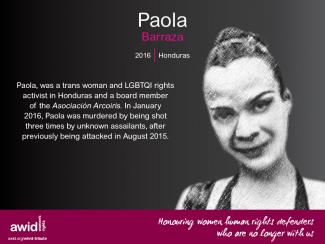
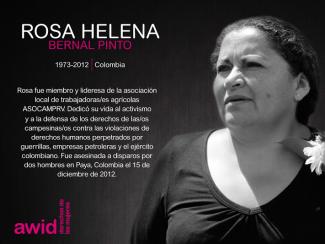
Defending LGBTQI Rights
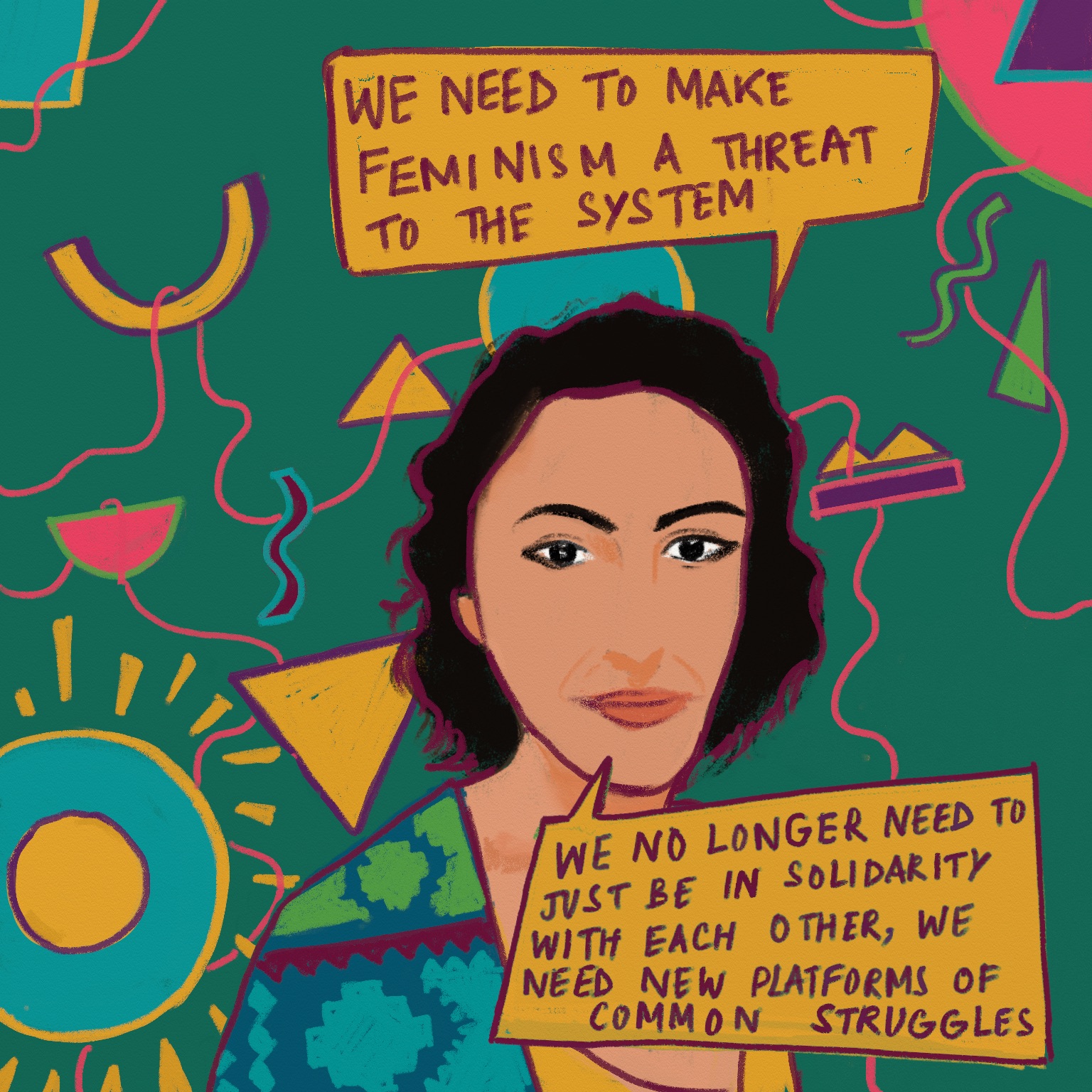
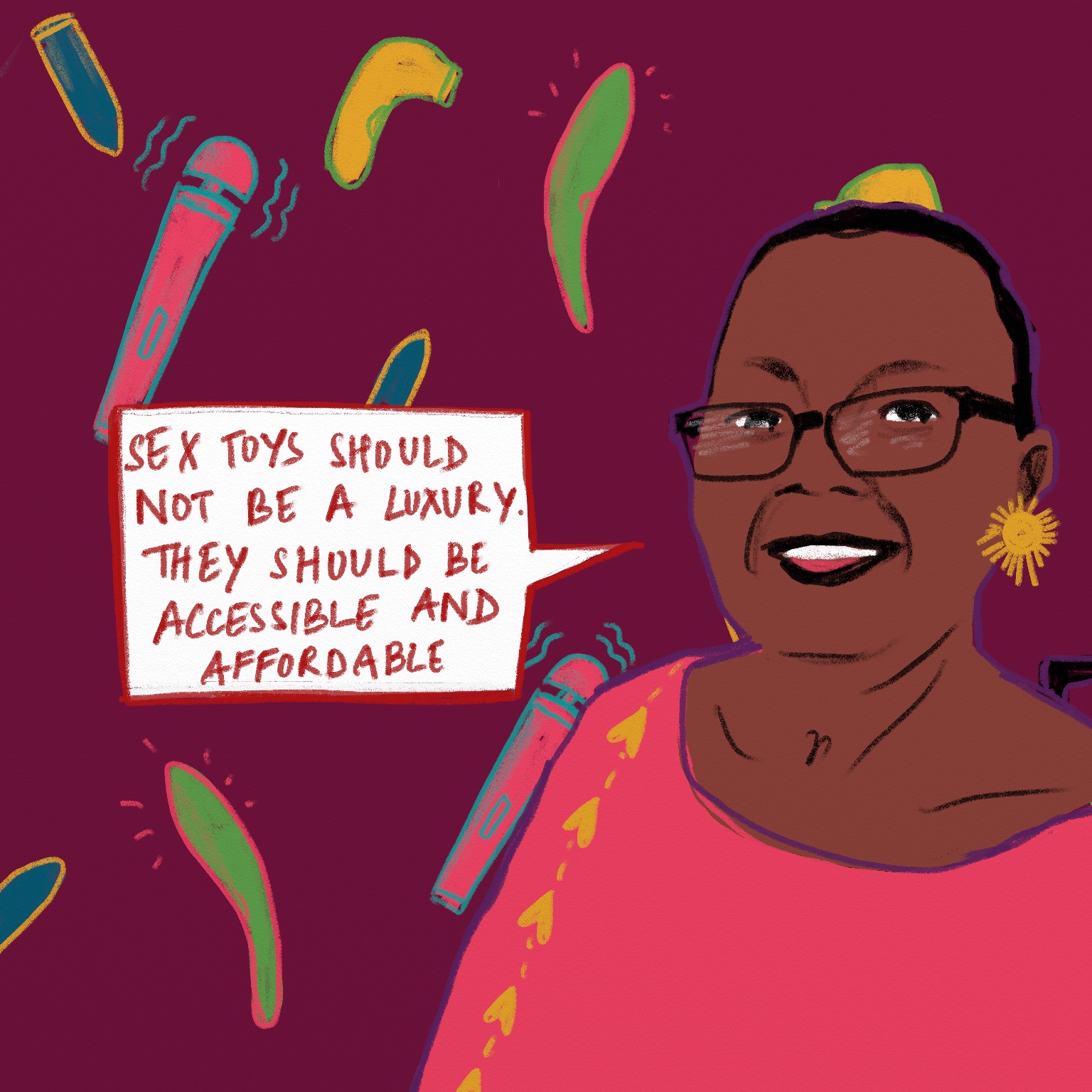
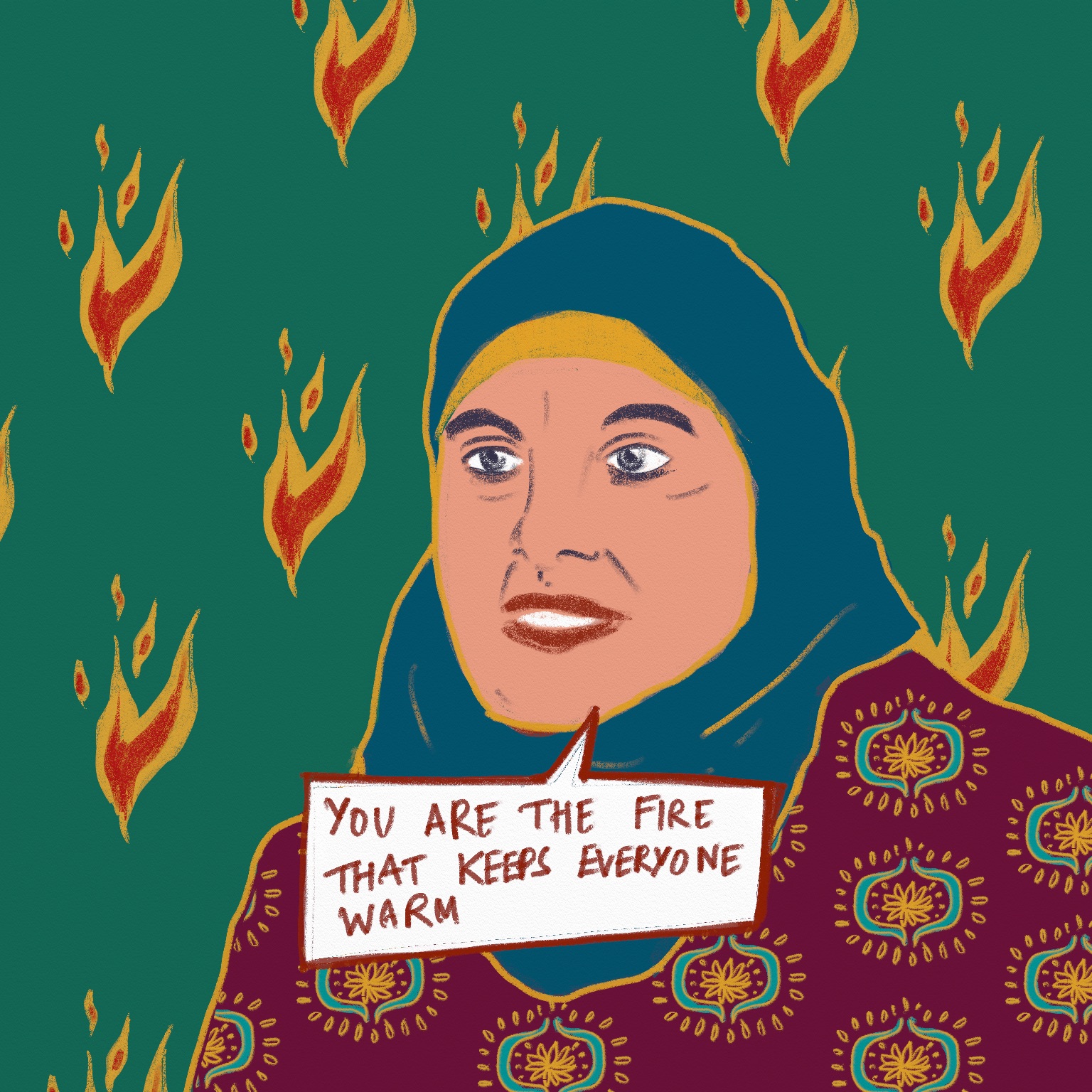
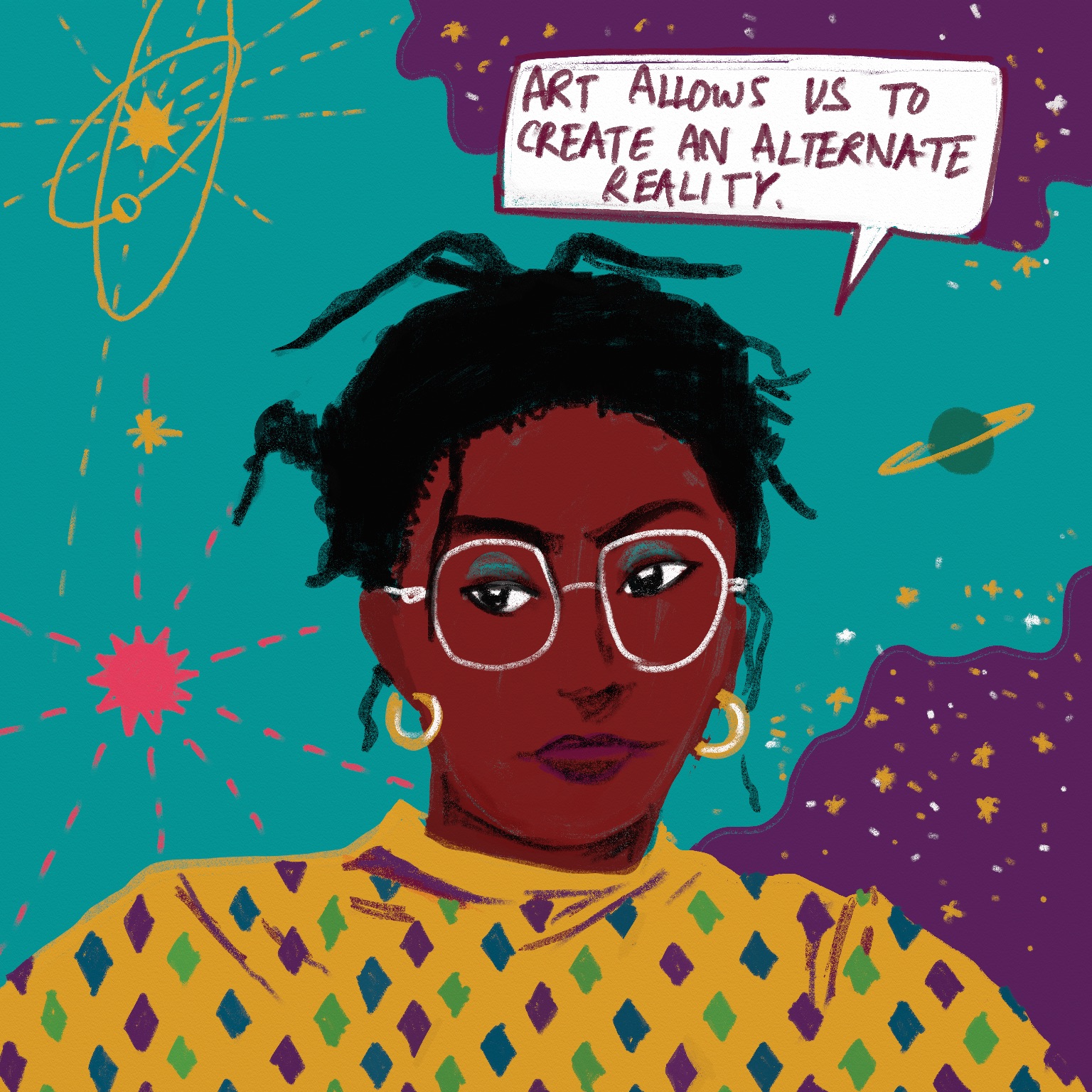
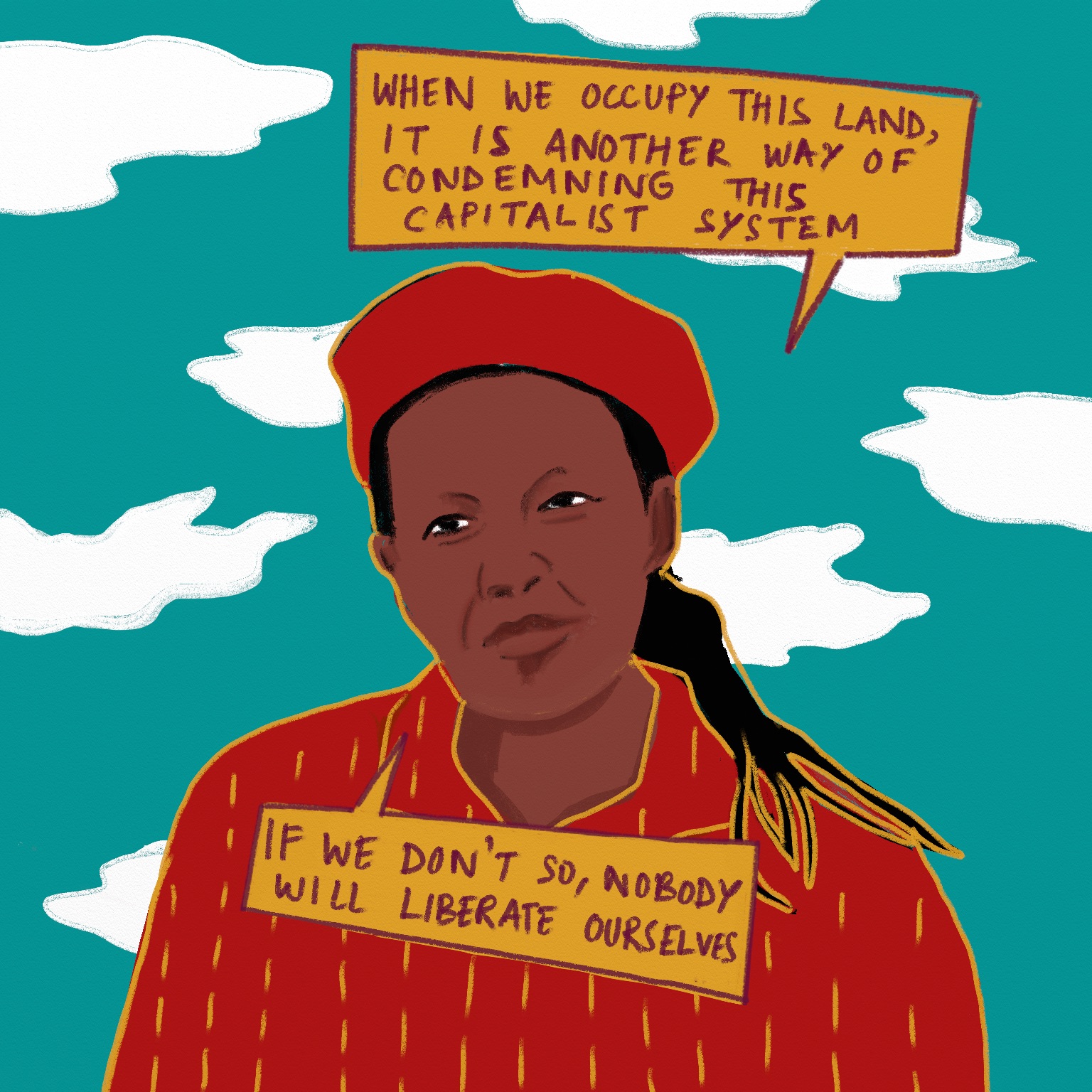
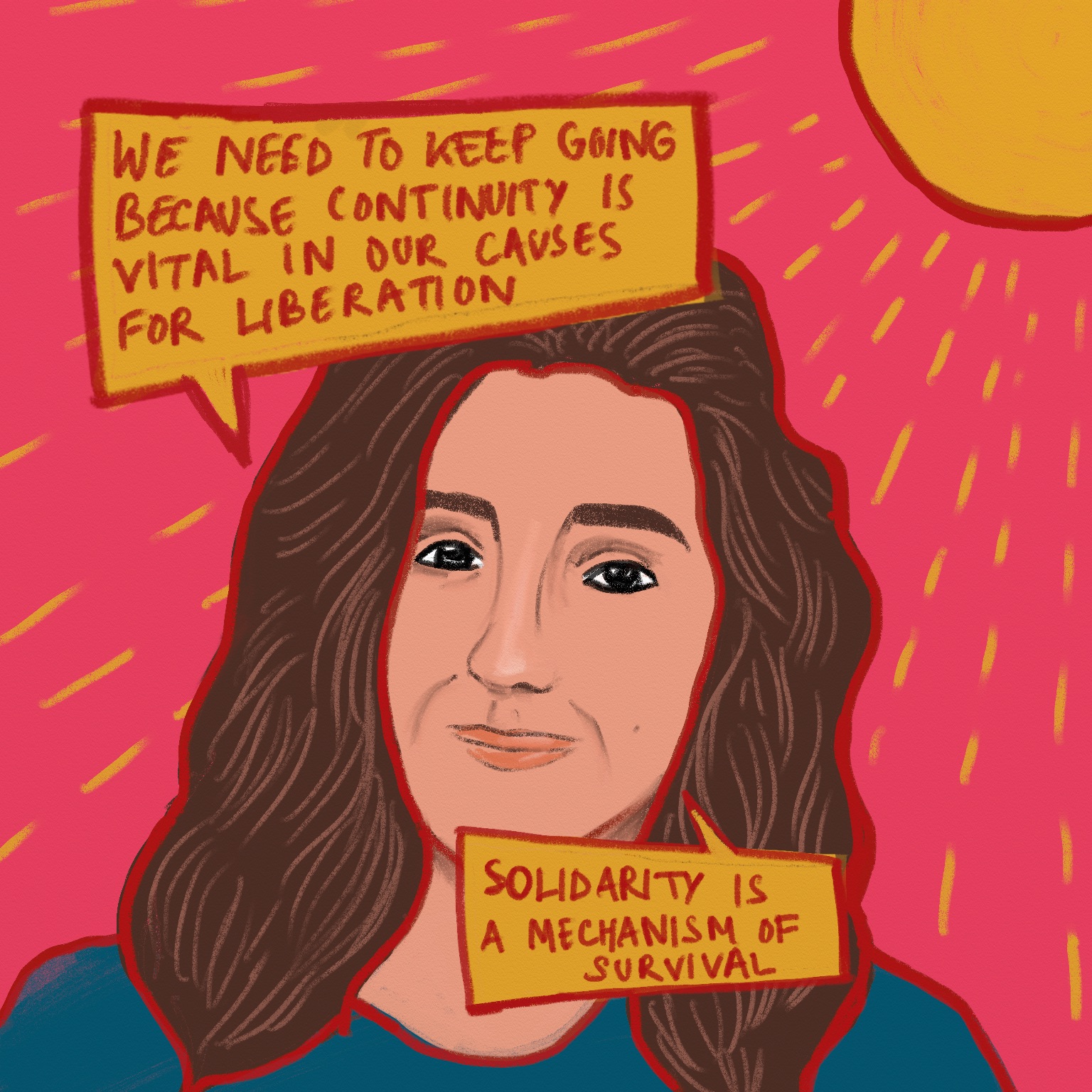
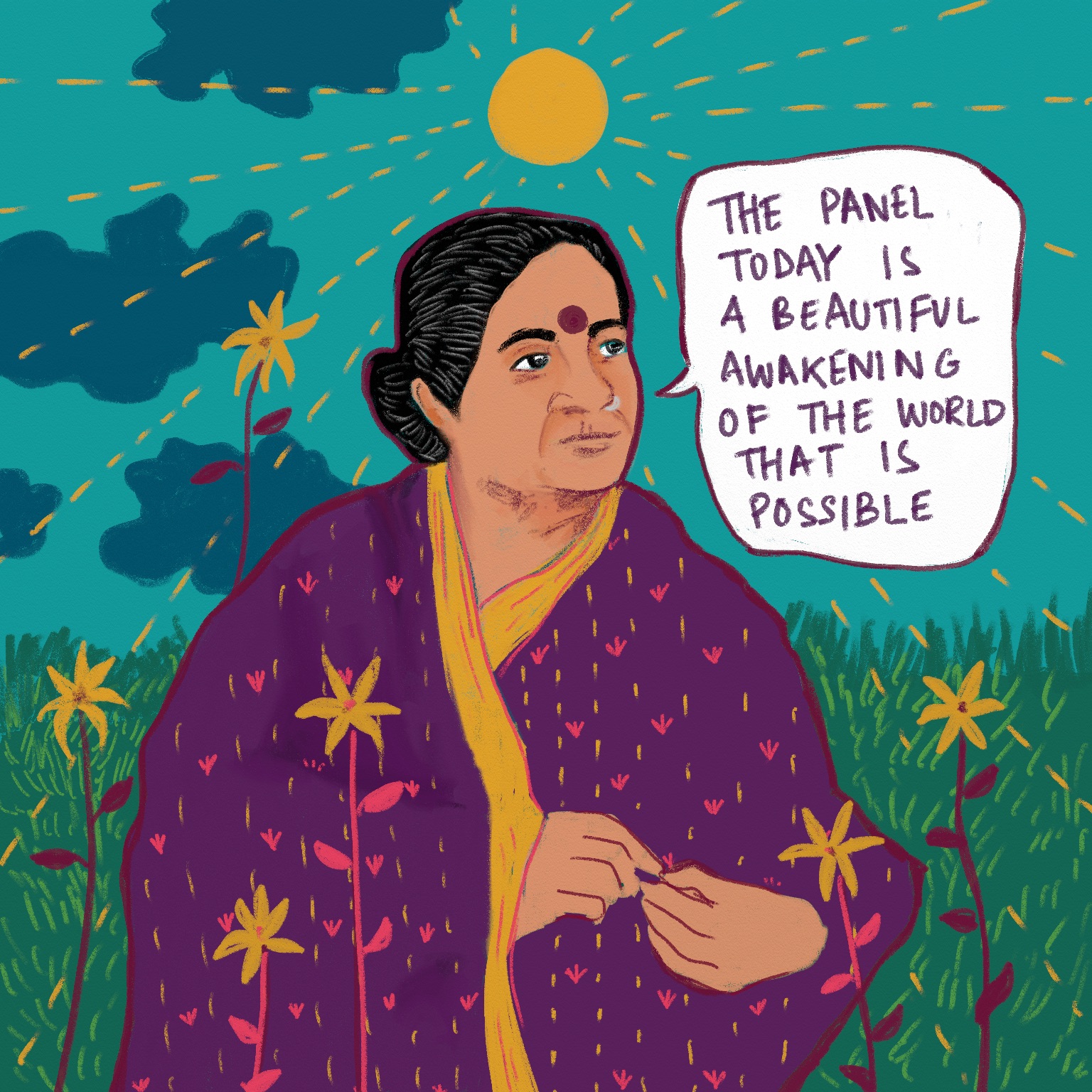
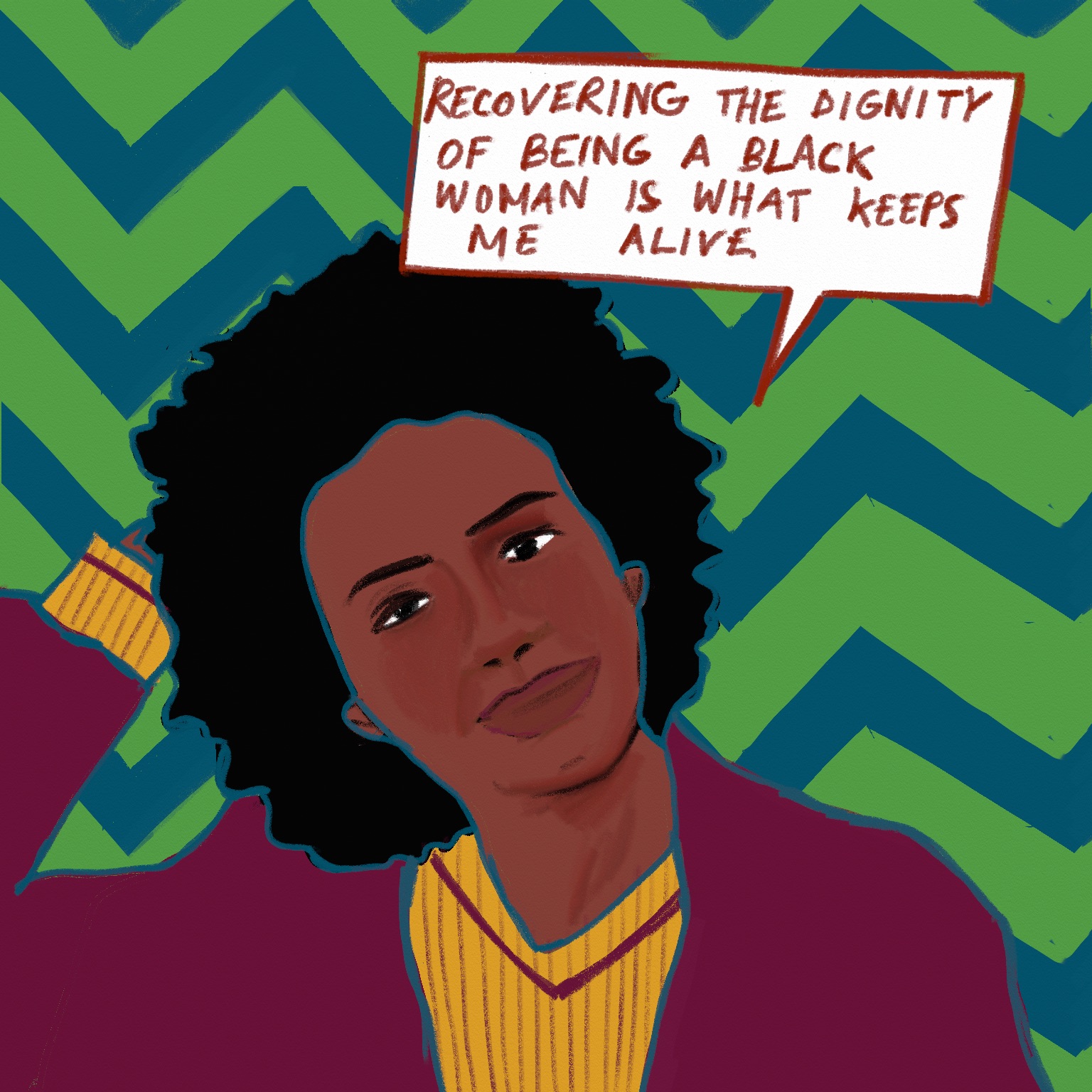
Student, Writer, Leader, Advocate. Each of the four women honored below had their own way of activism but what they had in common is that they all promoted and defended Lesbian Gay Bisexual Transgender Queer and Intersex rights. Join us in remembering and honoring these Women Human Rights Defenders, their work and legacy by sharing the memes below and tweeting by using the hashtags #WHRDTribute and #16Days.
Please click on each image below to see a larger version and download as a file


Snippet FEA EoS The Howl (EN)

The Howl
Participation and activism
En nuestro caso, reorientamos dinero a nuestros socios beneficiarios y nos identificamos como fondo de mujeres/feminista, ¿deberíamos responder la encuesta?
No. Valoramos muchísimo su trabajo, pero no estamos buscando respuestas de fondos de mujeres/feministas por el momento. Alentamos a compartir la encuesta con sus socios beneficiarios y con sus redes feministas.
Marielle Franco
Marielle fue una política brasileña feminista lesbiana y activista por los derechos humanos.
Criticó abiertamente la brutalidad policial y las ejecuciones extrajudiciales. Su política declaradamente feminista, negra, centrada en las favelas, fue una fuente de esperanza para los grupos marginados de Río de Janeiro, gobernados actualmente por un gobierno municipal conservador y un intendente evangélico.
El 14 de marzo de 2018, después de dar un discurso en Río de Janeiro, Franco y su chofer fueron asesinados a balazos. A partir de la noticia de su muerte, multitudes se volcaron a las calles al grito de «¡Marielle presente!», en demanda de justicia.
En esta nota se puede leer más sobre Marielle y la situación en Brasil
Saskia Poldervaart
Los derechos de las personas trans* requieren una mayor protección
Estas mujeres trans* fueron asesinadas por su activismo y por su identidad de género. Son escasas las leyes que reconocen los derechos de las personas trans* e, incluso donde están vigentes, es muy poco lo que se ha hecho para salvaguardar sus derechos. Únete a AWID para honrar a estas defensoras de derechos humanos, su trabajo y su legado, compartiendo los memes aquí incluidos con tus colegas, amistades y redes; y tuiteando las etiquetas #WHRDTribute y #16Días.
Por favor, haz click en cada imagen de abajo para ver una versión más grande y para descargar como un archivo.


Snippet FEA We are living in a world (ES)
Vivimos en un mundo donde la destrucción de la naturaleza alimenta nuestra economía global actual. |
Incluso en tiempos de crisis climática, los gobiernos continúan alentando el crecimiento de las industrias agrícolas a gran escala. Estas actividades envenenan la tierra, amenazan la biodiversidad y destruyen la producción de alimentos y los medios de vida locales. Mientras tanto, aunque las mujeres producen la mayoría de nuestros alimentos en el mundo, casi no poseen tierra. |
|
¿Qué pasaría si percibiéramos la tierra y la Naturaleza no como una propiedad privada para ser explotada, sino como una totalidad con la cual aprender y coexistir en armonía? ¿Y si repararíamos nuestras relaciones con la tierra y adoptaríamos alternativas más sostenibles que nutran tanto al planeta como a sus comunidades? Nous Sommes la Solution (Somos la Solución, NSS) es uno de los muchos movimientos liderados por mujeres que se esfuerzan por lograr este objetivo. Esta es su historia. |
|
Puis-je accéder à l’enquête et répondre aux questions depuis mon téléphone?
Oui, l’enquête est accessible depuis les téléphones intelligents.
Razan Al-Najar
Razan était une infirmière palestinienne bénévole âgée de 21 ans.
Elle a été tuée par balle à l'est de la ville de Khan Younis, au sud de Gaza, alors qu'elle courait vers une clôture de la frontière fortifiée dans le but de porter secours à une victime.
Dans son tout dernier post sur Facebook, Razan avait déclaré : « J’y retourne et ne reculerai pas », ajoutant: « Frappez-moi de vos balles. Je n'ai pas peur ».