WHRDs are self-identified women and lesbian, bisexual, transgender, queer and intersex (LBTQI) people and others who defend rights and are subject to gender-specific risks and threats due to their human rights work and/or as a direct consequence of their gender identity or sexual orientation.
WHRDs are subject to systematic violence and discrimination due to their identities and unyielding struggles for rights, equality and justice.
The WHRD Program collaborates with international and regional partners as well as the AWID membership to raise awareness about these risks and threats, advocate for feminist and holistic measures of protection and safety, and actively promote a culture of self-care and collective well being in our movements.
Risks and threats targeting WHRDs
WHRDs are exposed to the same types of risks that all other defenders who defend human rights, communities, and the environment face. However, they are also exposed to gender-based violence and gender-specific risks because they challenge existing gender norms within their communities and societies.
By defending rights, WHRDs are at risk of:
Physical assault and death
Intimidation and harassment, including in online spaces
Judicial harassment and criminalization
Burnout
A collaborative, holistic approach to safety
We work collaboratively with international and regional networks and our membership
to raise awareness about human rights abuses and violations against WHRDs and the systemic violence and discrimination they experience
to strengthen protection mechanisms and ensure more effective and timely responses to WHRDs at risk
We work to promote a holistic approach to protection which includes:
emphasizing the importance of self-care and collective well being, and recognizing that what care and wellbeing mean may differ across cultures
documenting the violations targeting WHRDs using a feminist intersectional perspective;
promoting the social recognition and celebration of the work and resilience of WHRDs ; and
building civic spaces that are conducive to dismantling structural inequalities without restrictions or obstacles
Our Actions
We aim to contribute to a safer world for WHRDs, their families and communities. We believe that action for rights and justice should not put WHRDs at risk; it should be appreciated and celebrated.
Promoting collaboration and coordination among human rights and women’s rights organizations at the international level to strengthen responses concerning safety and wellbeing of WHRDs.
Supporting regional networks of WHRDs and their organizations, such as the Mesoamerican Initiative for WHRDs and the WHRD Middle East and North Africa Coalition, in promoting and strengthening collective action for protection - emphasizing the establishment of solidarity and protection networks, the promotion of self-care, and advocacy and mobilization for the safety of WHRDs;
Increasing the visibility and recognition of WHRDs and their struggles, as well as the risks that they encounter by documenting the attacks that they face, and researching, producing, and disseminating information on their struggles, strategies, and challenges:
Mobilizing urgent responses of international solidarity for WHRDs at risk through our international and regional networks, and our active membership.
Related Content
What are the Forum languages?
AWID’s working languages are English, French and Spanish. Thai will be added as the local language, as well as sign language & other accessibility measures. Other languages may be added if funding permits, so check back regularly for updates. We care about language justice and will try to include as many languages as we can and as our resources allow. We hope to create multiple opportunities for many of us to be present in our languages and to communicate with each other.
Lorsque notre travail incarné devient un profit entre les mains de systèmes que nous cherchons à démanteler, il n’est pas étonnant que nos sexualités et nos plaisirs soient une fois de plus relégués à la marge – surtout lorsqu’ils ne sont pas assez rentables. À plusieurs reprises au cours de la production de ce numéro, nous nous sommes demandé ce qui se passerait si nous refusions de nous plier aux services essentiels du capitalisme. Mais pouvons-nous oser poser cette question, lorsque nous sommes épuisé·e·s par le monde? Peut-être que nos sexualités sont si facilement rejetées parce qu’elles ne sont pas considérées comme des formes de soins. Peut-être que ce dont nous avons besoin, c’est de réimaginer le plaisir comme une forme de soin radical – un soin qui est également anticapitaliste et anti-institutionnel.
Nomina a feministas que nos inspiren para formar parte de la Junta Directiva de AWID.
Cada año, AWID busca renovar y enriquecer las perspectivas y experiencias reflejadas en nuestra Junta Directiva mediante la incorporación de nuevxs integrantes.
Actualmente, estamos buscando personas para integrar la Junta Directiva de AWID por períodos de 3 años, a partir de principios de 2024. Esta es una oportunidad para contribuir a la gobernanza de nuestra organización y formar parte de un increíble grupo de feministas de todo el mundo.
Por favor, ayúdanos a identificar feministas conscientes y comprometidas para nominarlxs a la elección antes del 10 de agosto de 2023.
Por favor, también comparte esta invitación a candidaturas entre tus redes.
¿A quién estamos buscando?
Ante todo, buscamos candidatxs que estén comprometidxs con la misión de AWID, que puedan establecer conexiones entre las luchas locales y globales, y que puedan ayudarnos a reflexionar sobre cómo aprovechar mejor el posicionamiento y las fortalezas de AWID en un contexto en constante transformación. Lxs candidatxs deben estar dispuestxs a cumplir con los deberes y responsabilidades legales de la Junta Directiva de AWID en el mejor interés de la organización.
Este es un cargo voluntario que requiere compromiso y participación a lo largo del año. Se espera que lxs integrantes de la Junta Directiva dediquen un mínimo de diez a quince días al año para asistir a reuniones presenciales y virtuales, y que contribuyan con su tiempo y experiencia según sea necesario.
Aspiramos a que nuestra Junta Directiva refleje la diversidad de los movimientos feministas en todo el mundo, en términos de nuestras identidades, geografías, orígenes y afiliaciones a los movimientos. Además, buscamos personas con experiencia relevante para las áreas de trabajo de AWID.
Aunque tendremos en cuenta a todxs lxs candidatxs, basándonos en la composición actual del Consejo, se considerará principalmente a:
Candidatxs con una sólida experiencia en las siguientes áreas:
Derechos y justicia para personas con discapacidad.
Derechos LGBTQI+, y particularmente movimientos de derechos trans
Candidatxs de las siguientes regiones:
Sudamérica
Caribe
¿Qué aporta la Junta a AWID?
La Junta Directiva es clave para configurar la dirección estratégica de AWID y apoyar a nuestra organización para que cumpla su misión en consonancia con el mundo en el que vivimos y las necesidades de nuestros movimientos.
Lxs integrantes de la Junta Directiva contribuyen a la organización de diversas maneras: aportando experiencia en gobernanza desde otros ámbitos, perspectivas de diversos movimientos feministas y conocimientos especializados en áreas relevantes para la estrategia de AWID.
Lxs candidatxs que sean finalmente elegidxs se unirán a la Junta Directiva de AWID en 2024, acompañándonos en el esperado Foro Internacional de AWID y en la implementación de nuestro plan estratégico.
(Puedes nominarte a ti mismx o a alguien que conozcas, con su consentimiento
Por favor, comparte esta invitación a nominar a través de tus redes.
Si bien cualquier persona puede nominar a alguien para la Junta Directiva de AWID, solamente quienes sean afiliadxs pueden votar en nuestra elección de Junta Directiva - ¡Únete a AWID hoy mismo!
Gracias, de antemano, por ayudarnos a encontrar a nuestrxs próximxs y maravillosxs integrantes de la Junta Directiva que respaldarán a AWID en su camino hacia el futuro.
The rising power of anti-rights actors is not happening in a vacuum. Understanding the rise of ultra-nationalism, unchecked corporate power, growing repression, and diminishing civic space is key to contextualize the anti-rights threats we face today.
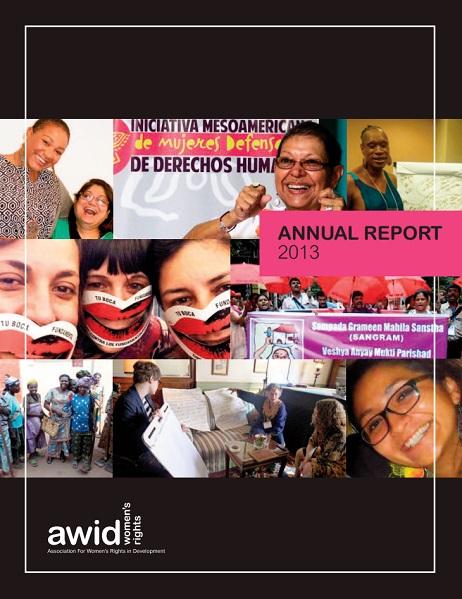
Our 2013 Annual Report provides key highlights of our work during the year to contribute to the advancement of women’s rights and gender equality worldwide.
2013 marked the beginning of our 2013-2016 Strategic Plan, developed in response to the current global context. This report provides highlights of our analysis of the global context, how we position ourselves as a global feminist membership organization in this context, the outcomes we seek to achieve, and how our work is organized to achieve these outcomes.
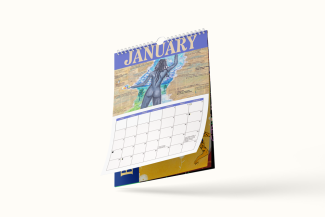
Le calendrier féministe de l'AWID 2026
Considérez ceci comme un cadeau, que nous vous faisons à vous, et aux 9 500 membres de notre communauté féministe mondiale. Un cadeau porteur d’espoir, de renouveau, d’action collective et de solidarité, en ces temps marqués par d’immenses injustices et violences.
Que ses récits vous rappellent qu’au-delà des frontières et des combats, nous sommes nombreux·ses, nous sommes puissant·es et, qu’ensemble, nous bâtissons les mondes que nous méritons.
Téléchargez-le ici, dans la langue de votre choix.
Participants will physically gather at a number of sites outside the Bangkok venue, in different parts of the world, on each day of the Forum. All of these self-organized sites will be virtually connected to the Forum venue in Bangkok. As with individuals connecting online, Hub participants will be able to facilitate activities, participate in conversations and enjoy a rich and diverse program.
قضايا تتعلق بالجسد والجندر ومختلف أنواع الجنسانية، واستكشف الروابط المتشابكة بين القضايا هذه وكونها تجاربَ مجسّدة بعمق ومكانًا يُعترض فيه على الحقوق تكون فيه الأخيرة مهدّدة في المجتمع.
تكمن قوّة الحركات النسوية في طريقة تنظيمنا وتنسيق نشاطنا، ليس ضمن مجتمعاتنا وحركاتنا فحسب إنما بالتعاون مع قضايا ومجموعات حليفة في مجال العدالة الاجتماعية. وفّرت المساحة هذه فرصًا للحركات لمشاركة طرق التنظيم واستراتيجيات تكتيكية مع بعضنا البعض وتعزيزها.
لقد أوضحت جائحة كوفيد-١٩ العالمية فشل الرأسمالية النيوليبرالي فبدا أكبر من قبل وكشفت عن التفكك الموجود في أنظمتنا أكثر من أي وقت سابق، فشددت على ضرورة بناء أنواع واقع جديد وفرص بنائها. يتطلّب التعافي النسوي الاقتصادي والاجتماعي منّا جميعًا أن ننجح كلّنا معًا. نصدر النسخة هذه من المجلة بالشراكة مع «كحل: مجلة لأبحاث الجسد والجندر»، وسنستكشف عبرها الحلول والاقتراحات وأنواع الواقع النسوية لتغيير عالمنا الحالي وكذلك أجسادنا وجنسانياتنا.
Snippet - COP30 - Political Education Toolbox - ES
📚 Caja de herramientas de educación política
Denunciar la captura corporativa. Comprender las soluciones falsas. Elaborar alternativas. Todo lo que necesitas para ejecutar la campaña “¿De quién es esta COP?”
Los últimos cinco años han sido muy importantes para AWID.
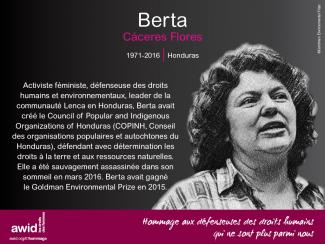
Hemos contribuido a algunas victorias importantes, como expandir el panorama de financiamiento para los derechos de las mujeres con investigación e incidencia innovadoras y de gran alcance. Al mismo tiempo, hemos sufrido algunos golpes devastadores, como el asesinato de defensoras de derechos humanos como Berta Cáceres de Honduras, Gauri Lankesh de India y Marielle Franco de Brasil, así como el aumento de la movilización de los sectores antiderechos en los espacios de derechos humanos.
Hace cinco años, nos comprometimos con nuestro papel en la construcción de movimientos al generar conocimiento sobre las tendencias de los movimientos antiderechos, así como sobre temas en los que las feministas tienden a involucrarse menos, como los flujos financieros ilícitos. Activamos junto a los movimientos que son nuestrxs compañerxs, fortaleciendo el activismo feminista joven y el activismo intergeneracional y expandiendo la protección integral de lxs defensorxs de derechos humanos. En el cierre del plan estratégico, estamos orgullosxs de nuestros logros y nuestro crecimiento como organización. ¡Terminamos el 2017 con un compromiso renovado, ideas y aprendizaje para sostener la lucha que tenemos por delante!
Arrancar de raíz los fascismos y los fundamentalismos
En todo el mundo lxs defensorxs feministas, por los derechos de las mujeres y por la justicia de género están enfrentándose a las agendas fascistas y fundamentalistas. Estas fuerzas opresivas atacan a las mujeres, a las personas que tienen una identidad o expresión de género y/u orientación sexual no convencional y a otras comunidades oprimidas.
Las ideologías discriminatorias están socavando y cooptando nuestros sistemas y estándares de derechos humanos, para convertirlos en dominio de unxs pocxs.. Por esto, la iniciativa Promoción de los Derechos Universales y la Justicia (PDUJ) promueve la universalidad de los derechos, el principio fundante según el cual los derechos humanos les pertenecen a todxs sin excepción, sin importar quién sean.
Creamos un espacio para que los movimientos feministas, de derechos de las mujeres y de justicia de género y sus aliadxs puedan reconocer la influencia y el impacto de lxs actorxs anti-derechos., pensar estrategias y realizar acciones colectivas para contrarrestarlos También buscamos promover los derechos de las mujeres y los marcos, las normas y las propuestas feministas así como proteger y promover la universalidad de los derechos.
Nuestras acciones
A través de esta iniciativa, nosotrxs:
Construimos conocimiento: Apoyamos a los movimientos feministas, de derechos de las mujeres y de justicia de género difundiendo y divulgando conocimiento y mensajes clave sobre lxs actorxs anti-derechos, sus estrategias y el impacto que tienen sobre los sistemas internacionales de derechos humanos a través del liderazgo de AWID en el Observatorio sobre la Universalidad de los Derechos (OURs)*.
Promovemos agendas feministas: Nos aliamos con diversos actores en espacios internacionales de derechos humanos, incluyendo el Consejo de Derechos Humanos, la Comisión sobre Población y Desarrollo, la Comisión sobre la Condición Social y Jurídica de las Mujeres y la Asamblea General de la ONU. .
Generamos y amplificamos alternativas: Junto con nuestra membresía, buscamos que los movimientos que se organizan a nivel local, nacional y regional en distintos espacios conozcan y exijan que se apliquen los compromisos, resoluciones y normas internacionales.
Movilizamos la acción solidaria: Actuamos junto a las defensoras de derechos humanos, incluyendo a activistas trans e intersex, así como a lxs jóvenes feministas, para enfrentar los fundamentalismos y fascismos y para llamar la atención sobre situaciones de peligro.
Related Content
CFA 2023 - Suggested Activities Format - EN
Suggested Activity Formats
Panel: In Panel discussions, explore an issue or challenge from different perspectives, or share a learning or experience, followed by audience questions if time allows.
Talk Show: Have a more spontaneous conversation in Talk-Show style. Talk Shows can be a conversation among several people, facilitated by a talk-show host. Audience questions can determine the conversation’s direction.
Discussion: These can take the form of world cafes, fishbowls, and other methodologies that facilitate participants’ active involvement in conversations. Highly participatory.
Workshop: Interactive sessions that invite participants to build new skills in any and all areas of life and activism.
Strategy Session: This is an invitation to think through an issue or strategy, in depth, with others. A space to learn from each other: what works, what doesn’t, and how do we develop new and collective strategies to create the worlds we dream of.
Sharing Circle (also known as “Birds of a Feather”): Ideal for small groups, in a more intimate setting, to hear from each other, spark discussion and carefully address topics that may be specific, sensitive and complex.
Arts – Participatory Workshop: Participatory activities involving arts and creative expression. Whether through visual art, theater, film, mural, dance, music, collective craft or artmaking, etc., we welcome all ideas celebrating feminist art and creativity as forms of social change, healing, expression and transformation.
Arts – Performances, Installations and Exhibitions: We welcome submissions that offer Forum participants new experiences and perspectives, expand our horizons, and challenge and inspire us to think, feel and organize in new ways.
Healing: Diverse activities tailored both for groups and individuals, from learning relaxation techniques to discussing burnout prevention, from trauma-informed practices of care for our body, mind and soul to healing rifts within our movements.