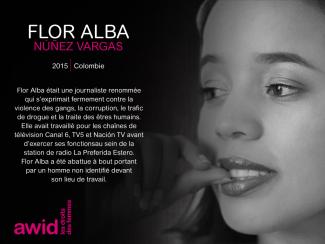
Flor Alba Nunez Vargas
Over the past few years, a troubling new trend at the international human rights level is being observed, where discourses on ‘protecting the family’ are being employed to defend violations committed against family members, to bolster and justify impunity, and to restrict equal rights within and to family life.
The campaign to "Protect the Family" is driven by ultra-conservative efforts to impose "traditional" and patriarchal interpretations of the family, and to move rights out of the hands of family members and into the institution of ‘the family’.
Since 2014, a group of states have been operating as a bloc in human rights spaces under the name “Group of Friends of the Family”, and resolutions on “Protection of the Family” have been successfully passed every year since 2014.
This agenda has spread beyond the Human Rights Council. We have seen regressive language on “the family” being introduced at the Commission on the Status of Women, and attempts made to introduce it in negotiations on the Sustainable Development Goals.
AWID works with partners and allies to jointly resist “Protection of the Family” and other regressive agendas, and to uphold the universality of human rights.
In response to the increased influence of regressive actors in human rights spaces, AWID joined allies to form the Observatory on the Universality of Rights (OURs). OURs is a collaborative project that monitors, analyzes, and shares information on anti-rights initiatives like “Protection of the Family”.
Rights at Risk, the first OURs report, charts a map of the actors making up the global anti-rights lobby, identifies their key discourses and strategies, and the effect they are having on our human rights.
The report outlines “Protection of the Family” as an agenda that has fostered collaboration across a broad range of regressive actors at the UN. It describes it as: “a strategic framework that houses “multiple patriarchal and anti-rights positions, where the framework, in turn, aims to justify and institutionalize these positions.”
Engage with the AWID International Forum - a major global feminist gathering - and have access to special AWID member discounts and enty points for virtual dialogue. Co-created by feminist movements, the Forum is a unique space for deep discussion and imagination where we challenge and strengthen our organizing, where we connect our struggles and feminist realities together.
por Esra Ozban
En un mundo obsesionado con los productos, el proceso de priorización es un método feminista fundamental. Los procesos importan, y la curaduría no es una excepción. Mientras trataba de determinar cuáles de las películas de la región del Sudoeste Asiático y África del Norte (SWANA, por su sigla en inglés) serían más relevantes para el tema de las realidades feministas, la pandemia global, que todavía estamos enfrentando, modificó tremendamente nuestras vidas cotidianas. Incluso pensar, escribir o expresarme se ha convertido en una lucha diaria. Se me pasaban constantemente las fechas límites, y mandaba correos de disculpas a Kamee Abrahamian, con quien estaba trabajando como curadora independiente para el proyecto de la Club de Cine Feminista de AWID. El invalorable apoyo de Kamee, su comprensión y sus sugerencias, me recordaron que, incluso en dos lugares diferentes del mundo, como colegas que nunca se han encontrado personalmente, podemos crear conjuntamente micro versiones de las realidades feministas que anhelamos y para las cuales vivimos.
Para mí, las realidades feministas tienen mucho que ver con las sororidades. Sororidades que ayudan a lxs mujerxs que se ocupan de la remoción de minas en Artsaj/Alto Karabaj. Sororidades horneadas en Vegan Inclusive Trans Cake [Torta Trans Vegana Inclusiva] de feministas trans jóvenes de Ankara, que les recuerdan que no están siendo bienvenidas por la generación Z a las hermanas cis. Sororidades que están creciendo entre la menta de la azotea de Dragiča Alafandi, en el campamento de refugiadxs de Dheisheh de la Palestina ocupada, en Sowing seeds of resistance [Sembrando semillas de resistencia]. Sororidades que asumen proximidades íntimas, sexuales y revolucionarias en el Parque Gezi en #resistayol. Sororidades que sacan a la luz un encuentro imaginado entre dos generaciones de mujerxs exiliadxs en las calles de Haifa, en Your father was born 100 years old and so was the Nakba [Tu padre nació teniendo 100 años, igual que la Nakba]. Sororidades interespecies que se desarrollan en un espacio ficticio (y valiente) creado por Mounia Akl en Submarine [Submarino] para su personaje rebelde Hala, quien se rehúsa a ser evacuada de una ciudad llena de basura y es abandonada con su amigx perrx.
Esta selección reúne trozos y fragmentos de muchas realidades feministas que se han producido en la región del Sudoeste Asiático y África del Norte durante los últimos años. Continuaremos imaginando, aprendiendo y compartiendo corporizaciones feministas de esperanza y poder. Mientras tanto, sumerjámonos en las potentes alternativas a las que lxs cineastas y lxs protagonistas de estas películas han dado vida. Podemos crear conjuntamente cada paso, cada acto y cada intento, mientras seguimos cohabitando este mundo con otrxs que están viviendo realidades feministas y que persisten en sus sueños para dar vida a más de estas realidades.
por Emily Mkrtichian y Jesse Soursourian
«Con una belleza visual y atractivas escenas de la realidad, Motherland es un espectáculo de camaradería y fortaleza femeninas... La película es un testimonio de mujeres de todo el mundo que están dispuestas a trabajar más aún, para superar cualquier obstáculo que encuentren.»
- Nosarieme Garrick, cineasta galardonada
«Motherland es una inspiradora visualización de solidaridad, valentía, y agallas...»
- Hers is Ours Collective, organizadorxs del Outsider Moving Art & Film Festival
Motherland from jesse soursourian on Vimeo.
Emily Mkrtichian sobre las realidades feministas y Artsaj/Alto Karabaj
Filmamos el cortometraje Motherland en la República de Artsaj en 2018. Cada una de estas mujeres me atrajo por su fortaleza, su resiliencia y su humor, a pesar del contexto en el que vivían. En 2018, ese contexto era el del período posterior a una guerra brutal que había tenido lugar en la década de 1990, después de la cual su país se convirtió en un territorio no reconocido (o disputado, para la comunidad internacional) que no recibía la autonomía y la independencia de las que gozan tantos otros países. Artsaj estaba también profundamente afectada por las consecuencias que vemos en casi todos los lugares que atraviesan conflictos violentos, -consecuencias que tan a menudo recaen sobre las mujeres-: trastornos de estrés postraumático, altas tasas de alcoholismo, altas tasas de violencia doméstica, menos igualdades y libertades otorgadas a las mujeres, poca o ninguna representación de las mujeres en la política y la administración pública. Frente a estos desafíos, esta película trata de captar el fuego y el poder de las mujeres de Artsaj, algo que podría no ajustarse al paradigma feminista occidental tradicional, pero que ha sido creado por y para ellas mismas a través de los profundos lazos comunitarios, el cuidado de sus familias, el trabajo duro, y la capacidad de reírse juntas a lo largo de todo este proceso. Hoy, la República de Artsaj ha sido devastada nuevamente por otra guerra, que la dejó sin el 70% de las tierras que estas mujeres consideraron como propias durante toda sus vidas. Sin embargo, puedo prometerles que estas mujeres, y miles de otras, continúan sosteniendo a sus familias, sus comunidades y su cultura a través de las mismas redes de cuidado, del mismo compromiso con el trabajo duro y de las mismas carcajadas revoltosas, de cara a un futuro incierto.
por Baladi-Rooted Resistance
«Una película oportuna para mirar después de ser testigxs del último bombardeo de Gaza por parte de las Fuerzas de Defensa de Israel. Una mirada sobre el modo en que las mujeres de las comunidades palestinas sobreviven a la opresión estructural, a través de la historia de un banco de semillas tradicionales... y de las mujeres que lo sostienen como forma de alimentar la rebelión.»
- Jessica Horn, activista feminista panafricana, escritora y co-creadora del sitio web the temple of her skin
«Ver mujeres que se reúnen y trabajan colectivamente por la autonomía alimentaria es, para mí, terapéutico y empoderante.»
- Hers is Ours Collective, organizadorxs del Outsider Moving Art & Film Festival
Equipo Baladi-Rooted Resistance sobre las realidades feministas«¿Cómo hablar sobre realidades feministas cuando vives en Deheisheh, un campamento de refugiadxs palestino, construido hace setenta años para contener a tres mil refugiadxs, pero que es ahora el hogar de quince mil personas, en la Cisjordania ocupada? ¿O cuando la tierra que cultivas está amenazada constantemente por los colonizadores ilegales?
Si eres mujer en Palestina ocupada, tienes que luchar no solo contra el patriarcado, sino también contra el colonialismo y contra una ocupación militar brutal.
Dragiča y Vivien están peleando contra estos múltiples sistemas de dominación, a su propio modo.
Vivien utiliza semillas nativas para ayudar a lxs palestinxs a mantener su identidad. Cultivar alimentos tradicionales de forma tradicional es sumamente significativo: «Si ya no eres unx productorx, eres unx consumidorx, y qué mejor manera de esclavizar a alguien que convertirlx en tu consumidxr . Esto está sucediendo en todo el mundo, pero aquí se duplica con la ocupación militar.»
El 31,5% de los hogares de Cisjordania no tiene seguridad alimentaria. Mediante un huerto de azotea, Dragiča logró incrementar la autonomía alimentaria de su familia. En el hacinado campamento, al que el ejército israelí realiza incursiones nocturnas de forma regular para arrestar y acosar a lxs residentes, el huerto de azotea de Dragiča no solamente nutre a su familia, sino que, en especial, nutre su alma.»
por Ruzgar Buski
Ruzgar Buski sobre las realidades feministas
«No sé qué decir sobre las realidades feministas, pero, como artista trans, como activista de Turquía, sé que nuestras realidades son duras. Vivimos con violencias: ¡físicas, emocionales, económicas, sexuales!. Por eso es que tenemos que construir nuestras propias redes, y crear conjuntamente microrrealidades recíprocas es, para mí, una realidad feminista. #resistayol es mi primera película, y al comienzo planeaba hacer una película por/para/con personas trans que no tratara de convencer a nadie del hecho de que las personas trans son humanas, ni que se centrara en crear consciencia sobre los temas trans. Sin embargo, sucedieron las protestas del Parque Gezi, que se convirtieron en una de las sublevaciones más grandes de la historia de Turquía, y la película resultó ser algo diferente.
Creo que el proceso de producción afecta realmente lo que la película termina siendo. Nos esforzamos mucho para que trabajaran mujeres y personas trans y no binarias en cada etapa de la filmación. Esta película está hecha por gente que se reunió con camaradería y amistad. Kanka Productions está basada en el compañerismo transfeminista. Quiero que la película aporte esperanza, que sane, porque acarreamos muchos traumas en nuestros cuerpos: esto es lo que nos constituye y lo que nos conecta. La sanación es un proceso que nunca termina, y tenemos que crear espacios para respirar. #resistayol es una hora de respiración colectiva.»
Boysan Yakar en #resistayol
«Bueno, lxs lubunyas (queers) estábamos sentadxs en el parque, y de pronto llegaron topadoras y todxs nos enojamos. En realidad, en resumen, eso fue suficiente . Es el parque de lxs lubunyas, y teníamos treinta días para explicar eso a esta ciudad enorme. Todxs reconocen que a la noche los ibnes (putos) cogen en ese parque... El bloque LGBTI llevó a nuestra comunidad ahí. Ya no confiábamos en el Estado s y la policía, y no teníamos seguridad; hemos establecido nuestras propias formas de hacer las cosas, nuestras propias leyes y costumbres para sobrevivir... Rápidamente, llevamos nuestra ley a Gezi. En un esfuerzo por establecer un lenguaje y un entendimiento comunes entre todos estos grupos, el lenguaje LGBT de unión y solidaridad se propagó por todo el parque. Todos los días había una Marcha del Orgullo, todxs decían continuamente “ayol”. Embellecimos el lenguaje apestoso y polvoriento de la izquierda. Supongo que tuvimos este nivel de impacto porque hemos sido repudiadxs todos estos años. Desde lxs más radicales hasta lxs más conservadorxs y nacionalistas, todxs nos necesitaban, porque todxs nos habituamos a ser confrontadxs por todo. Ellxs no estaban acostumbradxs a tanta energía, a nuestra energía. Por eso esta fue una gran arena política para nosotrxs. Todos los días hacíamos realidad aquí nuestra mayor y principal lucha, o sea, una lucha por la visibilidad y el reconocimiento. Por eso dejamos Gezi con una gran victoria.»
por Pembe Hayat
«... un manifiesto multifacético que muestra la alegría que existe en las amistades dentro de la comunidad queer de Turquía, como despliegues de rebelión y resistencia.»
- Nosarieme Garrick, cineasta galardonada
«... diversión, luz, y azar. En un mundo constantemente marcado por las cicatrices de la violencia contra la comunidad trans, nada, ninguna acción, está (desafortunadamente) privada de significado. De modo que ¡por más alegría, más amor, y más azar significativo!»
- Hers is Ours Collective, organizadorxs del Outsider Moving Art & Film Festival
Cayan Azadi en Vegan Inclusive Trans Cake
«Hola Barbies, Kens, muñecas de porcelana, Olivia Olivo, muñecas Pimpollo. Novias de Chucky, hermanas de Chucky, cuñados de Chucky y, por último pero no menos importante, estimados amantes de los cuñados.
Entonces, por qué hicimos esta torta.
Ahora recibimos la noticia de que una trabajadora sexual trans ha intentado suicidarse debido a la violencia de los vigilantes y la policía en las calles. En este momento, está siendo retenida en un puesto de policía y es exactamente por eso que hicimos esta torta. Esta torta travesti es horneada para mostrar que existimos en todas las partes de la vida, que existimos persistentemente, y esta torta muestra que no seremos erradicadas o ignoradas en esta sociedad.
Sí, hay violencia en nuestras vidas y sí, también hay mucha falta de respeto [shade], pero a pesar de todo eso igual podemos divertirnos, disfrutando de la vida todo lo que podemos. ¡Buen provecho, hermana!»
por Razan AlSalah
por Mounia Akl
«Este film está dirigido como se escribe un poema: es simple, un poco abstracto, y conmovedor.»
- Hers is Ours Collective, organizadorxs del Outsider Moving Art & Film Festival
Esra Ozban:
Esra Ozban es unx programadorx y cineasta turcx. Su trabajo artístico, curatorial y académico se cruza con las prácticas críticas de archivo, el trabajo sexual, la pornografía y las culturas cinematográficas feministas/queer, entre otras.
Nos esforzamos por ser transparentes, por utilizar nuestros recursos en forma responsable, por ser equitativxs en nuestras colaboraciones, y por ser responsables e íntegrxs con nuestrxs afiliadxs, contrapartes y donantes, y con los movimientos con los que trabajamos y en los que participamos. Estamos comprometidxs a reflejar nuestras experiencias, a compartir abiertamente nuestrxs aprendizajes, y a esforzarnos por cambiar nuestras prácticas en consecuencia.
Les discours antidroits continuent à évoluer. Outre le recours à des arguments religieux, culturels et traditionnels, les acteur·rice·s antidroits s’approprient le langage de la justice sociale et des droits humains pour travestir leurs véritables programmes et gagner ainsi en légitimité.

Il y a trente ans, un télévangéliste américain candidat républicain décrivait le féminisme comme « un mouvement politique antifamille qui encourage les femmes à quitter leur mari, tuer leurs enfants, pratiquer la sorcellerie, détruire le capitalisme et devenir lesbiennes ». Cette idée progresse et acquiert aujourd’hui une légitimité insoupçonnée sous les apparats de l’« idéologie du genre » – une espèce de croque-mitaine polyvalent créé par les antidroits dans le seul but de s’y opposer.
Un thème revient sans cesse dans leurs discours teintés d’« impérialisme culturel », de « colonisation idéologique », de « génocide prénatal » et d’appel à la « clause de conscience » : la prise de contrôle. Les antidroits s’approprient des questions d’intérêt légitime, qu’ils et elles déforment pour servir leurs programmes oppressifs.
Étant donnée la situation mondiale, notre Conseil d’administration a pris la décision difficile d’annuler le Forum, qui devait avoir lieu en 2021 à Taipei.
Tandis que les dirigeant·es du monde entier se réunissent au Brésil, les mouvements féministes manifestent, se rassemblent et bouleversent le statu quo à la COP30 et partout ailleurs ! Nous voilà en route vers Belém au Brésil, aux côtés d’autres féministes, pour assister à la COP30 du 10 au 21 novembre 2025. Nous continuerons d’y dénoncer les fausses solutions.
 |
Hind et Hind étaient le premier couple queer documenté dans l’histoire arabe. Dans le monde d’aujourd’hui, iel est un·e artiste queer du Liban. |
À l’âge de six ans, j’appris que mon grand-père avait un cinéma. Ma mère me raconta comment il l’avait ouvert au début des années 1960, quand elle avait également à peu près six ans. Elle se rappelait qu’il avait projeté La Mélodie du bonheur le soir de l’ouverture.
Je passais au cinéma tous les week-ends et regardais mon grand-père jouer au backgammon avec ses amis. Je ne savais pas qu’il vivait là, dans une pièce située juste en dessous de la cabine de projection. J’appris plus tard qu’il y avait emménagé à la suite de la séparation d’avec grand-mère, et de la fermeture du cinéma dans les années 1990, peu après la fin de la guerre civile libanaise.
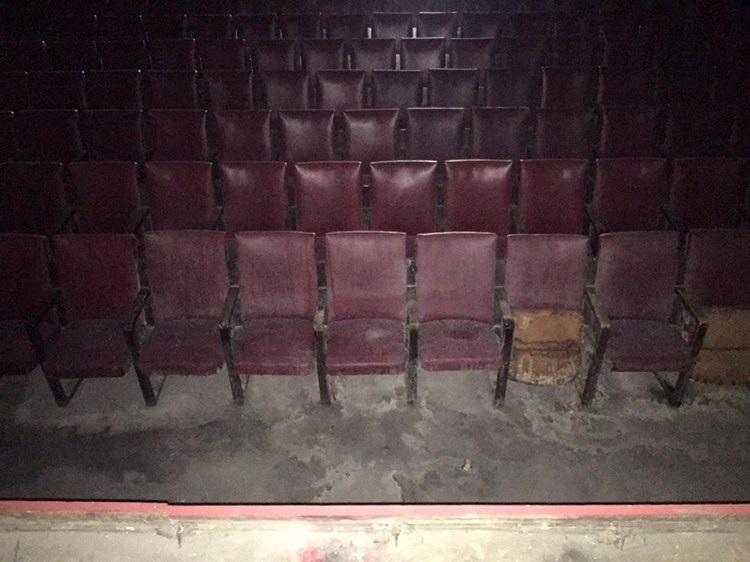
Pendant des années et jusqu’à son décès, je voyais généralement mon grand-père jouer au backgammon à l’accueil du cinéma, qui n’était plus du tout entretenu. Ces scènes à répétition sont mes seuls souvenirs de lui. Je n’ai jamais vraiment appris à le connaître – on ne parlait jamais de cinéma, malgré qu’il ait passé tout son temps dans un cinéma en déperdition. Je ne lui ai jamais demandé ce que ça faisait de vivre dans un lieu comme celui-là. Il est mort quand j’avais 12 ans, le soir de Noël, d’une chute dans l’escalier en colimaçon qui montait jusqu’à la cabine de projection. C’est presque poétique qu’il soit mort en mouvement, dans une maison où les images en mouvement sont perpétuellement suspendues dans le temps.

Au printemps 2020, mon cousin m’a appelée pour me dire qu’il avait nettoyé le cinéma de mon grand-père et me demandait de le retrouver là-bas. Tous les deux, nous avions toujours rêvé de remettre le cinéma sur pied. J’arrivai sur place avant lui. À la réception, des cadres d’affiches étaient toujours accrochés aux murs… mais les affiches avaient disparu. Je savais qu’il devait rester des souches de places de ciné quelque part. Je les ai toutes trouvées dans une petite boîte en fer, sur une étagère derrière le bureau de l’accueil, et j’en ai profité pour en glisser quelques-unes dans ma poche.
Je commençai à me promener dans le ciné. Sur la scène principale, l’écran de projection était plutôt sale et quelque peu abîmé sur les côtés. Je passai mon index sur l’écran pour enlever une couche de poussière, et remarquai qu’il était toujours bien blanc en dessous. La toile semblait également en bon état. Je levai la tête pour voir si les rideaux de ma grand-mère, faits de satin blanc et arborant un petit emblème en lisière à l’effigie du cinéma, étaient toujours en place. Dans la pièce, il y avait une salle basse, une salle principale et un balcon. Les chaises semblaient vraiment très usées.
Je remarquai le projecteur qui dépassait d’une petite fenêtre à l’extrémité des places au balcon. Je gravis les marches en colimaçon jusqu’à la cabine de projection.
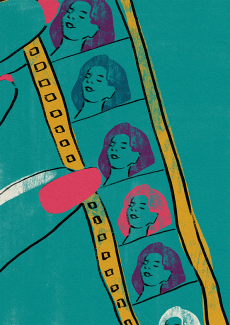
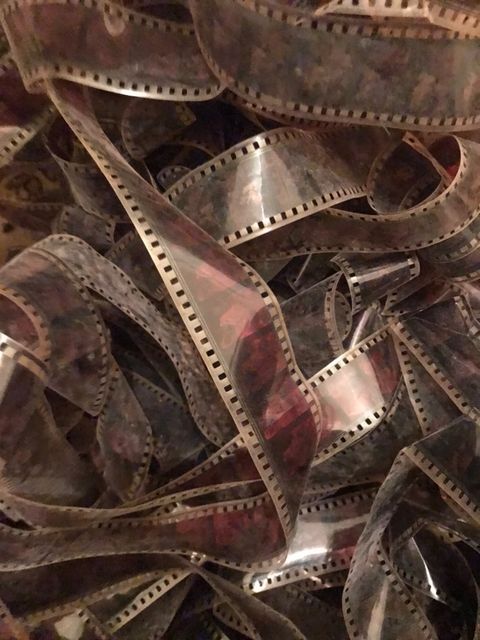
La pièce était sombre mais une source de lumière provenant des fenêtres poussiéreuses tombait sur une pile de bobines de films dans un coin. Des bandes de celluloïde sans vie gisaient emmêlées au pied du projecteur. Les bobines poussiéreuses étaient toutes des westerns, des films de Bollywood et de science-fiction, avec des titres horribles comme La Météorite qui détruisit la Terre, ou d’autres du même genre. Certaines d’entre elles attirèrent mon attention, et notamment de petites bandes de pellicule. Une par une, les bandes montraient différentes scènes de baisers, des danses suggestives, une vague scène de rassemblement, un gros plan d’une femme allongée bouche ouverte, le générique de début d’un film de Bollywood, et une étiquette « Actuellement à l’affiche » répétée sur plusieurs images.
Les génériques des films de Bollywood me rappelaient ma mère. Elle me racontait qu’on distribuait des mouchoirs aux spectateurs et spectatrices à la fin des projections. Je conservai les bandes avec les scènes de baisers et de danses suggestives, supposant qu’elles avaient été coupées pour des raisons de censure. Le gros plan sur la femme me rappela un extrait du film Visible Man de Béla Balázs, ou The Culture of Film, The Spirit of Film ou encore The Theory of the Film. Mon grand-père disait que les gros plans dans un film étaient comme un
soliloque silencieux, dans lequel un visage peut parler avec des nuances de sens les plus subtiles, sans sembler artificielles ni rappeler la distance des spectateurs. Dans ce monologue silencieux, l’âme humaine solitaire peut trouver une langue plus candide et désinhibée que tout soliloque parlé, car elle s’exprime instinctivement, subconsciemment.
Balázs décrivait surtout les gros plans de Jeanne dans le film muet La Passion de Jeanne d’Arc. Il remarquait combien « … dans le (cinéma) muet, l’expression faciale, isolée de son environnement, semble pénétrer une étrange nouvelle dimension de l’âme ».
J’examinai plus précisément la bande de pellicule. La femme semblait morte, son visage semblable à un masque. Cela me fit penser à l’Ophélie du peintre John Everett Millais. Dans son livre On Photography, Susan Sontag dit que la photographie est « une trace, quelque chose de marqué directement sur la bobine, comme une empreinte ou un masque mortuaire ». Ces masques mortuaires sont comme une présence qui rappelle une absence.
Je me souviens de ma rencontre avec un discours sur la mort et la photographie dans le film The Machine that Kills Bad People de Roberto Rossellini, tombé dans l’oubli. Dans ce film, un cameraman prend des photos de gens, qui sont alors figés, puis suspendus dans le temps. Le critique de cinéma français André Bazin disait que la photographie capture les corps hors du flux de l’amour et les conserve en les embaumant. Il décrivait cette momification photographique comme étant « la préservation de la vie par une représentation de la vie ».
Cette cabine de projection, sa disposition et toutes les choses qui semblaient avoir été déplacées, y compris les bandes de pellicules sur le sol, tout ce sur quoi mon grand-père avait laissé sa marque – je voulais absolument tout protéger.
Sous les bandes de pellicule reposait une bobine de film poussiéreuse intacte. On aurait dit que quelqu’un avait regardé le film en faisant dérouler la pellicule à la main. C’est à ce moment que mon cousin arriva en haut de l’escalier en colimaçon et me trouva en train de l’examiner. Se frottant le menton du bout des doigts, de manière très factuelle, il me dit : « Tu as trouvé le porno ».

J’observai la bande de film dans ma main et réalisai que ce n’était pas une scène de décès. La bande avait été coupée de la bobine d’un porno. La femme gémissait d’extase. Les gros plans servent à communiquer des sentiments d’intensité, d’extase, mais je n’avais jamais vraiment utilisé les théories de Balázs pour décrire une scène porno. Il écrivait « le paroxysme dramatique entre deux personnes sera toujours présenté comme un dialogue d’expression faciale en gros plan ». Je fourrai les bandes de films dans ma poche et donnai à la femme le nom d’Ishtar. Elle vit dans mon portefeuille depuis. Il semble étrange de comparer la représentation détaillée des peurs et du courage de Jeanne avec l’expression faciale orgasmique d’Ishtar.
D’après mon cousin, le frère de mon grand-père attendait que ce dernier ait quitté le cinéma et, au lieu de le fermer, il invitait ses amis à des projections privées. Je n’en pensais pas grand-chose. C’était une pratique courante, surtout pendant et après la guerre civile au Liban. Après la guerre, il y avait des téléviseurs dans presque tous les foyers libanais. Je me souviens même en avoir un dans ma chambre à la fin des années 1990, quand j’avais à peu près six ans. On m’avait dit que c’était courant d’acheter des films porno en cassette VHS à l’époque. Mohammed Soueid, un écrivain et réalisateur libanais, m’a dit un jour que les cinémas projetaient des films d’art et d’essai et de pornographie de la moitié des années 1980 à la moitié des années 1990, pour survivre. J’ai aussi entendu dire que les projectionnistes découpaient les bobines de films porno pour modifier les montages et pouvoir projeter quelque chose de différent chaque soir. Les gens sont finalement restés confortablement chez eux à regarder des cassettes VHS sur leur téléviseur, et les cinémas ont commencé à décliner.

Mon cousin redescendit pour consulter les archives administratives dans le bureau.
Je restai dans la cabine et commençai à faire glisser la bande entre mon index et mon majeur, la relevant avec les pouces pour faire lentement défiler les images entre mes mains. Je levai les mains pour capter la lumière de la fenêtre poussiéreuse et plissai les yeux pour tenter de deviner ce que cachaient les vignettes monochromes. Dans cette série d’images figurait un gros plan exagéré d’une bite plantée dans un vagin. L’image se répétait sur plusieurs cadres, jusqu’à ce que j’arrive à un nœud dans la bande, et que j’imagine le reste.
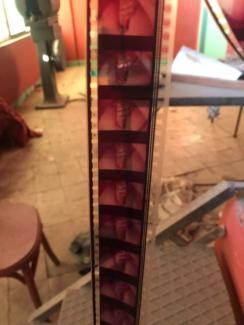
Hank exhibe son érection devant Veronika, couchée sur un lit à côté d’un faux secrétaire Louis XIV. Elle se lève lentement et fait glisser la fine bretelle de sa nuisette transparente de son épaule gauche. Hank dénoue sa robe de voile, la retourne, lui donne une claque sur les fesses et la pousse contre le secrétaire. Il enfonce sa bite dans sa chatte de manière répétée, alors que l’arrière du meuble frappe contre le mur tapissé.
Je fais toujours attention aux décorations intérieures depuis que mon enseignante en Études des femmes dans le porno m’a dit que les plus grandes archives de porno d’Amérique du Nord sont utilisées, de manière intéressante, pour examiner le mobilier de la classe moyenne de l’époque. Donc, alors que Veronika se penche et se fait prendre par derrière par Hank, une assistante en recherche universitaire pourrait tout aussi bien tenter de deviner le design du motif doré sur le secrétaire, ou étudier le relief rococo d’une chaise en bois dans un coin.
Pendant un moment, la cabine est devenue un espace d’imagination sexuelle féminine, perturbant un espace généralement promis à la liberté de la sexualité masculine. J’étais sûre que seuls les hommes pouvaient accéder aux cinémas qui diffusaient des films porno. La bobine de film était trop emmêlée pour pouvoir être démêlée dans une cabine de projection où la poussière s’accumulait depuis une décennie, donc je la fourrai dans mon sac de sport et sortis du cinéma.
Je ne sais pas ce qui m’a pris, mais je me suis sentie obligée de la garder. Je voulais ressentir l’excitation de garder quelque chose de mystérieux, quelque chose de non orthodoxe. Dans mon esprit, j’étais sûre que les gens savaient que je cachais quelque chose pendant que je descendais la rue. J’étais prise d’un sentiment de culpabilité mêlée de plaisir. Je me sentais perverse.
J’entrai dans la maison, préoccupée par le fait d’avoir une bobine de porno dans mon sac de sport et le fil de mes pensées qui s’était déroulé sur la route du retour à la maison. Je me dirigeai immédiatement vers ma chambre. Dans un coin un peu éloigné de mon esprit, je me suis rappelée que derrière mon mur se trouvait la chambre de Layla. Elle n’était probablement pas à la maison, mais la possibilité d’être entendue m’excitait. Je fermai la porte de ma chambre et sortis la bobine du film d’Ishtar.
Je l’imaginais habillée d’une légère robe en voile verte, dansant de manière suggestive devant moi, balançant ses hanches et me souriant du regard. Je m’allongeai sur mon lit et glissai mes doigts dans ma culotte. Soulevant mes hanches, je fis descendre ma main entre mes cuisses pour les écarter et glisser deux doigts à l’intérieur. Je me tendis en caressant mes plis chauds. Je gémis avant même de pouvoir m’arrêter. Je haletai et remuai mes reins. Les rayons de soleil qui entraient par la fenêtre me plaquaient des baisers sur la peau sans le vouloir. Je retenais mon souffle et mes membres tremblaient. J’avalai un cri et reposai à plat sur le matelas.
Quand j’étais en premier cycle à l’université, je suivais un cours d’Introduction au cinéma et la professeure, Erika Balsom, avait prévu une projection du Variety de Bette Gordon. J’étais excitée à l’idée de regarder le premier film de la productrice Christine Vachon, avant qu’elle ne se mette à produire des films qui font maintenant partie du mouvement du Nouveau cinéma queer. Variety était décrit comme un film féministe sur Christine, une femme qui commence à travailler à la billetterie d’un cinéma porno de New York appelé The Variety Theater. Christine peut entendre le son des films au cinéma, mais ne pénètre jamais dans les salles. Elle finit par s’intéresser à un client régulier, qu’elle observe de près. Elle le suit dans une boutique pour adultes où elle se tient à l’écart et feuillette des magazines pour adultes pour la toute première fois.
Le voyeurisme de Christine est affiché de différentes manières tout au long du film. Le script est également très chargé et contient des monologues érotiques qui seraient aujourd’hui considérés obscènes ou vulgaires.
Dans une scène qui se déroule dans une salle de jeux, elle lit de la littérature érotique à son copain. La caméra fait des allers-retours entre des gros plans des fesses de son copain Marc qui joue au flipper, faisant des mouvements de va-et-vient avec ses hanches contre le flipper, et un gros plan du visage de Christine qui lui récite son monologue.

« Sky fait du stop et est pris par une femme qui conduit une camionnette. Il est tard et il a besoin d’un endroit où dormir, elle lui propose donc de dormir chez elle.
Elle lui montre sa chambre et lui propose un verre. Ils boivent en discutant, puis décident d’aller se coucher. Ne parvenant pas à dormir, il remet son pantalon et traverse le hall jusqu’au salon. Il s’arrête avant de pouvoir être vu, mais il peut voir la scène. La femme est allongée nue sur la table basse, dont seules les jambes dépassent. Tout son corps est d’une blancheur excitante, comme s’il n’avait jamais été exposé au soleil. Ses mamelons sont d’un rose brillant, en feu, presque des néons. Ses lèvres sont entrouvertes. Sa longue chevelure de couleur châtain touche le sol; au bout de ses bras tendus, ses doigts caressent l’air. Son corps huilé est tout en rondeurs, sans angle ni os saillants. Glissant sur sa poitrine, un gros serpent entoure un de ses seins et descend contre le second. La langue du serpent lui lèche la chatte, si ouverte, si rouge dans la lumière de la lampe. Chaud et confus, l’homme retourne à sa chambre et, avec beaucoup de difficulté, parvient à s’endormir. Le lendemain matin, autour d’un bol de fraises, la femme lui demande de rester une autre nuit. Une fois encore, il ne parvient pas à dormir […] »
Quand j’avais 23 ans, Lynn, la fille de mon cours de cinéma avec qui je sortais, m’a prise par surprise en m’emmenant regarder des court-métrages érotiques le jour de la Saint-Valentin. L’événement avait lieu au Mayfair Theater, un vieux cinéma indépendant. L’architecture du cinéma rappelait les Nickelodéons d’Amérique du Nord, mais en plus vieillot. Ses balcons étaient décorés avec des cartons de Swamp Thing et d’Alien en taille réelle.
Cette année-là, le jury du festival était présidé par la star de cinéma pour adultes Kacie May, et le programme composé de court-métrages d’une heure et demie. Le contenu allait de courts-métrages soft sans machisme à des films scato fétichistes. Nous avons regardé quelques minutes de ce qui semblait être un porno hétérosexuel soft. Le film suivait un couple qui commence à faire l’amour dans un salon moderne, puis passe à la chambre. Il s’agissait surtout de scènes des deux en train de s’embrasser, se toucher et faire l’amour en position du missionnaire. Puis une femme avec un bob châtain entre dans leur lit, se léchant le dos de la main à petits coups de langue. Elle miaule et grimpe sur le couple, qui ne semblait pas y faire attention. Le couple continue à faire l’amour. Elle va alors jusqu’à la cuisine, ramasse son bol vide avec les dents et le dépose sur un coussin. Elle continue à faire des aller-retours jusqu’au couple pendant tout le reste du film. Cela semblait plutôt absurde. J’ai commencé à rire, mais Lynn avait l’air un peu mal à l’aise. J’ai alors regardé sur notre gauche et vu d’autres spectateurs et spectatrices se passer des bières et se gaver de pop-corn, tout en riant hystériquement. Leur rire ininterrompu et leurs commentaires à haute voix donnèrent le ton du festival. Regarder les spectatrices et les spectateurs est devenu plus intéressant que de regarder les films érotiques. Le Mayfair Theater projetait souvent des films culte, et regarder des films culte est une expérience de communion.
Ce n’est pas exactement la manière dont j’imaginais que l’oncle de ma mère regardait du porno au cinéma de mon grand-père. Les cinémas projetaient de manière évidente des films porno à l’époque, mais je ne pouvais imaginer cela se dérouler dans la ville de naissance de ma mère. Je l’imaginais regarder le film depuis le projecteur dans la cabine afin de pouvoir rapidement arrêter la projection en cas d’arrivée inopinée d’autres personnes. Ses amis prenaient place au balcon à l’arrière. Personne ne pouvait entrer à moins d’avoir la clé, donc ils étaient en sécurité. Ils devaient penser à tout. C’était un quartier chrétien conservateur et ils ne voulaient surtout pas causer d’ennuis. Ils étaient probablement dépassés par des sentiments d’excitation et de culpabilité. Les voix fortes de plaisanteries homoérotiques se mélangeaient à des gémissements et des râles, mais ils se rappelaient mutuellement de baisser le ton toutes les quelques minutes. Ils se relayaient à la fenêtre pour vérifier que les bruits ne pouvaient pas interpeller les voisins. Ils éteignaient parfois les haut-parleurs et regardaient sans le son.
Après une manifestation politique en 2019, je suis tombée sur un bouquiniste sur la rue Riad El Solh, près de la Place des martyrs dans le centre de Beyrouth. Au bout d’une des tables, passés les exemplaires d’Hugo et de Beauvoir, je trouvai une pile de romans érotiques et de magazines pour adultes. C’étaient des traductions de publications occidentales. J’en pris une vraiment au hasard; tout ce que je voulais, c’était détenir un exemplaire, juste pour le frisson. J’ai cherché celui avec la couverture la plus artistique.
En me rendant ma monnaie, le vendeur me demanda : « Je ne t’ai pas déjà vue quelque part? ». Il se mit à observer ma poitrine, descendant le regard plus bas. Il supposait probablement que je travaillais dans l’industrie du sexe ou du porno. Je le regardai bien dans les yeux et lui répondis que « Non ». Je fis demi-tour, prête à m’éloigner avec mon magazine. Il m’arrêta alors pour me dire qu’il avait beaucoup d’archives dans son sous-sol, et qu’il vendait régulièrement des collections et des publications de porno sur eBay, vers l’Europe et les États-Unis. J’aurais bien été intéressée à fouiller dans ses archives, mais je n’étais pas à l’aise et déclinai son offre. Je ne me sentais pas en sécurité. Je lui demandai où il trouvait ses romans. À ma grande surprise, ils étaient publiés au Liban.
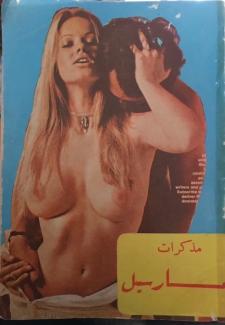
En me dirigeant vers la statue de Riad El Solh, je parcourus la publication que j’avais achetée et trouvai le format du texte quelque peu démodé; les caractères de police étaient un peu flous, rendant le texte illisible. Les photographies à l’intérieur étaient faites de collages pornographiques aux couleurs passées. Ça paraissait assez cru; ça me plaisait. Le roman avait pour titre Les journaux intimes de Marcel.
La couverture était de manière évidente un découpage de magazines collés sur une feuille bleue. Sur l’image, une femme torse nu attrape la tête de son amant, enfonçant ses doigts dans ses cheveux, pendant qu’il lui embrasse le cou par derrière. La fermeture de sa jupe est entièrement descendue. Son amant à la main sur le bas de sa hanche droite. Sa main à elle est sur la sienne. Ses lèvres sont retroussées et entrouvertes, comme si elle gémissait de plaisir, ses cheveux blonds et raides à la mode des années 1970 descendant sur sa poitrine et couvrant partiellement ses mamelons.
J’ouvris la première page. La préface indiquait
ce qui se traduit par
« Désir
et débauche »
ou par
« Désir
et perversion »
Je lus le premier chapitre et réalisai que la personne qui avait traduit le texte avait changé le prénom du personnage principal en Fouad, un prénom arabe. Je supposai que l’idée était que le lectorat masculin libanais s’identifie à l’histoire. En continuant ma lecture, je réalisai que toutes ses amantes portaient des noms étrangers comme Hanna, Marla, Marcel, Marta.
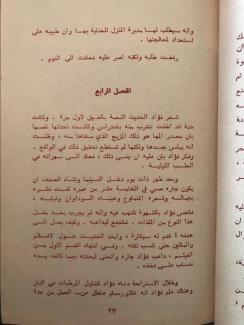
Je réalisai à la page 27, chapitre quatre, que Marcel était un des amants de Fouad.

La scène avait lieu dans un cinéma. Les cinémas étaient souvent des espaces de liberté sexuelle en Amérique du Nord, et particulièrement depuis les années 1970, suite à la révolution sexuelle.
Je supposais également que tous les noms étrangers avaient été conservés pour donner une touche exotique au texte et le rendre moins tabou. La pornographie et l’érotisme étaient attribués à Hollywood, bien que le monde arabe ait de tout temps produit des textes érotiques. L’érotisme est devenu tabou, et la seule manière d’en produire sans danger est de le commercialiser comme un produit étranger, exotique.
Il est intéressant de noter comment l’exotique couvre l’érotique. La différence entre les deux adjectifs remonte à leur étymologie grecque respective : exotique vient de exo, « extérieur », qui signifie également autre, étranger; tandis qu’érotique est dérivé d’Éros, le dieu de l’amour sexuel. Donc, ce qui est exotique est mystérieux étranger – et ce qui est érotique est sexy.
Au Liban, la distinction entre l’exotique et l’érotique au cinéma est très ténue, tout comme la frontière entre films d’art et films porno. En 2015, lors d’une conversation avec la réalisatrice Jocelyne Saab dans un restaurant vietnamien de Paris, j’appris qu’elle avait dû tourner son film Dunia une deuxième fois pour modifier le dialecte égyptien en dialecte libanais. Elle me dit que ses acteurs et actrices étaient égyptiennes et égyptiens, et qu’elle n’était pas très stricte quant au script. Elle n’avait cependant pas le droit d’utiliser le dialecte égyptien. Le film devait être en libanais parce que les producteurs s’inquiétaient des scènes érotiques un peu limites dans le film. Ils en ont donc fait un film étranger.


 |
تشيخوفاتسو سيني هي نسوية كويرية سوداء، تعاني من أمراض مزمنة، وهي تعمل أكثر من غيرها. الكثير من عملهم متجذّر في المتعة، والمجتمع، والحلم، بينما يتمّ إعلامهم من خلال الإلغاء الجسدي والإعاقة، والشفاء، والعدالة التحويلية. الكتابة والبحث والتحدّث حول القضايا المتعلقة بالنسوية والمجتمع والعدالة الجنسية والإنجابية والموافقة وثقافة الاغتصاب والعدالة، لدى تشيغوفاتسو خبرة 8 سنوات في التنظير حول الطرق التي تتقاطع بها هذه الموضوعات مع المتعة. يديرون أعمالهم الخاصة بعنوان Thembekile Stationery، ومنصّة Hedone تجمع الناس معًا لاستكشاف وفهم قوة الوعي بالصدمات والمتعة في حياتهم اليومية. |
الجسد، وليس العقل المفكّر، هو المكان حيث نشعر بالألم، واللذة، والفرح، وحيث يجري أغلب ما يحصل لنا. وهو أيضاً المكان الذي نعالج فيه أنفسنا، من ضمنها تحقيق الشفاء النفسي والعاطفي. وهو المكان الذي نشعر فيه بالمرونة والإحساس بالتدفّق.
هذه الكلمات التي كتبها ريسما ميناكيم في كتابه: «يدَي جدّتي»، بقيت معي.
الجسد؛ يحمل خبراتنا. ذكرياتنا. مرونتنا. وكما كتب ميناكيم، الجسد يحمل كذلك صدماتنا. يستجيب من خلال آليات وقائية عفوية لوقف أو منع المزيد من الضرر. قوة الجسد. الصدمة ليست الحدث؛ إنها أجسادنا التي تستجيب للأحداث التي تشعرنا بخطرها علينا. وفي أغلب الأحوال تبقى عالقة في أجسادنا، إلى أن نتعامل معها. لا يوجد حديث عن أجسادنا خارج هذه الاستجابة – لأنها كذلك.
من خلال استخدامي لتطبيق ديجيتال سوبرباور– Digital Superpower من شركة لينغ تان Ling Tan، تتبّعت كيف كان جسدي يشعر كلّما مشيت في أرجاء مختلفة من مدينتي، جوهانسبورغ، في جنوب أفريقيا. التطبيق هو كناية عن منصّة عبر الإنترنت تعتمد على الإيماءات التي تتيح لك ملاحقة تصوّراتك خلال تحرّكاتك في المواقع من خلال الدخول وتسجيل بياناتك. استعملت التطبيق لتتبّع العوارض البدنيّة-النفسيّة، أي ردود الفعل الجسدية المرتبطة بأسباب عقلية. سواء كان ذلك عبارة عن ذكريات، نوبات هلع، الآلام في الصدر، تسارع في ضربات القلب، آلام الرأس، آلام العضل، أرق، صعوبة بالتنفس. تتبّعت هذه العوارض كلّما كنت أمشي أو أتنقّل في مناطق مختلفة من جوهانسبورغ. وسألت نفسي:
أين يمكن أن نكون آمنات؟ هل يمكن أن نكون آمنات؟
يمكن أن تحصل ردود الفعل البدنيّة-النفسيّة بسبب مجموعة من الأمور، وبعضها ليس شديد الوقع كالبعض الآخر. بعد اختبار أي نوع من الصدمات يمكن أن تشعرك بضيق كبير في أحداث أو مواقف مشابهة. تتبّعت أحساسي، وقيّمت على مقياس يتراوح ما بين 1 إلى 5، رقم 1 يرمز إلى الحالات التي بالكاد شعرت فيها بأيٍّ من هذه العوارض – شعرت بالراحة عوضاً عن الحذر والقلق، وكان تنفّسي وضربات قلبي مستقرة، ولم أنظر إلى الخلف – أما رقم 5 فيرمز إلى العكس – العوارض التي جعلتني أشعر باقتراب الإصابة بنوبة هلع.
كشخص أسود البشرة، كشخص كويري، كشخص كويري جندرياً، يُصار إلى النظر إليه كإمرأة، تبعاً للتمظهر الجندري المُختار في يومٍ مُعيّن.
سألت نفسي.
أين يمكننا أن نكون آمنات؟
حتى في الأحياء التي يمكن اعتبارها «آمنة»، شعرت بالذعر المستمرّ. أنظر حولي للتأكّد من عدم وجود مَن يلاحقني، أعدِّل ملابسي حتى لا يظهر ثدياي كثيراً، وأتلفّت حولي للتأكّد من وجود عدّة مخارج للهروب من المكان في حال شعرت بالخطر. الطرقات الفارغة تسبِّب لي القلق. كذلك الطرقات المكتظّة. وعندما أستقلّ سيارة «أوبر». وعندما أمشي في الطرقات العامّة. وأن أكون في شقتي كذلك الأمر. إضافة إلى استلام أغراضي من خدمة التوصيل من أمام المبنى.
هل يمكن أن نكون آمنات؟
تكتب بوملا دينيو جكولا عن مصنع الخوف النسائي. قد يبدو هذا مألوفاً أو لا، لكن، إذا كنتِ امرأة اجتماعياً، ستعلمين هذا الشعور بشكل جيد. الشعور الذي يدفعك إلى التخطيط لكلّ خطوة تخطينها، سواء في طريقك إلى العمل، أو المدرسة أو مجرد القيام بمهمّة ما. الشعور الذي يتملّكك عند ملاحظة كيف هي ملابسك وتصرّفاتك وحديثك في الأماكن العامّة والخاصة. الشعور بالألم في رأس معدتك إذا كان عليك التنقّل ليلاً، للحصول على أغراضك من خدمة التوصيل، أو التعامل مع شخص يستمرّ بالتواصل مع الناس اجتماعياً كرجل مُطابقٍ جنسياً. التحرّش في الشوارع، والتهديد المتواصل بالعنف. نحن الموجودات في أي مكان يأتينا الخوف فطرياً.
الخوف هو ظاهرة فردية واجتماعية-سياسية في الوقت عينه. على المستوى الفردي، يمكن أن يكون الخوف موجوداً كنظامٍ داخليّ صحيّ للتحذير الذاتي […] عندما نفكّر عن الخوف، من المهمّ الاحتفاظ بمفهومَي التجربة العاطفية والطرق السياسية التي يُستخدم فيها الخوف في مختلف العصور للسيطرة.
- بوملا دينيو جقولا، في كتابها «الاغتصاب: كابوس جنوب إفريقي»
تعرف النساء الجنوب إفريقيات والكويريات، كيف أنّ كلّ خطوة تخطينها خارج المنزل – خطوات للقيام بأمور عادية: التوجّه إلى المتجر، استقلال التاكسي للذهاب إلى العمل، أو «الأوبر» للذهاب إلى حفلة – كلّ هذه الأفعال هي تفاوض مع العنف. الخوف، هو جزء من الصدمة. للتغلّب على الصدمة التي نحملها داخل أجسادنا، نطوّر استجابات لتحسسّ الخطر – مراقبة الاستجابات العاطفية في محيطنا، استطلاع «الودّ»، نحن دوماً متأهّبات.
يوم بعد يوم، وسنة بعد أُخرى، حياة بعد حياة، و جيل بعد آخر.
حول التحدّي الإضافي لنظام الدفاع المكتسب، كتب بيسيل فان دي كولك، في كتاب «الجسد يستمر بالأرشفة»
إنه يعطل هذه القدرة على قراءة الآخرين بشكل دقيق، الأمر الذي يجعل الناجي/ة من الصدمة، إما أقلّ قدرة على اكتشاف الخطر، أو يكون/تكون أكثر عرضة لسوء تقدير الخطر في حال انعدامه. يتطلّب الأمر طاقة كبيرة جداً للاستمرار في الوقت عينه حاملين/ات ذكرى الرعب وعار الضعف والهشاشة.
كما كتب ريسما ميناكيم، الصدمة موجودة في كلّ شيء؛ تدخل مع الهواء الذي نتنشّقه، والماء الذي نشربه، والطعام الذي نأكله. إنها في الأنظمة التي تحكمنا، والمؤسسات التي تعلّم ولكن أيضاً تسبّب لنا الصدمة، وكذلك ضمن العقود الاجتماعية التي نتشارك بها مع الآخرين. والأهمّ من كل ذلك، أننا نأخذها معنا أينما ذهبنا، داخل أجسادنا، الأمر الذي يرهقنا ويضعف صحتنا وسعادتنا. نحن نحمل هذه الحقيقة في أجسادنا. أجيال منّا تفعل ذلك.
لذلك، وفي وقت كنت أتجوّل في مدينتي، سواء كانت المنطقة «آمنة» أم لا، أحمل معي صدمات الأجيال التي كانت ردود أفعالها مدغمة بجسدي. يخفق قلبي، ويصبح صعباً عليّ التنفس، ويضيق صدري – لأن جسدي يحسّ كما لو أن الصدمة تحصل في ذلك الوقت بالتحديد. أعيش مترقّبة بشدة. إلى درجة تصبح فيه الإنسانة إما متيقّظة للغاية للاستمتاع بحياتها، أو مخدَّرة للغاية حتى تستوعب التجارب الجديدة.
حتى نبدأ بالشفاء، علينا الاعتراف بهذه الحقائق.
هذه الحقائق التي تعيش بأجسادنا.
هذه الصدمة هي التي تمنع الكثيرين منّا من عيش الحياة التي نريدها. اسألوا/ن أي أنثى أو كويرية ماذا تعني السلامة لها، وستشارك معكم/ن على الأغلب الأمثلة التي تمثّل مهاماً بسيطة – القدرة على عيش حياة هانئة بكل بساطة، من دون تهديد مستمرّ بالعنف.
الشعور بالأمان، بالراحة والسهولة هو شعور مكانيّ. عندما تتجسد فينا صدماتنا، فإننا نؤثر على الطرق التي ندرك فيها معنى سلامتنا، كما تؤثر على طرق تفاعلنا مع العالم، وتغيّر الطرق التي يمكننا من خلالها اختبار أو استيعاب أي شيء ممتع أو مفرح.
علينا رفض هذه المسؤولية المرهِقة، والنضال من أجل عالمٍ لنا كلّنا. نحن المقاتلات، بجروحنا نسير قُدمًا. يمكن للنظام الأبوي أن يرهبنا ويعاملنا بوحشية، ولكننا لن نتراجع عن النضال. في حين نخرج إلى الشارع بشكل مستمرّ، متحدّيات الخوف بطرق مذهلة ومتواضعة، فإننا ندافع عن أنفسنا ونُعبّر عن ذواتنا.
- بوملا دينيو جقولا، في كتابها «الاغتصاب: كابوس جنوب إفريقي»
أين يمكننا أن نكون بأمان؟ كيف نبدأ بالدفاع عن أنفسنا، ليس بطريقة جسدية وحسب، إنّما بطريقة عاطفية ونفسية وروحية؟
قالت أدريان ماري براون خلال مقابلة أجراها معها جوستين سكوت كامبل: «الصدمة تُحوّلنا جميعاً إلى مُقاتلات ومقاتلين». قدّم لنا عملها، نشاطية اللذة، عدّة منهجيات لعلاج مثل تلك الصدمة، وترسيخ أنفسنا في إدراك كون الشفاء والعدالة والتحرّر يمكن أن تحمل في طياتها شيئاً من اللذة والمُتعة. خاصة أولئك من بيننا الأكثر عرضة للتهميش، واللواتي ربما تربّين على أن يخلقن ترادفاً ما بين المُعاناة و»العمل». العمل الذي انخرطت فيه الكثير من الناشطات، بنّاءات المجتمعات وعاملاتها، اللواتي يساعدن الفئات الأكثر تهميشاً، العمل الذي نصارع بهدف القيام به، ونستنزف أنفسنا، ونادراً ما نهتم بأجسادنا و أذهاننا. البديل هو أن نصبح على علم بصدمتنا، وأن نكون قادرات على تحديد ما نحتاج، وأن نُصار في أن نتعمّق في أعماق ذواتنا. من شأن التعمّق في ذواتنا السماح لنا بإدراك تجاربنا مباشرةً عبر حواس وأحاسيس أجسادنا، بهدف الإقرار الصريح لما تُخبرنا به أجسادنا عوضاً عن قمعها وتجاهل ما تُحاول إيصاله لنا من معلومات.
إنّ التواصل المستمرّ مع أجسادنا الحيّة، وممارسة ذلك التواصل عن سبق إصرارٍ، من شأنه أن يزيد من متانة تعمُّقنا في ذواتنا، ما يسمح لنا بإخراج المشاعر التي تنتابنا أثناء تفاعلنا مع العالم إلى فضاء المرئي، وبلورة علاقة صادقة بيننا وبين أجسادنا، لفهم كلّ ما تُحاول تلك الأجساد تعليمنا إيّاه. إن فهم الصدمة ومسألة التعمّق في الذات في آن معاً، يمكّننا من البدء بسيروة الشفاء والوصول إلى اللذة بشكل أكثر شمولية وصحّية في حياتنا اليومية، من دون الإحساس بالعار أو الذنب. يمكننا الوصول إلى اللذة كوسيلة للتغيير الفردي والاجتماعي، والاستفادة من القوة الكامنة في ملذات الجسد كما وصفتها أودري لورد، قوة تسمح لنا بمشاركة الفرح الذي بلغناه واختبرناه، وتوسيع قدرتنا على الفرح وفهم أننا نستحقه، حتى مع صدماتنا.
إن المتعة والتعمّق في القوة الكامنة داخل ملذّات الجسد، تُعزّز الإرادة الكامنة في فعل أن نكون على قيد الحياة، إنها تؤمّن لنا إحساساً بالثبات والاستقرار والقدرة على فهم أجهزتنا العصبية. إنها تساعدنا على فهم العبء المتوارث بين الأجيال والتحرّر منه. هكذا نكون قد زوّدنا ذواتنا بمعرفةٍ قادرةٍ على تذكيرنا بحقّنا في الوصول إلى المتعة والاحتفاء بحيواتنا رغماً عن الصدمة التي عشناها أو قد نعيشها، وكلّ ذلك بصيغة قوة يمكن لنا مشاركتها مع شعوبنا. إن الجانب المجتمعي هو المفقود من السبل التي نهتمّ بها بأنفسنا، العناية بالذات لا يمكن أن تكون من دون اهتمام بالمجتمعات. نحن قادرات على الشعور بثقة داخلية أكبر، وبالأمان وقوة أنفسنا، وخاصة في مواجهة الصدمات المقبلة التي ستنكأنا، ومعرفة كيفية تهدئة أنفسنا وإعادة الاستقرار إليها. كل هذا الفهم سيقودنا إلى قوة داخلية عميقة، مدعّمة بالموارد اللازمة لمواجهة أي تحدّيات ستعترض طرقنا.
بصفتنا أولئك اللواتي عانين من صدمات جيلية عميقة، وصلنا نتيجتها إلى انعدام ثقةٍ في قُدرتنا على الوصول إلى القوة الكامنة فينا. تُعلّمنا لورد في كتابها «استعمالات الإيروتيكية: الإيروتيكية كقوة»، أن الإيروتيكية توفر مصدراً للتجديد، وطريقة للمطالبة بالأفضل لأنفسنا وحياتنا.
إن المتعة التي تُخالج الجسد (الإيروتيكا) لا يُمكن اختزالها بفعلٍ بعينه، لأنها مسألةٌ مُتعلقة باستحكامنا واندماجنا الكامل بالشعور الذي يُخالجنا في مخاض القيام بفعلٍ ما. ما إن نعرف إلى أي مدى نحن قادرات على الشعور بالرضا والكمال، يمكننا عندها ملاحظة أيّ من مساعينا الحياتية المتعددة، تلك التي تجعلنا أقرب إلى هذا الإشباع.
أنا لا أقول ذلك باستخفاف – أعلم أن قوله أهين من الفعل. أعلم أن الكثيرات منّا ممنوعات من فهم هذه الحقائق أو استيعابها أو حتى معالجتها. يولّد فعل المقاومة إحساساً من انعدام الأمان، ولكن هذه الأحاسيس لا تجعل من قرار المقاومة مستحيلاً. إن مقاومة بُنى القوة التي لاتوفّر الأمان سوى لمن هُم في موقع القوة، ستعرّض كلّ من وُضع عند أعتاب هذا العالم للخطر. إدراك الصدمات التي تواجهينها هو إعلان استملاكك لتجاربك الماضية ولكل تلك التي ستلحق. إن المقاومة هي التعبير الحقيقي عن المعرفة القائلة بأننا نستحق أكثر من فتات الخبز التي أجبرتنا هذه الأنظمة على التطلّع إلى لا شيء غيرها. إنها مقاومة تدرك أن صدماتنا هي مورد يربطنا ببعضنا البعض، ويسمح بالحفاظ على أمان بعضنا الآخر. إنها مقاومة تدرك أن المتعة والفرح لا تعني قيام اليوتوبيا، لأننا سنظل نتأذّى ونتعرّض للأذى، ولكننا سنكون جاهزات بشكل أفضل للبقاء والاستمرار في مجتمعات تتميّز بالرعاية واللطف المتنوّعَين. مقاومة تفسح المجال للشفاء والتواصل مع ذواتنا البشرية الكاملة.
لن يكون الشفاء أبداً رحلة سهلة وردية، إنما يبدأ الأمر بالاعتراف بإمكانية التغيير. يجعلنا الاضطهاد ندرك أن اللذة والمتعة ليسا شيئاً يتسنّى لأيٍّ كان الوصول إليهما بشكل متساوٍ. لكن إحدى الطرق التي نستعيد بها ذواتنا كاملة – ذواتنا الكاملة، والمحرّرة – هي عبر استعادة قدرتنا على التماس المتعة واللذة.
كتبت ليا لاكشمي بيبزنا-ساماراسينها في مقالها المعنون نشاطية اللذة (الذي ساهمت فيه):
أعلم أنه بالنسبة لمعظم الناس، لا يمكن لكلمات مثل «رعاية» و»لذّة» أن تكونا في نفس الجملة. جميعنا نعاني من التمييز ضدّ الأجساد بحسب المعايير النمطية للقدرة البدنية، وهي نهج تمييزيّ كاره للأجساد ذات الاحتياجات الخاصة، ونكون أمام خيار مخزي: ألّا تكون أجسادنا بحاجة لاحتياجات خاصة فتباعًا نحصل على الاستقلالية، والكرامة، والسيطرة على حياتنا من جهة، أو أن تكون أجسادنا في حالة تتطلّب احتياجات خاصة، الأمر الذي يُخسرنا كل ما سبق من كرامة واستقلال ولذة إذا ما جاهرنا به.
ما هي القوة الكامنة بذلك؟ نحن نفهم صدماتنا، ولذلك نفهم صدمات الآخرين؛ وتتجسّد بنا أحاسيس نختبرها ونقصدها بدلاً من تجنّبها وتفاديها. نحن نصل إلى اللذة بطرق تجعلنا نريد تبادل ذلك الفرح ضمن مجتمعاتنا، عندما نعلم بالصدمة، فإننا نمنح أنفسنا مساحة لاختبار كلّ ذلك وإعطاء أنفسنا والآخرين الإذن بالشفاء. تخيّلي، مجتمعاً لدى الجميع فيه إمكانية الوصول إلى الموارد والوقت لعيش حياة ممتعة، بالطريقة التي يريدونها ويستحقّونها. حيث تنحسِر تجلّيات الصدمات مكانيًا لأن الأشخاص يحملون إدراكًا لماهيّة الصدمات يغذّي فيهم احساساً مرهفاً بالتآزر. أليس هذا هو الشفاء؟ أليس مواجهة للصدمات العابرة للأجيال؟ ألا يبني ذلك مستقبلاً أكثر صحة واستدامةً لنا جميعاً.
لقد حان الوقت لإعادة التواصل مع معرفة أسلافنا التي نستحقها حتى نعيش حياة كاملة. نحتاج إلى إعادة الاتصال مع الحقّ الطبيعي بالفرح والوجود من أجل أنفسنا. حتى نتمكن من الشعور باللذة لمجرّد الرغبة بها. وألا نعيش حياة مرعبة. يبدو الأمر راديكالياً؛ إنه شعور راديكالي. في عالم نشعر به بالصدمة والخدر، والخوف، والشعور والبقاء يكون للأقوى، والجشع والعيش مع القضايا البنيوية التي تفضي بنا إلى الأمراض العقلية، يا لها من هدية وأمر مفرح أن نبدأ بالشعور، أن نكون في مجتمعات مع أولئك اللواتي يشعرن، أن يكنّ متكاتفات بشكل صحّي، حتى ليحببن بعضهن البعض بكل شجاعة. الشعور راديكالي. اللذة راديكالية. الشفاء راديكالي.
لديك الإذن للشعور باللذة. لديك الإذن بالرقص، والخلق وحبّ نفسك والآخرين، للاحتفال وتنمية الفرح. أنت مدعوّة لفعل ذلك. لديك الإذن بالشفاء. لا تراكميها داخلك، ولا تحاولي تجاوز المحنة بمفردك. لديك الإذن بالحزن، ولديك الإذن بالحياة.
- أدريان ماري براون، «لديك الإذن»
يسمح التجسّد بإدراك صدماتنا والعمل من خلالها وإقامة روابط ذات معنى مع أنفسنا والمجموعة. القيام بذلك مع الوقت يحافظ على شفائنا؛ تماماً كالصدمة، الشفاء ليس حدثاً يحصل لمرة واحدة فقط. هذا الشفاء يساعد على دفعنا باتجاه التحرّر الذاتي والجماعي.
أشار أندي جونسون في كتابه «السياسات الكويرية للّذة» إلى الطرق التي من خلالها توفّر لنا كويرية (queering) اللذة مصادر الشفاء، والقبول، والإطلاق، والمرح، والكمال، والتحدّي، والانشقاق، والحرية. يا له من اتساع! عندما تتجسد المتعة من خلال طرق بكلّ هذه الشمولية، والكويرية، فنكون قادرات على الاعتراف بالحدود.
دائما ما تسألنا كويرة اللذة أسئلة تتقاطع مع أحلامنا وواقعنا المُعاش.
من هو الحرّ كفاية أو يستحقّ ما يكفي حتى يشعر باللذة؟ متى يُسمح للمرء بأن يلتذّذ أو يُشعِر غيره باللذة؟ مع مَن يمكن للمرء الشعور باللذة؟ ما هو نوع اللذة المتاحة؟ ما هي حدود الوصول إلى كل الإمكانيات الإيروتيكية والممتعة؟
- أندي جونسون، «السياسات الكويرية للّذة»
عندما ترتكز الممارسات التلذذية المدركة للتروما على الرعاية المجتمعية، نبدأ عندها بالإجابة على بعض هذه الأسئلة. نبدأ بفهم إمكانيات التحرّر. كناشطات من أجل اللذة، هذا هو الواقع الذي نرتكز عليه. يقول الواقع، إن اللذة يمكن أن تكون قليلة، لكن لديها إمكانية الشفاء ليس فقط تحقيق شفائي وشفاء مجتمعي، إنما كلّ الأجيال الآتية.
أنا نظام متكامل؛ كلّنا نظام متكامل. نحن لسنا عبارة عن آلام فقط، ولسنا مجرّد مخاوف، ولسنا مجرّد أفكار. نحن نظام متكامل من أجل اللذة، ويمكننا تعلّم كيف نقول نعم من الداخل إلى الخارج.
- برينتيس هيمفيل – مقابلة مع شار جوسيل
هناك عالم من اللذة يسمح لنا بأن نبدأ بفهم أنفسنا بشكل كامل، بطرق تعطينا مجالاً لبناء واقع يؤكد لنا أننا قادرات على تحقيق اللذة اليومية المستحقّة. التربيط والتأديب والهيمنة والخضوع إحدى أعمق ملذاتي، تسمح لي بإلقاء نظرة على تلك الوقائع حيث يمكنني الشعور والشفاء من صدماتي، كما الشعور بفرصٍ لا حدود لها من أجل قول نعم من الداخل إلى الخارج. في حين تُبقيني الصدمة عالقة في دوامة من النضال أو الهروب، فإن التربيط والركوع والأثر ولعبة التنفس تشجعني على البقاء متصلة بالأرض، وأعيد الاتصال لإعادة الترميم. تتيح لي اللذة المرِحة بالشفاء، وبتحديد مكان وجود الطاقة المؤلمة في جسدي والتركيز على طاقتي هناك. وتسمح لي بالتعبير عن الأحاسيس التي يشعر بها جسدي بواسطة صراخ الألم والابتهاج، والتعبير عن الـ»لا» من دون خوف والاستمتاع بالـ «نعم» إلى أبعد الحدود. بواسطة خطة السلامة، والعناية اللاحقة، والفهم العميق للصدمة، تمنح الغرابات الجنسية (kink) مكاناً للتلذذ والشفاء اللذين لا يمكن تقديرهما بأي ثمن.
لذلك إذا كانت لذّتك تشبه طهي طعامك في وقت الفراغ، أو ممارسة الجنس، أو إمضاء يومك بالسرير مع أصدقائك، أو المشاركة في المجموعات المهتمّة بالمعوقين، أو بصق أحدهم بفمك، أو الخروج بنزهات يمكن الوصول إليها، أو الخروج إلى مواعيد لتبادل المداعبات، أو المشاركة في حفلات راقصة عبر الانترنت، أو تمضية وقت في الحديقة، أو الاختناق في غرفة ضيقة.
دراك قوة الإيروتيكية في حياتنا يمكن أن تعطينا الطاقة لمتابعة تغيير حقيقي داخل عالمنا.
- أودري لورد «توظيف الإيروتيك: الإيروتيكية كأداة للقوة»


This journal edition in partnership with Kohl: a Journal for Body and Gender Research, will explore feminist solutions, proposals and realities for transforming our current world, our bodies and our sexualities.

نصدر النسخة هذه من المجلة بالشراكة مع «كحل: مجلة لأبحاث الجسد والجندر»، وسنستكشف عبرها الحلول والاقتراحات وأنواع الواقع النسوية لتغيير عالمنا الحالي وكذلك أجسادنا وجنسانياتنا.