Left
Half
Left

Special Focus

AWID is an international, feminist, membership organisation committed to achieving gender equality, sustainable development and women’s human rights

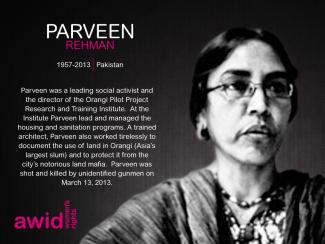
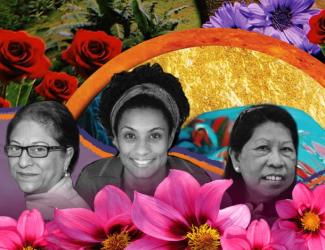
Memory as Resistance: A Tribute to WHRDs no longer with us

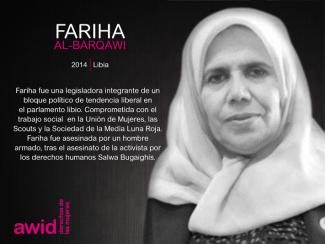
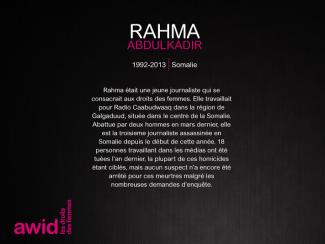
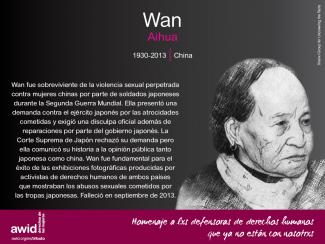
AWID’s Tribute is an art exhibition honouring feminists, women’s rights and social justice activists from around the world who are no longer with us. 


In 2020, we are taking a turn

This year’s tribute tells stories and shares narratives about those who co-created feminist realities, have offered visions of alternatives to systems and actors that oppress us, and have proposed new ways of organising, mobilising, fighting, working, living, and learning.

49 new portraits of feminists and Women Human Rights Defenders (WHRDs) are added to the gallery. While many of those we honour have passed away due to old age or illness, too many have been killed as a result of their work and who they are.

This increasing violence (by states, corporations, organized crime, unknown gunmen...) is not only aimed at individual activists but at our joint work and feminist realities.

The stories of activists we honour keep their legacy alive and carry their inspiration forward into our movements’ future work.

Visit the online exhibit

The portraits of the 2020 edition are designed by award winning illustrator and animator, Louisa Bertman

AWID would like to thank the families and organizations who shared their personal stories and contributed to this memorial. We join them in continuing the remarkable work of these activists and WHRDs and forging efforts to ensure justice is achieved in cases that remain in impunity.

“They tried to bury us. They didn’t know we were seeds.” - Mexican Proverb 


The Tribute was first launched in 2012

It took shape with a physical exhibit of portraits and biographies of feminists and activists who passed away at AWID’s 12th International Forum, in Turkey. It now lives as an online gallery, updated every year.

To date, 467 feminists and WHRDs are featured.

Visit the online exhibit

Related Content

CFA 2023 - Intro - ar

"مهمتي في الحياة ليست مجرد البقاء على قيد الحياة، بل أن أزدهر؛ وأن أفعل ذلك ببعض الشغف، وبعض التعاطف، وبعض الفكاهة، وبعض الأناقة". - مايا أنجيلو


مرحبًا بكم في منتدى AWID الدولي الخامس عشر!

يعتبر المنتدى الدولي الخامس عشر لجمعية حقوق المرأة في التنمية حدثًا مجتمعيًا عالميًا ومساحة للتحول الشخصي الجذري. يجمع المنتدى، وهو اجتماع فريد من نوعه، الحركات النسوية وحقوق المرأة والعدالة الجندرية ومجتمع الميم عين والحركات الحليفة، بكل تنوعنا وإنسانيتنا، للتواصل والشفاء والازدهار. المنتدى هو المكان الذي تحتل فيه نسويات ونسويو الجنوب العالمي والمجتمعات المهمشة تاريخياً مركز الصدارة، حيث يضعون الاستراتيجيات مع بعضهم/ن البعض، مع الحركات الحليفة الأخرى، ومع المموّلين وصانعي السياسات بهدف تحويل السلطة، إقامة تحالفات استراتيجية، والدخول في عالم أفضل ومختلف.
 
عندما يجتمع الناس على نطاق عالمي، كأفراد وحركات، فإننا نولد قوة جارفة. انضموا إلينا في بانكوك، تايلاند في عام 2024. تعالوا وارقصوا وغنوا واحلموا وانهضوا معنا.

متى:      2-5 ديسمبر 2024
أين:       بانكوك، تايلاند؛ وعلى الانترنت
من:        ما يقرب الـ 2500 ناشط/ة نسوية من جميع أنحاء العالم يشاركون شخصيًا، و3000 يشاركون افتراضيًا

إقرأ الأسئلة الأكثر شيوعاً هنا

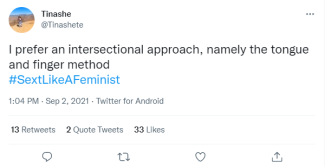
#3 - Sexting like a feminist Tweets Snippet EN

We all appreciate a clear communication of intent. 

Image of a tweet with a gif of a man saying "Yes daddy". Text says: No one: (blank). Me: Bae I wanna squeeze your ass like I wanna squeeze misogynists out of corporate hierarchies.

Fortalecimiento de Movimientos

Related Content

Snippet Discover Forum Stories (EN)

This image is in the cover of the Forum Stories report. It shows 4 overlapping speech bubles, yellow, pink, purple and turquoise. Each contains the illustration of one or two people in conversation.

Feminist movements have changed and adapted tremendously since we last convened in this way - so to remember why AWID Forums matter, we asked activists from around the world to reflect on and share their stories, impressions and memories. This is what we learned.

Discover The Forum Stories here 

Overview

This bibliography intends to contribute to the desire for learning and engagement identified by activists in the Middle East and North Africa region when reflecting on the aftermath of fast unfolding transitions in the region. Such transitions, while specific to the context of MENA, are not unique in their occurrences around the world. Experiences and practices of feminists from around the world engaged in similar, even if not identical, struggles towards the democratization of their countries with a gendered lens and a feminist politics constitute an important knowledge bank that activists can draw upon, learn from, and engage with. This resource mapping aims to fill the gap realized in various convenings and conversations of a lack of information sharing and knowledge bridging among feminists across the regions that experienced similar uprisings; particularly along south-south and east-south lines.

This publication represents a research mapping of key resources, publications and materials on transitions to democracy and women’s rights in different countries of the world that have undergone such processes, such as: Indonesia, Chile, South Africa, Nepal, Mexico, Argentina, Poland, Ukraine, as well as within the Middle East and North Africa (MENA). It provides bibliographic information and short summaries of resources which succinctly identify the contextual changes and challenges facing women in those particular transitional moments, as well as clearly delineates the ways in which women’s rights activists sought to confront those challenges and what lessons were learned.

We hope that this collection of ideas, research, analysis and experiences provides the kind of rich ingredients needed to create new recipes for confronting old and new challenges. By sharing these texts, our goal is to make links across borders, expand possibilities and knowledge, and invite debate, reflection, and inspiration for women’s rights organizations and activists in the MENA region. While every moment and space has its own unique flavor and history, highlighting connections to similar challenges and aspirations allows us all to bring things in conversation with one another, imagine a new vantage point into a problem, and increase our sense of belonging and purpose and thus our capacity to stay strong in the face of the seemingly impossible. It is the collective strength of a movement that gives it the power to create change. The goal with this publication is not that one specific text will necessarily help illuminate new solutions, but that the combined knowledge and analysis from a variety of sources will provide readers with an opportunity to expand their horizons and foster connections. In our small way, we hope to contribute to furthering the democratization of knowledge, and supporting women’s rights movements in the MENA to continue building an inclusive transition process that will result in advancements of social justice and gender equality.

What if I can’t attend in-person? Will it be hybrid?

Yes! We are currently exploring innovating technologies to allow for meaningful connection and participation.

Disclaimer: Communications with AWID staff

If you have received emails from any staff members at AWID, we would like you to understand the following:

  • The information contained in this communication is confidential and is intended solely for the addressee. 

  • This communication may contain information proprietary to the Association for Women’s Rights in Development (AWID), and may not be reproduced or disseminated in whole or in part without AWID's written consent. 

  • AWID does not warrant that any information contained herein is complete or correct. This communication is not an offer to enter into any agreement and is not a confirmation of any agreement described herein unless the context clearly indicates the contrary. 

  • AWID is not acting as your adviser in any agreement that may be proposed herein, and this communication does not constitute a recommendation, guidance or proposal to enter into any agreement. 

  • AWID does not guarantee or otherwise assure the expected results of any agreement. This communication may contain views or opinions that are not necessarily those of AWID. 

  • You shall not be entitled to place any reliance on the information contained in this communication for the purposes of entering into any proposed agreement or otherwise.

CFA 2023 - Hubs - EN

New

Hubs: Cross-Border Space Travel

Participants will physically gather at a number of sites outside the Bangkok venue, in different parts of the world, on each day of the Forum. All of these self-organized sites will be virtually connected to the Forum venue in Bangkok. As with individuals connecting online, Hub participants will be able to facilitate activities, participate in conversations and enjoy a rich and diverse program.

Hub locations to be announced in 2024!

Holding up the Skies

A Film Series on Feminist Realities from Africa and the African Diaspora

by Gabrielle Tesfaye

When I created my short animation film, The Water Will Carry Us Home, my mind was plugged into a magical world of fearless resilience and ancestral mermaids who transformed their deepest scars into a new generation of life. Set during the time of the transatlantic slave trade, I was pulled to show this history of African enslavement in a different way than it has ever been told on screen. I wanted to give my ancestors the commemoration they never received. I was motivated to reclaim the history that continues to paint us as helpless victims. Essentially, I wanted to tell the truth. To reclaim and reimagine our history and perspective, means to simultaneously heal our generational traumas that exist today. It is this important work that so many women through the African continent and the African diaspora are doing today, igniting our collective Feminist Realities. 

In the making of the film I researched religiously, and in what was written, I saw what was not. There were many times I felt I was hitting a wall trying to find something that was not there, and it was in those voided places that I realized the storytellers of today are filling the voids. I found the most useful stories in contemporary art, film, and African diaspora folklore. 

“... a truly unique, raw and representation of feminist power in action.”
 
    - Hers is Ours Collective, organizers of the Outsider Moving Art & Film Festival

The Water Will Carry Us Home carried itself around the world into the hearts of the Diaspora. It also led me here, as the curator of the African and Diaspora film screenings of AWID’s Co-Creating Feminist Realities initiative. Whilst curating this collection of films, I looked for stories that were completely unique, raw and representational of feminist power in action. Consisting of three shorts and one feature, they reveal stories through many communities in Africa and the diaspora, including Ethiopia, Uganda, The Democratic Republic of Congo, South Africa and Kenya. These films reposition African women as what they truly are- self governing and empowered through the unfiltered lens of their work. 

“An incredibly beautiful, attentive, finely observed telling of the connection between Africa and its Diaspora formed form the trans Altantic slave trade. The visual universe it creates is just gorgeous… an echo of the fusion of spiritual traditions and non-linear time that speak to how we are still experiencing the moments of the past that formed 'new' worlds of diaspora blackness.”
 
    - Jessica Horn, PanAfrican feminst strategist, writer and co-creator of the temple of her skin


Our short documentary film, Women Hold Up the Sky, created by the WoMin African Alliance, tells the story of women activists in Uganda and the Democractic Republic of Congo who are actively reclaiming their land rights, threatened by mining and other extractives in their homes. The film not only exposes the corruption of extractivism, but finally shares what we have been missing on screen - how grassroots African women are actively organizing, strategizing, and analyzing within their communities to create women-centred and community-driven alternatives. Margaret Mapondera of WoMin explains it beautifully, that they are the “custodians of lands, forests, waters, rivers and territories; the ways in which women hold and transmit the stories / herstories of our past and our futures; the powerful and transformative ways of being that women embody in their relationships to each other, to the environment and in themselves.” 

“A refreshing and much-needed piece of cinema highlighting the many ways African women are coming together to create women-led and community-driven alternatives… The fight is on and
women hold the key.”
 
    - Hers is Ours Collective, organizers of the Outsider Moving Art & Film Festival


Pumzi, created by critically acclaimed director Wanuri Kahiu, bridges Africa and science fiction around climate and environmentalism. Pumzi imagines a futuristic world where humankind has been forced to settle on another planet. While Pumzi seems afro-futuristic and new for Africa on the surface, Kahiu reveals the truth that science fiction and fantasy is something that has always existed in African storytelling, but never recognized. Kahiu creates a world where women are truth seekers and heroes who pioneer us into a new world, the opposite of images that position Africans as victims of war and destruction. Instead, Pumzi writes the narrative of African women being their own saviors and problem solvers, who stop at no cost to follow the cryptic visions they channel in their dreams. 

“A pioneering African sci-fi film, situating women as scribes of the future and opening up our visions about other worlds, other universes we might occupy as Africans - always an important exercise as we imagine our way out of present crises.”
 
       - Jessica Horn, PanAfrican feminst strategist, writer and co-creator of the temple of her skin


Our feature film of the program, Finding Sally is set in 1970’s Ethiopia during the time of The Red Terror war, documenting the striking history of director Tamara Mariam Dawit’s activist aunt, Sally Dawit. Throughout the film we learn of Sally’s incredible journey as a young and courageous woman activist navigating one of the most violent times of Ethiopian history. Sally’s story not only reveals the gravity of this time, but the reflection of her own personal evolution as a young woman. Dawit was intentional to tell the film through the lens of women, untouched by male voices. Due to so much Ethiopian history being told by men, the making of this powerful story preserved its reality of honoring the feminist perspective. Dawit explains, “Women in revolution and war are often only included as someone's spouse or someone who did cooking or typing work. I wanted to look at the activism around the revolution only through the memories and voices of women.” Finding Sally demonstrates the reclamation of history sought by current filmmakers today. It is an igniting of feminist power and our connected realities throughout time.   

“The responsibility falls on us, to remember these women that came before us and their brilliant work so they are not forgotten like the thousands of women already forgotten while fighting the good fight. Sally is such a woman and may she never be forgotten.”

     - Hers is Ours Collective, organizers of the Outsider Moving Art & Film Festival

Register here to watch this film from June 18-22


These films have became a part of my own psyche, empowering me to continue building powerful alternatives towards justice from within. They affirm that I am a woman among a world of women, holding up the skies and actively building indestructible Feminist Realities. These films are more than stories of African women - they are globally relatable, inspiring and set the example of Feminist Realities for all of us around the world. 


Gabrielle Tesfaye:

Gabrielle Tesfaye is an interdisciplinary artist versed in painting, animation, film, puppetry and interactive installation. Her work is rooted in the African diaspora, Afro-futurism, ancient art practices and cultural storytelling.

Follow us on Social Media to receive news about upcoming events and screenings:

Facebook: @AWIDWomensRights
Instagram: @awidwomensrights
Twitter ENG: @awid
Twitter ES: @awid_es
Twitter FR: @awid_fr
LinkedIn: Association for Women's Rights in Development (AWID)

Daphne Caruana Galizia

CFA 2023 - Intro - ar

"مهمتي في الحياة ليست مجرد البقاء على قيد الحياة، بل أن أزدهر؛ وأن أفعل ذلك ببعض الشغف، وبعض التعاطف، وبعض الفكاهة، وبعض الأناقة". - مايا أنجيلو


مرحبًا بكم في منتدى AWID الدولي الخامس عشر!

يعتبر المنتدى الدولي الخامس عشر لجمعية حقوق المرأة في التنمية حدثًا مجتمعيًا عالميًا ومساحة للتحول الشخصي الجذري. يجمع المنتدى، وهو اجتماع فريد من نوعه، الحركات النسوية وحقوق المرأة والعدالة الجندرية ومجتمع الميم عين والحركات الحليفة، بكل تنوعنا وإنسانيتنا، للتواصل والشفاء والازدهار. المنتدى هو المكان الذي تحتل فيه نسويات ونسويو الجنوب العالمي والمجتمعات المهمشة تاريخياً مركز الصدارة، حيث يضعون الاستراتيجيات مع بعضهم/ن البعض، مع الحركات الحليفة الأخرى، ومع المموّلين وصانعي السياسات بهدف تحويل السلطة، إقامة تحالفات استراتيجية، والدخول في عالم أفضل ومختلف.
 
عندما يجتمع الناس على نطاق عالمي، كأفراد وحركات، فإننا نولد قوة جارفة. انضموا إلينا في بانكوك، تايلاند في عام 2024. تعالوا وارقصوا وغنوا واحلموا وانهضوا معنا.

متى:      2-5 ديسمبر 2024
أين:       بانكوك، تايلاند؛ وعلى الانترنت
من:        ما يقرب الـ 2500 ناشط/ة نسوية من جميع أنحاء العالم يشاركون شخصيًا، و3000 يشاركون افتراضيًا

إقرأ الأسئلة الأكثر شيوعاً هنا

Anti-Rights Trends in Regional Human Rights Systems

Chapter 6

In the African Commission and the Inter-American System, anti-rights actors push essentialist notions of culture and gender to hamper progress on rights and undermine accountability. As we see, anti-rights actors are exerting influence in regional human rights systems, as well as international spaces. 

2019 JUN 27 Meeting of the Summit Implementation Review Group in Colombia
© Juan Manuel Herrera/OAS/Flickr
2019 JUN 27 Meeting of the Summit Implementation Review Group in Colombia

The African Commission on Human and Peoples' Rights has begun framing women’s and sexual rights as jeopardising its ability to deal with “real rights” and contrary to “African values”,   setting a worrying anti-rights precedent. The withdrawal of the Coalition of African Lesbians’ observer status is an example of this trend, and points to the way space for feminist, Pan-Africanist engagement is being stifled. 

In the Organization of American States (OAS) and the Inter-American Human Rights System, anti-rights strategies include the NGOization of religious groups, the use of secular discourses, and the co-optation of discrimination frameworks. Anti-rights influence has materialized in a number of ways, including the intimidation of trans activists and the blocking the introduction of progressive language in resolutions.

Table of Contents

  • Silencing Feminists in the African Human Rights System
  • Anti-rights Groups in Latin America: Organization of American States (OAS) General Assembly and the Inter-American Human Rights System
     

Read Full Chapter >

CFA 2023 - Suggested Activities Format - ar

مقترحات لأشكال التقديم


محاضرة: في المحاضرة النقاشية، يتم استكشاف قضية أو تحد معين من وجهات نظر مختلفة، أو مشاركة علم أو تجربة، متبوعة بأسئلة الجمهور إذا سمح الوقت بذلك.


برنامج حواري: إجراء محادثة أكثر عفوية بأسلوب البرامج الحوارية. يمكن أن تكون البرامج الحوارية عبارة عن محادثة بين عدة أشخاص، ويتم تيسيرها بواسطة ميسّر/ة برنامج حواري. يمكن لأسئلة الجمهور أن تحدد اتجاه المحادثة.


نقاش: يمكن أن يتخذ النقاش شكل المقاهي العالمية، وأحواض السمك، وغيرها من المنهجيات التي تسهل المشاركة النشطة للمشاركين/ات في المحادثات. يعتبر شكل التقديم هذا تشاركي للغاية.


ورشة عمل: جلسات تفاعلية تدعو المشاركين/ات لبناء مهارات جديدة في جميع مجالات الحياة والنضال.


جلسة إستراتيجية: دعوة للتفكير في قضية أو استراتيجية بعمق مع الآخرين/ الأخريات. مساحة للتعلم من بعضنا البعض: ما الذي ينجح، وما الذي لا ينجح، وكيف يمكننا تطوير استراتيجيات جديدة وجماعية لخلق العوالم التي نحلم بها.


دائرة المشاركة (المعروفة أيضًا باسم "الطيور المتشابهة"): مثالية للمجموعات الصغيرة، في بيئة أكثر حميمية، للاستماع إلى بعضهم/ن البعض، وإثارة النقاش ومعالجة مواضيع محددة وحساسة ومعقدة بعناية.


الفنون – ورشة عمل تشاركية: أنشطة تشاركية تتضمن الفنون والتعبير الإبداعي. سواء من خلال الفن البصري أو المسرح أو الأفلام أو الجداريات أو الرقص أو الموسيقى أو الحرف الجماعية أو صناعة الفن، وما إلى ذلك، فإننا نرحب بجميع الأفكار التي تحتفي بالفن النسوي والإبداع كشكل من أشكال التغيير الاجتماعي والشفاء والتعبير والتحول.


الفنون - العروض والتركيبات والمعارض: نرحب بالمساهمات التي تقدم للمشاركين/ات في المنتدى تجارب ووجهات نظر جديدة وتوسع آفاقنا وتتحدانا وتلهمنا للتفكير والشعور والتنظيم بطرق جديدة.


الشفاء: أنشطة متنوعة مصممة خصيصًا للمجموعات والأفراد، بدءًا من تعلم تقنيات الاسترخاء إلى مناقشة الوقاية من الإحتراق النفسي، ومن ممارسات الرعاية الواعية للصدمات لجسمنا وعقولنا وأرواحنا إلى معالجة الخلافات داخل حركاتنا.

تَجسُّد اللذة المدرِكة للتروما

Decorative Element


Tshegofatso Senne Portrait

تشيخوفاتسو سيني هي نسوية كويرية سوداء، تعاني من أمراض مزمنة، وهي تعمل أكثر من غيرها. الكثير من عملهم متجذّر في المتعة، والمجتمع، والحلم، بينما يتمّ إعلامهم من خلال الإلغاء الجسدي والإعاقة، والشفاء، والعدالة التحويلية. الكتابة والبحث والتحدّث حول القضايا المتعلقة بالنسوية والمجتمع والعدالة الجنسية والإنجابية والموافقة وثقافة الاغتصاب والعدالة، لدى تشيغوفاتسو خبرة 8 سنوات في التنظير حول الطرق التي تتقاطع بها هذه الموضوعات مع المتعة. يديرون أعمالهم الخاصة بعنوان Thembekile Stationery، ومنصّة Hedone تجمع الناس معًا لاستكشاف وفهم قوة الوعي بالصدمات والمتعة في حياتهم اليومية.


الجسد. البيت الأكثر ديمومة لدينا.

الجسد، وليس العقل المفكّر، هو المكان حيث نشعر بالألم، واللذة، والفرح، وحيث يجري أغلب ما يحصل لنا. وهو أيضاً المكان الذي نعالج فيه أنفسنا، من ضمنها تحقيق الشفاء النفسي والعاطفي. وهو المكان الذي نشعر فيه بالمرونة والإحساس بالتدفّق.

هذه الكلمات التي كتبها ريسما ميناكيم في كتابه: «يدَي جدّتي»، بقيت معي.

الجسد؛ يحمل خبراتنا. ذكرياتنا. مرونتنا. وكما كتب ميناكيم، الجسد يحمل كذلك صدماتنا. يستجيب من خلال آليات وقائية عفوية لوقف أو منع المزيد من الضرر. قوة الجسد. الصدمة ليست الحدث؛ إنها أجسادنا التي تستجيب للأحداث التي تشعرنا بخطرها علينا. وفي أغلب الأحوال تبقى عالقة في أجسادنا، إلى أن نتعامل معها. لا يوجد حديث عن أجسادنا خارج هذه الاستجابة – لأنها كذلك.

من خلال استخدامي لتطبيق ديجيتال سوبرباور– Digital Superpower من شركة لينغ تان Ling Tan، تتبّعت كيف كان جسدي يشعر كلّما مشيت في أرجاء مختلفة من مدينتي، جوهانسبورغ، في جنوب أفريقيا. التطبيق هو كناية عن منصّة عبر الإنترنت تعتمد على الإيماءات التي تتيح لك ملاحقة تصوّراتك خلال تحرّكاتك في المواقع من خلال الدخول وتسجيل بياناتك. استعملت التطبيق لتتبّع العوارض البدنيّة-النفسيّة، أي ردود الفعل الجسدية المرتبطة بأسباب عقلية. سواء كان ذلك عبارة عن ذكريات، نوبات هلع، الآلام في الصدر، تسارع في ضربات القلب، آلام الرأس، آلام العضل، أرق، صعوبة بالتنفس. تتبّعت هذه العوارض كلّما كنت أمشي أو أتنقّل في مناطق مختلفة من جوهانسبورغ. وسألت نفسي:

أين يمكن أن نكون آمنات؟ هل يمكن أن نكون آمنات؟

يمكن أن تحصل ردود الفعل البدنيّة-النفسيّة بسبب مجموعة من الأمور، وبعضها ليس شديد الوقع كالبعض الآخر. بعد اختبار أي نوع من الصدمات يمكن أن تشعرك بضيق كبير في أحداث أو مواقف مشابهة. تتبّعت أحساسي، وقيّمت على مقياس يتراوح ما بين 1 إلى 5، رقم 1 يرمز إلى الحالات التي بالكاد شعرت فيها بأيٍّ من هذه العوارض – شعرت بالراحة عوضاً عن الحذر والقلق، وكان تنفّسي وضربات قلبي مستقرة، ولم أنظر إلى الخلف – أما رقم 5 فيرمز إلى العكس – العوارض التي جعلتني أشعر باقتراب الإصابة بنوبة هلع.

كشخص أسود البشرة، كشخص كويري، كشخص كويري جندرياً، يُصار إلى النظر إليه كإمرأة، تبعاً للتمظهر الجندري المُختار في يومٍ مُعيّن.

سألت نفسي.

أين يمكننا أن نكون آمنات؟

حتى في الأحياء التي يمكن اعتبارها «آمنة»، شعرت بالذعر المستمرّ. أنظر حولي للتأكّد من عدم وجود مَن يلاحقني، أعدِّل ملابسي حتى لا يظهر ثدياي كثيراً، وأتلفّت حولي للتأكّد من وجود عدّة مخارج للهروب من المكان في حال شعرت بالخطر. الطرقات الفارغة تسبِّب لي القلق. كذلك الطرقات المكتظّة. وعندما أستقلّ سيارة «أوبر». وعندما أمشي في الطرقات العامّة. وأن أكون في شقتي كذلك الأمر. إضافة إلى استلام أغراضي من خدمة التوصيل من أمام المبنى.

هل يمكن أن نكون آمنات؟

تكتب بوملا دينيو جكولا عن مصنع الخوف النسائي. قد يبدو هذا مألوفاً أو لا، لكن، إذا كنتِ امرأة اجتماعياً، ستعلمين هذا الشعور بشكل جيد. الشعور الذي يدفعك إلى التخطيط لكلّ خطوة تخطينها، سواء في طريقك إلى العمل، أو المدرسة أو مجرد القيام بمهمّة ما. الشعور الذي يتملّكك عند ملاحظة كيف هي ملابسك وتصرّفاتك وحديثك في الأماكن العامّة والخاصة. الشعور بالألم في رأس معدتك إذا كان عليك التنقّل ليلاً، للحصول على أغراضك من خدمة التوصيل، أو التعامل مع شخص يستمرّ بالتواصل مع الناس اجتماعياً كرجل مُطابقٍ جنسياً. التحرّش في الشوارع، والتهديد المتواصل بالعنف. نحن الموجودات في أي مكان يأتينا الخوف فطرياً.
 

الخوف هو ظاهرة فردية واجتماعية-سياسية في الوقت عينه. على المستوى الفردي، يمكن أن يكون الخوف موجوداً كنظامٍ داخليّ صحيّ للتحذير الذاتي […] عندما نفكّر عن الخوف، من المهمّ الاحتفاظ بمفهومَي التجربة العاطفية والطرق السياسية التي يُستخدم فيها الخوف في مختلف العصور للسيطرة.
- بوملا دينيو جقولا، في كتابها «الاغتصاب: كابوس جنوب إفريقي»

Cover for EMBODYING TRAUMA-INFORMED PLEASURE

تعرف النساء الجنوب إفريقيات والكويريات، كيف أنّ كلّ خطوة تخطينها خارج المنزل – خطوات للقيام بأمور عادية: التوجّه إلى المتجر، استقلال التاكسي للذهاب إلى العمل، أو «الأوبر» للذهاب إلى حفلة – كلّ هذه الأفعال هي تفاوض مع العنف. الخوف، هو جزء من الصدمة. للتغلّب على الصدمة التي نحملها داخل أجسادنا، نطوّر استجابات لتحسسّ الخطر – مراقبة الاستجابات العاطفية في محيطنا، استطلاع «الودّ»، نحن دوماً متأهّبات.

يوم بعد يوم، وسنة بعد أُخرى، حياة بعد حياة، و جيل بعد آخر.

حول التحدّي الإضافي لنظام الدفاع المكتسب، كتب بيسيل فان دي كولك، في كتاب «الجسد يستمر بالأرشفة»

إنه يعطل هذه القدرة على قراءة الآخرين بشكل دقيق، الأمر الذي يجعل الناجي/ة من الصدمة، إما أقلّ قدرة على اكتشاف الخطر، أو يكون/تكون أكثر عرضة لسوء تقدير الخطر في حال انعدامه. يتطلّب الأمر طاقة كبيرة جداً للاستمرار في الوقت عينه حاملين/ات ذكرى الرعب وعار الضعف والهشاشة.

كما كتب ريسما ميناكيم، الصدمة موجودة في كلّ شيء؛ تدخل مع الهواء الذي نتنشّقه، والماء الذي نشربه، والطعام الذي نأكله. إنها في الأنظمة التي تحكمنا، والمؤسسات التي تعلّم ولكن أيضاً تسبّب لنا الصدمة، وكذلك ضمن العقود الاجتماعية التي نتشارك بها مع الآخرين. والأهمّ من كل ذلك، أننا نأخذها معنا أينما ذهبنا، داخل أجسادنا، الأمر الذي يرهقنا ويضعف صحتنا وسعادتنا. نحن نحمل هذه الحقيقة في أجسادنا. أجيال منّا تفعل ذلك.

لذلك، وفي وقت كنت أتجوّل في مدينتي، سواء كانت المنطقة «آمنة» أم لا، أحمل معي صدمات الأجيال التي كانت ردود أفعالها مدغمة بجسدي. يخفق قلبي، ويصبح صعباً عليّ التنفس، ويضيق صدري – لأن جسدي يحسّ كما لو أن الصدمة تحصل في ذلك الوقت بالتحديد. أعيش مترقّبة بشدة. إلى درجة تصبح فيه الإنسانة إما متيقّظة للغاية للاستمتاع بحياتها، أو مخدَّرة للغاية حتى تستوعب التجارب الجديدة.

حتى نبدأ بالشفاء، علينا الاعتراف بهذه الحقائق.

هذه الحقائق التي تعيش بأجسادنا.

هذه الصدمة هي التي تمنع الكثيرين منّا من عيش الحياة التي نريدها. اسألوا/ن أي أنثى أو كويرية ماذا تعني السلامة لها، وستشارك معكم/ن على الأغلب الأمثلة التي تمثّل مهاماً بسيطة – القدرة على عيش حياة هانئة بكل بساطة، من دون تهديد مستمرّ بالعنف.

الشعور بالأمان، بالراحة والسهولة هو شعور مكانيّ. عندما تتجسد فينا صدماتنا، فإننا نؤثر على الطرق التي ندرك فيها معنى سلامتنا، كما تؤثر على طرق تفاعلنا مع العالم، وتغيّر الطرق التي يمكننا من خلالها اختبار أو استيعاب أي شيء ممتع أو مفرح.

علينا رفض هذه المسؤولية المرهِقة، والنضال من أجل عالمٍ لنا كلّنا. نحن المقاتلات، بجروحنا نسير قُدمًا. يمكن للنظام الأبوي أن يرهبنا ويعاملنا بوحشية، ولكننا لن نتراجع عن النضال. في حين نخرج إلى الشارع بشكل مستمرّ، متحدّيات الخوف بطرق مذهلة ومتواضعة، فإننا ندافع عن أنفسنا ونُعبّر عن ذواتنا.
- بوملا دينيو جقولا، في كتابها «الاغتصاب: كابوس جنوب إفريقي»

أين يمكننا أن نكون بأمان؟ كيف نبدأ بالدفاع عن أنفسنا، ليس بطريقة جسدية وحسب، إنّما بطريقة عاطفية ونفسية وروحية؟

قالت أدريان ماري براون خلال مقابلة أجراها معها جوستين سكوت كامبل: «الصدمة تُحوّلنا جميعاً إلى مُقاتلات ومقاتلين». قدّم لنا عملها، نشاطية اللذة، عدّة منهجيات لعلاج مثل تلك الصدمة، وترسيخ أنفسنا في إدراك كون الشفاء والعدالة والتحرّر يمكن أن تحمل في طياتها شيئاً من اللذة والمُتعة. خاصة أولئك من بيننا الأكثر عرضة للتهميش، واللواتي ربما تربّين على أن يخلقن ترادفاً ما بين المُعاناة و»العمل». العمل الذي انخرطت فيه الكثير من الناشطات، بنّاءات المجتمعات وعاملاتها، اللواتي يساعدن الفئات الأكثر تهميشاً، العمل الذي نصارع بهدف القيام به، ونستنزف أنفسنا، ونادراً ما نهتم بأجسادنا و أذهاننا. البديل هو أن نصبح على علم بصدمتنا، وأن نكون قادرات على تحديد ما نحتاج، وأن نُصار في أن نتعمّق في أعماق ذواتنا. من شأن التعمّق في ذواتنا السماح لنا بإدراك تجاربنا مباشرةً عبر حواس وأحاسيس أجسادنا، بهدف الإقرار الصريح لما تُخبرنا به أجسادنا عوضاً عن قمعها وتجاهل ما تُحاول إيصاله لنا من معلومات.

إنّ التواصل المستمرّ مع أجسادنا الحيّة، وممارسة ذلك التواصل عن سبق إصرارٍ، من شأنه أن يزيد من متانة تعمُّقنا في ذواتنا، ما يسمح لنا بإخراج المشاعر التي تنتابنا أثناء تفاعلنا مع العالم إلى فضاء المرئي، وبلورة علاقة صادقة بيننا وبين أجسادنا، لفهم كلّ ما تُحاول تلك الأجساد تعليمنا إيّاه. إن فهم الصدمة ومسألة التعمّق في الذات في آن معاً، يمكّننا من البدء بسيروة الشفاء والوصول إلى اللذة بشكل أكثر شمولية وصحّية في حياتنا اليومية، من دون الإحساس بالعار أو الذنب. يمكننا الوصول إلى اللذة كوسيلة للتغيير الفردي والاجتماعي، والاستفادة من القوة الكامنة في ملذات الجسد كما وصفتها أودري لورد، قوة تسمح لنا بمشاركة الفرح الذي بلغناه واختبرناه، وتوسيع قدرتنا على الفرح وفهم أننا نستحقه، حتى مع صدماتنا.

إن المتعة والتعمّق في القوة الكامنة داخل ملذّات الجسد، تُعزّز الإرادة الكامنة في فعل أن نكون على قيد الحياة، إنها تؤمّن لنا إحساساً بالثبات والاستقرار والقدرة على فهم أجهزتنا العصبية. إنها تساعدنا على فهم العبء المتوارث بين الأجيال والتحرّر منه. هكذا نكون قد زوّدنا ذواتنا بمعرفةٍ قادرةٍ على تذكيرنا بحقّنا في الوصول إلى المتعة والاحتفاء بحيواتنا رغماً عن الصدمة التي عشناها أو قد نعيشها، وكلّ ذلك بصيغة قوة يمكن لنا مشاركتها مع شعوبنا. إن الجانب المجتمعي هو المفقود من السبل التي نهتمّ بها بأنفسنا، العناية بالذات لا يمكن أن تكون من دون اهتمام بالمجتمعات. نحن قادرات على الشعور بثقة داخلية أكبر، وبالأمان وقوة أنفسنا، وخاصة في مواجهة الصدمات المقبلة التي ستنكأنا، ومعرفة كيفية تهدئة أنفسنا وإعادة الاستقرار إليها. كل هذا الفهم سيقودنا إلى قوة داخلية عميقة، مدعّمة بالموارد اللازمة لمواجهة أي تحدّيات ستعترض طرقنا.

بصفتنا أولئك اللواتي عانين من صدمات جيلية عميقة، وصلنا نتيجتها إلى انعدام ثقةٍ في قُدرتنا على الوصول إلى القوة الكامنة فينا. تُعلّمنا لورد في كتابها «استعمالات الإيروتيكية: الإيروتيكية كقوة»، أن الإيروتيكية توفر مصدراً للتجديد، وطريقة للمطالبة بالأفضل لأنفسنا وحياتنا. 

إن المتعة التي تُخالج الجسد (الإيروتيكا) لا يُمكن اختزالها بفعلٍ بعينه، لأنها مسألةٌ مُتعلقة باستحكامنا واندماجنا الكامل بالشعور الذي يُخالجنا في مخاض القيام بفعلٍ ما. ما إن نعرف إلى أي مدى نحن قادرات على الشعور بالرضا والكمال، يمكننا عندها ملاحظة أيّ من مساعينا الحياتية المتعددة، تلك التي تجعلنا أقرب إلى هذا الإشباع.

أنا لا أقول ذلك باستخفاف – أعلم أن قوله أهين من الفعل. أعلم أن الكثيرات منّا ممنوعات من فهم هذه الحقائق أو استيعابها أو حتى معالجتها. يولّد فعل المقاومة إحساساً من انعدام الأمان، ولكن هذه الأحاسيس لا تجعل من قرار المقاومة مستحيلاً. إن مقاومة بُنى القوة التي لاتوفّر الأمان سوى لمن هُم في موقع القوة، ستعرّض كلّ من وُضع عند أعتاب هذا العالم للخطر. إدراك الصدمات التي تواجهينها هو إعلان استملاكك لتجاربك الماضية ولكل تلك التي ستلحق. إن المقاومة هي التعبير الحقيقي عن المعرفة القائلة بأننا نستحق أكثر من فتات الخبز التي أجبرتنا هذه الأنظمة على التطلّع إلى لا شيء غيرها. إنها مقاومة تدرك أن صدماتنا هي مورد يربطنا ببعضنا البعض، ويسمح بالحفاظ على أمان بعضنا الآخر. إنها مقاومة تدرك أن المتعة والفرح لا تعني قيام اليوتوبيا، لأننا سنظل نتأذّى ونتعرّض للأذى، ولكننا سنكون جاهزات بشكل أفضل للبقاء والاستمرار في مجتمعات تتميّز بالرعاية واللطف المتنوّعَين. مقاومة تفسح المجال للشفاء والتواصل مع ذواتنا البشرية الكاملة.

لن يكون الشفاء أبداً رحلة سهلة وردية، إنما يبدأ الأمر بالاعتراف بإمكانية التغيير. يجعلنا الاضطهاد ندرك أن اللذة والمتعة ليسا شيئاً يتسنّى لأيٍّ كان الوصول إليهما بشكل متساوٍ. لكن إحدى الطرق التي نستعيد بها ذواتنا كاملة – ذواتنا الكاملة، والمحرّرة – هي عبر استعادة قدرتنا على التماس المتعة واللذة.

كتبت ليا لاكشمي بيبزنا-ساماراسينها في مقالها المعنون نشاطية اللذة (الذي ساهمت فيه):

أعلم أنه بالنسبة لمعظم الناس، لا يمكن لكلمات مثل «رعاية» و»لذّة» أن تكونا في نفس الجملة. جميعنا نعاني من التمييز ضدّ الأجساد بحسب المعايير النمطية للقدرة البدنية، وهي نهج تمييزيّ كاره للأجساد ذات الاحتياجات الخاصة، ونكون أمام خيار مخزي: ألّا تكون أجسادنا بحاجة لاحتياجات خاصة فتباعًا نحصل على الاستقلالية، والكرامة، والسيطرة على حياتنا من جهة، أو أن تكون أجسادنا في حالة تتطلّب احتياجات خاصة، الأمر الذي يُخسرنا كل ما سبق من كرامة واستقلال ولذة إذا ما جاهرنا به. 

ما هي القوة الكامنة بذلك؟ نحن نفهم صدماتنا، ولذلك نفهم صدمات الآخرين؛ وتتجسّد بنا أحاسيس نختبرها ونقصدها بدلاً من تجنّبها وتفاديها. نحن نصل إلى اللذة بطرق تجعلنا نريد تبادل ذلك الفرح ضمن مجتمعاتنا، عندما نعلم بالصدمة، فإننا نمنح أنفسنا مساحة لاختبار كلّ ذلك وإعطاء أنفسنا والآخرين الإذن بالشفاء. تخيّلي، مجتمعاً لدى الجميع فيه إمكانية الوصول إلى الموارد والوقت لعيش حياة ممتعة، بالطريقة التي يريدونها ويستحقّونها. حيث تنحسِر تجلّيات الصدمات مكانيًا لأن الأشخاص يحملون إدراكًا لماهيّة الصدمات يغذّي فيهم احساساً مرهفاً بالتآزر. أليس هذا هو الشفاء؟ أليس مواجهة للصدمات العابرة للأجيال؟ ألا يبني ذلك مستقبلاً أكثر صحة واستدامةً لنا جميعاً.

لقد حان الوقت لإعادة التواصل مع معرفة أسلافنا التي نستحقها حتى نعيش حياة كاملة. نحتاج إلى إعادة الاتصال مع الحقّ الطبيعي بالفرح والوجود من أجل أنفسنا. حتى نتمكن من الشعور باللذة لمجرّد الرغبة بها. وألا نعيش حياة مرعبة. يبدو الأمر راديكالياً؛ إنه شعور راديكالي. في عالم نشعر به بالصدمة والخدر، والخوف، والشعور والبقاء يكون للأقوى، والجشع والعيش مع القضايا البنيوية التي تفضي بنا إلى الأمراض العقلية، يا لها من هدية وأمر مفرح أن نبدأ بالشعور، أن نكون في مجتمعات مع أولئك اللواتي يشعرن، أن يكنّ متكاتفات بشكل صحّي، حتى ليحببن بعضهن البعض بكل شجاعة. الشعور راديكالي. اللذة راديكالية. الشفاء راديكالي. 

لديك الإذن للشعور باللذة. لديك الإذن بالرقص، والخلق وحبّ نفسك والآخرين، للاحتفال وتنمية الفرح. أنت مدعوّة لفعل ذلك. لديك الإذن بالشفاء. لا تراكميها داخلك، ولا تحاولي تجاوز المحنة بمفردك. لديك الإذن بالحزن، ولديك الإذن بالحياة.
- أدريان ماري براون، «لديك الإذن»

يسمح التجسّد بإدراك صدماتنا والعمل من خلالها وإقامة روابط ذات معنى مع أنفسنا والمجموعة. القيام بذلك مع الوقت يحافظ على شفائنا؛ تماماً كالصدمة، الشفاء ليس حدثاً يحصل لمرة واحدة فقط. هذا الشفاء يساعد على دفعنا باتجاه التحرّر الذاتي والجماعي.

أشار أندي جونسون في كتابه «السياسات الكويرية للّذة» إلى الطرق التي من خلالها توفّر لنا كويرية (queering) اللذة مصادر الشفاء، والقبول، والإطلاق، والمرح، والكمال، والتحدّي، والانشقاق، والحرية. يا له من اتساع! عندما تتجسد المتعة من خلال طرق بكلّ هذه الشمولية، والكويرية، فنكون قادرات على الاعتراف بالحدود.

دائما ما تسألنا كويرة اللذة أسئلة تتقاطع مع أحلامنا وواقعنا المُعاش.

من هو الحرّ كفاية أو يستحقّ ما يكفي حتى يشعر باللذة؟ متى يُسمح للمرء بأن يلتذّذ أو يُشعِر غيره باللذة؟ مع مَن يمكن للمرء الشعور باللذة؟ ما هو نوع اللذة المتاحة؟ ما هي حدود الوصول إلى كل الإمكانيات الإيروتيكية والممتعة؟
- أندي جونسون، «السياسات الكويرية للّذة»

عندما ترتكز الممارسات التلذذية المدركة للتروما على الرعاية المجتمعية، نبدأ عندها بالإجابة على بعض هذه الأسئلة. نبدأ بفهم إمكانيات التحرّر. كناشطات من أجل اللذة، هذا هو الواقع الذي نرتكز عليه. يقول الواقع، إن اللذة يمكن أن تكون قليلة، لكن لديها إمكانية الشفاء ليس فقط تحقيق شفائي وشفاء مجتمعي، إنما كلّ الأجيال الآتية.

أنا نظام متكامل؛ كلّنا نظام متكامل. نحن لسنا عبارة عن آلام فقط، ولسنا مجرّد مخاوف، ولسنا مجرّد أفكار. نحن نظام متكامل من أجل اللذة، ويمكننا تعلّم كيف نقول نعم من الداخل إلى الخارج.
- برينتيس هيمفيل – مقابلة مع شار جوسيل

 هناك عالم من اللذة يسمح لنا بأن نبدأ بفهم أنفسنا بشكل كامل، بطرق تعطينا مجالاً لبناء واقع يؤكد لنا أننا قادرات على تحقيق اللذة اليومية المستحقّة. التربيط والتأديب والهيمنة والخضوع إحدى أعمق ملذاتي، تسمح لي بإلقاء نظرة على تلك الوقائع حيث يمكنني الشعور والشفاء من صدماتي، كما الشعور بفرصٍ لا حدود لها من أجل قول نعم من الداخل إلى الخارج. في حين تُبقيني الصدمة عالقة في دوامة من النضال أو الهروب، فإن التربيط والركوع والأثر ولعبة التنفس تشجعني على البقاء متصلة بالأرض، وأعيد الاتصال لإعادة الترميم. تتيح لي اللذة المرِحة بالشفاء، وبتحديد مكان وجود الطاقة المؤلمة في جسدي والتركيز على طاقتي هناك. وتسمح لي بالتعبير عن الأحاسيس التي يشعر بها جسدي بواسطة صراخ الألم والابتهاج، والتعبير عن الـ»لا» من دون خوف والاستمتاع بالـ «نعم» إلى أبعد الحدود. بواسطة خطة السلامة، والعناية اللاحقة، والفهم العميق للصدمة، تمنح الغرابات الجنسية (kink) مكاناً للتلذذ والشفاء اللذين لا يمكن تقديرهما بأي ثمن.

لذلك إذا كانت لذّتك تشبه طهي طعامك في وقت الفراغ، أو ممارسة الجنس، أو إمضاء يومك بالسرير مع أصدقائك، أو المشاركة في المجموعات المهتمّة بالمعوقين، أو بصق أحدهم بفمك، أو الخروج بنزهات يمكن الوصول إليها، أو الخروج إلى مواعيد لتبادل المداعبات، أو المشاركة في حفلات راقصة عبر الانترنت، أو تمضية وقت في الحديقة، أو الاختناق في غرفة ضيقة.
 

دراك قوة الإيروتيكية في حياتنا يمكن أن تعطينا الطاقة لمتابعة تغيير حقيقي داخل عالمنا.
- أودري لورد «توظيف الإيروتيك: الإيروتيكية كأداة للقوة»


Decorative element
Cover image for Communicating Desire
 
Explore Transnational Embodiments

This journal edition in partnership with Kohl: a Journal for Body and Gender Research, will explore feminist solutions, proposals and realities for transforming our current world, our bodies and our sexualities.

Explore

Cover image, woman biting a fruit
 

التجسيدات العابرة للحدود

نصدر النسخة هذه من المجلة بالشراكة مع «كحل: مجلة لأبحاث الجسد والجندر»، وسنستكشف عبرها الحلول والاقتراحات وأنواع الواقع النسوية لتغيير عالمنا الحالي وكذلك أجسادنا وجنسانياتنا.

استكشف المجلة

Winnie Madikizela-Mandela

Winnie has been described as a “militant firebrand activist” who fought the apartheid regime in South Africa.

She was imprisoned multiple times, and on many occasions placed in solitary confinement.

Ma’Winnie, as she is affectionately remembered, was known for being outspoken about the challenges Black women faced during and after apartheid, having been on the receiving end of these brutalities herself as a mother, wife and activist during the struggle. She transcended the misconception that leadership is gender, class or race-based. Despite being a controversial figure, she is remembered by many by her Xhosa name, “ Nomzamo”, which means "She who endures trials".  

Ma’Winnie continues to be an inspiration to many, particularly young South African women for whom her death has spurred a burgeoning movement, with the mantra: "She didn't die, she multiplied."


Winnie Madikizela-Mandela, South Africa

Forum 2024 - FAQ - Other Questions EN

Other Questions

Love letter to Feminist Movements #4

To my beloved feminists living with HIV,

Scrapbook envelopes that say Love Letters to Feminist Movements. The top envelope says Love letters to feminist movements from Jessica Whitbread

We’ve been together for over 20 years and how deeply I’ve treasured your love and support. It is interesting to think that you too are a similar age to AWID - both trying to figure out how to engage and support the community on a similar timeline. To the mothers in the movement, your leadership and guidance has been unmatched. I think of Prudence Mabele, Kate Thompson, Darien Taylor, Patricia Perez, Martha Tholanah, Deloris Dockery, Iris De La Cruise, Doris Peltier, Cecilia Chung and so many more. While not perfect (as none of us are), you always put your community first and champion the inclusion of ALL women living with HIV in feminist spaces.

I love the way you have held me when no one else has been able to, but more importantly how we hold each other. While you understand stigma, discrimination, violence and pain, you also understand joy, love and forgiveness. As feminists living with HIV, we are glorious and powerful in our intersectionality. We understand that feminism includes and is led by communities - our Black, Brown and Indigenous sisters, communities who are trans and gender diverse, sex workers, queer/lesbian, those who have been incarcerated, and those who use drugs - as set out in the GIPA (Greater Involvement of People Living with HIV) principles. Your feminism is all encompassing. We talk about the hard issues and about criminalized communities, because as people living with HIV, we ourselves are criminalized. 

I would be remiss if I didn’t send special love to the young women living with HIV, the heartbeat of the movement. I see you Kia Lebejia, Keren Dunaway, Liz Onyango, Faith Ona, Sara Thapa Maga, Doreen Moraa, Yana Panfilova and millions of others incredible activists living with HIV. You are the power that will continue to propel us forward and allow us to be seen as important in mainstream feminst movements. Thank you for taking our movement further to ALWAYS include trans and gender diverse folks, to talk about the links between climate change and sexual and reproductive health and rights. 

I love, love, love, love you so much. For better or for worse, let’s move forward together because this is our community - this is my community. 


With love, 
Jessica Whitbread

Annaliza Dinopol Gallardo Capinpin

Known as “Ate Liza,” Annaliza was the president of the Agrarian Reform Council for Mindanao Pioneers, an umbrella group in Tacurong City, Philippines.

A loved mother of four, teacher and community leader, Annaliza is remembered by her community as “she who leads when no one wants to lead, she who talks when no one wants to talk, she who stood with courage to help the agrarian reform beneficiaries to own lands.”

Annaliza was shot dead by unknown assailants in front of the Sultan Kudarat State University (SKSU) while on her way to Salabaca National High School in Esperanza.

Her family have said “Naghihintay pa rin kami ng hustisya para sa kanya” (we are still waiting justice for her).


ฟอรัมจะถูกจัดขึ้นเมื่อไร และที่ไหน

2-5 ธันวาคม 2567 กรุงเทพ ประเทศไทย! เราจะรวมตัวกันที่ศูนย์การประชุมแห่งชาติสิริกิติ์และจัดให้มีการประชุมแบบเสมือนจริงออนไลน์ไปพร้อมกันด้วย

Three Boats, a Horse and a Taxi: Pacific Feminists at the AWID Forums

Cover for the story: Three Boats, a Horse and a Taxi: Pacific Feminists at the AWID Forums

Three Boats, a Horse and a Taxi: Pacific Feminists at the AWID Forums

This story is about how an increasingly diverse group of feminists from the Pacific organized through the years to attend the AWID Forums and how that process changed them personally, as organizations, and as a movement through what they learned, discovered and experienced. It illustrates the importance of the Forums as a space through which a region that tends to be marginalized or ignored at the global level can build a strong presence in the feminist movement that is then replicated at other international women’s rights spaces.

Download this story


In their own voice: watch the interview with Virisila Buadromo & Michelle Reddy


View all stories Download Full Report

Clone of Clone of Publications - Homepage - es

Publicaciones

Enciende tu fuego feminista leyendo nuestras investigaciones y publicaciones varias sobre financiamiento, defensoras de derechos humanos, construcción de movimientos, fundamentalismos, justicia económica, seguimiento y evaluación feminista y más

Leer más

Janet Benshoof

Janet Benshoof fue una abogada de derechos humanos de los Estados Unidos, y defensora de la igualdad de las mujeres y de los derechos sexuales y reproductivos.

Hizo campaña para ampliar el acceso a los anticonceptivos y al aborto en todo el mundo, y luchó contra las sentencias antiaborto y en el territorio estadounidense de Guam. Fue arrestada en 1990 por oponerse a la ley de aborto más restrictiva de su país. Sin embargo, obtuvo una medida cautelar en el tribunal local de Guam que bloqueó la ley y, finalmente, ganó en el Tribunal de Apelaciones del Noveno Circuito, que llevó a la anulación de la ley para siempre.

"Las mujeres de Guam están en una situación muy trágica. No tengo intención de callarme al respecto." - Janet Benshoof para la revista People.

Janet sentó precedentes jurídicos históricos, entre ellos, la aprobación de la anticoncepción de emergencia por parte de la Administración de Alimentos y Medicamentos de los Estados Unidos, así como la aplicación del derecho internacional para garantizar los derechos de las víctimas de violación en el Tribunal Superior de Iraq, durante el procesamiento de los crímenes de guerra de la época de Saddam.

Janet fue Presidenta y fundadora del Centro de Justicia Global, y fundadora también del Centro de Derechos Reproductivos, la primera organización internacional de derechos humanos del mundo centrada en la elección y la equidad reproductiva. Durante 15 años se desempeñó como directora del Proyecto de Derechos Reproductivos de la Unión Americana de Libertades Civiles, donde encabezó litigios que dieron forma a las leyes constitucionales de los Estados Unidos sobre igualdad de género, libertad de expresión y derechos reproductivos. 

"Janet era conocida por su mente jurídica brillante, su agudo sentido del humor y su coraje ante la injusticia". - Anthony D. Romero

Nombrada una de las "100 Abogadas más influyentes de América" por el National Law Journal, Janet recibió numerosos premios y honores.

Nació en mayo de 1947 y falleció en diciembre de 2017. 

CFA 2023 - Suggested Activities Format - ar

مقترحات لأشكال التقديم


محاضرة: في المحاضرة النقاشية، يتم استكشاف قضية أو تحد معين من وجهات نظر مختلفة، أو مشاركة علم أو تجربة، متبوعة بأسئلة الجمهور إذا سمح الوقت بذلك.


برنامج حواري: إجراء محادثة أكثر عفوية بأسلوب البرامج الحوارية. يمكن أن تكون البرامج الحوارية عبارة عن محادثة بين عدة أشخاص، ويتم تيسيرها بواسطة ميسّر/ة برنامج حواري. يمكن لأسئلة الجمهور أن تحدد اتجاه المحادثة.


نقاش: يمكن أن يتخذ النقاش شكل المقاهي العالمية، وأحواض السمك، وغيرها من المنهجيات التي تسهل المشاركة النشطة للمشاركين/ات في المحادثات. يعتبر شكل التقديم هذا تشاركي للغاية.


ورشة عمل: جلسات تفاعلية تدعو المشاركين/ات لبناء مهارات جديدة في جميع مجالات الحياة والنضال.


جلسة إستراتيجية: دعوة للتفكير في قضية أو استراتيجية بعمق مع الآخرين/ الأخريات. مساحة للتعلم من بعضنا البعض: ما الذي ينجح، وما الذي لا ينجح، وكيف يمكننا تطوير استراتيجيات جديدة وجماعية لخلق العوالم التي نحلم بها.


دائرة المشاركة (المعروفة أيضًا باسم "الطيور المتشابهة"): مثالية للمجموعات الصغيرة، في بيئة أكثر حميمية، للاستماع إلى بعضهم/ن البعض، وإثارة النقاش ومعالجة مواضيع محددة وحساسة ومعقدة بعناية.


الفنون – ورشة عمل تشاركية: أنشطة تشاركية تتضمن الفنون والتعبير الإبداعي. سواء من خلال الفن البصري أو المسرح أو الأفلام أو الجداريات أو الرقص أو الموسيقى أو الحرف الجماعية أو صناعة الفن، وما إلى ذلك، فإننا نرحب بجميع الأفكار التي تحتفي بالفن النسوي والإبداع كشكل من أشكال التغيير الاجتماعي والشفاء والتعبير والتحول.


الفنون - العروض والتركيبات والمعارض: نرحب بالمساهمات التي تقدم للمشاركين/ات في المنتدى تجارب ووجهات نظر جديدة وتوسع آفاقنا وتتحدانا وتلهمنا للتفكير والشعور والتنظيم بطرق جديدة.


الشفاء: أنشطة متنوعة مصممة خصيصًا للمجموعات والأفراد، بدءًا من تعلم تقنيات الاسترخاء إلى مناقشة الوقاية من الإحتراق النفسي، ومن ممارسات الرعاية الواعية للصدمات لجسمنا وعقولنا وأرواحنا إلى معالجة الخلافات داخل حركاتنا.

Lindiwe Rasekoala | Snippet ES

Portrait of Lindiwe Rasekoala

Lindiwe Rasekoala es una instructora de vida que se especializa en la intimidad y en orientación sobre el bienestar de las relaciones. Es una entusiasta de la salud sexual y contribuye con trabajos en línea. Por su propia experiencia y métodos no convencionales de investigación, cree que puede superar la brecha educativa y la falta de acceso a la información en torno al bienestar sexual. Colabora con varios programas de radio y televisión, y ha concluido una capacitación en orientación con Certified Coaches Alliance. La misión de Lindiwe es derribar las barreras que impiden el diálogo sobre el bienestar sexual y como medio de empoderamiento para sus clientes, de tal modo que puedan alcanzar una mayor autocomprensión y experimentar una vida y relaciones más saludables y holísticas.

Rapport Annuel 2013

Notre rapport annuel 2013 retrace les temps forts du travail que nous avons réalisé au cours de l'année, afin de contribuer à l'avancement des droits des femmes et de l'égalité des genres à travers le monde.  

Nous présentons ici certains points saillants de notre analyse du contexte mondial, la position que nous adoptons en tant qu’organisation associative féministe mondiale dans ce contexte, les résultats que nous souhaitons atteindre et l’organisation de notre travail dans le but d’atteindre ces résultats.

Snippet - WID2026 - Join the Global _FR

Rejoignez la communauté féministe mondiale !

Inscrivez‑vous pour devenir membre de l’AWID afin de vous connecter à plus de 9 600 mouvements féministes dans le monde et co-créer une variété de plateformes et d’espaces conçus spécialement pour les activistes et les organisations, allant des ateliers de formation aux espaces de solidarité et aux rencontres entre membres.

La communauté des membres de l’AWID est disponible sous forme d’application. Téléchargez l’application et commencez à vous connecter avec les mouvements !

Juli Dugdale

Juli Dugdale était une féministe australienne pratiquant un leadership intergénérationnel ancré dans les principes du féminisme, de l’inclusion et de l’égalité. Elle était une leader, une pair et une encadrante pour de nombreuses femmes, et particulièrement des jeunes femmes du monde entier.

Juli a été une membre dévouée de l’équipe de l’Association des jeunes femmes chrétiennes (YWCA), bénévole et fervente défenseure du leadership des jeunes femmes pendant plus de 30 ans.

Elle assurait un lien très fort entre le mouvement australien du YWCA et le bureau international. Sa confiance dans les capacités de leadership des jeunes femmes a entre autres donné lieu à un partenariat pluriannuel avec le ministère australien des Affaires étrangères et du Commerce, de même qu’à la rédaction du manuel Rise Up, un guide mondial pour le leadership transformationnel des jeunes femmes, lancé en 2018.

Juli est décédée à Genève, en Suisse, le 12 août 2019.


Hommages :

« Pour celles et ceux qui ont travaillé avec Juli, ce fut un privilège. Pour celles et ceux qui n’ont pas travaillé avec elle, sachez que son héritage perdure dans le travail que nous faisons tous les jours, et dans la mission du mouvement des YWCA. » – YWCA Australie

« Juli Dugdale occupera toujours une place privilégiée dans le cœur de nombreuses personnes du mouvement du YWCA, particulièrement ici en Aotearoa et dans le Pacifique. Juli entretenait une relation particulière avec le Pacifique, et soutenait de manière remarquable les jeunes femmes de la région. De nature humble, aimable, aimante, affectueuse, dévouée et passionnée, elle avait un cœur généreux. Elle incarnait la vision du « leadership transformationnel » du YWCA avec une vision et une clairvoyance extraordinaires, et a de plus aidé à renforcer les capacités de générations de jeunes femmes leaders dans le monde. » – YWCA Nouvelle-Zélande

Forum 2024 - FAQ - Funding Your Participation FR

Financer votre participation

Lindiwe Rasekoala | Snippet AR

Portrait of Lindiwe Rasekoala

لينديوي راسيكوالا  مدربة حياتية، متخصصة في التدريب على العلاقات الحميمة. إنها متخصصة بالصحة الجنسية ولديها مساهمات في هذا الموضوع عبر الإنترنت. من خلال تجاربها الخاصة وأساليب البحث غير التقليدية التي تنتهجها، تعتقد لينديوي أنها تستطيع سد الفجوة التعليمية، فيما خص الصحة الجنسية وإشكالية الوصول إلى المعلومات حول الموضوع. لها العديد من المساهمات في البرامج الإذاعية والتلفزيونية، وقد أكملت تعليمها كمدرب مع تحالف المدربين المعتمدين CCA. تتمثل مهمة لينديوي في كسر الحواجز التي تحول دون قيام المحادثات حول الصحة الجنسية، وتمكين زملائها من تحقيق فهم أكبر لأنفسهم، حتى يتمكنوا من تجربة نمط حياة وعلاقات أكثر صحية وتكامليّة.

2018: Supporting feminist movements to thrive and disrupt

This report looks back and celebrates the first year of AWID’s new strategic plan as we took our first steps towards our desired outcomes of supporting feminist movements to thrive, challenging anti-rights agendas and co-creating feminist realities.

Download the full report


We worked with feminists to disrupt anti-rights agendas, achieving important victories fought and won within the United Nations system when ground-breaking language on structural discrimination, sexual rights, and states’ obligations were included in a number of resolutions. Yes, the multilateral system is in crisis and in need of serious strengthening but these victories are important as they contribute to the legitimacy of feminist demands, providing feminist movements with more pressure points and momentum to advance our agendas.

We tried and tested different ways to build knowledge with feminist movements through webinars, podcasts and ‘live’ conversations. We developed facilitation guides with popular educators to reclaim knowledge in the interest of social and gender justice, even about a topic as seemingly opaque as illicit funding flows. We commissioned blogs and opinions about how feminist groups fund and resource themselves and threw light on the threats facing our human rights systems.

Within AWID, we practiced and learned from our shared leadership approach, and told the story of the trials and tribulations of co-leading a global, virtual organization. We don’t have a definitive answer to what feminist leadership looks like, but we know, a year on, that a continued commitment to collective experimentation and learning has enabled us to keep building an organization that we are all excited to contribute to.

As we look back on this year, we want to thank all our friends and supporters, colleagues and companions, who have given their time and shared their wealth of knowledge and wisdom with us. We want to thank our members who helped frame our strategic plan and joined us to make feminist demands. We could not do this work without you.

Download the full report

Snippet - WD2026 - Resourcing Hub_FR

Pôle Ressource à Women Deliver

Organisé par l'Alliance pour les mouvements féministes en collaboration avec AWID, Prospera et le consortium Walking the Talk

🎧 Interprétation avec « Worldly » sera disponible. N'oubliez pas d'apporter vos écouteurs !

🏢

Resourcing Hub (Salle d'exposition).

Session 1 : Financer la solidarité en temps de transition
📅 Mardi 28 avril | 15 h 30 – 16 h 30 

Session 2 : Financement autonome : Comment les mouvements féministes assurent leur pérennité;
📅 Mercredi 29 avril | 9 h 30 – 11 h 00 

Session 3 : Financer les futurs féministes : Un talk‑show sur les prochaines étapes du financement des mouvements
📅 Jeudi 30 avril | 10 h 30 – 11 h 30  

Plus d’infos ici !

Lina Ben Mhenni

“I want to tell all Tunisians: We have to unite to say no to censorship and opinion trials.” - Lina Ben Mhenni (2013 interview)

Lina Ben Mhenni was a Tunisian blogger, activist and linguistics lecturer. She was vocal against internet censorship, defended the freedom of expression and was an advocate for women’s and human rights. Lina also fought for the release of students arrested under former President Zine El Abidine. 

“It’s true that information and the internet are important but being on the ground is crucial for a revolution. Some people here in Tunisia think that change can occur just by clicking like on the internet. I believe you have to be active on the ground. And of course, join actions on the field with the action on the web.” - Lina Ben Mhenni (Interview in POCIT)

In 2010, she co-organized a protest that challenged the government suppression of media and internet censorship. Lina was widely known for her blog “A Tunisian Girl and recognized for her work during the Tunisian revolution in 2011. In her blog, she reported on the news from the uprising, shared images documenting protests and was among the few voices who spoke about the killings and crackdown on protesters in Sidi Bouzid. Lina blogged using her real name instead of a pseudonym to protect her identity, one of only a few bloggers to do so. 

“Our freedom of expression is in real danger. I am afraid that we are losing the unique fruits of the revolution: the disappearance of fear and our freedom of speech. We have to keep on fighting to protect and preserve this right.” — Lina Ben Mhenni (2013 interview)

Lina was only 36 years old when she passed away on 27 January 2020, as a result of complications from an autoimmune disease. 


"Freedom, better education and health - that's all we wanted. When we failed, she pushed us." Lina’s school teacher Hala.


Mariam Mekiwi | Snippet EN

Mariam Mekiwi Portrait

Mariam Mekiwi is a filmmaker and photographer from Alexandria and living and working in Berlin.

2022: Transitions, Inspiration & Collective Power

Our strategic plan “Feminist Realities” completed its final year at the end of 2022. For the past five years, this bold framework pushed us to go beyond feminist futures and to recognize the feminist solutions and ways of life that already exist in the here and now. Realities that must be uplifted, celebrated, and popularized. The Feminist Economies We Love multimedia story project and Our:Resource knowledge hub on autonomous ways to resource feminist activism are just two examples of this visionary work, always deeply collective with diverse feminist movements.

Download the full 2022 Annual review


Cover for AWID's 2022 Annual Report. The cover is light blue and shows a group of people joining hands. Over the text "Transitions, Inspiration and Collective Power" there is a semi circle formed by little moons, representing the transtions.

2022 was a year of transitions in AWID.

With this reflection on the year, we invite you to celebrate with us beautiful closures and promising beginnings. Change and transitions are an inseparable part of life and movements, which we seek to embrace with intention and care.

Download the full 2022 Annual review