Zaitun Kasim

In September 2016, the 13th AWID international Forum brought together in Brazil over 1800 feminists and women’s rights advocates in a spirit of resistance and resilience.
This section highlights the gains, learnings and resources that came out of our rich conversations. We invite you to explore, share and comment!
One of the key takeaways from the 2016 Forum was the need to broaden and deepen our cross-movement work to address rising fascisms, fundamentalisms, corporate greed and climate change.
With this in mind, we have been working with multiple allies to grow these seeds of resistance:
And through our next strategic plan and Forum process, we are committed to keep developing ideas and deepen the learnings ignited at the 2016 Forum.
AWID Forums started in 1983, in Washington DC. Since then, the event has grown to become many things to many peoples: an iterative process of sharpening our analyses, vision and actions; a watershed moment that reinvigorates participants’ feminisms and energizes their organizing; and a political home for women human rights defenders to find sanctuary and solidarity.

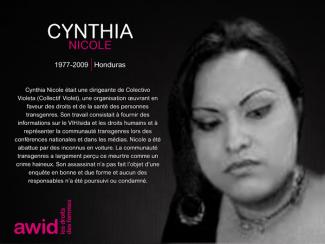
L'EXCLUSION, LA STIGMATISATION ET LES ABUS INSTITUTIONNELS
auxquels les personnes trans et les travestis continuent de faire face au quotidien
The survey is open until the end of August 2024. Please complete it within this timeframe to ensure your responses are included in the analysis.
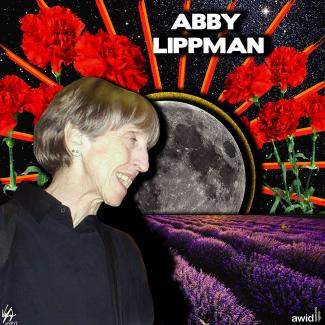
Abby était une féministe pionnière, militante des droits humains.
Ancienne épidémiologiste de l'Université McGill, Abby était réputée pour défendre les causes sociales et pour ses critiques perspicaces concernant les technologies de procréation humaine assistée et d'autres sujets médicaux. Plus précisément, elle a fait campagne contre ce qu'elle a appelé la « généticisation » des technologies de procréation, contre l'hormonothérapie substitutive et pour des recherches plus qualitatives et plus longues avant l'approbation de nouveaux vaccins comme celui contre le papillomavirus humain.
À la nouvelle de son décès, ses ami-e-s et collègues l'ont décrite avec affection comme une « ardente défenseure » de la santé des femmes.
The fight for a world full of workplaces that are free from of all forms of discrimination, stigma and exclusion is a worthy one. A world in which sex work is decriminalized and recognized as work is part of this.
A world where all workers have safe working conditions, dignified wages, and can enjoy the same rights like health care, pension pay, sick days, holidays, job security and more, no matter their gender, race, ethnicity, age or ability. Labor rights are feminist issues, and feminist unions play a key role in advancing the legal, labor and economic rights of all workers, especially migrant workers, domestic workers, informal workers and sex workers. These are folks who have most recently been disproportionately affected by the pandemic, its burdens of care, lockdowns, curfews and increased policing. Let us introduce you to the stories of feminists and union organizers that are fighting for better working conditions and better worlds for all.
نكمل مشوار بناء الحشد الذي بدأناه قبل 20 عاماً لموارد أفضل وأكبر لحركات التغيير الاجتماعي بقيادة نسوية، تدعوكم/ن جمعية حقوق المرأة في التنمية لاستكمال استطلاعنا
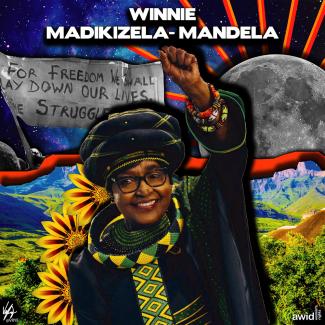
Winnie has been described as a “militant firebrand activist” who fought the apartheid regime in South Africa.
She was imprisoned multiple times, and on many occasions placed in solitary confinement.
Ma’Winnie, as she is affectionately remembered, was known for being outspoken about the challenges Black women faced during and after apartheid, having been on the receiving end of these brutalities herself as a mother, wife and activist during the struggle. She transcended the misconception that leadership is gender, class or race-based. Despite being a controversial figure, she is remembered by many by her Xhosa name, “ Nomzamo”, which means "She who endures trials".
Ma’Winnie continues to be an inspiration to many, particularly young South African women for whom her death has spurred a burgeoning movement, with the mantra: "She didn't die, she multiplied."
El salario mínimo de Georgia se encuentra en un porcentaje inferior al de todos los países del mundo. Esta realidad afecta mayoritariamente a las mujeres.
El país no solo tiene una brecha salarial de género significativa, sino que las mujeres también trabajan más horas y más horas no reguladas antes de irse a casa para ocuparse de las tareas domésticas y de sus familias. No hay licencia por maternidad, no hay aumentos de salario por horas extras, no hay seguro de desempleo, y no hay licencias por enfermedad u otra protección social. Presionados por organizaciones occidentales, los partidos políticos oligárquicos georgianos han estado implementando reformas que están destruyendo el estado de bienestar, aumentando las medidas de austeridad y empeorando la explotación de lxs trabajadorxs, todo para los beneficios de grandes corporaciones que aplauden al país por su "facilidad para hacer negocios". Los medios de comunicación, cooptados por intereses privados y corporativos, están sesgados sobre estos temas o los silencian. La organización sindical sigue siendo una de las pocas opciones para luchar por los derechos humanos básicos y para hacer que el Estado y las empresas rindan cuentas ante las violaciones y persecuciones diarias y generalizadas contra lxs trabajadorxs, especialmente contra las mujeres.
Fuentes: Minimum-Wage y entrevista con Sopo Japaridze en Democracia Abierta

Сделать видимой сложность обеспечения ресурсами различных феминистских организаций
Barin integraba la unidad de batalla formada íntegramente por mujeres de la Unidad de Protección del Pueblo Kurdo (YPG).
La mataron cuando estaba en servicio activo.
La periodista libanesa Hifaa Zuaiter escribió: «Barin representa todo lo que hemos oído acerca del coraje de las combatientes kurdas, y su muerte es mucho más que el matar a un rival o el resultado de una lucha política o étnica. El horror de exhibir su cuerpo sólo porque es una mujer surge del hecho de que ella se atrevió a amenazar la hegemonía masculina al convertirse en una combatiente en un campo de batalla que se suponía era solo para hombres».

الرجاء اختيار لغتك في الزاوية اليمنى الرجاء اختيار اللغة المفضلة للإجابة على الاستطلاع في أقصى يمين الصفحة
ذا كنت ترغب في معرفة المزيد، انضم إلى لقاء للأعضاء/ العضوات: أين المال؟ يوم الاثنين 27 مايو (أيار) الساعة 9:00 بالتوقيت العالمي - مع ترجمة
فورية باللغتين الفرنسية والإنجليزية.
14:00 بالتوقيت العالمي - مع ترجمة فورية باللغتين الإسبانية والإنجليزية
سنستمع إلى فريق الحركات النسوية لتوفير الموارد التابع لجمعية حقوق المرأة في التنمية (جمعية حقوق المرأة في التنمية) حول خصوصيات وعموميات تمويل التنظيمات النسوية.
انضم/ي إلينا كعضو/ة في وكن/وني جزءًا من جلسة التواصل هذه.
الرد على الدعوة هنا
(Registration only available in English)
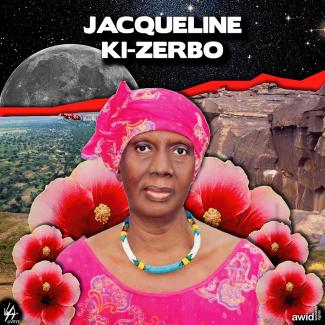
Jacqueline était une éducatrice malienne pionnière de la cause féministe et nationaliste.
Elle a d’abord enseigné l'anglais au Sénégal avant d'être recrutée en 1961 par le Lycée Philippe Zinda Kaboré à Ouagadougou, au Burkina Faso. Etant donné son engagement militant, elle a pris part au soulèvement populaire du 3 janvier 1966. Entre 1961 et 1966, Jacqueline était par ailleurs responsable de la presse syndicale, La voix des enseignants. Elle a été nommée directrice du Cours normal des jeunes filles (aujourd’hui connu sous le nom de lycée Nelson Mandela) jusqu'en 1974 et s'est consacrée à l'éducation des filles et à la promotion des droits des femmes.
En 1984, elle a reçu le prix Paul G. Hoffmann pour sa contribution remarquable en matière de développement national et international.