Resourcing Feminist Movements
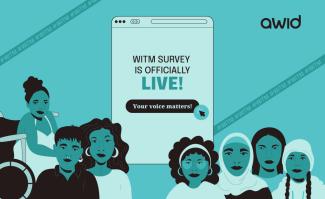
The “Where is the Money?” #WITM survey is now live! Dive in and share your experience with funding your organizing with feminists around the world.
Learn more and take the survey
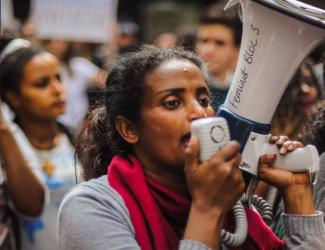
Around the world, feminist, women’s rights, and allied movements are confronting power and reimagining a politics of liberation. The contributions that fuel this work come in many forms, from financial and political resources to daily acts of resistance and survival.
AWID’s Resourcing Feminist Movements (RFM) Initiative shines a light on the current funding ecosystem, which range from self-generated models of resourcing to more formal funding streams.
Through our research and analysis, we examine how funding practices can better serve our movements. We critically explore the contradictions in “funding” social transformation, especially in the face of increasing political repression, anti-rights agendas, and rising corporate power. Above all, we build collective strategies that support thriving, robust, and resilient movements.
Our Actions
Recognizing the richness of our movements and responding to the current moment, we:
-
Create and amplify alternatives: We amplify funding practices that center activists’ own priorities and engage a diverse range of funders and activists in crafting new, dynamic models for resourcing feminist movements, particularly in the context of closing civil society space.
-
Build knowledge: We explore, exchange, and strengthen knowledge about how movements are attracting, organizing, and using the resources they need to accomplish meaningful change.
-
Advocate: We work in partnerships, such as the Count Me In! Consortium, to influence funding agendas and open space for feminist movements to be in direct dialogue to shift power and money.
Related Content
Snippet - WITM RESOURCES - AR
المصادر
(متوفرة باللغة الإنجليزية)
على من يجب تعبئة الاستطلاع؟
المجموعات، المنظمات والحركات التي تعمل خصوصاً وبالأساس على حقوق النساء، حقوق الفتيات، العدالة الجندرية، حقوق مجتمعات الميم - عين وحلفائها/يفاتها في جميع المناطق وعلى جميع المستويات، إن كانت مجموعات جديدة أو قديمة.
Что подразумевается под внешним финансированием?
Внешнее финансирование включает гранты и другие формы финансирования от благотворительных фондов, правительств, двусторонних, многосторонних или корпоративных спонсоров и индивидуальных доноров – как внутри вашей страны, так и из-за рубежа. Сюда не входят ресурсы, которые группы, организации и/или движения генерируют самостоятельно, такие как, например, членские взносы, добровольные взносы "сотрудниц(-ков), участниц(-ков) и/или сторонниц(-ков), сборы через сообщество, сдача помещений в аренду или продажа услуг. Для удобства в опрос включены определения различных видов финансирования и краткие описания различных доноров.
O meu idioma não é um dos oficiais do inquérito, e estou a ter dificuldades a preencher o mesmo. O que posso fazer?
A AWID compromete-se a alcançar a justiça linguística e lamentamos que, neste momento, não seja viável disponibilizar um inquérito do WITM em mais idiomas. No entanto, caso precise de apoio com traduções ou queira preencher o inquérito em qualquer outro idioma, entre em contacto connosco através de witm@awid.org.
لم تتلق مجموعتنا التمويل بشكل متواصل بين الأعوام 2021-2023. هل علينا تعبئة الاستطلاع؟
نعم. نريد السماع منكم/ن دون أي علاقة ان حصلتم/ن على تمويل لثلاثة أعوام أو عامين أو عام واحد في السنوات 2021-2023.
Я не хочу делиться названием организации и контактной информацией с AWID – могу ли я пройти опрос?
Безусловно, эти вопросы являются необязательными, мы ценим ваше право сохранять конфиденциальность. Пожалуйста, заполните опрос независимо от того, указываете вы название вашей группы, организации и/или движения и контактные данные или нет.
Quando é que os resultados do inquérito estarão disponíveis?
Iremos analisar as respostas ao inquérito para obter informações e tendências, e iremos apresentar os resultados durante o 15.º Fórum Internacional da AWID em Bangkok, e online em dezembro de 2024. Registe-se para participar no Fórum aqui!
AWID Community Jobs board - EN
Community Jobs Board
Are you job hunting? One of the perks of joining the AWID Community, is getting access to our community curated jobs board. You'll get to explore new opportunities, and you will also have the chance to share vacancies and call for proposals with all members.
Our values - bodily autonomy
Bodily autonomy, integrity and freedoms<
We celebrate everyone's right to choose their identities, relationships, goals, work, dreams and pleasures, and what they do with their mind, body and spirit. We believe in working towards access to resources, information and safe and enabling environments that allow this to happen.
Snippet - CSW69 On feminist resourcing today - EN
On feminist resourcing today
- Take the Where is the Money Quiz here!
- Our Resource
- How Can Activists Resource Our Own Activism?
- What we can learn from feminists who fund themselves
FRMag - The Triple
The Triple Cripples: Let’s talk about sex, baby!
by Nandini Tanya LallmonOlajumoke ‘Jay’ Abdullahi and Kym Oliver are revolutionary feminists in more ways than one. (...)
artwork: “Bloomed” by Titash Sen >
Snippet - WCFM Content Body - EN
In response to these challenges, we collaborated with Impactmapper to co-create a comprehensive resource that combines two powerful tools to strengthen the funding ecosystem for social justice movements.
FRMag - Dieula and the Black Dolls
Dieula and the Black Dolls
by Ana María Belique
The Naranjo Batey community is far from the city, but it’s full of hard-working people brimming with enthusiasm. A girl named Dieula lived there. (...)
< artwork: “Fury” by Diana Manilla Arroyo
Snippet2 - WCFM Registration status - EN
Registration status:
Search for funders based on their requirements for groups to be registered.
Ours report 2021 summary
Today, a complex and evolving network of anti-rights actors is exerting more influence in international and regional spaces as well as domestic politics. Anti-rights actors are entering multilateral spaces (spaces where multiple countries come together for international collaboration) to transform and undermine them from the inside out. They employ a range of persuasive discourses to gain legitimacy, often co-opting the language of rights and justice to hide their true agendas.
This report is the second in a series on human rights trends reports produced by the Observatory on the Universality of Rights (OURs). As well as analysis of key anti-rights actors, discourses, strategies, and impacts, the report features inspiring short stories of feminist action, and knowledge-building exercises to help strengthen our collective resistance.
The effect on our rights has already been grave, but this is not a done deal. We can all play a part in resisting anti-rights agendas and reclaiming our rights.
Join the collective call-to-action today!
Snippet - Take the quiz
Take the Quiz!
"Where is the money for feminist organizing?"
How much do you know about feminist resourcing? 📊 Take AWID's "Where is the Money for Feminist Organizing?" quiz to test your knowledge:
Take the quiz onlineDownload and print it
فقدان الكلام | كلمة العدد
كلمة العدد
فقدان الكلام
بدأنا التخطيط لعدد المجلّة هذا مع نانا داركوا قُبيل مهرجان «ابدعي، قاومي، غيٍّري: مهرجان للحراكات النسوية» لجمعية «حقوق المرأة في التنمية» AWID، وانطلقنا وقتها من سؤالٍ هو بالأحرى ملاحظة حول حالة العالم، ورغبة في تغيير الاعتقادات السائدة: لماذا لا تزال جنسانيّاتنا وملذّاتنا تخضع للترويض والتجريم مع أنّه يتمّ تذكيرنا مراراً وتكراراً بأنّها لا تأتي بأيّ قيمة أو تطوّر؟ واستنتجنا أنّ جنسانيّاتنا، لمّا تتجسّد، فيها ما يتعارض مع النظام العالمي الذي ما زال يتجلّى من خلال ضوابط الحدود، والتمييز العنصري في توزيع اللقاح، والاستعمار الاستيطاني، والتطهير العرقي، والرأسمالية المُستشرية. هل يمكننا إذاً القول إنّ لجنسانيّاتنا قدرةٌ تعطيليّة؟ وهل يصحّ هذا القول عندما ننظر إلى واقع حركاتنا التي يتمّ الاستيلاء عليها ومأسستها في سعيها للتزوّد بالموارد؟
Snippet - COP30 - Resistance Hubs Section Title - EN
Resistance Hubs for Climate Justice
Sexting Like a Feminist: Humor in the Digital Feminist Revolution Snippet Small
Sexting Like a Feminist: Humor in the Digital Feminist Revolution
by Chinelo Onwualu
On September 2nd, 2021, the amazing feminist and social justice activists of AWID’s Crear | Résister | Transform festival came together not only to share resistance strategies, co-create, and transform the world, but also to talk dirty on Twitter.
Snippet - COP30 Join thousands CTAs - EN
Join thousands demanding real climate justice:
Follow the campaign:
Join us!
Join our Membership| Join AWID Community
Stay updated
Questions?
Contact us: communications @ awid.org
Graphics based off illustrations by Vectorarte.