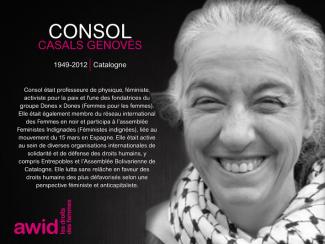
Consol Casals
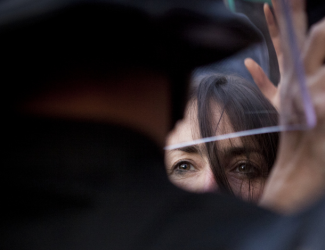
WHRDs are self-identified women and lesbian, bisexual, transgender, queer and intersex (LBTQI) people and others who defend rights and are subject to gender-specific risks and threats due to their human rights work and/or as a direct consequence of their gender identity or sexual orientation.
WHRDs are subject to systematic violence and discrimination due to their identities and unyielding struggles for rights, equality and justice.
The WHRD Program collaborates with international and regional partners as well as the AWID membership to raise awareness about these risks and threats, advocate for feminist and holistic measures of protection and safety, and actively promote a culture of self-care and collective well being in our movements.
WHRDs are exposed to the same types of risks that all other defenders who defend human rights, communities, and the environment face. However, they are also exposed to gender-based violence and gender-specific risks because they challenge existing gender norms within their communities and societies.
We work collaboratively with international and regional networks and our membership
We aim to contribute to a safer world for WHRDs, their families and communities. We believe that action for rights and justice should not put WHRDs at risk; it should be appreciated and celebrated.
Promoting collaboration and coordination among human rights and women’s rights organizations at the international level to strengthen responses concerning safety and wellbeing of WHRDs.
Supporting regional networks of WHRDs and their organizations, such as the Mesoamerican Initiative for WHRDs and the WHRD Middle East and North Africa Coalition, in promoting and strengthening collective action for protection - emphasizing the establishment of solidarity and protection networks, the promotion of self-care, and advocacy and mobilization for the safety of WHRDs;
Increasing the visibility and recognition of WHRDs and their struggles, as well as the risks that they encounter by documenting the attacks that they face, and researching, producing, and disseminating information on their struggles, strategies, and challenges:
Mobilizing urgent responses of international solidarity for WHRDs at risk through our international and regional networks, and our active membership.
Trabajamos para alcanzar la justicia de género y los derechos humanos de las mujeres mediante el fortalecimiento de la voz colectiva, el impacto y la influencia de las/os activistas, organizaciones y movimientos por los derechos de las mujeres de todo el mundo.
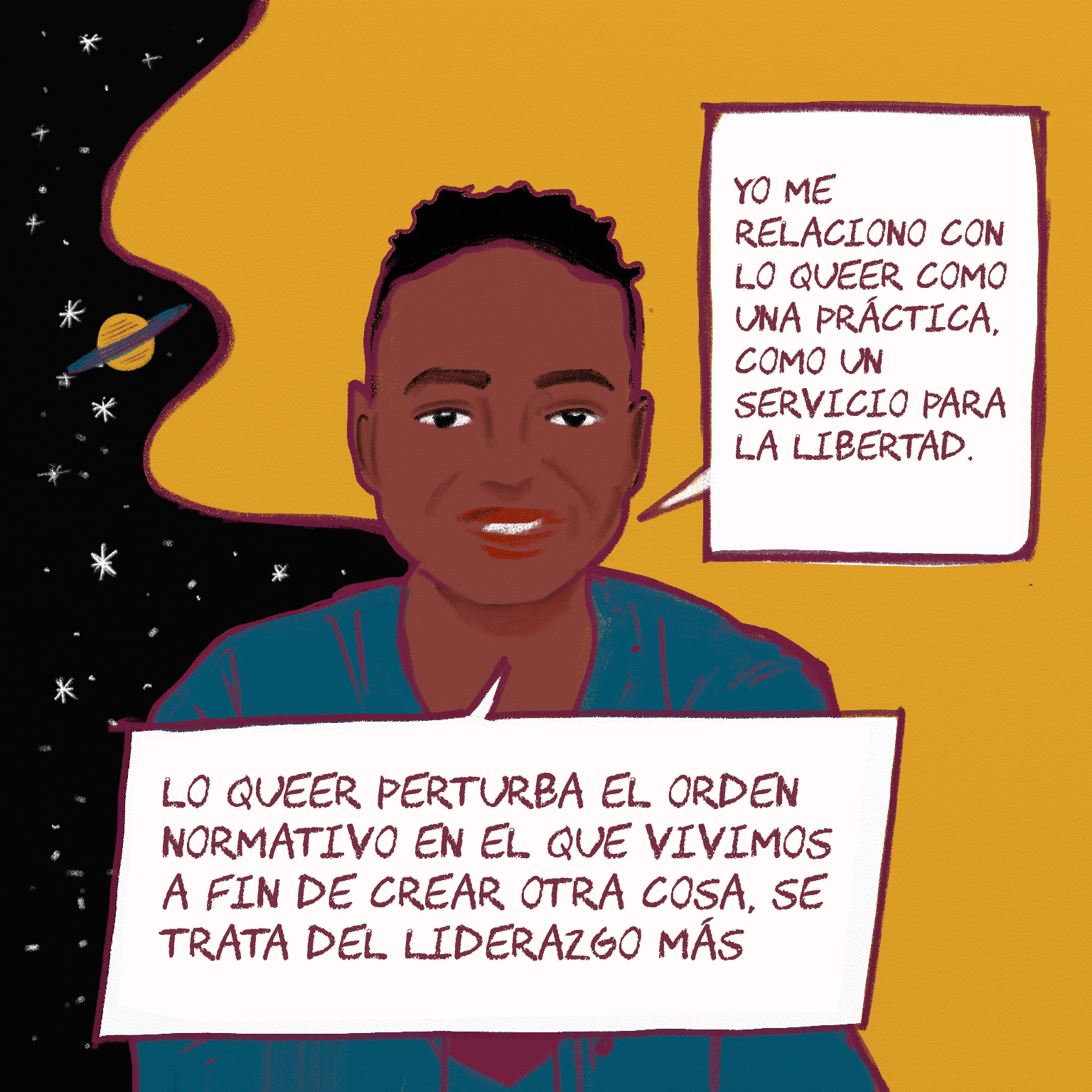
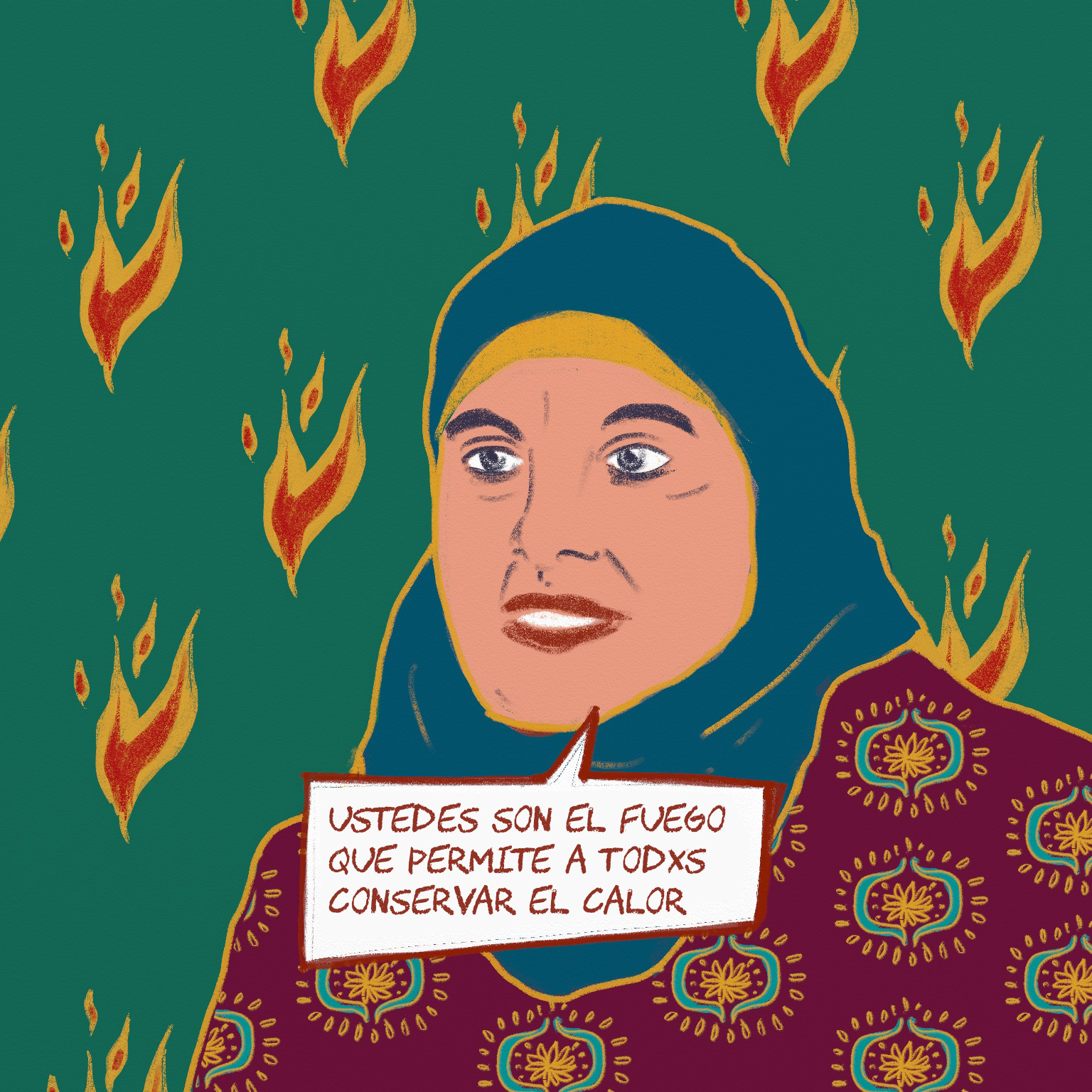
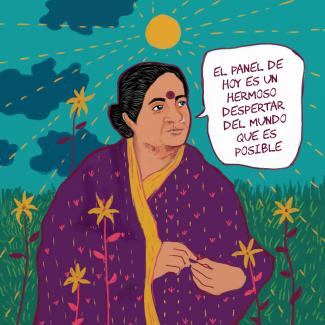
Margarita Salas, AWID
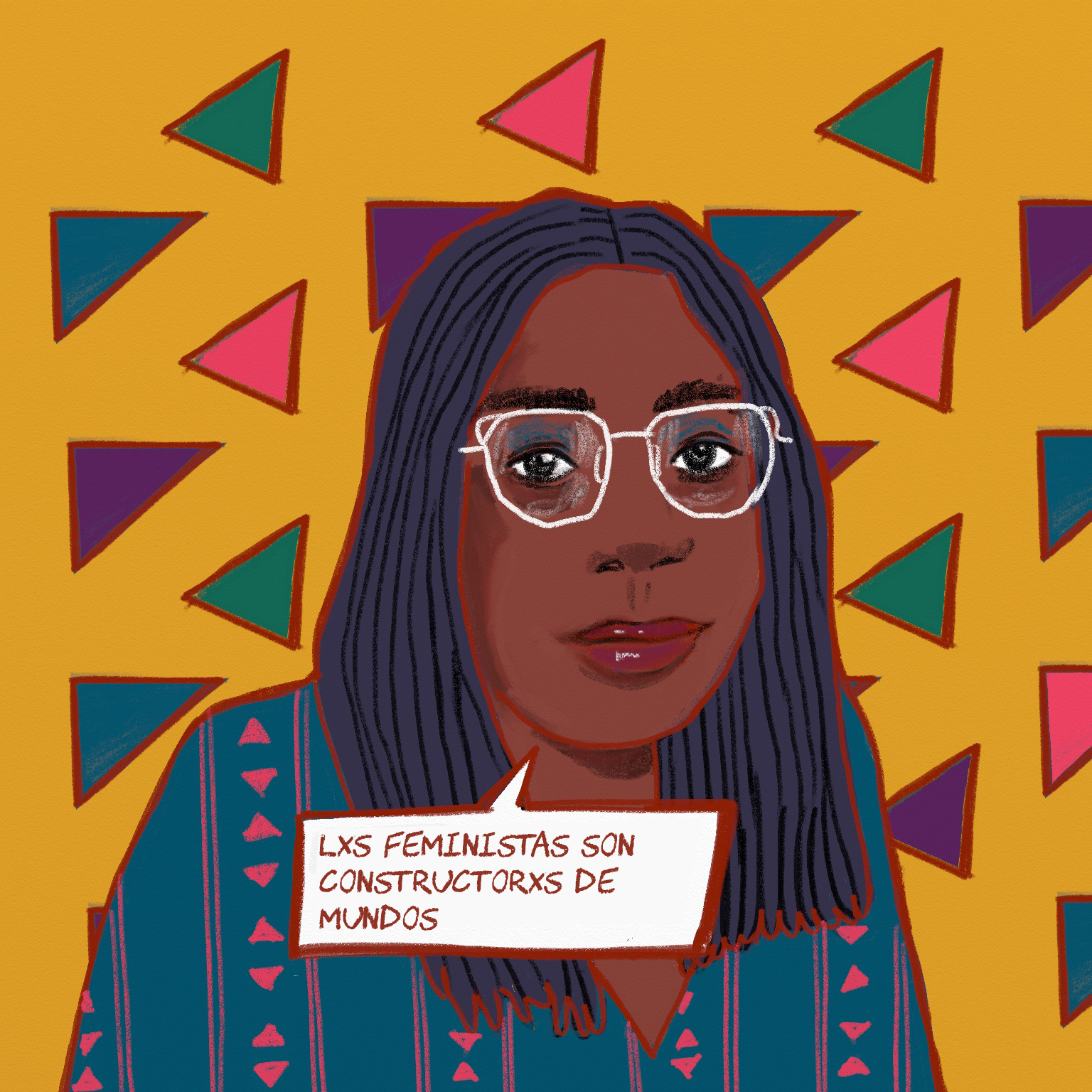
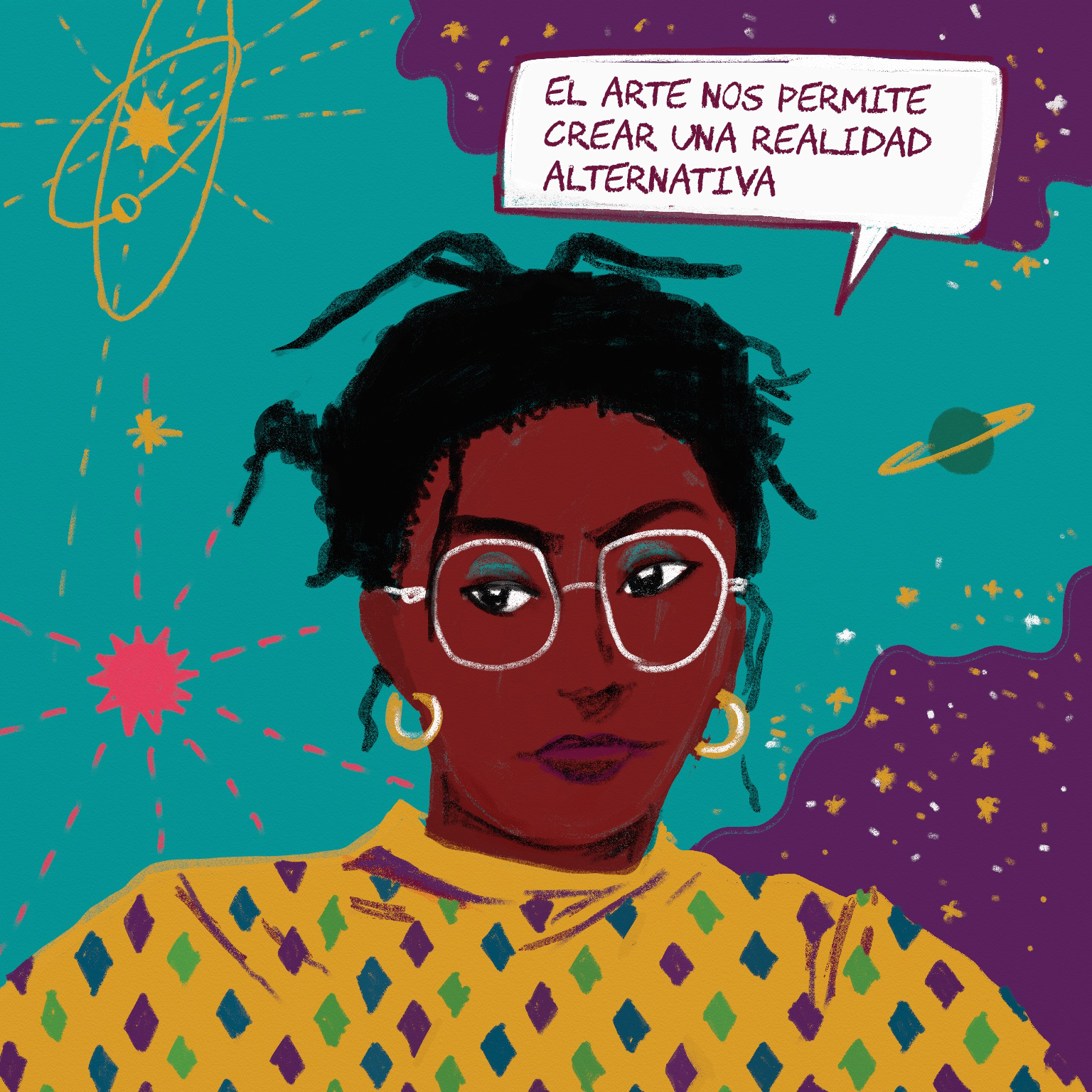
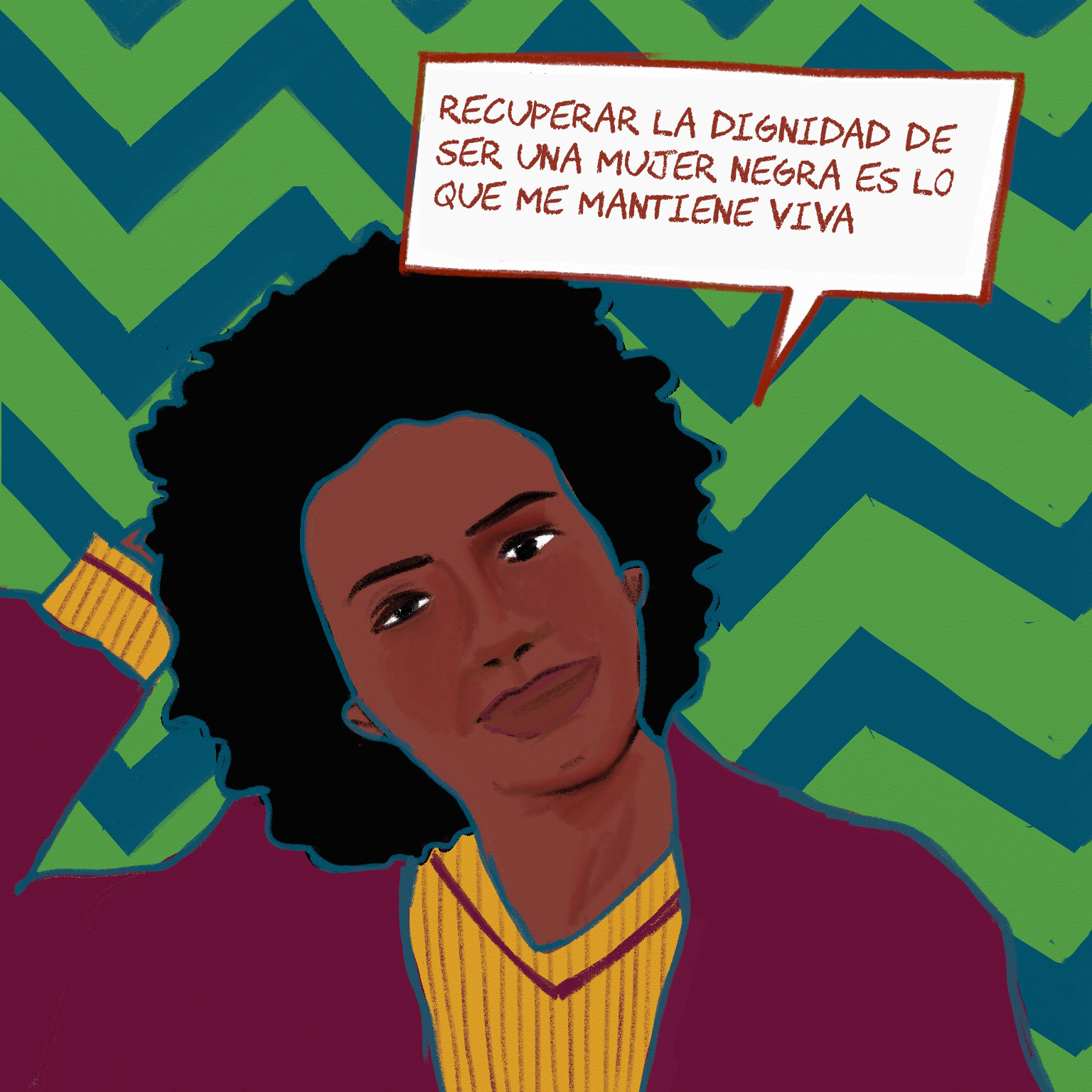
Nazik Abylgaziva, Labrys
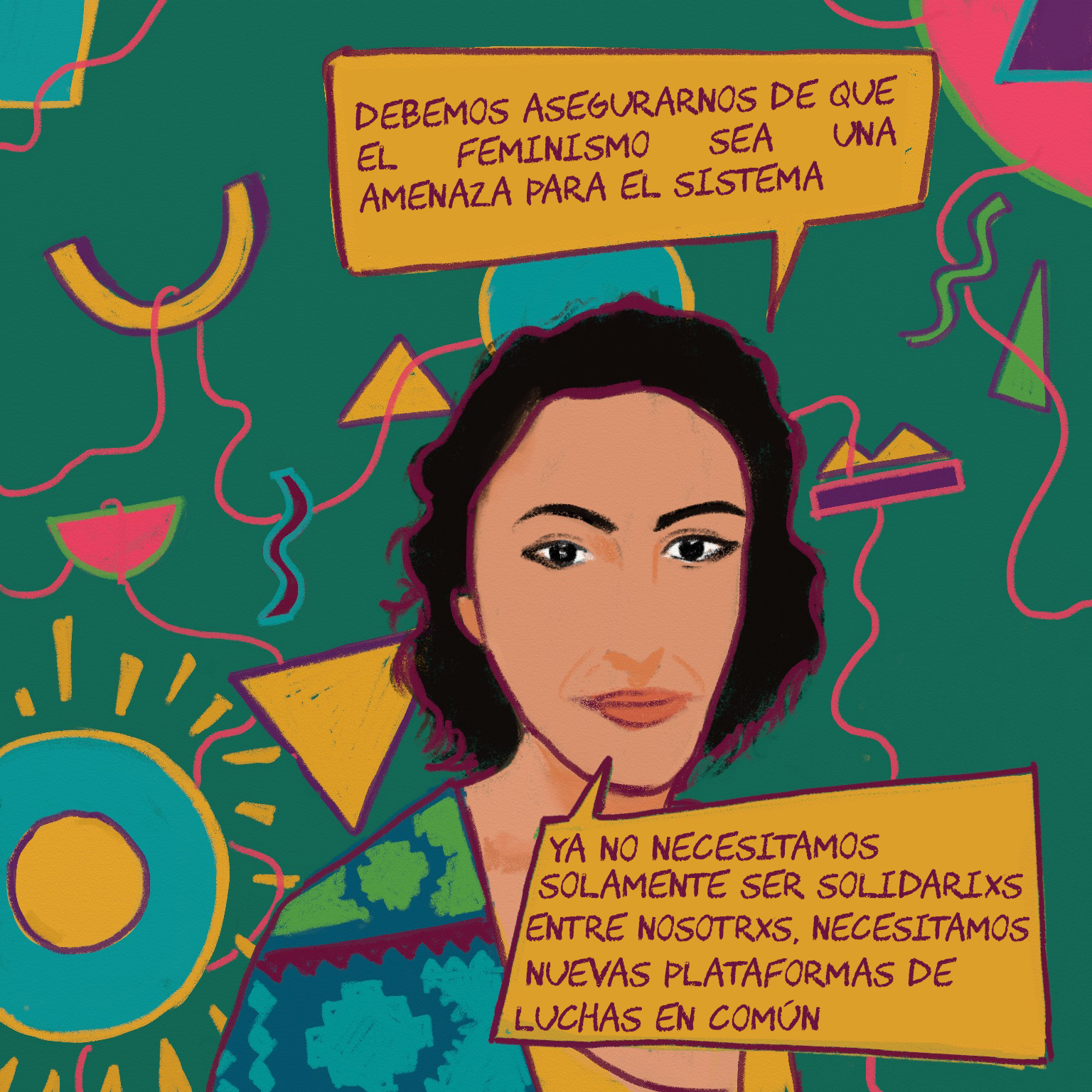
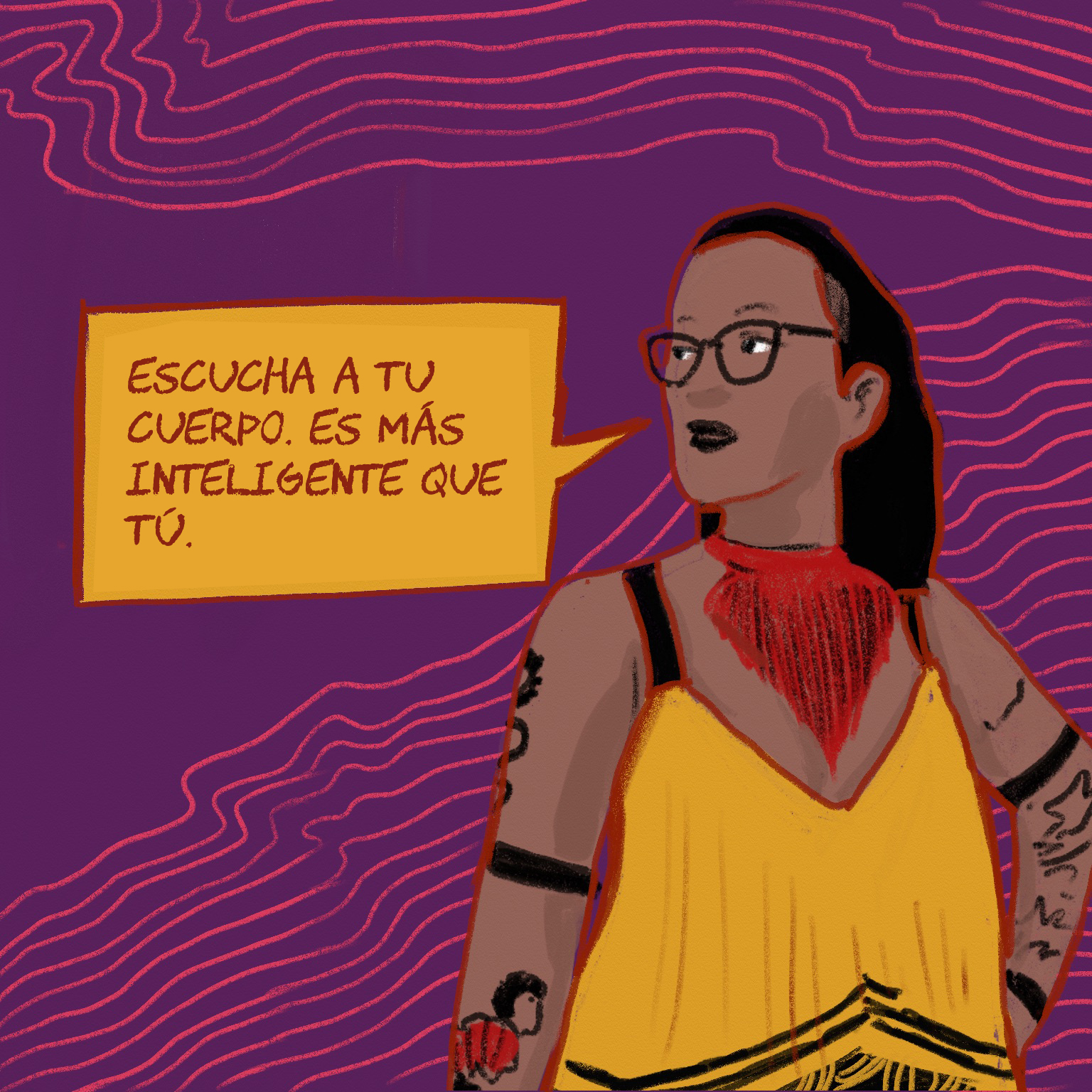
Amaranta Gómez Regalado, Secretariado Internacional de Pueblos Indígenas frente al VIH/sida, la Sexualidad y los Derechos Humanos
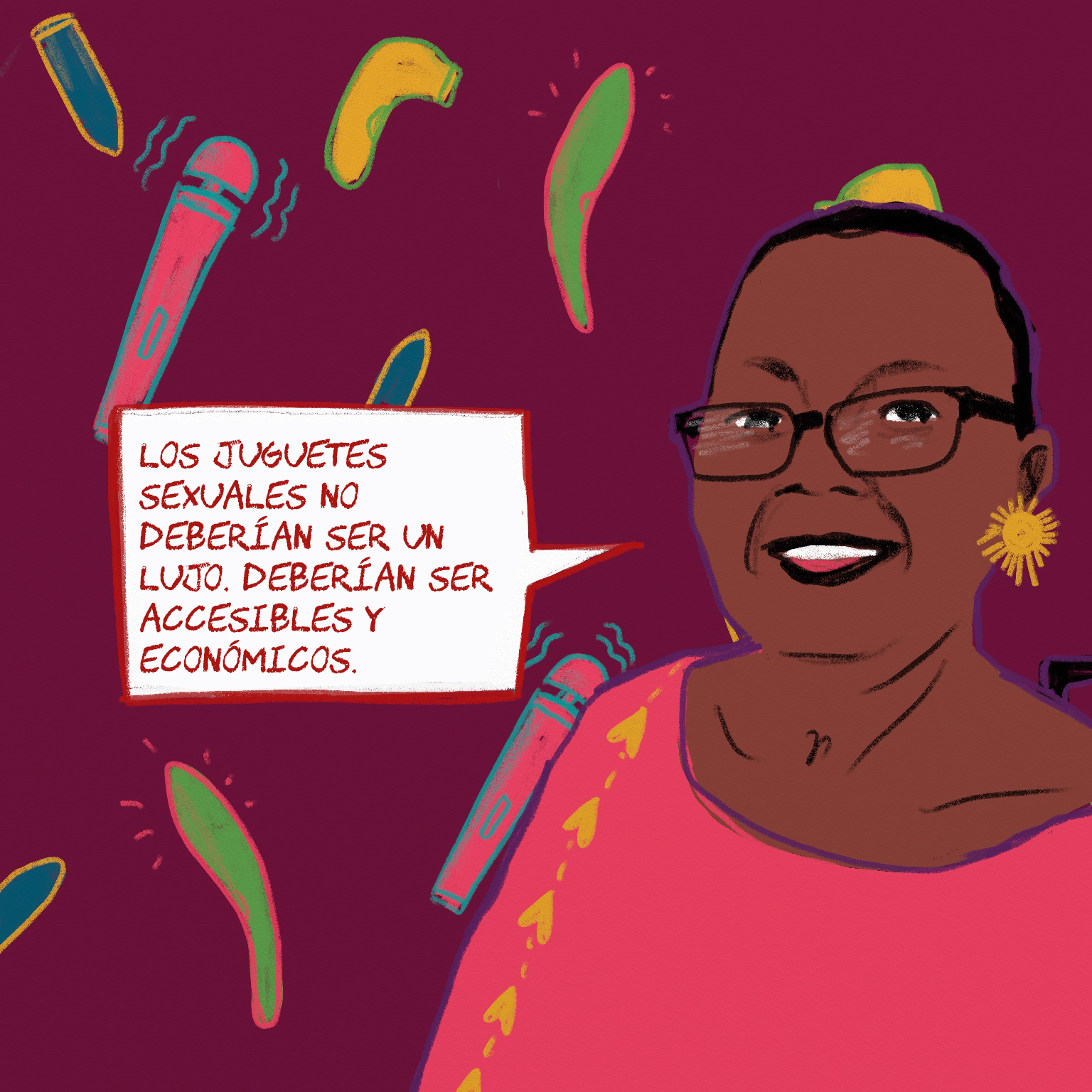
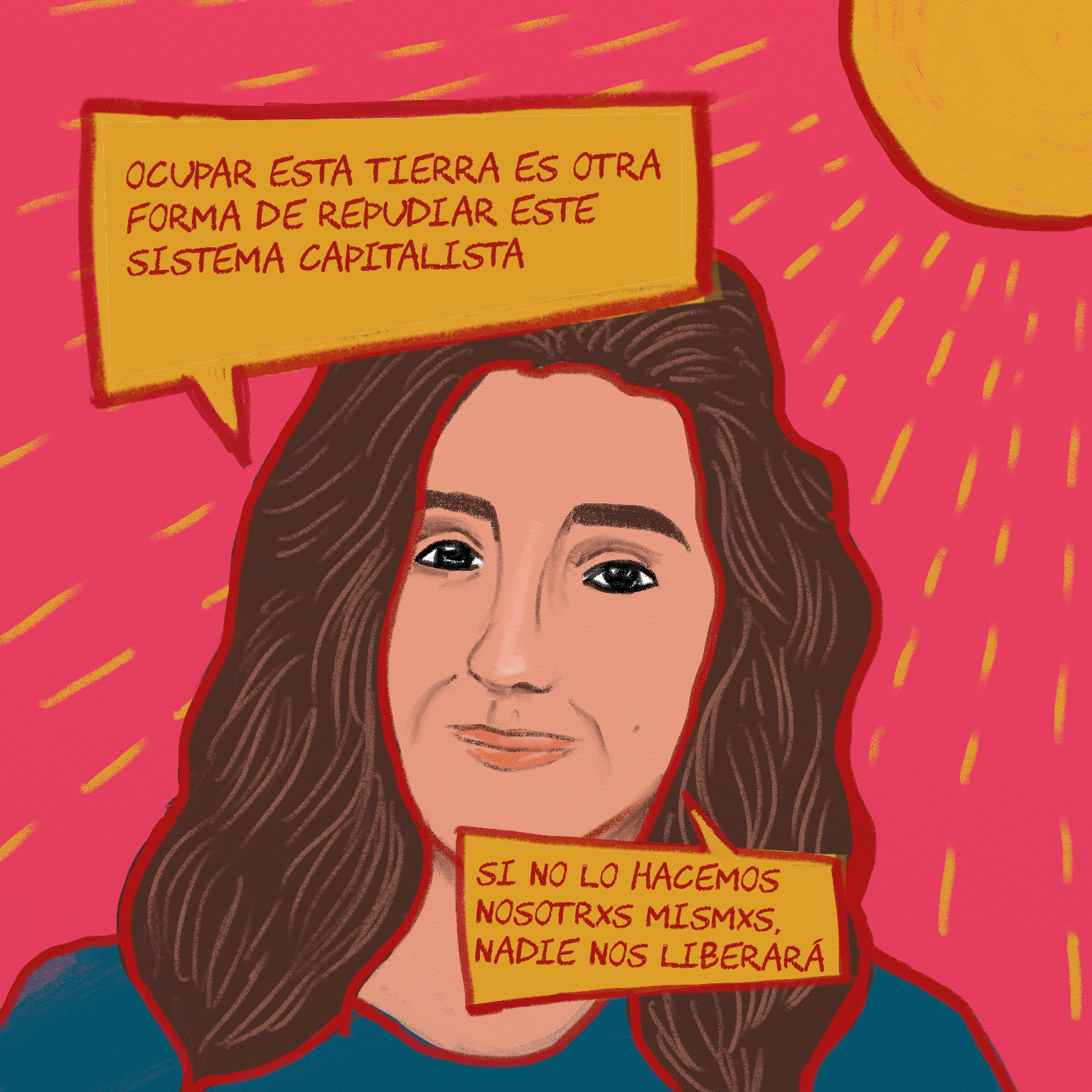
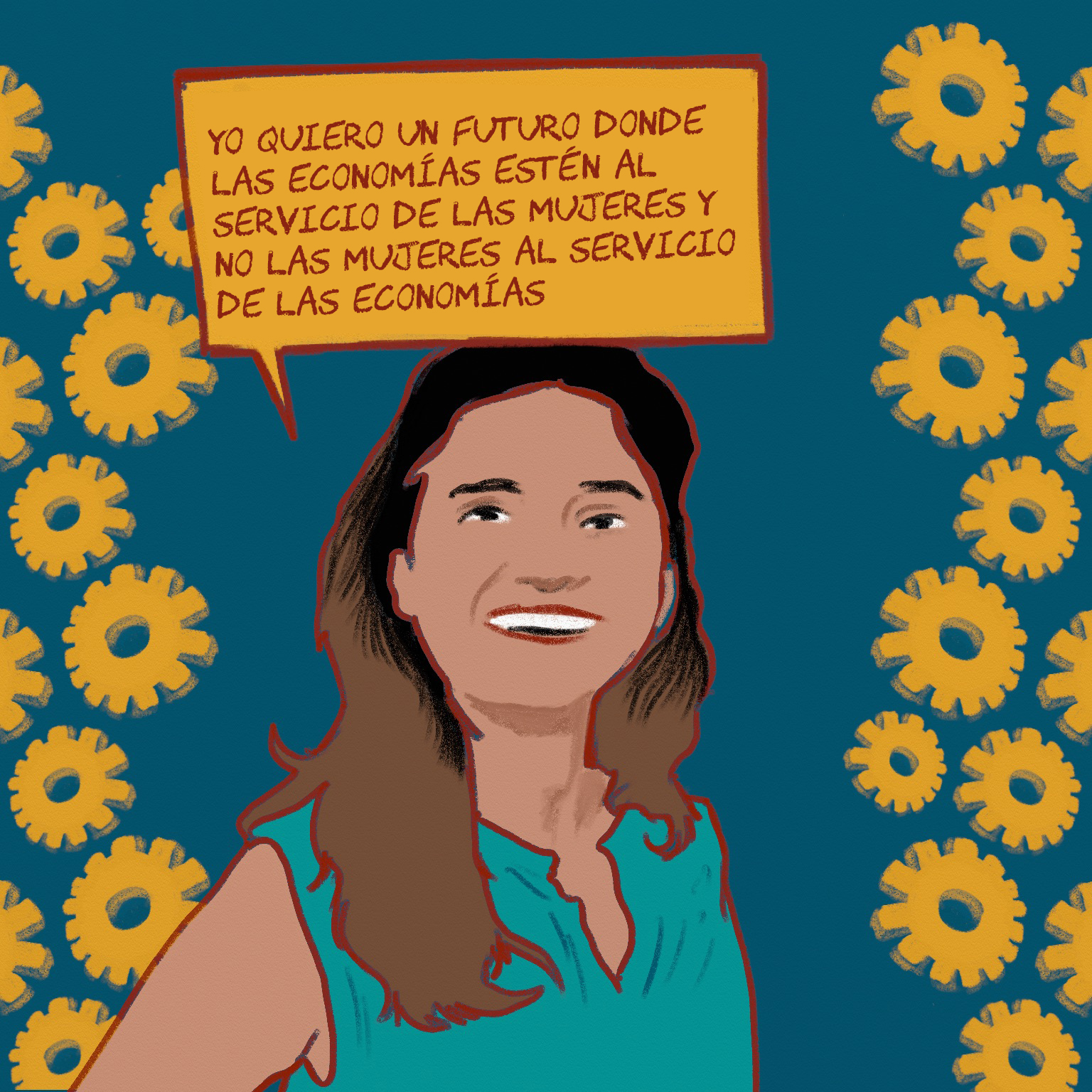
Cindy Weisner, Grassroots Global Justice Alliance
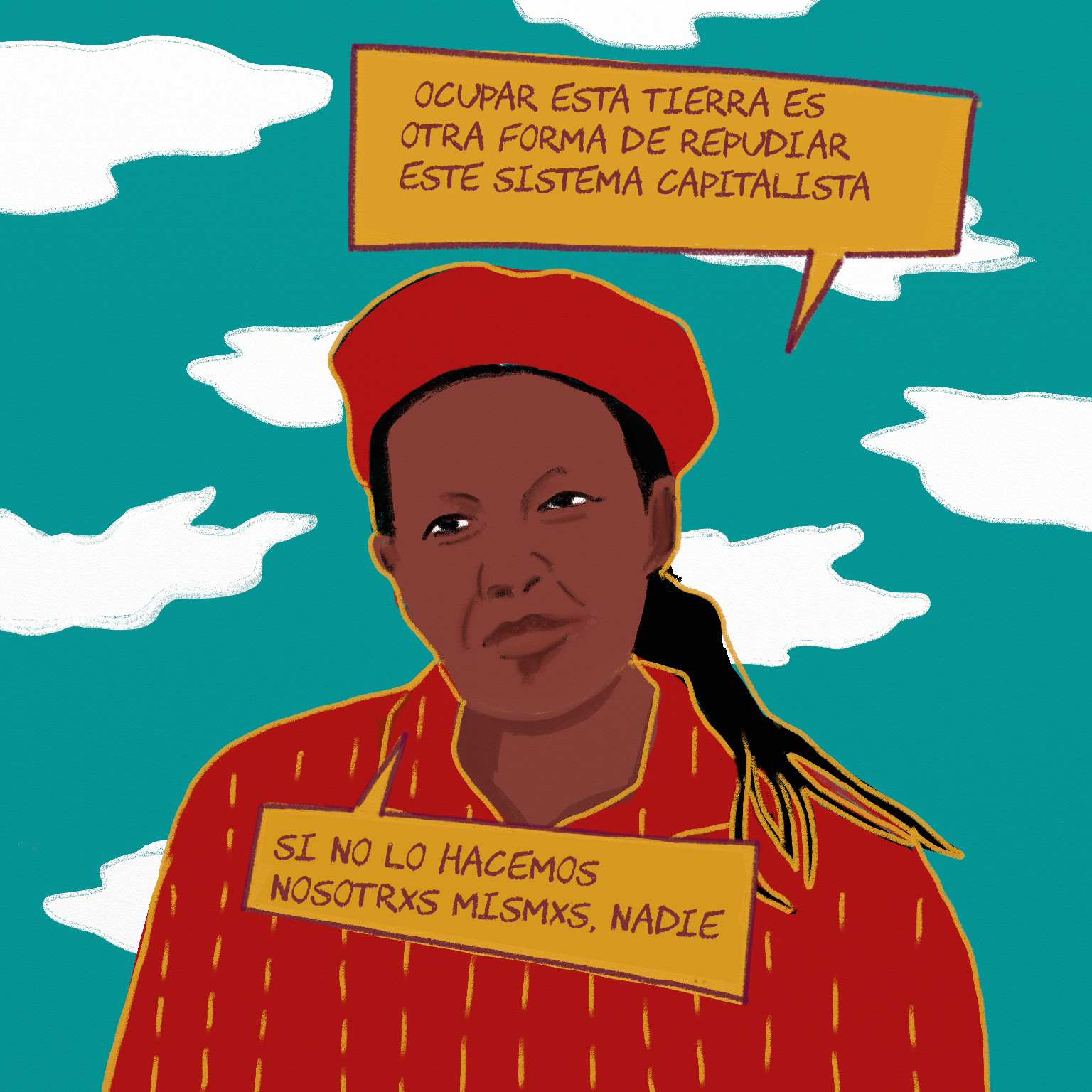
Lucineia Freitas, Movimento Sem Terra
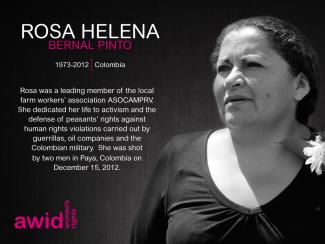
Contenido relacionado
Proceso Digital: Asesinan abogada que fue candidata a diputada en primarias del Partido Nacional

All our annual reports are accessible online.
Oui, tout à fait. Le formulaire actuel vous demande d’énumérer les noms des personnes qui interviendront sur l’activité, même si elles ne sont pas encore confirmées. Nous comprenons bien que des changements peuvent se produire au cours de l’année.
เราจะติดต่อกับองค์กรพาร์เนอร์ในอดีตเพื่อให้มั่นใจว่าความพยายามที่เคยเตรียมไว้ในอดีตมีความหมาย หากองค์กรของคุณมีการเปลี่ยนแปลงข้อมูลติดต่อจากฟอรัมครั้งก่อนหน้ากรุณาแจ้งให้พวกเราทราบเพื่อให้เราสามารถติดต่อถึงคุณได้
diseñado por Ellena Ekarahendy
(Haga clic en la imagen para descargar)

Premier Dialogue de haut niveau sur le financement du développement, 29-30 octobre 2003.
Les dialogues de haut niveau de l’Assemble générale des Nations Unies sur le financement du développement, tenus tous les deux ans, sont l’un des mécanismes de suivi de la Conférence de Monterrey. À la suite de ce premier dialogue, huit tables rondes ont été organisées autour de différentes questions comprenant les subventions agricoles, le commerce, l’allègement de la dette et le financement des OMD. Toutes les discussions se concentraient sur les manières de faire face aux obstacles structurels qui pesaient sur ces questions et défavorisaient les nations « en développement ».
D'autres mécanismes de suivi de la Conférence de Monterrey :
ถ้ากลุ่มหรือองค์กรของคุณได้รับการสนับสนุนเงินทุน คุณสามารถพูดคุยกับแหล่งทุนของคุณได้ตั้งแต่ตอนนี้หากพวกเค้าสามารถสนับสนุนการเดินทางและการเข้าร่วมของคุณได้ หลายองค์กรวางแผนงบประมาณปีหน้าในปี 2566 จึงเป็นการดีกว่าหากสามารถพูดคุยกับพวกเค้าก่อนภายในปีนี้
Peut-être savez-vous déjà que l’AWID fête ses 40 ans en 2022. Mais saviez-vous que nous avons retenu pour thèmes « Rassembler, semer et perturber » ? Pour célébrer cette occasion comme il se doit, nous avons invité des membres, des partenaires et du personnel de l’AWID à écrire leur propre « lettre d’amour aux mouvements féministes ». Ensemble, nous avons créé une constellation de mouvements féministes. Restez près de nous alors que nous poursuivons notre chemin, pour rassembler, semer et perturber !
Une remarque sur notre collection de lettres d'amour :
Toutes ces lettres ont été écrites par des activistes qui font part de leurs expériences diverses au sein des mouvements féministes. Certaines peuvent inclure du contenu difficile ou éprouvant à propos d’abus, de violence sexuelle, de conflit, d’exclusion ou d’autres éléments potentiellement déclencheurs ou perturbants. Ces lettres sont emplies d’amour, mais restez néanmoins attentifs·ves à vos émotions lorsque vous les lirez.