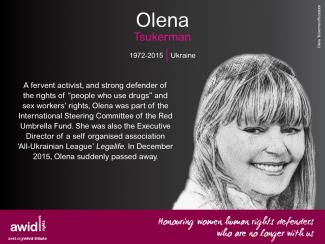
Olena Tsukerman

WHRDs are self-identified women and lesbian, bisexual, transgender, queer and intersex (LBTQI) people and others who defend rights and are subject to gender-specific risks and threats due to their human rights work and/or as a direct consequence of their gender identity or sexual orientation.
WHRDs are subject to systematic violence and discrimination due to their identities and unyielding struggles for rights, equality and justice.
The WHRD Program collaborates with international and regional partners as well as the AWID membership to raise awareness about these risks and threats, advocate for feminist and holistic measures of protection and safety, and actively promote a culture of self-care and collective well being in our movements.
WHRDs are exposed to the same types of risks that all other defenders who defend human rights, communities, and the environment face. However, they are also exposed to gender-based violence and gender-specific risks because they challenge existing gender norms within their communities and societies.
We work collaboratively with international and regional networks and our membership
We aim to contribute to a safer world for WHRDs, their families and communities. We believe that action for rights and justice should not put WHRDs at risk; it should be appreciated and celebrated.
Promoting collaboration and coordination among human rights and women’s rights organizations at the international level to strengthen responses concerning safety and wellbeing of WHRDs.
Supporting regional networks of WHRDs and their organizations, such as the Mesoamerican Initiative for WHRDs and the WHRD Middle East and North Africa Coalition, in promoting and strengthening collective action for protection - emphasizing the establishment of solidarity and protection networks, the promotion of self-care, and advocacy and mobilization for the safety of WHRDs;
Increasing the visibility and recognition of WHRDs and their struggles, as well as the risks that they encounter by documenting the attacks that they face, and researching, producing, and disseminating information on their struggles, strategies, and challenges:
Mobilizing urgent responses of international solidarity for WHRDs at risk through our international and regional networks, and our active membership.
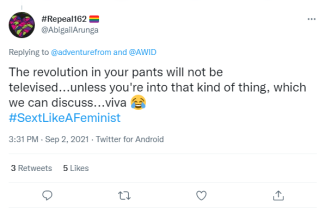
La révolution dans ton froc ne passera pas à la télé… sauf si ce genre de truc t’excite, ce dont on peut parler… en personne [emoji visage avec des larmes de joie].
¿Cuánto sabes sobre financiamiento feminista? 📊 Pon a prueba tu conocimiento sobre la movilización de recursos para el financiamiento de la organización feminista, respondiendo al cuestionario "¿Dónde está el dinero?":
Completa el quiz en línea Descarga la versión para imprimir
Queremos expresar nuestro más sincero agradecimiento a todos los diversos grupos, colectivos y organizaciones feministas de todo el mundo que respondieron a la encuesta WITM. Su participación y sus puntos de vista han sido inestimables y enriquecerán enormemente nuestra comprensión colectiva de los recursos feministas a nivel mundial.
Jemutai es una apasionada amante de las plantas que encuentra inspiración en el mundo natural y su intrincada red de interconexiones. Esta fascinación con las interrelaciones del universo se refleja en su abordaje del trabajo, la construcción de comunidad, el cuidado y el apoyo. Cree en la vibrante presencia de sus ancestres dentro de sí misme, y vive para experimentar, recordar, sostener, apreciar y celebrar sus luchas, triunfos y valores.
Como activista queer, interseccional, feminista y por los derechos humanos, Jemutai ha dedicado su carrera a abogar por la equidad y la inclusividad. Es une apasionade del desarrollo organizacional, con formación en otorgamiento de subvenciones y administración, y ahora está dedicade a crear experiencias de impacto para encuentros y a brindar liderazgo y apoyo operacionales, garantizando que los espacios sean inclusivos, seguros y organizados con precisión y cuidado.
Jemutai también es une firme creyente en la filosofía de Ubuntu: la idea de que «yo soy porque nosotres somos». Esta creencia en nuestra humanidad compartida y en nuestra mutua interdependencia configura su enfoque colaborativo y su compromiso con la promoción de un ambiente inclusivo y que fomenta el apoyo para todes y, en especial, para gente silenciada y marginada.

การเสวนา: ในการเสวนาให้สำรวจปัญหาหรือความท้าทายจากมุมมองที่แตกต่างกัน หรือแบ่งปัน การเรียนรู้หรือประสบการณ์ ตามด้วยคำถามของผู้ฟังหากมีเวลา
รายการทอล์คโชว์: สนทนาแบบเป็นไปเองในรูปแบบรายการทอล์คโชว์ โดยอาจเป็นการสนทนา ร่วมกันหลายคน มีพิธีกรเป็นผู้ดำเนินรายการ คำถามของผู้ฟังสามารถกำหนดทิศทางของการสนทนาได้
การอภิปราย: วงสนทนาอภิปรายอาจอยู่ในรูปแบบเวิร์ลคาเฟ่ วงอ่างปลา (fishbowls) และรูปแบบอื่นๆ ที่เอื้อให้ผู้เข้าร่วมมีส่วนร่วมในการสนทนามากขึ้น
การประชุมเชิงปฏิบัติการ (workshop): เป็นกิจกรรมเชิงโต้ตอบที่เชิญชวนผู้เข้าร่วมสร้างทักษะใหม่ๆในทุกด้านของชีวิตและการเคลื่อนไหวผ่านกิจกรรมและการปฏิบัติ
หัวข้อยุทธศาสตร์: เป็นการเชิญชวนให้คิดผ่านประเด็นหรือยุทธศาสตร์ในเชิงลึกร่วมกับคนอื่น เปิดพื้นที่ สำหรับเรียนรู้กันและกัน สิ่งใดได้ผล ไม่ได้ผล และเราจะพัฒนายุทธศาสตร์ใหม่ๆร่วมกันเพื่อสร้างโลกที่ เราใฝ่ฝันได้อย่างไร
วงแลกเปลี่ยนของคนแนวเดียวกัน: (หรือที่เรียกว่า "Birds of a Feather") เหมาะสำหรับกลุ่มเล็กๆ ในบรรยากาศที่ใกล้ชิดยิ่งขึ้น เพื่อรับฟังความคิดเห็นของกันและกัน จุดประกาย การอภิปราย และ หยิบยกประเด็นหัวข้อที่เฉพาะเจาะจง ละเอียดอ่อน และซับซ้อนอย่างระมัดระวัง
ศิลปะ - การประชุมเชิงปฏิบัติการแบบมีส่วนร่วม: กิจกรรมศิลปะอย่างมีส่วนร่วม และการแสดงออก อย่างสร้างสรรค์ ไม่ว่าจะเป็นทัศนศิลป์ การละคร ภาพยนตร์ จิตรกรรมฝาผนัง การเต้นรำ ดนตรี งานฝีมือ หรือการสร้างงานศิลปะ ฯลฯ เรายินดีรับทุกแนวคิดที่เชิดชูศิลปะ และความคิดสร้างสรรค์แนวสตรีนิยมใน รูปแบบของการเปลี่ยนแปลงทางสังคม การเยียวยา การแสดงออก และการเปลี่ยนแปลง
ศิลปะ - การแสดง ศิลปะจัดวาง และนิทรรศการ: เรายินดีรับผลงานที่นำเสนอประสบการณ์ และมุมมองใหม่ๆแก่ผู้เข้าร่วมประชุมในเวทีนี้เพื่อขยายขอบเขตของเรา สร้างความท้าทายและสร้าง แรงบันดาลใจ ให้เราคิด รู้สึก และจัดการด้วยวิธีใหม่ๆ
การเยียวยาและบำบัด: กิจกรรมหลากหลายที่เหมาะกับกลุ่มและปัจเจกบุคคล ตั้งแต่การเรียนรู้เทคนิค การผ่อนคลาย ไปจนถึงการพูดคุยถึงการป้องกันภาวะหมดไฟ และตั้งแต่การดูแลร่างกาย จิตใจและ จิตวิญญาณ โดยคำนึงถึงบาดแผลทางจิตใจ ไปจนถึงการเยียวยารอยร้าวในขบวนการเคลื่อนไหวของเรา

Lindiwe Rasekoala is a life coach who specializes in intimacy and relationship wellness coaching. She is a sexual health enthusiast and online contributor. Through her own experiences and unconventional methods of research, she believes she can bridge the education gap and lack of access to information around sexual wellness. She is a contributor on various radio and television shows, and has completed her coach training with the Certified Coaches Alliance. Lindiwe’s mission is to break down the barriers to conversations around sexual wellness and to empower her clients to achieve greater understanding of themselves so that they can experience a more healthy and holistic lifestyle and relationships.
Lisez nos recherches sur le financement, sur les défenseuses des droits humains, sur la création de mouvements, sur les fondamentalismes, la justice économique et beaucoup plus

L’AWID a fait ses débuts en 1982 et s’est transformée au fil du temps.
Lire « From WID to GAD to Women's Rights: The First 20 Years of AWID » (disponible uniquement en anglais).
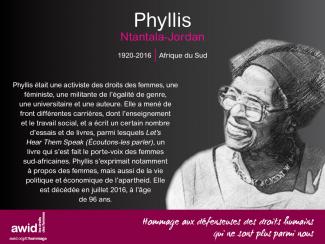

لويز ماليرب، مبرمجة أفلام وقيّمة معارض وناقدة أفلام مقيمة في برلين. عملت كمبرمجة أفلام لجمعية متروبوليس للسينما في بيروت. حاليا تنسق لويز مشروع ريل ستريمز الذي يهدف إلى دعم نشر السينما المستقلة في المنطقة العربية. هي رئيسة قسم البرمجة لمهرجان صورة السينمائي، وهو مهرجان أفلام كويرية يركز على منطقة جنوب غرب آسيا وشمال أفريقيا. تكتب لويز النقد السينمائيين لـ مانيفستو XXI، وقد بدأت مؤخرًا تنظيم الأفلام والمهرجانات لسينما عقيل.
From 27 - 30 April, 2026, AWID will be at the Women Deliver 2026 Conference, co-creating a political home with feminist and gender justice movements that is rooted in transnational care and solidarity.
In a time when fascism and militarization continue to rise globally, feminist connection and solidarity across borders is what we truly need. We are organizing multiple spaces at Women Deliver and online to connect movements with each other in conversations to build feminist agendas of solidarity and action.
We and cannot review funding proposals or requests.
We encourage you to browse our list of donors that may potentially fund your women's rights organizing.
More resources are available from the Priority Area “Resourcing Feminist Movements”
Todos nuestros informes anuales estan disponibles en línea.
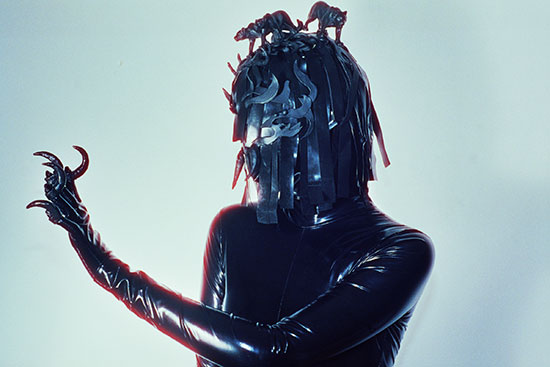

الخامسة مساءً، اليوم
خطّ كتابة الدعوة –
متحفّظ وجاف –
رأيته خمس مرّات في خمس سنوات.
جسدي مُستنفَر،
محموم.
أحتاج لمضاجعة نفسي أوّلًا.
المدُّ عالٍ الليلة
وأنا
أنتشي.
أريدُ إبطاءَ كلَّ شيء،
واستطعام الوقت والفراغ،
أن أحفرهما
في الذاكرة.
*
لم آتِ أبدًا إلى هذا الجزء من البلدة.
الأماكن المجهولة تثيرني،
[كذلك] الطريقة التي تقاوم بها الأشلاء والعروق والعظام
الاضمحلال،
مصيرهم غامض.
عند الباب أعيدُ التفكير.
الرواق قاتم السواد
يجعلني أتوقّف.
على الناحية الأخرى،
مثل اللعنة، يُفتَح باب
من الروائح والألوان
على عَصْرٍ مُشمس.
النسيم
يجعل شعري يرقص،
يثير فضوله،
يدفعه للحركة.
أسمعُ أزيزَ الكرسي المتحرّك،
يشكّل الظلال.
عندها أراهم:
وجه فهد
وجسدٌ مثل جسدي
وأجِدني راغبة بكليهما
مرّة أخرى.

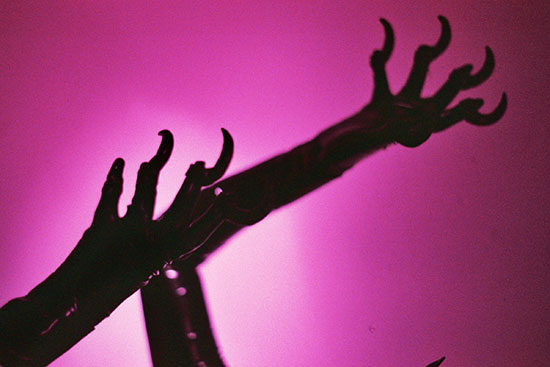
يقترب المخلوق منّي.
إيماءاتهم تكتب جملة؛
كلّما اقتربت منهم،
أتبيّن تفاصيلها:
ذبول، لحم، غِبطة
بأمر ٍمنهم، تزحف الكرمة
التي تغطّي الرُواق
مُعانقةً الصخور الدافئة
وتتسلّق الحائط كالأفعى.
لقد أصبح فعلًا،
«أن تقفز»،
أُعيدَ توجيهي عندما أشارت مخالبهم
نحو سرير الكرم في المنتصف.
أسمع العجلات خلفي،
ثم أسمع ذلك الصوت.
يُدوي
بشكلٍ لا مثيل له.
أجنحتهم الطويلة السوداء
ترتفع نحو السقف
ثم تندفع للأمام.
عينا الهرّة تفحص كلّ تفصيلة،
كلّ تغيّر،
كلّ تَوق.
هل يمكن أن تُذيب الرغبة عضلاتك؟
هل يمكن أن تكون أحلى من أقوى المهدّئات؟
فهدٌ يخيط العالم،
عبرَ اختلافاتنا،
غازلًا الدانتيل حول ركبتيَّ.
هل يمكن للرغبة أن تسحق تباعُد العالم،
أن تكثّف الثواني؟
مازالوا يقتربون،
تلتقي عين الفهد بعين الإنسان،
تتنشّق الهواء،
تُحوِّل الجسد إلى
إلحاح.
يخفقون بأجنحتهم للأسفل.
هائجة،
تلتفّ الكرمة حول خصري/ خسارتي.

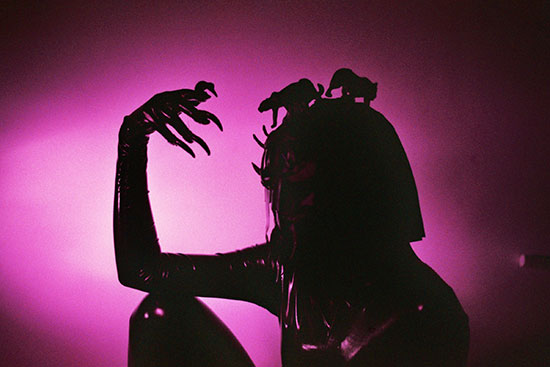
لسانهم يرقّق الوقت،
تتبدّل الآراء،
يُسكِّن، بسحرهم،
ما يشتعل أسفل [السطح].
أرى العالم فيك، والعالم مُنهَك.
ثم يتوسّلون:
دعيني أقتات عليك.