Mariel Araya
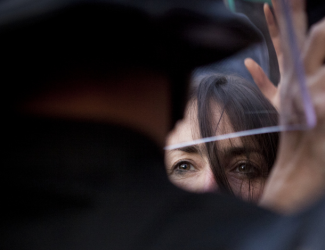
WHRDs are self-identified women and lesbian, bisexual, transgender, queer and intersex (LBTQI) people and others who defend rights and are subject to gender-specific risks and threats due to their human rights work and/or as a direct consequence of their gender identity or sexual orientation.
WHRDs are subject to systematic violence and discrimination due to their identities and unyielding struggles for rights, equality and justice.
The WHRD Program collaborates with international and regional partners as well as the AWID membership to raise awareness about these risks and threats, advocate for feminist and holistic measures of protection and safety, and actively promote a culture of self-care and collective well being in our movements.
WHRDs are exposed to the same types of risks that all other defenders who defend human rights, communities, and the environment face. However, they are also exposed to gender-based violence and gender-specific risks because they challenge existing gender norms within their communities and societies.
We work collaboratively with international and regional networks and our membership
We aim to contribute to a safer world for WHRDs, their families and communities. We believe that action for rights and justice should not put WHRDs at risk; it should be appreciated and celebrated.
Promoting collaboration and coordination among human rights and women’s rights organizations at the international level to strengthen responses concerning safety and wellbeing of WHRDs.
Supporting regional networks of WHRDs and their organizations, such as the Mesoamerican Initiative for WHRDs and the WHRD Middle East and North Africa Coalition, in promoting and strengthening collective action for protection - emphasizing the establishment of solidarity and protection networks, the promotion of self-care, and advocacy and mobilization for the safety of WHRDs;
Increasing the visibility and recognition of WHRDs and their struggles, as well as the risks that they encounter by documenting the attacks that they face, and researching, producing, and disseminating information on their struggles, strategies, and challenges:
Mobilizing urgent responses of international solidarity for WHRDs at risk through our international and regional networks, and our active membership.
لغات العمل في جمعية حقوق المرأة في التنمية هي الإنجليزية والفرنسية والإسبانية. ستتم إضافة اللغة التايلاندية كلغة محلية، بالإضافة إلى لغة الإشارة وإجراءات الاتصال الأخرى. يمكن إضافة لغات أخرى إذا سمح التمويل بذلك، لذا تحقق/ي مرة أخرى بانتظام للحصول على التحديثات. نحن نهتم بالعدالة اللغوية وسنحاول تضمين أكبر عدد ممكن من اللغات بقدر ما تسمح به مواردنا. نأمل في خلق فرص متعددة للكثيرين/ات منا للتواجد بلغاتنا والتواصل مع بعضنا البعض.
يرجى حساب تكاليف السفر إلى بانكوك، والإقامة والبدل اليومي، والتأشيرة، وأي احتياجات خاصة بإمكانية الوصول، والنفقات الطارئة، بالإضافة إلى رسوم التسجيل التي سيتم الإعلان عنها قريبًا. تتراوح أسعار الفنادق في منطقة سوكومفيت في بانكوك ما بين 50 دولارًا أمريكيًا إلى 200 دولار أمريكي في الليلة الواحدة في حالة حجز غرفة مزدوجة.
يحصل أعضاء جمعية حقوق المرأة في التنمية على خصم عند التسجيل، لذلك إذا لم تكن عضوًا/ة بعد، فإننا ندعوك إلى التفكير في أن تصبح عضوًا/ة والانضمام إلى مجتمعنا النسوي العالمي.
Tonya Haynes, CAISO
Angelique V. Nixon, CAISO

لقد كان منتدى جمعية حقوق المرأة في التنمية دائمًا مساحة لا تخجل من النقاشات الصعبة والمطلوبة بشدة. نحن نرحب بهذه المشاركات عندما يتمكن المنظمون/ات بعناية من توفير الاحترام والأمان في المساحة للمشاركين/ات.
Naike Ledan
Semi Kaefra Alisha Fermond, Trans Rights Activist ACIFVH
Natalie Desrosiers
Fédorah Pierre-Louis
نحن ندرك تمامًا العقبات العملية والضغوط العاطفية المرتبطة بالسفر الدولي، وخاصة من الجنوب العالمي. تعمل جمعية حقوق المرأة في التنمية مع TCEB (مكتب تايلاند للمؤتمرات والمعارض) لدعم المشاركين/ات في المنتدى في الحصول على التأشيرات. سيتم توفير المزيد من المعلومات حول هذه المساعدة للحصول على التأشيرة عند التسجيل، بما في ذلك معلومات الاتصال الخاصة بمكان وكيفية التقديم.
Voulez-vous vous inspirer des stratégies de résistance créatives des féministes du monde entier ? Souhaitez-vous découvrir des initiatives féministes qui nous montrent comment nous pouvons tou.te.s vivre dans un monde plus juste ? Voulez-vous en savoir plus sur les modèles de soins et de guérison féministes à apporter à votre propre communauté ? Est-ce un oui retentissant que nous entendons ? OUI!
Alors consultez Crear | Résister | Transform : un festival pour les mouvements féministes. Ce festival s'est déroulé virtuellement tout au long du mois de septembre 2021 sur toutes les plateformes de l'AWID, et vous pouvez désormais en faire l'expérience à votre rythme.
Les sessions ci-dessous sont pour vous et tou.te.s les incroyables militant.e.s féministes et de justice sociale que vous connaissez. Rassemblons-nous pour partager nos stratégies de résistance, co-créer de la magie féministe et transformer ce monde ensemble.
Les exposant.e.s ont participé en parlant leur langue préférée et à AWID, nous avons inclus des sous-titres sur les vidéos pour votre accessibilité.