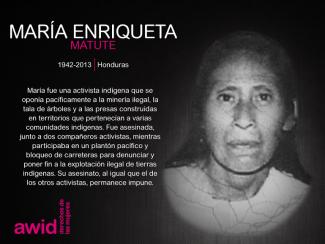
Maria Enriqueta Matute
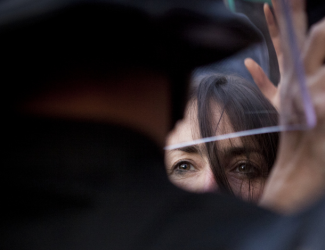
WHRDs are self-identified women and lesbian, bisexual, transgender, queer and intersex (LBTQI) people and others who defend rights and are subject to gender-specific risks and threats due to their human rights work and/or as a direct consequence of their gender identity or sexual orientation.
WHRDs are subject to systematic violence and discrimination due to their identities and unyielding struggles for rights, equality and justice.
The WHRD Program collaborates with international and regional partners as well as the AWID membership to raise awareness about these risks and threats, advocate for feminist and holistic measures of protection and safety, and actively promote a culture of self-care and collective well being in our movements.
WHRDs are exposed to the same types of risks that all other defenders who defend human rights, communities, and the environment face. However, they are also exposed to gender-based violence and gender-specific risks because they challenge existing gender norms within their communities and societies.
We work collaboratively with international and regional networks and our membership
We aim to contribute to a safer world for WHRDs, their families and communities. We believe that action for rights and justice should not put WHRDs at risk; it should be appreciated and celebrated.
Promoting collaboration and coordination among human rights and women’s rights organizations at the international level to strengthen responses concerning safety and wellbeing of WHRDs.
Supporting regional networks of WHRDs and their organizations, such as the Mesoamerican Initiative for WHRDs and the WHRD Middle East and North Africa Coalition, in promoting and strengthening collective action for protection - emphasizing the establishment of solidarity and protection networks, the promotion of self-care, and advocacy and mobilization for the safety of WHRDs;
Increasing the visibility and recognition of WHRDs and their struggles, as well as the risks that they encounter by documenting the attacks that they face, and researching, producing, and disseminating information on their struggles, strategies, and challenges:
Mobilizing urgent responses of international solidarity for WHRDs at risk through our international and regional networks, and our active membership.
ตอบแบบสั้นคือ ใช่! AWID กำลังทำงานร่วมกับคณะกรรมการการเข้าถึงเพื่อให้มั่นใจว่าฟอรัมนี้จะสามารถเข้าถึงได้มากที่สุดเท่าที่จะเป็นไปได้ เรากำลังทำการตรวจสอบการเข้าถึงสถานที่จัดงานฟอรัม โรงแรมโดยรอบ และการคมนาคมขนส่ง ข้อมูลโดยละเอียดเกี่ยวกับการช่วยการเข้าถึงของ AWID ฟอรัม จะถูกอัปเดทเนื้อหาที่นี่ก่อนที่จะเปิดการลงทะเบียน ในระหว่างนี้ หากมีคำถามใดๆ โปรดติดต่อเรา
Como expresión de nuestro compromiso con hacer que todos los aspectos del Foro AWID sean accesibles, aceptaremos propuestas en forma de audio/video cuando se trate de personas/organizaciones/grupos que no puedan enviarlas por escrito. Si decides enviar tu propuesta en formato de audio/video, por favor responde las preguntas en el mismo orden en que aparecen en el Formulario para Presentar Actividades.
Para presentar un archivo de audio/video, por favor escríbenos utilizando nuestro formulario de contacto. Seleccione «propuesta de actividad» como asunto de mensaje.
Término de las comunidades negras del Norte del Cauca para la minga, el trabajo colaborativo en fincas, basado en el apoyo mutuo y la solidaridad.
This year, we, alongside feminist activists from across the world, will be at CSW68 in New York, to challenge capitalist, neoliberal narratives and false solutions around poverty, development and financing. Through in-person events, lives on our socials, an exhibit booth and more; we are showing up to convene, amplify and support the voices and participation of our members, partners and allies.
Learn more about our program this year below.
El costo de inscripción para el Foro de AWID cubre, para todxs lxs participantes:

✉️ Sur invitation uniquement
📅Mardi 12 mars
🕒14 h - 15 h 30 HNE
Organisateur : Consortium de l'Observatoire sur l'universalité des droits (OURs)
🏢Blue Gallery, 222 E 46th St, New York
Más que un simple evento, el Foro de AWID es parte de nuestro Viaje de Realidades Feministas, con muchos espacios en los cuales reunirse, en línea o en forma presencial, para compartir, discutir, elaborar estrategias, y crear conjuntamente realidades feministas.
Infórmate sobre el Viaje de Realidades Feministas y sobre todo lo que sucederá en este Viaje antes del Foro. ¡Y mantente sintonizadx para los anuncios post-Foro!
Estamos estudiando opciones para la participación virtual en el Foro, y compartiremos la información cuando sepamos qué podemos ofrecer.
Nous sommes ravis de partager notre nouveau Plan stratégique (2023-2027) avec tout le monde. Bien tôt, AWID fera une annonce pour informer notre communauté et nos membres.
L’Association pour les droits des femmes dans le développement (AWID) est une organisation féministe, associative et internationale de soutien aux mouvements.
Depuis plus de 35 ans, l’AWID fait partie d’un incroyable écosystème des mouvements féministes qui oeuvrent en faveur de la justice de genre et des droits humains des femmes à travers le monde.
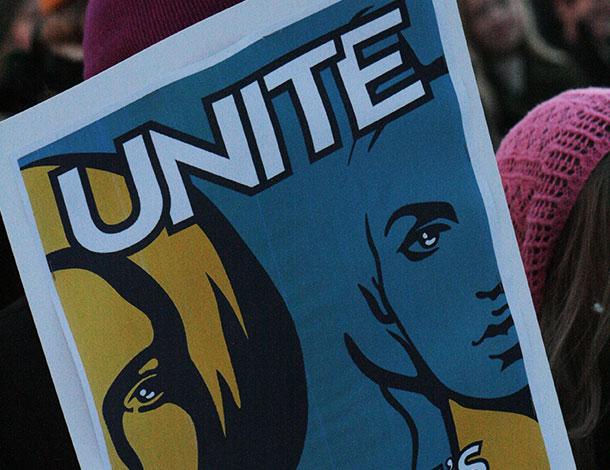
L’AWID imagine un monde où les réalités féministes prospèrent, où les ressources et le pouvoir sont partagés de façon à permettre à chacun-e, y compris aux générations futures, de s’épanouir et de réaliser leur plein potentiel dans la dignité, l’amour et le respect et où la Terre nourrit la vie dans toute sa diversité.
Notre mission est d’aider les mouvements féministes, en faveur des droits des femmes et de la justice de genre à s’épanouir, à être un élément moteur de l’opposition aux systèmes d’oppression et à co-créer des réalités féministes.
Nous promouvons notre travail au travers des stratégies suivantes:
Nous tirons collectivement parti de notre portée, de notre pouvoir, de nos ressources et de nos relations afin d’influencer stratégiquement les politiques et les pratiques. Nous visons à promouvoir les programmes féministes à travers les collaborations que nous menons avec les décideurs politiques, les fonda-trices-teurs et les activistes au sein des espaces régionaux et internationaux. Dans le cadre des efforts que nous déployons pour renforcer notre pouvoir et influence collectifs, nous incitons également les mouvements féministes et de lutte pour les droits des femmes à accorder une place centrale aux mouvements historiquement opprimés.
Nous nous servons de notre pouvoir mobilisateur pour faciliter le dialogue et élaborer des stratégies sur des questions clés. Nous connectons nos membres et nos allié-e-s les une-s- aux autres, et partageons et échangeons nos ressources, nos idées et nos actions sur des questions pertinentes. Nous organisons des rassemblements et mettons à disposition des espaces nous permettant de consolider nos mouvements et de nouer des rapports les un-e-s avec les autres, d’imaginer et d’envisager de nouveaux horizons, de développer des stratégies d’influence efficaces et de créer ensemble des programmes et des processus importants.
Nous mobilisons nos membres et les mouvements que nous soutenons pour consolider l’action collective en solidarité avec les causes et les défenseur-e-s féministes en danger. Nous créons des partenariats, pratiquons l’écoute active et tissons des liens de solidarité continus et sur le long terme. Aux côtés de défenseur-e-s, nous oeuvrons à établir une base de connaissances et à soutenir des réseaux de solidarité autour de la protection et du bien-être.
Nous reconnaissons la valeur unique des stratégies culturelles et créatives dans la lutte contre les oppressions et l’injustice. Nous travaillons avec des artistes qui accordent une place prépondérante aux voix féministes et aux récits des communautés historiquement opprimées. Nous voyons en cette tactique émergente l’art et l’expression créative comme autant de moyens nous permettant d’imaginer un monde où l’on continue de célébrer des réalités féministes, et où ces dernières continuent de prospérer.
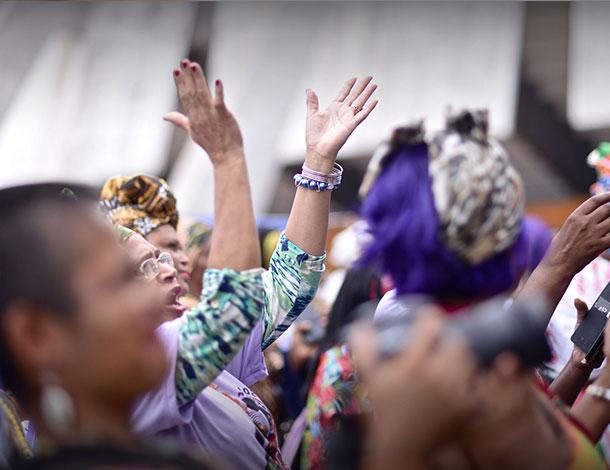
Nos initiatives oeuvrent à l’intersection des zones de changement que nous abordons, des mouvements que nous priorisons et des stratégies que nous déployons:
Nous surveillons, documentons et visibilisons la façon dont les acteurs anti-droits opèrent et conspirent au sein des espaces multilatéraux, et soutenons les mouvements et allié-e-s féministes, oeuvrant en faveur des droits des femmes et de la justice de genre pour contrer leur influence et leur impact.
En travaillant sur l’extractivisme, la justice fiscale et la responsabilisation des entreprises, nous acquérons des connaissances sur le pouvoir des entreprises et leur influence; nous plaidons pour la responsabilisation des entreprises et la distribution équitable des richesses; et amplifions les propositions féministes en faveur d’économies plus justes.
Nous développons des analyses accessibles et orientées vers l’action concernant l’état des ressources attribuées aux mouvements féministes. Nous nous efforçons d’influencer les pratiques et politiques des donateurs, d’approfondir et maintenir les subventions en faveur de changements sociaux féministes et de soutenir les besoins et les stratégies des mouvements.
L’AWID s’engage expressément à avoir de l’impact dans le monde et à renforcer nos propres résiliences et apprentissages organisationnels afin de consolider davantage les mouvements féministes internationaux.
Sans le généreux soutien et le financement de nos donateur-e-s, notre travail ne serait pas possible.
Through in-person events, lives on our socials, an exhibit booth and more; we are showing up to convene, amplify and support the voices and participation of our members, partners and allies.
Together we will Reclaim Feminist Power by uplifting feminist alternatives and visions around economies that center collective systems of care and nurture both the planet and people.
Follow us on social media for more details on how to participate! Be part of the conversations using the hashtags #AWIDatCSW68 and #ReclaimFeministPower.
Instagram | Facebook | LinkedIn | X (Twitter)
AWID está monitoreando de cerca la situación global del COVID-19 y, por ahora, prevé seguir adelante con el Foro según lo planificado.
Si en algún momento la situación exige que hagamos algo diferente, se los comunicaremos inmediatamente.
El 14° Foro Internacional de AWID está programado para realizarse del 20 al 23 de septiembre de 2021 en Taipéi.


In 2002 AWID celebrated its 20th anniversary. Given the challenging political, economic and funding environment in which women's organizations must survive, a milestone such as this is worthy of recognition.
In the past two decades the geo-political landscape has been transformed and development theories have come and gone, but approaches to ensure women benefit from development processes have endured.
In its twenty-year history, AWID grew from a volunteer organization for U.S. "Women in Development" (WID) specialists to an international network striving to support proactive and strategic gender equality research, activism and policy dialogue.
On the occasion of its 20th anniversary, this paper charts not only the changes in AWID's organizational structure and goals but also the shifts in policy approaches to gender equality in a changing global environment, through the lens of a membership organization committed to improving the lives of women and girls everywhere.
To share your lived experience with mobilizing funding for your organizing