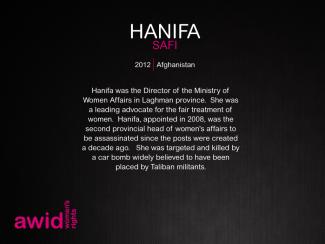
Hanifa Safi

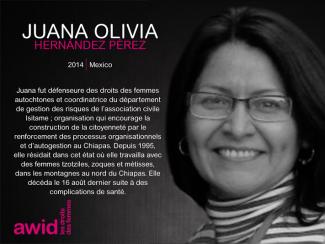
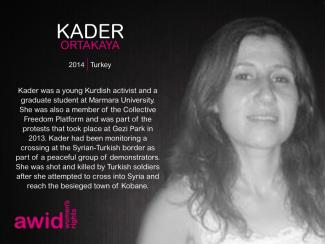
WHRDs are self-identified women and lesbian, bisexual, transgender, queer and intersex (LBTQI) people and others who defend rights and are subject to gender-specific risks and threats due to their human rights work and/or as a direct consequence of their gender identity or sexual orientation.
WHRDs are subject to systematic violence and discrimination due to their identities and unyielding struggles for rights, equality and justice.
The WHRD Program collaborates with international and regional partners as well as the AWID membership to raise awareness about these risks and threats, advocate for feminist and holistic measures of protection and safety, and actively promote a culture of self-care and collective well being in our movements.
WHRDs are exposed to the same types of risks that all other defenders who defend human rights, communities, and the environment face. However, they are also exposed to gender-based violence and gender-specific risks because they challenge existing gender norms within their communities and societies.
We work collaboratively with international and regional networks and our membership
We aim to contribute to a safer world for WHRDs, their families and communities. We believe that action for rights and justice should not put WHRDs at risk; it should be appreciated and celebrated.
Promoting collaboration and coordination among human rights and women’s rights organizations at the international level to strengthen responses concerning safety and wellbeing of WHRDs.
Supporting regional networks of WHRDs and their organizations, such as the Mesoamerican Initiative for WHRDs and the WHRD Middle East and North Africa Coalition, in promoting and strengthening collective action for protection - emphasizing the establishment of solidarity and protection networks, the promotion of self-care, and advocacy and mobilization for the safety of WHRDs;
Increasing the visibility and recognition of WHRDs and their struggles, as well as the risks that they encounter by documenting the attacks that they face, and researching, producing, and disseminating information on their struggles, strategies, and challenges:
Mobilizing urgent responses of international solidarity for WHRDs at risk through our international and regional networks, and our active membership.

Bunga ou fleur en francais est un symbole qui est souvent associé aux femmes en Indonésie. Ce qui signifie qu'une fleur peut également être associée aux femmes transgenres. Parce que les femmes transgenres sont des femmes. Aussi belles, aussi fortes, l’une comme l’autre a vécu sans attendre d'être "cueillie", mais en grandissant, en s'épanouissant et en mourant à sa guise. Cette œuvre est un hommage à mes ami·e·s transgenres à l'occasion de la Journée Internationale de la Visibilité des Personnes Transgenres.
طبعاً! هذه الأسئلة اختيارية. نقدّر جداً حقكم بالسرية. الرجاء تعبئة الاستطلاع دون علاقة بقراركم/ن بمشاركة اسم المجموعة، المنظمة أو الحركة أو تفاصيل التواصل معكم/ن.
En participant à une activité exclusive pour les membres, j'ai été particulièrement touchée de voir que chacun·e y avait sa place et qu’il n’y avait pas le moindre jugement. Toute la session a été dynamique et vivante.- Kirthi Jayakumar, Fondatrice, The Gender Security Project, Inde
While fundamentalisms, fascisms and other systems of oppression shapeshift and find new tactics and strategies to consolidate power and influence, feminist movements continue to persevere and celebrate gains nationally and The rising power of anti-rights actors is not happening in a vacuum. Understanding the rise of ultra-nationalism, unchecked corporate power, growing repression, and diminishing civic space is key to contextualize the anti-rights threats we face today.
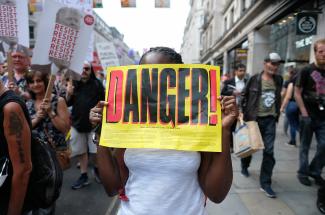
Today, considerably more than half of the world’s population is governed by far-right leaders. Against this backdrop, human rights defenders and feminists are working hard to “hold the line” and protect multilateralism and the international human rights system. They also face the risk that their engagement may bring with it violent reprisals. At the same time, these institutions are increasingly subject to private sector interests. Large businesses, particularly transnational corporations, are occupying seats at the negotiating table and leadership positions in a number of multilateral institutions, including the UN. This nexus of ultra-nationalism, closing civic space, and corporate capture is having a tremendous impact on whether human rights for all can ever be achieved.
Да, пожалуйста! Мы просим распространить ссылку на опрос среди своих коллег по сети. Чем больше различных точек зрения мы соберем, тем более полным будет наше понимание финансового положения феминистских организаций.
Do you have questions regarding the AWID Forum or related activities? We have answers!
Mientras los fundamentalismos, los fascismos y otros sistemas de opresión cambian de forma y encuentran nuevas tácticas y estrategias para consolidar su poder e influencia, los movimientos feministas siguen perseverando y celebrando logros a nivel nacional y en espacios regionales e internacionales.
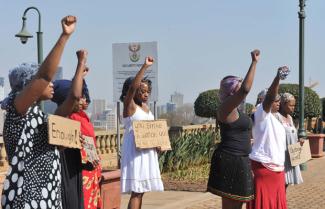
Por ejemplo, en 2019, se dio un paso significativo en el Consejo de Derechos Humanos, cuando la ONU reconoció por primera vez el derecho a la integridad y autonomía corporal. Varias resoluciones del Consejo sobre la discriminación contra mujeres y niñas también reconocen que la reacción está vinculada con grupos de presión regresivos, con perspectivas ideológicas o con el uso inapropiado de la cultura o la religión para oponerse a los derechos igualitarios de mujeres y niñas. También hemos visto progresos feministas en el trabajo de Procedimientos Especiales de la ONU (funcionarixs independientes), tales como enfatizar la obligación de los Estados de oponerse a las narrativas de ideología de género, denunciar el uso inapropiado por parte de los actores antiderechos de referencias a la «cultura», y enfatizar que las creencias religiosas no pueden ser utilizadas como justificación de la violencia o la discriminación.
I believe empowered women empower women and that is why I’ve had an incredible time being an AWID member. My knowledge and understanding of Feminism and intersectionality has been broadened by the exposure I received being part of the AWID Community Street Team. I hope more women join and share topics and ideas that will help other women.
- Loyiso Lindani, South Africa.

Las Realidades Feministas son una invitación cálida y afectuosa, una suerte de acto de cuidado y preservación colectivo (en oposición al autocuidado), una invitación a atesorar, a hacer inventario de toda la labor realizada para que no desaparezca. (...)

 |
Akosua Hanson es una artista activista radicada en Accra (Ghana). Su trabajo abarca la radio, televisión, medios impresos, teatro, cine, muestras de arte del cómic, instalaciones artísticas y la novela gráfica. El activismo de Akosua ha girado en torno al panafricanismo y el feminismo, con interés en la intersección del arte, la cultura pop y el activismo. Posee una maestría en Filosofía y Estudios Africanos con especialización en Género y Pensamiento Filosófico Africano. Akosua Hanson es la creadora de Moongirls, una serie de novelas gráficas que sigue las aventuras de cuatro superheroínas que luchan por un África libre de corrupción, neocolonialismo, fundamentalismos religiosos, cultura de la violación, homofobia y más. Trabaja como conductora radial en Y 107.9 FM en Ghana. |
En estas placas, Moongirl Wadjet hace el amor practicando BDSM con un demonio de dos géneros. De las cuatro Moongirls, Wadjet es la sanadora y filósofa, el vehículo del Oráculo. Su propósito es iniciar un proceso científico y espiritual, un experimento que denomina «Luz de plenilunio» y mediante el cual recorre un arco de tiempo vibracional por sus recuerdos, sensaciones, emociones, visiones e imaginación. Es una forma de viajar en el tiempo con vibraciones para descubrir lo que ella denomina «revelaciones-verdades».
En esa experiencia, algunas de las visiones difusas de Wadjet incluyen un apocalipsis inminente derivado de la destrucción ambiental a manos de lxs humanos y al servicio de un capitalismo voraz; un recuerdo de la infancia cuando estuvo hospitalizada luego de recibir un diagnóstico de salud mental, y la visión de una historia del origen de Moongirls en la que la figura bíblica de Noé como una anciana Moongirl negra que advierte sobre los peligros de la contaminación ambiental.
Más que una divertida excentricidad para explorar las sensaciones, el BDSM puede ser una forma de abordar el dolor y el trauma emocionales. Ha sido un medio de sanación sexual para mí, pues me ha permitido una forma radical de liberación. Cuando se inflige dolor físico en el cuerpo, se produce una depuración. Cuando se lo inflige con consentimiento, ese dolor extirpa el padecimiento emocional, casi como si lo «llamara» a retirarse. Los azotes sobre el cuerpo me permiten liberar emociones contenidas: ansiedad, depresión, una sensación de indefensión ante el estrés que me abruma ciertas veces.
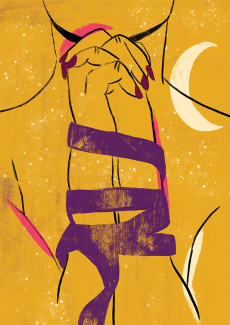
Cuando practican BDSM como un camino de sanación, lxs amantes deben prestar mucha atención y hacerse responsables de su compañerx.. Porque si bien se puede haber consentido al principio, debemos estar atentxs a cualquier cambio que pudiera surgir en el proceso, sobre todo cuando las sensaciones aumentan. Me acerco al BDSM a sabiendas de que, para entregarme al dolor, el amor y la empatía tienen que ser la base del proceso y así puedo crear un espacio para el amor o abrirme a él
Los cuidados posteriores al dolor infligido completan el proceso. Pueden brindarse de forma muy simple como dando caricias, preguntando si tu compañerx necesita beber agua, viendo una película juntxs, compartiendo un abrazo o simplemente un porro. Pueden ser expresados en cualquier idioma amoroso que escojas. Ese espacio de contención, en el que se sabe que se han abierto las heridas, es necesario para completar el proceso de sanación. Debido a lo delicado que es desdibujar la frontera entre dolor y placer, ese espacio te enseña mucho sobre cómo poner en práctica la empatía y sostener verdaderamente a tu compañerx. Por eso para mí, el BDSM es una forma de trabajo de cuidados.
Luego de una experiencia sexual BDSM, me sobrevienen una claridad y una calma que me colocan en un espacio de enorme creatividad y me empoderan espiritualmente. Es casi mágico ver cómo el dolor se transforma en otra cosa en tiempo real. De manera similar, esa experiencia liberadora del BDSM en el plano personal le permite a Wadjet acceder a una suerte de clarividencia, sabiduría y claridad que la ayudan en sus responsabilidades como moongirl que lucha contra el patriarcado africano.
Moongirls nació cuando yo dirigía Drama Queens, una organización de artistas activistas jóvenes radicada en Ghana. Desde nuestros inicios en 2016, hemos empleado distintos medios artísticos como parte de nuestro activismo feminista, panafricanista y ambientalista. Usamos poesía, cuentos, teatro, cine y música para abordar cuestiones como la corrupción, el patriarcado, la degradación del medio ambiente y la homofobia.
Nuestras primeras producciones teatrales, «The Seamstress of St. Francis Street» (La costurera de la calle San Francisco) y «Until Someone Wakes Up» (Hasta que alguien despierte) hablan del problema de la cultura de la violación en nuestras comunidades. Otra obra, «Just Like Us» (Igual que nosotrxs), podría decirse que fue una de las primeras producciones teatrales de Ghana en tratar directamente el arraigadísimo problema de la homofobia en el país. En Queer Universities Ghana, nuestro taller de cine queer para realizadorxs africanxs, se han capacitado cineastas de Ghana, Nigeria, Sudáfrica y Uganda. Cintas que nacieron durante el taller, como «Baby Girl: An Intersex Story» (Una beba: Un relato intersex) de Selassie Djamey, se han proyectado en pantallas de distintos festivales cinematográficos. Por lo tanto, pasar al medio de la novela gráfica fue una evolución natural para nosotrxs
Hace como siete años, había comenzado a escribir una novela que nunca acabé acerca de la vida de cuatro mujeres. En 2018, Open Society Initiative for West Africa (OSIWA) ofreció la oportunidad de un financiamiento que nos permitió producir este proyecto y mi novela inconclusa se convirtió en Moongirls.
Hubo dos temporadas de Moongirls, cada una de seis capítulos. Entre lxs escritorxs y editorxs que participaron en la primera temporada estuvieron Suhaida Dramani, Tsiddi Can-Tamakloe, George Hanson y Wanlov the Kubolor. Yaba Armah, Nadia Ahidjo, y yo escribimos para la segunda temporada. Kissiwa, artista ghanesx, estuvo a cargo de la ilustración y la conceptualización de los personajes, mientras que AnimaxFYB Studio, un estudio de animación, diseño y efectos visuales de primer orden, se encarga de las ilustraciones.
Escribir Moongirls entre 2018 y 2022 ha sido una obra de amor para mí, incluso un trabajo liberador. Aspiro a explorar intensamente formas y estilos: he incursionado en convertir otras formas de composición, como los cuentos y la poesía, al formato de la novela gráfica. Al conjugar ilustración y texto, como hacen las novelas gráficas, Moongirls busca abordar los grandes temas y honrar a lxs activistas de la vida real. La decisión de centrarme en superheroínas queer, lo cual es muy raro de ver en este canon, cobró un significado mucho mayor cuando en 2021 el contexto en Ghana comenzó a tornarse peligroso.
El año pasado hubo un abrupto incremento de la violencia contra la comunidad LGBT+ ghanesa que se originó con el cierre de un centro comunitario LGBT+. A ello le siguieron arrestos y detenciones arbitrarias de personas sospechosas de pertenecer al espectro queer, así como de otras acusadas de propiciar una «agenda LGBT». Como colofón, en el Parlamento ghanés se presentó un proyecto de ley anti-LGBT denominado «Los derechos sexuales humanos apropiados y los valores de la familia ghanesa». Este proyecto probablemente sea el más severo jamás redactado en la región, y sigue a intentos similares en países como Nigeria, Uganda y Kenia.
Recuerdo muy vívidamente la primera vez que leí ese proyecto de ley.
Fue un viernes por la noche, momento que en general me reservo para descansar o ir de fiesta luego de una larga semana de trabajo. Por puro azar, el texto me llegó a través de un grupo de WhatsApp, como una filtración. Mientras lo leía, una profunda sensación de temor y alarma me aguó la noche de descanso del viernes. En el proyecto se proponía castigar todo actoo de incidencia LGBT+ con una sentencia de entre cinco y diez años de prisión, y encarcelar a toda persona que se identificara como LGBT+, salvo que se «retractara» y aceptara someterse a una terapia de conversión. En el borrador del proyecto se penalizaba hasta a las personas asexuales. El proyecto atacaba todas las libertades fundamentales: libertad de pensamiento, de ser, de tener tu propia verdad y elegir tu forma de vida en función de ella. Incluso iba en contra del arte y las redes sociales. De haberse aprobado, Moongirls se hubiera convertido en literatura prohibida. Lo que el proyecto se proponía hacer era tan malicioso y tenía tal alcance que me postró en una depresión al comprobar la intensidad de odio con que había sido redactado.
Al repasar mi línea de tiempo en Twitter aquella noche, vi reflejado el terror que sentía en mi interior. Mi línea de tiempo transmitía en vivo las emociones de las personas que reaccionaban en tiempo real a lo que estaban leyendo, pasando de la incredulidad al terror, seguido por una profunda decepción y tristeza cuando tomamos conciencia de cuán lejos quería llegar con ese proyecto de ley. Algunxs decían en Twitter que estaban dispuestxs a dar vuelta la página y abandonar el país. Luego, al mejor estilo ghanés, la tristeza y el temor se convirtieron en humor. Del humor surgió el ánimo para redoblar la lucha.
Entonces, el trabajo continúa. Creé Moongirls para ofrecer una forma alternativa de educación, para brindar conocimiento allí donde el patriarcado violento lo suprimió, y para crear visibilidad allí donde habían borrado a la comunidad LGBT+. También es importante que la práctica BDSM africana tenga esta plataforma de representación dado que buena parte de lo que se ve del BDSM está encarnado por personas blancas. El placer sexual, a través del BDSM u otras prácticas, así como el amor no heterosexual, trascienden razas y continentes porque el placer sexual y sus experiencias diversas son tan antiguos como el tiempo.
Esta edición en alianza con Kohl: una publicación para Body and Gender Research analizará soluciones, propuestas y realidades feministas para transformar nuestro mundo actual, nuestros cuerpos y nuestras sexualidades.

نصدر النسخة هذه من المجلة بالشراكة مع «كحل: مجلة لأبحاث الجسد والجندر»، وسنستكشف عبرها الحلول والاقتراحات وأنواع الواقع النسوية لتغيير عالمنا الحالي وكذلك أجسادنا وجنسانياتنا.
#FreezeFascisms
Depuis l’adoption de la Déclaration et du programme d’action de Beijing il y a 30 ans, les groupes fascistes exercent un pouvoir et une influence croissantes dans les espaces multilatéraux, faisant reculer les acquis en matière d’égalité de genre et de protection des droits humains dans le monde.
À l’approche de la CSW69, nous co-organisons de courageuses initiatives horizontales, sur le terrain et en ligne, pour échanger des stratégies et bâtir un pouvoir féministe au-delà de Beijing+30. Notre présence collective perturbe les mécanismes d’exclusion des institutions dans ces espaces tout en soutenant les mouvements qui s’organisent autour d’alternatives féministes aux systèmes d’oppression.
Participez aux conversations du 10 au 21 mars 2025 pour, collectivement, faire de la CSW69 un espace de résistance et de solidarité.