Philippe Leroyer | Flickr (CC BY-NC-ND 2.0)

Special Focus

AWID is an international, feminist, membership organisation committed to achieving gender equality, sustainable development and women’s human rights

Women Human Rights Defenders

WHRDs are self-identified women and lesbian, bisexual, transgender, queer and intersex (LBTQI) people and others who defend rights and are subject to gender-specific risks and threats due to their human rights work and/or as a direct consequence of their gender identity or sexual orientation.

WHRDs are subject to systematic violence and discrimination due to their identities and unyielding struggles for rights, equality and justice.

The WHRD Program collaborates with international and regional partners as well as the AWID membership to raise awareness about these risks and threats, advocate for feminist and holistic measures of protection and safety, and actively promote a culture of self-care and collective well being in our movements.


Risks and threats targeting WHRDs  

WHRDs are exposed to the same types of risks that all other defenders who defend human rights, communities, and the environment face. However, they are also exposed to gender-based violence and gender-specific risks because they challenge existing gender norms within their communities and societies.

By defending rights, WHRDs are at risk of:

  • Physical assault and death
  • Intimidation and harassment, including in online spaces
  • Judicial harassment and criminalization
  • Burnout

A collaborative, holistic approach to safety

We work collaboratively with international and regional networks and our membership

  • to raise awareness about human rights abuses and violations against WHRDs and the systemic violence and discrimination they experience
  • to strengthen protection mechanisms and ensure more effective and timely responses to WHRDs at risk

We work to promote a holistic approach to protection which includes:

  • emphasizing the importance of self-care and collective well being, and recognizing that what care and wellbeing mean may differ across cultures
  • documenting the violations targeting WHRDs using a feminist intersectional perspective;
  • promoting the social recognition and celebration of the work and resilience of WHRDs ; and
  • building civic spaces that are conducive to dismantling structural inequalities without restrictions or obstacles

Our Actions

We aim to contribute to a safer world for WHRDs, their families and communities. We believe that action for rights and justice should not put WHRDs at risk; it should be appreciated and celebrated.

  • Promoting collaboration and coordination among human rights and women’s rights organizations at the international level to  strengthen  responses concerning safety and wellbeing of WHRDs.

  • Supporting regional networks of WHRDs and their organizations, such as the Mesoamerican Initiative for WHRDs and the WHRD Middle East and North Africa  Coalition, in promoting and strengthening collective action for protection - emphasizing the establishment of solidarity and protection networks, the promotion of self-care, and advocacy and mobilization for the safety of WHRDs;

  • Increasing the visibility and recognition of  WHRDs and their struggles, as well as the risks that they encounter by documenting the attacks that they face, and researching, producing, and disseminating information on their struggles, strategies, and challenges:

  • Mobilizing urgent responses of international solidarity for WHRDs at risk through our international and regional networks, and our active membership.

Related Content

Fatima Qureshi

Biography

A nomad of cultures, born in Hong Kong, rooted in Turkish-Pakistani heritage, Fatima’s love for narratives - both in reading and co-creating them - fueled her passion for communications activism. Supported by her education in journalism, Fatima has worked for 7 years in digital and media communications fields with NGOs that provide education opportunities and legal aid to refugee and asylum seekers, as well as with the Muslim feminist movement which applies feminist and rights-based lenses in understanding and searching for equality and justice within Muslim legal tradition. She is a regular op-ed writer on feminist issues in the Global South.

Through storytelling in this hyper-digital age of social media, Fatima continues to collaborate with community organizers and grassroots activists to create audiovisual content with the aim to cultivate bridges of understanding towards collective liberation and decolonization. On days when she’s not working, she intently watches independent feminist films coming from Iran, Morocco and Pakistan and on other days, she performs spoken word poetry with her comrades in Kuala Lumpur.

Position
ICM Digital Communications and Partnerships Lead
Add to stories
Off

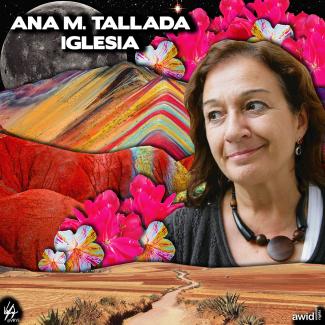
Ana M. Tallada Iglesia

Ana fue una firme defensora de los derechos de las mujeres y trabajó con una amplia diversidad de mujeres, desde aquellas que están redes de base hasta las que son parte del sector privado.

Creía que había que tender puentes entre sectores. Ana fue integrante de la Red Nacional de Promoción de la Mujer (RNPM), y tuvo participación activa en el desarrollo de muchos programas sociales que abordan temas como la salud y los derechos sexuales y reproductivos.


Ana M. Tallada Iglesia, Peru

Desejam recolher quantas respostas ao questionário?

O nosso objetivo é alcançar um total de 2000 respostas, quase o dobro do último questionário WITM em 2011.

Snippet FEA lines of work Against (ES)

Ilustración un libro rosa que dice "Derechos laborales" con una X roja

VIOLACIONES DE DERECHOS LABORALES

Nana Abuelsoud

Biography

Nana es una organizadora feminista e investigadora en derechos reproductivos y políticas demográficas que reside en Egipto. Es miembro de RESURJ (organización feminista por la justicia sexual y reproductiva), del Órgano Asesor del Proyecto A del Líbano y de la Comisión de la Comunidad de Mama Cash. Nana tiene una maestría en Salud Pública del Instituto KIT y la Universidad Vrije de Ámsterdam. En su trabajo, da seguimiento y contextualiza las políticas demográficas nacionales, al tiempo que reúne información para abordar la eugenesia moderna, las ayudas internacionales de carácter regresivo y el autoritarismo. Anteriormente, formó parte de la Fundación de Ginebra para la Educación y la Investigación Médica, la Iniciativa Egipcia para los Derechos Personales y el Colectivo Feminista Ikhtyar de El Cairo.

Add to stories
Off

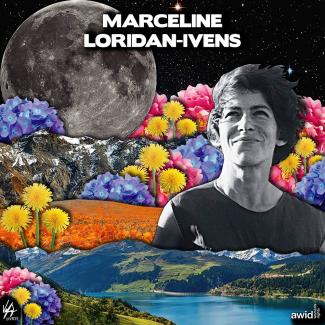
Marceline Loridan-Ivens

Née en 1928, Marceline était actrice, scénariste et réalisatrice.

En 2003, elle avait réalisé « La petite prairie aux bouleaux », mettant en vedette Anouk Aimée, ainsi que plusieurs autres documentaires. Survivante de l'holocauste, elle n'avait que quinze ans lorsque son père et elle furent arrêtés et envoyés dans des camps de concentration nazis. Les trois kilomètres qui la séparaient de son père à Auschwitz alors qu’elle-même était à Birkenau furent une distance insurmontable, décrite dans l’un de ses romans majeurs « Et tu n’es pas revenu ».

En parlant de son travail, elle a un jour déclaré: « Tout ce que je peux dire c’est que tout ce que je peux écrire, tout ce que je peux dévoiler, c’est à moi de le faire. »


Marceline Loridan-Ivens, France

Snippet - WITM Languages - EN

Snippet FEA Wage Parity (FR)

Illustration de deux personnes à la peau blanche portant des lunettes, à gauche en arrière-plan se trouve un mand et à droite au premier plan se trouve une femme. Le fond est turquoise.

LA PARITÉ SALARIALE

Reason to join 2

Trouvez et créez des connexions. L’AWID compte plus de 9 000 membres, qui s’efforcent tou·te·s de résoudre des questions complémentaires et interconnectées. Cette diversité favorise la pérennité des mouvements et acteures féministes.

¿Cómo se inició AWID?

AWID surgió en 1982 y se ha ido transformando con el paso de los años en una verdadera organización mundial.

Saber más de nuestra historia

Leer «From “WID” to “GAD” to Women’s Rights: The First Twenty Years of AWID» (en inglés)

Dilma Ferreira Silva

Dilma Ferreira Silva était une activiste de premier plan des droits amazoniens qui s’est battue durant plusieurs décennies pour les droits des personnes affectées par les barrages.

Elle faisait elle-même partie des 32 000 personnes déplacées par Tucuruí, un imposant barrage hydroélectrique, construit au Brésil sous la dictature militaire de 1964-1985. 

En 2005, Dilma a été invitée à rejoindre le Mouvement des personnes affectées par les barrages (MAB) au Brésil et, en 2006, elle y a formé un collectif de femmes pour finir ensuite par devenir coordonatrice régionale du mouvement.

Évoquant son activisme, ses collègues racontent :

« Elle se distinguait très rapidement car elle n’avait jamais peur dans la lutte. » 

Dilma vivait dans la localité rurale de Salvador Allenda, à 50 kilomètres de Tucuru. Elle a dédié sa vie à mieux protéger les communautés et les territoires affectés par la construction d’énormes projets. Elle était particulièrement préoccupée par l’impact de genre de ce type de projets et plaidait pour les droits des femmes.

Lors d’une réunion d’ordre national du MAB en 2011, Dilma évoqua les femmes affectées par les barrages, soulignant :

« Nous sommes les réelles Marias, guerrières, combattantes ici, nous nous confrontons au défi de la lutte quotidienne. »    

Au cours des années suivantes, Dilma a organisé des groupes de terrain du MAB et travaillé avec les communautés pour former des coopératives paysannes qui permirent de mieux distribuer la nourriture au sein des communautés. Ensemble, elles ont amélioré la commercialisation de la pêche et développé un projet de citerne pour un accès à l’eau potable. Elle défendait aussi les agriculteurs·rices dont les terres étaient convoitées par les « grileiros » (personnes qui s’approprient les terres).

Le 22 mars 2019, à l’âge de 48 ans, Dilma, son mari et leur ami·e furent violemment assassiné·e·s. Ces trois meurtres s’inscrivirent dans une vague de violences en Amazonie contre les Movimento dos Trabalhadores Sem (mouvements des travailleurs·ses sans terre) et les activistes écologistes et autochtones.
    

What Our Members Say - En

What Our Members Say

Snippet FEA WE ARE LEGAL AND ALWAYS WERE (EN)

SPAIN

Sindicato OTRAS


WE ARE LEGAL AND

ALWAYS WERE

Values - intersectionality

Intersectionality

We believe that for feminist movements to be transformative and strong we must continue to work across our similarities and differences. We also must interrogate power and privilege both within and outside our movements.

Quels sont les enjeux sur lesquels travaille l’AWID ?

L’AWID œuvre à renforcer la justice de genre et les droits humains des femmes.

Nous travaillons à renforcer les voix et l'impact des défenseuses des droits humains, des organisations et des mouvements.

Nos Domaines prioritaires sont étroitement liés aux réalités internationales. Ils sont le reflet de situations de plus en plus précaires qui sapent les droits des femmes à l’échelle mondiale.

  • La justice économique 
  • Les ressources pour les droits des femmes
  • S'opposer aux fondamentalismes religieux
  • Les défenseuses des droits humains
  • L'activisme des jeunes féministes

Découvrir les domaines prioritaires de l’AWID

Carol Thomas

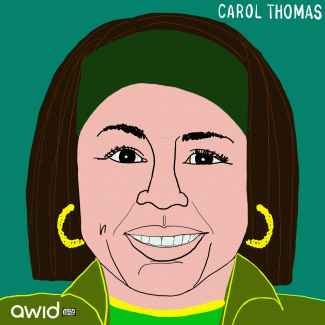
Carol Thomas was a trailblazer for women’s sexual and reproductive rights in South Africa. A gifted gynecologist and founder of the WomenSpace, she practiced and advocated for non-traditional ways of delivering healthcare to women, offering services that were high quality, empathetic and accessible.

“She entered into not only the joy of pregnancies and new babies, but the anxieties of infertility and premature deliveries and female cancers, the heartbreak of miscarriages and stillbirths.” Helen Moffett

Carol thought in new paradigms that centered the needs of women with the least access to services and rights in society:

“The prevailing socio-economic environment that we find ourselves in means that women bear a disproportionate burden of disease and unemployment…As a black, previously disadvantaged woman I have a good sense of what is happening in our communities.” - Carol Thomas

Carol’s innovative and multi-award-winning social venture “iMobiMaMa” used mobile kiosks and interactive technology to connect women directly with antenatal and reproductive health services, information and support in communities all over South Africa.

Carol supported women both in wanted and unwanted pregnancies, mentoring many nurses and doctors during her lifetime.

She was also described as the go-to gynecologist “for trans folks who could have affirming care. She got it right when so many did not have the language or pronouns. Her warm blankets, listening and saying just what you needed to hear was so comforting.” -Marion Lynn Stevens

Carol Thomas was described as being at the height of her professional career when she died on 12 April 2019 of complications following a double lung transplant.

The tributes that poured in following her unexpected death referred to her as many things:

“a role model, warrior woman, innovator, dynamic leader, mould-breaker, dynamo, brilliant scientist, compassionate doctor.”

Undoubtedly, Carol Thomas will be remembered and honored for being all of this and much more.