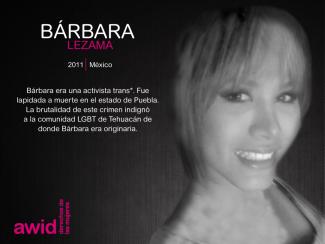
Barbara Lezama
Over the past few years, a troubling new trend at the international human rights level is being observed, where discourses on ‘protecting the family’ are being employed to defend violations committed against family members, to bolster and justify impunity, and to restrict equal rights within and to family life.
The campaign to "Protect the Family" is driven by ultra-conservative efforts to impose "traditional" and patriarchal interpretations of the family, and to move rights out of the hands of family members and into the institution of ‘the family’.
Since 2014, a group of states have been operating as a bloc in human rights spaces under the name “Group of Friends of the Family”, and resolutions on “Protection of the Family” have been successfully passed every year since 2014.
This agenda has spread beyond the Human Rights Council. We have seen regressive language on “the family” being introduced at the Commission on the Status of Women, and attempts made to introduce it in negotiations on the Sustainable Development Goals.
AWID works with partners and allies to jointly resist “Protection of the Family” and other regressive agendas, and to uphold the universality of human rights.
In response to the increased influence of regressive actors in human rights spaces, AWID joined allies to form the Observatory on the Universality of Rights (OURs). OURs is a collaborative project that monitors, analyzes, and shares information on anti-rights initiatives like “Protection of the Family”.
Rights at Risk, the first OURs report, charts a map of the actors making up the global anti-rights lobby, identifies their key discourses and strategies, and the effect they are having on our human rights.
The report outlines “Protection of the Family” as an agenda that has fostered collaboration across a broad range of regressive actors at the UN. It describes it as: “a strategic framework that houses “multiple patriarchal and anti-rights positions, where the framework, in turn, aims to justify and institutionalize these positions.”
some text some text some text some text some text some text some text some text some text some text some text some text
some text some text some text some text some text some text some text some text some text some text some text some text
Marianne Mesfin Asfaw es una feminista panafricana dedicada a la justicia social y la construcción de comunidad. Es Licenciada en Estudios de Género y Relaciones Internacionales de la Universidad de Columbia Británica (UBC) y posee una maestría en Estudios de Género y Derecho de la Escuela de Estudios Orientales y Africanos de la Universidad de Londres. Anteriormente, trabajó en administración académica y apoyo para estudiantes internacionales. Asimismo, se desempeñó como investigadora y facilitadora en espacios feministas y sin fines de lucro. También ha trabajado como voluntaria en organizaciones no gubernamentales, incluida Plan International, donde cumplió funciones administrativas. Antes de asumir sus funciones actuales, se desempeñó en logística y apoyo administrativo para AWID. Marianne nació en Etiopía, se crió en Ruanda y, actualmente, reside en Tkaronto/Toronto (Canadá). Le encanta leer, viajar y pasar el tiempo con su familia y amistades. En los meses más cálidos, se la puede ver paseando por barrios conocidos y buscando cafés y librerías desconocidas donde pasar el tiempo.
Roxana Reyes Rivas, était une philosophe, féministe, lesbienne, poétesse, politicienne et activiste pour les droits des personnes LGBT et des femmes du Costa Rica. Auteure à la plume acérée et à l’humour incisif, elle était irrésistiblement drôle. Née en 1960 et élevée à San Ramón dans la province d’Alajuela, qui était encore une localité rurale à l’époque, elle a toute sa vie refusé d’adhérer aux attentes envers « les femmes ».
Avec le groupe de lesbiennes costariciennes El Reguero, Roxana a organisé pendant plus de dix ans des festivals lesbiens, de joyeux espaces de formation où se rassembler à une époque où le gouvernement du Costa Rica et la société persécutaient et pénalisaient l’existence des lesbiennes. Ces festivals lesbiens étaient, pour des centaines de femmes, le seul endroit où elles pouvaient être elles-mêmes et se regrouper avec leurs semblables.
Roxana aimait répéter que la formation de partis politiques comptait parmi ses passe-temps. « Il est important que les gens comprennent qu’il y a d’autres manières de faire de la politique, et que de nombreuses questions doivent être résolues collectivement. » Elle fut également l’une des fondatrices des partis Nueva Liga Feminista et VAMOS, centrés sur les droits humains.
« La philosophie est faite pour bousculer, pour aider les gens à se poser des questions. Une philosophe qui n’irrite personne ne fait pas son travail. » Pendant 30 ans, Roxana a enseigné la philosophie dans plusieurs universités publiques du Costa Rica. Des générations d’étudiant·e·ss ont suivi ses directives et réfléchi aux dilemmes éthiques que posent la science et les technologies.
L’outil de prédilection de Roxana était l’humour. Elle a créé le prix de l’ignorance La Citrouille étincelante, qu’elle décernait à des personnalités publiques sur ses réseaux sociaux, tournant en dérision leurs expressions et déclarations anti-droits.
Roxana a été emportée par un cancer agressif fin 2019, avant qu’elle ne puisse publier son recueil de poèmes, qu’elle aurait voulu être le cadeau de départ de l’esprit créatif d’une féministe qui a toujours élevé sa voix contre l’injustice.
Cuando miles de feministas se unen, creamos una fuerza arrolladora de solidaridad que tiene el poder de cambiar el mundo. El Foro de AWID será un momento para que descansemos y nos recuperemos juntas, nos conectemos más allá de las fronteras y descubramos nuevas y osadas direcciones estratégicas.
La fecha y el lugar se anunciarán el próximo año, tan pronto como podamos. Estamos emocionades y sabemos que ustedes también lo están. ¡Manténganse al tanto!
¡Asegúrate de seguirnos en las redes sociales y suscríbete a nuestra lista de correo para mantenerte al día!
Please calculate your costs of travel to Bangkok, accommodations and per diem, visa, any accessibility needs, and incidentals, on top of a registration fee that will be announced soon. Hotels in the Sukhumvit area in Bangkok range from USD$50 to $200 per night, double occupancy.
AWID members receive a discount at registration, so if you are not a member yet, we invite you to consider becoming a member and joining our global feminist community.
In contrast, over $1 billion went
to three anti-rights groups in 2021-2022,
with funding for anti-gender networks still rising.
Un réseau complexe et mouvant d’antidroits exerce une influence croissante dans les sphères internationales et les politiques locales. Souvent soutenu·e·s par des financements d’origine imprécise, ces acteur·rice·s renforcent leur impact en créant des alliances tactiques entre thématiques, régions et croyances.
Umyra Ahmad est une féministe malaisienne expérimentée en plaidoyer international et régional et en éducation aux droits humains. Au sein de l'AWID, elle travaille à la promotion des droits liés au genre et à la sexualité à l'ONU. Avant de nous rejoindre, elle était chargée de programme à IWRAW Asie-Pacifique, où elle a aidé des organisations de terrain régionales, nationales et locales à utiliser les mécanismes des organes conventionnels de l'ONU comme outils de redevabilité des États et d'accès à la justice. En Malaisie, elle travaille avec des collectifs queer et de réfugié·e·s, et soutient la coordination de diverses initiatives d'entraide.
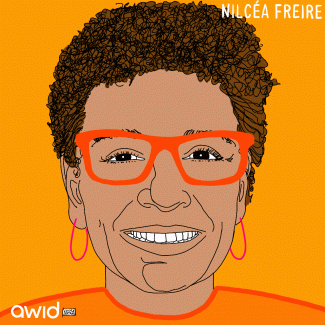
Nilcéa Freire was a Brazilian feminist activist, politician and academic. A persevering advocate for women’s rights and those of underrepresented minorities in the country, her life and work carried a long history of struggles and victories.
"While resisting we have to keep pushing for progress, and what we can achieve at this time, in my view, will be through the stupendous organization of young white women, and especially black women, in all of the state capitals and large cities of Brazil." - Nilcéa Freire
In 1999 she became the first woman to occupy the position of Dean at the State University of Rio de Janeiro. Here, she spearheaded the implementation of the first affirmative action policy for students graduating from public schools, requiring reserved places specifically for low-income black students in a public university. This system was adopted in dozens of other public universities.
Some years later, Nilcéa headed the Special Secretariat of Policies for Women in the government of former president Luiz Inácio Lula da Silva. In this capacity, she led the first National Women’s Conference. Over 12,000 women from across the country participated and the result of this collective work was embodied in the National Plan for Policies for Women.
Her commitment to women, Afro-Brazilians and indigenous peoples was also strongly reflected in her work to promote their rights through initiatives of the Brazil Ford Foundation office where she was a regional director.
The feminist activist Manoela Miklos recounted Nilcéa to be "a woman without equal".
At the age of 66, Nilcéa passed away in Rio de Janeiro on 29 December 2019 of cancer.
"Without words for the news of the death of dear Nilcea Freire. It is too sad to know that she left so early. She was always part of the ranks of those who do not settle for the injustices of the world. She was the Minister of Women, an activist, always active in the feminist cause. Much missed!” - Jandira Feghali, Federal Deputy
Watch Brazilian feminist Nilcea Freire on why we need to show solidarity with Brazil

Cette histoire raconte comment un groupe toujours plus diversifié de féministes du Pacifique s’est organisé au fil des ans pour participer aux Forums de l’AWID et comment ce qu’elles ont découvert, appris et vécu au cours de ce processus les a transformées à la fois personnellement, en tant qu’organisations et en tant que mouvement. Elle illustre à quel point les Forums sont des espaces offrant aux régions qui ont tendance à être mondialement marginalisées ou ignorées la possibilité d’établir une forte présence au sein du mouvement féministe, laquelle peut ensuite être reproduite dans d’autres espaces internationaux de défense des droits des femmes.
Somos plenamente conscientes de los obstáculos prácticos y la angustia emocional asociada con los viajes internacionales, especialmente desde el Sur Global. AWID está trabajando con la Oficina de Convenciones y Exhibiciones de Tailandia para brindar apoyo a lxs participantes del Foro en la obtención de visas. En el momento de la inscripción se facilitará más información sobre esta ayuda para la obtención de visados, incluidos los datos de contacto para saber dónde y cómo solicitarla.
Los movimientos feministas necesitan financiamiento básico y de largo plazo (incluidos ahorros y reservas) para poder mantenerse focalizados en el cambio sistémico. Las reservas no son algo extra: son esenciales para la sostenibilidad.
Follow our feminist superhero as she reclaims the narrative from anti-rights actors across the globe and saves the day, in this comic by illustrator Sophia Andreazza.
Sanyu is a Pan-African feminist based in Nairobi, Kenya. She has spent the last decade supporting labour, feminist and human rights movements advocating for corporate accountability, economic justice and gender justice. She has worked with the Business & Human Rights Resource Centre, IWRAW Asia Pacific and the Commonwealth Human Rights Initiative. She has a Master’s of Laws in Human Rights Law and a Bachelor’s of Laws from the University of Nottingham. Her writing has been published in the Business and Human Rights Journal, Human Rights Law Review, Open Global Rights, Open Democracy and more. In her free time, she loves walking in the forest and chasing butterflies.
Leah Tumbalang fue una mujer lumad de Mindanao, en Filipinas. La historia del pueblo indígena lumad abarca generaciones de resistencia contra la minería corporativa a gran escala, de protección de los territorios ancestrales, los recursos y la cultura, y de lucha por la autodeterminación.
Leah era una líder lumad, y dirigente de Kaugalingong Sistema Igpasasindog to Lumadnong Ogpaan (Kasilo), una organización lumad y campesina que lucha contra la instalación de corporaciones mineras en Bukidnon, en la provincia de Mindanao. Fue inclaudicable en su activismo anti minería, al emprender con fervor campañas contra los efectos devastadores de la extracción de minerales en el medio ambiente y las tierras de los pueblos indígenas. Era también una organizadora política de la lista electoral Bayan Muna, que integra el partido político de izquierda Makabayan.
Durante casi una década Leah (junto con otrxs integrantes de Kasilo) recibió amenazas debido a su oposición al despliegue de grupos paramilitares, que se cree son respaldados por intereses mineros.
«Como líder lumad de su comunidad, ella está en la primera línea de lucha por sus derechos a la tierra ancestral y a la autodeterminación.» - Kalumbay Regional Lumad Organization
Estar en la vanguardia de la resistencia también significa, a menudo, ser un blanco para la violencia y la impunidad, y Leah no solamente recibió numerosas amenazas de muerte, sino que fue asesinada el 23 de agosto de 2019 en la ciudad de Valencia, en Bukidnon.
Según un informe de Global Witness, «en números absolutos, Filipinas fue el país peor afectado» en lo que respecta a activistas ambientalistas asesinadxs en 2018.
Lee el informe de Global Witness, publicado en julio de 2019

The Forum was a key space for the Indigenous Women’s Movement (IWM) in its relationship to feminism. At AWID Forums, they developed engagement strategies that would then apply at other spaces like the United Nations. In that process, both indigenous women and feminists movements were transformed: new voices and issues emerged and feminists started to change their discourses and practices around land rights and spirituality, they understood collective rights better, and included the IWM in their events and agendas. Mónica Alemán and María Manuela Sequeira, from the IWM, shared this story of change.
Nous reprendrons contact avec les anciens partenaires pour nous assurer que les efforts passés sont honorés. Si vos coordonnées ont changé depuis le dernier Forum, merci de nous les communiquer afin que nous puissions vous joindre.