Left
Half
Left

Special Focus

AWID is an international, feminist, membership organisation committed to achieving gender equality, sustainable development and women’s human rights

Memory as Resistance: A Tribute to WHRDs no longer with us

AWID’s Tribute is an art exhibition honouring feminists, women’s rights and social justice activists from around the world who are no longer with us. 


In 2020, we are taking a turn

This year’s tribute tells stories and shares narratives about those who co-created feminist realities, have offered visions of alternatives to systems and actors that oppress us, and have proposed new ways of organising, mobilising, fighting, working, living, and learning.

49 new portraits of feminists and Women Human Rights Defenders (WHRDs) are added to the gallery. While many of those we honour have passed away due to old age or illness, too many have been killed as a result of their work and who they are.

This increasing violence (by states, corporations, organized crime, unknown gunmen...) is not only aimed at individual activists but at our joint work and feminist realities.

The stories of activists we honour keep their legacy alive and carry their inspiration forward into our movements’ future work.

Visit the online exhibit

The portraits of the 2020 edition are designed by award winning illustrator and animator, Louisa Bertman

AWID would like to thank the families and organizations who shared their personal stories and contributed to this memorial. We join them in continuing the remarkable work of these activists and WHRDs and forging efforts to ensure justice is achieved in cases that remain in impunity.

“They tried to bury us. They didn’t know we were seeds.” - Mexican Proverb 


The Tribute was first launched in 2012

It took shape with a physical exhibit of portraits and biographies of feminists and activists who passed away at AWID’s 12th International Forum, in Turkey. It now lives as an online gallery, updated every year.

To date, 467 feminists and WHRDs are featured.

Visit the online exhibit

Related Content

Snippet - COP30 - Deckgame card - EN

🎯 Deckgame: Organize. Strategize. Mobilize.

A hands-on deckgame for collectives to explore feminist economic alternatives and systems of care as crisis response. This deckgame is for all movements navigating global climate crises through play and strategy based on real-life scenarios. A creative avenue to strategize in meetings, workshops, and community gatherings!

Coming soon

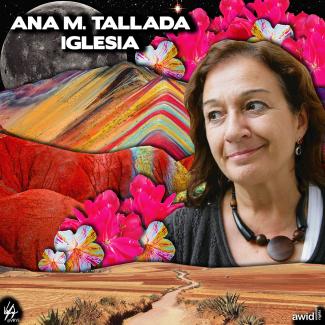
Ana M. Tallada Iglesia

Ana était un ardente défenseure des droits des femmes et travaillait avec un large éventail de femmes au sein d’organisations de terrain ainsi que dans le secteur privé.

Elle croyait en la construction de ponts entre les secteurs. Ana était membre du Réseau national de promotion de la femme (RNPM) et participait activement à l'élaboration de nombreux programmes sociaux traitant de questions telles que la santé et les droits sexuels et reproductifs.


Ana M. Tallada Iglesia, Peru

2023 - Hybrid like never before: in person - thai

การประชุมแบบผสมผสานอย่างที่ไม่เคยมีมาก่อน

นับเป็นครั้งแรกที่เวทีประชุม AWID จะเสนอรูปแบบการมีส่วนร่วม 3 รูปแบบ 

การเข้าร่วมด้วยตัวเอง ณ สถานที่จัดงาน

ผู้เข้าร่วมสามารถเดินทางเข้าร่วมด้วยตัวเอง ที่กรุงเทพฯ ประเทศไทย ซึ่งเราจะตั้งหน้าตั้งตาคอยท่านอยู่!

6. Conduct desk research

Desk research can be done throughout your research. It can assist you with framing, help you to choose survey questions and provide insights to your results.

In this section

Giving context

Conducting desk research throughout your research process can assist you with framing, help you to choose survey questions and provide contextual clarity or interesting insights to your survey results, such as comparing similarities and differences between your survey results and information produced by civil society and donors.

Perhaps you notice trends in your survey data and want to understand them.

For example, your survey data may reveal that organization budgets are shrinking, but it cannot tell you why this is happening. Reviewing publications can give you context on potential reasons behind such trends.

Back to top


Building on existing knowledge

Desk research also ensures you are building your research on the existing knowledge regarding your topic, confirming the validity and relevance of your findings.

They may be complimentary or contradictory to existing knowledge, but they must speak to existing data on the topic.

To ensure comprehensive research of the entire funding landscape related to your topic, look at a diverse set of funding sectors.

You can consider:

  • Women’s Funds
  • Private and Public Foundations
  • International Non-Governmental Organizations (INGOs)
  • Bilateral and Multilateral Agencies
  • Private Sector Actors
  • Individual Philanthropists
  • Crowdfunders

Include any other relevant sectors to this research.

For example, you may decide that it is also important to research local non-governmental organizations (NGOs).

Back to top


Potential sources for desk research (non-exhaustive)

1. Donors’ websites and annual reports

These are direct sources of information about what funders are actually doing and generally contain information on policies and budgets. Researching this before interviewing donors can result in more focused questions and a stronger interview.

2. Online sources of information

Back to top


Previous step

5. Conduct interviews

Next step

7. Synthesize your research findings


Estimated time:

• 1-2 months

People needed:

• 1 or more research person(s)


Previous step

5. Conduct interviews

Next step

7. Synthesize your research findings


Ready to Go? Worksheet

Download the toolkit in PDF

#3 - Sexting like a feminist Tweets Snippet ES

Todxs valoramos un intento de comunicarse claramente

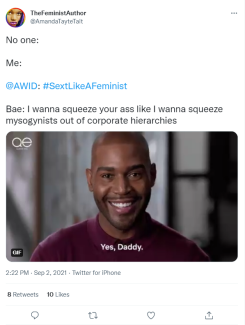
Image of a tweet with a gif of a man saying "Yes daddy". Text says: No one: (blank). Me: Bae I wanna squeeze your ass like I wanna squeeze misogynists out of corporate hierarchies.

Nadie:
 
Yo: 
 
@AWID: #SextLikeAFeminist
 
Bae: Te quiero apretar el culo igual que quiero apretar a los misóginos para sacarlos de las jerarquías corporativas.

Snippet - COP30 Join thousands CTAs - FR

Rejoignez des milliers des personnes qui exigent une véritable justice climatique :

Suivez la campagne: 

Instagram| BlueSky

Rejoignez-nous

Devenir membre| Rejoignez notre communauté

Ne ratez rien des actualités

Abonnez-vous pour les actualités

Des questions ?
Contactez : communications @ awid.org

Body

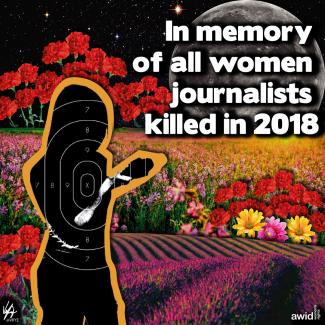
In memory of all women journalists who were killed in 2018

Just like women have learned to avoid dark streets for their safety, women journalists are forced to avoid reporting certain stories as a result of online harassment.

The physical, sexual and online abuse that has become a part of their daily work lives should never be normalized.

Harassment is not part of the job description and should be called out and challenged at every turn to ensure these important voices are not silenced.

This tribute to journalists was made on behalf of IFEX
In memory of all women journalists who were killed in 2018

CFA 2023 - what you need to know - thai

สิ่งที่จำเป็นต้องรู้

  • เราให้ความสำคัญกับกิจกรรมที่เอื้อและส่งเสริมการเชื่อมต่อและการมีปฏิสัมพันธ์ระหว่างผู้เข้าร่วม เป็นอันดับแรก
  • หากกิจกรรมของท่านสามารถจัดทางออนไลน์หรือแบบผสมผสาน (เชื่อมต่อผู้เข้าร่วมในสถานที่จริง และออนไลน์) โปรดคำนึงถึงการสร้างการมีส่วนร่วมอย่างแท้จริง และการมีปฏิสัมพันธ์กับผู้เข้าร่วม ทางออนไลน์ด้วย
  • เราสนับสนุนให้เกิดขบวนการเคลื่อนไหวข้ามสาขา ข้ามภูมิภาค และการสนทนาแลกเปลี่ยน ระหว่างคนรุ่นต่างๆ 
  • โปรดออกแบบกิจกรรมของท่านในลักษณะยืดหยุ่นกับจำนวนผู้เข้าร่วม อาจมีบางกิจกรรมจำกัดไว้ เฉพาะกลุ่มเล็กๆ   แต่กิจกรรมส่วนใหญ่จะต้องรองรับจำนวนคนที่มากได้
  • หากกิจกรรมของท่านเหมาะสมกับรูปแบบจำนวนหนึ่งหรือไม่มีเลย สามารถระบุไว้ในแบบฟอร์ม ใบสมัครได้

ภาษาที่ใช้ในการจัดกิจกรรม

  • ภาษาสำหรับการสมัคร: ในการสมัคร สามารถใช้ภาษาอังกฤษ ฝรั่งเศส สเปน อาหรับ และไทย
  • ภาษาที่ในการประชุม: ในการประชุมรวม มีล่ามแปลภาษาแบบฉับพลันเป็นภาษาอังกฤษ ฝรั่งเศส สเปน อาหรับ และไทย รวมถึงภาษามือสากล (ISL) และอาจมีมากกว่านั้น  ส่วนกิจกรรมอื่นๆจะมีการจัดล่ามแปลเป็นบางภาษา แต่ไม่ทั้งหมด และอาจมีล่ามแปลเป็นภาษาอื่น เช่นภาษาสวาฮีลี เป็นต้น 

¿Cómo se originó este proyecto?

Pensamos que la economía, el mercado, el sistema financiero y las premisas sobre las que se basan son todas áreas fundamentales para la lucha feminista.


Por eso, nuestra visión de una economía justa va más allá de promover los derechos y el empoderamiento de las mujeres en una economía de mercado, sino que busca evaluar el rol que juegan las opresiones de género en dar forma al modelo económico y ver como podemos transformarlo para garantizar la justicia de género y económica.

El proceso

No estamos comenzando de cero ni estamos solas en nuestro intento de presentar propuestas feministas para una economía justa. Muchas de nuestras propuestas ya han sido presentadas o existen en la práctica de las diversas comunidades que confrontan y desafían a los sistemas económicos dominantes basados en el mercado y el  crecimiento.

También somos concientes de las limitaciones que algunas alternativas presentan para abordar las injusticias del actual sistema capitalista a escala global. No siempre las propuestas a nivel micro son la respuesta a los problemas macro, si bien representan espacios importantes de resistencia y construcción de movimientos.  

Metas

Sin embargo, las alternativas feministas para una economía justa son fundamentales para socavar el sistema y para aprender a generar cambios transformadores y sistémicos. No podemos presumir de ofrecer un relato exhaustivo ni completo acerca de cómo crear un modelo económico feminista justo, o varios modelos de esa clase. Lo que sí podemos hacer es recoger elementos de diálogos con otros movimientos (sindicales, ambientales, rurales y de campesinxs) para formular propuestas que nos permitan acercanos a esa visión.

¿Qué queremos cambiar?

El modelo neoliberal que dirige la economía global ha demostrado una y otra vez su incapacidad para hacer frente a las causas estructurales de la pobreza, las desigualdades y la exclusión. Lo que en realidad ha hecho el neoliberalismo ha sido contribuir a crear y exacerbar esas injusticias.

En estas últimas tres décadas, las políticas dominantes para el desarrollo se han caracterizado por la globalización, liberalización, privatizaciones, financialización y ayudas condicionadas, y han destrozado los medios de vida de la población. El recorrido de estas políticas también ha estado marcado por la profundización de desigualdades, las injusticias con marca de género y la destrucción ambiental que el mundo ya no puede continuar soportando.

Hay quienes no dudan en sostener que el crecimiento económico, que debe ser facilitado dando plena libertad a las grandes corporaciones y empresas, puede generar y sostener una una marea alta que (con el tiempo) levante todos los barcos.

Sin embargo, la noción de desarrollo que ha prevalecido durante las últimas décadas, construida sobre la premisa de un crecimiento económico ilimitado, está atravesando una crisis ideológica.

El mito del crecimiento económico como panacea para todos nuestros problemas está perdiendo cada vez más prestigio.


Ver también

5 grandes amenazas

Nuestra visión
Lindiwe Rasekoala | Snippet FR

Portrait of Lindiwe Rasekoala

Lindiwe Rasekoala est une coach de vie spécialisée dans ce qui touche à l’intimité et au bien-être relationnel. Elle est passionnée de santé sexuelle et contribue à des contenus en ligne. Au travers de ses propres expériences et de méthodes de recherche non conventionnelles, elle pense pouvoir combler le fossé éducatif et le manque d’accès à l’information qui existent autour du bien-être sexuel. Elle contribue à diverses émissions de radio et de télévision et a suivi une formation de coach auprès de la Certified Coaches Alliance. La mission de Lindiwe est d’éradiquer les obstacles qui entravent les conversations autour du bien-être sexuel et de donner à ses client·e·s les moyens de mieux se comprendre afin qu’ils·elles puissent avoir un mode de vie et des relations plus saines et holistiques.

Snippet 3 - What's happening at HRC61 Intro

Expected Resolutions Relevant to Gender and Sexuality

  • The rights of the child (EU & GRULAC)

  • Birth registration and the right of all to recognition as a person before the law (Mexico, Turkiye)

  • Adequate housing as a component of the right to an adequate standard of living and the right to non-discrimination in this context (Germany, Finland)

  • Negative impact of unilateral coercive measures on the enjoyment of human rights (Non-Aligned Movement)

  • Effects of foreign debt and other international  financial obligations on the enjoyment of human rights (mandate renewal) (Cuba)

  • Rights of persons with disabilities, digital technologies, and inclusive disability infrastructure (Mexico, New Zealand)

  • Rights of the child (focus: Children in armed conflict) (Uruguay on behalf of a group of States from Latin America and the Caribbean and European Union)

  • Right to work (Egypt, Greece)

  • Right to food (Cuba)

  • Promotion of the enjoyment of cultural rights of all and respect for cultural diversity (Cuba)

  • Human rights situation in the Occupied Palestinian Territory, including East Jerusalem and the obligation to ensure accountability and justice (Organisation of Islamic Cooperation)

  • Right of the Palestinian people to self-determination (Organisation of Islamic Cooperation)

  •  Israeli settlements in the Occupied Palestinian Territory, including East Jerusalem and in the occupied Syrian Golan (Organisation of Islamic Cooperation)

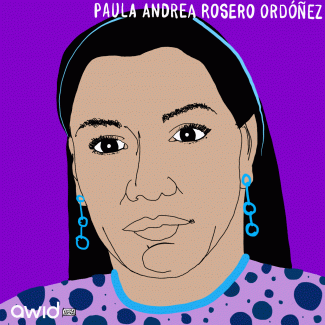
Paula Andrea Rosero Ordóñez

“[She] was a person who was characterized by her hard work in favor of the defense of human rights and the construction of peace in Nariño, especially in the municipality of Samaniego-Nariño.”
- Jorge Luis Congacha Yunda for Página10

Paula Andrea Rosero Ordóñez was a trial lawyer in the office of the Public Ministry in Samaniego, Nariño, the main agency defending citizens’ rights in Colombia.

She focused on civil and political rights, issues of impunity and justice, and contributed to uncovering the abuse of power, including corruption. She also participated in peacebuilding projects in her hometown Samaniego, such as the Municipal Peace Council and the Municipal Women’s Board. 

Paula received death threats after exposing the irregular handling of resources and complaining about acts of corruption at the Lorencita Villegas Hospital in the Nariñense municipality. She was murdered on 20 May 2019, when two men approached and shot her at close range. 

Forum 2024 - FAQ - Will you be opening CFA - EN

Yes! Please read the Call for Activities and apply here. Deadline is 15 January 2024

Agroécologie et souveraineté alimentaire

Le contexte

La recherche de moyens alternatifs de production alimentaire fondés sur la durabilité environnementale gagne du terrain dans toutes les régions du monde. Cette quête mondiale présente une caractéristique centrale : la nécessité de mobiliser les populations rurales, en particulier les femmes, tenant compte de leurs priorités et de leurs connaissances locales par le truchement de l’agroécologie.

Définition

L’agroécologie est une façon de pratiquer l'agriculture ou de faire appel aux technologies qui ne nuit pas à l'environnement. Cette approche propose de rompre avec le modèle de développement rural hégémonique reposant sur les grandes exploitations et la monoculture qui profitent essentiellement aux entreprises agricoles et renforcent l'exclusion sociale.

Dans le contexte de l'agriculture familiale, l'agroécologie représente une forme de résistance au modèle de développement actuel et aux problèmes sociaux, culturels, environnementaux et économiques que ce modèle implique. L’agroécologie se pose en alternative face au manque d'autonomie financière des agriculteur-trice-s et symbolise une résistance face au modèle d'agroentreprises actuel.

Perspective féministe

Il se pourrait que les efforts uniquement axés sur l'agroécologie ne suffisent pas à résoudre tous les problèmes de la marginalisation et de l'invisibilité des femmes. Il est alors crucial d’adopter une perspective féministe afin d'analyser les normes associées à la notion de famille telle qu'actuellement constituée en tant qu'institution parfaite, ainsi que les normes relatives à la condition de subordination des femmes.

Plus simplement, il importe d'inclure une réflexion sur les rôles de genre socialement construits pour faire avancer le potentiel émancipateur de l'agroécologie dans ce débat.


Pour en savoir plus sur cette proposition :