In September 2016, the 13th AWID international Forum brought together in Brazil over 1800 feminists and women’s rights advocates in a spirit of resistance and resilience.
This section highlights the gains, learnings and resources that came out of our rich conversations. We invite you to explore, share and comment!
What has happened since 2016?
One of the key takeaways from the 2016 Forum was the need to broaden and deepen our cross-movement work to address rising fascisms, fundamentalisms, corporate greed and climate change.
With this in mind, we have been working with multiple allies to grow these seeds of resistance:
Movements can also benefit from new methodologies on Visioning Feminist Futures (Coming up soon!)
And through our next strategic plan and Forum process, we are committed to keep developing ideas and deepen the learnings ignited at the 2016 Forum.
What happens now?
The world is a much different place than it was a year ago, and it will continue to change.
The next AWID Forum will take place in the Asia Pacific region (exact location and dates to be announced in 2018).
We look forward to you joining us!
About the AWID Forum
AWID Forums started in 1983, in Washington DC. Since then, the event has grown to become many things to many peoples: an iterative process of sharpening our analyses, vision and actions; a watershed moment that reinvigorates participants’ feminisms and energizes their organizing; and a political home for women human rights defenders to find sanctuary and solidarity.
We know that first time travel can be exciting but also stressful. In recognition of the many challenges involved, we will be providing more information and details about how to get to Bangkok when Registration opens early next year.
Donation Success
Thank you for taking a step further to change the world!
Your generous contribution will help us support feminist movements across the globe working to achieve gender justice and women’s human rights worldwide.
You can also support our work as an AWID Member. Find out how here.
BD: La super-héroïne féministe qui déboulonne les mythes antidroits
BD: La super-héroïne féministe qui déboulonne les mythes antidroits
Dans cette BD illustrée par Sophia, suivez les aventures de notre super-héroïne féministe qui dément les récits des antidroits dans le monde entier et sauve la mise aux mouvements féministes.
Los idiomas de trabajo de AWID son inglés, francés y español. El tailandés se agregará como idioma local, al igual que el lenguaje de señas y otras medidas de accesibilidad. Es posible que se añadan otras lenguas si la financiación lo permite, así que mantente atentx a las actualizaciones. Nos importa la justicia lingüística y trataremos de incluir tantos idiomas como sea posible y según nuestros recursos lo permitan. Esperamos crear múltiples oportunidades para que muchxs de nosotrxs podamos participar en nuestras lenguas y comunicarnos entre nosotrxs.
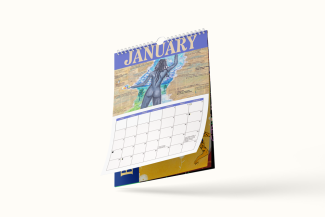
Calendario Feminista AWID 2026
Considera este calendario como un obsequio, que te llega a ti y a 9500 afiliades de nuestra comunidad feminista mundial. Un obsequio de esperanza, conexiones renovadas, acción y comunidad en un momento de inmensas injusticias y violencias.
Que estas historias te recuerden que a través de las fronteras y a lo largo de las luchas, somos muches, somos fuertes y, en conjunto, construimos los mundos que merecemos.
بدأنا التخطيط لعدد المجلّة هذا مع نانا داركوا قُبيل مهرجان «ابدعي، قاومي، غيٍّري: مهرجان للحراكات النسوية» لجمعية «حقوق المرأة في التنمية» AWID، وانطلقنا وقتها من سؤالٍ هو بالأحرى ملاحظة حول حالة العالم، ورغبة في تغيير الاعتقادات السائدة: لماذا لا تزال جنسانيّاتنا وملذّاتنا تخضع للترويض والتجريم مع أنّه يتمّ تذكيرنا مراراً وتكراراً بأنّها لا تأتي بأيّ قيمة أو تطوّر؟ واستنتجنا أنّ جنسانيّاتنا، لمّا تتجسّد، فيها ما يتعارض مع النظام العالمي الذي ما زال يتجلّى من خلال ضوابط الحدود، والتمييز العنصري في توزيع اللقاح، والاستعمار الاستيطاني، والتطهير العرقي، والرأسمالية المُستشرية. هل يمكننا إذاً القول إنّ لجنسانيّاتنا قدرةٌ تعطيليّة؟ وهل يصحّ هذا القول عندما ننظر إلى واقع حركاتنا التي يتمّ الاستيلاء عليها ومأسستها في سعيها للتزوّد بالموارد؟
Snippet - COP30 - Resistance Hubs Section Title - FR
Pôles de résistance pour la justice climatique
ours 2021 - chapter 2 es
Capítulo 2
Entender el contexto de las amenazas anti-derechos
El creciente poder de los actores anti-derechos no se está desarrollando en un vacío. Entender el auge del ultranacionalismo, del poder corporativo irrestricto, del incremento de la represión y de la disminución del espacio cívico resulta clave para contextualizar las amenazas anti-derechos que enfrentamos actualmente.
Across the globe, feminist, women’s rights and gender justice defenders are challenging the agendas of fascist and fundamentalist actors. These oppressive forces target women, persons who are non-conforming in their gender identity, expression and/or sexual orientation, and other oppressed communities.
Discriminatory ideologies are undermining and co-opting our human rights systems and standards, with the aim of making rights the preserve of only certain groups. In the face of this, the Advancing Universal Rights and Justice (AURJ) initiative promotes the universality of rights - the foundational principle that human rights belong to everyone, no matter who they are, without exception.
We create space for feminist, women’s rights and gender justice movements and allies to recognize, strategize and take collective action to counter the influence and impact of anti-rights actors. We also seek to advance women’s rights and feminist frameworks, norms and proposals, and to protect and promote the universality of rights.
Our actions
Through this initiative, we:
Build knowledge: We support feminist, women’s rights and gender justice movements by disseminating and popularizing knowledge and key messages about anti-rights actors, their strategies, and impact in the international human rights systems through AWID’s leadership role in the collaborative platform, the Observatory on the Universality of Rights (OURs)*.
Advance feminist agendas: We ally ourselves with partners in international human rights spaces including, the Human Rights Council, the Commission on Population and Development, the Commission on the Status of Women and the UN General Assembly.
Create and amplify alternatives: We engage with our members to ensure that international commitments, resolutions and norms reflect and are fed back into organizing in other spaces locally, nationally and regionally.
Mobilize solidarity action: We take action alongside women human rights defenders (WHRDs) including trans and intersex defenders and young feminists, working to challenge fundamentalisms and fascisms and call attention to situations of risk.
Related Content
Snippet Kohl - Panel | Liberated Land & Territories: A Pan-African Conversation
with Luam Kidane, Mariama Sonko, Yannia Sofia Garzon Valencia, and Nomsa Sizani.
Snippet - COP30 - Political Education Toolbox - FR
📚 Boîte à outils d’éducation politique
Dénoncer l’emprise des multinationales. Comprendre les fausses solutions. Construire des alternatives. Tout ce qu’il vous faut pour mener votre propre campagne « À qui appartient vraiment la COP ? ».
Participación en nodos: viaje espacial a través de las fronteras
Lxs participantes se reunirán físicamente en varios lugares fuera de la sede de Bangkok, en diferentes partes del mundo, durante cada día del Foro. Todos estos lugares autoorganizados se conectarán en forma virtual con la sede del Foro en Bangkok. Como en el caso de las personas que se conecten en línea, lxs participantes de los nodos podrán facilitar actividades, unirse a conversaciones y disfrutar de un programa rico y diverso.
En 2024, informaremos sobre las localizaciones de los nodos.
Chinelo Onwualu Snippet
Chinelo Onwualu is an editorial consultant with nearly 10 years of experience in crafting strategic communications for nonprofits across the world. Her clients have included ActionAid Nigeria, The BBC World Trust, Open Society Initiative for West Africa (OSIWA), and AWID. She has a master’s degree in Journalism from Syracuse University and has worked as a writer, editor, and researcher in Nigeria, Canada, and the United States. She is also the non-fiction editor of Anathema magazine and co-founder of Omenana, a magazine of African Speculative Fiction. Her short stories have been featured in several award-winning anthologies and she’s been nominated for the British Science Fiction Awards, the Nommo Awards for African Speculative Fiction, and the Short Story Day Africa Award. She’s from Nigeria but lives in Toronto with her partner and child.
Snippet - COP30 - Mutual Aid and Community Care - ES
Exclusivo para afiliades de AWID: Taller artesanal sobre ayuda mutua y cuidados comunitarios
Les afiliades de AWID analizarán y evaluarán críticamente el rol que la ayuda mutua puede cumplir en la dotación de recursos de nuestros movimientos, a través de la creación de collages colectivos.
📅 Miércoles, 12 de noviembre de 2025
📍 Espacio de la COP Popular
Panel: en las discusiones de panel, explora un tema o un desafío desde diferentes perspectivas, o comparte un aprendizaje o una experiencia, con preguntas del público a continuación, si el tiempo lo permite.
Programa de entrevistas: puedes tener una conversación más espontánea al estilo de un programa de entrevistas. Estos programas de entrevistas pueden ser una conversación entre varias personas, facilitadas por la persona que presenta el programa. Las preguntas del público pueden determinar la dirección de la conversación.
Conversación: estas pueden tomar la forma de «world café», de pecera y de otras metodologías que facilitan el involucramiento activo de lxs participantes en las conversaciones. Es un formato sumamente participativo.
Taller: actividades o clases interactivas que invitan a lxs participantes a adquirir nuevas habilidades en cualquiera y todas las áreas de la vida y el activismo.
Sesión estratégica: esta es una invitación a pensar en profundidad sobre un tema o una estrategia, junto con otras personas. Un espacio para aprender unxs de otrxs: qué funciona, qué no funciona, y cómo desarrollamos estrategias nuevas y colectivas para crear los mundos que soñamos.
Círculo para compartir [«birds of a feather»]: ideal para grupos pequeños, en un ambiente más íntimo, para oírse unxs a otrxs, iniciar una conversación y tratar con cuidado temas que pueden ser específicos, sensibles y complejos.
Artes – Taller participativo: actividades participativas de arte y expresión creativa. Ya sea a través de artes visuales, teatro, cine, pintura mural, danza, música, creación de artesanías y obras de arte colectivas, etc., apreciamos todas las ideas que celebren el arte y la creatividad feministas como formas de cambio social, sanación, expresión y transformación.
Artes – Performances, instalaciones y exhibiciones: son bienvenidas todas las propuestas que ofrezcan a lxs participantes del Foro nuevas experiencias y perspectivas, que expandan nuestros horizontes y que nos desafíen e inspiren para pensar, sentir y organizarnos de manera innovadora.
Sanación: actividades diversas diseñadas tanto para grupos como para personas individuales: desde aprender técnicas de relajación hasta hablar sobre la prevención del desgaste, desde prácticas informadas por el trauma para el cuidado de nuestro cuerpo, nuestra mente y nuestra alma hasta la reparación de fisuras dentro de nuestros movimientos.