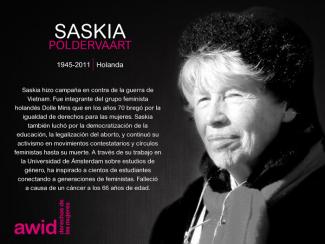
Saskia Poldervaart

In September 2016, the 13th AWID international Forum brought together in Brazil over 1800 feminists and women’s rights advocates in a spirit of resistance and resilience.
This section highlights the gains, learnings and resources that came out of our rich conversations. We invite you to explore, share and comment!
One of the key takeaways from the 2016 Forum was the need to broaden and deepen our cross-movement work to address rising fascisms, fundamentalisms, corporate greed and climate change.
With this in mind, we have been working with multiple allies to grow these seeds of resistance:
And through our next strategic plan and Forum process, we are committed to keep developing ideas and deepen the learnings ignited at the 2016 Forum.
AWID Forums started in 1983, in Washington DC. Since then, the event has grown to become many things to many peoples: an iterative process of sharpening our analyses, vision and actions; a watershed moment that reinvigorates participants’ feminisms and energizes their organizing; and a political home for women human rights defenders to find sanctuary and solidarity.
Sin palabras |
 |
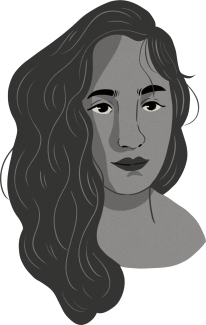 |
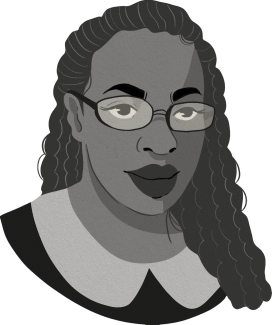
| Chinelo Onwualu | Ghiwa Sayegh |
«Cuando estamos desesperadxs por el cambio, como sucede tanto en la enfermedad como en la insurrección, nuestro lenguaje se vacía de complejidad, se queda con sus componentes más esenciales… Sin embargo, a medida que la enfermedad y la revolución persisten, el lenguaje que se hizo en ellas y sobre ellas se profundiza, admite más matices, inmerso en la aguda experiencia humana de encontrar los propios límites en el lugar del fin del mundo».
Cuando comenzamos a delinear este número con Nana Darkoa, antes de Crear | Résister | Transform: un festival para movimientos feministas! de AWID, partimos de una pregunta que es más bien una observación sobre el estado del mundo, un deseo de cambiar el terreno: ¿por qué nuestras sexualidades y placeres siguen siendo domesticados y criminalizados incluso cuando nos dicen, una y otra vez, que no tienen valor ni contribuyen al progreso? Llegamos a la conclusión de que cuando se corporizan, hay algo en nuestras sexualidades que opera contra un orden del mundo que sigue manifestándose en los controles fronterizos, los apartheids en relación a las vacunas, el colonialismo de asentamiento, la limpieza étnica, y el capitalismo descontrolado. ¿Podemos hablar, entonces, del potencial disruptivo de nuestras sexualidades? ¿Podemos seguir haciendo eso cuando, para poder obtener recursos, nuestros movimientos deben ser cooptados e institucionalizados?
Cuando el trabajo de nuestros cuerpos se convierte en ganancias en las manos de los sistemas que buscamos desmantelar, no sorprende que nuestras sexualidades y placeres queden relegados una vez más a las márgenes, especialmente cuando no son lo suficientemente rentables. En muchos momentos durante la producción de este número, nos preguntamos qué sucedería si nos negáramos a dar cabida a los servicios esenciales del capitalismo. Pero ¿podemos atrevernos a hacer esa pregunta cuando estamos agotadxs por el mundo? Quizás nuestras sexualidades son desestimadas con tanta facilidad porque no son vistas como formas de cuidado. Quizás lo que necesitemos sea reimaginar el placer como una forma radical de cuidado, una que también es anticapitalista y anti-institucional.
Estamos entrando en nuestro segundo año completo de pandemia global y nuestro abordaje de la corporalidad transnacional ha tenido que concentrarse en un único descubrimiento político: que cuidar es una forma de habitar la corporalidad. Y como ahora tanto de nuestro trabajo se hace sin tomar en cuenta los límites entre y dentro de nosotrxs, todxs somos Corporalidades Transnacionales, y eso a todxs nos sale mal. Estamos fallando en cuanto a cuidarnos y, lo que es más grave, en cuidar a lxs otrxs.
Ese fracaso no es producto de nuestras acciones.
Muchxs de nuestras madres y padres pensaban que el trabajo era transaccional, algo que debía darse a cambio de una compensación y una garantía de cuidado. Y si bien ese intercambio no siempre se cumplió, nuestrxs madres y padres no esperaban que su trabajo les diera satisfacción. Para eso tenían su ocio, sus pasatiempos, y sus comunidades. Hoy, nosotrxs, sus hijxs, que hemos sido condicionadxs para pensar en nuestro trabajo como entrelazado con nuestra pasión, no tenemos esas expectativas. Pensamos el trabajo y el ocio como una sola y misma cosa. Para demasiadas personas, el trabajo ha llegado a encarnar todo lo que somos.
Sin embargo, el capitalismo heteropatriarcal no nos valora, ni hablar de que valore nuestro trabajo o nuestras sexualidades. Este es un sistema que solo te exigirá más y más hasta que mueras. Y cuando mueras, te reemplazará por otra persona. Que se espere que estemos en línea todo el día significa que simplemente no podemos tomar distancia del trabajo, ni siquiera cuando queremos hacerlo. Esta comercialización del trabajo, divorciándolo de la persona, ha permeado cada aspecto de nuestras vidas y está siendo perpetuado incluso en los círculos más feministas, más radicales y más revolucionarios.
Las expectativas capitalistas siempre han sido particularmente dañinas para los cuerpos que no se ajustan a su ideal. Y quienes buscan consolidar sus poderes han utilizado la pandemia como una oportunidad para concentrar sus ataques en las mujeres, las minorías sexuales y cualquier otrx a quien subestimen.
Este número especial existe debido a eso y ciertamente a pesar de eso.
Casi todxs lxs colaboradorxs e integrantes del equipo se estaban presionando para ir más allá de su capacidad. Cada una de las colaboraciones fue producida desde un lugar de pasión, pero también de un increíble agotamiento. De una forma muy real, este número encarna el trabajo transnacional y, en el mundo digital en el cual vivimos, todo trabajo se ha convertido en trabajo transnacional. A medida que nos enfrentamos a nuevas fronteras que no han roto un viejo orden sino que lo reifican, experimentamos de primera mano, junto a nuestrxs colaboradorxs, cómo el capitalismo vacía nuestros límites, cómo se hace difícil construir argumentos coherentes, especialmente cuando tenemos una fecha límite para hacerlo. Nos quedamos colectivamente sin palabras, porque nos quedamos sin mundos.
Es precisamente porque nos sentimos perdidxs y solxs en el mundo del capitalismo heteropatriarcal que tenemos que reevaluar y repensar nuestros sistemas de cuidado. En muchos sentidos, hicimos de este número una misión de encontrar placer en el cuidado. Porque se ha vuelto más difícil construir argumentos coherentes, los medios visuales y creativos han pasado al primer plano. Muchas personas que solían escribir se han volcado a estos medios como una vía para producir conocimiento y atravesar la niebla mental que nos ha envuelto a todxs. Trajimos otras voces a este número, además de muchxs a quienes ya escucharon en el Festival, como una manera de abrir nuevas conversaciones y ampliar nuestros horizontes.
Dado que nos roban nuestras palabras, es nuestro deber político seguir encontrando maneras de mantenernos y cuidarnos a nosotrxs mismxs y a lxs otrxs. Muchas de nuestras realidades actuales están tratando de borrarnos y desplazarnos, mientras que siguen explotando nuestro trabajo. Nuestra corporización, por lo tanto, se convierte en una forma de resistencia; es el comienzo de que encontremos nuestro camino hacia afuera y hacia nosotrxs mismxs.
by Sophia Armen
Like it or not fierce ungerhouis have been part and parcel to our histories of resistance and are here to stay. (...)
Tout à fait. Vos réponses seront supprimées à la fin du processus de traitement et d’analyse des données. Elles ne seront utilisées qu’à des fins de recherche. Les données ne seront JAMAIS partagées en dehors de l’AWID et ne seront traitées que par le personnel de l’AWID et des consultant·es qui collaborent avec nous à la recherche WITM.
La confidentialité de votre vie privée et votre anonymat sont nos priorités. Notre politique de confidentialité est disponible ici.
entretien mené par Chinelo Onwualu
 |
Naike Ledan est une défenseuse de la justice sociale, une féministe engagée qui met en avant 20 années d’expérience dans la défense des droits humains et de la justice sanitaire, l’autonomisation des femmes, la lutte pour l’accès universel aux services de base et l’inclusion sociale, ainsi que le renforcement des capacités de la société civile. Elle a réalisé un travail considérable au Canada, en Afrique occidentale et australe, ainsi qu’en Haïti, dans le domaine de la défense des droits civils et du renforcement des capacités des OSC, tout en mettant l’accent sur les déterminants sociaux de l’exclusion structurelle. Elle défend les principes de leadership partagé, ainsi que les espaces anticoloniaux, anti-oppressifs et anti-patriarcaux. |
Chinelo On dit que tu es une activiste pour les droits des personnes trans; j’aimerais savoir quel parcours tu as eu.
Naike Alors, j’ai grandi en Haïti jusqu’à mes 18 ans, puis j’ai vécu à Montréal pendant 19 ans. En revenant en Haïti en 2016, je pensais rentrer à la maison, mais le lieu avait changé et j’ai dû me réajuster. Je ne me suis pas vraiment reconnectée à ma famille et mes amis d’enfance comme je l’aurais cru. Je suis revenue en tant qu’expat avec une situation professionnelle confortable, et je me suis sentie comme une étrangère pendant très longtemps. Dans le même temps, je me sentais vraiment à la maison à cause de la langue, des silences entendus, le fait de ne pas devoir tout expliquer quand on chante une pub – tu sais, ce truc qu’on partage, cette énergie, cet espace, cet esprit.
Ce qui m’a aidée, c’est que j’adorais le travail qui consiste à aller dans les terres et à documenter les connaissances des gens. Donc j’ai quitté le confort. Je suis devenue directrice nationale d’une organisation régionale qui était super mégaqueer! La majeure partie de mon travail consistait à trouver des ressources et à renforcer les capacités de la société civile. Ma stratégie était d’aller dans les campagnes, de chercher toutes ces petites organisations, d’aider à renforcer leurs capacités et de les financer. Je ne cherchais pas à rencontrer des politiciens, à serrer des mains et à prendre des photos <rires>. J’avais un très bon allié, Charlot Jeudy, l’activiste [queer] qui s’est fait tuer il y a trois ans chez lui. Nous nous sommes fortement rapproché·e·s après qu’un festival de films afroqueer que nous planifions en Haïti ait été interdit. Mais ç’a fait beaucoup de bruit et déclenché les conversations à propos du queer partout, et Charlot m’a présentée à toutes les petites OSC dans les moindres recoins du pays. Et moi, j’étais juste là pour aider les organisations à s’enregistrer légalement ou à construire leur plan stratégique. Donc, ce sont tous ces petits boulots qui ont fait de moi une activiste queer et, par extension, une activiste trans, bien que je ne me dise pas activiste. C’est un terme tellement piège, tu ne trouves pas? Et c’est un nom que les autres nous donnent. Moi, je pense que je suis juste une amoureuse et une battante <rires>.
Chinelo Parle-moi de la formation que tu as menée avec l’AWID pour le festival. De quoi ça parlait et quel était le contexte?
Naike Les médias internationaux ne parlent pas vraiment d’Haïti, mais avec un environnement politique aussi mauvais que le nôtre, l’environnement économique était encore plus catastrophique. Étant une Haïtienne plutôt de classe moyenne, parlant plusieurs langues et ayant différents passeports, j’étais hésitante au départ à occuper cet espace. Mais je me considère souvent davantage comme un pont que comme une personne qui parle d’elle-même. C’est comme ça que j’en suis venue à inviter Semi, une brillante jeune femme trans d’autour de Port-au-Prince, pour qu’elle vienne occuper cet espace, parler d’elle-même et nous raconter l’écosystème des réalités des femmes trans en Haïti. Nous en sommes venues à faire une séance sur le féminisme non inclusif – ou pour le dire autrement, les espaces féministes officiels – et la manière dont les filles trans en Haïti n’ont pas d’espace au sein desquels elles peuvent contribuer aux connaissances des femmes et au partage de leurs réalités. Donc, le festival de l’AWID a été pour moi l’opportunité de donner l’espace aux femmes qui devraient leur être dédié. Ce fut un super moment; on buvait du vin en ligne tout en modérant la conversation. Ma comodératrice, Semi, nous a fait part de ce que cela signifie que d’être une enfant/une fille/une femme trans à différentes étapes de sa vie. Elle a également parlé des dangers de la rue, de la pauvreté, de l’exclusion, du fait de « ne pas passer » et aussi de ses victoires.
Chinelo Quelle est la relation des femmes trans avec les organisations féministes en Haïti? Quelle expérience en as-tu retirée?
Naike Ç’a été vraiment très difficile – un crève-cœur, vraiment – cette expérience des femmes trans en Haïti. De l’inexistence absolue à une extrême sexualisation. L’autre chose qui se passe aussi c’est la manière dont elles sont tuées, et le fait que ces assassinats ne sont pas rapportés dans les médias. Cela montre la mesure dans laquelle les femmes trans sont non existantes et effacées. Elles sont partout mais non dans les cadres professionnels, non dans les cadres féministes et non dans les cadres organisationnels. Même pas dans les organisations LGBT. Ce n’est que récemment, et suite à un énorme effort de plaidoyer, que certaines de ces organisations se réajustent en quelque sorte. Mais dans les espaces féministes, c’est toujours hors de question. On doit toujours faire avec le vieux discours d’exclusion : « Ce ne sont pas des femmes. Bien sûr, si elles peuvent passer… ». La culture du passing, c’est en réalité une question de gestion des risques – à quel point tu passes et à quel point tu ne passes pas, et ce que cela veut dire pour ton corps et la violence que cela lui inflige. Dans les réalités d’exclusion des trans dans lesquelles nous vivons, qui sont reproduites dans de nombreux espaces féministes, celles qui passent complètement peuvent être considérées être des filles, mais seulement dans une certaine mesure. Mais tomber en amour, avoir une conversation et rester dans le placard, et souhaiter une certaine esthétique ou une carrière? De fait, la conversation sur la thérapie hormonale porte en réalité sur la réduction des risques, comme Semi elle-même l’a mentionné lors de la formation. Mais on n’a pas l’option de la thérapie hormonale ici, on n’a pas le cadre médical ni le système qui soutiendrait celles qui voudraient choisir cette option.
Chinelo Tu parles de la manière dont les trans et les queer sont considéré·e·s dans la société, je trouve que ça pourrait ressembler à la situation au Nigéria, qui peut être un environnement profondément homophobe.
Naike Haïti est un pays très complexe, d’une très belle manière. Rien n’est simple, tu sais, rien ne se fait jamais d’une seule manière. Les Haïtiens et les Haïtiennes sont très tolérant·e·s – et sont également très homophobes. Il y a des coins de campagne où les gens ne sont pas vraiment si homophobes, parce que les temples vaudous sont là, et c’est une religion qui respecte la vie. Un principe essentiel de la religion vaudou est que toutes et tous les enfants sont des enfants. Donc, il n’y a pas de vrai ou faux dans cette religion. Depuis la nuit des temps, les gens considèrent Haïti comme un havre, un lieu où les gens sont tolérants – je te parle là des années 1970, 1980, avant le VIH, les années 1990 même. Puis il y a eu le tremblement de terre [en 2010], dans lequel environ 300 000 personnes ont trouvé la mort. Et alors tout cet argent est arrivé du Sud des États-Unis par le biais des Évangélistes, pour reconstruire le pays et pour trouver Jésus. Donc l’homophobie en Haïti est très récente. Dans le tréfonds, dans le cœur de l’âme de la culture, je ne peux pas vraiment dire qu’Haïti est homophobe. Mais dans la vie de tous les jours, ça colle vraiment à la peau des personnes queer, toute cette violence. Et sur celle des femmes, des femmes pauvres, des femmes à la peau foncée aussi parce que le colorisme est bien ancré dans les Caraïbes.
Chinelo Comment as-tu géré cela? Quelle a été ta stratégie de survie?
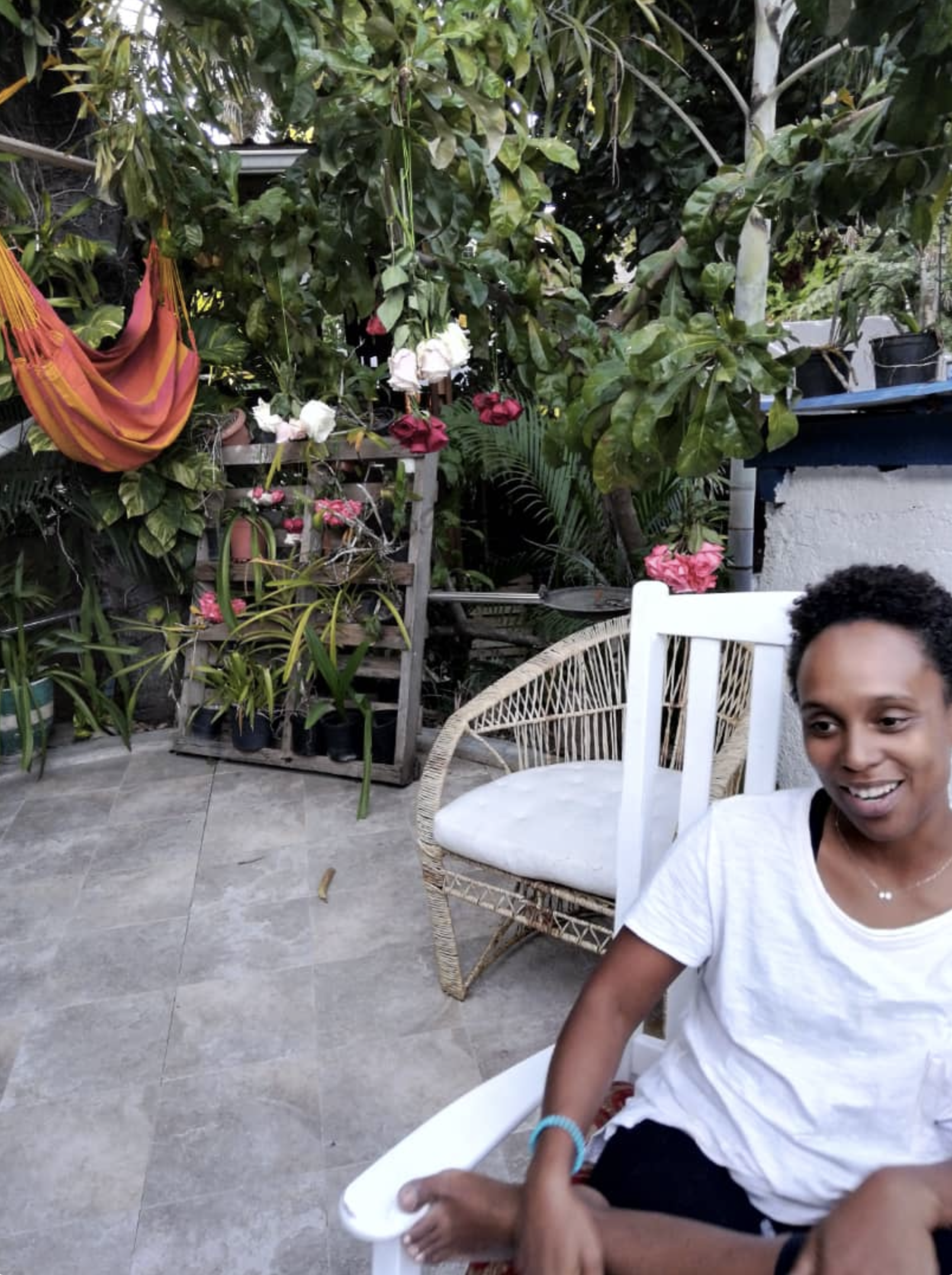
Naike J’aime vraiment beaucoup mon travail. J’adore travailler. Au début, quand je suis arrivée, je travaillais avec cette horrible ONG mais je faisais un travail génial. J’étais toujours à la campagne, discutant et apprenant des gens, des femmes. Et ç’a m’a comblée pendant si longtemps, parce que je suis vraiment très amoureuse de ma culture, des personnes noires, des femmes noires – des vieilles femmes noires, des bébés noir·e·s. Ça me nourrit vraiment spirituellement. Quand on était au Canada, mes enfants étaient dans ces écoles où il n’y avait que des blancs et des blanches et iels étaient instrumentalisé·e·s. Iels ne parlaient ni créole ni français. Et maintenant, iels courent librement dans la cour et commencent à se battre en créole. J’ai aussi trouvé des poches de survie auprès des gens que j’ai rencontrés. J’ai créé des liens avec les queer et d’autres qui étaient des bizarres comme moi, et ç’a vraiment été magique. Mais aujourd’hui, j’ai davantage mal parce que je ne me sens plus en sécurité en Haïti. Il y a environ 40 enlèvements par semaine à Port-au-Prince – et c’est ainsi depuis 2018. J’ai commencé à devenir anxieuse et à avoir des attaques de panique. Donc, l’heure est venue pour moi de partir, et je me demande régulièrement « C’est où la maison? ». J’ai passé 19 ans à Montréal mais je ne m’y suis jamais sentie chez moi. Quand je suis partie, cela ne m’a jamais manqué et je ne veux donc pas y retourner. Je pleure beaucoup ces derniers temps parce que j’ai l’impression d’entamer un deuxième exil.
Chinelo Quelle est ta relation au plaisir, aux loisirs et au repos?
Naike Ma relation avec le plaisir, les loisirs et le repos sont une seule et même chose pour moi. C’est le moment vécu où je me laisse aller à profiter de la chaleur du soleil sur mon visage, par exemple. C’est un plaisir, un loisir et un repos en même temps.
Le plaisir : c’est l’espace où je me réfugie, qui se résume généralement à un havre de célébration de moi-même. Je me réserve le pouvoir et le droit d’être bruyante ou calme, alors que je profite du plaisir que j’expérimente. Tout le plaisir auquel je m’adonne vicieusement et abondamment, notamment mais non exclusivement, le plaisir de la solitude et du silence.
Les loisirs : faire du vélo, assister à des festivals de musique, manger, déguster du vin et danser des danses traditionnelles du vaudou haïtien font partie de tout ce à quoi je m’adonne en ce moment.
Le repos : c’est ce pourquoi je vis. En tant qu’hyper performante et que personne qui est littéralement en amour avec son travail, il est paradoxal de voir à quel point je suis paresseuse. Personne ne sait ça parce que tout ce que le monde voit en moi, c’est la bête de travail satisfaite. Personne ne sait à quel point je peux, sans compromis et profondément, me plonger dans l’oisiveté.
Cette édition du journal, en partenariat avec Kohl : a Journal for Body and Gender Research (Kohl : une revue pour la recherche sur le corps et le genre) explorera les solutions, propositions et réalités féministes afin de transformer notre monde actuel, nos corps et nos sexualités.

نصدر النسخة هذه من المجلة بالشراكة مع «كحل: مجلة لأبحاث الجسد والجندر»، وسنستكشف عبرها الحلول والاقتراحات وأنواع الواقع النسوية لتغيير عالمنا الحالي وكذلك أجسادنا وجنسانياتنا.
por Ana María Belique
El Batey Naranjo es una comunidad un poco retirada de la ciudad, pero repleta de personas trabajadoras, llenas de entusiasmo. (...)
< arte: «Tejedoras de sueños», Diana Mar
The survey is open until the end of August 2024. Please complete it within this timeframe to ensure your responses are included in the analysis.
Des mots perdus |
|
|
| Chinelo Onwualu | Ghiwa Sayegh |
« Lorsque nous avons désespérément besoin de changement, comme c’est le cas dans la maladie et l’insurrection, notre langage se vide de sa complexité et se réduit à l’essentiel... Mais à mesure que la maladie et la révolution persistent, le langage fabriqué en elles et à leur sujet s’approfondit, laisse entrer plus de nuances, absorbé par l’expérience profondément humaine qu’est de rencontrer de ses propres limites sur le site de la fin du monde. »
Johanna Hedva
Lorsque nous avons commencé à imaginer un tel numéro avec Nana Darkoa, à l’approche du festival Crear | Résister | Transform : un festival dédié aux mouvements féministes ! de l’AWID, nous sommes parti·e·s d’une question qui relève davantage d’une observation de l’état du monde – un désir de déplacer le terrain : pourquoi nos sexualités et nos plaisirs continuent-ils d’être apprivoisés et criminalisés, alors même qu’on nous répète sans cesse qu’ils n’apportent ni valeur ni progrès? Nous sommes arrivé·e·s à la conclusion que lorsqu’elles sont incarnées, quelque chose dans nos sexualités va à l’encontre d’un ordre mondial qui continue à se manifester par des contrôles aux frontières, des apartheids vaccinaux, un colonialisme d’occupation, un nettoyage ethnique et un capitalisme rampant. Pouvons-nous donc parler du potentiel perturbateur de nos sexualités? Pouvons-nous encore le faire lorsque, pour être financé·e·s, nos mouvements sont cooptés et institutionnalisés?
Lorsque notre travail incarné devient un profit entre les mains de systèmes que nous cherchons à démanteler, il n’est pas étonnant que nos sexualités et nos plaisirs soient une fois de plus relégués à la marge – surtout lorsqu’ils ne sont pas assez rentables. À plusieurs reprises au cours de la production de ce numéro, nous nous sommes demandé ce qui se passerait si nous refusions de nous plier aux services essentiels du capitalisme. Mais pouvons-nous oser poser cette question, lorsque nous sommes épuisé·e·s par le monde? Peut-être que nos sexualités sont si facilement rejetées parce qu’elles ne sont pas considérées comme des formes de soins. Peut-être que ce dont nous avons besoin, c’est de réimaginer le plaisir comme une forme de soin radical – un soin qui est également anticapitaliste et anti-institutionnel.
Alors que nous entrons dans notre deuxième année complète de pandémie mondiale, notre approche des incarnations transnationales a dû se concentrer sur un seul constat politique : prendre soin est une forme d’incarnation. Et parce qu’à l’heure actuelle, une grande partie de notre travail se fait sans tenir compte des frontières entre nous et en nous-mêmes, nous sommes toustes incarné·e·s de manière transnationale – et nous échouons toustes. Nous ne parvenons pas à prendre soin de nous-mêmes et, plus important encore, à prendre soin les un·e·s des autres.
Cet échec n’est pas de notre fait.
Beaucoup de nos parents considéraient le travail comme une transaction, quelque chose à donner en échange d’une compensation et d’une garantie de soins. Et bien que cet échange n’ait pas toujours été respecté, nos parents ne s’attendaient pas à ce que leur travail les comble. Iels avaient leurs loisirs, leurs passe-temps et leurs communautés pour cela. Aujourd’hui, nous, leurs enfants, qui avons été conditionné·e·s à penser que notre travail est intimement lié à notre passion, n’avons pas de telles attentes. Nous considérons le travail et les loisirs comme une seule et même chose. Pour un trop grand nombre d’entre nous, le travail en est venu à incarner tout notre être.
Cependant, le capitalisme hétéropatriarcal ne nous valorise pas, et encore moins notre travail ou nos sexualités. C’est un système qui ne fera qu’exiger toujours plus, jusqu’à votre mort. Et quand vous mourrez, il vous remplacera par quelqu’un·e d’autre. L’attente d’être en ligne 24 heures sur 24 signifie que nous ne pouvons tout simplement pas nous échapper du travail, même lorsque nous le souhaitons. Cette commercialisation du travail, qui le dissocie de la personne, a infiltré tous les aspects de nos vies et se perpétue même dans les milieux les plus féministes, les plus radicaux et les plus révolutionnaires.
Les attentes capitalistes ont toujours été particulièrement pernicieuses pour les corps qui ne correspondent pas à leur idéal. Et celleux qui cherchent à consolider leurs pouvoirs ont utilisé la pandémie comme une occasion de cibler les femmes, les minorités sexuelles et toustes celleux qu’iels considèrent comme des moins que rien.
Ce numéro spécial existe à cause, et certainement en dépit, de cela.
Presque tous les contributeur·ice·s et membres du personnel se sont surpassé·e·s. Chaque article est le fruit d’une passion, mais aussi d’un incroyable épuisement. De manière très concrète, ce numéro est une incarnation du travail transnational – et dans le monde numérique dans lequel nous vivons, tout travail est devenu un travail transnational. Alors que nous devons faire face à de nouvelles frontières qui ne brisent pas un ordre ancien mais le réifient, nous avons fait l’expérience directe, aux côtés de nos contributeurs, de la façon dont le capitalisme épuise nos limites – comment il devient difficile de construire des arguments cohérents, en particulier lorsque ceux-ci sont soumis à une date limite. Nous avons collectivement perdu les mots – parce que nous sommes perdu·e·s pour les mondes.
Se sentir perdu et seul dans le monde du capitalisme hétéropatriarcal est exactement la raison pour laquelle nous devons réévaluer et repenser nos systèmes de soins. À bien des égards, nous avons transformé ce numéro en une mission visant à trouver du plaisir dans les soins. Parce qu’il est devenu plus difficile de construire des arguments cohérents, les moyens visuels et créatifs sont passés au premier plan. Nombreux·ses sont celleux qui, ayant l’habitude d’écrire, se sont tourné·e·s vers ces médias pour produire des connaissances et couper court au brouillard mental qui nous a toustes enveloppé·e·s. Nous avons fait intervenir d’autres voix, en plus de celles que vous avez entendues au festival, afin d’ouvrir de nouvelles conversations et d’élargir nos horizons.
Alors que nous sommes privé·e·s de nos mots, il est de notre devoir politique de continuer à trouver des moyens de nous maintenir et de prendre soin de nous-mêmes et des autres. Une grande partie de nos réalités actuelles tente de nous effacer et de nous déplacer, tout en continuant à exploiter notre travail. Notre incarnation, par conséquent, devient une forme de résistance; c’est le début de nous-mêmes trouvant notre voie en dehors et en dedans de nous.
El Foro es un ejemplo vivo de lo que el más grande NOSOTRXS podemos hacer. Vamos al Foro, somos semillas, luego nos sembramos. Esto lo tenemos que celebrar.
- Sara Abu Ghazal, Líbano
Notre programme final du Feminist Film Club est maintenant disponible: « Films from Nuestramérica » est une série de films sur les réalités féministes d'Amérique latine et d'Amérique centrale organisée par Alejandra Laprea (Venezuela).

Related content
The Guardian: Kate Millett Obituary
New York Times: Kate Millett, Ground-Breaking Feminist Writer, Is Dead at 82
The New Yorker: A Last Interview with Kate Millett