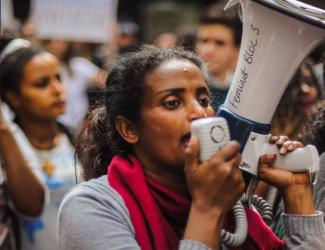
Anit-Racism Movement (ARM) / Flickr (CC BY-NC-ND 2.0)

Priority Areas

Supporting feminist, women’s rights and gender justice movements to thrive, to be a driving force in challenging systems of oppression, and to co-create feminist realities.

Resourcing Feminist Movements

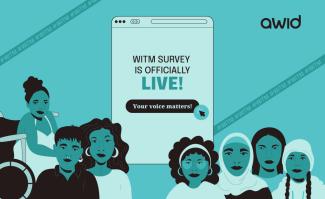
Banner image announcing that WITM Survey is live.


The “Where is the Money?” #WITM survey is now live! Dive in and share your experience with funding your organizing with feminists around the world.

Learn more and take the survey


Around the world, feminist, women’s rights, and allied movements are confronting power and reimagining a politics of liberation. The contributions that fuel this work come in many forms, from financial and political resources to daily acts of resistance and survival.


AWID’s Resourcing Feminist Movements (RFM) Initiative shines a light on the current funding ecosystem, which range from self-generated models of resourcing to more formal funding streams.

Through our research and analysis, we examine how funding practices can better serve our movements. We critically explore the contradictions in “funding” social transformation, especially in the face of increasing political repression, anti-rights agendas, and rising corporate power. Above all, we build collective strategies that support thriving, robust, and resilient movements.


Our Actions

Recognizing the richness of our movements and responding to the current moment, we:

  • Create and amplify alternatives: We amplify funding practices that center activists’ own priorities and engage a diverse range of funders and activists in crafting new, dynamic models  for resourcing feminist movements, particularly in the context of closing civil society space.

  • Build knowledge: We explore, exchange, and strengthen knowledge about how movements are attracting, organizing, and using the resources they need to accomplish meaningful change.

  • Advocate: We work in partnerships, such as the Count Me In! Consortium, to influence funding agendas and open space for feminist movements to be in direct dialogue to shift power and money.

Related Content

Funding Ideas

This page provides ideas and inspiration for how you can fund your participation at the 14th AWID International Forum. 

As you plan the activity you would like to do at the Forum, please also consider how you will fund your participation. Typical Costs include: accommodation, travel, visa, forum registration fees, etc.

It is important to note that this Forum will have many ‘open spaces’ and moments for movements to learn and exchange, but fewer formal sessions. (See “Ways to describe the Forum in your fundraising” below for language to use in your outreach.) 

Work with your current funders:

Reach out to your current donors first : Your best option is always a current funder that you have.

Make sure to do it in advance : We recommend contacting them by early 2020 at the latest. Many funders who support feminist organizations have some budget allocated for Forum travel. Others may be able to include it in renewal grants or through other travel funds.

If your group has funders, tell them that you want to attend the AWID Forum to learn, experience, exchange and network- even if your activity does not get selected for the final program. In order to be able to support your participation, your donors will need to know about it well in advance so tell them right away! (they are already deciding which funds they will distribute in 2020).

Seeking new funders:

If you do not currently have donor support or are not able to secure grants for Forum travel, consider reaching out to new donors. 

Deadlines and requirements vary by funder, and a  grant review process can take many months. If you’re considering applying for new grants, do so as soon as possible.

Creative inspiration:

Feminist movements have long gotten creative with funding our own activism. Here are some ideas that we have gathered to inspire alternative ways of fundraising:

  • Mobilize your community to support participation: fundraise with small contributions from members through community dinners, dance parties, and local shows, events and tours
  • Mobilize your networks by organizing giving circles and crowdsourcing using various online tools like gofundme, indiegogo, plumfund, or kickstarter
  • Cultivate local sources of income, including from individual donors and membership dues    
  • Consider co-funding through strategic partnerships with other community and social justice groups.

For more inspiration, see AWID’s ongoing series on autonomous resourcing, including specific ideas for conference raising participation funds. 

Access Fund:

AWID strives to make the Forum a truly global gathering with participation from diverse movements, regions and generations. To this end, AWID mobilizes resources for a limited Access Fund (AF) to assist Forum participants with the costs of attending the Forum.

AWID’s Access Fund will provide support to a limited number of Forum participants and session/activity facilitators. You can indicate in your application if you would like to apply to the AWID Access Fund. This is not guaranteed, and we strongly encourage you to seek alternative funding for your participation and travel to the Forum.

Even if you apply for the AWID Access Fund, we encourage you to continue to explore other options to fund your participation in the Forum.  Access Fund decisions will be confirmed by the end of June 2020. Please remember that these resources are very limited, and we will be unable to support all applicants. 


Ways to describe the Forum in your fundraising: 

As you reach out to funders or your own networks, here is some sample messaging that may be helpful. Feel free to adapt it in whatever way is useful for you!

The AWID Forum is a co-created feminist movement space that energizes participants in their own activism, and strengthens connections with others across multiple rights and justice movements. Participants get to draw from wells of hope, energy and radical imagination, as well as deepen shared analysis, learning, and build cross-movement solidarity to develop more integrated agendas and advance joint strategies.

Our organization is seeking funds to attend the Forum in order to connect with other activists and movements from around the world, strengthen our strategies, and share our work. We are inspired by past participants, who have described the power of this global feminist gathering:

“Over four days … voices weaved together into a global perspective on the state of gender equality. And when I say global, I mean simultaneous translation into seven languages kind of global  ....”

“It was reminding us that we are not alone. The Forum provided a means of translating collectivity into our movements. Whether across ideologies, identities or borders, our strength is in our vision and our support of one another.”

It is important to note that this Forum will have many ‘open spaces’ and moments for movements to learn and exchange, but fewer formal sessions. While many attendees will not be presenting in formal sessions, there will be invaluable space to learn, strategize, and experience feminist movements’ collective power in action.

Budget considerations: 

When calculating your costs and how much you need to raise, it is important to factor in costs that may come up. Here’s an example of key items to consider:

  • Airfare
  • Forum registration fees (please note that even if you are granted Access Funds by AWID, you will have to cover your registration fee yourself)
  • Visa costs
  • Travel health insurance
  • Local travel to and from the airport (taxis or other transportation)
  • Layover costs, such as hotels and meals if your plane travel requires a long layover
  • Accommodation, including giving yourself a day to recover on either end if you have traveled far
  • Technology, including WiFi access or fees for international communication as needed during travel (AWID will provide WiFi during the Forum)
  • Materials costs for any items (visuals, reports, artwork!) you want to bring, share, or exchange at the Forum 
  • Incidentals and/or per diems to cover food and other items that come up (all lunches and coffee/tea breaks, plus one dinner will be provided by AWID during Forum days) 
  • Accessibility, such as any additional support that may be important to make your travel more comfortable, safe, and secure

We look forward to seeing you at the Forum!


The Forum is a collaborative process

The AWID Forum will now take place 11-14 January 2021 in Taipei .

It is more than a four-day convening. It is one more stop on a movement strengthening journey around Feminist Realities that has already begun and will continue well beyond the Forum dates.

Join us on this journey!

كم من الوقت تستغرق تعبئة الاستطلاع؟

الوقت المقدّر لتعبئة الاستطلاع هو 30 دقيقة.

Our neighbourhood, our network, our strength

by Marta Plaza Fernández, Madrid, Spain (@gacela1980)

The feminist reality that I want to share is about weaving networks in which we uphold one another. Networks which come together in different ways, which emerge from our shared vulnerability, and which make all of us stronger.


The streets of Chamberí, my neighbourhood in Madrid, became much more of a home following the gatherings in the plazas organized by the citizens movement that originated in a rally on May 15, 2011. I think about how, during those years, we met each other and were able to associate faces, voices, smiles with so many neighbours who previously were only silhouettes without names or pasts, and who we passed by without seeing or hearing each other. I think about how we’ve become involved and dedicated; how we’ve woven a palpable, tangible community; how we’ve been advancing hand in hand towards building a new more inhabitable world, which we want and that we urgently need to create.

A group of activists and utopian neighbours, (in the best sense of the word utopian) – that moves us to action to do something real – that group for me was practically the first that reacted differently when I shared a part of my history and identity with them. With these women I shared my psychiatric diagnosis, my multiple hospital stays, the number of daily pills that accompanied me, my disability certificate, my difficulty in preserving that vital link that periodically disintegrates in my hands.

These neighbours, friends, comrades, links, loves –did not only not distance themselves from me once they got to know someone who many others had labelled as problematic, manipulator, egotistical – but became my principal network of affection and mutual support. They decided to navigate with me when the sea became agitated with storms. These people have given a different meaning to my days.

Building our feminist reality also encompasses carrying the “I believe you, sister” that we use when a friend has suffered a macho attack to the violence experienced by psychiatrized women at the hands of the very psychiatric system and institutions that are supposed to help us (and instead are often the new abuser who traumatizes and hurts us all over again). And this reality must include respect for our decisions, without taking away our agency and capacity to direct our own steps to one space or another; to listen to our narratives, desires, needs…without trying to impose others that are alien to us. It means not delegitimizing our discourse, not alluding to the label of our diagnosis, nor our madness.

With these transformation, each stay in the psychiatric institute did erase the ties that we had been able to build, but instead this network stayed by my side, its members took turns so that each day there would be no lull in calls, in visits, so that I could feel them as close as one can feel another person separated by locked doors (but unfortunately open for abuse) within the confines of the psychiatric ward. Through the warmth and kindness from my people I could rebuild that vital link that had once again been broken.

The even bigger leap happened when I was already aware of the numerous violent acts and abuse (where among other assaults, I spent days strapped to a bed, relieving myself where I lay),  I decided that I would not go back to being interned.

This network of care, these women neighbours-friends-loves-comrades, they respected my refusal to return to the hospital and supported me through each crisis I’ve been through since then. Without being interned, without violence.

They took turns accompanying me when my link to life was so broken that I felt such a huge risk which I couldn’t handle on my own. They organized WhatsApp group check-ins. They coordinated care and responsibilities so that no one would feel overwhelmed - because when an individual feels overloaded, they make decisions based on fear and the need for control instead of prioritizing accompaniment and care.

That first crisis that we were able to surmount together in this way – without being admitted to the psychiatric institute, represented a dramatic change in my life. There were months when my life was at risk, of intense suffering and of so much fear for my people and for me. But we overcame it together, and all that I thought was that if we could get over that crisis, then we could also find ways to face all the difficulties and crises that may come.

These feminist realities that we’re building day by day keep expanding, growing and taking different forms. We’re learning together, we’re growing together. Distancing ourselves from a welfare mentality, one of the first lessons was that, in reality, there wouldn’t be anyone receiving care (because of a psychiatric label) or anyone helping, from the other side of the sanity/insanity line. We learnt – we’re learning – to move to a different key – that of mutual support, of providing care and being cared for, of caring for each other.

We’ve also explored the limits of self care and the strength of collectivizing care and redistributing it so it’s not a burden that paralyzes us; we learnt – and we keep learning today – about joy and enjoying care that is chosen.

Another recent learning is about how difficult it was to start integrating money as another component of mutual support that we all give and receive. It was hard for us to realize how internalized capitalism kept on reverberating in our relationship with money, and that even though no one expected any payment for the containers of lentils we cooked amongst us when eating and cooking were difficult tasks, our expectation regarding money was different. Phrases like “how much you have is how much you’re worth” become stuck inside of us without critically analyzing them. It’s easy to keep thinking that the money each one has is related to the effort made to earn it, and not due to other social conditioning distant from personal merit. In fact, within this well-established mutual support network – redistributing money based on needs without questioning – was still a remote reality for our day to day. That’s why this is something that we’ve recently started to work on and think through as a group.

We want to get closer to that anti-capitalist world where mutual support is the way that we have chosen to be in the world; and that entails deconstructing our personal and collective relationship with money and internalized capitalism.

In these feminist realities we also know that learning never stops, and that the road continues to be shaped as we travel upon it. There is still much to do to keep caring for ourselves, to keep expanding perspectives and to make ourselves more aware of the persistent power imbalances, of privileges that we hold and continue to exercise, without realizing the violence that they reproduce.

Though we’ve already travelled so far, we still have a long way to go to get closer to that new world that we hold in our hearts (and for some within our crazy little heads too). Racism, classism, adult-centrism, fat-phobia, and machismo that persists among our partners.

Among the pending lessons, we’ve needed for a long time already to build a liveable future in which feminism is really intersectional and in which we all have space, in which the realities and oppressions of other sisters are just as important as our own. We also need to move forward horizontally when we build collectively – getting rid of egos, of protagonisms, to live together and deal with the need for recognition in a different way. And to also keep making strides grounded in the awareness that the personal is always, always political.

How we relate to and link with each other cannot be relegated to the private domain, nor kept silent: other loves are possible, other connections and other families are necessary, and we are also inventing them as we go.

This new world which we want to create, and that we need to believe in – is this kind world – in which we can love, and feel pride in ourselves – and in which all worlds will fit. We’ll keep at it.


“Healing Together”

by Upasana Agarwal, Kolkata, India (@upasana_a)

Looking at activists and feminists as healers and nourishers of the world, in the midst of battling growing right wing presence, white supremacy and climate change. This piece highlights how our feminist reality puts kindness, solidarity, and empathy into action by showing up and challenging the status quo to liberate us all. 

Upasana Agarwal (@upasana_a)


Я прошла(-шел) опрос, но передумала(-л) и хочу отозвать ответы – что мне делать?

Если по какой-либо причине вы хотите, чтобы ваш ответ был отозван и удален, вы имеете на это право. Пожалуйста, свяжитесь с нами через форму здесь, указав «Опрос «Где деньги?»» в качестве заголовка вашего сообщения, и мы удалим ваш ответ.

Understanding the Context of Anti-Rights Threats

Chapter 2

While fundamentalisms, fascisms and other systems of oppression shapeshift and find new tactics and strategies to consolidate power and influence, feminist movements continue to persevere and celebrate gains nationally and The rising power of anti-rights actors is not happening in a vacuum. Understanding the rise of ultra-nationalism, unchecked corporate power, growing repression, and diminishing civic space is key to contextualize the anti-rights threats we face today.

Protester holding a flyer that reads "Danger - Trump and the Far Right."
© Alisdare Hickson / Flickr
Danger - Trump and the Far Right.

Today, considerably more than half of the world’s population is governed by far-right leaders.  Against this backdrop, human rights defenders and feminists are working hard to “hold the line” and protect multilateralism and the international human rights system. They also face the risk that their engagement may bring with it violent reprisals. At the same time, these institutions are increasingly subject to private sector interests. Large businesses, particularly transnational corporations, are occupying seats at the negotiating table and leadership positions in a number of multilateral institutions, including the UN. This nexus of ultra-nationalism, closing civic space, and corporate capture is having a tremendous impact on whether human rights for all can ever be achieved. 

Table of Contents

  • Nationalism and Ultra-nationalism
  • Corporate Capture: Untamed Corporate Power is Putting Rights at Risk
  • Reprisals and Closing Civic Spaces for Feminist Activists, and LGBTIQ+ and Women Human Rights Defenders
  • Movement Resistance Story: CEDAW’s Article 16: A Pathway for Reformation of Discriminatory Family Laws in Muslim Contexts 
     

Read Full Chapter >

Posso compartilhar o inquérito com outras pessoas?

Claro que sim! Encorajamo-lo a compartilhar a ligação do nosso inquérito com as suas redes. Quanto mais perspetivas diversas recolhermos, melhor será a nossa compreensão do cenário financeiro para a organização feminista.

الفرح للعالم: ستّة أسئلة مع نايكي ليدان

أجرت المقابلة تشينيلو أونوالو
ترجمة فيفيان عقيقي

Decorative Element


Naike Ledan Portrait

نايكي ليدان، مدافعة عن العدالة الاجتماعية وناشطة نسوية ملتزمة، تتمتع بـ 20 عامٍ من الخبرة في مجال الدفاع عن حقوق الإنسان والعدالة الصحية وتمكين المرأة، والنضال من أجل الوصول الشامل إلى الخدمات الأساسية والإدماج الاجتماعي، فضلاً عن بناء قدرات المجتمع المدني. قامت بعمل مكثف في كندا وغرب وجنوب إفريقيا وهايتي في مجال الدفاع عن الحقوق المدنية، وبناء القدرات لمنظمات المجتمع المدني، مع التأكيد على المحددات الاجتماعية للإقصاء الهيكلي. إنها تقدر مبادئ القيادة المشتركة والمساحات المعادية للاستعمار والقمع والأبوية.

Article Cover for A Joy to the World: Six Questions with Naike Ledan

السؤال الأوّل: تُعَدّين ناشطة في قضايا حقوق العابرين/ات جنسياً؛ أشعر بالفضول لمعرفة كيف عبّدتِ مسيرتك.

نشأتُ في هايتي حتّى بلغت سنّ الثامنة عشرة، ثمّ عشتُ في مونتريال لمدّة 19 عاماً. في العام 2016 عدتُ إلى هايتي معتقدة أنني سوف أعود إلى الوطن، لكن المكان تغيّر، وكان عليّ التكيّف مجدّداً. لم أُعِدْ ربط الصلات مع العائلة وأصدقاء الطفولة بالطريقة التي كنت أتوقّعها. عدت كمُغتربة مع ظروف عمل مريحة، وبقيت أشعر أنني غريبة لفترة طويلة جداً. لكن في الوقت نفسه، شعرت أنني في وطني بسبب اللغة، وحتى الصمت المألوف، وعدم اضطراري إلى تبرير غنائي لشارة إعلان تجارية – تعلمين... تلك الأمور التي نتشاركها، تلك الطاقة، تلك المساحة، وتلك الروح.

عودتي إلى حبّ الذات – أو ما أسمّيه "ولادة جديدة" – التي تتزامن مع ولادة طفلي الأوّل، وولادة نفسي، ووقوعي في حبّ حبيبتي الكويرية. (مصدر الصورة: نايكي ليدان)​​​​​​

 ما ساعدني في ذلك هو حبّي للعمل في كافة أنحاء البلاد، وتوثيق معارف الناس. لذلك تركت مساحتى المريحة، وأصبحت مديرة قطرية لمنظّمة إقليمية كويرية. تركَّز معظم عملي على إيجاد الموارد وبناء قدرات المجتمع المدني. بنيتُ استراتيجيتي على الذهاب إلى الريف، والبحث عن كلّ المنظّمات الصغيرة، والمساعدة في بناء قدراتها وتمويلها. لم أكن مُهتمّة بالسياسيين وبمصافحتهم والتقاط الصور معهم <ضحكة>. كان لديّ حليف رائع: شارلوت جودي، الناشط الكويري الذي قُتِل قبل ثلاث سنوات في منزله. تقرّبنا كثيراً بعد حظر مهرجان أفلام أفرو كويرية في هايتي كنا نخطّط له. أحدث المهرجان ضجّة كبيرة، وأثار نقاشات عن الكويرية في كلّ مكان، لذلك قدّمني شارلوت إلى منظّمات المجتمع المدني الصغيرة، المُنتشرة في كلّ ركن من البلاد. كان عليّ أن أكون هناك لمساعدة المنظّمة (المنظّمات)، على التسجيل بشكل قانوني أو بناء خطّتها الاستراتيجية. جعلتني هذه الأعمال ناشطة كويرية، وبالتالي ناشطة في قضايا المتحوّلين/ات جنسياً. مع ذلك لا أسمّي نفسي ناشطة. إنّها كلمة ثقيلة كما تعلمين. لكنّها الصفة التي يناديك بها الناس. أعتقد أنني مجرّد عاشقة ومقاتلة <ضحكة>.

السؤال الأوّل: أخبريني عن ورشة العمل التي نظّمتها للمهرجان مع AWID. ما هو مضمونها وسياقها؟

وعيي الذاتي العميق خلال سنوات طفولتي، وانخراطي في البحث عن أسباب انعدام المساواة والظلم في سنّ مُبكرة جدّاً (في الرابعة من عمري تقريباً). (مصدر الصورة: نايكي ليدان))

ا تتحدّث وسائل الإعلام الدولية عن هايتي، لكن مع وجود بيئة سياسية سيّئة فإن البيئة الاقتصادية تكون أكثر كارثية. نظراً لانتمائي إلى الطبقة الوسطى في هايتي، وتحدّثي بلغات عدّة، وامتلاكي جوازات سفر مختلفة، تردّدت بدايةً في أخذ هذه المساحة. غالباً ما أرى نفسي كجسر، لا شخص يتحدّث عن نفسه. لذلك دعوت سيمي، شابّة لامعة متحوّلة جنسياً من خارج بورت أو برنس، لتأخذ المساحة وتتحدّث عن نفسها، وترشدنا إلى واقع النساء المتحوّلات في هايتي. انتهى بنا الأمر بعقد جلسة عن النسوية غير الشمولية – أو كما أسمّيها المساحات النسوية الرسمية – وكيف أن الفتيات المتحوّلات في هايتي لا يملكن مساحات للمساهمة في التعريف عن المرأة ومشاركة واقعها. من هنا، كان مهرجان AWID فرصة لي لإعطاء مساحة للنساء اللواتي يجب أن يحصلن على فرص. أمضينا وقتاً رائعاً؛ احتسينا النبيذ أثناء جلستنا عبر الإنترنت، وشاركتنا سيمي، التي ساعدتني في إدارة الجلسة، بما يعنيه أن تكوني طفلة/ فتاة/ امرأة متحوّلة في مراحل مختلفة من حياتها، وتحدّثت عن أخطار الشارع والفقر والإقصاء والفشل في ظهورها كامرأة بعد التحوّل، وأيضاً عن انتصاراتها.

السؤال الأوّل: ما علاقة النساء المتحوّلات بالمنظّمات النسوية في هايتي؟ كيف كانت تجربتك في هذا السياق؟

لقد كانت تجربة النساء المتحوّلات صعبة، وفي الواقع مفجعة. من عدم الاعتراف بوجودهن إلى التعامل معهنّ بأسلوب جنسي مُتطرّف، فضلاً عن تعرّضهن للقتل من دون حتّى الإعلان عن هذه الحالات في الإعلام. وهو ما يعبّر عن مدى عدم الاعتراف بوجودهن، وعن كيفيّة محوهن. إنهنّ موجودات في كلّ مكان، لكن ليس في أماكن العمل، ولا في البيئات النسوية، ولا في بيئات المؤسّساتية. ولا حتّى في منظّمات مجتمع الميم. في الآونة الأخيرة فقط، ونتيجة حملات المناصرة، صحّحت بعض المنظّمات نوعاً ما هذه الوضعيّة. لكن لا يزال الأمر غير وارد في المساحات النسوية. ما زلنا مضطرّات للتعامل مع الخطاب الإقصائي القديم بـ»إنهنّ لسنا نساء. بالطبع، إذا نجحن في الظهور كنساء بعد عمليّات التحوّل...». إن ثقافة الفشل أو النجاح في التحوّل ليست إلّا محادثة عن إدارة المخاطر – إلى أي درجة ينجح التحوّل، وما الذي يعنيه لجسمكِ، والعنف الذي يلحق به. في الواقع الإقصائي للمتحوّلين/ات الذي نعيش فيه، ويُعاد إنتاجه في الكثير من المساحات النسوية، قد تُعتبر فتيات، وإلى حدّ معيّن، أولئلك اللواتي ينجحن في الظهور بما يتوافق مع الجنس الذي تحوّلن إليه. لكن ماذا عن الوقوع في الحبّ، وإجراء محادثة، وإخفاء الهوية الجنسية، والرغبة في الحصول على مظهر معيّن، أو مهنة معيّنة؟ في الحقيقة، أصبح العلاج بالهرمونات حديثاً عن الحدّ من المخاطر كما عبّرت سيمي في ورشة العمل. لكن ليس لدينا خيار العلاج الهرموني، ولا الإطار الطبي أو النظام لدعم أولئك الذين يرغبون في متابعته.

السؤال الأوّل: عندما تتحدّثين عن الطريقة التي يُنظر بها إلى الأشخاص المتحوّلين/ا جنسياً والكويريين/ات في المجتمع، يبدو أنها مشابهة لنظرة المجتمع في نيجيريا، حيث يبرز رهاب المثلية بعمق.

هايتي بلد مُعقّد للغاية وبطريقة جميلة جداً. لا يوجد شيء بسيط، كما تعلمين، لا يوجد شيء يُمكن القيام به بطريقة واحدة فقط. الهايتيون متسامحون للغاية – لكنّهم وفي الوقت نفسه يعانون من رهاب المثلية. سوف تجد مناطق في الريف، لا يعاني المقيمون فيها من رهاب المثلية على الإطلاق نظراً لوجود معابد فودو فيها، وهذه ديانة تحترم الحياة. أحد المبادئ الأساسية لديانة فودو هو عدم وجود ما هو صحيح أو خطأ. لفترة طويلة، كان الناس يعتقدون أن هايتي ملاذ ومكان حيث يعيش أناس متسامحون – نحن نتحدّث عن السبعينيات والثمانينيات وقبل انتشار فيروس نقص المناعة البشريّة، وحتّى التسعينيات. من ثمّ وقع زلزال العام 2010 وقتل نحو 300 ألف شخص، وبعدها تدفّقت كلّ هذه الأموال من جنوب الولايات المتّحدة عبر الإنجيليين لإعادة بناء البلاد والعثور على يسوع. لذلك، يُعدّ رهاب المثلية حديث النشأة في هايتي. في العمق، في روحية الثقافة، لا أستطيع القول إنّ هايتي معادية للمثليين. لكن في الحياة اليومية، من المؤكّد أن هناك عنفاً يقع على المثليين، وكذلك على النساء، والنساء الفقيرات، والنساء داكنات البشرة أيضاً، خصوصاً أنّ التمييز العرقيّ بارز جداً في منطقة الكاريبي.

السؤال الأوّل: كيف تمكّنت من إدارة الأمر؟ ما كانت استراتيجيّتك 

عودتي إلى هايتي كان جزءاً من مساري الهادف نحو التخلّص من الاستعمار، وكان محاولةً منّي لموضعة حواسي وحواس عائلتي ضمن فضاءٍ يحتوي قصص التمرّد على المعيارية وعلى واقع العنصرية ضد السود. (مصدر الصورة: نايكي ليدان)

أنا أحبّ عملي حقّاً. أحبّ العمل بشكل عام. عندما وصلت، عملت بداية مع تلك المنظّمة غير الحكومية الرهيبة لكنني قمت بعمل رائع. كنت موجودة دائماً في الريف، وأتحدّث وأتعلّم من الناس والنساء. وهو ما أسعدَ قلبي لفترة طويلة لأنني أحبّ ثقافتي بشدّة، وأحبّ الأشخاص السود، والنساء السود – النساء السود المُسنّات، والأطفال السود. يملأني الأمر بروحانية. عندما كنّا في كندا، ارتاد أطفالي مدارس البيض المرموقة. لم يتحدّثوا بلغة شعب الكريول ولا الفرنسية. أمّا الآن فإنّهم يركضون بحرّية في حديقة المنزل، ويتقاتلون بلغة الكريول. أيضاً وجدت مع الأشخاص الذين قابلتهم محاور للبقاء. خلقت روابط مع الكويريين/ات وغيرهم من غريبي الأطوار مثلي. كان الأمر رائعاً حقاً. لكنّي أعاني الآن. لم أعد أشعر بالأمان في هايتي. أسبوعياً تُسجّل نحو 40 عملية خطف في بورت أو برنس – وهو وضع مستمرّ منذ العام 2018. أصبت بنوبات من القلق والذعر. لقد حان وقت الذهاب، فيما أسأل نفسي: «أين هو الوطن؟». قضيت 19 عاماً في مونتريال لكنّني لم أشعر مطلقاً بأنني في وطني. عندما غادرت، لم أفتقدها أبداً، لذلك لا أريد العودة إليها. أيضاً بكيت كثيراً مؤخّراً كوني أشعر بأنني دخلت إلى منفى ثاني.

السؤال الأوّل:  كيف هي علاقتك مع المتعة والترفيه والراحة؟

علاقتي مع المتعة والترفيه والراحة مماثلة وواحدة. إنها لحظة أعيشها عندما أدلّل نفسي بحرارة الشمس على وجهي على سبيل المثال. هي المتعة والترفيه والراحة في الوقت نفسه.

المتعة: مساحتى المُفضّلة، ملاذ للاحتفال بنفسي، حيث أحفظ لنفسي القوّة والحقّ في أن أكون هادئة أو صاخبة خلال لحظات المتعة التي أختبرها. أنغمس بكلّ لحظة متعة، بما في ذلك، متعة الوحدة والصمت.

الترفيه: ركوب الدرّاجة، والمهرجانات الموسيقية، والأكل، وتذوّق النبيذ، المشاركة في رقصات الفودو الهايتية التقليدية. كلّها من ضمن الأنشطة العديدة التي أشارك فيها حالياً.

الراحة: هو ما أعيش من أجله. بما أنني شخص متفوّق وأحبّ العمل، فمن المفارقة أن أكون كسولة أيضاً. لا أحد يعلم بالأمر، لأن ما يرونه هو أنني أعمل بجدّ وبأكثر من طاقتي. إنهم لا يعرفون كيف يمكنني الانغماس في الكسل بشكل عميق وبلا تردّد.

Cover image for Communicating Desire
 
Explore Transnational Embodiments

This journal edition in partnership with Kohl: a Journal for Body and Gender Research, will explore feminist solutions, proposals and realities for transforming our current world, our bodies and our sexualities.

Explore

Cover image, woman biting a fruit
 

التجسيدات العابرة للحدود

نصدر النسخة هذه من المجلة بالشراكة مع «كحل: مجلة لأبحاث الجسد والجندر»، وسنستكشف عبرها الحلول والاقتراحات وأنواع الواقع النسوية لتغيير عالمنا الحالي وكذلك أجسادنا وجنسانياتنا.

استكشف المجلة

Snippet - Intro CSW69_EN

#FreezeFascisms

In the 30 years since the adoption of the Beijing Declaration & Platform for Action, a rising tide of fascisms is exerting significant power and influence within multilateral spaces, backpedalling gender justice gains and human rights protections globally.

Around CSW69, we're co-organizing horizontal, brave spaces on-ground and online, to share strategies and build feminist power beyond Beijing+30. Our collective presence disrupts institutional practices of exclusion in such spaces while supporting movements to organize around feminist alternatives to systems of oppression.

Join the conversations from March 10-21, 2025, as we collectively transform CSW69 into spaces for and about resistance and solidarity.

Nominate bold feminists to join AWID's Board of Directors

Every year, AWID seeks to renew and enrich the perspectives and experience reflected in our Board of Directors by bringing in new members.

Currently, we are looking for individuals to serve 3-year terms on AWID’s Board, starting in early 2023. This is an opportunity to contribute to our organisation’s governance and to be part of an amazing group of feminists from around the world. 

Please help us to identify thoughtful and bold feminists to nominate for election by July 29, 2022.

Submit your nomination

Please also share this invitation to nominate with your networks!

Who are we looking for?

First and foremost, we are looking for candidates who are committed to AWID’s mission, who can make connections between local and global struggles, and who can help us to be thoughtful about how to best leverage AWID's positioning and strengths in a constantly evolving context. Candidates must be willing to uphold the legal duties and responsibilities of the AWID Board in the best interests of the organization. 

This is a voluntary role that requires commitment and engagement throughout the year. Board members are expected to commit a minimum of 10-15 days per year to attend in-person and virtual meetings, and contribute to other communications.  

We aspire for our Board to reflect diversity in all its forms, particularly in terms of gender identity, sexual orientation, age, geography and background. Additionally, we seek Board members with experience relevant to AWID’s priority areas of work. 

While we will consider all candidates, in light of the current composition of the board, priority consideration will be given to:

Candidates with experience working at the intersections of women’s rights/gender justice and :

  • Finance
  • Climate justice
  • Disability justice, and/or 
  • Technology

 Candidates from the following regions:

  • Africa
  • South America

What Board members bring to AWID

The Board of Directors is key to inform AWID’s strategic direction and support our organisation to fulfill its mission in coherence with the world we live in and the needs of our movements. 

Board members contribute to the organization in many ways: bringing governance experience from other spaces, perspectives from diverse sectors of feminist movements, and substantive expertise in areas relevant to AWID’s strategy. 
The candidates who are ultimately elected will be joining the AWID Board in 2023, accompanying us for the launch of our new strategic plan led by AWID’s new Co-Executive Directors, and the planning of our next international Forum.   

Do you know someone with this profile?

Submit your nomination

(You can nominate yourself or someone you know - with their consent)

Please also share this invitation to nominate with your networks!

While anyone can nominate a person for the AWID Board, only AWID members can vote in our Board Elections - Become an AWID member today!

Thank you, in advance, for helping us find our next wonderful Board members to support AWID in its journey ahead!  

Snippet - Homepage CSW69_EN

AWID at CSW69 Beijing+30 | #FreezeFascisms

Our collective presence disrupts institutional practices of exclusion in such spaces while supporting movements to organize around feminist alternatives to systems of oppression.

Join the conversations from March 10-21, 2025, as we collectively transform CSW69 into spaces for and about resistance and solidarity.

Learn more

Love letter to Feminist Movements #9

The body is a powerful entity. As women, our bodies are controlled, oppressed and policed from the womb. The way we look, move, dress, walk, speak, gesture, laugh. I often wondered at what drives patriarchal fears around the power of female bodies. Where I come from sex work and sex workers were whispered of with simultaneous contempt, disgust, fascination, pity and condemnation.

Where I come from sex work and sex workers were whispered of with simultaneous contempt, disgust, fascination, pity and condemnation.

Love letter to feminist movements from Khin Khin.

I first encountered sex work and sex workers at age 22. Simple conversations, sitting in circles, chatting over coffee and tea, we explored each other’s lives, experiences, thoughts and feelings.

For sex workers, sex work was the most worthwhile choice out of all other options to pay bills, to support family, to have more flexible working hours, to have sex. Just as I chose my job as the most worthwhile, to pay bills, to support family, to have more flexible working hours. 

These individuals, women and men, taught me that I made my own decisions about my body… where I focus its life and energy, whether I use it for pleasure or pain, whether I trade it in or give it freely, and how I want to feel about my body. The awareness was as exciting as it was empowering.

Crear | Résister | Transform: a festival for feminist movements – 2021… you accompanied me through a series of life-changing moments (!!!) 
We call these ‘events,’ though in truth, to me, your feminist learning spaces are, where I take a little of what’s inside me, a little of what your speakers say and some from the discussions to go deeper into our understanding.

Sharing… Partaking… Immersing…
in strength, in vulnerability, in pleasure.

Simply being the transformative feminist that I am, without pretentions, without misgivings… 

Welcoming the transformative feminist that I have always been, without even knowing the term or acknowledging it in such a manner or in such terms… 

Finding home for the fiercely transformative feminist living within me… 

Despite the anger, rage and frustration of not being treated as equals and being treated with ‘less __ than,’ 

I did not always consider myself a feminist nor did I recognise myself within the feminist movement or discourse… Truly, I appreciate doors being held open, chairs being pulled out to be seated, acknowledgement as a woman, of my femininity.

At times I dismissed the patriarchy with annoyance, at times, I responded with frustration and anger but I did not address it… I did not notice its sinister, insidious toxicity… I was privileged enough to be able to work through it, to survive it, to overcome it, to excel in spite of it… I did not question enough, challenge enough, push my boundaries enough… I did not do enough…
connecting with sex workers, exploring sexuality, and the women for peace and security...

Until I became fully aware and understood the implications of both privilege and oppression that was intersectional.

Until I realised what it meant to fight for gender justice and not simply ‘equality for all.’

Practitioner and facilitator no longer, I am a transformative feminist practitioner and facilitator.
Being a feminist means that I will act 

  • – through my daily activities: the way I live, the work that I do, the processes that I am invited to lead, the workshops and lectures that I am invited to give – 
  • to push back against patriarchal toxicity, to dismantle patriarchal structures and systems, 
  • to work to decolonise values, beliefs, thoughts, to smash the myths of gender norms and expectations, 
  • to address power imbalances imposed by patriarchal beliefs and socialisation, 
  • to foster relationships built on inclusion, holism, equity, care, reciprocity, accountability and justice, 
  • to stand and act in solidarity in the frontlines of the fight towards inclusion, equity and justice.

Plunging into uncertain, fragile, complex (and possibly quite violent) future…

  • I want to discover myself and be myself more intimately, authentically and deeply through the movement… 
  • I want to be more actively involved in and interconnected through this love relationship. 

I am deeply grateful for you and I promise to remain fierce in addressing and redressing problematic issues around gender, race, ethnicity, social class, sexual orientation and ability, and remain present and faithful to the struggle for inclusion, equity and justice.

Khin Khin

Snippet - Impactmapper’s Database blurb - En

Impact Mapper's Logo


2025 Funding Database by ImpactMapper

Explore 150+ regularly updated funding opportunities in this searchable database, created in response to cuts in development aid. Filter by issue, region, funder type, and eligibility.

Subscribe to their database here

No care economies without domestic workers!

A Manifesto 

As feminist and labour movements, together in solidarity, we articulate the following points as a collective vision for care economies with domestic workers rights at the centre. We call on feminist and social movements to join the call to rethink the economy with care at its centre recognising the rights, agency and leadership of domestic worker movements.

Our manifesto is a response to a complex context.

Domestic and care work is in the limelight after the COVID-19 global pandemic as it provided the means to carry the world through multiple intersecting crises at the global scale. The World Bank, the International Monetary Fund, and other multilateral institutions also acknowledge the importance of care and domestic work in sustaining the world’s economy. However, it is our analysis that this recognition most often takes an instrumentalist approach (i.e. care work sustains the ‘productive’ economy) focused on profiteering from care work without recognizing care as a human right and public good, or providing recognition and rights to the workers undertaking the bulk of this labour.

The manifesto is available in English, French, Spanish, Amharic and Thai.

Download the full manifesto

Snippet2 - WCFM With smart filtering - EN

With smart filtering for Who Can Fund Me?  Database, you can search for funders based on:

WITM - Refreshed DATA SNAPSHOTS - EN

Data Snapshots

Our collective power, wisdom, and commitment have no boundaries, but our bank accounts do.

Data snapshots are based on the responses of 1,174 feminist, women’s rights, LGBTQI+, and allied organizations (hereafter referred to as “feminist and women's rights organizations”) from 128 countries to the Where is the Money for Feminist Organizing? survey. These snapshots reflect experiences from 2021–2023, analyzed in the context of defunding trends unfolding in 2024–2025.

Here’s what you need to know about the current state of resourcing for feminist organizing.

Explore Data Snapshots

Snippet - COP30 - Feminist Demands Title

Feminist Demands for COP30

Confronting Extractivism & Corporate Power

Women human rights defenders (WHRDs) worldwide defend their lands, livelihoods and communities from extractive industries and corporate power. They stand against powerful economic and political interests driving land theft, displacement of communities, loss of livelihoods, and environmental degradation.


Why resist extractive industries?

Extractivism is an economic and political model of development that commodifies nature and prioritizes profit over human rights and the environment. Rooted in colonial history, it reinforces social and economic inequalities locally and globally. Often, Black, rural and Indigenous women are the most affected by extractivism, and are largely excluded from decision-making. Defying these patriarchal and neo-colonial forces, women rise in defense of rights, lands, people and nature.

Critical risks and gender-specific violence

WHRDs confronting extractive industries experience a range of risks, threats and violations, including criminalization, stigmatization, violence and intimidation.  Their stories reveal a strong aspect of gendered and sexualized violence. Perpetrators include state and local authorities, corporations, police, military, paramilitary and private security forces, and at times their own communities.

Acting together

AWID and the Women Human Rights Defenders International Coalition (WHRD-IC) are pleased to announce “Women Human Rights Defenders Confronting Extractivism and Corporate Power”; a cross-regional research project documenting the lived experiences of WHRDs from Asia, Africa and Latin America.

We encourage activists, members of social movements, organized civil society, donors and policy makers to read and use these products for advocacy, education and inspiration.

Share your experience and questions!

Tell us how you are using the resources on WHRDs Confronting extractivism and corporate power.

◾️ How can these resources support your activism and advocacy?

◾️ What additional information or knowledge do you need to make the best use of these resources?

Share your feedback


Thank you!

AWID acknowledges with gratitude the invaluable input of every Woman Human Rights Defender who participated in this project. This project was made possible thanks to your willingness to generously and openly share your experiences and learnings. Your courage, creativity and resilience is an inspiration for us all. Thank you!

Related Content

When will survey results be available?

We will analyze the survey responses, derive insights and trends, and present the results during the 15th AWID International Forum in Bangkok, and online, in December 2024. Register to attend the Forum here!

9. Parlez-en au monde entier!

Les résultats de votre recherche façonneront également vos plaidoyers. Par exemple, vos résultats auront cerné les secteurs qui accordent le plus de financements et les secteurs qui vous semblent nécessiter une certaine sensibilisation auprès des donateurs.

Dans cette section

Élaborez votre stratégie de plaidoyer

Dans la section Établir le cadre de référence de votre recherche de cette boîte à outils, nous vous recommandons de fixer les objectifs que vous voulez atteindre à travers votre recherche. Ces objectifs vous permettront d’élaborer une stratégie de plaidoyer lorsque votre recherche sera terminée.

Une stratégie de plaidoyer représente un plan de distribution des résultats de votre recherche de manière à ce que vous atteigniez vos objectifs. Cette démarche s’inscrit dans le but plus vaste de promouvoir auprès des secteurs clés des changements positifs dans le domaine des ressources destinées aux efforts d’organisation liés aux droits des femmes.

À l’aide des objectifs définis dans le cadre de référence de votre recherche :

  • Dressez la liste de tous les groupes qui pourraient éventuellement s’intéresser aux résultats de votre recherche.
  • Pour chacun des groupes, expliquez en une phrase comment ils pourraient vous aider à atteindre vos objectifs.
  • Pour chacun des groupes, indiquez le ton que vous devez utiliser lorsque vous parlez avec eux (formel, professionnel, commentaires à bâtons rompus, est-ce qu’ils comprennent le jargon du domaine ?).
  • Dressez la liste de tous les médias qui vous permettent de rejoindre ces publics, sur un ton approprié (réseaux sociaux pour stimuler l’esprit communautaire, communiqués de presse pour les annonces officielles au grand public, etc.).

De cette liste, la plus complète possible, choisissez les éléments qui sont les plus efficaces pour atteindre vos objectifs (voir plus loin les exemples de publics spécifiques et les méthodes de plaidoyer).

Lorsque votre stratégie est achevée, vous pouvez commencer la diffusion.

Haut de page


Prenez contact avec votre réseau

Pour diffuser vos résultats, contactez d’abord les personnes ou les organisations à qui vous avez distribué votre sondage, ainsi que toutes les personnes interviewées.

  • Premièrement, profitez de l’occasion pour les remercier de leur contribution à cette recherche.
  • Partagez avec elles les principaux résultats et analyses du sondage.
  • Facilitez la tâche de ceux et celles qui distribueront votre produit par le truchement de leurs réseaux, en leur offrant des exemples de tweets, de messages Facebook ou même une courte introduction qu’ils pourraient copier et coller dans leur site Web.

N’oubliez pas d’identifier clairement une personne-contact et demandez une confirmation lorsque le rapport aura été affiché.

Cela vous permettra non seulement de savoir qui a diffusé votre rapport, mais vous aurez aussi l’occasion de renforcer vos relations au sein de votre réseau.

Haut de page


Adaptez votre stratégie au secteur

À titre d’exemple, nous proposons ci-dessous une liste de secteurs que mobilise l’AWID dans ses efforts de plaidoyer.

  • Utilisez cette liste comme point de part pour élaborer un plan de plaidoyer propre à chaque secteur.
  • Fixez un objectif décrivant ce que vous espérez accomplir dans chaque secteur.
  • Assurez-vous d’ajouter à cette liste tout secteur pertinent dans le cadre de votre recherche, notamment les ONG locales ou les gouvernements locaux.

La liste des organisations et des individus qui vous ont conseillé-e-s sera également utile. Ces personnes peuvent non seulement vous aider à diffuser votre rapport dans divers espaces, mais aussi vous faire connaitre de nouvelles organisations ou sphères de plaidoyer.

1. Organisations de droits des femmes

Exemple d’objectifs : informer les organisations de droits des femmes des nouvelles tendances de financement ; à l’aide des résultats de la recherche, proposer des séances de réflexion sur les efforts collaboratifs en matière de mobilisation des ressources ; influencer la manière dont elles approchent la mobilisation des ressources.

Exemples de méthodes de plaidoyer :

  • Offrez des séminaires, des cafés d’apprentissage ou d’autres activités dans toute votre région, dans la langue qui convient, sur les résultats de votre recherche.

  • Si vous ne pouvez atteindre tout le monde physiquement, pensez à organiser un webinaire et à concevoir des présentations en ligne.

  • Présentez vos résultats lors de rencontres d’envergure, comme les sessions de la Commission de la condition de la femme des Nations Unies (CSW).

  • Au-delà des bulletins et sites Web de votre organisation, rédigez des articles sur diverses plateformes que fréquente votre public cible.
    Exemples : World Pulse, OpenDemocracy (principalement en anglais), feministing (en anglais).

2. Agences bilatérales et multilatérales

Exemple d’objectif : sensibiliser le public à la manière dont les financements actuels ne respectent pas les engagements convenus et à la manière dont ce secteur doit améliorer ses mécanismes de financement soutenant les efforts d’organisation liés aux droits des femmes.

Déterminez les agences bilatérales et multilatérales qui ont le plus d’influence sur les financements, y compris les ambassades locales.

Exemples de méthodes de plaidoyer :

  • Recrutez des organisations et des individus alliés et influents (peut-être ceux et celles qui vous ont conseillé-e-s lors de cette recherche) afin qu’ils organisent des activités de sensibilisation.
  • Sollicitez leur appui pour diffuser vos résultats auprès de grandes agences multilatérales (comme les Nations Unies).
  • Présentez vos travaux et/ou participez à des rencontres dans des espaces que fréquentent  les agences bilatérales et multilatérales, notamment GENDERNET.
  • Publiez des articles dans les sites et publications que consultent les agences bilatérales et multilatérales, comme devex, Better Aid, Publish What You Pay.

3. Fondations privées

Exemple d’objectif : Améliorer la qualité et la quantité de soutien aux organisations de droits des femmes.

Exemples de méthodes de plaidoyer :

  • Présentez vos résultats ou participez à des activités menées par des fondations privées.
  • Approchez les fondations privées par le truchement de groupes d’appartenance comme l’International Human Rights Funders Group ou le African Philanthropy Network (sites en anglais). Proposez des sessions dans le cadre de leurs activités.
  • Contactez des alliances d’octroi de subventions qui sont progressives, comme EDGE Funders, pour la diffusion de vos résultats et d’éventuelles présentations.
  • Publiez des articles dans les sites et publications que consultent les bailleurs de fonds privés, comme The Chronicle of Philanthropy et Alliance Magazine (sites en anglais).

4. Fonds pour les femmes

Exemple d’objectif : Les encourager à poursuivre leur travail à plus grande échelle.

Exemples de méthodes de plaidoyer :

  • Organisez des présentations destinées aux fonds pour les femmes de votre région et dans les pays que vous souhaitez influencer.
  • Diffusez les résultats de votre recherche à tous les fonds pour les femmes qui ont un impact sur la région, les questions prioritaires ou la population sur lesquelles votre recherche est axée.
  • Pensez à organiser des efforts conjoints, selon les résultats de la recherche. Vous pourriez par exemple proposer de collaborer avec un fonds pour mettre en place une subvention qui permettrait de combler les écarts de financement constatés dans votre recherche.

5. Secteur privé et nouveaux donateurs

Exemple d’objectif : Améliorer leur compréhension du domaine et les encourager à renforcer la cohérence entre leurs intérêts philanthropiques et leurs pratiques commerciales.

Exemples de méthodes de plaidoyer :

  • Recrutez des organisations et des individus alliés et influents (dont certains font sans doute partie de ceux et celles qui vous ont conseillé-e-s lors de ce processus de recherche) afin qu’ils organisent des activités de sensibilisation des pairs.
  • Suscitez des rencontres avec les acteurs et actrices influents du secteur privé pour y présenter les résultats de votre recherche.
  • Organisez votre propre rencontre en invitant les acteurs et actrices du secteur privé afin de partager les résultats de votre recherche et de promouvoir votre position.

Assurez-vous d’adapter vos présentations, propositions et vos demandes à chaque groupe ciblé.

Haut de page


Étape précédente

8. Finalisez et mettez en forme


Êtes-vous prêts-tes à commencer votre propre recherche ?

Nous vous recommandons fortement de rempli vous-même la Fiche de travail « Êtes-vous prêts-tes ? » afin d’évaluer votre propre niveau de préparation.


Temps étimsé :

• 1-2 ans, selon votre plan de plaidoyer

Personnel requis :

• 1 personne (ou plus) responsable de la communication

Ressources requises :

• Liste des espaces de publication
• Liste de blogs et de magazines en ligne où vous pourrez publier des articles à propos de vos résultats de recherche
• Liste de vos conseillers-ères
• Vos produits de recherche WITM

Ressources disponibles :

Exemple : Plan des activités de plaidoyer


Étape précédente

8. Finalisez et mettez en forme


Êtes-vous prêts-tes ?

Télécharger la Boîte à outils en PDF


Snippet FEA Audio A Caring Economy (FR)

Juana Raymundo

Juana was an Indigenous Mayan Ixil, professional nurse and coordinator of the Farmers’ Development Committee (Comité de Desarrollo Campesino – CODECA).

CODECA is a human rights organisation of Indigenous farmers dedicated to promoting land rights and rural development for Indigenous families) in the Nebaj Quiché micro-region. She first joined CODECA as a member of its youth branch (Juventud de CODECA). At the time of her death had been elected to be part of the Executive Committee of the Movement for the Liberation of Peoples (MLP).

Juana’s body was found by neighbours by a small river on the road near Nebaj and Acambalam Village, Guatemala. According to CODECA, her body showed signs of torture.


Juana Raymundo, Guatemala

Snippet - WITM Who should - AR

من يجب أن يجيب على الاستطلاع؟

الاستطلاع هذا مخصّص للمجموعات، المنظمات والحركات التي تعمل بالأساس أو فقط على حقوق النساء، أفراد مجتمع الميم - عين، والحقوق الجندرية، في جميع السياقات، على جميع المستويات، وفي جميع المناطق. إن كان واحد من هذه المبادئ اساسًا لمجموعتكم/ن، تنظيمكم/ن أو شبكتكم/ن، أو أي نوع تنظيم آخر، إن كان مسجلاً أم لا، جديداً أو طويل العمر، ندعوكم/ن للإجابة على الاستطلاع.

exclamation mark

*في الوقت الحالي، لا نطلب من الأفراد أو الصناديق النسوية أو النسائية تعبئة الاستطلاع.


تعرف على المزيد حول الاستطلاع: راجع/ي الأسئلة الشائعة

راجع/ي الأسئلة الشائعة

Community knowledge to build just futures

Context

Today, many community knowledge systems are at risk.

Fast-paced economic, political, and cultural changes are bulldozing environments, practices and livelihoods. Various forms of knowledge are being erased from practice, commodified and colonized in the massive swallow of globalisation and in the promise of short-term gains or band aid solutions.

Definition

Buen Vivir, a concept adapted from Andean Indigenous peoples’ knowledges, is described as the collective achievement of a life in fulfillment, based
on harmonic and balanced relations among human beings and all living beings, in reciprocity and complementarity. It means acknowledging that human beings are a part
of nature, we depend on nature and are inter-dependent among ourselves.

Inherent in Buen Vivir is a vision that integrates production and reproduction as inseparable processes of the economy, of wealth production and living conditions.

Feminist perspective

In this sense, a broad understanding of Buen vivir from a feminist lens values relationships and resources mobilized in production and reproduction cycles—favouring equilibrium of not just the market kind—to guarantee continuity and changes as long as they are compatible with economic justice and life sustainability.

From a feminist perspective there have also been criticisms of the binary conceptions of gender and complementary of men and women. Binary conceptions leave little space for a deeper discussion on heteropatriarchy and non-conforming gender relationships.

Nevertheless, one of the main contributions of centralizing the principle of Buen Vivir to political, economic and social frameworks, is that equality is no longer the paradigm of individual rights, but the transformation of society as a whole.


Learn more about this proposition:

Part of our series of


  Feminist Propositions for a Just Economy

Snippet FEA In numbers (EN)

IN NUMBERS

Kagendo Murungi

Kagendo es cariñosamente recordada por su familia y amigxs como una férrea activista feminista africana, artista y realizadora cinematográfica

Dedicó más de 20 años a defender los derechos y la dignidad de las personas LGBTIQ y de género no normativo de África. Lxs colegas de Kagendo la recuerdan como alguien con una personalidad jovial, convicciones férreas y amor a la vida. Kagendo murió por causas naturales en su hogar de Harlem, el 27 de diciembre de 2017.

Al producirse su fallecimiento, la escritora y activista keniata Shailja Patel destacó «el compromiso de toda la vida de Kagendo para establecer una relación entre todas las formas de opresión, mostrando de qué manera el colonialismo alentó la homofobia en el continente africano, para convertir así a Kenia en un país donde las personas queer y las mujeres libres puedan vivir y progresar».


Kagendo Murungi, Kenya

Snippet - WITM To Strengthen - RU

Укрепить наш коллективный голос и влияние на увеличение и улучшение финансирования феминистских организаций, организаций по защите прав женщин, ЛГБТКИ+ и смежных организаций по всему миру

Feminist Alternatives Project

As feminists many of us feel frustrated as we lurch from one political ‘moment’ to another; our work constrained by the parameters of organisational mandates, funding trends or political agendas, our time spent arguing over the need for gender analysis rather than building alliances for change.


The Gender & Development Network’s project on Feminist Alternatives provides space to consider what is important, to listen deeply to others and to accept challenges to our assumptions. Transformative progress towards feminist societies requires fundamental change that is context-specific, recognising intersectionality, the multiplicity of feminism, and the pivotal role of women’s collective action.

Rather than attempt to write a single paper, we have therefore produced a collection of thought pieces from academics, activists and practitioners around the world – not to suggest that we have the answers, but rather to encourage and provoke debate with the hope that more articles can be added in the future.

We are delighted to link our collection to AWID’s Feminist Propositions for a Just Economy.

Find out more about the Feminist Alternative project

Snippet Intro The Feminist Realities Magazine (ES)

La revista de las Realidades Feministas

Las Realidades Feministas proclaman y personifican la esperanza y el poder.

Las encontramos en todo lo que nos muestra que existen otras formas de vivir, de pensar y de hacer,  desde las expresiones cotidianas que se evidencian en cómo nos relacionamos con otrxs hasta los sistemas alternativos de gobernanza y de justicia. Las realidades feministas son formas de resistencia a sistemas de poder como el patriarcado, el capitalismo y la supremacía blanca. 

Son propuestas poderosas que nos orientan hacia la idea de lo que es posible y nos muestran cómo los procesos de organización feminista están abriendo caminos hacia la justicia en movimientos y comunidades de todo el mundo. 

Descargar la revista completa (PDF)

Explorar la revista

Benoîte Groult

Benoîte était une journaliste, écrivaine et militante féministe française.

Elle a publié plus de 20 romans et de nombreux essais sur le féminisme

Son premier livre « Ainsi Soit-Elle » a été publié en 1975. Le livre explore l’histoire des droits des femmes ainsi que la misogynie et la violence à l’égard des femmes.

Son dernier livre, « Ainsi Soit Olympe de Gouges», a exploré la question des droits des femmes pendant la Révolution française, se concentrant sur la figure de l’ancienne féministe française Olympe de Gouges. De Gouges fut guillotinée en 1793 pour avoir défié l'autorité des hommes et publié la « Déclaration des droits de la femme et de la citoyenne » deux ans auparavant. 


Benoïte Groult, France