Priority Areas

Supporting feminist, women’s rights and gender justice movements to thrive, to be a driving force in challenging systems of oppression, and to co-create feminist realities.

Movement Building

Related Content

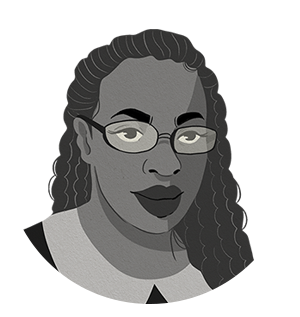
Amal Bayou

Amal was a prominent politician and parliamentarian in Libya. She was a faculty member at Benghazi University from 1995 until her death in 2017.

Amal was a civil society activist and a member of various social and political initiatives. She assisted the families of martyrs and the  disappeared, and was a founding member of a youth initiative called ‘’Youth of Benghazi Libya”. In the 2014 parliamentary elections, Amal was elected to the House of Representatives with more than 14,000 votes (the highest number of votes anyone received in the 2014 elections).

Amal will remain in the memories of many as a woman politician working to ensure a better future in one the most difficult and conflict-ridden contexts in the region.


Amal Bayou, Libya

3. Design your survey

After assessing your organization’s capacity and research goals, you may choose to conduct a survey as one of the methods of data collection for your research analysis.

In this section:

Why conduct a survey?

A survey is an excellent way to gather information on individual organizations to capture trends at a collective level.

For example, one organization’s budget size does not tell you much about a trend in women’s rights funding, but if you know the budgets of 1,000 women’s rights organizations or even 100, you can start to form a picture of the collective state of women’s rights funding.

As you develop your survey questions, keep in mind the research framing that you developed in the previous section.

Remember: Your framing helps you determine what information you are trying to procure through your survey. The data collected from this survey should allow you to accomplish your goals, answer your key questions, and create your final products.

See examples of survey questions in AWID’s Sample WITM Global Survey

Back to top


Identify your survey population

This is an important step – the clearer you are about which populations you want to survey, the more refined your questions will be. 

Depending on your research goals, you may want to create separate surveys for women’s rights organizations, women’s funds and donors. Or you may want to focus your survey on women’s groups and collect interviews for women’s funds and donors, as a survey for each population can be resource-intensive.

The questions you ask women’s groups may be different than ones you would ask women’s funds. If you plan on surveying more than one population, we encourage you to tailor your data collection to each population.

At the same time, some key questions for each population can and should overlap in order to draw comparative analysis from the answers.

Online survey

If you can reach your survey population online, it is useful and efficient to create an online survey.

We recommend two online tools, both which offer free versions:

Survey Gizmo allows you to convert your data for SPSS, a statistical software useful for advanced data analysis

Your data analyst person(s) will be the best person(s) to determine which tool is best for your survey based on staff capacity and analysis plans.

For accessibility, consider making a PDF form version of your survey that you can attach via email. This ensures organizations that have sporadic internet connections or those that pay for it by the minute can download the survey and complete it without requiring a constant online connection.

Paper survey

You may decide that an online approach is not sufficiently accessible or inclusive enough for your popuation.

In this case, you will need to create a paper survey and methods to reach offline populations (through popular events or through post, with pre-stamped envelopes for returning).

Back to top


Create your questions

Make it easy for participants to complete your survey.

1. Short and clear questions

If the questions are confusing or require complex answers, you risk having participants leave the survey unfinished or providing answers that are unusable for your analysis.

Ensure your questions only ask for one item of information at a time.

For example:

  • What is your organization’s budget this year?
    Easy to answer: participant can easily locate this information for their organization, and it is only asking for one item of information.
  • What percentage of your budget have you identified as likely sources for funding for your organization, but are still unconfirmed? 
    Confusing and difficult to answer: are you asking for a list of unconfirmed funding sources or percentage of funding that is likely but unconfirmed?
    This information is difficult to obtain: the respondent will have to calculate percentages, which they may not have on hand. This increases the risk that they will not complete the survey.

2. Simple and universal language

Many words and acronyms that are familiar to you may be unknown to survey participants, such as “resource mobilization”, “WHRD”, and “M&E”, so be sure to choose more universal language to express your questions.

If you must use industry lingo – phrases and words common to your colleagues but not widely known – then providing a definition will make your survey questions easier to understand.

Be sure to spell out any acronyms you use. For example, if you use WHRD, spell it out as “Women’s Human Rights Defenders".

3. "Closed” and "Open" questions

Closed questions:

Only one response is possible (such as “yes,” “no” or a number). Survey participants cannot answer in their own words and they typically have to choose from predetermined categories that you created or enter in a specific number. Responses to closed questions are easier to measure collectively and are often quantitative.

Example of a closed question: What is your organization’s budget?

Open-ended questions:

These are qualitative questions that are often descriptive. Respondents answer these questions entirely in their own words. These are more suitable for interviews than surveys.

They are harder to analyze at a collective level as compared to closed-end questions, especially if your survey sample is large. However, by making open-ended questions very specific, you will make it easier to analyze the responses.

Whenever possible, design your survey questions so that participants must select from a list of options instead of offering open-ended questions. This will save a lot of data cleaning and analysis time.

Example of open-ended question: What specific challenges did you face in fundraising this year?

Familiarize yourself with different types of questions

There are several ways to ask closed-ended questions. Here are some examples you can review and determine what fits best for the type of data you want to collect:

  • Multiple choice questions: the participant can select one or several options you pre-entered
  • Rating scales: the participant gives a note on a scale you pre-determine.
    For this type of questions, make sure to clearly state what the bottom and the top of your scale mean
  • Ranking: the participant will choose and organize a certain number of answers you pre-determine.

View more question types

4. Logical organization

If you plan to conduct this research at regular intervals (such as every two years), we recommend developing a baseline survey that you can repeat in order to track trends over time.

Set 1: Screening questions

Screening questions will determine the participant’s eligibility for the survey.

The online survey options we provided allow you to end the survey if respondents do not meet your eligibility criteria. Instead of completing the survey, they will be directed to a page that thanks them for their interest but explains that this survey is intended for a different type of respondent.

For example, you only want women’s rights groups in a given location to take this survey. The screening questions can determine the location of the participant and prevent respondents from other locations from continuing the survey.

Set 2: Standardized, basic demographic questions

These questions would collect data specific to the respondent, such as name and location of organization. These may overlap with your screening questions.

If resources permit, you can store these answers on a database and only ask these questions the first year an organization participates in your survey.

This way when the survey is repeated in future years, it is faster for organizations to complete the entire survey, increasing chances of completion.

Set 3: Standardized and mandatory funding questions

These questions will allow you to track income and funding sustainability. Conducted every year or every other year, this allows you to capture trends across time.

Set 4: Special issues questions

These questions account for current context. They can refer to a changing political or economic climate. They can be non-mandatory funding questions, such as attitudes towards fundraising.

For example, AWID’s 2011 WITM Global Survey asked questions on the new “women & girls” investment trend from the private sector.

5. Less than 20 mins

The shorter, the better: your survey shouldn’t exceed 20 minutes to ensure completion and respect respondents’ time.

It is natural to get excited and carried away by all the types of questions that could be asked and all the information that could be obtained. However, long surveys will lead to fatigue and abandonment from participants or loss of connection between participants and your organization.

Every additional question in your survey will add to your analytical burden once the survey is complete.

6. Simple and exciting

  • Let participants know the estimated time to complete the survey before they begin
  • Specify what information they will need to complete it so they have it on hand (for example, if you are asking for financial data, say it at the outset so they can prepare)
  • Request information that organizations can easily access and provide – for example, requesting financial information from 20 years ago may be difficult (or impossible) for organizations to provide.
  • Create an incentive to convince your survey population to complete the survey, such as a prize raffle. For example, AWID held a raffle draw for a round-trip flight to the AWID Forum as a prize for completing our 2011 WITM Global Survey.

General tips

  • Ask for exact budgets instead of offering a range (in our experience, specific amounts are more useful in analysis).
  • Specify currency! If necessary, ask everyone to convert their answers to the same currency or ask survey takers to clearly state the currency they are using in their financial answers.
  • Ensure you collect enough demographic information on each organization to contextualize results and draw out nuanced trends.
    For example, if you are analyzing WITM for a particular country, it will be useful to know what region each organization is from or at what level (rural, urban, national, local) they work in order to capture important trends such as the availability of greater funding for urban groups or specific issues.

Back to top


Test and translate

1. Your advisors

Involving your partners from the start will allow you to build deeper relationships and ensure more inclusive, higher quality research.

They will provide feedback on your draft survey, pilot test the survey, and review your draft research analysis drawn from your survey results and other data collection.

These advisors will also publicize the survey to their audiences once it is ready for release. If you plan on having the survey in multiple languages, ensure you have partners who use those languages.

If you decide to do both survey and interviews for your data collection, your advisor-partners on your survey design can also double as interviewees for your interview data collection process.

2. Draft and test

After your survey draft is complete, test it with your partners before opening it up to your respondents. This will allow you to catch and adjust any technical glitches or confusing questions in the survey.

It will also give you a realistic idea of the time it takes to take the survey.

3. Translation

Once the survey is finalized and tested in your native language, it can be translated.

Be sure to test the translated versions of your survey as well. At least some of your pilot testers should be native speakers of the translated languages to ensure clarity.

Back to top


Target the right population

1. Sample size

Your survey sample size is the number of participants that complete your survey.

Your survey sample should reflect the qualities of the larger population you intend to analyze.

For example: you would like to analyze the millions of women’s rights groups in Valyria but you lack the time and resources to survey every single one.
Instead, you can survey only 500 of the Valyrian women’s rights groups – a sample size - to represent the qualities of all the women’s groups in the region.

Recommended sample size

  • 100 survey participants or less tend to be unreliable
  • 250 to 400 will yield results of reasonable accuracy
  • over 400 are fully adequate and will also allow accurate analysis of subgroups (for example, age groups).

Although it is not necessary to determine your exact sample size before you launch your survey, having a size in mind will allow you to determine when you have reached enough participants or whether you should extend the dates that the survey is available, in case you feel that you have not reached enough people.

2. Degree of participation

Even more important than size of a sample is the degree to which all members of the target population are able to participate in a survey.

If large or important segments of the population are systematically excluded (whether due to language, accessibility, timing, database problems, internet access or another factor) it becomes impossible to accurately assess the statistical reliability of the survey data.

In our example: you need to ensure all women’s groups in Valyria had the opportunity to participate in the survey.

If a segment of women’s groups in Valyria do not use internet, and you only pull participants for your sample through online methods, then you are missing an important segment when you have your final sample, thus it is not representative of all women’s groups in Valyria.

You cannot accurately draw conclusions on your data if segments of the population are missing in your sample size; and ensuring a representative sample allows you to avoid this mistake.

3. Database and contact list

To gain an idea of what the makeup of women’s groups for your area of research (region, population, issue, etc) looks like, it may be useful to look at databases.

  • Some countries may have databases of all registered nonprofits, which will allow you to know your full population.
  • If databases are not available or useful, you can generate your own list of groups in your area of research. Start with networks and coalitions, ask them to refer you to additional groups not in the membership lists.

By understanding the overall makeup of women’s groups that you plan to target, you can have an idea of what you want your sample to look like - it should be like a mini-version of the larger population.

After participants have taken your survey, you can then gauge if the resulting population you reached (your sample size) matches the makeup of the larger population. If it doesn’t match, you may then decide to do outreach to segments you believe are missing or extend the window period that your survey is open.

Do not be paralyzed if you are unsure of how representative your sample size is – do your best to spread your survey as far and wide as possible.

Back to top


Previous step

2. Frame your research

Next step

4. Collect and analyze your data


Estimated time:
• 2 - 3 months
People needed:
• 1 or more Research person(s)
• Translator(s), if offering survey in multiple languages
• 1 or more Person(s) to assist with publicizing survey to target population
• 1 or more Data analysis person(s)
Resources needed:
• List of desired advisors: organizations, donors and activists
• Optional: an incentive prize to persuade people to complete your survey
• Optional: an incentive for your advisors
Resources available:
Survey Monkey or Survey Gizmo
Sample of WITM Global Survey

Previous step

2. Frame your research

Next step

4. Collect and analyze your data


Ready to Go? Worksheet

Download the toolkit in PDF

ฟอรัมจะถูกจัดขึ้นเมื่อไร และที่ไหน

2-5 ธันวาคม 2567 กรุงเทพ ประเทศไทย! เราจะรวมตัวกันที่ศูนย์การประชุมแห่งชาติสิริกิติ์และจัดให้มีการประชุมแบบเสมือนจริงออนไลน์ไปพร้อมกันด้วย

Andaiye

Andaiye in Swahili means ‘a daughter comes home’. Born Sandra Williams on 11 September 1942 in Georgetown, Guyana, she changed her name to ‘Andaiye’ in 1970 as the Black Power movements swept her country and the wider Caribbean region. 

Andaiye was seen as a transformative figure on the frontlines of the struggles for liberation and freedom. She was an early member and active in the leadership of the Working People’s Alliance (WPA), a socialist party in Guyana which fought against authoritarian rule and continued throughout her life to focus on justice for the working-class and rural women’s rights and on bridging ethnic barriers between Indo and Afro-Guyanese women. 

Andaiye was a founding member of Red Thread Women, an organization that advocated for women’s care work to be fairly remunerated, worked at the University of the West Indies and with CARICOM. Never afraid to challenge governments, she pointed out gender imbalances in state boards, laws that discriminated against sex workers, called for abortion rights in Jamaica and spoke out against trade agreements such as the Caribbean Single Market and Economy (CSME) that allowed for the free movement of women domestic migrant workers but did not give their children the same rights.  

Andaiye published several scholarly essays, wrote newspaper columns and also edited the last books of Walter Rodney, the Guyanese political activist and fellow WPA leader, who was assassinated in 1980. A cancer survivor, Andaiye was one of the founders of the Guyana Cancer Society and the Cancer Survivors’ Action Group. She also served on the executive of the Caribbean Association for Feminist Research and Action (CAFRA), as a Director of Help and Shelter and as Board Member of the Guyana National Commission on Women. She received a number of awards, including the Golden Arrow of Achievement in Guyana (the fourth highest national award).

Andaiye passed away on 31 May 2019 at the age of 77. The subsequent tributes that flowed in from activists, friends and those inspired by her life spoke eloquently to her amazing legacy and her beautiful humanity.

Here are but a few: 

“Andaiye had a profound effect on me...she was so many things, an educator, fighter, she taught me to be self-critical, to think more clearly, she taught me about survival, about incredible courage, about compassion, about going beyond external appearances and treating people as people and not being distracted by status, class, race...anything.”
- Peggy Antrobus, Feminist Activist, Author, Scholar, Barbados

“The kind of confident idealism Andaiye expressed, this willingness to confront the world and a stubborn belief that you could actually change it... That politics of hope...How else to honour her life, legacy and memory but to keep doing the work ethically and with ongoing self-critique? And to put women’s caring work at the center of it.”
- Tonya Haynes, Barbados

“I can hear her quip at our collective keening. So through the tears I can laugh. Deep bows to you beloved Andaiye, thank you for everything. Love and light for your spirit’s journey. Tell Walter and all the ancestors howdy.” - Carol Narcisse, Jamaica

Read more tributes to Andaiye

Alternative framework for economic governance

Context

The current global economic crisis provides stark evidence that the economic policies of the last 3 decades have not been working.

The devastation that the crisis has wrought on the most vulnerable households in the Global North and Global South is a reminder that the formulation of economic policy and the realization of human rights (economic, social, political, civil and cultural) have for too long been divorced from one another. Economic policy and human rights do not have to be opposing forces, but can exist symbiotically.

Macroeconomic policies affect the operation of the economy as a whole, shaping the availability and distribution of resources. Within this context, fiscal and monetary policies are key.

Definition

  • Fiscal policy refers to both public revenue and public expenditure, and the relationships between them as expressed in the government budget.
  • Monetary policy includes policies on interest and exchange rates and the money supply, as well as the regulation of the financial sector.
  • Macroeconomic policies are implemented using instruments such as taxation, government spending, and control over the supply of money and credit.

These policies affect key prices such as interest and exchange rates that directly influence, among other things, the level of employment, access to affordable credit, and the housing market.

Applying a human rights framework to macroeconomic policy allows States to better comply with their obligation to respect, protect, and fulfill economic and social rights. Human rights are internationally agreed-upon universal standards. These legal norms are articulated in United Nations treaties including, the Universal Declaration of Human Rights (UDHR), the International Covenant on Civil and Political Rights (ICCPR), and the International Covenant on Economic, Social and Cultural Rights (ICESCR).

Article 1 of the UDHR states that, “All human beings are born free and equal in dignity and rights.”

Although the UDHR was written about six decades ago its relevance is enduring. Many of the ideas address concerns and critical issues that people continue to face globally. Issues regarding inhuman punishment (Art. 5), discrimination (Art. 7), property ownership (Art. 17), equal pay for equal work (Art. 23/2), and access to education (Art. 26/1) are pertinent matters in countries South and North of the equator.

More specifically, States have an obligation under international law to respect, protect and fulfill human rights, including the economic and social rights of people within their jurisdiction. This is particularly relevant now given the financial crisis. In the U.S., regulation is skewed in favor of certain interests. The failure to extend government’s supervisory role in the context of social and economic change is a failure with regard to the obligation to protect human rights.

Feminist perspective

States should abide by key human rights principles to achieve economic and social rights. Some of the principles have potentially important implications for governance of financial institutions and markets, yet these possibilities have been underexplored.

Economic and social rights have a concrete institutional and legal grounding. Global declarations, international treaties, covenants, and, in a number of cases, national constitutions have incorporated aspects of the economic and social rights framework—providing an institutional infrastructure in national and international law.

Some have suggested that a consideration of global justice may not be a useful pursuit because of the institutional complexities involved. However, this does not get around that fact that global institutions already have an impact on social justice, both positive and negative.

It is useful to tease out the implications that elements of alternative frameworks have for economic governance, specifically those supported by existing institutions. Economic and social rights represent one such concrete framework. The framework is an evolving one, and ongoing discussion and deliberation is necessary to address underdeveloped areas and potential deficiencies.


Learn more about this proposition

This section is based on CWGL’s blog “Applying a Human Rights Framework to Macroeconomic Policies” (2012).

Part of our series of


  Feminist Propositions for a Just Economy

มีคนจำนวนมากกว่าหนึ่งคนในองค์กรของฉันวางแผนว่าจะเข้าร่วมฟอรัมนี้ มีส่วนลงสำหรับการลงทะเบียนแบบกลุ่มหรือไม่

AWID ไม่มีส่วนลดสำหรับการลงทะเบียนแบบกลุ่ม แต่เรามีส่วนลดสำหรับสมาชิก (คลิกที่นี่เพื่อดูวิธีการเข้าเป็นสมาชิก)

Janet Benshoof

Janet Benshoof was a human rights lawyer from the United States and an advocate for women’s equality, sexual and reproductive rights.

She campaigned to broaden access to contraceptives and abortions across the world, and battled anti-abortion rulings and in the American territory of Guam. She was arrested in 1990 for opposing her country’s most restrictive abortion law, but won an injunction at the local court in Guam that blocked the law and eventually won at the Ninth Circuit Court of Appeals, striking down the law for good.

“The women in Guam are in a very tragic situation. I never intend to be quiet about that.” - Janet Benshoof for People Magazine

Janet established landmark legal precedents including the US Food and Drug Administrations’ approval of emergency contraception, as well as the application of international law to ensure the rights of rape victims in the Iraqi High Tribunal’s prosecution of Saddam-era war crimes. 

Janet was President and founder of the Global Justice Center, as well as founder of the Center for Reproductive Rights, the world’s first international human rights organization focused on reproductive choice and equality. She served 15 years as Director of the American Civil Liberties Union’s Reproductive Rights Project, where she spearheaded litigation shaping US constitutional law on gender equality, free speech, and reproductive rights.

“Janet was known for her brilliant legal mind, her sharp sense of humor, and for her courage in the face of injustice.” - Anthony D. Romero

Named one of the “100 Most Influential Lawyers in America” by the National Law Journal, Janet was the recipient of numerous awards and honors. 

She was born in May 1947 and passed away in December 2017. 

Defending our land and ourselves from corporate power

These industries 'extract' raw materials from the Earth: mining, timber, gas, oil are some examples

This economical model exploits nature and as it intensifies, so does the inequality between global North with their large corporations, and the global South, where resources are extracted.

Land contamination, water pollution, environmental damage, communities displaced are only some of the consequences.

Find more on our report on EXTRACTIVE INDUSTRIES

There are sustainable alternatives for the environment and women's rights.


อะไรคือเกณฑ์ในการคัดเลือกกิจกรรม

สำหรับข้อมูลด้านนี้สามารถอ่านรายละเอียดได้ที่ เปิดรับสมัครกิจกรรม รวมถึงข้อมูลในหัวข้อ “สิ่งที่คุณต้องรู้”

Gloria Chicaiza

Gloria Chicaiza, an Ecuadorian social and environmental activist, was a fervent defender of land and water. She defied the status quo, fighting against a model of development based on extraction and worked tirelessly for ecological justice and the rights of communities affected by mining.  

In diverse areas of Ecuador, Gloria was part of resistance actions in favour of protecting the ecosystem. With passion and dedication, Gloria supported the indigenous and environmental movement, its communities and organizations who oppose mining projects and protect their territories and collective life projects. She spoke out, in local and international foras, against the criminalization of dissent and resistance, the pressure and violence being enacted against community activists, in particular, women human rights defenders and in support of community led efforts for food sovereignty and sustainability

She was the Mining Justice Coordinator at Acción Ecológica, member of the Latin American Network of Women Defenders of the Social and Environmental Rights and a Board member at the Observatory of Mining Conflicts of Latin America.

In October 2010, Gloria was accused by the mining company Curimining / Salazar Resources S.A. (with Headquarters in Vancouver, Canada) of sponsoring an act of terrorism, sabotage and illegal association to commit a crime. Acción Ecológica believed this to be “in retaliation for her work of denouncing the impacts of mining activities in the country.”

In 2014, Gloria supported the coordination of a delegation to the UN COP 20 Dialogue on Climate Change. The group consisted of 25 Indigenous women from Latin America.

Gloria passed away due to complications from a lung transplant on December 28, 2019. She is remembered for her resistance and tireless work. 

"The fastest way to achieve sustainability is still resistance." -  Gloria Chicaiza (2010 interview)


Tributes:

“Para GLORIA. GLORIA Agua. GLORIA Tierra. GLORIA Madre. GLORIA Revolución. GLORIA Hermana. GLORIA Cielo. GLORIAmiga. GLORIAstral. Thank you for weaving us together.” -Liliana Gutierrez

“Thank you Glorita, for sustaining hope, for keeping the fabric strong, for connecting the community, for the united hands, for solidarity, thank you Glorita for standing with us in the most difficult moments. Thank you for teaching us that throughout life, nobody gets tired.” (Chakana News)

“Gloria Chicaiza cherished and flourished in being one of many. And as humble as she was, she had an uncanny ability to lead and maintain a steady and thunderous beat, a life-affirming pulse that guided, mobilized, and inspired communities and networks in the protection of Mother Earth. She denounced all forms of violence against cuerpos-territorios. She endorsed el buen vivir.” - Gabriela Jiménez, Latin America Partnerships Coordinator, KAIROS

“Thank you Gloria Chicaiza from infinity we are sure that you will continue to support our struggle. You who continued to struggle with us despite your failing health. You will live on in the forests and the water that you defended with such courage. You will live on in our hearts.”- The community of Intag in Ecuador

Read more Tributes to Gloria
 

Download your faciliation guide:

"A Feminist Approach to Understanding Illicit Financial Flows and Redirecting Global Wealth"

IFF Toolkit

Download your facilitation guide in English

This Guide is also available in Spanish and Russian


Thanks to the co-creators of this facilitation guide:

  • Daniela Fonkatz and Ana Ines Abelenda (AWID)
  • Zenaida Joachim (Mesoamericanas en Resistencia - El Salvador)
  • Olga Shnyrova (Ivanovo Center for Gender Studies - Russia)
  • Leah Eryenyu (Akina Mama Wa Afrika - Uganda)
  • Daryl Leyesa (Oriang and PKKK/National Rural Women Congress - the Philippines)

CFA FAQ - Travelling to Bangkok - Thai

การเดินทางไปยังกรุงเทพมหานคร

Ayanda Denge

“I am a wonder… Therefore I have been born by a mother! As I begin to stutter, my life has been like no other…” - Ayanda Denge  (read the whole poem below)

Ayanda Denge was a transwomxn, sex worker, activist, poet. She was Xhosa, from Port Elizabeth in the Eastern Cape of South Africa. After travelling through different cities of the country, she moved to Cape Town. 

As a committed and fervent social justice activist, she fought for the rights of sex workers, trans persons, and for those of people living with HIV and AIDS. She was also a motivational speaker on cancer awareness, and campaigned for affordable and social housing, especially for poor and working-class people. Ayanda stood tall as a mountain against different and often abusive faces of discrimination. 

“Being transgender is not a double dose, but it’s a triple dose of stigmatisation and discrimination. You are discriminated against for your sexual identity, you are discriminated against for your work, and you are discriminated against for your HIV status.” - Ayanda Denge, 2016

She was acting chairperson at the Sex Workers Education and Advocacy Taskforce (SWEAT) and also worked as an Outreach Coordinator at Sisonke, a national sex workers’ movement in South Africa. 

“From us, from our regional head office, to SWEAT where I sit on the board, to Sisonke, a movement of sex workers in Cape Town. We all amalgamate, we have one cry and it’s a cry that is recognised internationally by international sex workers. We want decriminalisation of sex work.” - Ayanda Denge, 2016

She lived in the Ahmed Kathrada House, which was being occupied by the Reclaim the City campaign for social housing. In 2018, Ayanda was elected house leader. On 24 March 2019, she was stabbed to death in her room. The year prior, another resident was killed.

Reclaim the City draws a connection between the safety of the house residents and the Provincial Government withholding electricity and the human right to water: 

“We cannot separate the safety of women and LGBTQI people living in the occupation from the refusal by the Western Cape Provincial Government to turn the electricity and water back on at Ahmed Kathrada House.

The house is pitch black at night. We need lights to keep each other safe. It is as if the Province wishes to punish poor and working class people, whose only crime is that we needed a home. While they may disagree with our reasons for occupying, they should be ashamed of themselves for putting politics before the safety and dignity of residents of this city.

Rest in Peace comrade Ayanda Denge, we shall remember you as we carry the torch forward in the struggle for decent well-located housing.”

Poem by Ayanda: 

I am a wonder…
Therefore I have been born by a mother!
As I begin to stutter,
My life has been like no other.
Born in pain
Nourished by rain
For me to gain
Was living in a drain.
As I shed a tear
I stand up and hold my spear.
Voices echo, do not fear
Challenges within a year,
Challenges of hurt are on my case;
Community applauds as they assume I have won my race;
But in reality my work strides at a tortoise pace;
On bended knee I bow and ask for grace.
For the Lord
Is my Sword;
To remind humanity
That he provides sanity.
Why Lord am I this wonder?
The Lord answers me with the rain and thunder,
For questioning my father
Who has in the book of lambs
A name called Ayanda.
From the streets my life was never sweet
The people I had to meet;
At times I would never greet;
Even though I had to eat;
I’d opt to take a bow
Rather than a seat

Listen to the poem in Ayanda’s voice

“For my life represents that of a lotus flower, that out of murky and troubled waters I bloomed to be beautiful and strong...” - Ayanda Denge, watch and listen 


Tributes: 

“Ayanda, I want to say to you that you are still a survivor, in our hearts and minds. You are gone but you are everywhere, because you are love. How beautiful it is to be loved, and to give love. And Ayanda, that is the gift that you have given us. Thank you for all of the love, we truly did need you. Going forward, I promise to you that we will all commit to continue with the struggle that you have dedicated so much energy and your time to. And we will commit ourselves to pursuing justice in this awful ending to your life.” - Transcript of a message, in a farewell Tribute to Ayanda

“Ayanda was an activist by nature. She knew her rights and would not mind fighting for the rights of others. For me, it was no shock that she was involved with many organizations and it was known that she was a people’s person. It did not need to be the rights of LGBTI but just the rights of everyone that she stood for.” - Ayanda’s sister
 

Principles of Engagement

Welcome to Crear | Résister | Transform: a festival for feminist movements!

Principles of Engagement

AWID is committed to creating an online space that invites and challenges us all to operate from a place of courage, curiosity, generosity and shared responsibility.

We invite you to co-create spaces with us that are free of harassment and violence, where everyone is respected in their gender identity and expression, race, ability, class, religion, language, ethnicity, age, occupation, type of education, sexuality, body size, and physical appearance. Spaces where we recognize inequalities in our world and strive to transform them in our own interactions with each other.


We want to create a space where ...

  • we can all be present

This means that we are able to listen, understand and relate to each other. To feel close, in spite of it all being virtual.  For this, we will make interpretation available and open channels (like chat and other tools) for you to react and share. To hear each other better, we invite you to wear headphones during the conversation. If it is possible for you , we suggest  that you close your email and any other likely source of distraction while you are in the conversation. 

  • all forms of knowledge are valued

Let us celebrate the multiple ways in which knowledge shows up in our lives. We invite you to approach the conversation with curiosity and openness to learn from others, allowing ourselves to unlearn and relearn through the exchange, as a way to start collectively building knowledge.  

  • all of us feel welcome

We are committed to holistically approaching accessibility by being mindful of different physical, language, mental and safety needs. We want a space that is welcoming of folks from various  backgrounds, beliefs, abilities and experiences. We will be proactive but we also ask that you communicate your needs with us, and we will do our best within our capacity to address these needs.

  • all of us feel safe and respected:

We all commit individually and collectively to respect each other’s privacy and to seek people’s consent before sharing any images or content generated during the conversation that involves them.


Creating a safer, respectful and enjoyable environment for the conversations, is everybody's responsibility.


Reporting

If you notice that someone is behaving in a discriminatory or offensive manner, please contact the reference person who will be indicated at the beginning of the session.

Any participants that express oppressive language or images, will be removed from the call and will not be readmitted. We will not engage with them in any way.

ماذا عن العدالة المناخية، هل هذا حقًا هو الوقت المناسب للعديد من الرحلات الجوية الدولية؟

ونحن نسأل أنفسنا نفس السؤال، ونعتقد أنه لا توجد إجابات بسيطة. بالنسبة للعديد من المشاركين/ات، قد يكون منتدى جمعية حقوق المرأة في التنمية (AWID) أحد الرحلات الدولية القليلة التي يقومون بها في حياتهم/ن. علمتنا الجائحة الإمكانيات والقيود التي تفرضها المساحات الافتراضية لبناء الحركة: لا يوجد شيء أفضل من الاتصال الشخصي. تحتاج الحركات إلى التواصل عبر الحدود لبناء قوتنا الجماعية في مواجهة التهديدات التي نواجهها، ولا سيما أزمة المناخ. نعتقد أن منتدى حقوق المرأة في التنمية القادم يمكن أن يكون مساحة استراتيجية لعقد هذه المحادثات واستكشاف بدائل للسفر الدولي. ويشكل العنصر المختلط للمنتدى جزءًا مهمًا من هذا الاستكشاف.

The Crear, Résister, Transform Story by Coumba Toure

A magical experience of feminist story telling led by pan-African feminist Coumba Toure, performing in the age old tradition of West African griots.

And we gathered again 
We gathered our stories our strength 
our songs
our tears 
our rage 
our dreams 
our success
our failures
And we pull them all together 
In one big bowl to share 
for a moon of thoughts 
And we stay in touch 
We shake each others minds 
we caress each other souls
While our hands still are tied 
And our kisses and hugs are banned 
Yet we grow stronger by the hour 
Weaving together our voices
Crossing the sound barriers 
as we speak in tongues 

We are getting louder and louder 
We know about differences from others 
and from each other so we are stitching our beauties into patchwork or thoughts
From our deepest learnings from our powers 
Sometimes we are surrounded by terror 
by confusions by dishonesty
But we wash out in the Ocean of love 
We are weavers of dreams 
To clothes or new world 
Thread after thread
As small as we are
Like little ants building our movement
Llike little drops building our rivers
 We take steps forward and steps backward 
Dancing our way back to sanity 
Sustain to the rhythm of our hearts keep 
Beating please don't not stop
And we are here transmitter of forgotten generosity 
drop after drop growing like the ocean 
growing like the river flowing from our souls .
showing our strength  to be  the  water 
that will clean this world
and we are gathering again can you feel us 
I would lie if I say I said I am 
Ok not to see you I do miss my people 
I miss your touch and
You unfiltered and unrecorded voices 
I miss our whispers and our screams 
Our cries of the aborted revolution 
We only want to give birth to new worlds 
 So fight to erase the borders between us 


And we gathered again 
We gathered our stories our strength 
our songs
our tears 
our rage 
our dreams 
our success
our failures
And we pull them all together In one big bowl to share 
For a moon of thoughts 
And we stay in touch 
We shake each others minds 
we caress each other souls
While our hands still are tied 
And our kisses and hugs are banned 
Yet we grow stronger by the hour 
Weaving together our voices
Crossing the sound barriers 
as we speak in tongues 
We are getting louder and louder 
We know about differences from others 
and from each other so we are stitching our beauties into patchwork or thoughts
From our deepest learnings from our powers Sometimes we are surrounded by terror by Confusions by dishonesty
But we watch out in the Ocean of love 
We are weavers of dreams 
To clothes or new world 
Thread after thread 
As small as we are like little ants building our movements
 like little drops building our rivers We take steps forward and steps backward 
dancing our way back to sanity 
Sustain to the rhythm of our hearts
keep beating please don't not stop
And we are here transmitter of forgotten generosity 
Drop after drop growing like the ocean 
growing like the river flowing from our souls 
showing our strength to be  the  water 
that will clean this world  
and we are gathering again can you feel us 
I would lie if I I said I am Ok
not to see you
I do miss my people
I miss your touch and
You unfiltered and unrecorded voices  
I miss  our  whispers  and  our screams 
Our cries over the aborted revolutions 
We only want to give birth to new worlds 
So fight to erase the borders between us 
Please don’’t stop

Snippet - CSW68 - Feminist Community Evening - EN

🎤AWID's Feminist Community Evening

a gathering for feminist activists attending CSW68

(with special guests!)

📅Tuesday, March 12
🕒6-9.30pm EST

🏢 Blue Gallery, 222 E 46th St, New York

RSVP required

بصمة حبّ جماعيّة

تصوير مريم مكيوي
ترجمة فيفيان عقيقي

Decorative element
Teta Research Network
Wazina Zondon Portrait
تُعرَف أيضًا باسم “شبكة تيتا للأبحاث”. دائرة الكتابة: العصبةُ المتآمرة هي مجموعة عابرة للقوميات من الكتّاب الكويريين والنسويين الذين يتشاركون في الكتابة الجماعية والتفكير وصنع العالم. أعضاء المؤامرة هم: أحمد قيس منهزم، أحمد عوض الله، ألينا آخنباخ، باربرا ديندا، سيندي سلامة، دلال الفارس، ديباراتي سركار، فرح جلال عثمان، ج. دانييل لوثر، جان مخلوطة، لينا قليلات، حنا الطاهر، ماريا نجار، مايا بهاردواج، مادوليكا سنكار، ملاك الأكحل، ميريام عمري، نيحاريكا بانديت، نور المزيدي، رؤيا حسن، سارة البنا، سارة تونسي، شيرين شلاح، وازنة زندن، زينب أحمد. وازنة زندن (wazina.com) أفغانية نشأت في مدينة نيويورك، يركز عملها على جمع ورواية القصص المتعلقة بالذكريات الجماعية وطقوس العبور في الشتات. بصفتها تقدم آداءات روائية غير رسمية ولا تتبع منهجية معينة، تساهم وازنة في تقديم عرض بعنوان الخروج من المختبأ: الأفعال الراديكالية المتعلقة بالحب. يعد هذا العرض آداءًا شخصيًا لسرد قصص تجسد تجربة أن يكون المرء كويريًا ومسلمًا في آن. تقدم وازنة هذا الآداء إلى جانب نظيرتها الإبداعية وأختها الروحية ترنا دلي جيادو. حاليًا، تعمل على “الإيمان: في الحب / الإيمان في الحب” الذي (يعيد) تتبع قصة علاقة والديها ونصوص الحب الموروثة من العائلة.


الحبّ هروب في الجحيم
الحبّ أسيد يذوِّب الحانات 
لكن أنت، أنا والغد
نمسك أيدينا ونتعاهد
بأنّ هذا الكفاح سوف يستمرّ
للمنشار حدّان
للبندقية ماسورتان
نحن حبالى الحرّية
نحن مؤامرة
من واجبنا الكفاح من أجل الحرّية
من واجبنا الفوز
يجب أن نحبّ بعضنا وندعم بعضنا
لا يوجد ما نخسره سوى قيودنا

«الحبّ» لأساتا شاكور

Cover for article A Collective Love Print showing two people kissing

«إذا استطعنا أن نرِث صدمةً، فهل يمكننا أن نرث بصمةً مُرتبطة بالحبّ؟»

هذا هو السؤال الذي تطرحه وازنة زوندُن في مذكّراتها «بصمة حبّ». «بصمة حبّ» هو تطواف، تداخل، انحراف يَخلق (أو يعيد خلق)، عند تقاطع المقابلات والمقالات الشخصيّة، قصص عائلاتنا ورؤىً عن الحبّ والشراكة والرومانسية. بتوجيهٍ من وازنة، اجتمعت مؤامرة كتّاب الدائرة، وحاولت إعادة إنتاج هذا المُخطّط الحرفي على شكل كتابة جماعيّة، حيث تُكمِّل قصصنا وهويّاتنا الجنسية والجندرية المُختلفة بعضها البعض، وتتناقض فيما بينها. مع تداخل أصواتنا، نُكمِّل جُمَلَ بعضنا لنخلق محادثة، تذكاراً، وأجزاء من أنفسنا تتحدّث إلى الـ»نحن».

ما هي أصول «بصمة حبّ»؟

أنا من يُسمّى «حادثة سعيدة». هناك الكثير من الروايات عن الأمر – حياة عرضية، إنّما مطلوبة في الوقت نفسه. أظن أنّ هذه هي طريقتي في الحبّ، فأنا لا أقع في الحبّ فقط؛ أنا أخاطر بانزلاق يؤدّي إلى السقوط. ربّما جعلني الأمر شخصاً قدره الحبّ.

قيل لي إنني طفلة غير مرغوب فيها. لذلك كَبِرت لأصبح شخصًا بالغًا غير مرغوب فيه. أصول «بصمة حبّ» تستند إلى كوني شخص غير مرحّب به بالأساس. أنا لستُ ثمرة حبّ أو أي مشاعر سعيدة، بل ثمرة ألَم وعبء. ليس لديّ بصمة حبّ – أقلّه بهذا المعنى.

أعرف أنّ والديّ كانا في حالة حبٍّ في مرحلة ما، لكنّ الصحّة العقلية شيطان، إلى حين يواجه المرء شياطينه، لا يوجد ربح.

لن أربط أبداً «الحبّ» بوالديّ أو عائلتي. كان الحبّ الذي يكبر مليئًا بالعنف والمسؤوليّات التي لم أشترك بها ولم أكن مستعدّة لها. شعرت لوقت طويل أنّ الحياة والحبّ يدوران حول حِملٍ مُرهِق وشاقّ. بينما كان والدايْ «يحبّان بعضهما البعض»، كانت روحٌ سامّة من العنف والغيرة وانعدام الأمن تنمو أيضاً. نشأتُ وأنا أتوق إلى الاستقرار، وهذا ما أنا عليه الآن. أنا مُجازفة، لكن ليس في «مساحة الحبّ».

لا أعرف لماذا اختارت والدتي استضافة طفل (أنا) في داخلها. هي لا تحبّ بهذا الشكل.

قالت لي والدتي إنّه إذا كان عليّ التفكير في «إيجاد» الحبّ، أن لا أنظر إلى زواجها كنموذج. تأتي «بصمة حبّ» بدلاً من تربية كلب على مدار عقدين ماضيين (18 عامًا لأكون دقيقة). والعكس صحيح أيضًا – لقد ربّوني. بتّ أفهم المزيد عن الحبّ وطبقاته العديدة في صحبتهم.

لم أعرف الحبّ من «بصمة». في منزلنا لا نتحدّث عن الحبّ. كان عليّ أن أعلّم نفسي كيف أحبّ. لقد كان عملاً صعباً. ما زلت أفشل، وما زلت أحاول وأفشل كلّ يوم. ربّما الفشل هو بصمة حبّي.

بصمة حبّي هي الرعاية والدفء والفهم الذي أعطيهم للمُحيطين بي، سواء كانوا غرباء أم أصدقاء أم أقارب أم عشيقاً. بصمة حبّي سياسيّة – غير محسوبة وغير مدروسة.

وُلدتُ تحت قصف عنيف. بصمة حبّي هي بصمة سلبية عن تلك الأحداث.

دروس مُستقاة عن الحبّ

أعرف ما هو ليس حبّاً أكثر ممّا أعرف الحبّ.

الحبّ ليس قلقاً ولا ذعراً.

الحبّ لا يطلب الإذن ليعيش أو يتنفّس. إنه الحبّ، ولا يوجد حبّ من دون حرّية.

كلّ ما تفعله هو استخدام قلبك من دون الحبّ. الحبّ هو أن تستخدم عقلك.

أحيانًا أخشى أن تضيع لغة حبّي في الترجمة.

--- هناك طرق عدّة
لرسم أصول
كيف
وكيف لا
تحبّ
الحبّ
ليس حبّاً
الحبّ كافٍ فقط
الحبّ بعيد جدّاً
بعض الحبّ
بعض الخسارة
لتحبّ
لتحبّ الخسارة ---

لا أستطيع تحمّل فكرة الزوجين. لا يمكنني تحمّل فكرة العيش بمفردي أثناء الشيخوخة أيضًا. لقد سئمتُ من القيام بالأعمال المنزلية بمفردي، والانتقال من منزل إلى آخر بمفردي، ودفع الإيجار والفواتير بمفردي... أتخيّل إصابتي بجلطة دماغية وأنا بمفردي، وهذا يخيفني. ليس لديّ خطّة «شراكة». أريد عالمًا يمكنني فيه الزواج من صديق، وشراء منزل مع صديق، وعدم ممارسة الجنس.
 

أن نحبّ كثيرين لا يفسد الحبّ المُشترك بين شخصين. سواء كان الحبّ رومانسيًا أم لا فهذا ليس مهمّاً حقًا.

عندما أفكّر في علاقاتي الرديئة، أُدرك أنني مُرتبطة بعلاقة تدرّبتُ لأكون فيها. مع كلّ «راديكاليّتي» لم أتخلّص بعد من الأعراف الجندرية القذرة.

حاجتي إلى الاستقرار «ليست جذّرية» بما فيه الكفاية. أريد الخروج من هذه الوصمة. أريد شيئًا لم أحصل عليه من قبل. أريد أن أجعله جم

--- بصمة حبّ – أحبّ شمّ الكتب لمعرفة مكان طباعتها
أحاول التفكير في أصل فهمي وممارستي الحبّ
هل نحتاج إلى أصول، فهو ليس مثل النقاء؟ لا طهارة ولا أصل للحبّ.
لماذا يتبادر الفهم والممارسة إلى الذهن وليس «العاطفة»؟ ---

عندما أتّصل بوالدَيْ، لا أغلق الهاتف بعد قول الوداع، لكي أتمكّن من سماع أصوات المنزل.
 

ما الذي نحتاجه لكي نقع في/ نشعر بالحبّ في الموت؟

أثناء دفني وفق طقوس المذهب السنّي، أريد أن يجتمع كلّ الرجال والنساء معاً. لا أفهم سبب عدم القدرة على توديع الموتى من جنس مختلف؟ سوف تكون مراسم دفني وفق الطقوس السنّية لأن والدتي قد ترغب بذلك. سوف يكون دفني صديقاً للبيئة. لا حاجة لوضع شاهد فوق قبري. أنا أحبّ كلّ طقوس الدفن. القرآن جيّد، لكنّي أريد موسيقى أيضًا. أحبّ أسمهان جدّاً، وأم كلثوم، وذا ستون روزيز.s.

لديّ قائمة تشغيل من الاثنين إلى الجمعة، وقائمتان مختلفتان لعطلة نهاية الأسبوع: واحدة ليوم السبت والأخرى ليوم الأحد. أودّ ممّن يحبّوني أن يشغّلوا الموسيقى التي كنت أستمع إليها مع الالتزام بقوائم الأيّام – هناك هامش حرّية في اختيار الأغاني طالما يلتزمون بقوائم التشغيل.

أريد أن أكون مُحاطة بمن أحبّني، ولو للحظة. مع الموسيقى والأزهار المقطوفة. لا أريد أن يشعروا بغيابي. أريد أن أموت على وقع ضحكات من أحبّهم.

أريد أن يتذكّروني كشخص يحبّ.
 

لست بحاجة للشعور بالحبّ في الموت. أريد ممّن حولي أن يشعروا بأنني أحبّبتهم، حتّى بعد موتي. أن تكون محبوبًا في الموت هو أمر مُرتبط بمَن لا يزالون على قيد الحياة. لذلك أفكّّر أكثر في كيفيّة لقائنا معًا كمجتمع حيّ ومحبّ في موت مَن نحبّهم ونعيش معهم. كيف نأخذ ذكرياتهم معنا. كيف نصبح أرشيفاً لحياتهم.

--- في بعض الأحيان يمكنك أن تحبّ الناس في موتهم فقط --

عليّ التفكير في الجسد المُتّصل بمساحة. عائلتي صغيرة جدًا، وعلى الرغم من أننا نأتي من أماكن مختلفة، لكن يبدو كما لو أن كلّ جيل انتقل إلى مكانٍ جديد. ربّما هذا هو سبب عدم ارتباط الموت بمكان خاص: مقبرة. من الشائع في عائلتنا دفن الموتى من دون أسماء أو شواهد قبور، أو ترك الرماد يتحرّر بتطايره مع الريح. أشعر بسلام إذا كان ذكري مُنفصلاً عن المكان. مجرّد التفكير بأن رمادي يُخصّب حياة جديدة، وأنّه يتمّ ذكري في أوقات التسلية والفرح، يعطيني إحساسًا بأنني محبوبة. توفّيت جدّتي في وقت سابق من هذا العام بسبب مضاعفات اللقاح. بعد ساعتين من وفاتها، جلست عائلتي تضحك على نكاتها، وطريقتها المُضحكة في سرد ​​القصص. ضحكنا وشعرنا بالحبّ وكأنّها تجلس معنا مرّة أخرى. هذا ما قد يجعلني أشعر بسلام – تخصيب التراب، وتخصيب الأحاديث، والتذكّر الجماعي.

--- هناك
شارعان أسلكهما
للمشي
للهرب
للّعب
للبقاء
هناك
خمس ساعات تكون أشعة الشمس
حادّة
السماء زرقاء
الأرض خضراء
هناك
زهرة أستطيع
شمّها
لمسها
عصرها
واقتلاعها
هناك
أصدقاء أستطيع
ضمّهم
طعام
أستطيع
ابتلاعه
لغة
تخرج
عبر شفتيّ
ربّما لا يزال هناك
أماكن عدّة
وأشياء
وناس
من بعدي ---

ربّما يكفيني وعد بـ»الاحتفاء بذكري مكانياً» كما لو أنني نبتة يجري الاعتناء بها حتّى تصبح شجرة. لا إسم ولا لوحات تعريفيّة – النبتة/ الشجرة فقط مع عِلمٍ مُسبق بأنّه سوف يتمّ الاعتناء بها. بالنسبة لجسدي، أريد أن أُحرَق من دون أي طقوس، وأن يُرمى رمادي في بحر العرب.

أريد أن يتمّ التعامل مع جسدي بشكل تخريبي كما لو أنّه على قيد الحياة.

لا أريد أن أدفن إلى جانب عائلتي. في هذا الدُرج الصغير إلى جانب كلّ الأشخاص الذين لم يعرفوني أبدًا. محاصرة بالموت كما كنت في الحياة. أريد أن أُحرَق، وأن يتمّ تحرير رمادي أخيراً.
أريد أن يُسمح لي بالمرور، لا الوقوف ما بين بين، لكي يكون ذلك وجوداً، عملية نشطة، تجاوز.

سأطلب منكم: 

  • إطلاق سراحي والسماح لي بالمرور
  • عدم السماح للحنين بتعكير هذه اللحظة لأنني لن أطلب سوى عودة تعابيركم إلى طبيعتها
  • لقد اقتنصت اللمحات اللطيفة، وتخلّصت من الطرق الصغيرة والكبيرة التي أحبّبتموني بها سعياً للخلود. أبقيت نفسي على قيد الحياة بهذه الطريقة
  • تحديد وقت للحزن
  • تذكّر أنّه لا يوجد فراق في جمال الحبّ؛ إنه لا نهائي ويتجدّد من دون الجسد

أريد أن يتذكّروني من خلال الحبّ الذي تركته. أريد التخلّي عن جسدي وأعضائي لتغذية الحبّ في حياة أو حياوات أخرى.

--- رائحة الياسمين ---


Cover image for Communicating Desire
 
Explore Transnational Embodiments

This journal edition in partnership with Kohl: a Journal for Body and Gender Research, will explore feminist solutions, proposals and realities for transforming our current world, our bodies and our sexualities.

Explore

Cover image, woman biting a fruit
 

التجسيدات العابرة للحدود

نصدر النسخة هذه من المجلة بالشراكة مع «كحل: مجلة لأبحاث الجسد والجندر»، وسنستكشف عبرها الحلول والاقتراحات وأنواع الواقع النسوية لتغيير عالمنا الحالي وكذلك أجسادنا وجنسانياتنا.

استكشف المجلة

Snippet - WITM To Strengthen - EN

To strengthen our collective voice and power for more and better funding for feminist, women's rights, LBTQI+ and allied organizing globally

Las Triple Cripples: ¡hablemos de sexo, nena!

por Nandini Tanya Lallmon, República de Mauricio (@nandini_tanya)

Olajumoke «Jay» Abdullahi y Kym Oliver son feministas revolucionarias en más de un sentido. 

Las dos amigas se llaman a sí mismas las «Triple Cripples» [«Triples Inválidas»] porque, como mujeres discapacitadas negras, se ven sometidas a tres niveles de discriminación. Jay, actualmente de 31 años, contrajo polio cuando era bebé y utiliza una férula y unas muletas como sostén, mientras que Kym, de 25 años, tiene esclerosis múltiple y se moviliza en silla de ruedas. El nombre del dúo surge de un esfuerzo por redefinir la palabra «inválida» que, según ellas, «ha sido un término habitualmente usado contra las personas discapacitadas como injuria, como una forma infalible de recordarnos que estábamos “falladas” y que siempre íbamos a ser “menos que”.»

Como mujeres negras, Kym y Jay han sido víctimas del estereotipo racial globalizado que hipersexualiza la piel oscura. En su libro Heart of the Race: Black Women’s Lives in Britain [Corazón de la raza: las vidas de las mujeres negras en Gran Bretaña], Beverley Bryan, Stella Dadzie y Suzanne Scafe describen cómo las mujeres negras han sido históricamente definidas como un «riesgo de alta promiscuidad» por los doctores, debido a su libido y su fertilidad. Jay explica que «la gente piensa que estoy siempre dispuesta a hacer de todo y cualquier cosa todo el tiempo porque soy una mujer negra». Aunque ambas mujeres han sido sometidas a una intensa fetichización debido a su color de piel, sus discapacidades han confundido a muchas personas. Kym describe así su experiencia como mujer con curvas: «Tengo el tipo de cuerpo que la gente quiere manosear, y les parece que yo debería poder aceptarlo, pero, al mismo tiempo, existe esta idea de que yo no debería tener pretensiones, por mi discapacidad.»
 
En las plataformas de citas en línea, a Jay le han preguntado si puede realizar ciertas posiciones sexuales, dado que ciertas potenciales parejas «han decidido que quieren estar contigo de este modo y quieren saber si tu corporalidad puede facilitarlo.» Durante una consulta de control, Kym hizo disculparse a unx profesional médicx que, mientras completaba un formulario de admisión, le preguntó cuántas parejas sexuales ha tenido con un tono que implicaba «yo sé que estas preguntas no son aplicables en tu caso, pero tenemos que seguir el proceso estándar del cuestionario.» 

El error de pensar que la falta de autonomía física equivale a una falta de deseo sexual es generalizado.

En la escuela, Jay era excluida de las clases de educación sexual, porque se presuponía que estaba incapacitada para tener sexo. Ella explica que incluso las organizaciones bien intencionadas que promueven el acceso a los servicios de salud sexual y reproductiva a menudo no tienen en cuenta las necesidades específicas de las mujeres discapacitadas. Por ejemplo, las píldoras son consideradas con frecuencia un método anticonceptivo efectivo, sin ninguna mención de que pueden agravar los riesgos de coágulos de las mujeres que usan sillas de ruedas.

Con sede en Londres, las Triple Cripples esperaban ansiosamente participar, junto con el equipo Decolonising Contraception [descolonizar la contracepción], en el SexFest2020, un festival de un día organizado para personas de color y dedicado a la salud y el bienestar sexuales. Desafortunadamente, el evento fue cancelado debido a la pandemia del COVID-19. A pesar de ello, sin desanimarse, Jay y Kim se volcaron a sus plataformas de activismo en línea, para oponerse a la forma en que la sexualidad es vista desde una perspectiva estrictamente heteronormativa y para desafiar la idea de que la femineidad está definida por la capacidad de procrear. El dúo inauguró un canal de YouTube y un podcast (también llamado «The Triple Cripples») para promover la representación de las personas discriminadas de múltiples formas como seres humanos holísticos. Sus planes a futuro incluyen un documental creativo y una muestra fotográfica dedicada a luchar contra la discriminación y a difundir las voces de personas de color discapacitadas.

La experiencia de discriminación basada en la raza, el género y la discapacidad es más que acumulativa.

Si bien las mujeres discapacitadas de color comparten experiencias de discriminación por motivos de discapacidad con otras personas discapacitadas, experiencias de sexismo con otras mujeres, y experiencias de racismo con otras personas de color, estas experiencias interactúan y no pueden ser separadas: las mujeres discapacitadas de color experimentan una discriminación singular como mujeres discapacitadas de color. 

Si bien las Triple Cripples reconocen que las ideas anticuadas y superficiales sobre la diversidad no se transformarán, como por arte de magia, en espacios inclusivos de un día para otro, siguen confiando en que sus pequeños hachazos finalmente lograrán derribar los grandes robles que las prácticas discriminatorias representan para ellas.


«Bloomed» [En flor] 

de Titash Sen, Kolkata, India (@unzeroed)

La alegría de aceptarse y crecer al calor de esa luz.

Feminist Realities Magazine - “Bloomed” by Titash Sen
Titash Sen (@unzeroed)

“Asignado Nderentendei Al Nacer”

de Bastión Moral, Asunción, Paraguay (@basti0nmoral)

La mujeridad obligatoria es un dispositivo colonial heterocispatriarcal de violencia hacia cuerpos asignados femeninos al nacer. Los cuerpos trans seguimos resistiendo a pesar de la invisibilización y apagamiento histórico. No soy mujer, me asignaron un género a partir de mis genitales.  

“Asignado Nderentendei Al Nacer” [Assigned Nderentendei at Birth]  by Bastión Moral
Bastión Moral (@basti0nmoral)