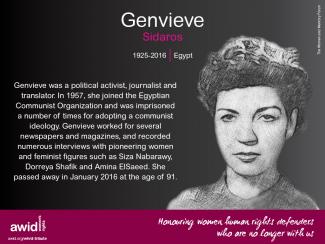
Genvieve Sidaros
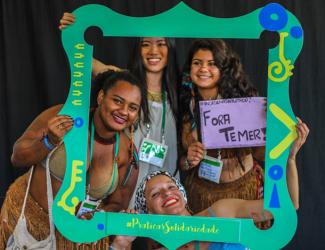
Young feminist activists play a critical role in women’s rights organizations and movements worldwide by bringing up new issues that feminists face today. Their strength, creativity and adaptability are vital to the sustainability of feminist organizing.
At the same time, they face specific impediments to their activism such as limited access to funding and support, lack of capacity-building opportunities, and a significant increase of attacks on young women human rights defenders. This creates a lack of visibility that makes more difficult their inclusion and effective participation within women’s rights movements.
AWID’s young feminist activism program was created to make sure the voices of young women are heard and reflected in feminist discourse. We want to ensure that young feminists have better access to funding, capacity-building opportunities and international processes. In addition to supporting young feminists directly, we are also working with women’s rights activists of all ages on practical models and strategies for effective multigenerational organizing.
We want young feminist activists to play a role in decision-making affecting their rights by:
Fostering community and sharing information through the Young Feminist Wire. Recognizing the importance of online media for the work of young feminists, our team launched the Young Feminist Wire in May 2010 to share information, build capacity through online webinars and e-discussions, and encourage community building.
Researching and building knowledge on young feminist activism, to increase the visibility and impact of young feminist activism within and across women’s rights movements and other key actors such as donors.
Promoting more effective multigenerational organizing, exploring better ways to work together.
Supporting young feminists to engage in global development processes such as those within the United Nations
Collaboration across all of AWID’s priority areas, including the Forum, to ensure young feminists’ key contributions, perspectives, needs and activism are reflected in debates, policies and programs affecting them.

Panel : Dans le cadre d'une table ronde, explorez une question ou un défi sous différents angles, ou partagez un apprentissage ou une expérience, puis posez des questions à l'auditoire, si le temps le permet.
Talk-show : Organisez une conversation plus spontanée dans le cadre d'un talk-show. Les talk-shows peuvent être une conversation entre plusieurs personnes, animée par un.e présentatrice.eur de talk-show. Les questions du public peuvent déterminer l'orientation de la conversation.
Discussion : Elles peuvent prendre la forme de cafés du monde, de cercles restreints ou fishbowl et d'autres méthodologies qui facilitent l'implication active des participant.e.s dans les conversations. Il s’agit d’un format très participatif.
Atelier : Sessions interactives qui invitent les participant.e.s à acquérir de nouvelles compétences dans tous les domaines de la vie et de l'activisme.
Session stratégique : Il s'agit d'une invitation à réfléchir à une question ou à une stratégie, en profondeur, avec d'autres personnes. Un espace pour apprendre les un.e.s des autres : ce qui fonctionne, ce qui ne fonctionne pas, et comment développer de nouvelles stratégies collectives pour créer les mondes dont nous rêvons.
Cercle de partages (également connu sous le nom de Birds of a Feather) : Idéal pour les petits groupes, dans un cadre plus intime, afin d'écouter les un.e.s et les autres, de susciter la discussion et d'aborder avec soin des sujets qui peuvent être spécifiques, sensibles et complexes.
Arts - Atelier participatif : Activités participatives impliquant les arts et l'expression créative. Qu'il s'agisse d'art visuel, de théâtre, de film, de peinture murale, de danse, de musique, d'artisanat collectif ou de création artistique, etc., nous accueillons toutes les idées célébrant l'art et la créativité féministes en tant que formes de changement social, de guérison, d'expression et de transformation.
Arts - Performances, installations et expositions : Nous accueillons les propositions qui offrent aux participant.e.s du Forum de nouvelles expériences et perspectives, qui élargissent nos horizons et qui nous incitent à penser, ressentir et organiser d'une nouvelle manière.
Guérison : Diverses activités adaptées à la fois aux groupes et aux individus, allant de l'apprentissage de techniques de relaxation à la discussion sur la prévention de l'épuisement professionnel, des pratiques de soins du corps, de l'esprit et de l'âme tenant compte des traumatismes à la guérison et des failles au sein de nos mouvements.
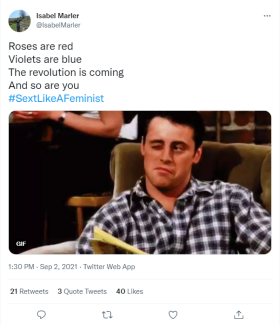
Les fleurs sont en bouton
Le printemps est ici
La révolution gronde
Et toi tu gémis
Lisez nos recherches sur le financement, sur les défenseuses des droits humains, sur la création de mouvements, sur les fondamentalismes, la justice économique et beaucoup plus
For many of us, 2020 was an especially challenging year due to the global health pandemic. Feminists and activists rose to the new challenges meeting community needs in innovative ways. Here are 5 highlights of how AWID contributed to feminist co-creation and resistance.
Pour la première fois, le Forum de l'AWID propose trois modes de participation :
Les participant.e.s se réuniront à Bangkok, en Thaïlande. Nous sommes impatient.e.s de vous y retrouver!
Sign up to be an AWID member to connect with 9,600+ global feminist movements and co-create a range of platforms and spaces designed especially for activists and organizations from teach-ins to solidarity spaces and member mixers.
The AWID Membership community is available as an app. Download the app and start connecting with movements!
 |
 |
Avec plus de dix ans d'expérience en finance, Lucy a consacré sa carrière à développer les missions du secteur lucratif et non lucratif. Elle a notamment travaillé et été bénévole auprès d'organisations à but non lucratif. Issue du monde trépidant de la finance, Lucy reste à l'écoute des nouvelles compétences technologiques du domaine de la finance avec passion. Elle a rejoint l'AWID en 2014. Pendant son temps libre, elle aime écouter de la musique, voyager et pratiquer divers sports.
نرحب بالطلبات عبر مجموعة كاملة من المواضيع والتقاطعات المهمة للحركات النسوية وحركات العدالة الجندرية.
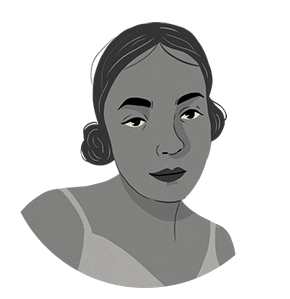
Zuhour Mahmoud es la estratega de comunicación de Kohl. Es una escritora y editora y una DJ ocasional radicada en Berlín. Su trabajo se centra en los enfoques críticos a la música, la tecnología y la política y sus ciclos de vida en la esfera digital.
Hosted by the Alliance for Feminist Movements with AWID, Prospera and Walking the Talk Consortium
🎧 Wordly interpretation will be available. Please remember to bring your headphones!
🏢
Resourcing Hub (Exhibition Hall).
Session 1: Resourcing Solidarity in Transition Times
📅 Tuesday, April 28 | 3.30-4.30pm
Session 2: Autonomous Resourcing: How Feminist Movements Sustain Themselves
📅 Wednesday, April 29 | 9.30-11.00am AM
Session 3: Funding Feminist Futures: A Talk-Show on What’s Next for Resourcing Movements
📅 Thursday, April 30 | 10.30-11.30am
Priscilla has nearly two decades of experience working in the non-profit sector with social justice organizations that worked on women and youth rights, conservation, peacebuilding and development. Her interests are in setting up progressive processes and systems that will help an organization live to their values and principles and thrive, and finding ways to support organizations and fundraisers to locate and secure the resourcing they need to do good work. . Priscilla joined AWID in 2018 as Resource Mobilization Manager and in July 2023, took on the role of Director of Operations and Funding Partnerships.
Priscilla holds an MSc in International Politics from the School of Oriental and African Studies (SOAS), a growing pile of books she is still trying to find time to read, and sits on the Board of Hodan Somali Community, a London-based charity.
On pense souvent que la communication de notre désir se cantonne à l’intimité des quatre murs de nos chambres et à nos relations personnelles. Mais est-il également possible d’envisager ce genre de communication comme étant structurelle, une pratique qui éclairerait notre travail et la manière dont nous sommes, dont nous existons dans le monde?
📅 27 al 28 de Abril
De Nami a Naarm es un encuentro feminista intensivo de dos días sobre cómo conectar a feministas del Pacífico en Fiji con Women Deliver. Su programa incluirá sesiones de estrategia y aprendizaje centradas en la justicia de género y ambiental, basadas en su programa Poder contra la Pobreza y en agricultorxs locales a pequeña escala y defensorxs de la tierra.
المضيفة: نحن نميل إلى الاعتقاد أنّ التعبير عن الرغبة يقتصر على العلاقة الحميمة داخل غرفة النوم وعلى علاقاتنا الشخصيّة. ولكن هل يمكننا أيضًا اعتبار هذا النوع من التعبير كبُنية، أو ممارسة أيديولوجيّة توجّه عملنا، وما نحن عليه، وكيف سنكون في هذا العالم؟

لينديوي: أنا أعتقد للأسف أنّ القيود قد فُرضَت في الماضي على التعبير عن الحياة الجنسيّة/ الجنسانيّة. فكان يُسمَح فقط بالتعبير عنها ضمن إطار الزواج المشروع. ولطالما كان التعبير عنها بأيّ طريقة أخرى مرتبطًا بالمحرّمات والوصمات. وحين يتعلّق الأمر بالتواصل، لا شكّ أن بعض الوصمات المرتبطة بالتعبير عن حياتك الجنسية أو عن رغباتك تجعل إيصال ذلك في غرفة النوم أو لشريكك أمرًا صعبًا جدًا. أنا أؤمن بناءً على تجربتي الشخصيّة أنه إذا شعرت براحة أكبر في التعبير عن أمور أو مواضيع أخرى خارج غرفة النوم، سيصبح من الأسهل أن أبني تلك الثقة، فحين تُدرك كيفيّة حلّ الخلاف مع هذا الشخص المعيّن، تُدرك بالتالي كيف تجعل التواصل مميّزًا معه بالتحديد. المسألة ليست سهلة أبدًا. فهي عمليّة متواصلة تتطوّر طوال فترة تفاعلك، مهما كانت طبيعة هذا التفاعل، سواء كان الأمر يخصّ علاقتك أو علاقة عاديّة ومرتبطة فقط باللحظة التي تعيشها. لكنني أؤمن أن الثقة التي تتمتّع بها في الخارج يمكن أن تجسّد بالتأكيد كيفية التعبير عن رغبتك.
منال: تُربّى المرأة منذ نعومة أظافرها على تلك المفاهيم والقيود، «لا يجوز أن تتحدّثي عن جسدك، لا يجوز أن تتحدّثي عن رغبتك»، ممّا يلقي مسؤولية كبيرة على كاهل النساء، وخاصة الفتيات المراهقات حين يشعرن بالحاجة إلى التعبير عن أنفسهنّ والتحدّث عن هذه المسائل. برأيي، هذه مشكلة كبيرة. فأنا متزوّجة منذ أكثر من 25 عامًا، وحتى الآن، لا يمكنني التحدّث عن رغباتي. لا يمكنني التعبير عمّا أريده أو ما أفضّله، كما لو أنّه لا يحقّ لي تجاوُز هذا الخطّ. كما لو أنّه حرام رغم أنه من حقّي. والأمر سيّان بالنسبة إلى جميع صديقاتي، إذ لا يستطعن التعبير عن أنفسهنّ كما يرغبن.
لويز:
أنا شخصيًا أرى أنّ التعبير عن رغباتنا، أو عن رغباتي، إذا صحّ القول، يتعلّق بالآخر، ونظرته إليّ. وهذا أمرٌ يمكننا ربطه أيضًا بالسينما. ونظرتي إلى نفسي أيضًا: ما أعتقد أنني أجسّده كفرد، ولكن أيضًا ما يتوقّعه المجتمع منّي ومن حياتي الجنسية. قمتُ في السابق إلى حدٍّ ما بمقارنة ما يحدث في غرفة النوم وفي مكان العمل، فنحن نشهد أحيانًا ديناميكية القوة نفسها، شئنا أم أبينا. وفي معظم الأحيان، يكون التواصل اللفظي أصعب مما نعتقد. ولكن عندما يتعلّق الأمر بما تصوّره الأفلام، فالأمر يختلف تمامًا. نحن بعيدون كلّ البعد عمّا نودّ جميعنا هنا رؤيته على الشاشة عندما يتعلّق الأمر ببساطة بالتعبير عن الرغبات الجنسية داخل غرفة النوم أو خارجها.
المضيفة: يمكن أن نرى العالم الرقمي متجسّدًا: في حين قد يكون افتراضيًّا، غير أنه ليس أقلّ واقعيّة. وقد برز ذلك بشكل جليّ في سياق «مهرجان الحقائق النسوية» التابع لـ»جمعية حقوق المرأة في التنمية»، والذي تمّ تنظيمه بالكامل عبر الإنترنت. ماذا يعني إذًا الحديث عن الحياة الجنسيّة، بصورة جماعيّة، وسياسيّة، وفي فضاءات الإنترنت؟ فهل ننتقل في الفضاءات الافتراضية بأجسادنا ومشاعرنا، وفي هذه الحالة، ما هي الاعتبارات المختلفة؟ وما هو تأثيرها على التواصل والتمثيل؟

لينديوي: تجعلكِ وسائل التواصل الاجتماعي تشعرين بأنّك مرتبطة بجماعة. فعندما تعبّرين عمّا تريدين أو تحبّين، ستجدين دائمًا من يوافقك أو يخالفك الرأي، لكن أولئك الذين يوافقونك الرأي يجعلونك تشعرين بأنك تنتمين إلى جماعة معيّنة. لذلك من الأسهل أن تطرحي فكرتك أو رأيك بشكل مطلق، أو لكي يطّلع عليها الآخرون، ومن المحتمل أن يخفّف ذلك من الأحكام التي قد يطلقها الناس. وأنا أقول هذا بتصرّف مطلق لأنه أحيانًا، وحسب ما تعبّرين عنه، ستتعرّضين للذمّ أو تكونين جديرةً بالإشادة. ولكن عندما يتعلّق الأمر بغرفة النوم، فهناك نوع من الحميميّة وشبه شعور بالضعف يكشفانِك أنتِ وأجزاء مختلفة منك ولا يمكنكِ بالسهولة نفسها أن تُبدي رأيك بالموضوع. عندما يتعلّق الأمر بالتعبير عن رغبتك، قد يكون التحدّث والإفصاح عنها وربما مشاركة تغريدة أو منشور على وسائل التواصل الاجتماعي، أو حتى الإعجاب بجماعات أخرى متقاربة التفكير وقراءة منشوراتها، أسهل بكثير من أن تقولي لشريكك «أودّ أن تمتعني بهذه الطريقة» أو «هذا ما أريدك أن تفعله بعد ذلك»، والسبب هو الخوف من الرفض. ولكن لا يتعلّق الأمر بذلك فقط، جانب الضعف فقط – السماح لنفسك بأن تكون عارية لدرجة السماح للشخص الآخر بمعرفة ما تفكّرين فيه وتشعرين به وتريدينه – أعتقد أن هنا يكمن الاختلاف بالنسبة إليّ شخصيًا. أشعر أنّ المسألة مرتبطة أكثر بالجماعة على وسائل التواصل الاجتماعي، ومن الأسهل المشاركة في النقاش. بينما في غرفة النوم، لا تريدين بالضرورة قتل اللحظة. لكن أعتقد أن هذا أيضًا يساعدك وأنت تمضين قدمًا، وبحسب العلاقة التي تربطك بالشخص، على فهم كيفية التفاعل بعد ذلك. لذلك أنا أدرك دائمًا أنه إذا حاولتُ إيصال فكرة معيّنة وفشلتُ في ذلك في اللحظة نفسها، فيمكنني دائمًا محاولة طرحها مجددًا خارج تلك اللحظة لأرى ردّ الفعل حتى أعرف كيفية التعامل مع هذا الموضع في المستقبل.
لويز: ما يثير حيرتي في الأفلام هو عدم معرفتي ما إذا كانت النظرة الذكورية مقصودة أو غير مقصودة. فنحن لا نعرف حقيقة ذلك بالفعل. ما نعرفه هو أن السبب الذي جعل الحياة الجنسيّة بشكل عام معياريّة غيريّة إلى حدّ كبير ومتمحورة حول الإيلاج من دون منح المرأة أيّ إمكانيّة لطلب أي شيء بشكل فعليّ في الأفلام، يعود إلى أن معظم الأشخاص الذين كانوا يعملون في هذه الصناعة ويتخذون القرارات في مجال السرد والتحرير هم من الرجال البيض. الانتقام والاغتصاب هو نوع غريب جدًا من الأفلام التي أبصرت النور في السبعينيات، وتقتصر نصف أحداث القصة على أن هناك امرأة تتعرّض للاغتصاب من قبل شخص واحد أو عدة أشخاص، أمّا النصف الآخر، فيدور حول سعيها إلى الانتقام. لذلك عادة ما تقتل الأشخاص الذين اغتصبوها، وأحيانًا أشخاصًا آخرين معهم. منذ نشأة هذا النوع السينمائيّ ولمدّة 30 عامًا على الأقلّ، تولّى رجال كتابة هذه الأفلام وإنتاجها وإخراجها. لهذا السبب نحن بحاجة أيضًا إلى الكثير من التمثيل. لجأ الكثير من النسويات والرائدات في صناعة أفلام الكوير أيضًا إلى التصوير من أجل تحقيق ذلك واستعادة حياتهم الجنسية. وأذكر من بينهم باربرا هامر، وهي نسوية ورائدة في مجال السينما التجريبية في الولايات المتحدة حيث قرّرت تصوير نساء يمارسن الجنس على فيلم بكرة 16 ملم، واستعادت بهذه الطريقة مساحة في مجال السرد كانت مكشوفة في السينما في تلك الفترة. وهناك أيضًا مسألة المحو: نحن ندرك الآن، بسبب الإنترنت ومشاركة المعرفة، أن النساء وصانعي الأفلام الكوير كانوا يحاولون ويصنعون الأفلام منذ بدايات السينما. نحن ندرك ذلك الآن فقط لأنّه بات بإمكاننا الوصول إلى قواعد البيانات وعمل النشطاء والقيّمين وصانعي الأفلام.
المضيفة: وهذا يفتح باب النقاش حول أهمية الحفاظ على تاريخنا النسوي حيّاً. لعِبَت العوالم الافتراضية أيضًا دورًا مهمّاً في توثيق المظاهرات والمقاومة. من السودان مرورًا بفلسطين وصولًا إلى كولومبيا، اجتاحت النسويات شاشاتنا، وتحدّت واقع الاحتلال والرأسمالية والقمع. فهل يمكن أن نتحدث عن التعبير عن الرغبة – الرغبة في شيء آخر – على أنه إنهاء للاستعمار؟
منال: ربّما لأنّ عدد السكّان في قريتي لا يتجاوز 600 نسمة والقرية بأكملها تسكنها عائلة واحدة – عائلة التميمي – فليس هناك حواجز بين الرجال والنساء. نحن نفعل كلّ شيء معًا. لذلك عندما بدأنا المقاومة اللاعنفية أو عندما انضممنا إلى المقاومة اللاعنفية في فلسطين، لم يؤدِّ ذلك إلى إثارة أيّ نقاش حول مشاركة المرأة أو عدم مشاركتها. لقد لعبنا دورًا مهمّاً للغاية ضمن الحراك هنا في القرية. ولكن عندما بدأت قرى وأماكن أخرى بالانضمام إلى مظاهراتنا الأسبوعية، ظنّ بعض الرجال أنه إذا شاركت هؤلاء النساء أو انضممن إلى المظاهرات، فسوف يتشاجرن مع الجنود، وسيبدو الأمر كما لو أنهنّ نساء سهلات المنال. حاول بعض الرجال من خارج القرية التحرّش جنسيًّا بالنساء. لكن المرأة القوية التي بإمكانها الوقوف أمام الجنود يمكنها أيضًا التصدّي للتحرّش الجنسي. في بعض الأحيان، عندما تنضمّ نساء أخريات من مناطق أخرى إلى مظاهرتنا، يشعرن بالخجل في البداية؛ لا يردن الاقتراب لأن هناك الكثير من الرجال. إن كنت ترغبين في الانضمام إلى المظاهرة، وإذا كنت تريدين أن تكوني جزءًا من حركة اللاعنف، فعليك التخلّص من هذه القيود كلّها وإزالة هذه الأفكار كلّها من ذهنك. عليك التركيز فقط على النضال من أجل حقوقك. وللأسف يُدرك الاحتلال الإسرائيلي هذا الأمر. فعلى سبيل المثال، في المرة الأولى التي تمّ فيها اعتقالي، حاولوا نزع حجابي؛ وحاولوا تجريدي من ملابسي أمام الجميع. حاولوا القيام بذلك رغم وجود نحو 300 إلى 400 شخص. عندما اقتادوني إلى التحقيق، قال المحقق: «لقد فعلنا ذلك لأننا نودّ معاقبة النساء الأخريات من خلالك. فنحن نعرف ثقافتك». فأجبته: «أنا لا أبالي بذلك، لقد فعلتُ شيئًا أؤمن به. وحتى لو جرّدتموني من كلّ ملابسي، فالجميع يعلم أن منال تقاوم».
لينديوي:أعتقد أنّه حتى من المنظور الثقافي، وهو أمر مثير للسخرية، إذا نظرت إلى الثقافة في إفريقيا، قبل الاستعمار، ستلاحظين أن إظهار الجلد لم يكن مشكلة. وارتداء جلود الحيوانات لحمايتك، لم يكن مشكلة أيضًا ولم تتمّ جنسنة الناس إلّا ضمن السياق المناسب. لكننا تكيّفنا مع الوضع فأصبحنا نقول، «يجب أن تستتري» وحين لا تكوني مستترة تكونين عارية، وبالتالي ستخضعين للجنسنة. يصبح العُري مُجَنسنًا بدل أن تكوني عارية ببساطة؛ لا يريدون أن يرى أحد فتاة صغيرة عارية. ما هو هذا المجتمع الذي تكيّفنا معه إن كنت ستُجنسِنين شخصًا عاريًا خارج سياق العلاقة الجنسية؟ لكن البيئة تلعب بالتأكيد دورًا مهمّاً لأن والديك وجدّتيك وخالاتك وعمّاتك يقولون لك «لا، لا ترتدي ملابس غير محتشمة» أو «لا، هذا قصير جدًا». لذلك تسمعين هذه الملاحظات في المنزل أولاً، ثم في اللحظة التي تنكشفين فيها في الخارج، وذلك بحسب البيئة، سواء كانت بيئة يطغى عليها الطابع الأوروبي أو تهيمن عليها الأجواء الغربية أكثر ممّا أنت اعتدت عليه، فتصبحين حرّة نوعًا ما للقيام بذلك. وحتى في هذه الحالة، مهما كنتِ حرّة، ما زلتِ ستتعرّضين بسبب ذلك لكثير من المعاكسات وسيستمرّ الناس في جنسنة جسدك. قد تكونين مرتدية تنورة قصيرة، ويشعر أحدهم أنّه يحقّ له لمسك من دون إذنك. هناك الكثير من الأمور المرتبطة بالقوانين التي تخضع لها أجساد النساء وتتحكّم فيها، وتبدأ هذه القصص في المنزل. وبعد ذلك تخرجين إلى بيئتك ومجتمعك وتستمرّ هذه القصص نفسها، وتدركين أنك تتعرّضين للجنسنة من قبل المجتمع ككلّ أيضًا وعلى نطاق واسع، لا سيما إن كنتِ شخصًا ملوّنًا.

المضيفة: وأخيرًا، كيف يمكن أن تتخطّى مقاومتنا ما يُسمح به لنا؟ هل هناك مكان للمتعة والفرح لنا ولمجتمعاتنا؟
لويز:
اعتبار المتعة مقاومة والمقاومة في المتعة، أولاً بالنسبة إليّ هناك هذه الفكرة عن صناعة السينما غير التقليدية أو عمليّة التصوير عندما لا يُفترَض بك لقيام بذلك أو عندما يُطلَب منك عدم القيام بذلك، وهذا هو الحال بالنسبة إلى كثير من النساء وصانعي الأفلام الكوير في العالم الآن. فعلى سبيل المثال، في لبنان، حيث أنا مُطلعة جدًا على الواقع السينمائي، قام طلّاب بتصوير معظم قصص المثليات جنسيًا التي شاهدتها وفق تنسيقات قصيرة جدًا «بدون قيمة إنتاج» كما يُقال في الغرب – أي من دون تمويل، وذلك بسبب الرقابة التي تحدث على المستوى المؤسسي، ولكن أيضًا ضمن الأسرة وإطار الحياة الخاصّة. أعتقد أن التصوير بحدّ ذاته، لا بل أيضًا تصوير المتعة والمتعة ضمن إطار سرد قصص المثليات هو بحدّ ذاته تعبير عن المقاومة. في كثير من الأحيان، يكون مجرد التقاط كاميرا وجعل أحدهم يقوم بالتحرير وآخر بالتمثيل مهمّة صعبة للغاية وتتطلّب الكثير من المواقف السياسية.
لينديوي:
لديّ مجموعة لدعم ضحايا الاغتصاب. فأنا أحاول مساعدة النساء على إعادة الاندماج من منظور جنسي: استعادة الرغبة في العلاقة الحميمة، وعدم السماح لصدمات الماضي بالتأثير بشكل كبير على كيفية مضيّهن قدمًا. وهذا ليس أمرًا سهلًا، لكنّها مسألة فرديّة. لذلك أبدأ دائمًا بتشجيعهنّ على فهم جسدهنّ. فأنا أشعر أنّه كلما فهمتِ جسدك وأحببته وافتخرت به، زادت قدرتك على السماح لشخص آخر بالدخول إلى تلك المساحة. أسمّي ذلك التدريب على الشهوانيّة/ الحسّيّة، حيث أدفعهنّ إلى البدء بعدم رؤية أنفسهنّ كسلع جنسيّة، إنّما كمصدر متعة ورغبة يمكن أن يكون قابلًا للتبادل. إذًا فأنت تستحقين التلقّي تمامًا كما تعطين. لكنّ هذه المسألة ليست من وجهة نظر نفسيّة فقط، لا بل هي جسديّة أيضًا. حين تخرجين من الدوش، أو تنتهين من الاستحمام، وتضعين مرطبًا على جسمك، تأمّلي كلّ جزء من أجزاء جسمك، واشعري بكلّ جزء منه، لاحظي ظهور أيّ تغييرات، تعرّفي على جسمك بشكل جيّد لدرجة أنّه إذا ظهرت بثرة جديدة على ركبتك، فستكونين واثقة تمامًا من أنها لم تكن موجودة قبل بضع ساعات. أقوم بأمور من هذا القبيل حيث أجعل النساء يحببن أنفسهنّ من الداخل، لذلك يشعرن أنهنّ يستحققن الحبّ في مكان آمن، وهذه هي الطريقة التي أتّبعها لأرشدهنّ نحو المطالبة بحياتهنّ الجنسية ورغبتهنّ.
منال:
بدأنا نرى نساء قادمات من نابلس، ومن القدس، ومن رام الله، حتى من مناطق الـ48 المحتلة، وكان عليهنّ القيادة لمدّة 3-4 ساعات، فقط للمشاركة في المظاهرات. حاولنا بعد ذلك الانتقال إلى أماكن أخرى، والتحدّث مع النساء، وإخبارهنّ أنّه لا يجب أن يخجلن، وأنّه عليهنّ فقط الإيمان بأنفسهنّ، وأنّه لا عيب في ما نفعله. يمكنك حماية نفسك فأين العيب في المشاركة أو الانضمام إلى المظاهرة؟ سألت مرّة بعض النساء، «لماذا تشاركن في المظاهرة؟» فأجبن، «إذا تمكَّنت نساء التميمي من القيام بذلك، فنحن أيضًا بإمكاننا فعله»، بكلّ صدق، كنتُ سعيدة جدًا لسماع ذلك لأننا كنّا قدوة للنساء الأخريات. إن كان عليّ الدفاع عن حقوقي، فسأدافع عن حقوقي كلّها، وليس مجرّد واحد أو اثنين منها. لا يمكننا تقسيم الحقوق.
