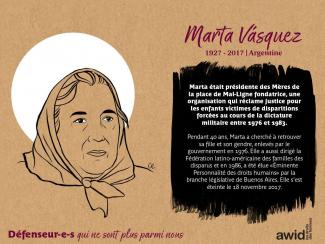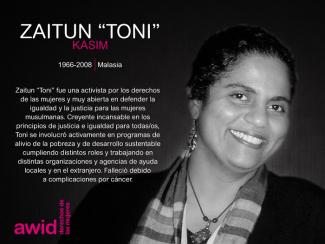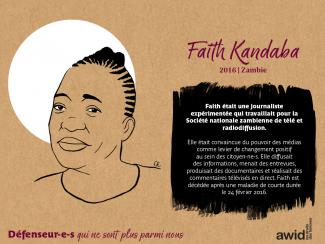
Faith Kandaba
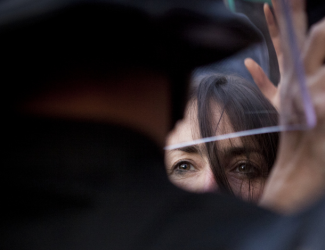
WHRDs are self-identified women and lesbian, bisexual, transgender, queer and intersex (LBTQI) people and others who defend rights and are subject to gender-specific risks and threats due to their human rights work and/or as a direct consequence of their gender identity or sexual orientation.
WHRDs are subject to systematic violence and discrimination due to their identities and unyielding struggles for rights, equality and justice.
The WHRD Program collaborates with international and regional partners as well as the AWID membership to raise awareness about these risks and threats, advocate for feminist and holistic measures of protection and safety, and actively promote a culture of self-care and collective well being in our movements.
WHRDs are exposed to the same types of risks that all other defenders who defend human rights, communities, and the environment face. However, they are also exposed to gender-based violence and gender-specific risks because they challenge existing gender norms within their communities and societies.
We work collaboratively with international and regional networks and our membership
We aim to contribute to a safer world for WHRDs, their families and communities. We believe that action for rights and justice should not put WHRDs at risk; it should be appreciated and celebrated.
Promoting collaboration and coordination among human rights and women’s rights organizations at the international level to strengthen responses concerning safety and wellbeing of WHRDs.
Supporting regional networks of WHRDs and their organizations, such as the Mesoamerican Initiative for WHRDs and the WHRD Middle East and North Africa Coalition, in promoting and strengthening collective action for protection - emphasizing the establishment of solidarity and protection networks, the promotion of self-care, and advocacy and mobilization for the safety of WHRDs;
Increasing the visibility and recognition of WHRDs and their struggles, as well as the risks that they encounter by documenting the attacks that they face, and researching, producing, and disseminating information on their struggles, strategies, and challenges:
Mobilizing urgent responses of international solidarity for WHRDs at risk through our international and regional networks, and our active membership.
Yes! We recognize and appreciate different reasons why feminists, in their respective contexts, don’t have external funding: from being ineligible to apply for grants and/or receive money from abroad, to relying on resources generated autonomously as a political strategy in its own right. We want to hear from you regardless of your experience with external funding.
تصوير: مريم مكيوي
تصميم وعرض الملابس: النمرة
Por el momento, la encuesta en KOBO está disponible en árabe, español, francés, inglés, portugués y ruso. Tendrás oportunidad de seleccionar el idioma de preferencia al inicio de la encuesta.
ترجمة مارينا سمير
«الآن قد يكون وقتًا مناسبًا لإعادة التفكير في الشكل الذي يمكن للثورة أن تتّخذه. ربما لن تبدو كمسيرةٍ من الأجساد الغاضبة والقادرة في الشوارع. ربما ستبدو وكأنّ العالم واقفٌ في ثباتٍ لأن جميع الأجساد الموجودة فيه منهَكة – حيثُ أنّه يجب إعطاء الأولوية للرعاية قبل فوات الأوان».
- جوانا هيدفا
المستشفيات مؤسسات، ومواقع حيّة للرأسمالية، وما يحدث عندما يكون من المفترض أن يستريح شخصٌ ما ليس إلّا نموذجاً مصغّراً من النظام الأكبر. تَعمَد المؤسسات إلى فصلنا عن أنظمة رعايتنا – نَجِد أنفسنا معزولين في بُنى تراتبية راسخة، وغالبًا ما نشعر وكأنّ الرعاية هي شيء يُفعَل بنا بدلاً من أن تكون شيئًا يُعطى ويؤخَذ كجزء من محادثة. الرعاية المؤسسية معزولة بسبب اندماجها في الطلب الرأسمالي: شخص واحد يعالج رِجلك ورِجلك فقط، شخص آخر يعالج ضغط الدم وهكذا.
المستشفيات مؤسسات، ومواقع حيّة للرأسمالية، وما يحدث عندما يكون من المفترض أن يستريح شخصٌ ما ليس إلّا نموذجاً مصغّراً من النظام الأكبر. تَعمَد المؤسسات إلى فصلنا عن أنظمة رعايتنا – نَجِد أنفسنا معزولين في بُنى تراتبية راسخة، وغالبًا ما نشعر وكأنّ الرعاية هي شيء يُفعَل بنا بدلاً من أن تكون شيئًا يُعطى ويؤخَذ كجزء من محادثة. الرعاية المؤسسية معزولة بسبب اندماجها في الطلب الرأسمالي: شخص واحد يعالج رِجلك ورِجلك فقط، شخص آخر يعالج ضغط الدم وهكذا.
اضطرّت المصوّرة مريم مكيوي لإجراء عملية جراحية الشهر الماضي، ووثّقت هذا المسار. صورها للبيئات المعقّمة بألوانها الباهتة – أضواء نيون بيضاء وصفوف تلو صفوف من التكوينات المتكرّرة – تعكس مكانًا استُنزفت منه الحياة والحركة. كانت هذه إحدى الطرق التي حافظت بها مريم على بقاء روحها. لقد كان أحد أشكال الاحتجاج من داخل حدود مؤسسةٍ كان عليها التعامل معها.
تُشكّل الصور وصفًا لشيءٍ واهنٍ بشدّة، فمشاهدة شخصٍ ما وهو يعايش انهيار جسده هو دائمًا تذكير جليل بهشاشتنا. إنه أيضًا تذكير بهشاشة أنظمة الرعاية هذه، والتي قد تُمنَع عنّا لأسباب متعدّدة – بدايةً من عدم امتلاك الأموال وصولًا إلى عدم التواجد في جسدٍ يُعتبَر ذا قيمة كافية، فربما يكون أنثويًا أكثر مما ينبغي أو كويريًا أكثر مما ينبغي أو ملوَّنًا أكثر مما ينبغي.
الرعاية الانفرادية والمجرّدة من جوهرها والتي قد تُسلَب منّا في أي لحظة لا تساعدنا على الازدهار. وهي مختلفة تمامًا عن الطريقة التي يسلكها البشر عند رعاية بعضهم البعض. كم سيبدو عالمنا مختلفًا إذا التزمنا بتفكيك الهياكل الرأسمالية الحالية حول صحّتنا؟ كيف سيبدو إذا أعَدنا تخيُّلَه بشكل جذريّ؟

L’enquête WITM portant sur les réalités du financement des organisations féministes, la plupart des questions traitent du financement de votre groupe entre 2021 et 2023. Vous aurez besoin de disposer de ces informations pendant que vous répondez aux questions de l’enquête (vos budgets annuels et principales sources de financement, par exemple)
|
ترجمة عربية النسخة الإسبانية تدقيق لغوي النسخة الفرنسية تدقيق لغوي من البرتغالية إلى الإنجليزية تدقيق لغوي |
فريق التحرير
تصميم ورسم
مسؤولة استراتيجيات التواصل
محرّرة النسخة العربية
مديرة الترجمة
فريق AWID |
We are asking for this data to facilitate the review of responses, avoid duplication and be able to contact your group in case you have been unable to complete the questionnaire and/or you have doubts or further questions. You can learn more about how we use the personal information we collect through our work here.