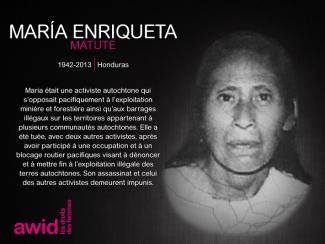
Maria Enriqueta Matute
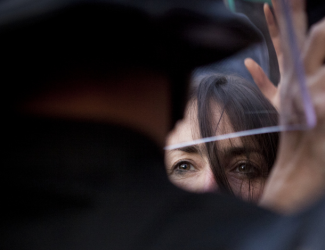
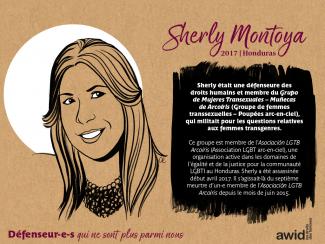
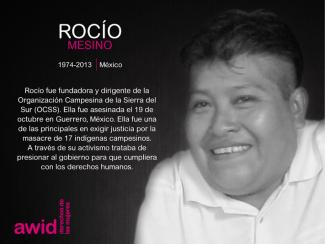
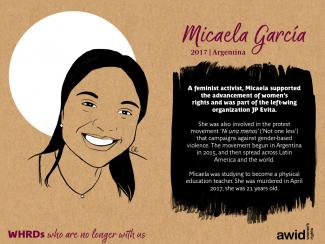
WHRDs are self-identified women and lesbian, bisexual, transgender, queer and intersex (LBTQI) people and others who defend rights and are subject to gender-specific risks and threats due to their human rights work and/or as a direct consequence of their gender identity or sexual orientation.
WHRDs are subject to systematic violence and discrimination due to their identities and unyielding struggles for rights, equality and justice.
The WHRD Program collaborates with international and regional partners as well as the AWID membership to raise awareness about these risks and threats, advocate for feminist and holistic measures of protection and safety, and actively promote a culture of self-care and collective well being in our movements.
WHRDs are exposed to the same types of risks that all other defenders who defend human rights, communities, and the environment face. However, they are also exposed to gender-based violence and gender-specific risks because they challenge existing gender norms within their communities and societies.
We work collaboratively with international and regional networks and our membership
We aim to contribute to a safer world for WHRDs, their families and communities. We believe that action for rights and justice should not put WHRDs at risk; it should be appreciated and celebrated.
Promoting collaboration and coordination among human rights and women’s rights organizations at the international level to strengthen responses concerning safety and wellbeing of WHRDs.
Supporting regional networks of WHRDs and their organizations, such as the Mesoamerican Initiative for WHRDs and the WHRD Middle East and North Africa Coalition, in promoting and strengthening collective action for protection - emphasizing the establishment of solidarity and protection networks, the promotion of self-care, and advocacy and mobilization for the safety of WHRDs;
Increasing the visibility and recognition of WHRDs and their struggles, as well as the risks that they encounter by documenting the attacks that they face, and researching, producing, and disseminating information on their struggles, strategies, and challenges:
Mobilizing urgent responses of international solidarity for WHRDs at risk through our international and regional networks, and our active membership.
En octubre de 2007 se creó el Women’s Working Group on Financing for Development [Grupo de Trabajo de Mujeres sobre Financiación para el Desarrollo, WWG on FfD en inglés], una alianza entre organizaciones y redes por los derechos de las mujeres cuyo objetivo es defender y promover avances en cuanto a igualdad de género, empoderamiento de las mujeres y derechos humanos en los procesos de la ONU relacionados con la FpD.
Tercer Diálogo de Alto Nivel sobre la Financiación para el Desarrollo, 23 al 25 de octubre de 2007
لمزيد من الأسئلة، يرجى استخدام نموذج الاتصال. سنستمر في تحديث هذه الوثيقة بناءً على الاستفسارات التي نتلقاها منك!
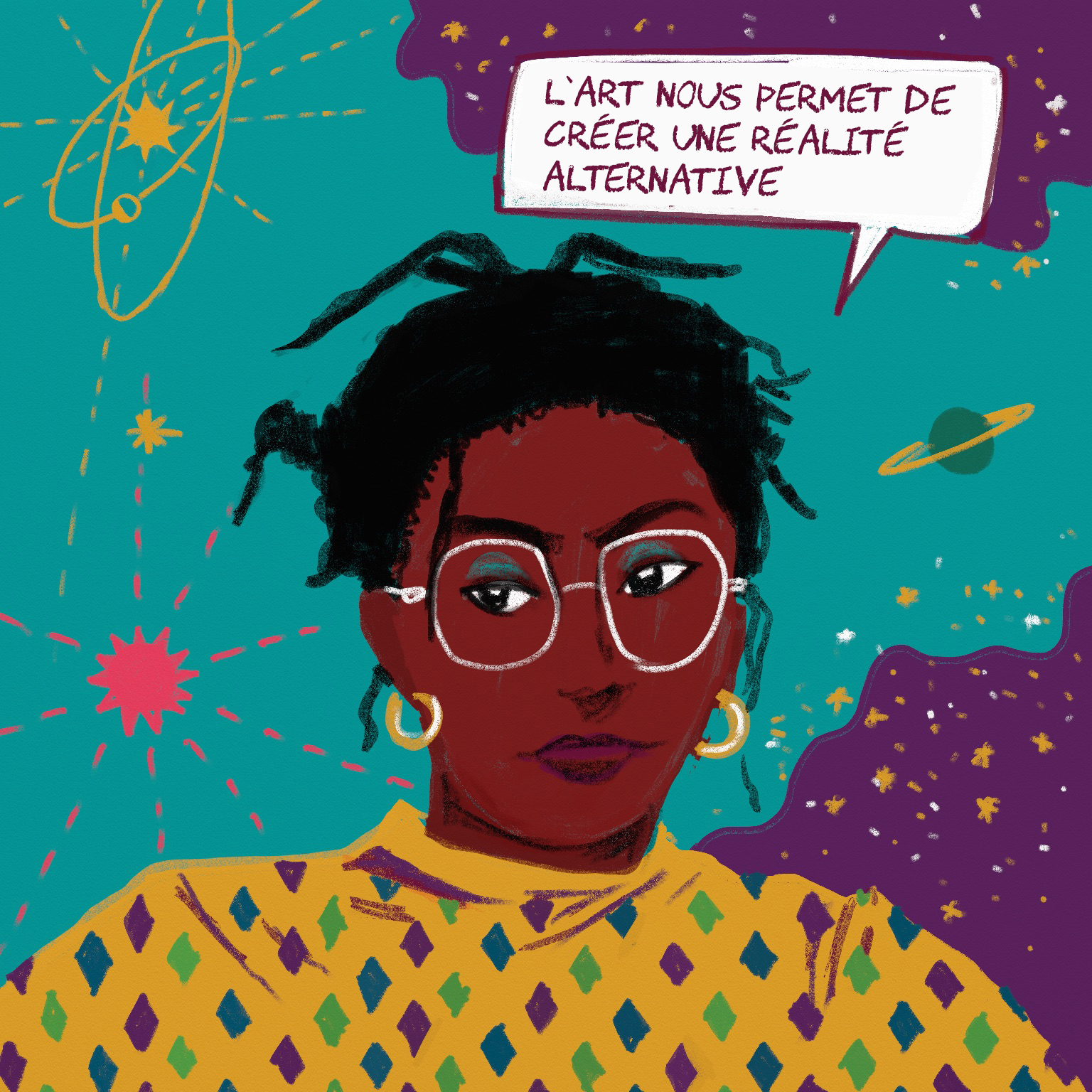
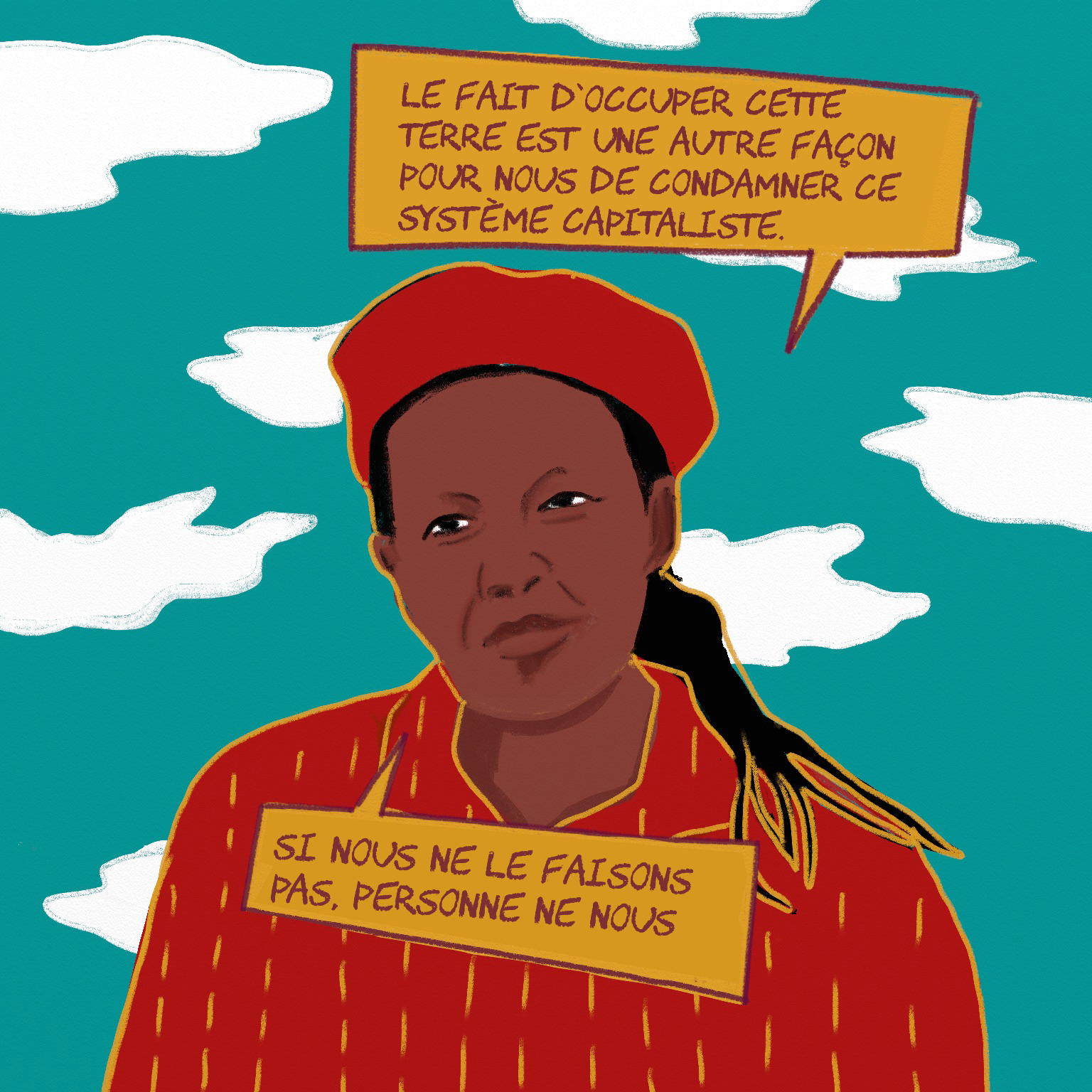
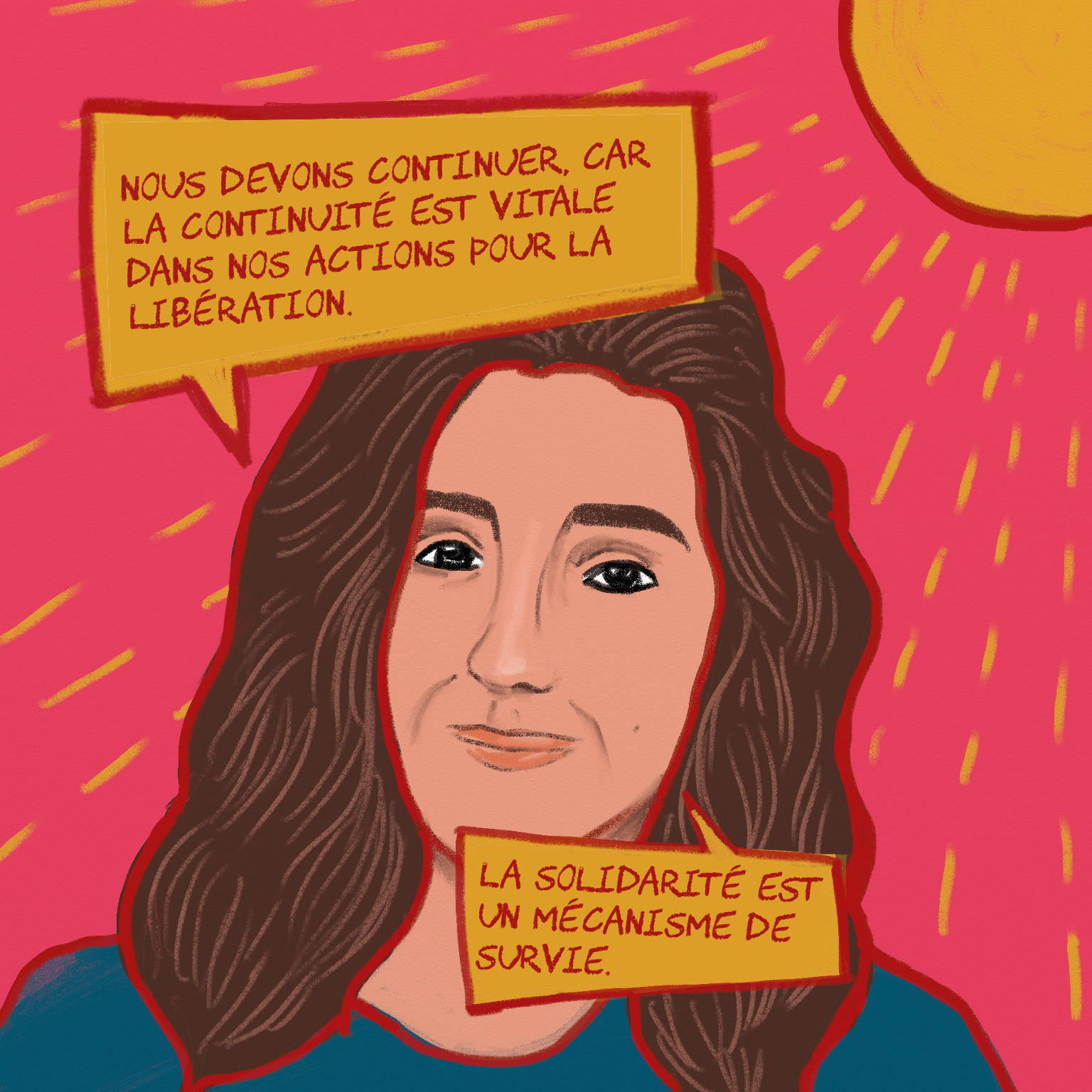
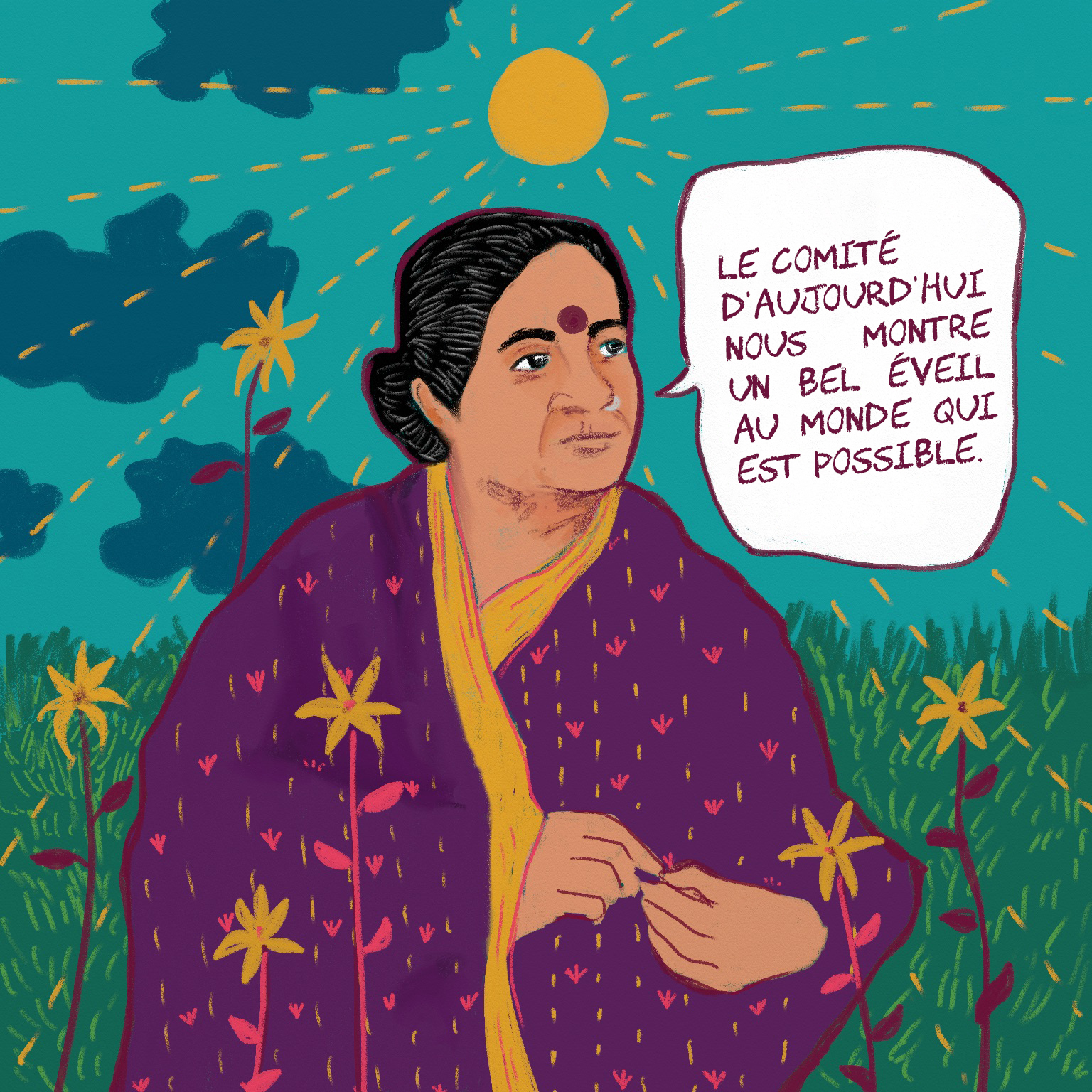
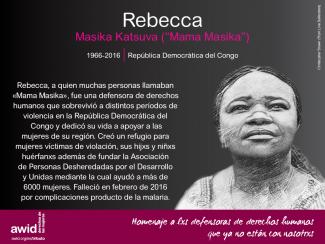
illustré par Ellena Ekarahendy
.
📅Monday, March 11
🕒4:30 - 6pm EST
Organisers: AWID, IJSC and NAWI
🏢 Church Center of the United Nations, 777 United Nations Plaza, New York, 11th Floor
(French and Spanish interpretation available)
Further drafting sessions on the Addis Ababa outcome document
Learn more from the CSO Hitchhiker’s Guide
Related content
TeleSUR: Outrage Shakes Argentina After Murder of Anti-Femicide Activist
Day 3
A geopolitical Analysis of Financing for Development, de Regions Refocus 2015 y Third World Network (TWN) con DAWN
Zero Draft Language Map, de Regions Refocus
Addis Ababa financing conference: Will the means undermine the goals? de RightingFinance
COZINHA OCUPAÇÃO 9 DE JULHO