Zarema Sadulayeva
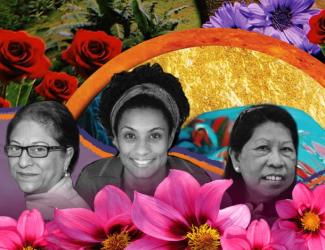
AWID’s Tribute is an art exhibition honouring feminists, women’s rights and social justice activists from around the world who are no longer with us.
This year’s tribute tells stories and shares narratives about those who co-created feminist realities, have offered visions of alternatives to systems and actors that oppress us, and have proposed new ways of organising, mobilising, fighting, working, living, and learning.
49 new portraits of feminists and Women Human Rights Defenders (WHRDs) are added to the gallery. While many of those we honour have passed away due to old age or illness, too many have been killed as a result of their work and who they are.
This increasing violence (by states, corporations, organized crime, unknown gunmen...) is not only aimed at individual activists but at our joint work and feminist realities.
The portraits of the 2020 edition are designed by award winning illustrator and animator, Louisa Bertman.
AWID would like to thank the families and organizations who shared their personal stories and contributed to this memorial. We join them in continuing the remarkable work of these activists and WHRDs and forging efforts to ensure justice is achieved in cases that remain in impunity.
“They tried to bury us. They didn’t know we were seeds.” - Mexican Proverb
It took shape with a physical exhibit of portraits and biographies of feminists and activists who passed away at AWID’s 12th International Forum, in Turkey. It now lives as an online gallery, updated every year.
To date, 467 feminists and WHRDs are featured.
Un an seulement après sa fondation, les membres de Nadia Echazú ont commencé à travailler dans la haute couture et ont organisé un défilé de mode dans l'historique hôtel Bauen.
Elles ont montré cinq modèles et quelques travailleuses de la coopérative textile ont même défilé avec leurs propres créations.
C'était révolutionnaire non seulement parce qu'elles concevaient des alternatives à la mode grand public, mais aussi parce qu'elles créaient des vêtements accessibles et inclusifs pour les corps trans et travesti.
Il n'y a pas d'économies féministes sans vêtements qui nous font nous sentir incroyables et confortables!
We will analyze the survey responses, derive insights and trends, and present the results during the 15th AWID International Forum in Bangkok, and online, in December 2024. Register to attend the Forum here!
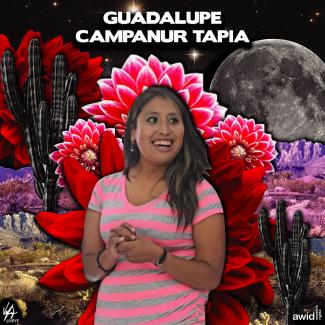
Guadalupe était une activiste environnementale impliquée dans la lutte contre le crime à Cherán, au Mexique.
En 2011, Guadalupe a aidé à renverser le gouvernement local. Elle participait à des patrouilles de sécurité locale, notamment dans les forêts municipales et faisait partie des dirigeant-e-s autochtones de Cherán qui ont appelé les gens à défendre leurs forêts contre l’abattage implacable et illégal. Son travail pour les aînés, les enfants, les travailleurs-euses a fait d'elle une icône dans sa communauté.
Elle a été assassinée à Chilchota, au Mexique, à environ 30 kilomètres au nord de Cherán, sa ville natale.
The fight for a world full of workplaces that are free from of all forms of discrimination, stigma and exclusion is a worthy one. A world in which sex work is decriminalized and recognized as work is part of this.
A world where all workers have safe working conditions, dignified wages, and can enjoy the same rights like health care, pension pay, sick days, holidays, job security and more, no matter their gender, race, ethnicity, age or ability. Labor rights are feminist issues, and feminist unions play a key role in advancing the legal, labor and economic rights of all workers, especially migrant workers, domestic workers, informal workers and sex workers. These are folks who have most recently been disproportionately affected by the pandemic, its burdens of care, lockdowns, curfews and increased policing. Let us introduce you to the stories of feminists and union organizers that are fighting for better working conditions and better worlds for all.
نكمل مشوار بناء الحشد الذي بدأناه قبل 20 عاماً لموارد أفضل وأكبر لحركات التغيير الاجتماعي بقيادة نسوية، تدعوكم/ن جمعية حقوق المرأة في التنمية لاستكمال استطلاعنا
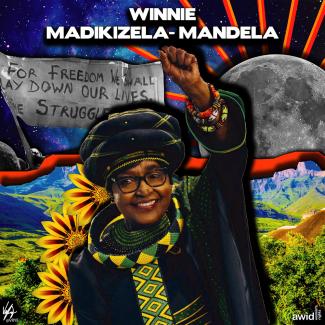
Winnie has been described as a “militant firebrand activist” who fought the apartheid regime in South Africa.
She was imprisoned multiple times, and on many occasions placed in solitary confinement.
Ma’Winnie, as she is affectionately remembered, was known for being outspoken about the challenges Black women faced during and after apartheid, having been on the receiving end of these brutalities herself as a mother, wife and activist during the struggle. She transcended the misconception that leadership is gender, class or race-based. Despite being a controversial figure, she is remembered by many by her Xhosa name, “ Nomzamo”, which means "She who endures trials".
Ma’Winnie continues to be an inspiration to many, particularly young South African women for whom her death has spurred a burgeoning movement, with the mantra: "She didn't die, she multiplied."
En dépit de la rigidité de leur doctrine et de leur vision du monde, les acteurs anti-droits ont fait preuve d’ouverture dans la construction de nouveaux types d’alliances stratégiques ainsi que dans l’utilisation de nouvelles techniques d’organisation et modes d’argumentation. En conséquence, ils sont de plus en plus influents dans les espaces internationaux.
Les ultraconservateurs qui agissent à ce niveau ont fait considérablement évoluer leurs stratégies. Ils ne limitent pas leurs ambitions à la modification de certains aspects marginaux des accords et à la lutte contre l’utilisation de certaines formulations. Ils œuvrent également à la transformation conceptuelle du cadre lui-même et à l’élaboration de norme et de référentiels alternatifs. Ils cherchent enfin à ouvrir les brèches qui renforceront leur influence.
Les ultraconservateurs travaillent à la création et à la pérennité de leurs relations avec des délégués d’États membres de l’ONU en leur proposant régulièrement des formations – notamment pendant le Global Family Policy Forum (Forum mondial sur la politique familiale) qui se tient tous les ans – ainsi que du matériel de formation ciblé.
Ces formations régulières et ces ressources donnent systématiquement aux délégués des informations relatives à des sujets de débat et à des techniques de négociation dans le but d’approfondir leur contribution aux objectifs anti-droits au sein du système relatif à ceux-ci. Les délégués reçoivent également des compilations ciblées de « formulations consensuelles » et de références à des informations pseudo-scientifiques ou à des statistiques dans le but de renforcer leur argumentaire.
La transmission organisée de ces messages explique en partie pourquoi les délégués de certains États membres adoptent des positions ultraconservatrices dans les débats internationaux sur les droits humains en totale contradiction avec leurs propres lois et politiques nationales.
Les abondantes réunions régionales et internationales entre acteurs anti-droits contribuent à créer des liens plus étroits entre les organisations de la société civile (OSC) ultraconservatrices, les États et blocs d’États et certains organismes intergouvernementaux puissants. Le Congrès mondial international des familles est une bonne illustration de rassemblements de ce type.

Ces rencontres renforcent les liens personnels et les alliances stratégiques, des éléments clés de la construction et de la pérennité des mouvements. Elles facilitent l’existence de relations transnationales et interreligieuses dynamiques qui se créent autour de questions et d’intérêts communs. Celles-ci permettent aux acteurs anti-droits de mettre en œuvre une approche plus entreprenante et de formuler un ensemble plus complet de revendications en matière de politique internationale.
Des États et blocs d’États tentent depuis toujours de saper les consensus internationaux ou le principe de responsabilité des États définis en vertu des normes internationales relatives aux droits humains. À cette fin, ils émettent des réserves quant aux accords sur les droits humains, menaçant ainsi le caractère universel de leur applicabilité.
La Convention sur l'élimination de toutes les formes de discrimination à l'égard des femmes (CEDAW) est le texte qui a provoqué l’émission du plus grand nombre de réserves. La plupart d’entre elles sont fondées sur des conflits présumés avec le droit religieux. Le droit international relatif aux droits humains est très clair concernant les références à la tradition, à la culture ou à la religion : celles-ci ne peuvent en aucun cas justifier de violations des droits humains. Nombre des réserves émises à propos de la CEDAW ne sont pas valables car elles sont « incompatibles avec l’objet et le but » de la CEDAW. Néanmoins, les États se servent constamment de ces réserves pour ne pas assumer leurs responsabilités en matière de droits humains.
Ces acteurs émettent des « réserves » de plus en plus nombreuses sur les documents et accords de l’ONU qui ne sont pas des traités officiels, notamment sur les résolutions du Conseil des droits de l’homme et de l’Assemblée générale.
Il est alarmant de constater que certains acteurs rétrogrades actifs au sein du système onusien ont commencé à coopter les références existantes en matière de droits et à élaborer et promouvoir un langage consensuel qui revêt un caractère profondément anti-droits. L’objectif est de créer puis de propager ce langage qui légitime des normes patriarcales, hiérarchiques, discriminatoires et culturellement relativistes dans les espaces internationaux consacrés aux droits humains.
Dans ce but, un certains nombre de déclarations ont été rédigées, parmi lesquelles la Déclaration mondiale de la famille et les Articles de San José, qui se veulent les représentantes d’une version moins contraignante du droit des droits humains. Des signatures sont recueillies auprès de multiples acteurs de la société civile, d’États et d’institutions et sont ensuite utilisées comme des outils de plaidoyer et de lobbying.
Dans le cadre d’un virage stratégique vers le recours à des arguments non religieux, les acteurs anti-droits ont considérablement investi dans leurs propres groupes de réflexion axés sur les « sciences sociales ». Relayées par des médias conservateurs en plein essor, les idées de ces think tanks sont largement diffusées par des groupes conservateurs issus de la société civile. Les mêmes supports servent ensuite de matériel de base pour le travail de plaidoyer auprès du système international relatif aux droits humains.
Bien que les objectifs et la motivation des conservateurs découlent de leurs interprétations extrémistes de la religion, de la culture et de la tradition, leurs arguments rétrogrades sont souvent appuyés par des études qui s’arrogent une forme d’autorité intellectuelle. Ils élaborent ainsi un contre-discours, savant mélange de doctrine traditionaliste et de sciences sociales.
Il s’agit de l’une des stratégies les plus efficaces de la droite religieuse, et elle représente un investissement majeur pour l’avenir du processus organisationnel des acteurs anti-droits. Le recrutement des jeunes et le développement de leurs compétences en leadership – des processus qui s’opèrent en premier lieu au niveau local par le biais des églises et des campus – sont une priorité pour de nombreux conservateurs qui tentent d’influencer les politiques internationales.
Cette stratégie leur a permis de s’infiltrer dans les espaces du système onusien notamment consacrés à la jeunesse, parmi lesquels la Commission de la condition de la femme, et de créer une opposition conséquente aux réseaux et organisations progressistes de jeunes.

Que ce soit auprès des mécanismes d’experts faisant autorité – parmi lesquels les Procédures spéciales et les organes chargés de la surveillance de l’application des traités de l’ONU – ou auprès des organes opérationnels comme les agences de l’ONU, les groupes anti-droits ont conscience que leur influence potentielle est beaucoup plus faible qu’au sein des mécanismes politiques.
En conséquence, les groupes anti-droits répandent un certain nombre d’idées, parmi lesquelles le fait que les agences des Nations Unies « outrepassent leur mandat », que le Comité de la CEDAW et d’autres organes créés en vertu d'instruments relatifs aux droits humains n’ont pas le pouvoir d’interpréter les traités ou encore que les Procédures spéciales sont activées par des experts partisans qui ne respectent pas l’étendue de leur mandat. Les groupes anti-droits exercent également des pressions pour compromettre le financement d’agences comme le Fonds des Nations Unies pour la population (FNUAP).
Cette délégitimation des mécanismes de l’ONU encourage l’impunité des États. Les gouvernements soumis à un examen international sont alors en mesure de justifier leurs actes en arguant du fait que le mécanisme de révision lui-même est défaillant ou trop exigeant.
Les forces conservatrices non étatiques investissent de plus en plus dans les médias sociaux et dans d’autres plateformes en ligne pour promouvoir leurs activités, leurs campagnes et diffuser le plus largement possible leurs informations sur les espaces internationaux relatifs aux droits humains. L’organisation espagnole CitizenGo, par exemple, se veut la version conservatrice de change.org et publie des pétitions et des campagnes épistolaires. Une pétition récente contre la création par l’ONU d’une journée internationale de l’avortement sans risque a rassemblé plus de 172 000 signatures.
S’inspirer des stratégies d’organisation des groupes féministes et d’autres acteurs progressistes.
Adapter à la sphère internationale les stratégies qui ont porté leurs fruits au niveau national.
Passer de la « protestation symbolique » contre le cadre des droits humains à une stratégie d’infiltration subversive du système.
En comprenant les stratégies déployées par les acteurs anti-droits, nous pouvons les contrer plus efficacement.
Télécharger le chapitre complet (en anglais)
El salario mínimo de Georgia se encuentra en un porcentaje inferior al de todos los países del mundo. Esta realidad afecta mayoritariamente a las mujeres.
El país no solo tiene una brecha salarial de género significativa, sino que las mujeres también trabajan más horas y más horas no reguladas antes de irse a casa para ocuparse de las tareas domésticas y de sus familias. No hay licencia por maternidad, no hay aumentos de salario por horas extras, no hay seguro de desempleo, y no hay licencias por enfermedad u otra protección social. Presionados por organizaciones occidentales, los partidos políticos oligárquicos georgianos han estado implementando reformas que están destruyendo el estado de bienestar, aumentando las medidas de austeridad y empeorando la explotación de lxs trabajadorxs, todo para los beneficios de grandes corporaciones que aplauden al país por su "facilidad para hacer negocios". Los medios de comunicación, cooptados por intereses privados y corporativos, están sesgados sobre estos temas o los silencian. La organización sindical sigue siendo una de las pocas opciones para luchar por los derechos humanos básicos y para hacer que el Estado y las empresas rindan cuentas ante las violaciones y persecuciones diarias y generalizadas contra lxs trabajadorxs, especialmente contra las mujeres.
Fuentes: Minimum-Wage y entrevista con Sopo Japaridze en Democracia Abierta

Сделать видимой сложность обеспечения ресурсами различных феминистских организаций
Barin integraba la unidad de batalla formada íntegramente por mujeres de la Unidad de Protección del Pueblo Kurdo (YPG).
La mataron cuando estaba en servicio activo.
La periodista libanesa Hifaa Zuaiter escribió: «Barin representa todo lo que hemos oído acerca del coraje de las combatientes kurdas, y su muerte es mucho más que el matar a un rival o el resultado de una lucha política o étnica. El horror de exhibir su cuerpo sólo porque es una mujer surge del hecho de que ella se atrevió a amenazar la hegemonía masculina al convertirse en una combatiente en un campo de batalla que se suponía era solo para hombres».

Our new research paper The Devil is in the Details addresses knowledge gaps around religious fundamentalisms within the development sector, and aims to improve understanding of how they constrain development and women’s rights in particular. It provides recommendations for ways development actors can avoid inadvertently strengthening and instead challenge fundamentalisms. [CTA download link: Read the full paper]
| Graphic1 | 1. Control of women’s bodies, sexuality, and choice are “warning signs” of rising fundamentalisms. |
| 2. Neoliberal economic policies have a particularly negative impact on women, and fuel the growth of religious fundamentalisms. | Graphic2 |
| Graphic3 | 3. Choosing religious organizations as default for partnerships builds their legitimacy and access to resources, and supports their ideology, including gender ideology. |
| 4.Everyone has multiple identities and should be defined by more than just their religion. Foregrounding religious identities tends to reinforce the power of religious fundamentalists. | Graphic4 |
| Graphic5 | 5. Religion, culture, and tradition are constantly changing, being reinterpreted and challenged. What is dominant is always a question of power. |
| 6. Racism, exclusion, and marginalization all add to the appeal of fundamentalists’ offer of a sense of belonging and a “cause”. | Graphic6 |
| Graphic7 | 7. There is strong evidence that the single most important factor in promoting women’s rights and gender equality is an autonomous women’s movement. |
The Devil is in the Details details the grave human rights violations, and violations of women’s rights in particular, caused by state-sponsored fundamentalism, as well as by fundamentalist non-state actors such as militias, religious community organizations, and individuals. Fundamentalist reinforcement of regressive, patriarchal social norms are leading to the rise of violence against women, girls, and women human rights defenders (WHRDs). The paper highlights these key insights for addressing the problem:
Development actors are in a position to take a strong role in this. The collective capacity of development actors to recognize and collaboratively address religious fundamentalisms is vital for advancing social, economic, and gender justice and the human rights of all people in sustainable development. It is vital to promote intersectional feminist understandings of power and privilege, and to apply these to questions of religion and culture. Women’s organizations already have knowledge and strategies to counter fundamentalisms development actors should build on this, and invest in cross-issue coalitions to help them reach new heights.