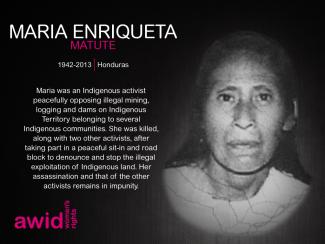
Maria Enriqueta Matute
Women human rights defenders (WHRDs) worldwide defend their lands, livelihoods and communities from extractive industries and corporate power. They stand against powerful economic and political interests driving land theft, displacement of communities, loss of livelihoods, and environmental degradation.
Extractivism is an economic and political model of development that commodifies nature and prioritizes profit over human rights and the environment. Rooted in colonial history, it reinforces social and economic inequalities locally and globally. Often, Black, rural and Indigenous women are the most affected by extractivism, and are largely excluded from decision-making. Defying these patriarchal and neo-colonial forces, women rise in defense of rights, lands, people and nature.
WHRDs confronting extractive industries experience a range of risks, threats and violations, including criminalization, stigmatization, violence and intimidation. Their stories reveal a strong aspect of gendered and sexualized violence. Perpetrators include state and local authorities, corporations, police, military, paramilitary and private security forces, and at times their own communities.
AWID and the Women Human Rights Defenders International Coalition (WHRD-IC) are pleased to announce “Women Human Rights Defenders Confronting Extractivism and Corporate Power”; a cross-regional research project documenting the lived experiences of WHRDs from Asia, Africa and Latin America.
"Women Human Rights Defenders confronting extractive industries: an overview of critical risks and Human Rights obligations" is a policy report with a gender perspective. It analyses forms of violations and types of perpetrators, quotes relevant human rights obligations and includes policy recommendations to states, corporations, civil society and donors.
"Weaving resistance through action: Strategies of Women Human Rights Defenders confronting extractive industries" is a practical guide outlining creative and deliberate forms of action, successful tactics and inspiring stories of resistance.
The video “Defending people and planet: Women confronting extractive industries” puts courageous WHRDs from Africa, Asia, and Latin America in the spotlight. They share their struggles for land and life, and speak to the risks and challenges they face in their activism.
Challenging corporate power: Struggles for women’s rights, economic and gender justice is a research paper outlining the impacts of corporate power and offering insights into strategies of resistance.
AWID acknowledges with gratitude the invaluable input of every Woman Human Rights Defender who participated in this project. This project was made possible thanks to your willingness to generously and openly share your experiences and learnings. Your courage, creativity and resilience is an inspiration for us all. Thank you!
يمكنك أن تتوقع جميع المواد الأساسية لورش العمل والعروض التقديمية: اللوحات الورقية، والأقلام والملاحظات اللاصقة، بالإضافة إلى أجهزة العرض والمعدات السمعية والبصرية. أي مواد إضافية تقع على عاتق منظمي/ات النشاط. سيكون الفريق اللوجستي التابع لجمعية حقوق المرأة في التنمية متاحًا للإجابة على الأسئلة وتقديم المشورة.
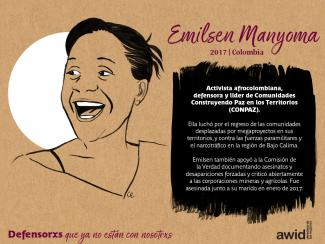
illustré par Ellena Ekarahendy
2009 UN Conference on the World Financial and Economic Crisis and its Impacts on Development
Rejoignez la co-création du 15e Forum international de l’AWID à Bangkok, en Thaïlande.
Primera sesión para redactar el Documento Final de la tercera Conferencia Internacional sobre la Financiación para el Desarrollo
COZINHA OCUPAÇÃO 9 DE JULHO
✉️ Sólo invitades
📅Martes 12 de marzo
🕒2:00 p. m. - 3:30 p. m. EST
Organiza: Consorcio Observatorio de la Universalidad de los Derechos (OURs)
🏢Blue Gallery, 222 E 46th St, Nueva York
Contenu lié
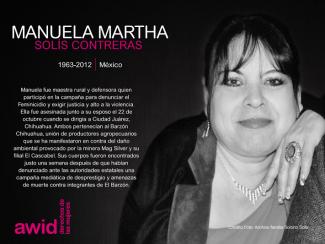
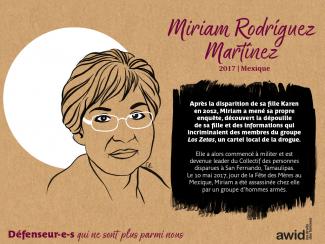
RFI: L'assassinat de la mère courage qui avait ému le Mexique
Forum des femmes sur le financement de l’égalité des genres
La troisième Conférence internationale des Nations Unies sur le financement du développement
C'est un centre communautaire, où l'on peut suivre des cours et se former à des activités créatives génératrices de revenus comme la coiffure, la cuisine et la création artistique. Les enfants peuvent également profiter d'activités culturelles et éducatives.
Le MSTC ne travaille pas seul. Iels collaborent avec des institutions et des collectifs artistiques pour produire des expériences culturelles, sportives et éducatives, ainsi qu'un accès critique à des services de santé. Depuis sa création, ce projet participatif a été porté essentiellement par des femmes, sous la direction de l'activiste afro-brésilienne Carmen Silva, autrefois sans abri.