AWID es un organización feminista internacional de membresía, que brinda apoyo a los movimientos que trabajan para lograr la justicia de género y los derechos de las mujeres en todo el mundo.
Esta sección de análisis especial ofrece un análisis feminista crítico y acceso a los recursos clave relacionados con la «protección de la familia» en los espacios internacionales de derechos humanos.
Durante los últimos años, venimos observando una nueva y preocupante tendencia en el ámbito internacional de derechos humanos, donde se están empleando discursos sobre la «protección de la familia» para defender violaciones cometidas contra miembros de la familia, de modo de reforzar y justificar la impunidad y para coartar la igualdad de derechos en el seno de la familia y la vida familiar.
La campaña para «proteger a la familia» es impulsada por proyectos conservadores que tienen como fin imponer interpretaciones «tradicionales» y patriarcales de familia; quitando los derechos de las manos de sus miembros para ponerlos en las de la institución «familia».
Los proyectos de «protección de la familia» tienen su origen en los siguientes fenómenos:
el auge del tradicionalismo,
el auge del conservadurismo cultural, social y religioso, y
posturas hostiles a los derechos humanos de las mujeres, los derechos sexuales, los derechos de las niñas y los niños y los derechos de las personas con identidades de género y orientaciones sexuales no normativas.
Desde 2014 un grupo de estados opera como bloque en espacios de derechos humanos, bajo el nombre «Group of Friends of the Family» [Grupo de amigos de la familia], y a partir de entonces se han aprobado resoluciones sobre la «Protección de la familia» todos los años.
Esta agenda se ha extendido más allá del Consejo de Derechos Humanos (HRC, por sus siglas en inglés). Hemos visto cómo el lenguaje regresivo sobre «la familia» se ha introducido en la Comisión de la Condición Jurídica y Social de las Mujeres (CSW, por sus siglas en inglés), y hemos asistido a intentos por incluir este lenguaje en las negociaciones sobre los Objetivos de Desarrollo Sostenible.
Nuestro enfoque
AWID trabaja con asociadxs y aliadxs para resistir conjuntamente las agendas regresivas de «Protección de la familia» y otras, y para defender la universalidad de los derechos humanos.
En respuesta a la creciente influencia de actores regresivos en los espacios de derechos humanos, AWID se ha unido con aliadxs para formar el Observatorio de la Universalidad de los Derechos (OURs, por sus siglas en inglés). OURs es un proyecto colaborativo que monitorea, analiza y comparte información sobre iniciativas anti-derechos tales como la «Protección de la familia».
Derechos en Riesgo, el primer informe de OURs, traza un mapa de los actores que conforman el cabildeo global anti-derechos e identifica sus discursos y estrategias principales, señalando los efectos que estos discursos y estrategias están teniendo sobre nuestros derechos humanos.
El informe expone a la «Protección de la familia» como una agenda que ha promovido la colaboración entre una amplia gama de actores regresivos en las Naciones Unidas. La describe como un marco estratégico que aloja «múltiples posiciones patriarcales y anti-derechos, cuyo marco, a su vez, apunta a justificar e institucionalizar estas posiciones».
« C’[elle] était une personne qui se caractérisait par son travail acharné en faveur de la défense des droits humains et la construction de la paix à Nariño, notamment dans la municipalité de Samaniego-Nariño » - Jorge Luis Congacha Yunda pour Página10
Paula Andrea Rosero Ordóñez était avocate au sein du bureau du Ministère public à Samaniego, Nariño, l’agence principale qui défend les droits des citoyen·ne·s en Colombie.
Elle s’est concentrée sur les droits civils et politiques, les enjeux d’impunité et de justice, et a contribué à dévoiler les abus de pouvoir, dont la corruption. Elle a également participé à des projets de construction de la paix dans sa ville natale, Samaniego, comme le Conseil municipal pour la paix et le Bureau municipal de femmes.
Paula a reçu des menaces de mort après avoir exposé une gestion irrégulière des ressources, de même que porté plainte contre des actes de corruption au sein de l’Hôpital Lorencita Villegas dans la municipalité de Nariñense. Elle a été assassinée le 20 mai 2019, lorsque deux hommes se sont approchés d’elle et l’ont abattue à bout portant.
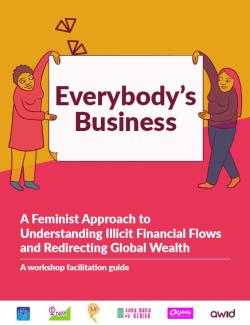
Download your faciliation guide:
"A Feminist Approach to Understanding Illicit Financial Flows and Redirecting Global Wealth"
Khaoula Ksiksi est une fervente défenseuse de la justice, de l’équité et de la libération. Dans son rôle de conseillère en matière de genre, d’égalité, de diversité et d’inclusion (GEDI), elle œuvre à faire de l’inclusion une réalité concrète, pas simplement un concept politique, au sein des programmes humanitaires et des interventions en situation de crise. Elle collabore avec diverses équipes pour combattre l’oppression structurelle en déployant des approches audacieuses et transformatrices qui s’appuient sur les expériences vécues.
Son activisme a débuté au cœur du mouvement antiraciste tunisien. Au sein de l’organisation Mnemty, elle a contribué à l’adoption de la première législation anti-discrimination du pays, obligeant la société tunisienne à reconnaître l’existence de l’injustice raciale. Par la suite, elle a co-fondé le collectif Voix des Femmes Tunisiennes Noires, une initiative visant à valoriser le leadership des femmes noires, à développer des réseaux de solidarité et à revendiquer une visibilité dans une société qui tend à les réduire au silence.
Khaoula est également l’une des fondatrices de Falgatna, un mouvement queer-féministe radical qui œuvre pour la défense des droits OSIGEGCS, tout en apportant son soutien aux communautés LGBTQI+ par des actions directes, des stratégies de cyberrésistance et un plaidoyer centré sur les survivant·es.
Auparavant, elle a dirigé des projets régionaux féministes et de justice climatique à la Fondation Rosa Luxemburg en Afrique du Nord et de l’Ouest.
Son travail est guidé par une conviction profonde : personne n’est libre tant que nous ne le sommes pas toustes. Son activisme est à la fois un combat et une lettre d’amour à son peuple, à ses communautés et au monde que nous méritons.
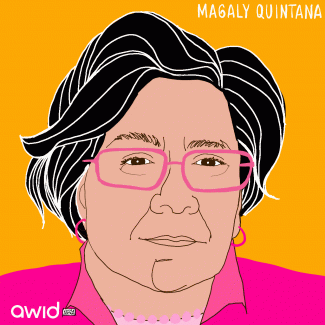
Magaly Quintana was known by many in Nicaragua as ‘La Maga’ (meaning wizard). She was a feminist historian, activist, and an unyielding defender of women’s rights demanding justice for the victims of femicide.
Magaly was committed to documenting and building statistics on women and girls who were killed as a result of sexual violence in the country.
“She rebuilt the life of each one, of their families, to show those lives that had been torn away.” - Dora María Téllez
Magaly also criticized the government for reforming Law 779 addressing violence against women. A product of the hard work of Nicaraguan women’s movements, this law included important provisions to criminalize femicide before its reform. She argued that legislative reforms weakened the law and limited the definition of femicides to homicides, as a result invisibilizing violent crimes against women.
Magaly’s feminist organizing began in the early 1980s. She was the director of Catholic Women for the Right to Choose, advocating for the right to therapeutic abortion after it was banned in 2006. In 2018, she supported the protests against Daniel Ortega’s government.
Magaly was born in May 1952 and passed away in May 2019.
“See you later, my dearest Magaly Quintana. Thanks so much, thanks for your legacy. We’ll see you again, as strong and powerful as ever.”- Erika Guevara Rosas (American Director of Amnesty International)
Holding up the Skies
A Film Series on Feminist Realities from Africa and the African Diaspora
by Gabrielle Tesfaye
When I created my short animation film, The Water Will Carry Us Home, my mind was plugged into a magical world of fearless resilience and ancestral mermaids who transformed their deepest scars into a new generation of life. Set during the time of the transatlantic slave trade, I was pulled to show this history of African enslavement in a different way than it has ever been told on screen. I wanted to give my ancestors the commemoration they never received. I was motivated to reclaim the history that continues to paint us as helpless victims. Essentially, I wanted to tell the truth. To reclaim and reimagine our history and perspective, means to simultaneously heal our generational traumas that exist today. It is this important work that so many women through the African continent and the African diaspora are doing today, igniting our collective Feminist Realities.
In the making of the film I researched religiously, and in what was written, I saw what was not. There were many times I felt I was hitting a wall trying to find something that was not there, and it was in those voided places that I realized the storytellers of today are filling the voids. I found the most useful stories in contemporary art, film, and African diaspora folklore.
“... a truly unique, raw and representation of feminist power in action.”
The Water Will Carry Us Home carried itself around the world into the hearts of the Diaspora. It also led me here, as the curator of the African and Diaspora film screenings of AWID’s Co-Creating Feminist Realities initiative. Whilst curating this collection of films, I looked for stories that were completely unique, raw and representational of feminist power in action. Consisting of three shorts and one feature, they reveal stories through many communities in Africa and the diaspora, including Ethiopia, Uganda, The Democratic Republic of Congo, South Africa and Kenya. These films reposition African women as what they truly are- self governing and empowered through the unfiltered lens of their work.
“An incredibly beautiful, attentive, finely observed telling of the connection between Africa and its Diaspora formed form the trans Altantic slave trade. The visual universe it creates is just gorgeous… an echo of the fusion of spiritual traditions and non-linear time that speak to how we are still experiencing the moments of the past that formed 'new' worlds of diaspora blackness.”
- Jessica Horn, PanAfrican feminst strategist, writer and co-creator of the temple of her skin
Our short documentary film, Women Hold Up the Sky, created by the WoMin African Alliance, tells the story of women activists in Uganda and the Democractic Republic of Congo who are actively reclaiming their land rights, threatened by mining and other extractives in their homes. The film not only exposes the corruption of extractivism, but finally shares what we have been missing on screen - how grassroots African women are actively organizing, strategizing, and analyzing within their communities to create women-centred and community-driven alternatives. Margaret Mapondera of WoMin explains it beautifully, that they are the “custodians of lands, forests, waters, rivers and territories; the ways in which women hold and transmit the stories / herstories of our past and our futures; the powerful and transformative ways of being that women embody in their relationships to each other, to the environment and in themselves.”
“A refreshing and much-needed piece of cinema highlighting the many ways African women are coming together to create women-led and community-driven alternatives… The fight is on and
women hold the key.”
Pumzi, created by critically acclaimed director Wanuri Kahiu, bridges Africa and science fiction around climate and environmentalism. Pumzi imagines a futuristic world where humankind has been forced to settle on another planet. While Pumzi seems afro-futuristic and new for Africa on the surface, Kahiu reveals the truth that science fiction and fantasy is something that has always existed in African storytelling, but never recognized. Kahiu creates a world where women are truth seekers and heroes who pioneer us into a new world, the opposite of images that position Africans as victims of war and destruction. Instead, Pumzi writes the narrative of African women being their own saviors and problem solvers, who stop at no cost to follow the cryptic visions they channel in their dreams.
“A pioneering African sci-fi film, situating women as scribes of the future and opening up our visions about other worlds, other universes we might occupy as Africans - always an important exercise as we imagine our way out of present crises.”
- Jessica Horn, PanAfrican feminst strategist, writer and co-creator of the temple of her skin
Our feature film of the program, Finding Sally is set in 1970’s Ethiopia during the time of The Red Terror war, documenting the striking history of director Tamara Mariam Dawit’s activist aunt, Sally Dawit. Throughout the film we learn of Sally’s incredible journey as a young and courageous woman activist navigating one of the most violent times of Ethiopian history. Sally’s story not only reveals the gravity of this time, but the reflection of her own personal evolution as a young woman. Dawit was intentional to tell the film through the lens of women, untouched by male voices. Due to so much Ethiopian history being told by men, the making of this powerful story preserved its reality of honoring the feminist perspective. Dawit explains, “Women in revolution and war are often only included as someone's spouse or someone who did cooking or typing work. I wanted to look at the activism around the revolution only through the memories and voices of women.” Finding Sally demonstrates the reclamation of history sought by current filmmakers today. It is an igniting of feminist power and our connected realities throughout time.
“The responsibility falls on us, to remember these women that came before us and their brilliant work so they are not forgotten like the thousands of women already forgotten while fighting the good fight. Sally is such a woman and may she never be forgotten.”
These films have became a part of my own psyche, empowering me to continue building powerful alternatives towards justice from within. They affirm that I am a woman among a world of women, holding up the skies and actively building indestructible Feminist Realities. These films are more than stories of African women - they are globally relatable, inspiring and set the example of Feminist Realities for all of us around the world.
Gabrielle Tesfaye:
Gabrielle Tesfaye is an interdisciplinary artist versed in painting, animation, film, puppetry and interactive installation. Her work is rooted in the African diaspora, Afro-futurism, ancient art practices and cultural storytelling.
Follow us on Social Media to receive news about upcoming events and screenings:
Cinthia a collaboré avec des ONG au Mexique, au Pérou et en Équateur sur des projets liés à la mobilité humaine, à l’environnement et au plaidoyer politique, en recourant à la narration transmédia et au développement web. Elle est titulaire d’un master en anthropologie visuelle de la FLACSO Équateur et d’un diplôme en animation et arts numériques de l’Institut technologique de Monterrey. Elle adore expérimenter avec le code et les médias visuels pour créer de nouvelles formes de narration et continuer à explorer les liens entre l’art, la technologie et le changement social.
Janet Benshoof fue una abogada de derechos humanos de los Estados Unidos, y defensora de la igualdad de las mujeres y de los derechos sexuales y reproductivos.
Hizo campaña para ampliar el acceso a los anticonceptivos y al aborto en todo el mundo, y luchó contra las sentencias antiaborto y en el territorio estadounidense de Guam. Fue arrestada en 1990 por oponerse a la ley de aborto más restrictiva de su país. Sin embargo, obtuvo una medida cautelar en el tribunal local de Guam que bloqueó la ley y, finalmente, ganó en el Tribunal de Apelaciones del Noveno Circuito, que llevó a la anulación de la ley para siempre.
"Las mujeres de Guam están en una situación muy trágica. No tengo intención de callarme al respecto." - Janet Benshoof para la revista People.
Janet sentó precedentes jurídicos históricos, entre ellos, la aprobación de la anticoncepción de emergencia por parte de la Administración de Alimentos y Medicamentos de los Estados Unidos, así como la aplicación del derecho internacional para garantizar los derechos de las víctimas de violación en el Tribunal Superior de Iraq, durante el procesamiento de los crímenes de guerra de la época de Saddam.
Janet fue Presidenta y fundadora del Centro de Justicia Global, y fundadora también del Centro de Derechos Reproductivos, la primera organización internacional de derechos humanos del mundo centrada en la elección y la equidad reproductiva. Durante 15 años se desempeñó como directora del Proyecto de Derechos Reproductivos de la Unión Americana de Libertades Civiles, donde encabezó litigios que dieron forma a las leyes constitucionales de los Estados Unidos sobre igualdad de género, libertad de expresión y derechos reproductivos.
"Janet era conocida por su mente jurídica brillante, su agudo sentido del humor y su coraje ante la injusticia". - Anthony D. Romero
Nombrada una de las "100 Abogadas más influyentes de América" por el National Law Journal, Janet recibió numerosos premios y honores.
Nació en mayo de 1947 y falleció en diciembre de 2017.
#MeToo in China
En China, el movimiento #MeToo [«Yo También»] se encendió en enero de 2018, empujado por el ímpetu del movimiento #MeToo de todo el planeta. Fue una respuesta a los problemas culturales y sistémicos relacionados con el género y el poder dentro de China. Las bases del movimiento habían sido establecidas durante décadas, y los muchos años de debate y promoción de la igualdad de género, finalmente, hicieron erupción con tremenda fuerza en toda la sociedad. El movimiento #MeToo fue impulsado fundamentalmente por jóvenes, que incluyen a innumerables mujeres anónimas y sus aliadxs, en busca de oportunidades para hacer realidad el principal «sueño chino»: transformar a China en un país con igualdad de género.
En China, el contexto para el movimiento #MeToo es extremadamente adverso: el Estado de derecho, la justicia y la transparencia de las acciones gubernamentales y la libertad de expresión no pueden darse por descontados, pero estos son precisamente los objetivos por los cuales lucha el movimiento. Ha sido, desde el principio, una lucha intensa, y cada víctima o activista que se visibiliza corre enormes riesgos: desde ser silenciadx o humilladx o de sufrir represalias hasta poner en peligro su seguridad. Todos los éxitos del movimiento #MeToo han sido logrados por quienes son lo suficientemente valientes como para asumir los costos de manifestarse y desafiar la censura.
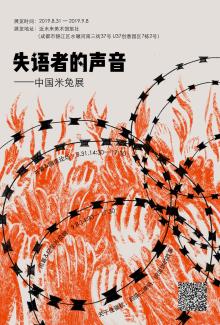
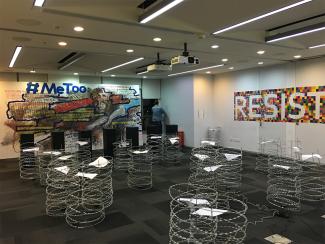
La exhibición «#MeToo in China» fue inaugurada en 2019 y recorrió cinco ciudades. Su objetivo es dar mayor prominencia a las experiencias personales de lxs víctimas y lxs activistas, para inspirar al público a unirse a la lucha a través del contacto con estas historias. La exposición misma se ha convertido en parte de la lucha #MeToo: ha debido enfrentar desafíos en su itinerario por toda China y, en más de una ocasión, fue amenazada con la clausura.
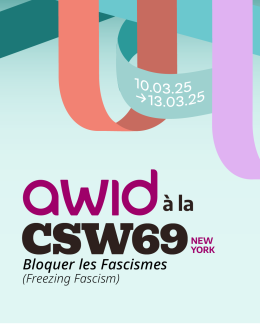
Snippet - CSW69 - Feminist Solidarity Space 12 - EN
Feminist Solidarity Space
✉️ By registration for larger groups. Drop-ins for smaller groups. Register here
📅 Wednesday, March 12, 2025
🕒 2.00-4.00pm EST
🏢 Chef's Kitchen Loft with Terrace, 216 East 45th St 13th Floor New York
Organizer: AWID
Snippet FEA Decent Pay (FR)
DES SALAIRES DÉCENTS
Reason to join 1
Faites partie d’une organisation et d’une communauté internationales, associatives et féministes. Nos membres sont établi·e·s dans toutes les régions du monde; iels apprennent les un·e·s des autres et se soutiennent mutuellement dans un réseau mondial fondé sur la solidarité.