En el contexto actual, hemos identificado cinco grandes amenazas para la lucha por economías feministas y justas.
1. La financialización de la economía mundial
«La financialización alude a la importancia creciente de los mercados financieros, los motivos financieros, las instituciones financieras y las elites financieras en el manejo de la economía y las instituciones que la rigen tanto a nivel nacional como internacional» - Gerald Epstein
Epstein Gerald A. 2006: Financialization and the World Economy. Edward Elgar Publishing.
Las instituciones financieras ejercen una fuerte influencia sobre la gobernabilidad económica y la dirección que toman las políticas para el desarrollo. La influencia cada vez más acentuada que tienen el sector corporativo y las instituciones financieras internacionales en la definición de políticas públicas locales y globales ha resultado en Estados cada vez más presos de los intereses del capital. El sistema financiero actual, con sus políticas controversiales de crédito y deuda, juega un rol fundamental para la reproducción y la expansión de los procesos de acumulación de capital.
Esto plantea preguntas importantes acerca de cómo regular y repensar el sistema financiero global, no solo para evitar las graves consecuencias negativas de las crisis causadas por las deudas sino también para permitir medios de vida sostenibles y la realización de los derechos económicos y sociales sin retrocesos.
(Para más detalles, ver el artículo de Balakrishnan y Heintz “Debt, Power, and Crisis: Social Stratification and the Inequitable Governance of Financial Markets”, en inglés [Deuda, poder y crisis: Estratificación social y la gobernabilidad inequitativa de los mercados financieros]
2. Acuerdos comerciales nocivos.
En estos últimos 20 años, los acuerdos comerciales (tanto bilaterales como multilaterales) han expandido su rol mostrando un interés cada vez mayor en el otorgamiento de derechos de propiedad intelectual a las corporaciones.
Estos derechos han beneficiado claramente a las corporaciones transnacionales afectando gravemente la posibilidad de que las naciones y pueblos más empobrecidos puedan realizar sus derechos humanos, en particular
- el derecho a la alimentación,
- el derecho a la conservación,
- el derecho a utilizar y vender las semillas, y
- el derecho a acceder a medicamentos esenciales.
Además, la liberalización de las importaciones agrícolas que resulta en una afluencia de bienes baratos pone en peligro a las mujeres campesinas que trabajan en forma autónoma en países empobrecidos y a la seguridad alimentaria de todxs. Las cláusulas de protección a las inversiones que forman parte de los acuerdos comerciales limitan el espacio político para que los gobiernos nacionales promulguen e implementen regulaciones en asuntos tan críticos como la protección ambiental, los derechos laborales y la duración de las patentes.
Los movimientos feministas han estado, y continúan estando, en la primera línea de resistencia a estos acuerdos, denunciando las trampas que encierran.
(Ver por ejemplo, las reacciones de movimientos sociales y redes feministas de todo el mundo frente a las negociaciones del Tratado Trastlántico de Comercio e Inversiones y del Acuerdo de Asociación Transpacífico)
3. Ecosistemas y biodiversidad amenazados como nunca
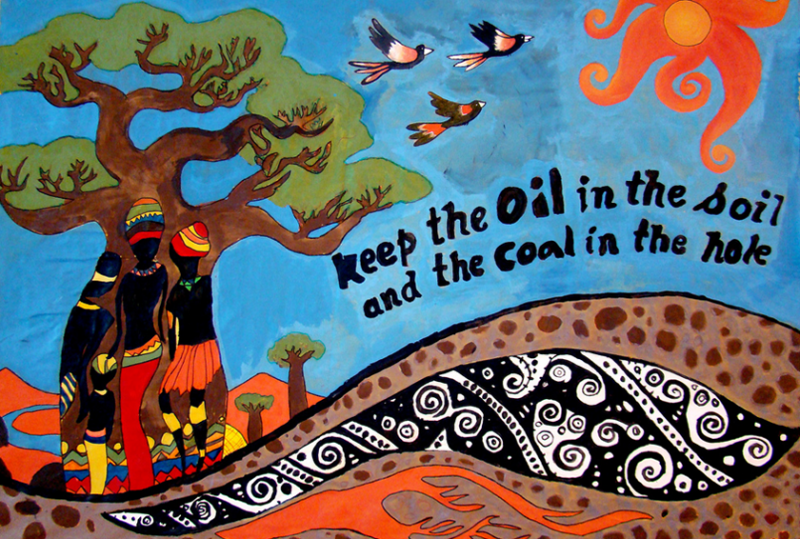
La mercantilización de los recursos de la Tierra y sus consecuencias — la degradación ambiental y el cambio climático producidos por décadas de industrialización agresiva, despojo y extractivismo de los recursos mundiales — han dañado la biodiversidad y la resiliencia ecológica. Estos daños ya están amenazando la mera existencia de la sociedad humana.
La comunidad internacional no ha logrado enfrentar los patrones de producción y consumo que conforman la raíz misma de este problema. Lo que hicieron los gobiernos — con el apoyo de las grandes empresas a quienes les interesa obtener ganancias — fue optar por el enfoque de la «economía verde» que promueve las «tecnologías energéticamente eficientes» (como la energía nuclear, los biocombustibles, los organismos genéticamente modificados y la geoingeniería) y los esquemas de comercio de emisiones de dióxido de carbono como soluciones mágicas.
4.Comercialización de la tierra y aceleración del fenómeno global de apropiación de tierras y recursos.
Si bien los procesos de apropiación de tierras y recursos no son algo nuevo -de hecho, han sido luchas centrales en la historia colonial- lo que sí es nuevo son los medios de avanzada por los cuales la tierra y los recursos naturales se están volviendo mercancías en nuevos mercados.
Las instituciones financieras internacionales desempeñan un rol central en promover la mercantilización de la tierra en los países en desarrollo. Estas instituciones financian reformas agrarias que les permiten a actores poderosos utilizar la tierra para ganancias especulativas a cambio de magras promesas de empleos y crecimiento. La apropiación de tierras tiene impactos negativos de gran alcance sobre el acceso de los pueblos a bienes y servicios esenciales, además de causar desplazamiento de poblaciones y degradación ambiental.
Quienes se están resistiendo a la apropiación de tierras, incluyendo a las defensoras de derechos humanos, se enfrentan todos los días a distintas formas de violencia que van desde las agresiones físicas a los abusos sexuales.
5. Una base patriarcal arraigada que le da estructura al sistema capitalista
Esta base patriarcal tiene una hegemonía particular en los modelos neoliberales actuales.
Resulta evidente que la economía política y el desarrollo se vinculan de varias formas con la sexualidad y el género: pensemos en cómo define el capitalismo lo que se puede entender como 'trabajo' y cómo el valor de los seres humanos se define a partir de su productividad en el trabajo rentado.
En la mayoría de los casos, el lugar que ocupan las mujeres en la economía mundial continúa siendo el de trabajadoras explotadas por su género ya que su trabajo está devaluado en los empleos precarios, la subsistencia doméstica, la reproducción y la producción no remunerada en el hogar. Naturalizada como trabajo no remunerado de las mujeres, la labor que permtie la reproducción de la fuerza de trabajo le provee un enorme subsidio al capitalismo a la vez que funciona como fuente de opresión y sometimiento de género.
Esta situación se ve agravada por el hecho de que cuando los mecanismos de protección social comienzan a debilitarse, se incrementa la carga laboral de las mujeres.
El fenómeno de la migración global que encarnan miles de refugiadxs económicxs que escapan de la pobreza que lxs oprime no es ajeno a las relaciones de poder entre los géneros que impone el capitalismo. Las remesas se convierten en una de las principales fuentes del financiación para el desarrollo de familias y comunidades, pero tienen un costo enorme para las mujeres migrantes que se esfuerzan por alcanzar un salario que les permita vivir en su nuevo país.
También estamos viendo cómo los sistemas patriarcales capitalistas están utilizando la violencia y la opresión para mantener su estatus quo. El alza del gasto mundial para sostener el militarismo y la violencia, perpretados ambos por actores estatales y no estatales, se vuelca cada vez más a controlar el disenso, los cuerpos y voces de las mujeres, así como a zanjar disputas económicas, políticas y sociales.
En todo el mundo, la violencia, el encarcelamiento y la discriminación afectan de manera desproporcionada a:
- mujeres
- comunidades étnicas no hegemónicas,
- pueblos indígenas,
- personas con discapacidades,
- trabajadorxs sexuales,
- personas empobrecidas, y
- personas LGBTQI.
Para confrontar la violencia estructural y sus vínculos con el sistema global capitalista, se necesita un análisis interseccional que relacione entre sí el género, la raza, la etnia, la edad, la capacidad, la nacionalidad, la orientación sexual y la identidad de género entre otras categorías.
La profunda crisis de gobernabilidad mundial que vivimos también se expresa en los débiles acuerdos intergubernamentales a los que se logra llegar y que a menudo carecen de los mecanismos más básicos para la rendición de cuentas. El sistema multilateral que antes le fue útil a la gobernabilidad mundial no está logrando responder a las múltiples crisis actuales. El sistema mismo continúa siendo muy poco democrático, con las corporaciones adquiriendo cada vez más presencia y más poder ya que ocupan los espacios donde antes estaban los Estados.
Repensar, renovar y reactivar
Estas amenazas nos desafían a lxs feministas a repensar nuestro marco de referencias y nuestras estrategias. Y también a renovar y reactivar nuestro compromiso con la construcción de movimientos junto con otrxs por una economía justa.
Nos desafían a pensar agendas más amplias por las transformaciones socioeconómicas desde una perspectiva feminista, atendiendo a las realidades que viven la mayoría de lxs empobrecidxs. Ahora es el momento de lograr cambios por una economía justa y de hacerle frente a los desafíos sistémicos persistentes.
Ver también
Nuestra visión
¿Cómo se originó este proyecto?