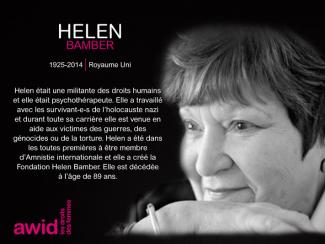
Helen Bamber
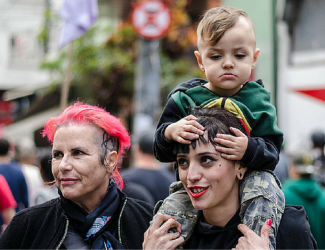
Over the past few years, a troubling new trend at the international human rights level is being observed, where discourses on ‘protecting the family’ are being employed to defend violations committed against family members, to bolster and justify impunity, and to restrict equal rights within and to family life.
The campaign to "Protect the Family" is driven by ultra-conservative efforts to impose "traditional" and patriarchal interpretations of the family, and to move rights out of the hands of family members and into the institution of ‘the family’.
Since 2014, a group of states have been operating as a bloc in human rights spaces under the name “Group of Friends of the Family”, and resolutions on “Protection of the Family” have been successfully passed every year since 2014.
This agenda has spread beyond the Human Rights Council. We have seen regressive language on “the family” being introduced at the Commission on the Status of Women, and attempts made to introduce it in negotiations on the Sustainable Development Goals.
AWID works with partners and allies to jointly resist “Protection of the Family” and other regressive agendas, and to uphold the universality of human rights.
In response to the increased influence of regressive actors in human rights spaces, AWID joined allies to form the Observatory on the Universality of Rights (OURs). OURs is a collaborative project that monitors, analyzes, and shares information on anti-rights initiatives like “Protection of the Family”.
Rights at Risk, the first OURs report, charts a map of the actors making up the global anti-rights lobby, identifies their key discourses and strategies, and the effect they are having on our human rights.
The report outlines “Protection of the Family” as an agenda that has fostered collaboration across a broad range of regressive actors at the UN. It describes it as: “a strategic framework that houses “multiple patriarchal and anti-rights positions, where the framework, in turn, aims to justify and institutionalize these positions.”
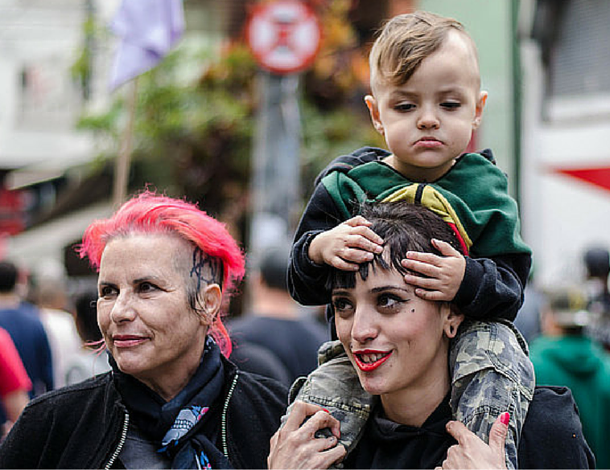

Con el propósito de cumplir su misión, AWID trabaja a través de programas multianuales interconectados.
Cada programa comprende diversas estrategias que abarcan desde la generación y difusión de conocimientos, investigación aplicada, incidencia política y formación de alianzas, hasta convocatorias a diálogos estratégicos.
En nuestro Informe Anual 2011 encontrarán una síntesis de los principales logros alcanzados en cada una de los programas de AWID durante el año.
เราตระหนักดีถึงอุปสรรคในทางปฏิบัติและความทุกข์ทางอารมณ์ในการเดินทางระหว่างประเทศ โดยเฉพาะอย่างยิ่งจากซีกโลกใต้ โดย AWID กำลังทำงานร่วมกับ TCEB (สำนักงานส่งเสริมการจัดประชุมและนิทรรศการของประเทศไทย) เพื่อสนับสนุนผู้เข้าร่วมฟอรัมในการขอวีซ่า ข้อมูลอื่นๆเกี่ยวกับการขอวีซ่าจะถูกนำเสนอในช่วงที่เปิดให้ลงทะเบียน รวมถึงสถานที่และวิธีการขอวีซ่า
تشينيلو أونوالو
في الثاني من أيلول/ سبتمير 2021، التمّ شمل مجموعة رائعة من الناشطات النسويات والمناديات بالعدالة الاجتماعية ضمن فعاليات مهرجان (AWID Crear | Résister | Transform). لم يقتصر هدف اجتماعهنّ على مشاركة استراتيجيات المقاومة وعمليات الابتكار الخلّاقة المشتركة التي ترمي إلى تغيير العالم. لقد اجتمعت الناشطات ليتبادلن الغزَل الإباحي على «تويتر».

Nous avons redoublé d’efforts pour préparer le 13e Forum de l’AWID ; nous avons consacré une grande partie de notre énergie au Programme de développement pour l’après-2015 et aux processus des Nations Unies relatifs au financement du développement. Nous avons poursuivi le travail de fond que nous menons dans nos domaines de prédilection.
En réaction, nous avons choisi de sortir de nos cloisonnements.
De plus en plus, et dans le monde entier, les mouvements de défense des droits des femmes s’allient avec d’autres mouvements pour exprimer la nature systémique et intersectionnelle des problèmes précédemment évoqués et d’autres problématiques.


The artwork is a photography and illustration collaboration between Siphumeze and Katia during lockdown. The work looks at black queer sex and plesure narratives, bondage, safe sex, toys, mental health and sex and many more. It was created to accompany the Anthology Touch.
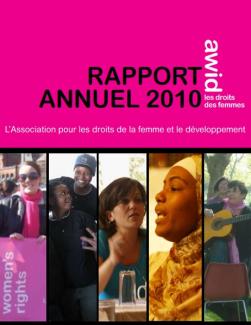
Notre rapport annuel 2010 souligne nos réalisations et l’impact de notre travail durant l'année.
Vous pouvez lire comment nous traduisons notre vision et mission en stratégies et en activités entreprises en collaboration avec les membres, partenaires et allié-e-s de l’AWID pour faire la promotion des droits des femmes et de l’égalité de genre à l’échelle mondiale.
Ce rapport comprend égalment des liens vers nos dernières publications.
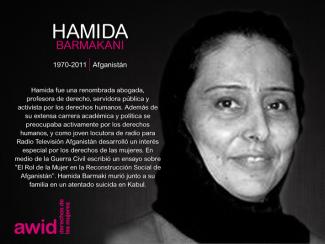
📅Lunes 11 de marzo
🕒4:30 p. m. - 6:00 p. m. EST
Organizan:AWID, IJSC y NAWI
🏢 Church Center de las Naciones Unidas, 777 United Nations Plaza, piso 11, Nueva York.
(Interpretación disponible en francés y español)
.
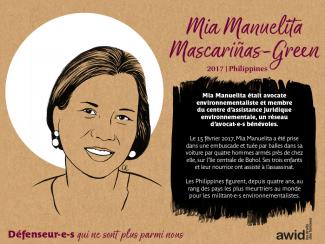
Nicole Barakat es una artista femme queer de SWANA, que nació y vive en las tierras de Gadigal (llamadas Sydney) en Australia. Trabaja con procesos intuitivos y de escucha profunda, con la intención de transformar las condiciones de la vida cotidiana. Su obra se desarrolla a través de métodos artísticos no convencionales, creando objetos intrincados que plasman el amor y la paciencia característicos de las prácticas textiles tradicionales.
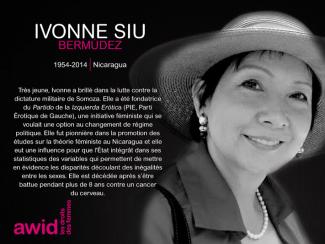
Día 3
Ce projet est le fruit d’une collaboration avec :
Margarita est une militante féministe et LGBTIQA d'Amérique latine. Elle est passionnée de transformation sociale et de bien-être collectif. Elle est titulaire de diplômes en psychologie, communication et en administration publique, ainsi que de certificats en politiques publiques, leadership, gestion et prise de décision. Durant son parcours professionnel, Margarita a acquis une vaste expérience auprès d'organisations de terrain, d'ONG nationales et régionales, d'universités et du secteur public, développant la facilitation, le renforcement des capacités, le plaidoyer politique, la communication et l'évaluation des politiques.