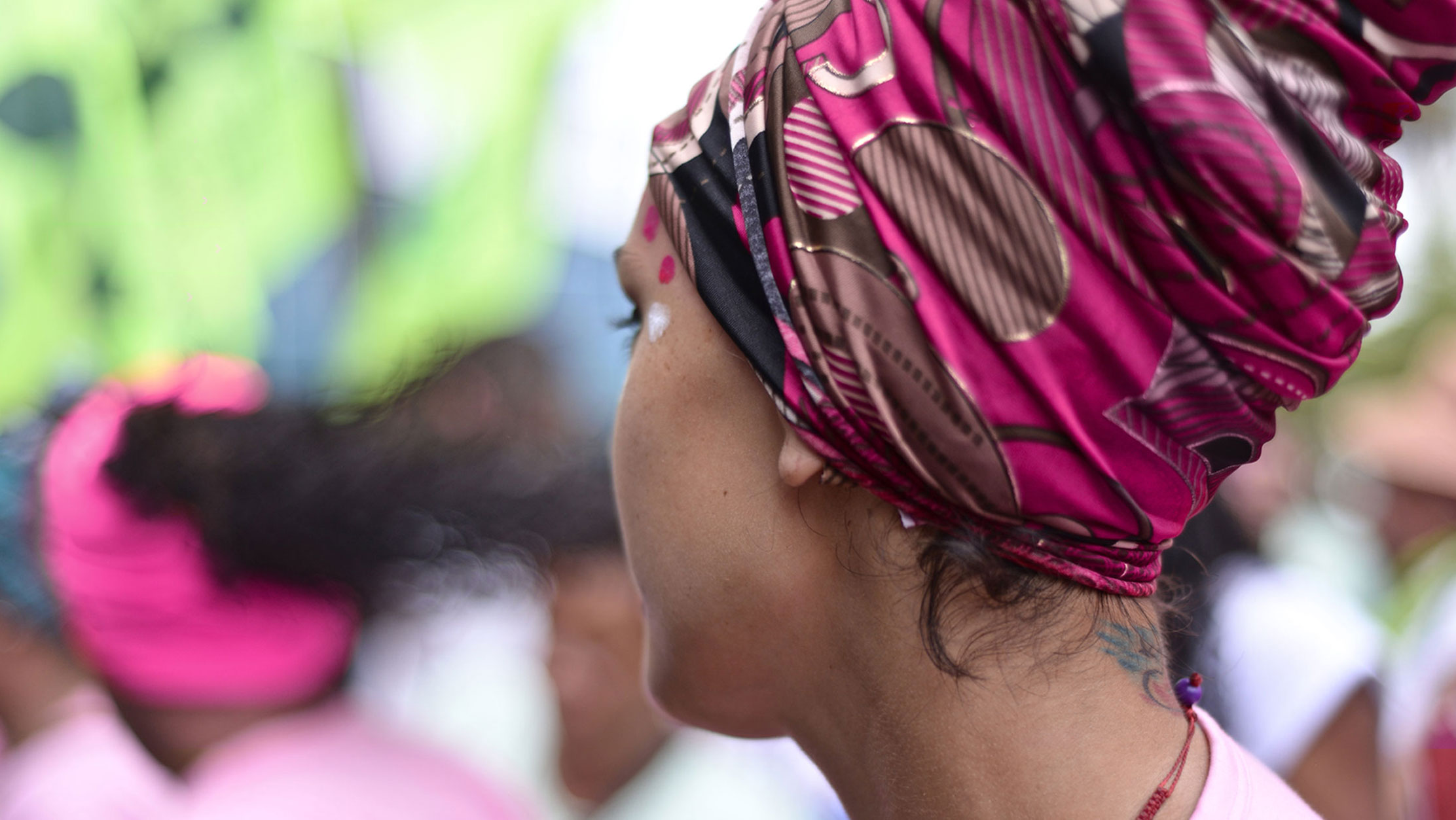
Feminist Perspectives Towards Transforming Economic Power: Buen Vivir
This article introduces Buen Vivir both as a gender neutral concept and examines its implementation in public policies in Bolivia.
This series of articles contribute to an examination of new paths that challenge the mainstream development model, built from the work, analysis, and visions of feminist and women's rights movements and activists, as well as providing examples from India, Indonesia, Kenya, and the Middle East.
This collection of articles aims to provoke further analysis on other ways to think about development and organization of the economy.
This series presents different sub-regional perspectives on the impacts of the global financial crisis on women’s rights.
This paper presents AWID’s analysis of the post-2015 High Level Panel (HLP) report and reflections for the post-2015 development agenda moving forward.
This paper provides an in-depth analysis of the issues related to gender equality in the aid effectiveness agenda.
This series of primers shares information, analysis and proposals needed to support women’s right activists in contributing to a comprehensive, balanced, and inclusive approach to reforming aid so that it reaches the people who need it most.
This publication provides an analysis of the position against against economic policy conditionalities based on a women's and human rights perspective.
This discussion paper unpacks how women’s rights advocates envision a development cooperation framework that takes into account gender equality and women's rights and that is truly inclusive, sustainable and just.
Feminists, gender equality and women’s rights activists and organizations reaffirmed their vision for transformation and offered concrete recommendations for improving the international development cooperation architecture in a set of key demands.