Organizing creatively, facing an increasing threat
Young feminist activists play a critical role in women’s rights organizations and movements worldwide by bringing up new issues that feminists face today. Their strength, creativity and adaptability are vital to the sustainability of feminist organizing.
At the same time, they face specific impediments to their activism such as limited access to funding and support, lack of capacity-building opportunities, and a significant increase of attacks on young women human rights defenders. This creates a lack of visibility that makes more difficult their inclusion and effective participation within women’s rights movements.
A multigenerational approach
AWID’s young feminist activism program was created to make sure the voices of young women are heard and reflected in feminist discourse. We want to ensure that young feminists have better access to funding, capacity-building opportunities and international processes. In addition to supporting young feminists directly, we are also working with women’s rights activists of all ages on practical models and strategies for effective multigenerational organizing.
Our Actions
We want young feminist activists to play a role in decision-making affecting their rights by:
Fostering community and sharing information through the Young Feminist Wire. Recognizing the importance of online media for the work of young feminists, our team launched the Young Feminist Wire in May 2010 to share information, build capacity through online webinars and e-discussions, and encourage community building.
Researching and building knowledge on young feminist activism, to increase the visibility and impact of young feminist activism within and across women’s rights movements and other key actors such as donors.
Promoting more effective multigenerational organizing, exploring better ways to work together.
Supporting young feminists to engage in global development processes such as those within the United Nations
Collaboration across all of AWID’s priority areas, including the Forum, to ensure young feminists’ key contributions, perspectives, needs and activism are reflected in debates, policies and programs affecting them.
Related Content
Agroecología y soberanía alimentaria
Contexto
La búsqueda de medios alternativos de producción alimentaria a partir de la sostenibilidad ambiental está ganando terreno en todas las regiones. Esta búsqueda mundial presenta una característica común: la necesidad de involucrar a la población rural y sobre todo a las mujeres, teniendo en cuenta sus prioridades y conocimientos locales, aplicando el principio de la agroecología.
Definición
La agroecología es una forma de practicar la agricultura o de utilizar tecnologías sin dañar el ambiente. Se propone quebrar el modelo hegemónico de desarrollo rural basado en los latifundios y monocultivos que beneficia sobre todo a las empresas agrícolas y afianza la exclusión social.
En la agricultura familiar, la agroecología se manifiesta como resistencia al modelo actual de desarrollo y sus problemas sociales, culturales, ambientales y económicos. Se opone a la falta de autonomía de la población campesina en cuanto a capital financiero y encarna una forma de resistencia al modelo de agronegocios actual.
Perspectiva feminista
Las iniciativas que se basan solo en la agroecología pueden no ser suficientes para resolver todos los problemas de marginación e invisibilidad de las mujeres. Por eso, una perspectiva feminista es fundamental para analizar las normas asociadas con la idea de familia que actualmente se postula como institución perfecta, así como con las condiciones de subordinación de las mujeres.
En términos más simples: para que la agroecología pueda liberar su potencial emancipatorio, es importante que los debates en torno a ella incluyan una reflexión sobre los roles de género socialmente construidos.
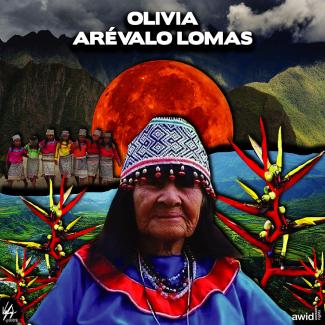
Olivia était la cheffe spirituelle des peuples autochtones Shipibo Konibo.
Sage femme et grand-mère autochtone, elle était connue pour sa préservation de la médecine traditionnelle et des chants sacrés de son peuple (les íkaros). Olivia Arévalo était une défenseure engagée en faveur des droits culturels et environnementaux de son peuple. L’assassinat d’Olivia s’est produit dans un contexte de conflit territorial entre la communauté Shipibo et les entreprises qui souhaitent s’accaparer leurs terres pour cultiver de l’huile de palme.
Les membres de sa communauté ont déclaré: « Sa mort est une agression contre toute la communauté Shipibo. Elle était la mémoire vivante de son peuple ».
الاستطلاع متاح باللغات العربية، الإنجليزية، الفرنسية، البرتغالية، الروسية والاسبانية!
La participación de lxs afiliadxs de AWID en la CSW61
Los Estados miembros al igual que activistas y organizaciones por los derechos de las mujeres se reunirán en la sede central de las Naciones Unidas, en Nueva York, para la sexagésima primera sesión de la Comisión de la Condición Jurídica y Social de las Mujeres del 13 al 24 de marzo para abordar el tema «empoderamiento económico de las mujeres» en el contexto del Objetivo 5 para el Desarrollo Sostenible.
Aunque nos dará mucho gusto reunirnos en persona con aquellxs de ustedes que van a estar en Nueva York, también queremos interactuar con todxs aquellxs que no podrán asistir a la CSW y, en la medida que nos sea posible, amplificar sus voces en los espacios relevantes.
A continuación encontrarán información sobre las diferentes maneras en que pueden interactuar con AWID en relación con la CSW:
¡Participa en una toma del poder artística!
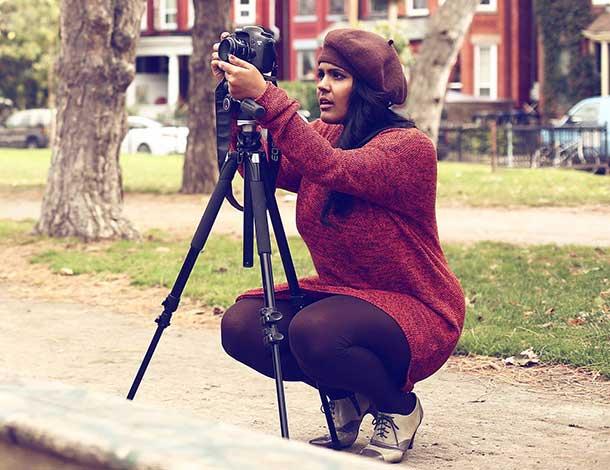
Nos complace anunciar que Nayani Thiyagarajah —afiliada de AWID— asistirá a la CSW este año y estará a cargo de la cuenta de Instagram de AWID. Nayani estará presente y disponible en Nueva York, para conectarse con otrxs afiliadxs, y posiblemente coordinar una presentación en nuestra cuenta de Instagram; también explorará la posibilidad de incluir a algunxs afiliadxs de AWID en un cortometraje sobre el tema «Lo personal es político», una historia de la participación de Nayani en la CSW de este año.
Nayani Thiyagarajah
¿Quién es Nayani?
Nayani Thiyagarajah es una realizadora, productora y escritora que se dedica a crear historias para la pantalla grande. Nayani es hija de la diáspora tamil, vive en Toronto y ha trabajado por más de diez años en las artes y la cultura. Su primer largometraje independiente Shadeism: Digging Deeper (2015) tuvo su estreno mundial en el Festival Internacional de Cine de Zanzíbar 2015, donde ganó un premio especial del jurado. Nayani realizó recientemente la película [RE]FRAME en asociación con la productora Camaro West, una compañía de producción con sede en Atlanta y Toronto, que se enfoca en reformular las historias de las personas negras, indígenas y otras personas de color a través de narraciones para la pantalla grande.
Hablando más seriamente, habría que señalar que Nayani se ríe de una manera extraña, es muy torpe, y su cabeza está siempre en las nubes. Nayani se siente extremadamente bendecida de poder crear historias para el cine, de ganarse la vida jugando a inventar historias y por encima de todo, Nayani cree en el amor.
(La misma Nayani nos envío estas líneas para su biografía)
¿Te interesaría conocer a Nayani y tener la posibilidad de ser incluidx en su película?
Envíanos un email dirigido a membership@awid.org con la línea de asunto «CSW: toma del poder artística»
Antes del 13 de marzo de 2017
Incluye tu nombre completo y tu país.
¿No puedes asistir? ¡Hazlo saber!
Si no puedes asistir a la CSW61 debido a una prohibición de viaje, ya sea impuesta por el gobierno de Trump o por tu propio gobierno, por favor comparte tu historia con nosotrxs.
Envíanos mensajes que quieres que sean escuchados en los espacios de las Naciones Unidas en lo que respecta al financiamiento, el impacto del restablecimiento de la Ley Mordaza Global y la necesidad de luchar en contra de todos los tipos de fundamentalismos religiosos. Puedes enviar tus mensajes en los siguientes formatos:
Video: Que no dure más de dos minutos y por favor envíalo a través de una carpeta de intercambio de archivos (por ejemplo, dropbox, google drive, etc.)
Audio: Que no dure más de dos minutos y por favor envíalo a través de una carpeta de intercambio de archivos (por ejemplo, dropbox, google drive, etc.)
Imagen: puedes enviarnos una foto o un cartel con tu mensaje.
Texto: Que no sea más largo de 200 palabras y por favor envíalo a través de un mail o en un documento Word.
Comparte tu mensaje con nosotrxs
Envíanos un email dirigido a membership@awid.org con la línea de asunto «CSW: ¡Hazlo saber!»
Antes del 15 de marzo de 2017
Reúnete con otrxs afiliadxs en la CSW61
Algunxs afiliadxs de AWID nos han dicho que les parece muy importante poder conectarse con otrxs afiliadxs en la CSW. En un espacio de incidencia tan grande, es útil conectarse con otrxs activistas que trabajan en temas similares, o que provienen del mismo país o región. Al reconocer la importancia de estas conexiones para la construcción de movimientos.
¿Te gustaría reunirte con otrxs afiliadxs de AWID mientras estás en Nueva York?
Envíanos un email dirigido a membership@awid.org con la línea de asunto «CSW: AWID Afiliadxs»
NOTE: Por favor envíanos tu nombre completo, país de origen y déjanos saber si te parece bien que compartamos tu dirección de mail con otrxs afiliadxs interesadxs en reunirse en la CSW.
Toma una fotografía
Si asistes a la CSW, nos gustaría ver lo que sucede a través de tus ojos. Puedes capturar un momento que, en tu opinión, hable de la energía en el espacio del evento, ya sea dentro o fuera de la sede. Tenemos pensado publicar algunas de tus «imágenes» en nuestros canales de redes sociales y compartirlas en awid.org.
Puedes enviarnos fotografías:
a color o en blanco y negro
un título (si lo deseas) y
una leyenda (de 100 palabras como máximo) sobre la historia que cuenta esa imagen.
Incluye además:
tu nombre completo
país de origen
infórmanos si podemos publicar en parte o por completo la información que nos hayas compartido.
Envía tus imágenes
Envíanos un email dirigido a membership@awid.org con la línea de asunto «CSW: fotografías»
Durante toda la duración de la CSW o poco después de haber concluido, hasta el martes 28 de marzo.
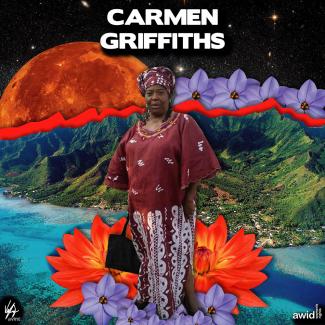
Carmen was the Head of the Construction Resource and Development Collective (CRDC) and was instrumental in supporting women’s involvement in the construction industry in Jamaica.
She also worked on issues of disaster preparedness for rural and urban women. She worked closely with women (especially single mothers) teaching them how to use hurricane straps and other technology to secure their homes. She worked in the area of water and sanitation and was a strong advocate for sustainable environmental management and development.
She was a part of the Huairou Commission and advocated for grassroots women on such issues as shelter, energy, and sustainable livelihoods.
Snippet FEA Get Involved Story 3 (FR)
ENGAGEZ-VOUS!
Suivez le travail de la coopérative sur Facebook ou Instagram, partagez leurs campagnes et gardez un oeil sur leurs actions et événements de collecte de fonds!
As part of AWID’s Feminist Realities journey, we invite you to explore our newly launched Feminist Film Club: a collection of short and feature films selected by feminist curators and storytellers from around the world, including Jess X. Snow (Asia/Pacific), Gabrielle Tesfaye (Africa/African Diaspora), and Esra Ozban (South West Asia, North Africa). Alejandra Laprea is curating the Latin & Central American program, which we’ll launch in September during AWID’s Crear, Résister, Transform: A Festival for Feminist Movements. In the meantime, look out for announcements on special films screenings and conversations with filmmakers!
Snippet - WITM Our objectives - RU
Задачи исследования «Где деньги?»:
1
Предоставить членам AWID, партнерам и донорам обновленный, мощный, основанный на фактических данных и ориентированный на конкретные действия анализ ресурсных реалий феминистских движений, а также текущего состояния экосистемы финансирования феминистских инициатив.
2
Выявить и продемонстрировать возможности для увеличения и улучшения финансирования феминистских организаций, выявить ошибочные решения и препятствовать тенденциям, приводящим к нехватке финансирования и/или противоречащим гендерной справедливости и межсекторальным феминистским повесткам.
3
Сформулировать феминистское видение, предложения и программы по обеспечению ресурсами.
This bibliography intends to contribute to the desire for learning and engagement identified by activists in the Middle East and North Africa region when reflecting on the aftermath of fast unfolding transitions in the region. Such transitions, while specific to the context of MENA, are not unique in their occurrences around the world. Experiences and practices of feminists from around the world engaged in similar, even if not identical, struggles towards the democratization of their countries with a gendered lens and a feminist politics constitute an important knowledge bank that activists can draw upon, learn from, and engage with. This resource mapping aims to fill the gap realized in various convenings and conversations of a lack of information sharing and knowledge bridging among feminists across the regions that experienced similar uprisings; particularly along south-south and east-south lines.
This publication represents a research mapping of key resources, publications and materials on transitions to democracy and women’s rights in different countries of the world that have undergone such processes, such as: Indonesia, Chile, South Africa, Nepal, Mexico, Argentina, Poland, Ukraine, as well as within the Middle East and North Africa (MENA). It provides bibliographic information and short summaries of resources which succinctly identify the contextual changes and challenges facing women in those particular transitional moments, as well as clearly delineates the ways in which women’s rights activists sought to confront those challenges and what lessons were learned.
We hope that this collection of ideas, research, analysis and experiences provides the kind of rich ingredients needed to create new recipes for confronting old and new challenges. By sharing these texts, our goal is to make links across borders, expand possibilities and knowledge, and invite debate, reflection, and inspiration for women’s rights organizations and activists in the MENA region. While every moment and space has its own unique flavor and history, highlighting connections to similar challenges and aspirations allows us all to bring things in conversation with one another, imagine a new vantage point into a problem, and increase our sense of belonging and purpose and thus our capacity to stay strong in the face of the seemingly impossible. It is the collective strength of a movement that gives it the power to create change. The goal with this publication is not that one specific text will necessarily help illuminate new solutions, but that the combined knowledge and analysis from a variety of sources will provide readers with an opportunity to expand their horizons and foster connections. In our small way, we hope to contribute to furthering the democratization of knowledge, and supporting women’s rights movements in the MENA to continue building an inclusive transition process that will result in advancements of social justice and gender equality.
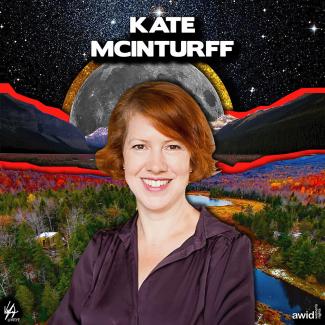
Desde su paso por Peacebuild hasta la Canadian Feminist Alliance for International Action [alianza feminista canadiense para la acción internacional], Amnistía Internacional y el Canadian Centre for Policy Alternatives (CCPA, centro canadiense para las alternativas políticas), Kate tuvo durante toda su vida una pasión por los derechos de las mujeres y la igualdad de género y dedicó su carrera a luchar contra la desigualdad y a hacer del mundo un lugar más compasivo.
Fue integrante del Comité Coordinador de Social Watch [observatorio social] y colaboró con los informes del Observatorio Social Nacional canadiense. Como investigadora senior en el CCPA, Kate fue aclamada a nivel nacional por hacer la investigación, escribir y producir el informe anual «Los mejores y los peores lugares para ser mujer en Canadá».
Murió tranquilamente, rodeada de su familia, luego de una batalla de tres años con el cáncer de colon. Sus seres queridos la describen como «una feminista divertida, valiente y sin remordimientos».
Snippet FEA how important essential workers are (EN)
The COVID-19 pandemic showed the world how important essential workers are. We’re talking about cleaners, nurses, paramedics, domestic workers, transport workers, grocery shop workers, among others. Their work is to tend to and guarantee the wellbeing of others, and they make our economies function.
هنالك العديد من الأسباب لتعبئة الاستطلاع منها أنه لديك الفرصة لمشاركة تجربتك المعاشة المتعلقة بحشد الموارد لدعم تنظيمك، أن تعمل/ين من منطلق قوة كخبير/ة بما يتعلق بالأموال ولأين تتحرك ولأين تصل وبذلك المشاركة بالجهد المشترك والمناصرة لتحريك التمويلات الأكبر والأفضل. لقد أثبت استطلاع "أين المال" في العشرين عام الأخيرة أنه مصدر أساسي للشركاء/ الشريكات وكذلك للممولين/ات. ندعوك من كل قلبنا للمشاركة بالنسخة الثالثة لتسليط الضوء على الوضع الفعلي للموارد، وتحد الحلول الخاطئة، والإشارة إلى كيفية تغيير التمويل حتى تزدهر الحركات وتواجه التحديات المعقدة في عصرنا.
Administrative Office
For administrative purposes you can contact our office at:
+1 416 594 3773
192 Spadina Avenue, Suite 300 | Toronto, ON, M5T 2C2 | Canada
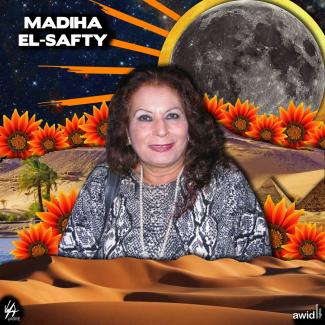
Madiha était une éminente professeure de sociologie qui s’est activement engagée auprès de la société civile en tant que défenseure des droits des femmes dans les pays arabes.
Elle a présidé l'Alliance pour les femmes arabes et a été membre du Comité sur la société civile et du Comité sur le développement du gouvernorat de Minia auprès du Conseil national pour les femmes. Elle a publié de nombreux articles qui ont éclairé et analysé les inégalités de genre et la discrimination à l'égard des femmes.
Ses collègues, étudiant-e-s et ami-e-s se souviennent d'elle avec tendresse.