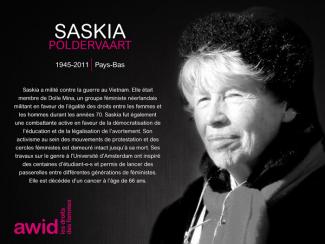
Saskia Poldervaart
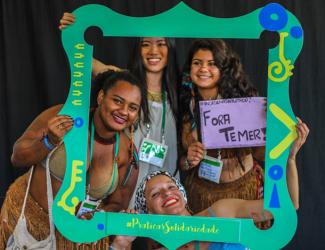
Young feminist activists play a critical role in women’s rights organizations and movements worldwide by bringing up new issues that feminists face today. Their strength, creativity and adaptability are vital to the sustainability of feminist organizing.
At the same time, they face specific impediments to their activism such as limited access to funding and support, lack of capacity-building opportunities, and a significant increase of attacks on young women human rights defenders. This creates a lack of visibility that makes more difficult their inclusion and effective participation within women’s rights movements.
AWID’s young feminist activism program was created to make sure the voices of young women are heard and reflected in feminist discourse. We want to ensure that young feminists have better access to funding, capacity-building opportunities and international processes. In addition to supporting young feminists directly, we are also working with women’s rights activists of all ages on practical models and strategies for effective multigenerational organizing.
We want young feminist activists to play a role in decision-making affecting their rights by:
Fostering community and sharing information through the Young Feminist Wire. Recognizing the importance of online media for the work of young feminists, our team launched the Young Feminist Wire in May 2010 to share information, build capacity through online webinars and e-discussions, and encourage community building.
Researching and building knowledge on young feminist activism, to increase the visibility and impact of young feminist activism within and across women’s rights movements and other key actors such as donors.
Promoting more effective multigenerational organizing, exploring better ways to work together.
Supporting young feminists to engage in global development processes such as those within the United Nations
Collaboration across all of AWID’s priority areas, including the Forum, to ensure young feminists’ key contributions, perspectives, needs and activism are reflected in debates, policies and programs affecting them.
All our annual reports are accessible online.
We are asking for this data to facilitate the review of responses, avoid duplication and be able to contact your group in case you have been unable to complete the questionnaire and/or you have doubts or further questions. You can learn more about how we use the personal information we collect through our work here.
Argentina has a long history of worker-run cooperatives and workplaces.
In 2001, the country experienced one of the worst economic crises in its history.
As a response to the recession and a form of resistance and resilience, workers across the country started occupying their workplaces.
The Nadia Echazú Textile Cooperative was the first cooperative created by and for trans and travesti people in search of economic autonomy and decent living conditions.
It provides work opportunities, access to social security, sustainable income and economic rights for the communities it serves.

La encuesta permanecerá abierta hasta fines de agosto de 2024. Te pedimos que la respondas dentro de dicho lapso para asegurarte de que tus respuestas se incluyan en el análisis.
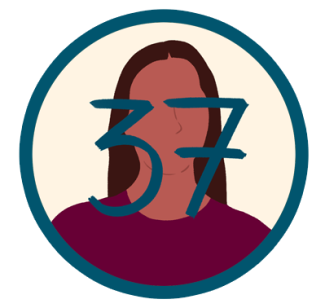
La expectativa de vida de una persona trans y travesti en Argentina es de 37 años - la edad promedio de la población general es de 77 años.
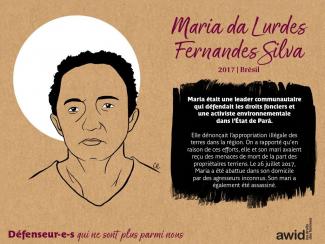
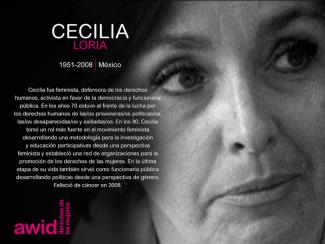
Premier Dialogue de haut niveau sur le financement du développement, 29-30 octobre 2003.
Les dialogues de haut niveau de l’Assemble générale des Nations Unies sur le financement du développement, tenus tous les deux ans, sont l’un des mécanismes de suivi de la Conférence de Monterrey. À la suite de ce premier dialogue, huit tables rondes ont été organisées autour de différentes questions comprenant les subventions agricoles, le commerce, l’allègement de la dette et le financement des OMD. Toutes les discussions se concentraient sur les manières de faire face aux obstacles structurels qui pesaient sur ces questions et défavorisaient les nations « en développement ».
D'autres mécanismes de suivi de la Conférence de Monterrey :
Com base na nossa história de 20 anos de mobilização de mais fundos de melhor qualidade para a mudança social liderada por feministas, a AWID convida a participar da nova edição da nossa pesquisa principal:
(WITM)
PARTICIPE NO INQUÉRITO!Veja o tutorial
Please select your language in the upper right corner of the page.

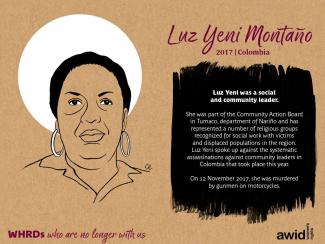
The Fifth High- Level Dialogue on Financing for Development, 7 – 8 December 2011, marked the beginning of the Post 2015 development agenda discussions, and the link to financing for development. The conference gave a special focus to increasing aid to finance the MDG’s. In his closing remarks, the Secretary General called on members to begin to consider the post-2015 development framework.

لجعل الواقع المركّب لتمويل الأشكال المختلفة من التنظيم النسوي، مرئي
Listen to the story here:
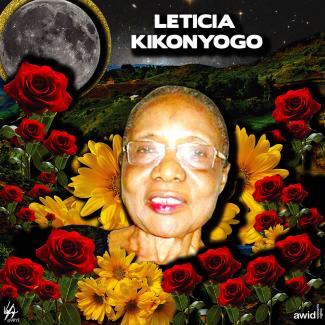
Antes de retirarse, ocupó muchas posiciones de alto perfil, como por ejemplo miembrx de la Corte de Apelaciones de Uganda y Presidenta Adjunta de la Corte Suprema de Uganda. Fue la primera mujer ugandesa en ocupar el cargo de Primera Magistrada entre 1973 y 1986, y la primera mujer en ser nombrada jueza de la Corte Suprema en 1986.
Fue una de las primeras mujeres investidas como “Caballero Papal” de la historia de la Iglesia Católica en África. Murió de un paro cardíaco.