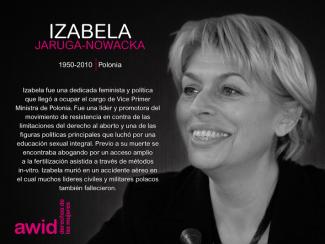
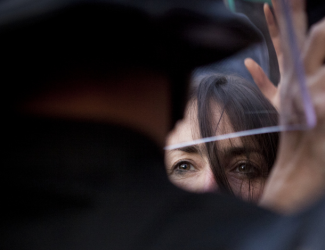
Izabela Jaruga Nowacka
WHRDs are self-identified women and lesbian, bisexual, transgender, queer and intersex (LBTQI) people and others who defend rights and are subject to gender-specific risks and threats due to their human rights work and/or as a direct consequence of their gender identity or sexual orientation.
WHRDs are subject to systematic violence and discrimination due to their identities and unyielding struggles for rights, equality and justice.
The WHRD Program collaborates with international and regional partners as well as the AWID membership to raise awareness about these risks and threats, advocate for feminist and holistic measures of protection and safety, and actively promote a culture of self-care and collective well being in our movements.
WHRDs are exposed to the same types of risks that all other defenders who defend human rights, communities, and the environment face. However, they are also exposed to gender-based violence and gender-specific risks because they challenge existing gender norms within their communities and societies.
We work collaboratively with international and regional networks and our membership
We aim to contribute to a safer world for WHRDs, their families and communities. We believe that action for rights and justice should not put WHRDs at risk; it should be appreciated and celebrated.
Promoting collaboration and coordination among human rights and women’s rights organizations at the international level to strengthen responses concerning safety and wellbeing of WHRDs.
Supporting regional networks of WHRDs and their organizations, such as the Mesoamerican Initiative for WHRDs and the WHRD Middle East and North Africa Coalition, in promoting and strengthening collective action for protection - emphasizing the establishment of solidarity and protection networks, the promotion of self-care, and advocacy and mobilization for the safety of WHRDs;
Increasing the visibility and recognition of WHRDs and their struggles, as well as the risks that they encounter by documenting the attacks that they face, and researching, producing, and disseminating information on their struggles, strategies, and challenges:
Mobilizing urgent responses of international solidarity for WHRDs at risk through our international and regional networks, and our active membership.
L'appel à propositions est maintenant fermé.
Nous avons lancé un Appel à activités le 19 novembre 2019 et la date limite de réception des propositions était le14 février 2020.
Trouvez d'autres moyens de vous engager sur le chemin du Forum
À travers des événements en présentiel, des lives sur nos réseaux sociaux, un stand d'exposition et bien plus encore, nous visons à nous rassembler, amplifier et soutenir les voix et la participation de nos membres et allié.e.s.
Ensemble, nous allons Récuperer Notre Pouvoir Féministe et centrer les alternatives et visions féministes autour d'économies basées sur les soins des personnes et de la planète.
Suivez-nous sur les réseaux sociaux pour plus de détails sur la façon de participer ! Participez aux conversations en utilisant les hashtags #AWIDatCSW68 et #RécupererNotrePouvoirFéministe
Instagram | Facebook | LinkedIn | X (Twitter)
 |
 |
 |
 |
 |
|
|
|
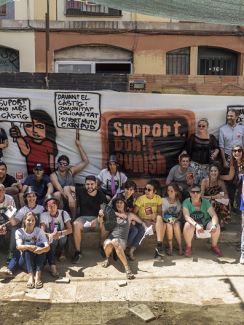
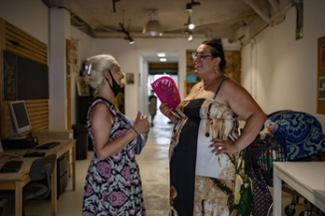
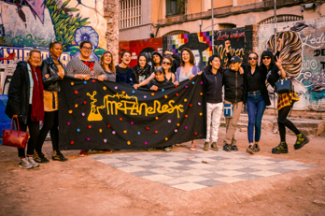
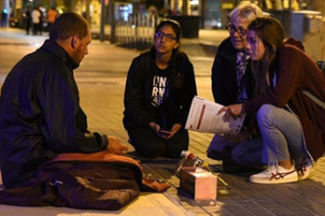
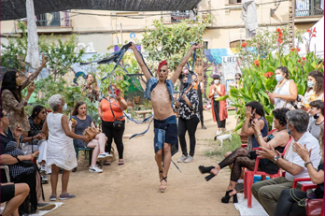
Des militants de Metzineres en action |
Nous vous fournirons cette information sous peu. Restez à l’écoute !

Pour nous faire part de l’expérience vécue du financement de votre organisation.
While in Sao Paulo, Brazil, you can visit the Ocupação 9 de Julho and have a collaborative meal. You can buy their products in their online store from abroad.
Visit the Association of Afro-Descendant Women of the Northern Cauca’s online store where you can find beautiful handcrafted products.
There are several ways to support Metzineres: you can make a financial donation, donate materials and services, or propose a training course, workshop, or activity (for more information, see here).
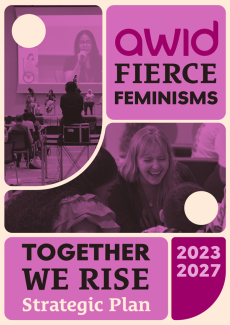
We are excited to share our new Strategic Plan (2023-2027) with the world.
Fierce Feminisms is our way forward, acknowledging both the multiplicity of feminisms and the value of fierce and unapologetic drive for justice. The state of the world and of feminist movements calls for brave conversations and action. We look forward to working together with our members, partners and funders in creating the worlds we believe in, celebrating the wins and speaking truth to power in service of feminist movements globally.
Download: Fierce Feminisms: Together We Rise
The Association for Women's Rights in Development (AWID) is a global, feminist, membership, movement-support organization.
For 40 years, AWID has been a part of an incredible ecosystem of feminist movements working to achieve gender justice and women’s human rights worldwide.
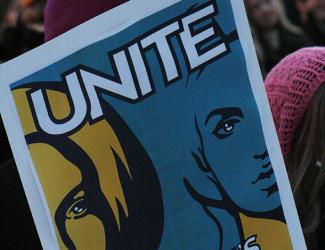
AWID envisions a world where feminist realities flourish, where resources and power are shared in ways that enable everyone, and future generations, to thrive and realize their full potential with dignity, love and respect, and where Earth nurtures life in all its diversity.
Our mission is to support feminist, women’s rights and gender justice movements to thrive, to be a driving force in challenging systems of oppression, and to co-create feminist realities.
We advance our work through these tactics:
We collaboratively leverage our access, power, resources and relationships to strategically influence policy and practice. We aim to advance feminist agendas through our work with policy makers, funders and activists in regional and global spaces. We also work to influence feminist and women’s rights movements to centre historically oppressed movements as part of efforts to strengthen our collective power and influence.
We use our convening power to facilitate dialogue and strategize on key issues. We connect our members and allies with one another, sharing and exchanging resources, ideas and action across relevant issues. We organize and facilitate spaces to strengthen and engage across movements, to imagine and envisage new futures, to develop effective influencing tactics and to co-create powerful agendas and processes.
We work to mobilize our members and the movements we support to strengthen collective action in solidarity with feminist causes and defenders at risk. We build partnerships, engage in active listening and ongoing, long-term, solidarity. We work with defenders to build a body of knowledge and support networks of solidarity on protection and wellbeing.
We recognize the unique and strategic value of cultural and creative strategies in the struggle against oppression and injustice. We work with artists who centre feminist voices and the narratives of historically oppressed communities. In this emerging tactic, we see art and creative expression helping us envision a world where feminist realities continue to flourish and be celebrated.
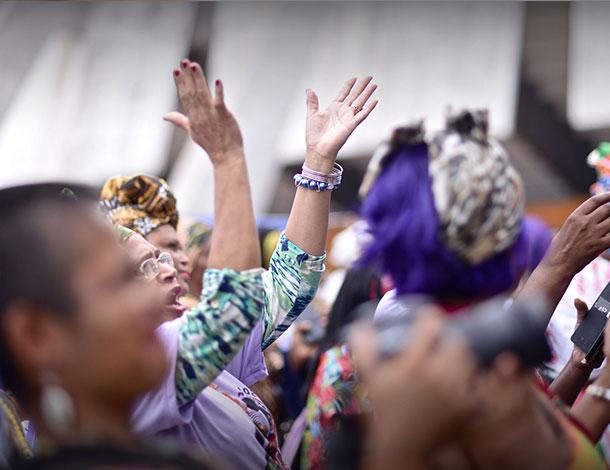
Our initiatives work at the intersections of the sites of change we work to address, the movements we prioritize, and the tactics we use:
We monitor, document and make visible how anti-rights actors are operating and colluding in multilateral spaces and support feminist, women’s rights and gender justice movements and allies to counter their influence and impact.
Working on extractivism, tax justice and corporate accountability, we build knowledge on corporate power and influence; advocate for corporate accountability and equitable distribution of wealth; and amplify feminist proposals for just economies.
We develop accessible, action-oriented analysis on the state of resourcing for feminist movements. We aim to influence funders’ policies and practices, deepen and sustain funding for feminist social change, and support movements’ needs and strategies.
In addition to the impact we aim to have in the world, AWID is expressly committed to strengthening our own organizational learning and resilience in order to further strengthen global feminist movements.
Without the generous funding and support from our donors, our work would not be possible

Contenido relacionado
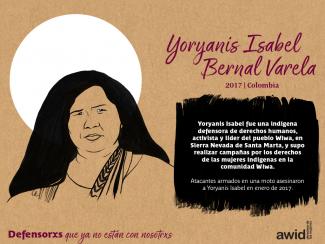
El Heraldo: Mujer asesinada en Valledupar era líder wiwa, defensora de derechos humanos
Survival: Colombia: lideresa indígena de Sierra Nevada asesinada
Non, vous n’avez pas besoin d’être membre de l’AWID pour participer, mais les membres de l’AWID bénéficient d’une réduction sur les frais d’inscription ainsi qu’un certain nombre d’autres avantages.
Apprenez-en davantage sur la façon de devenir membre de l’AWID

Los movimientos feministas, por los derechos de las mujeres, la justicia de género, las personas LBTQI+ y demás movimientos aliados de todo el mundo atraviesan un momento crítico en el que se enfrentan a una poderosa reacción contra los derechos y libertades ya conquistados.
Los últimos años han traído el rápido auge del autoritarismo, la represión violenta de la sociedad civil y la criminalización de lxs defensores de los derechos humanos de las mujeres y las personas de género diverso, la escalada de la guerra y el conflicto en muchas partes del mundo, la perpetuación continua de las injusticias económicas y la intersección de crisis sanitarias, ecológicas y climáticas.

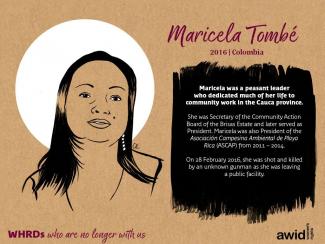
AWID honra a lxs feministas y defensoras de los derechos humanos que han muerto y cuyas contribuciones al progreso de los derechos humanos se echa mucho en falta.
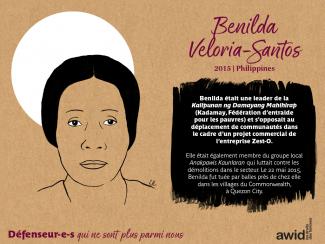
El Tributo de AWID a las defensoras de derechos humanos es una exhibición fotográfica que presenta a activistxs del feminismo, de los derechos de las mujeres y de la justicia social de todo el mundo que ya no están con nosotrxs.
El Tributo fue lanzado por primera vez en 2012, en el 12º Foro Internacional de AWID, en Turquía. Tomó la forma de una exposición física de retratos y biografías de feministas y activistxs que fallecieron. La iniciativa fue descrita por lxs participantes del Foro como una manera única, emotiva y energizante de conmemorar nuestra historia colectiva.
En el 13º Foro Internacional, en Brasil, honramos a lxs activistas y a las defensoras de derechos humanos con una ceremonia de inauguración de un mural en cuatro idiomas, un espectáculo de danza y un ritual brasileño.
Entre los eventos, el Tributo permanece como una galería en línea que se actualiza cada año como parte de la Campaña de los 16 Días de Activismo Contra la Violencia de Género (25 de noviembre al 10 de diciembre).
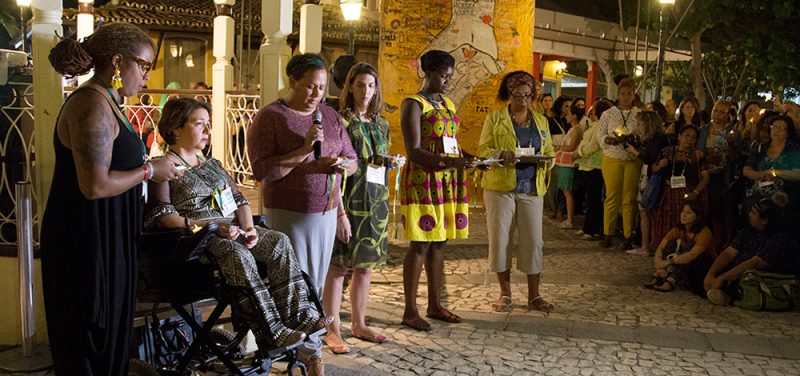
Desde 2012, a través de nuestro Tributo anual a las defensoras de derechos humanos que ya no están con nosotrxs, hemos presentado más de 400 feministas y defensorxs de 11 regiones y 80 países.
AWID quiere agradecer a las familias y organizaciones que compartieron sus historias personales y contribuyeron a este homenaje. Nos unimos a ellxs para continuar con el notable trabajo de estas mujeres y redoblar esfuerzos para asegurar que se logre justicia en los casos que permanecen en la impunidad.
Visite la exhibición en línea del Tributo a las Defensoras de Derechos Humanos
Además de rendir homenaje a estxs increíbles activistas, el Tributo arroja luz sobre la gravedad de la situación de las defensoras de derechos humanos que han sido asesinadas o están desaparecidas.
Un tercio de las personas presentadas en el Tributo fueron activistas asesinadxs o están desaparecidxs en circunstancias sospechosas. Fueron atacadxs específicamente por ser quiénes eran y por haber desafiado:
Mujeres como Agnes Torres, de México, fueron asesinadas debido a su identidad de género y orientación sexual; o Cheryl Ananayo, una activista ambientalista de Filipinas que fue asesinada mientras luchaba contra una compañía minera; o Ruqia Hassan, una periodista y bloguera independiente siria asesinada por sus críticas al Estado Islámico de Iraq y Levante (EIIL, ISIS en inglés). Y muchas otras.
Con el Tributo a las defensoras de derechos humanos lxs traemos a todxs a nuestra memoria colectiva y llevamos su legado de lucha como nuestra antorcha en los movimientos feministas y por los derechos de las mujeres. Reconocemos que la seguridad y el autocuidado deben ser una prioridad en todas nuestras agendas políticas. Y hacemos un llamamiento a los gobiernos y a los organismos internacionales para que aborden colectivamente la violencia contra lxs feministas y las defensoras de derechos humanos.
Visite la exhibición en línea del Tributo a las Defensoras de Derechos Humanos

Pour toute question sur le Forum, merci de nous contacter via notre formulaire de contact en choisissant « 14e Forum de l'AWID » comme sujet de votre message.
1 |
Brindar a lxs afiliadxs de AWID, sus aliados y donantes un análisis actualizado, potente, basado en evidencias y orientado a la acción acerca de las realidades de la dotación de recursos para los movimientos feministas y el estado actual del ecosistema de financiamiento feminista. |
2 |
Determinar y demostrar las oportunidades para cambiar hacia un mayor y mejor financiamiento para las organizaciones feministas, impugnar las falsas soluciones y desmantelar aquellas tendencias por las que el financiamiento omite u opera en contra de la justicia de género y las agendas interseccionales feministas. |
3 |
Expresar las perspectivas, propuestas y agendas feministas para dotar de recursos a la justicia. |