WHRDs are self-identified women and lesbian, bisexual, transgender, queer and intersex (LBTQI) people and others who defend rights and are subject to gender-specific risks and threats due to their human rights work and/or as a direct consequence of their gender identity or sexual orientation.
WHRDs are subject to systematic violence and discrimination due to their identities and unyielding struggles for rights, equality and justice.
The WHRD Program collaborates with international and regional partners as well as the AWID membership to raise awareness about these risks and threats, advocate for feminist and holistic measures of protection and safety, and actively promote a culture of self-care and collective well being in our movements.
Risks and threats targeting WHRDs
WHRDs are exposed to the same types of risks that all other defenders who defend human rights, communities, and the environment face. However, they are also exposed to gender-based violence and gender-specific risks because they challenge existing gender norms within their communities and societies.
By defending rights, WHRDs are at risk of:
Physical assault and death
Intimidation and harassment, including in online spaces
Judicial harassment and criminalization
Burnout
A collaborative, holistic approach to safety
We work collaboratively with international and regional networks and our membership
to raise awareness about human rights abuses and violations against WHRDs and the systemic violence and discrimination they experience
to strengthen protection mechanisms and ensure more effective and timely responses to WHRDs at risk
We work to promote a holistic approach to protection which includes:
emphasizing the importance of self-care and collective well being, and recognizing that what care and wellbeing mean may differ across cultures
documenting the violations targeting WHRDs using a feminist intersectional perspective;
promoting the social recognition and celebration of the work and resilience of WHRDs ; and
building civic spaces that are conducive to dismantling structural inequalities without restrictions or obstacles
Our Actions
We aim to contribute to a safer world for WHRDs, their families and communities. We believe that action for rights and justice should not put WHRDs at risk; it should be appreciated and celebrated.
Promoting collaboration and coordination among human rights and women’s rights organizations at the international level to strengthen responses concerning safety and wellbeing of WHRDs.
Supporting regional networks of WHRDs and their organizations, such as the Mesoamerican Initiative for WHRDs and the WHRD Middle East and North Africa Coalition, in promoting and strengthening collective action for protection - emphasizing the establishment of solidarity and protection networks, the promotion of self-care, and advocacy and mobilization for the safety of WHRDs;
Increasing the visibility and recognition of WHRDs and their struggles, as well as the risks that they encounter by documenting the attacks that they face, and researching, producing, and disseminating information on their struggles, strategies, and challenges:
Mobilizing urgent responses of international solidarity for WHRDs at risk through our international and regional networks, and our active membership.
Related Content
O meu idioma não é um dos oficiais do inquérito, e estou a ter dificuldades a preencher o mesmo. O que posso fazer?
A AWID compromete-se a alcançar a justiça linguística e lamentamos que, neste momento, não seja viável disponibilizar um inquérito do WITM em mais idiomas. No entanto, caso precise de apoio com traduções ou queira preencher o inquérito em qualquer outro idioma, entre em contacto connosco através de witm@awid.org.
Snippet FEA Occupation’s kitchen Instagram 2 (EN)
Occupation’s kitchen campaign:
Women sustain Care | Care Sustains Life | Life Sustains Economy | Who takes care of women? | Not one less1 | Together | Sunday lunch
1Nenhuna a menos literally translates as “not one woman less” or “ni una menos” in Spanish - a famous feminist slogan in Latin America that emerged in Argentina as a response to increasing gender-based violence.
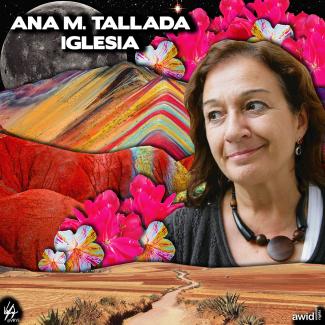
Ana fue una firme defensora de los derechos de las mujeres y trabajó con una amplia diversidad de mujeres, desde aquellas que están redes de base hasta las que son parte del sector privado.
Creía que había que tender puentes entre sectores. Ana fue integrante de la Red Nacional de Promoción de la Mujer (RNPM), y tuvo participación activa en el desarrollo de muchos programas sociales que abordan temas como la salud y los derechos sexuales y reproductivos.
About the AWID International Forum
More than an event!
The AWID International Forum is both a global community event and a space of radical personal transformation. A one-of-a-kind convening, the Forum brings together feminist, women’s rights, gender justice, LBTQI+ and allied movements, in all our diversity and humanity, to connect, heal and thrive.
About the 15th AWID International Forum
Rising Together: Connect, Heal, Thrive
The Forum theme – Rising Together – is an invitation to engage with our whole selves, to connect with each other in focused, caring and brave ways, so that we can feel the heartbeat of global movements and rise together to meet the challenges of these times.
A Hybrid Experience
For the first time, the AWID Forum offered three modes of participation:
In Person
at the Queen Sirikit National Convention Centre in Bangkok, Thailand.
Online
in Virtual Space (Capacity: 3000 participants).
Hubs
Connected in Cross Border Space.
With over 4,000 participants, 15th AWID International Forum in 2024 created a sweeping force to resist oppression towards collective healing and liberation. Keep watching this space for more forum stories and future forums updates!
In December 2020, the AWID board took the difficult decision to cancel the 14th AWID International Forum which had been scheduled to take place from September 20-23, 2021, in the City of Taipei.
2016 - Feminist Futures: Building Collective Power for Rights and Justice (Costa de Sauipe, Brazil)
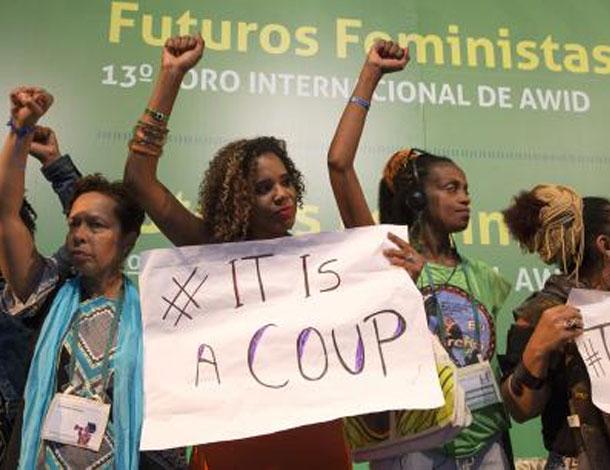
Participants at the Black Feminisms Forum in Brazil, 2016
Given the complex world that we face today, the 2016 AWID Forum did not focus on a particular “issue”, but rather on creating more effective ways of working together!
Despite the challenging contexts in which the 2016 Forum took place (the Zika epidemic, a strike by Brazilian foreign-service workers, the impeachment of President Dilma Rousseff and subsequent turmoil), it succeeded in bringing together over 1800 participants from 120 countries and territories across all regions of the world.
What happened at the 13th AWID international Forum:
For 96% of participantswho responded to the post Forum evaluation survey, the Forum was a major source of inspiration and energy.
98% of participants considered it an important convening space for feminist movements and expressed hope that AWID continues to organize forums.
59% of Forum evaluation survey respondents declared to be very satisfied with the Forum and 34% somewhat satisfied.
Over 150 sessions were delivered in different formats on a variety of topics ranging from bodily integrity and freedoms, to gender-based violence in the workplace, to strategies for building collective power.
The first-time Black Feminisms Forum (BFF), held just before the main AWID Forum, brought together 250 Black feminists from all over the world to co-create a powerful space to build and strengthen ongoing, intergenerational, transnational connections
Read more about what the 2016 AWID Forum achieved:
2012 - Transforming Economic Power to Advance Women's Rights and Justice (Istambul, Turkey)
AWID International Forum, in Cape Town, South Africa, 2008
The 12th AWID Forum was the largest and most diverse AWID Forum to date, bringing together 2239 women’s rights activists from 141 countries. Of these participants, around 65% were from the Global South and close to 15% were young women under 30, and 75% attended an AWID Forum for their first time.
The Forum program focused on transforming economic power to advance women’s rights and justice and featured over 170 different kinds of sessions including feminist economics toolbox skills-building sessions, breakout sessions representing all 10 Forum themes, in-depth sessions, and solidarity roundtables.
Building on the momentum of the 2012 Forum, we transformed the website into a resource and learning Hub, which builds on the content generated by participants by featuring multi-media resources on all Forum components.
1999: Leading Solutions for Equality and Justice (US)
1996: Beyond Beijing From Words to Action (US)
1993: Joining Forces to Further Shared Visions (US)
1991: Working Together/Learning Together: A South North Dialogue (US)
1989/1990: Global Em-Powerment for Women (US)
1987: Moving Forward: Innovations in Development Policy, Action and Research (US)
1985: Women Creating Wealth; Transforming Economic Development (US)
1983: ‘Women in Development’ (Washington D.C, US)
What is the AWID International Forum?
Every three to four years, AWID hosts its flagship international event. It is the world’s largest event that wholeheartedly centers feminist and gender justice movements in all their diversity. It is a global gathering of feminist activists, allied movements, scholars, funders and policymakers. The Forums rotate between different regions and countries in the global South.
Je voudrais travailler pour les droits des femmes. Par où commencer ?
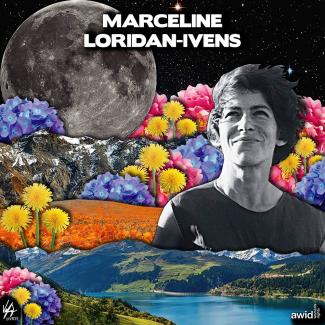
Née en 1928, Marceline était actrice, scénariste et réalisatrice.
En 2003, elle avait réalisé « La petite prairie aux bouleaux », mettant en vedette Anouk Aimée, ainsi que plusieurs autres documentaires. Survivante de l'holocauste, elle n'avait que quinze ans lorsque son père et elle furent arrêtés et envoyés dans des camps de concentration nazis. Les trois kilomètres qui la séparaient de son père à Auschwitz alors qu’elle-même était à Birkenau furent une distance insurmontable, décrite dans l’un de ses romans majeurs « Et tu n’es pas revenu ».
En parlant de son travail, elle a un jour déclaré: « Tout ce que je peux dire c’est que tout ce que je peux écrire, tout ce que je peux dévoiler, c’est à moi de le faire. »
Test Page
This is body text
After the gallery
Some English aside content
2002: Discussions on the Financing for Development agenda begin
The Monterrey Conference on Financing for Development marked the beginning of discussions on the Financing for Development agenda.
The Monterrey Consensus was adopted at this first international conference on Financing for Development. It was the first United Nations hosted summit-level meeting to address key financial and related issues on global development.
The Conference and its preparatory process saw unprecedented cooperation between the United Nations and the World Bank (WB), the International Monetary Fund (IMF) and the World Trade Organization (WTO) as part of efforts to promote greater coherence and consistency among the international monetary, trade and financial systems and institutions.
Monterrey also marked the first time that financing for development debates took place between governments, representatives of civil society and the business sector. These actors moved the discussion beyond a ‘technical’ focus, to look at how to mobilize and channel financial resources to fulfill the internationally agreed development goals of previous UN conferences and summits of the 1990s, including the Millennium Development Goals (MDGs).
The Women’s Caucus noted the historical significance of the conference stating that it had the potential to address structural challenges that continue to hamper development but also raised concern over the effects of increased militarisation and fundamentalism on women, despite the fact that the Monterrey Consensus assumed that the global economic and financial system worked for all.
Learn more about the six Monterrey themes and the conference follow up mechanisms: Gender Issues and Concerns in Financing for Development by Maria Floro, Nilufer Çagatay, John Willoughby and Korkut Ertürk (INSTRAW, 2004)
Я не хочу делиться названием организации и контактной информацией с AWID – могу ли я пройти опрос?
Безусловно, эти вопросы являются необязательными, мы ценим ваше право сохранять конфиденциальность. Пожалуйста, заполните опрос независимо от того, указываете вы название вашей группы, организации и/или движения и контактные данные или нет.
Snippet FEA We are living in a world (ES)
Vivimos en un mundo donde la destrucción de la naturaleza alimenta nuestra economía global actual.
Incluso en tiempos de crisis climática, los gobiernos continúan alentando el crecimiento de las industrias agrícolas a gran escala. Estas actividades envenenan la tierra, amenazan la biodiversidad y destruyen la producción de alimentos y los medios de vida locales. Mientras tanto, aunque las mujeres producen la mayoría de nuestros alimentos en el mundo, casi no poseen tierra.
¿Qué pasaría si percibiéramos la tierra y la Naturaleza no como una propiedad privada para ser explotada, sino como una totalidad con la cual aprender y coexistir en armonía? ¿Y si repararíamos nuestras relaciones con la tierra y adoptaríamos alternativas más sostenibles que nutran tanto al planeta como a sus comunidades?
Nous Sommes la Solution (Somos la Solución, NSS) es uno de los muchos movimientos liderados por mujeres que se esfuerzan por lograr este objetivo.
Dilma Ferreira Silva était une activiste de premier plan des droits amazoniens qui s’est battue durant plusieurs décennies pour les droits des personnes affectées par les barrages.
Elle faisait elle-même partie des 32 000 personnes déplacées par Tucuruí, un imposant barrage hydroélectrique, construit au Brésil sous la dictature militaire de 1964-1985.
En 2005, Dilma a été invitée à rejoindre le Mouvement des personnes affectées par les barrages (MAB) au Brésil et, en 2006, elle y a formé un collectif de femmes pour finir ensuite par devenir coordonatrice régionale du mouvement.
Évoquant son activisme, ses collègues racontent :
« Elle se distinguait très rapidement car elle n’avait jamais peur dans la lutte. »
Dilma vivait dans la localité rurale de Salvador Allenda, à 50 kilomètres de Tucuru. Elle a dédié sa vie à mieux protéger les communautés et les territoires affectés par la construction d’énormes projets. Elle était particulièrement préoccupée par l’impact de genre de ce type de projets et plaidait pour les droits des femmes.
Lors d’une réunion d’ordre national du MAB en 2011, Dilma évoqua les femmes affectées par les barrages, soulignant :
« Nous sommes les réelles Marias, guerrières, combattantes ici, nous nous confrontons au défi de la lutte quotidienne. »
Au cours des années suivantes, Dilma a organisé des groupes de terrain du MAB et travaillé avec les communautés pour former des coopératives paysannes qui permirent de mieux distribuer la nourriture au sein des communautés. Ensemble, elles ont amélioré la commercialisation de la pêche et développé un projet de citerne pour un accès à l’eau potable. Elle défendait aussi les agriculteurs·rices dont les terres étaient convoitées par les « grileiros » (personnes qui s’approprient les terres).
Le 22 mars 2019, à l’âge de 48 ans, Dilma, son mari et leur ami·e furent violemment assassiné·e·s. Ces trois meurtres s’inscrivirent dans une vague de violences en Amazonie contre les Movimento dos Trabalhadores Sem (mouvements des travailleurs·ses sans terre) et les activistes écologistes et autochtones.
Defending LGBTQI Rights
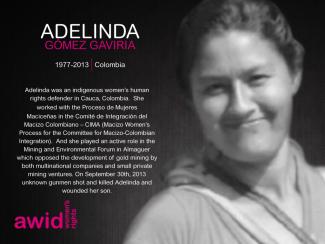
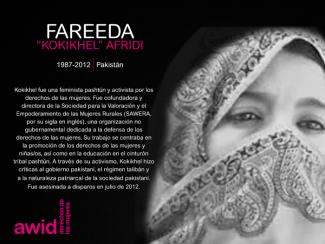
Student, Writer, Leader, Advocate. Each of the four women honored below had their own way of activism but what they had in common is that they all promoted and defended Lesbian Gay Bisexual Transgender Queer and Intersex rights. Join us in remembering and honoring these Women Human Rights Defenders, their work and legacy by sharing the memes below and tweeting by using the hashtags #WHRDTribute and #16Days.
Please click on each image below to see a larger version and download as a file
Esta conferencia de 2009 fue un producto de la Conferencia de Doha realizada en 2008. La Declaración de Doha le había encargado a la ONU que el Presidente de su Asamblea General organizara una conferencia sobre la crisis financiera y económica mundial y su impacto sobre el desarrollo.
En esta conferencia los grupos de mujeres, a través del WWG, destacaron el impacto de la crisis financiera mundial sobre los grupos en situación de vulnerabilidad. En su declaración ante los Estados Miembros, el WWG les propuso acciones que consideraba necesarias para remediar los efectos de la crisis sobre las mujeres. También observó que otros grupos sociales afectados por la crisis son clave para una respuesta que esté en consonancia con los estándares y compromisos internacionales en materia de igualdad de género, derechos de las mujeres, derechos humanos y empoderamiento.
Quando é que os resultados do inquérito estarão disponíveis?
Iremos analisar as respostas ao inquérito para obter informações e tendências, e iremos apresentar os resultados durante o 15.º Fórum Internacional da AWID em Bangkok, e online em dezembro de 2024. Registe-se para participar no Fórum aqui!
Snippet FEA Agroecology And Food (ES)
AGROECOLOGÍA Y SOBERANÍA ALIMENTARIA COMO RESISTENCIA
Hoy en día, la producción industrial de alimentos a gran escala utiliza plantaciones de monocultivo, organismos genéticamente modificados y otros pesticidas que destruyen la tierra y el conocimiento de las comunidades locales.
El papel de las mujeres, las comunidades indígenas y rurales y las personas racializadas en los países del Sur Global es fundamental para mantener los sistemas alimentarios. Lxs agroecologistxs feministas trabajan para desmantelar los roles de género opresivos y los sistemas patriarcales arraigados en la producción de alimentos. Como lo muestran las heroínas de Nous Sommes la Solution, generan una agroecología liberadora al fortalecer la resiliencia de las comunidades, empoderar a las mujeres campesinas y agricultoras mientras preservan las tradiciones locales, los territorios y los conocimientos de las comunidades productoras de alimentos.