Philippe Leroyer | Flickr (CC BY-NC-ND 2.0)

Special Focus

AWID is an international, feminist, membership organisation committed to achieving gender equality, sustainable development and women’s human rights

Women Human Rights Defenders

WHRDs are self-identified women and lesbian, bisexual, transgender, queer and intersex (LBTQI) people and others who defend rights and are subject to gender-specific risks and threats due to their human rights work and/or as a direct consequence of their gender identity or sexual orientation.

WHRDs are subject to systematic violence and discrimination due to their identities and unyielding struggles for rights, equality and justice.

The WHRD Program collaborates with international and regional partners as well as the AWID membership to raise awareness about these risks and threats, advocate for feminist and holistic measures of protection and safety, and actively promote a culture of self-care and collective well being in our movements.


Risks and threats targeting WHRDs  

WHRDs are exposed to the same types of risks that all other defenders who defend human rights, communities, and the environment face. However, they are also exposed to gender-based violence and gender-specific risks because they challenge existing gender norms within their communities and societies.

By defending rights, WHRDs are at risk of:

  • Physical assault and death
  • Intimidation and harassment, including in online spaces
  • Judicial harassment and criminalization
  • Burnout

A collaborative, holistic approach to safety

We work collaboratively with international and regional networks and our membership

  • to raise awareness about human rights abuses and violations against WHRDs and the systemic violence and discrimination they experience
  • to strengthen protection mechanisms and ensure more effective and timely responses to WHRDs at risk

We work to promote a holistic approach to protection which includes:

  • emphasizing the importance of self-care and collective well being, and recognizing that what care and wellbeing mean may differ across cultures
  • documenting the violations targeting WHRDs using a feminist intersectional perspective;
  • promoting the social recognition and celebration of the work and resilience of WHRDs ; and
  • building civic spaces that are conducive to dismantling structural inequalities without restrictions or obstacles

Our Actions

We aim to contribute to a safer world for WHRDs, their families and communities. We believe that action for rights and justice should not put WHRDs at risk; it should be appreciated and celebrated.

  • Promoting collaboration and coordination among human rights and women’s rights organizations at the international level to  strengthen  responses concerning safety and wellbeing of WHRDs.

  • Supporting regional networks of WHRDs and their organizations, such as the Mesoamerican Initiative for WHRDs and the WHRD Middle East and North Africa  Coalition, in promoting and strengthening collective action for protection - emphasizing the establishment of solidarity and protection networks, the promotion of self-care, and advocacy and mobilization for the safety of WHRDs;

  • Increasing the visibility and recognition of  WHRDs and their struggles, as well as the risks that they encounter by documenting the attacks that they face, and researching, producing, and disseminating information on their struggles, strategies, and challenges:

  • Mobilizing urgent responses of international solidarity for WHRDs at risk through our international and regional networks, and our active membership.

Related Content

Aquí están tu guía práctica y las infografías «Hacia un ecosistema de financiamiento feminista»

Snippet FEA Georgia's minimum wage (EN)

Georgia's minimum wage is in the bottom percent of all countries in the world. This reality affects mostly women.

The country not only has a significant gender pay gap, but women also work longer, more unregulated hours before going home to take care of housework and their families. There is no maternity pay, no wage increase for overtime work, no unemployment insurance, and no pay for sick leave or other social protection. Pressured by Western organizations, Georgian oligarchic political parties have been implementing reforms that are destroying the welfare state, increasing austerity measures, and worsening worker exploitation - all for the benefits of big corporations which are applauding the country for its “ease of doing business”. Mass media, coerced by private and corporate interests, either remain silent or biased on these issues. Union organizing remains one of the very few options to fight for basic human rights, and for holding the State and corporations accountable in the face of daily, pervasive violations and persecutions, especially against women.

Sources: Minimum-Wage and Interview with Sopo Japaridze to OpenDemocracy

Snippet - WITM Start the survey 1 - PT


Globe

O inquérito está disponível em árabe, inglês, francês, português, russo e espanhol!


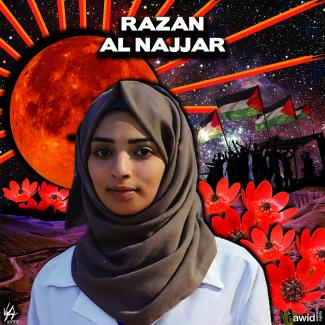
Razan Al-Najar

Razan era una médica voluntaria de 21 años en Palestina.

Le dispararon cuando corría hacia un muro fronterizo fortificado, en un intento por llegar hasta una persona herida en el este de la ciudad de Khan Younis, en el sur de Gaza.

En su última publicación en Facebook, Razan dijo: «Estoy volviendo y no retirándome», y añadió: «Denme con sus balas, no tengo miedo».


Razan Al-Najjar, Palestine

Avertissement : communication avec l’équipe de l’AWID

Si vous recevez des emails d’une personne de l’équipe de l’AWID, nous aimerions que vous preniez en compte les points suivants : 

  • L’information contenue dans cette communication est confidentielle et exclusivement destinée à la personne à qui elle s’adresse.

  • Cette communication peut contenir des informations dont l’Association pour les Droits des Femmes dans le Développement (AWID) est propriétaire, et qui ne peuvent être reproduites ou partagées, en totalité ou en partie, sans le consentement écrit de l’AWID.

  • L’AWID ne garantit pas que toutes les informations contenues ici soient complètes ou correctes. Cette communication n’est ni une offre pour conclure un accord ni une confirmation d’accord présenté ici, sauf si le contexte l’indique clairement. 

  • L’AWID ne vous conseillera pas vis-à-vis d’un accord pouvant être proposé ici. Cette communication ne constitue en rien une recommandation, une orientation ou une proposition pour conclure un quelconque accord.   

  • L’AWID ne garantit en aucun cas les résultats attendus d’un accord. Cette communication peut contenir des perspectives et des opinions qui ne reflètent pas nécessairement celles de l’AWID.

  • Vous ne pouvez pas vous fier aux informations contenues dans cette communication dans l’optique de conclure un accord proposé ou autre. 

Snippet FEA collaborator and allies Photo 4 (ES)

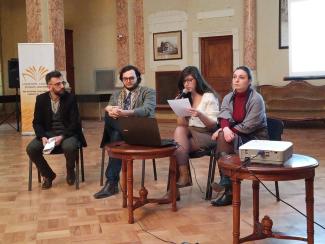
La foto muestra a Sopo hablando en un evento público en el interior. Sostiene el micrófono mientras lee sus notas y está sentada en una silla entre otras tres personas que son oradores o moderadores.

Snippet - WITM about research - AR

عن استطلاع "أين المال"

استطلاع "اين المال" (أين التمويل للتنظيمات النسوية) هو ركيزة أساسية للنسخة الثالثة لأبحاثنا الموجهة نحو العمل. سيتم بحث وتوسيع نتائج الاستطلاع من خلال المحادثات العميقة مع النشطاء/ الناشطات والممولين/ات وسيتم مقارنة النتائج مع تحليلات وبحوث أخرى عن وضع التمويل للحركات النسوية وحركات العدالة الجندرية.

سيتم نشر تقرير أين المال للتنظيمات النسوية في العام 2026.

لمعرفة المزيد عن كيف تسلّط جمعية حقوق المرأة في التنمية الضوء على على تمويل التنظيمات النسوية أو ضدها، انظروا إلى قصة "أين المال" وتقارير سابقة هنا

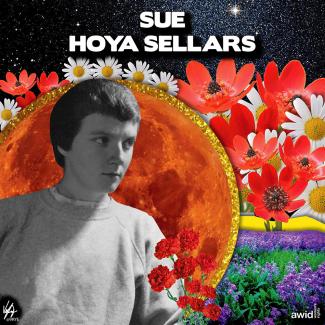
Sue Hoya Sellars

Née en 1936 dans le Maryland aux États-Unis, Sue était artiste, activiste et enseignante.

Son art était destiné aux femmes et parlait des femmes. En tant que féministe lesbienne, pendant un temps séparatiste, elle s'est engagée à créer des espaces réservés aux femmes. En 1976, elle a acheté un terrain qui est toujours géré par des femmes qui y séjournent pour créer de l'art. Sue a pris une position farouche sur la question de la protection des femmes et des filles.

Avec son approche révolutionnaire, futuriste et anthropologique, elle remplissait chaque pièce dans laquelle elle entrait avec une intelligence et une excentricité authentiques, ainsi qu’un humour et un esprit impitoyable. Ses idées sur la conscience et la créativité continuent à inspirer beaucoup de gens.


Sue Hoya Sellars, USA

Appel aux artistes et activistes créatifs·ves pour se rassembler dans une nouvelle communauté Slack !

Nos pensées vont actuellement aux nombreuses personnes à travers le monde qui sont les plus affectées par les conséquences de la pandémie mondiale de la COVID-19, et notamment aux communautés marginalisées, historiquement opprimées. 

Nous invitons ici les artistes et les activistes qui font preuve de créativité à rejoindre un espace virtuel pour se connecter, créer une communauté et se soutenir les un·e·s les autres durant ces moments difficiles. Ainsi, nous avons créé une nouvelle communauté Slack qui nous permettra de partager en toute sécurité des réflexions, des apprentissages, des astuces de la vie de tous les jours, des ressources, des conseils, des craintes et des angoisses, des élans d’espoir et de bonheur, et de discuter plus généralement de nos activités.   

Rejoignez-nous sur Slack

Après avoir rempli le formulaire, nous vous enverrons votre invitation personnelle pour rejoindre la communauté.


À propos de cette communauté :

Pour les personnes qui ne connaissent pas Slack, nous aurons des sessions et des tutoriels d’introduction une fois que vous êtes inscrit·e·s.

Nous travaillons en trois langues (français, anglais, espagnol), et nous vous encourageons donc à écrire dans la langue dans laquelle vous sentez le plus à l’aise et à utiliser des outils de traduction en ligne (Google Traduction ou autres) pour participer aux discussions.   

Cocréer des espaces accueillants et sécurisés:

Merci de lire les règles de la communauté

La cocréation de nos réalités féministes commence par nous-mêmes, et nos façons de nous traiter les un·e·s les autres. Nous nous efforçons de créer et de protéger des espaces qui sécurisent et soutiennent nos communautés, à la fois en ligne et en personne. Nous envisageons aussi les espaces sécurisés et accueillants, tout comme cocréés, et dont la possession est partagée. Nous attendons de nos membres d’agir de façon éthique, responsable et cohérente vis-à-vis des valeurs de l’AWID, et d’assumer une responsabilité collective pour garantir un environnement de respect mutuel et de solidarité.    

Sujet hebdomadaire :

Dans le cadre de nos échanges continus, nous partagerons un sujet hebdomadaire dans Slack dans le but de faciliter le dialogue et d’inspirer des processus de création artistique. Il pourra s’agir d’un processus introspectif, mais pour tirer le maximum de cette communauté, nous vous encourageons à interagir avec d’autres membres de la communauté, et de partager vos réflexions dans le cadre de discussions. L’objectif est d’inviter les gens à répondre librement et progressivement en écrivant ou en réalisant de l’art, de la manière qui leur convient le mieux.   

Nous espérons tenir avec vous des échanges pertinents et vivants, et nous vous invitons donc à partager vos suggestions et vos commentaires. De manière générale, les thèmes se concentreront sur les expériences et les perspectives d’artistes, d’écrivain·e·s et de créateurs·rices -- lesquellesfourniront un espace aux gens pour concevoir à travers et au-delà du contexte mondial actuel via le prisme des réalités féministes.   


Rejoignez-nous sur Slack

Snippet FEA different lines of work S4 (FR)

Lignes de travail :

CONTRE

Por que devo considerar responder ao inquérito?

Existem várias razões pelas quais a sua resposta ao inquérito WITM é importante. Por exemplo, tem a oportunidade de partilhar a sua experiência vivida com a mobilização de financiamento para apoiar a sua organização; de reivindicar o seu poder como especialista sobre como o dinheiro circula e os bolsos em que entra; e de contribuir para a defesa coletiva e consistente junto de financiadores para mover mais recursos de maior qualidade. Ao longo das últimas duas décadas, o inquérito WITM da AWID tem-se revelado um recurso fundamental para ativistas e financiadores. Convidamo-lo a juntar-se a nós na sua terceira edição para destacar o estado efetivo do financiamento, desafiar soluções falsas e apontar a forma como o financiamento precisa de mudar para que os movimentos prosperem e enfrentem os desafios complexos do nosso tempo.

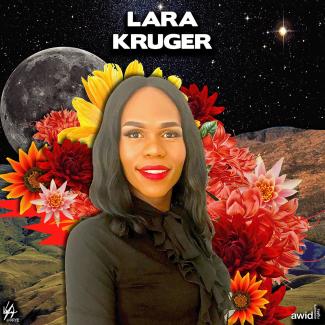
Lara Kruger

Lara was a well-known and loved radio DJ on Motsweding FM in South Africa.

Lara was one of the first openly-transgender radio hosts on a mainstream station. She worked hard to shine a light on LGBTI issues.

Lara’s activism started at a young age when she would vocally defend her right to dress and behave as she felt comfortable to members of her community who didn’t yet understand what it meant to be transgender.


Lara Kruger, South Africa

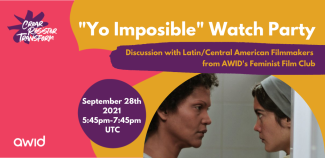
Yo, Imposible / Being Impossible Watch Party Participation Guide

Snippet FEA Wage Parity (EN)

Illustration of two a pair of white-skinned people in glasses, to the left in the background is a mand and to the right at the forefront is a woman. The background is turquoise.

WAGE PARITY

نحن نعيد إعطاء المال لشركائنا/شريكاتنا ونعرّف عن أنفسنا كنسويات و\ أو صندوق نسائي. هل علينا تعبئة الاستطلاع؟

كلا. نقدّر عملكم/ن لكننا لا نطلب في هذه المرحلة من الصناديق النسوية والنسائية تعبئة الاستطلاع. نشجعكم/ن على مشاركة الاستطلاع مع شركائكم/ن و شبكاتكم/ن النسوية.

Reason to join 2

Find and create connections. There are over 9,000 AWID members, all working to address complementary, interconnected issues. This diversity supports the sustainability of feminist movements and actors.