
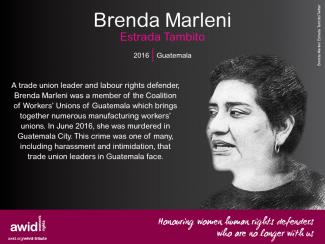
Brenda Marleni Estrada Tambito
By joining AWID, you are becoming part of worldwide feminist organizing, a collective power that is rooted in working across movements and is based on solidarity.
Related content
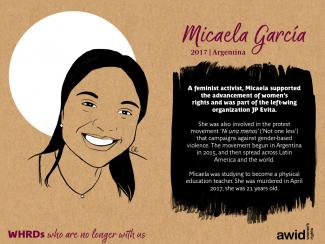
TeleSUR: Outrage Shakes Argentina After Murder of Anti-Femicide Activist
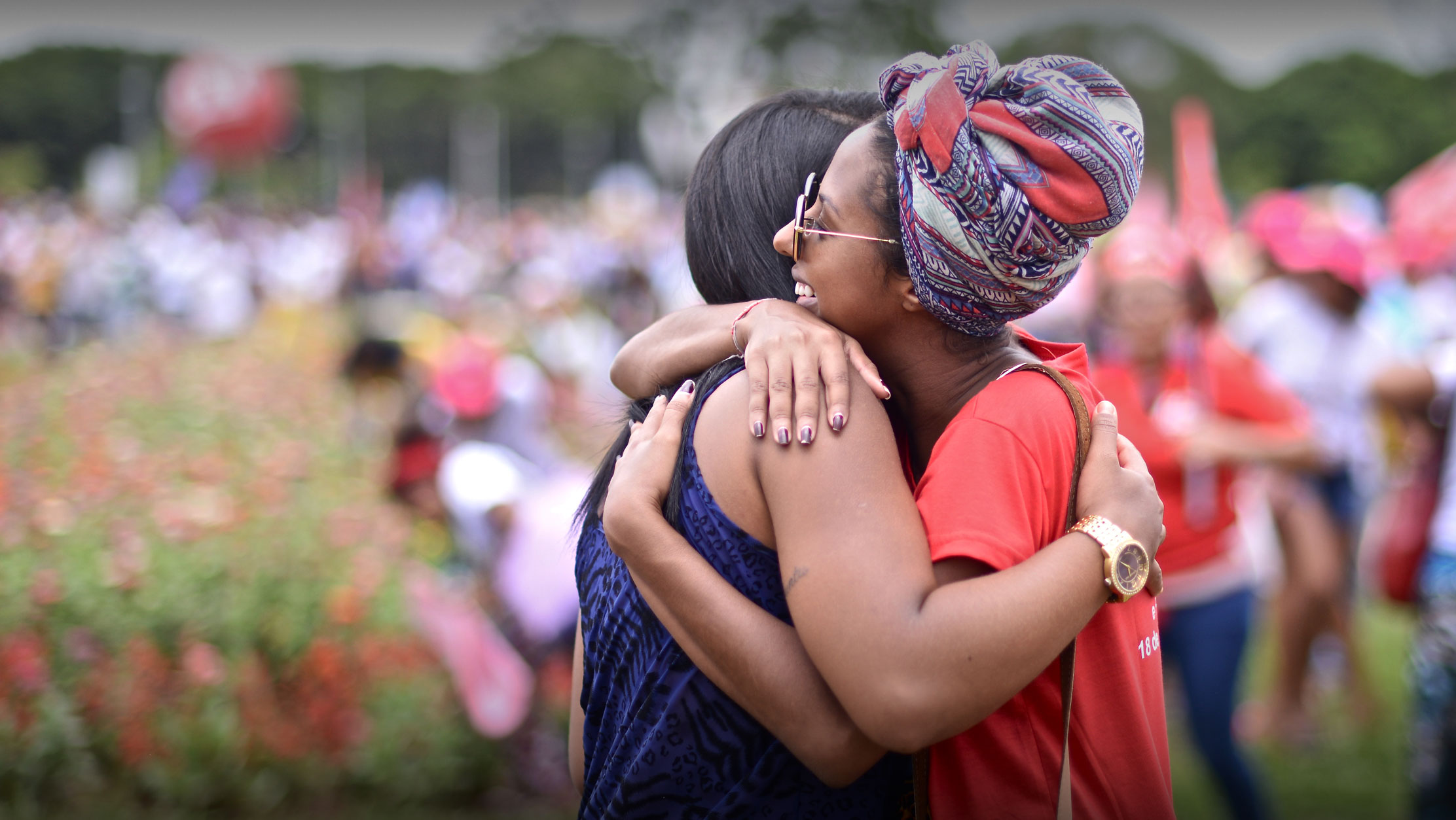
With up to 2,500 participants on-site and 3,000 virtual/hybrid participants, it will be the largest AWID Forum ever. We envision multiple spaces for meaningful connection, learning, exchange, strategic conversations, healing and celebration. It is the first time we gather in this space since the pandemic, and we can’t wait.

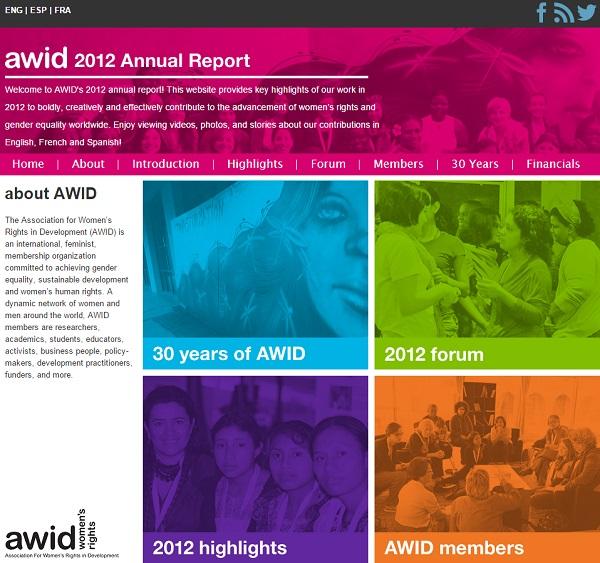
Our 2012 Annual Report provides key highlights of our work during the year to boldly, creatively and effectively contribute to the advancement of women’s rights and gender equality worldwide.
Enjoy viewing videos, photos, and stories about our contributions.
Visit our 2012 Annual Report site
ประเด็นหลักของเวที – ลุกขึ้นพร้อมกัน (Rising Together) เป็นการเชิญชวนให้ทุกคนกลับมาอยู่กับตัวเองเพื่อเชื่อมต่อซึ่งกันและกันอย่างมีสมาธิ เอาใจใส่ และกล้าหาญ เพื่อให้เราสามารถรู้สึกถึงจังหวะการเต้น ของหัวใจของการเคลื่อนไหวทั่วโลก และลุกขึ้นมารับมือกับความท้าทายในยุคนี้ไปด้วยกัน
นักสตรีนิยม นักปกป้องสิทธิสตรี ความยุติธรรมทางเพศ LBTQI+ และขบวนการพันธมิตรทั่วโลกกำลังอยู่ ในช่วงหัวเลี้ยวหัวต่อที่สำคัญ คือเผชิญกับแรงตอบโต้สิทธิเสรีภาพที่เคยได้รับก่อนหน้านี้ ช่วงไม่กี่ปีที่ผ่านมา ลัทธิอำนาจนิยมเติบโตอย่างรวดเร็ว การปราบปรามภาคประชาสังคมอย่างรุนแรง และการทำให้สตรีและ นักปกป้องสิทธิมนุษยชนที่มีความหลากหลายทางเพศกลายเป็นอาชญากร สงครามและความขัดแย้งที่ ทวีความรุนแรงขึ้นในหลายส่วนของโลก ความอยุติธรรมทางเศรษฐกิจยังคงดำเนินต่อไป รวมทั้งวิกฤตการณ์ ด้านสุขภาพ นิเวศวิทยาและสภาพภูมิอากาศ
การเคลื่อนไหวของเรากำลังสั่นคลอน และในขณะเดียวกันเราก็พยายามสร้างและดำรงความเข้มแข็งและ อดทนเพื่องานข้างหน้า เราไม่สามารถทำงานนี้โดยลำพังในห้องเล็กๆของเราได้ การเชื่อมต่อและ การเยียวยาจึงเป็นสิ่งสำคัญในการปรับเปลี่ยนความไม่สมดุลของพลังงานและข้อบกพร่องภายในการเคลื่อน ไหวของเราเอง เราต้องทำงานและวางยุทธศาสตร์ในลักษณะที่เชื่อมโยงกัน เพื่อที่เราจะสามารถเติบโต ไปด้วยกันได้ เวที AWID จะส่งเสริมองค์ประกอบสำคัญของการเชื่อมโยงถึงกันกับพลังความสามารถ การเติบโต และการสร้างความเปลี่ยนแปลงของนักสตรีนิยมทั่วโลก
Prior to her retirement, she held many high profile positions including member of the Court of Appeal of Uganda and Deputy Chief Justice of Uganda. She was the first Ugandan woman to hold the position of Chief Magistrate between 1973 and 1986 and the first woman to be appointed High court judge in 1986.
She was one of the first ever women papal knights in the history of the Catholic Church in Africa. She died of a heart attack.
Salome is a feminist activist from Tbilisi, Georgia, devoted to social and gender justice. She holds a Master's degree in gender studies, and has been engaged in feminist, queer and green movements for over twelve years, working amongst others on issues of gender based violence, domestic violence, sexual and reproductive health and rights, LGBTIQ rights, [women’s] Labor Rights, Healing Justice and holistic and digital security and rights.
Since 2014 she has been actively working on safety and security issues of activists and Women Human Rights Defenders, providing integrated security and digital security workshops specifically for activists from under-privileged groups (queer persons, ethnic and religious minorities, rural women and girls, etc) as well as bigger feminist organisations. Salome is a member of the Independent Group of Feminists - a non-formal, non-hierarchical and non-registered initiative that unites feminists with diverse backgrounds in Georgia. Currently, she is the Executive Director of the Women's Fund in Georgia, fully engaged in women's/feminist movement building, providing feminist funding, and encouraging local feminist philanthropy.
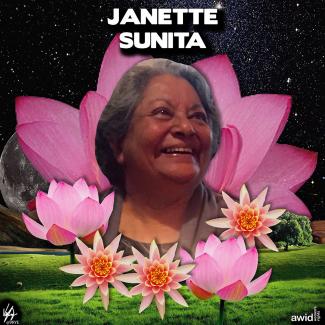
From India, Janette was feisty, formidable, compassionate and loving.
Janette’s intolerance of injustice and fierce commitment to standing up for all people’s rights led her to work at TARSHI (an NGO that works on sexuality and sexual and reproductive health and rights) for more than 15 years. Janette ably managed and led the finance, human resources and operations aspects of TARSHI’s work, adeptly navigating the labyrinthine bureaucracy to which Indian NGOs are subjected.
Her team remembers that “She stood watch so we could steer well in open waters. A woman of many talents, Janette not only helped us procure our own office space but also designed it for optimal usage.She loved travel and animals and was interested in animal assisted therapy."
If your activity is accepted, you will be contacted by the AWID team to assess and respond to interpretation and accessibility needs.
Simone has 20 years’ experience working in management support and administration in non-profit organizations, in particular post-graduate medical education and ICT training. She has qualifications in Management Support and Paralegal studies. She is based in South Africa, enjoys traveling and is an amateur Genealogist.
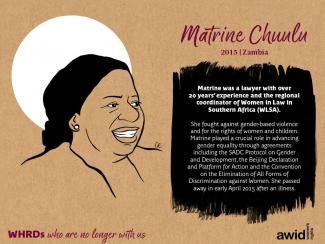
Described by the Guardian as one of Kiribati’s national icons, Teresia was a fearless advocate who worked closely with feminist groups in Fiji.
She used her research to address the issues of feminism and gender in the Pacific, as well as being co-editor of the International feminist Journal of Politics. Her influence spanned the academic frontier as well as social justice movements in the Oceania region.