

Rachel Bhagwan
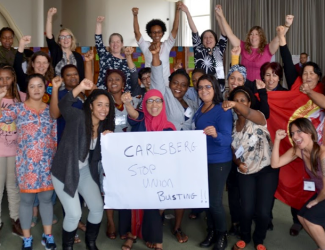
Defensoras de derechos humanos de todo el planeta defienden sus tierras, medios de subsistencia y sus comunidades ante las industrias extractivas y el poder corporativo. Ellas hacen frente a fuertes intereses económicos y políticos que promueven el robo de tierras, el desplazamiento de comunidades, la pérdida de los medios de subsistencia y la degradación del medioambiente.
El extractivismo es un modelo económico y político de desarrollo que mercantiliza la naturaleza y prioriza la ganancia por sobre los derechos humanos y el medioambiente. Arraigado en la historia colonial, refuerza las desigualdades sociales y económicas tanto a nivel local como global. Muchas veces, las mujeres negras, rurales e indígenas son las más afectadas por el extractivismo, y además son notablemente excluidas de la toma de decisiones. Desafiando estas fuerzas patriarcales y neocoloniales, las mujeres se alzan en defensa de los derechos, las tierras, las personas y la naturaleza.
Las defensoras que enfrentan a las industrias extractivas, experimentan una diversidad de riesgos, amenazas y violaciones, incluidas la criminalización, la estigmatización, la violencia y laintimidación. Sus historias dan cuenta de marcados aspectos de violencia sexual y de género. Entre los perpetradores se incluyen autoridades estatales y locales, las corporaciones, la policía, el ejército, las fuerzas paramilitares y de seguridad privada, y en algunos casos, sus propias comunidades.
AWID y la Coalición Internacional de Mujeres Defensoras de Derechos Humanos (WHRDIC por su sigla en inglés) tienen el placer de anunciar «Defensoras de derechos humanos confrontado al extractivismo y al poder corporativo»; un proyecto interregional de investigación que documenta las experiencias vividas por las defensoras de Asia, África y América Latina.
Alentamos a activistas, integrantes de movimientos sociales, la sociedad civil organizada, donantes y responsables de políticas públicas, a leer y utilizar estas producciones para el trabajo de incidencia, con fines educativos y como fuente de inspiración:
«Defensoras de derechos humanos confrontando a las industrias extractivas: un panorama de los riesgos críticos y las obligaciones en materia de derechos humanos» es un informe sobre políticas desde la perspectiva de género (en inglés, pronto disponible en español). Analiza las formas de violaciones y los tipos de perpetradores, hace referencia a las obligaciones relevantes en derechos humanos e incluye recomendaciones de políticas para los estados, corporaciones, la sociedad civil y donantes.
«Tejiendo la Resistencia a través de la Acción: Las Estrategias de las Defensoras de Derechos Humanos contra a las Industrias Extractivas» es una guía práctica que expone formas creativas y deliberadas de acción, tácticas exitosas e inspiradoras historias de resistencias.
El video «Defendiendo a las Personas y al Planeta: Mujeres Confrontando a las Industrias Extractivas» está protagonizado por defensoras de derechos humanos de África, Asia y América Latina, que comparten sus luchas por la tierra y la vida, y hablan de los riesgos y desafíos que enfrentan en su activismo.
«Desafiar al poder corporativo: Las luchas por los derechos de las mujeres, la justicia económica y de género» es un informe de investigación que explica los impactos del poder corporativo y ofrece ideas sobre estrategias de resistencia.
AWID reconoce con gratitud las invaluables contribuciones de cada Defensora de Derechos Humanos que ha sido parte de este proyecto. Esta guía ha sido posible gracias su generosidad y apertura al compartir sobre sus experiencias y lecciones. Su coraje, creatividad y resiliencia son una inspiración para todxs nosotrxs. ¡Muchas gracias!
Bonjour encore, et encore, et encore. Je vous connais et je vous aime depuis le début de ma vie d’adulte, depuis que je vous ai réellement rencontrés, dès la fin de mes études universitaires. Je ne vous avais vus qu’à une seule reprise avant cela. Cette fois où vous êtes apparus en tant que Betty Friedan dans une émission de télé locale dans le Midwest, à la fin des années 1960. À l’époque, Mme Wells, mon autre mère, et moi-même avions commenté les idées folles et tirées par les cheveux de cette femme qui essayait de nous convaincre. Depuis, des décennies et des décennies après, je continue à tomber éperdument en amour avec vous, mes adorés, et je comprends et j’assiste à votre érudition théorique, votre autorité éthique et morale, votre créativité, votre joie, et votre amour, avant tout. Près de 60 ans plus tard, je sais que nous sommes ensemble pour l’éternité.
Les premières années de notre relation étaient pas mal. J’étais plutôt tournée vers moi-même – j’essayais de comprendre mon identité raciale, de genre et sexuelle; j’essayais de définir mes opinions politiques, mes valeurs essentielles et mon éthique; et de terminer mes études universitaires – et vous m’apportiez plusieurs contextes, des lieux de réflexion intellectuelle où l’on pouvait passer, et des environnements réconfortants et accueillants où, et grâce auxquels j’ai pu façonner les fondations de l’être humain et féministe que j’allais devenir.

Le mouvement de femmes principalement blanches de Cambridge et de Boston, et notamment les Filles de Bilitis, a été mon point de départ. Ça me convenait à l’époque mais j’ai rapidement pris conscience que je désirais quelque chose de plus. Pouf! Comme par magie (heureux hasard), je suis entrée en contact avec un petit groupe de femmes lesbiennes radicales, anti-impérialistes, noires et socialistes, et nous allions rapidement devenir le Combahee River Collective.
Cette première expérience du Collectif, combinée aux dures leçons de vie et particulièrement les politiques raciales d’immigration afro-américaines/coréennes du début des années 1990 aux États-Unis, m’ont préparée à une trajectoire au bout de laquelle je me suis identifiée et je travaille en tant que féministe transnationale contre le militarisme, et par laquelle je m’efforce d’imaginer d’autres mondes dans lesquels tous les êtres humains s’épanouiront.
Les deux moments cruciaux de mouvement de femmes suivants sont venus pour moi des décennies après mes années avec le collectif, mais étaient néanmoins profondément liés. Le premier a été de rencontrer et d’être invitée au mouvement féministe coréen qui s’organisait contre les bases militaires américaines et qui soutenait les « femmes kijichon », les femmes coréennes dont les vies, y compris pour certaines avec des enfants métis, tournaient de diverses manières autour du service au personnel militaire américain dans les villages et les villes adjacentes aux bases. Des féministes coréennes adorées, et particulièrement Kim Yon-Ja et Ahn Il-Soon, les premières sœurs que j’ai rencontrées et avec qui j’ai travaillé, m’ont fait voir et comprendre l’importance essentielle de la nation en tant que principe d’analyse et d’organisation. Le point culminant a été de vivre et de travailler en Palestine occupée. La regrettée Maha Abu-Dayyeh m’a présentée au mouvement des femmes palestiniennes, avec un commentaire profond : « tu peux quitter la Palestine, mais la Palestine ne quittera jamais ». C’est tellement vrai. Et ensuite, tout mon travail et mes expériences par-delà de nombreuses frontières m’ont portée jusqu’à l’AWID - ma deuxième maison.
Comme vous le savez, mes adorés, être avec vous n’a pas été facile ni simple. En effet, vous êtes exigeants, constamment pleins de contradictions, et parfois même blessants. Néanmoins, vous continuez à vous développer et à croître, à mesure que vous soutenez mon développement et ma croissance politiques, émotionnels et spirituels. Je suppose qu’on se fait croître mutuellement - un processus très profond auquel je dédierai le reste de mon temps sous ma forme actuelle.
La constante d’avoir été avec vous toutes ces décennies est celle-ci :
Des féministes qui mobilisent collectivement les têtes, les cœurs, les mains et les esprits pour transformer nos mondes
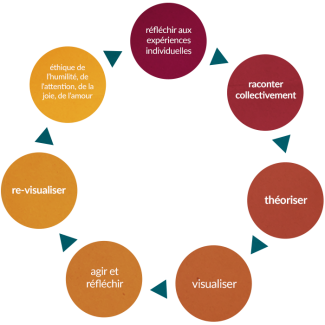
Avec tout mon amour et plus, mouvements féministes!
Votre Margo
AKA DJ MOR Move and Joy
Wellfleet, Massachusetts, États-Unis
Every three to four years, AWID hosts its flagship international event. It is the world’s largest event that wholeheartedly centers feminist and gender justice movements in all their diversity. It is a global gathering of feminist activists, allied movements, scholars, funders and policymakers. The Forums rotate between different regions and countries in the global South.
Crear | Résister | Transform es para ti y para todxs lxs increíbles activistas feministas y por la justicia social que conozcas. Reunámonos para compartir nuestras estrategias de resistencia, para crear conjuntamente algo de magia feminista, y para transformar juntxs este mundo.
Ce rapport révèle la réalité du financement des organisations féministes et de défense des droits des femmes dans un contexte de bouleversements politiques et financiers. S’appuyant sur plus de dix ans d’analyse depuis la dernière étude Où est l’argent ? de l’AWID, il dresse un bilan des progrès réalisés, des lacunes persistantes et des menaces croissantes dans le domaine du financement féministe.
Leah Tumbalang was a Lumad woman of Mindanao in the Philippines. The story of Lumad Indigenous peoples encompasses generations of resistance to large-scale corporate mining, protection of ancestral domains, resources, culture, and the fight for the right to self-determination.
Leah was a Lumad leader as well as a leader of Kaugalingong Sistema Igpasasindog to Lumadnong Ogpaan (Kasilo), a Lumad and peasant organization advocating against the arrival of mining corporations in Bukidnon, Mindanao province. She was unwavering in her anti-mining activism, fervently campaigning against the devastating effects of mineral extraction on the environment and Indigenous peoples’ lands. Leah was also an organizer of the Bayan Muna party-list, a member of the leftist political party Makabayan.
For almost a decade, Leah (along with other members of Kasilo) had been receiving threats for co-leading opposition against the deployment of paramilitary groups believed to be supported by mining interests.
“Being a Lumad leader in their community, she is at the forefront in fighting for their rights to ancestral land and self-determination.” - Kalumbay Regional Lumad Organization
Being at the forefront of resistance also often means being a target of violence and impunity and Leah not only received numerous death threats, but was murdered on 23 August 2019 in Valencia City, Bukidnon.
According to a Global Witness report, “the Philippines was the worst-affected country in sheer numbers” when it comes to murdered environmental activists in 2018.
Read the Global Witness report, published July 2019

I never knew I have a close family who loves me and wants me to grow, My mum has always been there for me, but I never imagined I would have thousands of families out there who are not related to me by blood.

I found out family are not just people related by blood ties, but people who love you unconditionally, not minding your sexual orientation, your health status, social status, or your race.
Thinking about the precious moments I listened to all my sisters around the world who are strong feminists, people I have not meet physically, but who support me, teach me, fight for me: I am short of words, words cannot express how much I love you mentors and other feminists, you’re a mother, a sister, a friend to millions of girls.
You are amazing, you fought for people you don’t know - and that is what makes you so special.
It gladdens my heart to express this through writing.
I love you all and will continue to love you. I have not seen any one of you physically but it seems we have known each other for decades.
We are feminists and we are proud to be women.
We will keep letting the world know that our courage is our crown.
A love letter from FAITH ONUH, a young feminist from Nigeria
Con una asistencia de hasta 2500 participantes presenciales y 3,000 conectadxs de manera virtual, este será el Foro de AWID más grande hasta ahora. Vislumbramos múltiples espacios para establecer conexiones significativas, aprender, intercambiar ideas, tener conversaciones estratégicas, sanar y celebrar. Es la primera vez que nos reunimos en este espacio desde la pandemia, y estamos muy deseosxs de hacerlo.
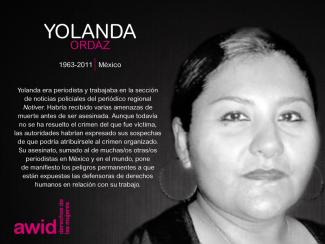
Anti-rights discourses continue to evolve. As well as using arguments related to religion, culture, and tradition, anti-rights actors co-opt the language of social justice and human rights to conceal their true agendas and gain legitimacy.
Le sommet climat organisé par et pour les mouvements.
📅 12 novembre - 16 novembre 2025
📍 Université fédérale du Pará, Belém
Site web en anglais
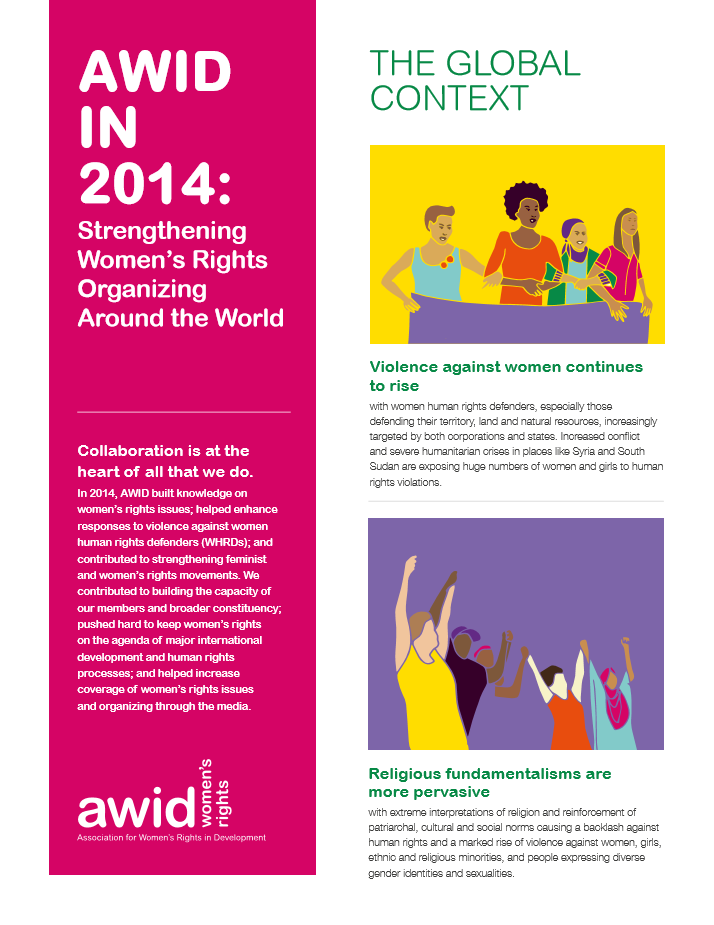
AWID is very pleased to share our 2014 Annual Report.
From building knowledge on women’s rights issues to amplifying responses to violence against women human rights defenders (WHRDs), our work last year continued to strengthen feminist and women’s rights movements across the world.
Get learn how we built the capacity of our members and broader constituency, pushed hard to keep women’s rights on the agenda of major international development and human rights processes, and helped increase coverage of women’s rights issues and organizing through the media. You'll find a panoramic sampling of our projects and some concrete numbers demonstrating our impact.
Collaboration is at the heart of all that we do, and we look forward to another year of working together to take our movements to the next level.
Despite an increasingly challenging panorama, there are important signs of hope for advancing women’s rights agendas. Women’s rights activists remain crucial in creating openings to demand structural change, sustaining their communities, opposing violence and holding the line on key achievements. And there are important opportunities to influence new actors and to mobilize greater resources to support women’s rights organizations.
In this context, strong collective action and organizing among women’s rights activists remains essential.
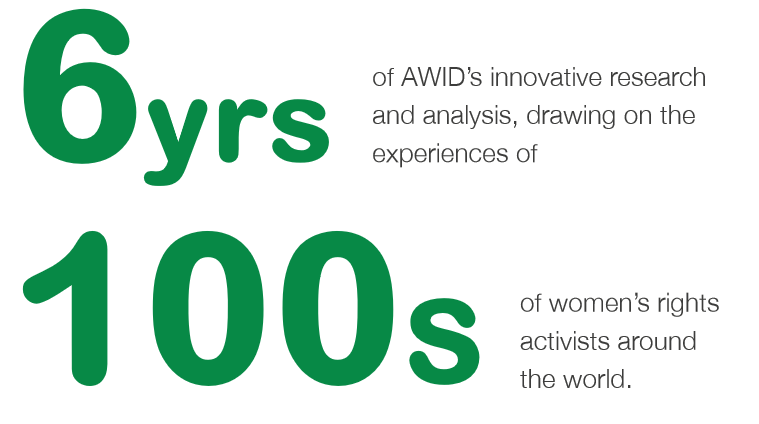
I am sincerely thrilled by AWID’s accomplishments since 1982 and hope to be able to pay at least a modest contribution to its hard work for the benefit of women and situation of gender equality.” — Aleksandra Miletic-Santic, Bosnia Herzegovina
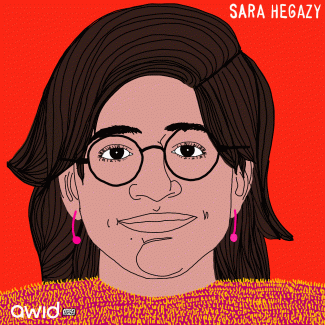
Sarah Hegazy, una audaz activista egipcia por los derechos LGBTQI+, vivía en una sociedad en la que lxs integrantes de su comunidad, sus cuerpos y sus vidas, enfrentan prejuicios letales a menudo. La resistencia de Sarah estaba arraigada en la deconstrucción del sistema dominante, opresor y patriarcal, y de sus actores antiderechos.
«[En Egipto], toda persona que no sea varón, musulmán, suní, heterosexual y partidario del sistema, es rechazada, reprimida, estigmatizada, arrestada, exiliada o asesinada. Este problema se relaciona con el sistema patriarcal en su conjunto, ya que el Estado no podría ejercer su represión contra lxs ciudadanxs, si no hubiera una opresión preexistente desde la infancia», escribió Sarah Hegazy el 6 de marzo de 2020
La supresión de la voz de Sarah por parte del gobierno egipcio alcanzó su pico más violento en 2017, cuando fue arrestada por alzar una bandera arcoíris en el recital de Mashrou’ Leila (una banda libanesa cuyo cantante principal es abiertamente gay) en El Cairo. Fue acusada de pertenecer a un grupo ilegal, y de «promover la desviación sexual y el libertinaje».
«Fue un acto de apoyo y solidaridad, no solamente con el cantante [de Mashrou’ Leila] sino con todas las personas oprimidas... Nos enorgulleció alzar la bandera. Nunca nos imaginamos la reacción de la sociedad y del Estado egipcio. Para ellos, yo era una criminal: alguien que buscaba destruir la estructura moral de la sociedad.» - Sarah Hegazy
Sarah estuvo encarcelada por tres meses, durante los cuales fue torturada y agredida sexualmente. En enero de 2018, después de ser liberada bajo fianza, pidió asilo en Canadá, donde estaba segura, pero seguía prisionera de los recuerdos del abuso y la violencia que su cuerpo y su alma habían sufrido.
«Salí de esta experiencia después de tres meses con un caso muy intenso y serio de TEPT [trastorno por estrés postraumático]. La prisión me mató. Me destruyó», dijo Sarah Hegazy a NPR.
Sarah se quitó la vida el 14 de junio de 2020, luego de dejar una nota escrita a mano en árabe:
«A mis hermanxs: traté de encontrar redención y fallé, perdónenme.
A mis amigxs: la experiencia [el viaje] fue muy dura y soy demasiado débil como para resistir, perdónenme.
Al mundo: has sido tremendamente cruel, pero perdono.»
Su legado y su coraje continuarán, llevados adelante por quienes la aman y creen en aquello por lo que Sarah luchó.
«A Sarah: Descansa, solo descansa, libre de esta violencia implacable, de este patriarcado letal impulsado por el Estado. Con rabia, con dolor, con extenuación, resistimos.» - Rasha Younes, investigadora sobre derechos LGBT de Human Rights Watch. Lee el texto completo
El vocalista de Mashrou’ Leila canta un tributo a Sarah Hegazy
En todo el mundo y en todos los movimientos sociales, las personas que quieren innovar tienden a sentirse solitarias e impotentes frente al «statu quo del movimiento». Históricamente, los Foros de AWID han tenido un papel importante en apoyo de estas personas innovadoras, ofreciéndoles una plataforma en la cual sus ideas y prácticas son bienvenidas y fortalecidas por las ideas y las acciones de otrxs (de diferentes regiones y comunidades) que ya las han explorado. Sara Abu Ghazal, feminista palestina del Líbano, cuenta la historia de lo que significaron los Foros para una nueva generación de feministas de la región de MOAN (Medio Oriente y África del Norte), que introdujo nuevas formas de organización, nuevas interpretaciones del feminismo y nuevos temas en el panorama regional de los derechos de las mujeres.
Si votre groupe ou votre organisation est récipiendaire de fonds, vous feriez bien de vous entretenir dès maintenant avec votre organisme de financement pour savoir si ce dernier est en mesure de prendre en charge votre voyage et votre participation au Forum. De nombreuses institutions planifient leur budget pour l'année prochaine dès le début de l'année 2023, aussi vaudrait-il mieux ne pas reporter cette discussion à l'année prochaine.
¿Es usted una persona que diseña políticas en la ONU y quiere saber quiénes son los principales grupos anti-derechos y frente a qué discursos mantenerse alerta? ¿O unx feminista que busca argumentos para refutar esos discursos rápidamente? Esta cartilla de 8 páginas le ofrece información importante de un vistazo.
As world leaders gather in Brazil, it’s vital that feminist movements especially from the Global Majority have autonomous spaces to gather, strategize, and disrupt.
These Hubs challenge the elitism of climate talks, center lived experiences, and aim to build collective power across borders. They offer a critical counterbalance to top-down, often exclusionary international negotiations. The Hubs aim to foster community-driven solutions, amplify feminist demands, and ensure that feminist principles of care and solidarity shape the climate agenda. It’s not just about being present at COP30, it’s about reshaping the conversation on climate justice on feminist terms.
AWID comenzó a preparar este informe anual en el momento en que la pandemia global empezaba a desintegrar las formas en que nos reunimos, nos organizamos y vivimos nuestras vidas. Es imposible reseñar lo que hemos hecho sin que el COVID-19 afecte nuestra evaluación.
Descargar el informe anual 2019 completo (PDF)

Es una afirmación, urgentemente necesaria, de que existen otros modos, más justos, de organizar nuestras vidas. Durante 2019, cientos de grupos compartieron con nosotrxs sus experiencias y propuestas de realidades feministas, que van desde las redes radicales de apoyo comunitario que facilitan el aborto autogestionado en América Latina y las prácticas de economías comunitarias en Indonesia y de sistemas alimentarios comunitarios en India y EEUU, hasta la reconcepción y renovación de las prácticas no perjudiciales para ritos de iniciación en Sierra Leona. Estas son las experiencias que trazarán un camino hacia una «nueva normalidad».
Una parte clave de nuestro trabajo de 2019 fue alentar estas exploraciones a través de una guía que AWID lanzó para apoyar a aquellos grupos interesados en descubrir las historias y las aspiraciones que son los componentes esenciales de las proposiciones feministas.
Mientras nos focalizamos en nuestras propuestas para un mundo diferente, también reconocemos el complejo contexto que nos rodea. A través de alianzas con el Observatorio sobre la Universalidad de los Derechos, las Feministas por un Tratado Vinculante, el Consorcio Count Me In! y otras organizaciones, AWID ha continuado resistiendo contra el poder corporativo irrestricto y contra las agendas fascistas y fundamentalistas que socavan los derechos de las mujeres y la justicia de género. En vista de las escasas posibilidades de lograr un cambio transformador a través de procesos multilaterales y de la limitada receptividad de la mayoría de los Estados, estamos redoblando nuestros esfuerzos para garantizar que los movimientos feministas, en toda su diversidad, sean financiados de forma proporcional al papel crítico que desempeñan al apoyar a sus comunidades, reclamar derechos, y responder a las crisis. En 2019, introdujimos principios y enfoques feministas para fondos innovadores como la Iniciativa Spotlight y el Fondo Igualdad, y logramos obtener recursos a través de subvenciones de fondos semilla para realidades feministas provenientes de donantes feministas.
Si miramos hacia adelante, resulta claro que el contexto requiere una transformación de nuestras estrategias de organización:
AWID se está embarcando ahora en un nuevo modelo de membresía que reduce las barreras para el acceso y pone el énfasis en las oportunidades para la participación y la conexión entre afiliadxs. Seguiremos experimentando con distintas herramientas y procesos virtuales para construir comunidad. La interacción entre movimientos continuará siendo central para nuestro trabajo. Las acciones de AWID en solidaridad con los movimientos y las identidades que sufren opresión (incluso y especialmente cuando estas quedan marginalizadas dentro de los movimientos feministas) son importantes para impulsar el cambio y brindar apoyo a los movimientos amplios e inclusivos para todas las personas.
Somos resilientes, nos adaptamos, y nos hacemos presentes para lxs demás. Y tenemos que seguir haciéndolo mejor. Gracias a todxs ustedes, que son parte del viaje junto con nosotrxs.
Effective as of 25 Apr 2023.
Please click here to view the previous version of our Privacy Policy.
This Privacy Policy describes how the Association for Women’s Rights in Development and our subsidiaries and affiliates (“AWID,” “we,” “us” or “our”) handles personal information that we collect through our website that links to this Privacy Policy (the “Site”), as well as through social media, our marketing activities, our live events and other activities described in this Privacy Policy (“Service”).
You can download a printable copy of this Privacy Policy here.
Index
Personal information we collect
How we use your personal information
How we share your personal information
Your choices
Other sites and services
Security
International data transfers
Children
Changes to this Privacy Policy
How to contact us
Notice to European users
Information you provide to us. Personal information you may provide to us through the Service or otherwise includes:
Automatic data collection. We, our service providers, and our business partners may automatically log information about you, your computer or mobile device, and your interaction over time with the Service, our communications and other online services, such as:
Cookies and similar technologies. Some of the automatic collection described above is facilitated by cookies, which are small text files that websites store on user devices and that allow web servers to record users’ web browsing activities and remember their submissions, preferences, and login status as they navigate a site. Cookies used on our sites include both “session cookies” that are deleted when a session ends, “persistent cookies” that remain longer, “first party” cookies that we place and “third party” cookies that our third-party business partners and service providers place.
We may use your personal information for the following purposes or as otherwise described at the time of collection:
Service delivery and business operations. We may use your personal information to:
Research and development. We may use your personal information for research and development purposes, including to analyze and improve the Service. As part of these activities, we may create aggregated, de-identified and/or anonymized data from personal information we collect. We make personal information into de-identified or anonymized data by removing information that makes the data personally identifiable to you. We may use this aggregated, de-identified or otherwise anonymized data and share it with third parties for our lawful business purposes, including to analyze and improve the Service and promote our business.
Marketing. We and our service providers may collect and use your personal information to send you direct marketing communications. You may opt-out of our marketing communications as described in the Opt-out of marketing section below.
Compliance and protection. We may use your personal information to:
With your consent. In some cases, we may specifically ask for your consent to collect, use or share your personal information, such as when required by law.
Cookies and similar technologies. In addition to the other uses included in this section, we may use the Cookies and similar technologies described above for the following purposes:
Retention. We generally retain personal information to fulfill the purposes for which we collected it, including for the purposes of satisfying any legal, accounting, or reporting requirements, to establish or defend legal claims, or for fraud prevention purposes. To determine the appropriate retention period for personal information, we may consider factors such as the amount, nature, and sensitivity of the personal information, the potential risk of harm from unauthorized use or disclosure of your personal information, the purposes for which we process your personal information and whether we can achieve those purposes through other means, and the applicable legal requirements.
When we no longer require the personal information we have collected about you, we may either delete it, anonymize it, or isolate it from further processing.
We may share your personal information with the following parties and as otherwise described in this Privacy Policy or at the time of collection.
Affiliates. Our corporate parent, subsidiaries, and affiliates, for purposes consistent with this Privacy Policy.
Service providers. Third parties that provide services on our behalf or help us operate the Service or our business (such as hosting, information technology, customer support, email delivery, marketing, consumer research and website analytics).
Payment processors. Any payment card information you use to make a purchase on the Service is collected and processed directly by our payment processors, such as Stripe. Stripe may use your payment data in accordance with its privacy policy, https://stripe.com/en-gb/privacy. You may also sign up to be billed by your mobile communications provider, who may use your payment data in accordance with their privacy policies.
Third parties designated by you. We may share your personal data with third parties where you have instructed us or provided your consent to do so. We will share personal information that is needed for these other companies to provide the services that you have requested. Moreover, you may choose to translate user-generated content using Google Translate. Google may use your user-generated content in accordance with its privacy policy, https://policies.google.com.Professional advisors. Professional advisors, such as lawyers, auditors, bankers and insurers, where necessary in the course of the professional services that they render to us.
Authorities and others. Law enforcement, government authorities, and private parties, as we believe in good faith to be necessary or appropriate for the compliance and protection purposes described above.
Other users. Your profile and other user-generated content data (except for messages) may be visible to other users of the Service. For example, other users of the Service may have access to your information if you chose to make your profile or other personal information available to them through the Service, such as when you provide comments, reviews, survey responses, or share other content. This information can be seen, collected and used by others, including being cached, copied, screen captured or stored elsewhere by others (e.g., search engines), and we are not responsible for any such use of this information.
In this section, we describe the rights and choices available to all users. Users who are located in the United Kingdom, Switzerland, and the European Economic Area can find additional information about their rights below.
Opt-out of marketing communications. You may opt-out of marketing-related emails by following the opt-out or unsubscribe instructions at the bottom of the email, or by contacting us. Please note that if you choose to opt-out of marketing-related emails, you may continue to receive service-related and other non-marketing emails.
Declining to provide information. We need to collect personal information to provide certain services. If you do not provide the information we identify as required or mandatory, we may not be able to provide those services.
Delete your content or end your membership. You can choose to delete certain content you have provided to us. If you wish to request to end your membership, please contact us.
The Service may contain links to websites, mobile applications, and other online services operated by third parties. In addition, our content may be integrated into web pages or other online services that are not associated with us. These links and integrations are not an endorsement of, or representation that we are affiliated with, any third party. We do not control websites, mobile applications or online services operated by third parties, and we are not responsible for their actions. We encourage you to read the privacy policies of the other websites, mobile applications and online services you use.
We employ a number of technical, organizational and physical safeguards designed to protect the personal information we collect. However, security risk is inherent in all internet and information technologies and we cannot guarantee the security of your personal information.
We are headquartered in the United States and may use service providers that operate in other countries. Your personal information may be transferred to the United States or other locations where privacy laws may not be as protective as those in your state, province, or country.
Users in the United Kingdom, Switzerland, and the European Economic Area should read the important information provided below about transfer of personal information outside of the European Union.
The Service is not intended for use by anyone under 18 years of age. If you are a parent or guardian of a child from whom you believe we have collected personal information in a manner prohibited by law, please contact us. If we learn that we have collected personal information through the Service from a child without the consent of the child’s parent or guardian as required by law, we will comply with applicable legal requirements to delete the information.
We reserve the right to modify this Privacy Policy at any time. If we make material changes to this Privacy Policy, we will notify you by updating the date of this Privacy Policy and posting it on the Service or other appropriate means. Any modifications to this Privacy Policy will be effective upon our posting the modified version (or as otherwise indicated at the time of posting). In all cases, your use of the Service after the effective date of any modified Privacy Policy indicates your acknowledgment that the modified Privacy Policy applies to your interactions with the Service and our business.
Where this Notice to European users applies. The information provided in this “Notice to European users” section applies only to individuals located in the EEA or the UK (EEA and UK jurisdictions are together referred to as “Europe”).
Personal information. References to “personal information” in this Privacy Policy should be understood to include a reference to “personal data” (as defined in the GDPR) – i.e., information about individuals from which they are either directly identified or can be identified. It does not include “anonymous data” (i.e., information where the identity of individual has been permanently removed). The personal information that we collect from you is identified and described in greater detail in the section “Personal information we collect”.
Our legal bases for processing. In respect of each of the purposes for which we use your personal information, the GDPR requires us to ensure that we have a “legal basis” for that use.
We have set out below, in a table format, the legal bases we rely on in respect of the relevant Purposes for which we use your personal information – for more information on these Purposes and the data types involved, see How we use your personal information above.
|
|
|
|
|
|
|
|
|
|
|
|
|
|
|
|
|
|
|
|
Retention. We retain personal information for as long as necessary to fulfill the purposes for which we collected it, including for the purposes of satisfying any legal, accounting, or reporting requirements, to establish or defend legal claims, or for compliance and protection purposes, unless specifically authorized to be retained longer.
To determine the appropriate retention period for personal information, we consider the amount, nature, and sensitivity of the personal information, the potential risk of harm from unauthorized use or disclosure of your personal information, the purposes for which we process your personal information and whether we can achieve those purposes through other means, and the applicable legal requirements.
When we no longer require the personal information, we have collected about you, we will either delete or anonymize it or, if this is not possible (for example, because your personal information has been stored in backup archives), then we will securely store your personal information and isolate it from any further processing until deletion is possible. If we anonymize your personal information (so that it can no longer be associated with you), we may use this information indefinitely without further notice to you.
Other information
No obligation to provide personal information. You do not have to provide personal information to us. However, where we need to process your personal information either to comply with applicable law or to deliver our Services to you, and you fail to provide that personal information when requested, we may not be able to provide some or all of our Services to you. We will notify you if this is the case at the time.
No Automated Decision-Making and Profiling. As part of the Services, we do not engage in automated decision-making and/or profiling, which produces legal or similarly significant effects. We will let you know if that changes by updating this Privacy Policy.
Security. We have put in place procedures designed to deal with breaches of personal information. In the event of such breaches, we have procedures in place to work with applicable regulators. In addition, in certain circumstances (including where we are legally required to do so), we may notify you of breaches affecting your personal information.
Your rights
General. European data protection laws give you certain rights regarding your personal information. If you are located in Europe, you may ask us to take any of the following actions in relation to your personal information that we hold:
Exercising These Rights. You may submit these requests by email. See the How to contact us section above for our contact details. We may request specific information from you to help us confirm your identity and process your request. Whether or not we are required to fulfill any request you make will depend on a number of factors (e.g., why and how we are processing your personal information), if we reject any request you may make (whether in whole or in part) we will let you know our grounds for doing so at the time, subject to any legal restrictions. Typically, you will not have to pay a fee to exercise your rights; however, we may charge a reasonable fee if your request is clearly unfounded, repetitive or excessive. We try to respond to all legitimate requests within a month. It may take us longer than a month if your request is particularly complex or if you have made a number of requests; in this case, we will notify you and keep you updated.
Your Right to Lodge a Complaint with your Supervisory Authority. In addition to your rights outlined above, if you are not satisfied with our response to a request you make, or how we process your personal information, you can make a complaint to the data protection regulator in your habitual place of residence.
The Information Commissioner’s Office
Water Lane, Wycliffe House
Wilmslow - Cheshire SK9 5AF
Tel. +44 303 123 1113
Website: https://ico.org.uk/make-a-complaint/
Data Processing outside Europe; we are a US-based company and many of our service providers, advisers, partners or other recipients of data are also based in the US. This means that, if you use the Services, your personal information will necessarily be accessed and processed in the US. It may also be provided to recipients in other countries outside Europe.
It is important to note that that the US is not the subject of an ‘adequacy decision’ under the GDPR – basically, this means that the US legal regime is not considered by relevant European bodies to provide an adequate level of protection for personal information, which is equivalent to that provided by relevant European laws.
Where we share your personal information with third parties who are based outside Europe, we try to ensure a similar degree of protection is afforded to it in accordance with applicable privacy laws by making sure one of the following mechanisms is implemented:
You may contact us if you want further information on the specific mechanism used by us when transferring your personal information out of Europe.