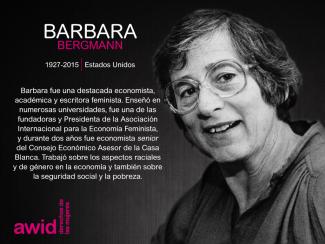
Barbara Bergmann
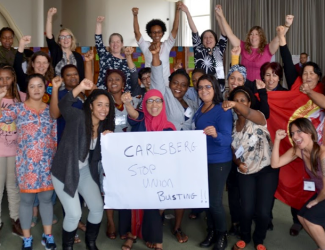
Women human rights defenders (WHRDs) worldwide defend their lands, livelihoods and communities from extractive industries and corporate power. They stand against powerful economic and political interests driving land theft, displacement of communities, loss of livelihoods, and environmental degradation.
Extractivism is an economic and political model of development that commodifies nature and prioritizes profit over human rights and the environment. Rooted in colonial history, it reinforces social and economic inequalities locally and globally. Often, Black, rural and Indigenous women are the most affected by extractivism, and are largely excluded from decision-making. Defying these patriarchal and neo-colonial forces, women rise in defense of rights, lands, people and nature.
WHRDs confronting extractive industries experience a range of risks, threats and violations, including criminalization, stigmatization, violence and intimidation. Their stories reveal a strong aspect of gendered and sexualized violence. Perpetrators include state and local authorities, corporations, police, military, paramilitary and private security forces, and at times their own communities.
AWID and the Women Human Rights Defenders International Coalition (WHRD-IC) are pleased to announce “Women Human Rights Defenders Confronting Extractivism and Corporate Power”; a cross-regional research project documenting the lived experiences of WHRDs from Asia, Africa and Latin America.
"Women Human Rights Defenders confronting extractive industries: an overview of critical risks and Human Rights obligations" is a policy report with a gender perspective. It analyses forms of violations and types of perpetrators, quotes relevant human rights obligations and includes policy recommendations to states, corporations, civil society and donors.
"Weaving resistance through action: Strategies of Women Human Rights Defenders confronting extractive industries" is a practical guide outlining creative and deliberate forms of action, successful tactics and inspiring stories of resistance.
The video “Defending people and planet: Women confronting extractive industries” puts courageous WHRDs from Africa, Asia, and Latin America in the spotlight. They share their struggles for land and life, and speak to the risks and challenges they face in their activism.
Challenging corporate power: Struggles for women’s rights, economic and gender justice is a research paper outlining the impacts of corporate power and offering insights into strategies of resistance.
AWID acknowledges with gratitude the invaluable input of every Woman Human Rights Defender who participated in this project. This project was made possible thanks to your willingness to generously and openly share your experiences and learnings. Your courage, creativity and resilience is an inspiration for us all. Thank you!
Carol Thomas fue una pionera en el trabajo por los derechos sexuales y reproductivos de las mujeres en Sudáfrica. Fue una ginecóloga de gran talento y la fundadora del WomenSpace [EspacioDeMujeres].
No sólo las empleó en su práctica, sino que también abogó por proporcionar formas no tradicionales de asistencia sanitaria a las mujeres, ofreciendo servicios de alta calidad, empáticos y accesibles.
"Ella recibió no sólo la alegría de los embarazos y la llegada de nuevxs bebés, sino también la ansiedad que puede generar la infertilidad, un parto prematuro, el cáncer femenino, así como también la angustia de los abortos espontáneos y lxs mortinatxs". Helen Moffett
Carol pensó en nuevos paradigmas cuyo centro de atención fuesen las necesidades de las mujeres con menor acceso a los servicios y derechos que puede aportar una sociedad:
"El entorno socioeconómico imperante en el que nos encontramos hoy se traduce en una carga desproporcionada de enfermedades y desempleo que las mujeres tienen que soportar... Como mujer negra, desfavorecida en el pasado, tengo una idea clara de lo que está sucediendo en nuestras comunidades". - Carol Thomas
La innovadora y multipremiada empresa social de Carol, "“iMobiMaMa”, utilizaba los quioscos móviles y la tecnología interactiva para conectar directamente a las mujeres con servicios de salud prenatal y reproductiva, información y apoyo en las comunidades de toda Sudáfrica.
Carol apoyó a las mujeres tanto en los embarazos deseados como en los no deseados, y fue mentora de muchxs enfermerxs y doctorxs a lo largo de su vida.
Fue calificada, además, como ginecóloga de referencia "para las personas trans que podían recibir de ella una atención afirmativa. Ella supo cómo manejarse cuando muchas personas no tenían todavía en claro el lenguaje o los pronombres. Sus mantas calientes, su capacidad para escuchar y decir lo que necesitabas oír eran muy reconfortantes." -Marion Lynn Stevens.
Carol Thomas falleció el 12 de abril de 2019 a causa de una serie de complicaciones tras un doble trasplante de pulmón, en el punto más álgido de su carrera profesional.
Los homenajes que llegaron después de su muerte inesperada se refieren a ella de muchas formas: como " modelo a seguir, mujer guerrera, innovadora, líder dinámica, rompe-moldes, dínamo, científica brillante, doctora compasiva".
Sin duda, Carol Thomas será recordada y honrada por ser todo esto y mucho más.
Este año, el Tributo Virtual honra a 7 defensoras de derechos humanos de la región de Asia meridional y Sudeste asiático. Son defensoras que han hecho aportes fundamentales para lograr avances en los derechos humanos y de las mujeres, los derechos de los pueblos indígenas y el derecho a la educación. Estas defensoras se desempeñaron como abogadas, activistas de derechos de las mujeres, académicas y políticas. Únete a AWID para conmemorar a estas defensoras de derechos humanos, su trabajo y su legado, compartiendo los memes aquí incluidos con tus colegas, amistades y redes; y tuiteando las etiquetas #WHRDTribute y #16Días.
Por favor, haz click en cada imagen de abajo para ver una versión más grande y para descargar como un archivo.


✉️ In-person registration is now closed. Sign up for the livestream here
📅 Wednesday, March 12, 2025
🕒 12.00-1.30pm EST
🏢 UNDP, 304 E 45th St. Doha Room, 11th Floor (FF Building)
Organizers: UNDP, Femena, SRI and AWID
What does an AWID Forum mean to those who have been there? What is this magic that happens when feminists from around the world gather to celebrate, strategize, learn and share joy?
AWID spoke to over forty Forum participants to hear their stories of the transformations that happened to them as activists, to their organizations and to the movements they are part of. We also learned about what we should keep and build on that makes an AWID Forum different and how we can improve.
This report holds lessons and advice invaluable to anyone planning in-person regional and thematic convenings and for us as we plan for the 15th AWID International Forum.
par Judyannet Muchiri
Je suis partie pour le Kenya en octobre de l'année dernière, pour entamer ce que j'en suis venue à considérer comme mon travail le plus important à ce jour. (...)
illustration : « Guérir ensemble », par Upasana Agarwal >
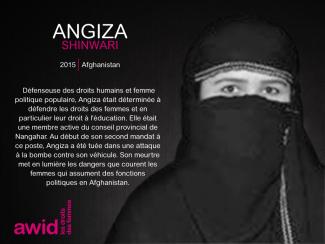
Mereani Naisua Senebici, que l’on appelait aussi « Sua », a été membre de l’Association des jeunes femmes chrétiennes (YWCA) des Fidji pendant de longues années.
En plus d’avoir travaillé avec divers groupes de femmes dans des contextes multiraciaux, ruraux et urbains, elle s’est impliquée dans le soutien et la promotion des droits des femmes et des jeunes femmes.
Au YWCA de Lautoka, elle travaillait avec des femmes d’origine indienne et comptait parmi les pionnières du développement de la pratique sportive et la participation des femmes et athlètes trans localement.
« Les membres du YWCA des Fidji ont profondément aimé Sua pour son dévouement et son soutien inébranlable envers tous les efforts déployés par l’organisation » – Tupou Vere
Mereani faisait partie de la House of Sarah (HoS), une initiative de l’Association of Anglican Women (AAW) lancée en 2009, un organisme de sensibilisation autour des violences basées sur le genre et de soutien des femmes victimes de violence. Ayant commencé sa pratique en tant que bénévole dévouée, elle offrait notamment son soutien aux femmes dans tout le Pacifique.
Mereani s’est éteinte en 2019.
« Une personne qui aimait les gens, qui était présente sur tous les fronts de l’autonomisation des femmes et du travail du mouvement au niveau communautaire. Repose en paix, Sua. » – Tupou Vere
Antes de comenzar a aplicar la metodología de investigación WITM, es importante que te prepares y que sepas con qué te vas a encontrar.
Antes de implementar la metodología de investigación WITM de AWID, te recomendamos que leas el Manual completo.
Si bien el propósito de este Manual es democratizar las investigaciones sobre WITM, tu organización podrá usar esta metodología en la medida de su capacidad, es decir, sus recursos y experiencia en investigación.
Utiliza la Planilla «¿Estoy listx?» para evaluar en qué medida estás preparadx para comenzar la investigación WITM. Cuantas más preguntas de la planilla puedas responder, más preparadx estarás para embarcarte en la investigación.
Antes de comenzar cualquier investigación, te recomendamos evaluar los lazos que tiene tu organización con la comunidad y la confianza que ha generado en ella.
En muchos contextos, algunas organizaciones tal vez no quieran compartir abiertamente información financiera por distintos motivos que van desde la preocupación acerca de cómo se utilizará la información hasta el miedo frente a la «competencia» por el financiamiento o la ansiedad ante las restricciones cada vez mayores que impone el gobierno a las organizaciones de la sociedad civil.
Cuando desarrolles vínculos con otras organizaciones y te pongas en contacto con ellas de manera informal en el estadio previo a dar inicio a la investigación, ser clarx acerca de tus objetivos te ayudará a generar confianza. La transparencia permitirá que quienes participen en la investigación sepan por qué estás recogiendo información y qué beneficios podrá esperar la comunidad de tu trabajo.
Recomendamos asegurarte de que la información se recoja de manera confidencial, preservando el anonimato de quienes respondan. Esto permitirá que lxs participantes se sientan más cómodxs compartiendo información delicada contigo.
También recomendamos que consultes la Planilla «¿Estoy listx?» para evaluar tus avances.
Our first Feminist Film Club program is now available to view: “Tenderness is the Sharpest Resistance” is a film series on Asian/Pacific Feminist Realities curated by Jess X Snow
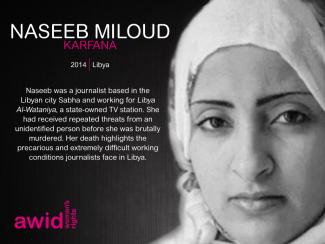
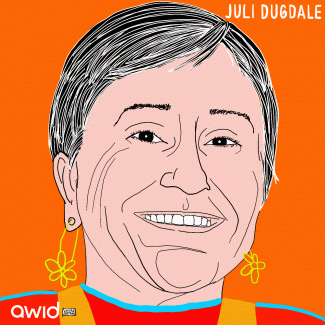
Juli Dugdale was an Australian feminist who practiced intergenerational leadership rooted in principles of feminism, inclusion and equality. She was a leader, peer and mentor for many women and especially young women around the world.
Juli was a dedicated staff member, volunteer and fervent advocate for young women’s leadership with the Young Women's Christian Association (YWCA) movement for over 30 years.
She offered a strong link between the Australian movement and the World YWCA Office. Her trust in the leadership capacity of young women led to a multi-year partnership with the Australian Department of Foreign Affairs and Trade and the creation of the Rise Up manual, a global guide for young women’s transformative leadership, launched in 2018.
Juli passed away in Geneva on 12 August 2019.
“For those who got to work with Juli, it was a privilege. For those who didn’t, be assured that her legacy continues in the work we do every day and in the mission of the YWCA movement.” - YWCA Australia
“Juli Dugdale will forever hold a deep place in many people's hearts in the YWCA movement, especially here in Aotearoa and across the Pacific. Juli had a special relationship with the Pacific and was an incredible supporter of the young women there. She was humble, gracious, loving, caring, dedicated, passionate and had a generous heart. She embodied the YWCA's vision of 'transformative leadership' with extraordinary vision and foresight, and helped empower generations of young women leaders around the world.” - YWCA New Zealand
Esta sección te guiará para garantizar que los resultados de la investigación sean representativos y confiables.
En esta sección:
- Recoge la información
1. Antes de difundir la encuesta
2. La presentación
3. Mientras la encuesta está abierta- Prepara la información para ser analizada
1. Limpia la información
2. Codifica las respuestas abiertas
3. Elimina la información innecesaria
4. Protege la información- Genera el informe de resultados
- Analiza la información
1. Programas estadísticos
2. Puntos sugeridos para el análisis
Si también piensas recoger información de las solicitudes que se envían a las financiadoras, este es un buen momento para ponerte en contacto con ellas.
Considera qué clase de solicitudes quieres analizar. El marco de investigación te ayudará a tomar esta decisión.
Tal vez no necesites ver todas las solicitudes enviadas a una financiadora en particular y te resulte más útil y eficiente consultar solo las que cumplen con los requisitos para ser financiadas (más allá de que finalmente las hayan apoyado o no).
También puedes pedirles a las financiadoras que compartan su información contigo.
Ver un modelo de carta para enviar a las financiadoras
Terminó el plazo para responder la encuesta y cuentas con mucha información. Lo que necesitas ahora es garantizar que sea lo más precisa posible.
Según el tamaño de la muestra y la cantidad de encuestas respondidas, este paso puede tomarte bastante tiempo. Para acelerar el proceso, lo mejor será contar con una buena cantidad de personas con capacidad de prestar atención a los detalles que se puedan encargar de esta tarea, garantizando así una mayor precisión en esta etapa.
Junto con las encuestas, probablemente también hayas recogido información de solicitudes enviadas a las financiadoras. Utiliza este mismo paso para organizar también esa información. No te desalientes si no puedes comparar estos dos conjuntos de datos entre sí. Las financiadoras recogen información que es diferente de la que tú habrás conseguido con las encuestas. En el informe y los productos finales sobre la investigación, podrás analizar y presentar por separado ambos conjuntos de información (la encuesta y la que te proporcionaron las financiadoras).
Existen dos clases de respuestas abiertas que requieren ser codificadas.
Preguntas con respuestas abiertas
Para estas preguntas, necesitarás codificar las respuestas para poder encontrar tendencias.
Algunos problemas que podrás enfrentar en este paso son los siguientes:
Si más de una persona analiza y codifica, tendrás que garantizar la consistencia de la codificación. Por eso recomendamos que incluyas solo una cantidad limitada de preguntas abiertas y que las estas pidan respuestas lo más concretas posibles.
Por ejemplo, si la pregunta abierta es «¿Qué desafíos específicos enfrentaste este año para movilizar recursos?» y algunas respuestas comunes son «falta de personal» o «la recesión económica», tendrás que codificar cada una de ellas para que puedas analizar cuántas veces fueron mencionadas.
Preguntas cerradas
Si ofreciste la posibilidad de agregar comentarios a las respuestas en preguntas cerradas, también necesitarás codificar esas respuestas.
Tal vez en varias preguntas de la encuesta hayas ofrecido la opción de «Otra», que muchas veces viene acompañada de un espacio en blanco para explicar la respuesta.
Tendrás que codificar esas respuestas y para esto dispones de dos opciones:
Analiza la frecuencia de los resultados
Para cada pregunta cuantitativa, puedes optar por eliminar el 5% o el 1% superior o inferior para impedir que los resultados se vean distorsionados por los valores atípicos*. También puedes controlar el efecto distorsionador de los valores atípicos* utilizando la mediana en lugar del promedio. Calcula la mediana ordenando las respuestas y luego eligiendo los valores que queden en el medio. Pero ten en cuenta que los valores atípicos tienen su utilidad. Pueden darte una idea del rango y la diversidad de participantes en la encuesta y tal vez te interese hacer estudios de caso en torno a algunos de esos valores atípicos.
* Los valores atípicos son puntos de referencia mucho mayores o mucho menores que la mayoría. Por ejemplo, imagina que vives en un barrio de clase media donde también vive una familia multimillonaria, y quieres averiguar cuál es el rango de ingresos para las familias de clase media en el barrio. Para eso, tendrás que eliminar el ingreso de la familia multimillonaria del conjunto de datos, porque se trata de un valor atípico. Si no lo haces, el promedio de ingresos de las familias de clase media que viven en el barrio aparecerá como mucho más elevado de lo que es en realidad.
Si encuentras respuestas de grupos que no corresponden a la población que quieres estudiar, elimina sus encuestas. En general puedes identificar a estos grupos por sus nombres o por sus respuestas a las preguntas cualitativas.
Para garantizar la confidencialidad de la información aportada por lxs participantes, en este paso puedes reemplazar los nombres de las organizaciones por un nuevo conjunto de números que identifiquen a cada organización y crear un archivo separado en el que figure la correspondencia entre cada código y la organización a la que identifica.
Junto con el equipo, decide cómo guardar y proteger el documento con los códigos y la información en general.
Una opción podría ser guardar toda la información en una computadora protegida por una clave o en un servidor al que solo pueda acceder el equipo de investigación.
En el informe con los principales resultados, detallarás los porcentajes de respuestas recibidas para cada pregunta de la encuesta. Esto te permite ver la suma total de respuestas.
Consejos:
Ahora que la información está limpia y ordenada, lo que sigue es entender su significado. Esta es la parte más entretenida, en la que comienzas a analizar tendencias.
¿Hay algún tipo de financiadora que se destaca (los gobiernos por encima de las empresas, por ejemplo)? ¿Hay regiones que están recibiendo más financiamiento? La información que recogiste te revelará algunos datos interesantes.
Las muestras más pequeñas (menos de 150 respuestas) las puede analizar la propia organización utilizando una planilla de Excel.
Las muestras más grandes (más de 150 respuestas) las puede analizar la propia organización utilizando Excel si solo van a calcular el total de respuestas, los promedios o cualquier otro análisis simple.
Si piensas hacer análisis más avanzados, como los de variables múltiples, te recomendamos utilizar programas estadísticos como SPSS, Stata o R.
NOTA: SPSS y Stata son caros, pero R es gratis.
Estos tres tipos de programas exigen conocimientos por parte del personal y no es fácil aprender rápido cómo usarlos.
Intenta conseguir pasantes o personal temporario de universidades locales. Muchxs estudiantes deben aprender análisis estadístico como parte de su carrera y tal vez tengan acceso gratuito a programas como SPSS o Stata a través de su universidad. Tal vez también conozcan el R, que se puede descargar y utilizar gratis.

• 1 persona (o más) de investigación
• Traductores de ofrecer encuesta en varios idiomas
• 1 persona (o más) para ayudar en la difusión de la encuesta a la población objetivo
• 1 persona (o más) para la análisis de los datos

GenderJobs.org: This is a platform with a comprehensive list of job opportunities to work on gender equality and LGBTQI+ rights, curated by gender professionals and intersectional feminists who intimately know the sector and are extremely passionate about supporting other gender professionals and anyone who is aspiring to become one! (source: https://genderjobs.org/about)
All our change processes rely on the relationships we build at spaces like the AWID Forums where you dance together, your humour comes through, your real self, you tell stories. That is what makes the difference.
- Nicky Mcintyre, USA