In September 2016, the 13th AWID international Forum brought together in Brazil over 1800 feminists and women’s rights advocates in a spirit of resistance and resilience.
This section highlights the gains, learnings and resources that came out of our rich conversations. We invite you to explore, share and comment!
What has happened since 2016?
One of the key takeaways from the 2016 Forum was the need to broaden and deepen our cross-movement work to address rising fascisms, fundamentalisms, corporate greed and climate change.
With this in mind, we have been working with multiple allies to grow these seeds of resistance:
Movements can also benefit from new methodologies on Visioning Feminist Futures (Coming up soon!)
And through our next strategic plan and Forum process, we are committed to keep developing ideas and deepen the learnings ignited at the 2016 Forum.
What happens now?
The world is a much different place than it was a year ago, and it will continue to change.
The next AWID Forum will take place in the Asia Pacific region (exact location and dates to be announced in 2018).
We look forward to you joining us!
About the AWID Forum
AWID Forums started in 1983, in Washington DC. Since then, the event has grown to become many things to many peoples: an iterative process of sharpening our analyses, vision and actions; a watershed moment that reinvigorates participants’ feminisms and energizes their organizing; and a political home for women human rights defenders to find sanctuary and solidarity.
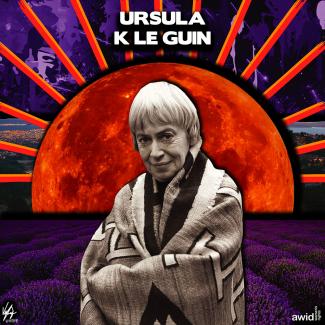
Ursula fue una novelista estadounidense que trabajó principalmente con los géneros de fantasía y ciencia ficción.
Encontró la fama con La mano izquierda de la oscuridad, novela en la cual imagina una sociedad futura donde la gente es ambisexual: no tienen un sexo fijo. Indaga en los efectos del género y el sexo en la sociedad, y fue uno de los primeros grandes libros feministas de ciencia ficción. Ursula fue una inspiración por su escritura subversiva y original y también por los temas sobre feminismo y libertad a los que les daba tanta importancia.
En un discurso que pronunció en 1983 en el Mills College, en California, les dijo a las graduadas: «¿Por qué una mujer libre con formación universitaria debería o luchar contra el macho o servirlo? ¿Por qué ella debería vivir su vida en los términos de él? Espero que ustedes vivan sin la necesidad de dominar y sin la necesidad de ser dominadas».
Nous vous présentons nos prochaines codirectrices exécutives de l'AWID !
Chers mouvements féministes,
C'est avec fierté que je vous présente, au nom du conseil d'administration de l'AWID, les prochaines codirectrices exécutives de l'AWID : Faye Macheke et Inna Michaeli!
Faye Macheke est une féministe panafricaine passionnée, engagée dans les mouvements pour les droits des femmes, la justice raciale, les droits des migrant·e·s et des travailleur·euse·s, et la justice environnementale. Son activisme s'appuie sur l'héritage de la lutte contre l'apartheid en Afrique du Sud et sur les séquelles qu’elle a laissées au Zimbabwe. En 2019, Faye a rejoint l'AWID en tant que directrice des finances, des opérations et du développement. Elle y apporte une grande expérience du leadership féministe, de la stratégie et de tous les aspects du développement organisationnel. Faye est une membre engagée du conseil d'administration d'UAF-Africa et d'autres organisations de défense des droits des femmes. Elle est basée au Cap, en Afrique du Sud.
Inna Michaeli est une activiste et sociologue féministe lesbienne queer comptant de nombreuses années d'engagement profond dans les luttes féministes et LGBTQI+, l'éducation politique et l'organisation par et pour les femmes migrantes, ainsi que la libération de la Palestine et la solidarité avec cette dernière. Inna a rejoint l'AWID en 2016 et occupé différents postes, dont celui de directrice des programmes plus récemment. Elle bénéficie d'une grande expérience dans la recherche et le renforcement des connaissances, le plaidoyer politique et le développement organisationnel. Inna fait partie du conseil d'administration de Jewish Voice for Peace - Allemagne. Elle est basée à Berlin, en Allemagne.
Cette décision est le résultat d'un processus rigoureux mené avec la pleine participation du conseil d’administration et du personnel de l'AWID. Le conseil d’administration a reconnu et honoré les compétences et les talents du personnel de l'AWID en ouvrant une recherche d'embauche interne. Deux candidates brillantes, qui incarnent l'intégrité, l'éthique du soin et les valeurs féministes intersectionnelles à la base du travail de l'AWID, ont ainsi postulé ensemble en tant qu'équipe. Faye et Inna ont présenté une vision courageuse et passionnante pour faire face aux défis de notre époque : construire une communauté féministe mondiale, combattre et perturber les systèmes d'oppression, et soutenir les mouvements féministes pour qu'ils prospèrent.
En cette année de célébration des 40 ans de l'AWID, nous sommes ravi·e·s qu'Inna et Faye prennent la direction conjointe de l'AWID de notre prochaine stratégie et d’une nouvelle phase : évoluer, repousser nos limites et soutenir les mouvements féministes dans le monde entier.
La désignation des codirectrices exécutives de l'AWID et le soutien qui leur est apporté pour diriger l'organisation est une responsabilité fiduciaire que nous prenons au sérieux en tant que conseil d’administration. La façon dont nous nous engageons dans ces processus reflète également la diversité et l'excellence des membres de l'AWID, qui élisent le conseil d'administration de l'AWID.
Alors que nous disons au revoir à Cindy et Hakima, nous, le conseil d’administration, accueillons à l'unanimité et avec enthousiasme Faye et Inna en tant que nos nouvelles codirectrices à compter du 5 septembre 2022. Ne manquez pas d'autres mises à jour sur la transition de notre direction dans les mois à venir.
Merci infiniment pour votre soutien indéfectible!
Dans la solidarité et l'amour féministes, Margo Okazawa-Rey
Présidente du conseil d’administration de l’AWID
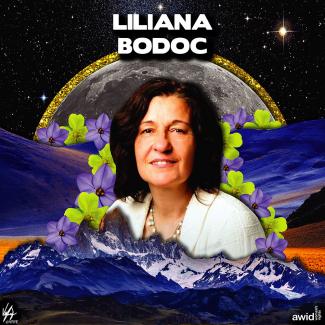
Liliana était enseignante argentine, tisseuse et également une écrivaine reconnue.
Sa trilogie « La saga des confins » a reçu plusieurs prix. Son œuvre est la seule dans le domaine littéraire fantastique à avoir eu recours et ré-imaginé la mythologie autochtone sud-américaine.
L’engagement de Liliana envers le féminisme s’est exprimé à travers les voix féminines diverses, riches et fortes de ses écrits, et en particulier dans le cadre de ceux à destination du jeune public. Elle a également pris position publiquement en faveur de l'avortement, de la justice économique et de l’égalité de genre.
Snippet Forum Quoate Sara Abu (ES)
El Foro es un ejemplo vivo de lo que el más grande NOSOTRXS podemos hacer. Vamos al Foro, somos semillas, luego nos sembramos. Esto lo tenemos que celebrar. - Sara Abu Ghazal, Líbano
تحذير: عنف ضد المرأة و البنت (لانو في فرق بيناتهم) ، اعتداء.
لطالما كنت جزء منك. لما كنت صغيرة لم أكن أعرف أن كلمة - نسوية - مقصودة لنا نحن ، الي نطمح إلى التغلب على النظام الأبوي وتفكيكه ، الي نلتمس اللجوء في أحضان الشمول والنسوية التقاطعية ، الي يعاملو الناس على قدم المساواة بغض النظر عن جنسهم ، عرقهم، توجهاتهم الجنسية أو دينهم ، الي يحبو يكونوا أفضل ويستخدموا صلاحياتهم لرفع مستوى الآخرين.
كان عمري 14 سنة ،لما اعتدى مدرس اللغة الفرنسية في المدرسة الإعدادية على طالبة في صفي ، رجل يبلغ طوله ستة أقدام و عمره ثلاثين عامًا. ذهبت مع الطالبة ، التي كانت صديقة طفولتي ، والعديد من الفتيات في صفي إلى مدير المدرسة للإبلاغ عنه ، وشهد الفصل بأكمله المكون من 30 طالبًا عن الاعتداء. لكن كل محاولاتنا لمحاسبته باءت بالفشل ، وغطت الإدارة قصة الفتاة ولم يُطرد مدرس الفرنسية. أنا والفتيات في صفي شعرنا بغضب كبير، لذلك فعلنا ما كانت ستفعله كل ناشطة نسوية في مراهقته:رمينا بيض علي سيارته! وعلى الرغم من أن البيض بيتغسل بسهولة ، إلا أن الطلاء الذي استخدمناه في كتابة "خنزير" و "خماج" بقى. لن أنسى أبدًا كيف شعرنا بهداك الوقت. متحررات ، غاضبات ، سعيدات ، متماسكات ، وجبارات.منذ ذلك الحين، نفس الشعور يتكرر في كل بيئة نسوية كان لي الشرف ان احضر فيها. نشأت الناشطة النسوية في داخلي لتنضم إلى Women Deliver ، و AWID ، و Unootha ، ولتنسق ورش نسوية في الجامعة ، بل وتتعرض للاضطهاد بسبب انتمائي النسوي في سن التاسعة عشرة ، لكن هذه قصة أخرى لرسالة أخرى.
توفر لي المساحات النسوية الأمان والتمكين. تلك المساحات هن الأمهات اللواتي تمنينهم والرابط الذي كنا بحاجة إليه للتواصل مع بعضنا وتنظيم أنفسنا على الرغم من خلافاتنا ضد عدو مشترك، الباترياركية. من خلالك تعلمت أن أجمع نقاط قوتي ومهاراتي وأوجههم نحو النهوض بالآخرين وإبراز المهمشين وإعطاء صوت لمن لا صوت لهم.
أكثر ما أحبه فيك ، هو أنك تخطئين أحيانًا ، وتتجاهلين وتهمشين أيضًا ، ولديك تحيزات كما لدى كل حركة أخرى ، لكن ما يجعلك مختلفًتن هو أنكي تسعين دائمًا إلى أن تكوني أفضل. المساءلة ليست شيئًا يرعبكي وأنت حركة دائمة التغير تعكسين كيف يتغير العالم والعمل الخيري في جهود المساواة مع مرور الوقت.
أتمنى أن تنمي دائمًا ، أن تفعلي ما هو أفضل ، وأن تغضبي دائمًا ، وأن تزأري دائمًا ، وأن تحبي دائمًا ، أن تتحدثي بلغات مختلفة ، وأن تكوني دائمًا في السلطة.
Notre programme final du Feminist Film Club est maintenant disponible: « Films from Nuestramérica » est une série de films sur les réalités féministes d'Amérique latine et d'Amérique centrale organisée par Alejandra Laprea (Venezuela).
GenderJobs.org:This is a platform with a comprehensive list of job opportunities to work on gender equality and LGBTQI+ rights, curated by gender professionals and intersectional feminists who intimately know the sector and are extremely passionate about supporting other gender professionals and anyone who is aspiring to become one! (source: https://genderjobs.org/about)
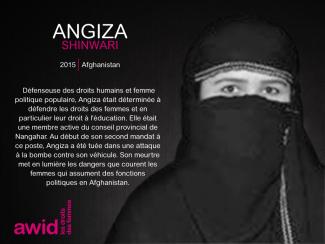
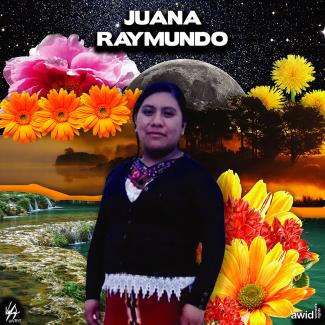
Juana was an Indigenous Mayan Ixil, professional nurse and coordinator of the Farmers’ Development Committee (Comité de Desarrollo Campesino – CODECA).
CODECA is a human rights organisation of Indigenous farmers dedicated to promoting land rights and rural development for Indigenous families) in the Nebaj Quiché micro-region. She first joined CODECA as a member of its youth branch (Juventud de CODECA). At the time of her death had been elected to be part of the Executive Committee of the Movement for the Liberation of Peoples (MLP).
Juana’s body was found by neighbours by a small river on the road near Nebaj and Acambalam Village, Guatemala. According to CODECA, her body showed signs of torture.
Qu'est-ce que le Forum international de l'AWID ?
Le Forum international de l’AWID est un événement phare que l’association organise tous les trois ou quatre ans. C'est la plus importante manifestation au monde entièrement consacrée aux mouvements féministes et de justice de genre dans toute leur diversité. Il s'agit d'un rassemblement mondial qui réunit activistes féministes, mouvements alliés, universitaires, bailleurs de fonds et décideur·e·s politiques. Les forums se tiennent successivement dans différentes régions et différents pays du sud mondial.
Bonjour encore, et encore, et encore. Je vous connais et je vous aime depuis le début de ma vie d’adulte, depuis que je vous ai réellement rencontrés, dès la fin de mes études universitaires. Je ne vous avais vus qu’à une seule reprise avant cela. Cette fois où vous êtes apparus en tant que Betty Friedan dans une émission de télé locale dans le Midwest, à la fin des années 1960. À l’époque, Mme Wells, mon autre mère, et moi-même avions commenté les idées folles et tirées par les cheveux de cette femme qui essayait de nous convaincre. Depuis, des décennies et des décennies après, je continue à tomber éperdument en amour avec vous, mes adorés, et je comprends et j’assiste à votre érudition théorique, votre autorité éthique et morale, votre créativité, votre joie, et votre amour, avant tout. Près de 60 ans plus tard, je sais que nous sommes ensemble pour l’éternité.
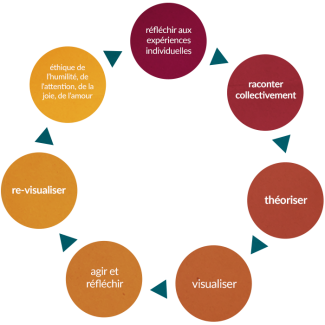
Les premières années de notre relation étaient pas mal. J’étais plutôt tournée vers moi-même – j’essayais de comprendre mon identité raciale, de genre et sexuelle; j’essayais de définir mes opinions politiques, mes valeurs essentielles et mon éthique; et de terminer mes études universitaires – et vous m’apportiez plusieurs contextes, des lieux de réflexion intellectuelle où l’on pouvait passer, et des environnements réconfortants et accueillants où, et grâce auxquels j’ai pu façonner les fondations de l’être humain et féministe que j’allais devenir.
Le mouvement de femmes principalement blanches de Cambridge et de Boston, et notamment les Filles de Bilitis, a été mon point de départ. Ça me convenait à l’époque mais j’ai rapidement pris conscience que je désirais quelque chose de plus. Pouf! Comme par magie (heureux hasard), je suis entrée en contact avec un petit groupe de femmes lesbiennes radicales, anti-impérialistes, noires et socialistes, et nous allions rapidement devenir le Combahee River Collective.
Cette première expérience du Collectif, combinée aux dures leçons de vie et particulièrement les politiques raciales d’immigration afro-américaines/coréennes du début des années 1990 aux États-Unis, m’ont préparée à une trajectoire au bout de laquelle je me suis identifiée et je travaille en tant que féministe transnationale contre le militarisme, et par laquelle je m’efforce d’imaginer d’autres mondes dans lesquels tous les êtres humains s’épanouiront.
Les deux moments cruciaux de mouvement de femmes suivants sont venus pour moi des décennies après mes années avec le collectif, mais étaient néanmoins profondément liés. Le premier a été de rencontrer et d’être invitée au mouvement féministe coréen qui s’organisait contre les bases militaires américaines et qui soutenait les « femmes kijichon », les femmes coréennes dont les vies, y compris pour certaines avec des enfants métis, tournaient de diverses manières autour du service au personnel militaire américain dans les villages et les villes adjacentes aux bases. Des féministes coréennes adorées, et particulièrement Kim Yon-Ja et Ahn Il-Soon, les premières sœurs que j’ai rencontrées et avec qui j’ai travaillé, m’ont fait voir et comprendre l’importance essentielle de la nation en tant que principe d’analyse et d’organisation. Le point culminant a été de vivre et de travailler en Palestine occupée. La regrettée Maha Abu-Dayyeh m’a présentée au mouvement des femmes palestiniennes, avec un commentaire profond : « tu peux quitter la Palestine, mais la Palestine ne quittera jamais ». C’est tellement vrai. Et ensuite, tout mon travail et mes expériences par-delà de nombreuses frontières m’ont portée jusqu’à l’AWID - ma deuxième maison.
Comme vous le savez, mes adorés, être avec vous n’a pas été facile ni simple. En effet, vous êtes exigeants, constamment pleins de contradictions, et parfois même blessants. Néanmoins, vous continuez à vous développer et à croître, à mesure que vous soutenez mon développement et ma croissance politiques, émotionnels et spirituels. Je suppose qu’on se fait croître mutuellement - un processus très profond auquel je dédierai le reste de mon temps sous ma forme actuelle.
La constante d’avoir été avec vous toutes ces décennies est celle-ci :
Des féministes qui mobilisent collectivement les têtes, les cœurs, les mains et les esprits pour transformer nos mondes
Avec tout mon amour et plus, mouvements féministes!
Votre Margo
AKA DJ MOR Move and Joy
Wellfleet, Massachusetts, États-Unis
Check out the AWID Feminist Film Club program “Holding up the Skies” - a film series on Feminist Realities from Africa and the African Diaspora curated by Gabrielle Tesfaye