Priority Areas

Supporting feminist, women’s rights and gender justice movements to thrive, to be a driving force in challenging systems of oppression, and to co-create feminist realities.

Movement Building

Related Content

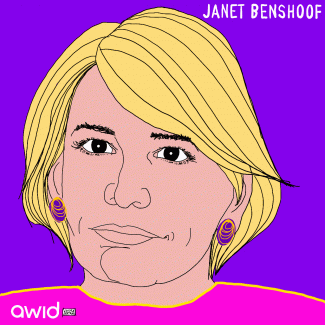
Janet Benshoof

Janet Benshoof was a human rights lawyer from the United States and an advocate for women’s equality, sexual and reproductive rights.

She campaigned to broaden access to contraceptives and abortions across the world, and battled anti-abortion rulings and in the American territory of Guam. She was arrested in 1990 for opposing her country’s most restrictive abortion law, but won an injunction at the local court in Guam that blocked the law and eventually won at the Ninth Circuit Court of Appeals, striking down the law for good.

“The women in Guam are in a very tragic situation. I never intend to be quiet about that.” - Janet Benshoof for People Magazine

Janet established landmark legal precedents including the US Food and Drug Administrations’ approval of emergency contraception, as well as the application of international law to ensure the rights of rape victims in the Iraqi High Tribunal’s prosecution of Saddam-era war crimes. 

Janet was President and founder of the Global Justice Center, as well as founder of the Center for Reproductive Rights, the world’s first international human rights organization focused on reproductive choice and equality. She served 15 years as Director of the American Civil Liberties Union’s Reproductive Rights Project, where she spearheaded litigation shaping US constitutional law on gender equality, free speech, and reproductive rights.

“Janet was known for her brilliant legal mind, her sharp sense of humor, and for her courage in the face of injustice.” - Anthony D. Romero

Named one of the “100 Most Influential Lawyers in America” by the National Law Journal, Janet was the recipient of numerous awards and honors. 

She was born in May 1947 and passed away in December 2017. 

อะไรคือเกณฑ์ในการคัดเลือกกิจกรรม

สำหรับข้อมูลด้านนี้สามารถอ่านรายละเอียดได้ที่ เปิดรับสมัครกิจกรรม รวมถึงข้อมูลในหัวข้อ “สิ่งที่คุณต้องรู้”

Manal Tamimi | Snippet EN

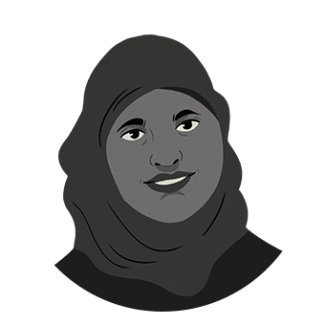
Portrait Manal Tamimi

Manal Tamimi is a Palestinian activist and human rights defender. She is a mother of four who holds a master’s degree in international humanitarian law. Due to her activism, she was arrested three times and got wounded more than once, including with live explosive bullets which are banned internationally. Her family is also a target: her children have been arrested and wounded with live ammunition more than once. The last incident was an assassination attempt of her son Muhammad who was shot in the chest, near the heart, a few weeks after his liberation from the occupation prisons where he had spent two years. Her philosophy on life: if I have to pay the price for being a Palestinian and not for a crime I have committed, I refuse to die in silence.

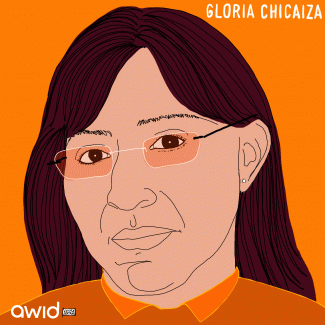
Gloria Chicaiza

Gloria Chicaiza, an Ecuadorian social and environmental activist, was a fervent defender of land and water. She defied the status quo, fighting against a model of development based on extraction and worked tirelessly for ecological justice and the rights of communities affected by mining.  

In diverse areas of Ecuador, Gloria was part of resistance actions in favour of protecting the ecosystem. With passion and dedication, Gloria supported the indigenous and environmental movement, its communities and organizations who oppose mining projects and protect their territories and collective life projects. She spoke out, in local and international foras, against the criminalization of dissent and resistance, the pressure and violence being enacted against community activists, in particular, women human rights defenders and in support of community led efforts for food sovereignty and sustainability

She was the Mining Justice Coordinator at Acción Ecológica, member of the Latin American Network of Women Defenders of the Social and Environmental Rights and a Board member at the Observatory of Mining Conflicts of Latin America.

In October 2010, Gloria was accused by the mining company Curimining / Salazar Resources S.A. (with Headquarters in Vancouver, Canada) of sponsoring an act of terrorism, sabotage and illegal association to commit a crime. Acción Ecológica believed this to be “in retaliation for her work of denouncing the impacts of mining activities in the country.”

In 2014, Gloria supported the coordination of a delegation to the UN COP 20 Dialogue on Climate Change. The group consisted of 25 Indigenous women from Latin America.

Gloria passed away due to complications from a lung transplant on December 28, 2019. She is remembered for her resistance and tireless work. 

"The fastest way to achieve sustainability is still resistance." -  Gloria Chicaiza (2010 interview)


Tributes:

“Para GLORIA. GLORIA Agua. GLORIA Tierra. GLORIA Madre. GLORIA Revolución. GLORIA Hermana. GLORIA Cielo. GLORIAmiga. GLORIAstral. Thank you for weaving us together.” -Liliana Gutierrez

“Thank you Glorita, for sustaining hope, for keeping the fabric strong, for connecting the community, for the united hands, for solidarity, thank you Glorita for standing with us in the most difficult moments. Thank you for teaching us that throughout life, nobody gets tired.” (Chakana News)

“Gloria Chicaiza cherished and flourished in being one of many. And as humble as she was, she had an uncanny ability to lead and maintain a steady and thunderous beat, a life-affirming pulse that guided, mobilized, and inspired communities and networks in the protection of Mother Earth. She denounced all forms of violence against cuerpos-territorios. She endorsed el buen vivir.” - Gabriela Jiménez, Latin America Partnerships Coordinator, KAIROS

“Thank you Gloria Chicaiza from infinity we are sure that you will continue to support our struggle. You who continued to struggle with us despite your failing health. You will live on in the forests and the water that you defended with such courage. You will live on in our hearts.”- The community of Intag in Ecuador

Read more Tributes to Gloria
 

CFA FAQ - Travelling to Bangkok - Thai

การเดินทางไปยังกรุงเทพมหานคร

Mariam Mekiwi | Snippet EN

Mariam Mekiwi Portrait

Mariam Mekiwi is a filmmaker and photographer from Alexandria and living and working in Berlin.

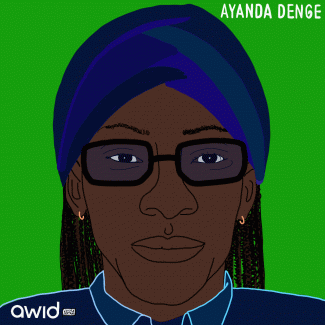
Ayanda Denge

“I am a wonder… Therefore I have been born by a mother! As I begin to stutter, my life has been like no other…” - Ayanda Denge  (read the whole poem below)

Ayanda Denge was a transwomxn, sex worker, activist, poet. She was Xhosa, from Port Elizabeth in the Eastern Cape of South Africa. After travelling through different cities of the country, she moved to Cape Town. 

As a committed and fervent social justice activist, she fought for the rights of sex workers, trans persons, and for those of people living with HIV and AIDS. She was also a motivational speaker on cancer awareness, and campaigned for affordable and social housing, especially for poor and working-class people. Ayanda stood tall as a mountain against different and often abusive faces of discrimination. 

“Being transgender is not a double dose, but it’s a triple dose of stigmatisation and discrimination. You are discriminated against for your sexual identity, you are discriminated against for your work, and you are discriminated against for your HIV status.” - Ayanda Denge, 2016

She was acting chairperson at the Sex Workers Education and Advocacy Taskforce (SWEAT) and also worked as an Outreach Coordinator at Sisonke, a national sex workers’ movement in South Africa. 

“From us, from our regional head office, to SWEAT where I sit on the board, to Sisonke, a movement of sex workers in Cape Town. We all amalgamate, we have one cry and it’s a cry that is recognised internationally by international sex workers. We want decriminalisation of sex work.” - Ayanda Denge, 2016

She lived in the Ahmed Kathrada House, which was being occupied by the Reclaim the City campaign for social housing. In 2018, Ayanda was elected house leader. On 24 March 2019, she was stabbed to death in her room. The year prior, another resident was killed.

Reclaim the City draws a connection between the safety of the house residents and the Provincial Government withholding electricity and the human right to water: 

“We cannot separate the safety of women and LGBTQI people living in the occupation from the refusal by the Western Cape Provincial Government to turn the electricity and water back on at Ahmed Kathrada House.

The house is pitch black at night. We need lights to keep each other safe. It is as if the Province wishes to punish poor and working class people, whose only crime is that we needed a home. While they may disagree with our reasons for occupying, they should be ashamed of themselves for putting politics before the safety and dignity of residents of this city.

Rest in Peace comrade Ayanda Denge, we shall remember you as we carry the torch forward in the struggle for decent well-located housing.”

Poem by Ayanda: 

I am a wonder…
Therefore I have been born by a mother!
As I begin to stutter,
My life has been like no other.
Born in pain
Nourished by rain
For me to gain
Was living in a drain.
As I shed a tear
I stand up and hold my spear.
Voices echo, do not fear
Challenges within a year,
Challenges of hurt are on my case;
Community applauds as they assume I have won my race;
But in reality my work strides at a tortoise pace;
On bended knee I bow and ask for grace.
For the Lord
Is my Sword;
To remind humanity
That he provides sanity.
Why Lord am I this wonder?
The Lord answers me with the rain and thunder,
For questioning my father
Who has in the book of lambs
A name called Ayanda.
From the streets my life was never sweet
The people I had to meet;
At times I would never greet;
Even though I had to eat;
I’d opt to take a bow
Rather than a seat

Listen to the poem in Ayanda’s voice

“For my life represents that of a lotus flower, that out of murky and troubled waters I bloomed to be beautiful and strong...” - Ayanda Denge, watch and listen 


Tributes: 

“Ayanda, I want to say to you that you are still a survivor, in our hearts and minds. You are gone but you are everywhere, because you are love. How beautiful it is to be loved, and to give love. And Ayanda, that is the gift that you have given us. Thank you for all of the love, we truly did need you. Going forward, I promise to you that we will all commit to continue with the struggle that you have dedicated so much energy and your time to. And we will commit ourselves to pursuing justice in this awful ending to your life.” - Transcript of a message, in a farewell Tribute to Ayanda

“Ayanda was an activist by nature. She knew her rights and would not mind fighting for the rights of others. For me, it was no shock that she was involved with many organizations and it was known that she was a people’s person. It did not need to be the rights of LGBTI but just the rights of everyone that she stood for.” - Ayanda’s sister
 

ماذا عن العدالة المناخية، هل هذا حقًا هو الوقت المناسب للعديد من الرحلات الجوية الدولية؟

ونحن نسأل أنفسنا نفس السؤال، ونعتقد أنه لا توجد إجابات بسيطة. بالنسبة للعديد من المشاركين/ات، قد يكون منتدى جمعية حقوق المرأة في التنمية (AWID) أحد الرحلات الدولية القليلة التي يقومون بها في حياتهم/ن. علمتنا الجائحة الإمكانيات والقيود التي تفرضها المساحات الافتراضية لبناء الحركة: لا يوجد شيء أفضل من الاتصال الشخصي. تحتاج الحركات إلى التواصل عبر الحدود لبناء قوتنا الجماعية في مواجهة التهديدات التي نواجهها، ولا سيما أزمة المناخ. نعتقد أن منتدى حقوق المرأة في التنمية القادم يمكن أن يكون مساحة استراتيجية لعقد هذه المحادثات واستكشاف بدائل للسفر الدولي. ويشكل العنصر المختلط للمنتدى جزءًا مهمًا من هذا الاستكشاف.

Hospital | Content Snippet EN

“Now might be a good time to rethink what a revolution can look like. Perhaps it doesn’t look like a march of angry, abled bodies in the streets. Perhaps it looks something more like the world standing still because all the bodies in it are exhausted—because care has to be prioritized before it’s too late.” 
- Johanna Hedva (https://getwellsoon.labr.io/)

Hospitals are institutions, living sites of capitalism, and what gets played out when somebody is supposed to be resting is a microcosm of the larger system itself. 

Institutions are set out to separate us from our care systems – we find ourselves isolated in structures that are rigidly hierarchical, and it often feels as if care is something done to us rather than given/taken as part of a conversation. Institutional care, because of its integration into capitalist demand, is silo-ed: one person is treating your leg and only your leg, another is treating your blood pressure, etc. 

Photographer Mariam Mekiwi had to have surgery last month and documented the process. Her portraits of sanitized environments – neon white lights, rows after rows of repetitive structures – in a washed-out color palette reflect a place that was drained of life and movement. This was one of the ways Mariam kept her own spirit alive. It was a form of protest from within the confines of an institution she had to engage with.

The photos form a portrait of something incredibly vulnerable, because watching someone live through their own body’s breakdown is always a sacred reminder of our own fragility. It is also a reminder of the fragility of these care systems, which can be denied to us for a variety of reasons – from not having money to not being in a body that’s considered valuable enough, one that’s maybe too feminine, too queer or too brown.  

Care experienced as disembodied and solitary, that is subject to revocation at any moment, doesn’t help us thrive. And it is very different from how human beings actually behave when they take care of each other. How different would our world look like if we committed to dismantling the current capitalist structures around our health? What would it look like if we radically reimagined it?

Snippet - CSW68 - Feminist Community Evening - EN

🎤AWID's Feminist Community Evening

a gathering for feminist activists attending CSW68

(with special guests!)

📅Tuesday, March 12
🕒6-9.30pm EST

🏢 Blue Gallery, 222 E 46th St, New York

RSVP required

Snippet Kohl - Panel | Liberated Land & Territories | AR

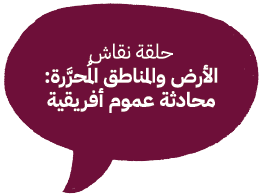
Speech bubble: Panel liberated land and territories

حلقة نقاش | الأرض والمناطق المُحرَّرة: محادثة عموم أفريقية 
مع لوام كيدان ومريامة سونكو ويانيا صوفيا غرسون ڤالنسيا ونوسمة سيزاني

YOUTUBESOUNDCLOUD

Snippet - WITM To Strengthen - EN

To strengthen our collective voice and power for more and better funding for feminist, women's rights, LBTQI+ and allied organizing globally

#5 - Sexting like a feminist Tweets Snippet AR

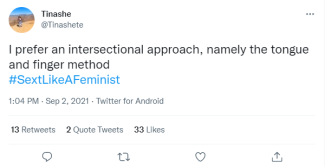
تقديم تحليل كفء للأجساد البحثيّة، يستوجب بالضرورة تسخيرًا شاملا لكافّة الأدوات الحميميّة…

Image of a tweet. Text says: I prefer an intersectional approach, namely the tongue and finger method.

أفضّل المقاربة التقاطعيّة لما تشتمل عليه من مداعبة ممنهجة باللسان والأصابع

Why should I consider responding to the survey?

There are many reasons why your response to the WITM survey matters. The survey offers the opportunity to share your lived experience of mobilizing funding to support your organizing; claim your power as an expert on how money moves and who it reaches; and contribute to collective and consistent advocacy to funders moving more and better funding. Over the last two decades, AWID’s WITM research has proven to be a key resource for activists and funders. We wholeheartedly invite you to join us in its third iteration to highlight the actual state of resourcing, challenge false solutions, and point out how funding must change for movements to thrive and meet the complex challenges of our times.

Our partners

This project is built in collaboration with:

Logo for African Women's Development and Communication Network
Logo for Rutgers Center for Women's Global Leadership

Should I do any preparation to respond to the survey?

As the WITM survey is focused on resourcing realities for feminist organizations, most questions ask about your group’s funding between 2021–2023. You will need to have this information with you to fill out the survey (e.g., your annual budgets and key sources of funding).

Snippet - Intro WITM - RU

Основываясь на 20-летней истории привлечения более объемного и качественного финансирования для достижения социальных изменений под руководством феминисток(-ов), AWID приглашает вас принять участие в новом опросе: 

«Где же деньги для феминистских объединений?»

(далее – «Где деньги?»)

Пройти опрос!Руководство

Пожалуйста выберите язык, на котором вы хотите отвечать на вопросы в правом верхнем углу страницы

Snippet - WITM to claim - PT

Para reivindicar o seu poder como especialista sobre o estado dos recursos de movimentos feministas;

Snippet - WITM Survey will remain open - PT

A pesquisa está disponível até 31 de julho de 2024

Participe da pesquisa!

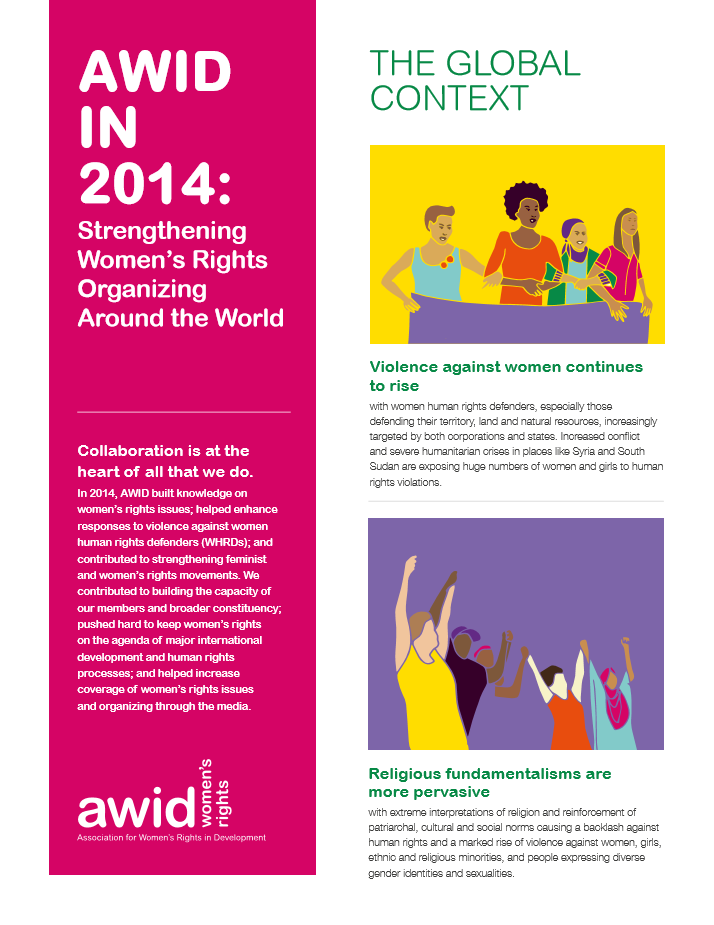
AWID IN 2014: Strengthening Women’s Rights Organizing Around the World

AWID is very pleased to share our 2014 Annual Report.

From building knowledge on women’s rights issues to amplifying responses to violence against women human rights defenders (WHRDs), our work last year continued to strengthen feminist and women’s rights movements across the world.

Get learn how we built the capacity of our members and broader constituency, pushed hard to keep women’s rights on the agenda of major international development and human rights processes, and helped increase coverage of women’s rights issues and organizing through the media. You'll find a panoramic sampling of our projects and some concrete numbers demonstrating our impact.

Collaboration is at the heart of all that we do, and we look forward to another year of working together to take our movements to the next level.


A sneak peak inside the report

Despite an increasingly challenging panorama, there are important signs of hope for advancing women’s rights agendas. Women’s rights activists remain crucial in creating openings to demand structural change, sustaining their communities, opposing violence and holding the line on key achievements. And there are important opportunities to influence new actors and to mobilize greater resources to support women’s rights organizations.

In this context, strong collective action and organizing among women’s rights activists remains essential.

Our impact

  • We built knowledge on women’s rights issues
  • We strengthened our online community
  • We helped improve responses to violence against WHRDs
  • We strengthened movement  building through collaborative working processes
  • We pushed hard to keep women’s human rights on the agendas of major international development processes
  • We helped women’s rights organizations better influence donors and increased visibility and understanding of women’s rights organizations among the donor community
  • We contributed towards increased and improved coverage of women’s rights issues and organizing in mainstream media

I am sincerely thrilled  by AWID’s accomplishments since 1982 and hope to be able to pay at least a modest contribution to its hard work for the benefit of women  and situation of gender equality.”  — Aleksandra Miletic-Santic, Bosnia Herzegovina

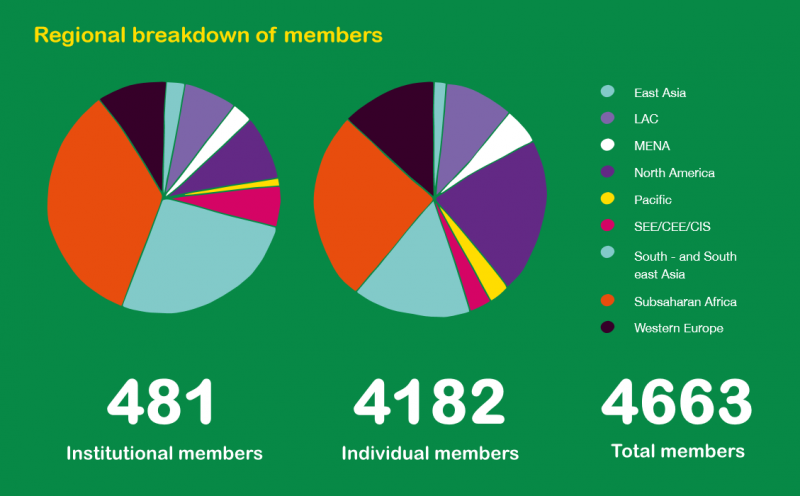
Our Members


Read the full report