AWID es un organización feminista internacional de membresía, que brinda apoyo a los movimientos que trabajan para lograr la justicia de género y los derechos de las mujeres en todo el mundo.
Confrontando al extractivismo y al poder corporativo
Defensoras de derechos humanos de todo el planeta defienden sus tierras, medios de subsistencia y sus comunidades ante las industrias extractivas y el poder corporativo. Ellas hacen frente a fuertes intereses económicos y políticos que promueven el robo de tierras, el desplazamiento de comunidades, la pérdida de los medios de subsistencia y la degradación del medioambiente.
¿Por qué resistir a las industrias extractivas?
El extractivismo es un modelo económico y político de desarrollo que mercantiliza la naturaleza y prioriza la ganancia por sobre los derechos humanos y el medioambiente. Arraigado en la historia colonial, refuerza las desigualdades sociales y económicas tanto a nivel local como global. Muchas veces, las mujeres negras, rurales e indígenas son las más afectadas por el extractivismo, y además son notablemente excluidas de la toma de decisiones. Desafiando estas fuerzas patriarcales y neocoloniales, las mujeres se alzan en defensa de los derechos, las tierras, las personas y la naturaleza.
Riegos críticos y violencia específica de género
Las defensoras que enfrentan a las industrias extractivas, experimentan una diversidad de riesgos, amenazas y violaciones, incluidas la criminalización, la estigmatización, la violencia y laintimidación. Sus historias dan cuenta de marcados aspectos de violencia sexual y de género. Entre los perpetradores se incluyen autoridades estatales y locales, las corporaciones, la policía, el ejército, las fuerzas paramilitares y de seguridad privada, y en algunos casos, sus propias comunidades.
Actuar juntxs
AWID y la Coalición Internacional de Mujeres Defensoras de Derechos Humanos (WHRDIC por su sigla en inglés) tienen el placer de anunciar «Defensoras de derechos humanos confrontado al extractivismo y al poder corporativo»; un proyecto interregional de investigación que documenta las experiencias vividas por las defensoras de Asia, África y América Latina.
Alentamos a activistas, integrantes de movimientos sociales, la sociedad civil organizada, donantes y responsables de políticas públicas, a leer y utilizar estas producciones para el trabajo de incidencia, con fines educativos y como fuente de inspiración:
AWID reconoce con gratitud las invaluables contribuciones de cada Defensora de Derechos Humanos que ha sido parte de este proyecto. Esta guía ha sido posible gracias su generosidad y apertura al compartir sobre sus experiencias y lecciones. Su coraje, creatividad y resiliencia son una inspiración para todxs nosotrxs. ¡Muchas gracias!
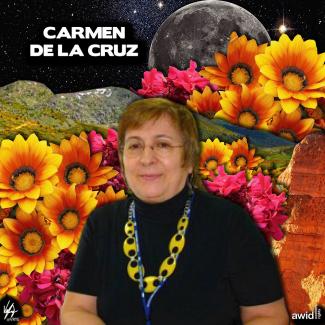
Carmen tuvo una larga carrera en la defensa de los derechos de las mujeres tanto en organizaciones no gubernamentales como en el sistema de las Naciones Unidas.
Dio clases en varias universidades españolas y latinoamericanas y publicó numerosos artículos e informes sobre mujeres, género y paz en países en desarrollo. Sus escritos y reflexiones críticas repercutieron en toda una generación de mujeres jóvenes.
En sus últimos años, fue responsable del Área Práctica de Género en el Centro Regional para América Latina del Programa de las Naciones Unidas para el Desarrollo (PNUD), desde donde apoyó iniciativas muy valiosas en favor de la igualdad de género y los derechos humanos de las mujeres.
Our values - Human Rights
Derechos humanos
Sostenemos la completa aplicación del principio de derechos, incluidos aquellos consagrados en leyes internacionales, y afirmamos la convicción de que todos los derechos humanos están interrelacionados y son interdependientes e indivisibles. Estamos comprometidxs a trabajar por la erradicación de todas las discriminaciones basadas en el género, la sexualidad, la religión, la edad, la capacidad, la etnia, la raza, la nacionalidad, la clase, u otros factores.
Sosteniendo los cielos
Un ciclo de cine sobre realidades feministas de África y la diáspora africana
por Gabrielle Tesfaye
Cuando creé mi cortometraje animado The Water Will Carry Us Home [El agua nos llevará a casa], mi mente estaba conectada con un mundo mágico de resiliencia intrépida y sirenas ancestrales que transformaban sus cicatrices más profundas en una nueva generación de vida. Ambientada durante la época del comercio de esclavxs transatlántico, sentí el impulso de mostrar esta historia de esclavización africana en forma diferente de cómo se la ha mostrado siempre en pantalla. Quería dar a mis ancestrxs la conmemoración que nunca recibieron. Mi motivación era recuperar la historia que continúa pintándonos como víctimas impotentes. Esencialmente, quería contar la verdad. Recuperar y reimaginar nuestra historia y nuestra perspectiva significa sanar simultáneamente nuestros traumas generacionales, que existen todavía hoy. Este importante trabajo es lo que están haciendo hoy tantas mujeres a través del continente africano y la diáspora africana, encendiendo nuestras realidades feministas colectivas.
Para hacer la película investigué religiosamente y, en lo que estaba escrito, vi lo que faltaba. Muchas veces sentí que estaba chocando contra una pared, al tratar de encontrar algo que no estaba ahí, y fue en esos espacios anulados en los que me di cuenta de que lxs narradorxs de hoy están llenando esos vacíos. Encontré las historias más útiles en las artes visuales, la cinematografía y el folklore de la diáspora africana contemporáneos.
The Water Will Carry Us Home viajó por el mundo hasta los corazones de la diáspora africana. También me trajo aquí, como curadora de las proyecciones de películas de África y la diáspora de la iniciativa de AWID «Creación conjunta de realidades feministas». Para organizar esta colección de películas, busqué historias que fueran totalmente únicas, crudas, y representativas del poder feminista en acción. Esta serie de tres cortometrajes y un largometraje revela historias provenientes de muchas comunidades de África y la diáspora, incluyendo Etiopía, Uganda, la República Democrática del Congo, Sudáfrica y Kenia. Las películas reposicionan a las mujeres africanas como lo que verdaderamente son: personas autónomas y empoderadas a través de la lente sin filtros de su trabajo.
«Una narración increíblemente hermosa, atenta y de fina observación sobre la conexión entre África y su Diáspora, constituida por el comercio transatlántico de esclavxs. El universo visual que crea es magnífico... un eco de la fusión de las tradiciones espirituales y el tiempo no lineal que habla de cómo todavía seguimos experimentando los momentos del pasado que formaron “nuevos” mundos de negritud diaspórica.»
- Jessica Horn, activista feminista panafricana, escritora y co-creadora del sitio web the temple of her skin
«... una representación cruda y realmente única del poder feminista en acción.»
- Hers is Ours Collective, organizadorxs del Outsider Moving Art & Film Festival
El cortometraje documental Women Hold Up the Sky [Las mujeres sostienen el cielo], creada por la WoMin African Alliance, cuenta la historia de mujeres activistas de Uganda y la República Democrática del Congo que están reclamando activamente sus derechos sobre la tierra, que se ven amenazados en sus hogares por la minería y otras industrias extractivas. La película no solo expone la corrupción del extractivismo, sino que finalmente muestra lo que nos ha estado faltando en las pantallas: cómo las mujeres africanas de las bases se están organizando activamente, formulando estrategias y realizando análisis dentro de sus comunidades para crear alternativas centradas en las mujeres e impulsadas por la comunidad. Margaret Mapondera de WoMin explica con gran belleza que ellas son «las custodias de tierras, bosques, aguas, ríos y territorios, las formas en que las mujeres guardan y transmiten las historias/herstorias [historias de ellas] de nuestro pasado y nuestros futuros; las formas de ser, poderosas y transformadoras, que las mujeres corporizan en sus relaciones con las demás, con el medio ambiente, y consigo mismas.»
«Una pieza cinematográfica refrescante y muy necesaria, que muestra los muchos modos en los que las mujeres africanas se están uniendo para crear alternativas lideradas por mujeres e impulsadas por la comunidad... La lucha continúa, y las mujeres tienen la clave.»
- Hers is Ours Collective, organizadorxs del Outsider Moving Art & Film Festival
Pumzi, creada por la cineasta aclamada por la crítica, Wanuri Kahiu, vincula África con la ciencia ficción en torno al clima y el ambientalismo. Pumzi imagina un mundo futurista en el cual la humanidad ha sido forzada a establecerse en otro planeta. Si bien Pumzi parece superficialmente afrofuturista y nueva para África, Kahiu muestra la verdad: que la ciencia ficción y la fantasía siempre existieron en la narrativa africana, pero nunca fueron reconocidos. Kahiu crea un mundo donde las mujeres son las buscadoras de la verdad y las heroínas que nos abren el camino hacia un nuevo mundo, lo opuesto a las imágenes que colocan a lxs africanxs como víctimas de la guerra y la destrucción. Por el contrario, Pumzi escribe la narrativa de mujeres africanas que son sus propias salvadoras, que resuelven sus propios problemas y que no se detienen ante nada con tal de seguir las crípticas visiones que canalizan en sus sueños.
«Una pionera película africana de ciencia ficción, que sitúa a las mujeres como escribas del futuro y expande nuestras visiones sobre otros mundos, otros universos, que podríamos ocupar como africanxs. Este es siempre un ejercicio importante para imaginar nuestra salida de las crisis actuales.»
- Jessica Horn, activista feminista panafricana, escritora y co-creadora del sitio web the temple of her skin
El largometraje de nuestro programa, Finding Sally [Encontrando a Sally], está ambientado en la Etiopía de la década de 1970, en la época de la guerra del Terror Rojo, y documenta la impactante historia de Sally Dawit, la tía activista de la directora Tamara Mariam Dawit. A lo largo de la película, vemos el increíble viaje de Sally, como activista joven y valiente que transita uno de los períodos más violentos de la historia de Etiopía. La historia de Sally no solo revela la gravedad de esta época: refleja también su propia evolución personal como mujer joven. De manera intencional, Dawit realiza la película a través de la perspectiva de las mujeres, sin utilizar voces masculinas. Dado que la mayor parte de la historia etíope es contada por varones, esta potente historia preservó su realidad, honrando la perspectiva feminista. Dawit explica que «en las revoluciones y las guerras, las mujeres a menudo son incluidas solamente como la esposa de alguien o como la persona que cocinaba o escribía a máquina. Yo quería mirar el activismo relacionado con la revolución solo a través de los recuerdos y las voces de las mujeres.» Finding Sally manifiesta la recuperación de la historia que actualmente buscan lxs cineastas. Es un estallido de poder feminista y de nuestras realidades conectadas a través del tiempo.
«Sobre nosotrxs recae la responsabilidad de recordar a aquellas mujeres que nos precedieron y a su brillante trabajo, para que no queden en el olvido como los miles de mujeres ya han sido olvidadas, mientras libraban batallas justas. Sally es una de esas mujeres, y no debemos olvidarla jamás.»
Estas películas se han convertido en parte de mi propia psiquis, empoderándome para continuar construyendo alternativas poderosas, para lograr la justicia desde adentro. Afirman que soy una mujer en un mundo de mujeres, que sostienen los cielos y crean activamente realidades feministas indestructibles. Estas películas son más que historias de mujeres africanas: permiten identificarse con ellas, inspirarse en ellas, y son ejemplos de realidades feministas para todxs nosotrxs, en todo el mundo.
Gabrielle Tesfaye:
Gabrielle Tesfaye es una artista interdisciplinar versada en pintura, animación, cine, marionetas e instalaciones interactivas. Su trabajo se centra en la diáspora africana, el afrofuturismo, las prácticas artísticas antiguas y la narración cultural.
Síguenos en las redes sociales para recibir noticias sobre futuros eventos y proyecciones:
Affectueusement connue sous le nom de « Mama Efua », Efua a lutté contre les mutilations génitales féminines (MGF) pendant trois décennies et a contribué à attirer l'attention et l'action de la communauté internationale pour mettre fin à cette pratique néfaste.
En 1983, Efua a cofondé FORWARD (fondation pour la santé, la recherche et le développement des femmes), qui est devenue une organisation de premier plan dans la lutte contre les MGF. Son livre intitulé « Cutting the Rose: Female Genital Mutilation » (couper la rose), publié en 1994, est considéré comme le premier ouvrage sur les mutilations génitales féminines. Il figure parmi « Les 100 meilleurs livres africains du XXe siècle » de l’Université de Columbia.
Originaire du Ghana et infirmière de formation, Efua a rejoint l'OMS en 1995 et a réussi à faire en sorte que les mutilations génitales féminines fassent partie des agendas politiques des États membres de l'OMS. Elle a également travaillé en étroite collaboration avec le gouvernement nigérian pour élaborer une politique nationale globale qui servirait de base légale aux lois nigérianes contre les mutilations et qui est toujours en vigueur à ce jour.
Son travail de pionnière a abouti à une campagne menée par l'Afrique intitulée « The Girl Generation », qui s'est engagée à mettre fin aux MGF en une génération. Efua a montré comment une seule personne peut devenir la voix unificatrice d'un mouvement : « Une identité partagée peut aider à rassembler des activistes d'horizons différents dans un but commun ». Ces mots, emplis de sagesse, sont plus pertinents que jamais.
Membership why page - Kirthi Jayakumar quote
En participant à une activité exclusive pour les membres, j'ai été particulièrement touchée de voir que chacun·e y avait sa place et qu’il n’y avait pas le moindre jugement. Toute la session a été dynamique et vivante.- Kirthi Jayakumar, Fondatrice, The Gender Security Project, Inde
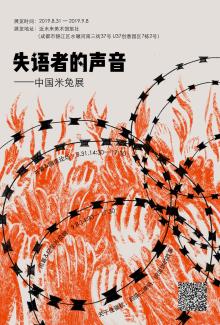
#MeToo en Chine
Le mouvement #MeToo en Chine s'est enflammé en janvier 2018, impulsé par l'élan du mouvement #MeToo dans le monde entier. Le mouvement était une réponse aux problèmes culturels et systémiques liés au genre et au pouvoir en Chine. Les fondations du mouvement ont été construites pendant des décennies, avec de nombreuses années de débat et de plaidoyer pour l'égalité des genres qui ont finalement jailli en une formidable force à travers la société. #MeToo a été mené principalement par des jeunes, parmi lesquels d'innombrables femmes anonymes et leurs allié·e·s, à la recherche d’opportunités qui leur permettraient de réaliser le "rêve chinois" ultime : transformer la Chine en un pays où règne l'égalité des genres.
L'environnement du mouvement #MeToo est extrêmement hostile en Chine: l'état de droit, l'équité et la transparence de l'action gouvernementale, ainsi que la liberté d'expression ne peuvent être considérés comme acquis par le mouvement en Chine, mais ce sont ces mêmes objectifs pour lesquels i.e.lles se battent. Depuis le début, il s'agit d'une lutte intense, chaque victime ou activiste qui dénonce courre d’énormes risques. Qu'il s'agisse d'être réduit·e au silence, humilié·e, ou de subir des représailles, ou encore de voir sa sécurité mise en péril, chaque succès du mouvement #MeToo a été remporté par celleux qui ont eu le courage d'assumer les coûts de la prise de parole et de défier la censure.
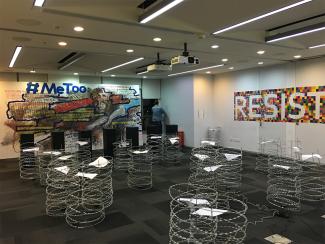
L'exposition #MeToo en Chine a été organisée pour la première fois en 2019 et a effectué une tournée dans 5 villes. L'objectif de l'exposition est de mettre davantage en avant les expériences personnelles des victimes et des activistes et, en prenant part à ces histoires, d'inspirer notre public à se joindre à la lutte. L'exposition est elle-même devenue une partie de la lutte #MeToo; elle a fait face à d’innombrables défis lors de sa tournée à travers la Chine et a même risqué la fermeture à plus d'une occasion.
« Où est l’argent pour l’organisation des mouvements féministes? »
En s’appuyant sur nos 20 années d’efforts pour la mobilisation de davantage de financements de meilleure qualité pour des changements sociaux menés par des féministes, l’AWID vous invite à répondre à la nouvelle version de notre enquête phare intitulée WITM
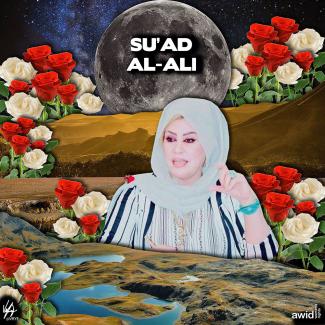
Su’ad was a strong advocate of women’s and children’s rights, and was the head of Al-Weed Al-Alaiami - an Iraqi human rights organisation.
She participated in the July 2018 demonstrations that took place in Basra and several other Iraqi cities protesting unemployment and demanding jobs and proper public services for citizens, as well as calling for the elimination of rampant corruption.
On 25 September 2018, Su’ad was assassinated in the Al-Abbasiyah district in downtown Basra. A video of the incident showed a person approaching her as she was getting into her car, firing a bullet at the back of her head and pointing another bullet at her driver Hussain Hassan, who was injured in the shoulder. Al-Ali was 46 and the mother of four children.
Questions (Forum page)
Questions?
Do you have questions regarding the AWID Forum or related activities? We have answers!
Curated by Jess X. Snow With assistance from Kamee Abrahamian and Zoraida Ingles
Across Asia and the Pacific, and all of it’s vast diaspora, fierce women and trans folks have been fighting for a future where they can all be free. As rising sea levels threaten the Pacific islands, and the coasts of continental Asia, the fight to protect other Earth and the Ocean intensifies all over the globe. Our planet stores a geologic memory of everything that it has experienced. The rise of colonization, industrialization, and environmental destruction is connected to the rise of the binary patriarchal nation state. The power within the Earth, to reincarnate, heal, and bloom in the face of violence, must then be connected to the woman, to motherhood, to indigeneity and all forces that are expansive, sacred and queer. It is no coincidence that Feminist Realities unite the fight to protect the rights of women, trans and LGBTQ+ people with the fight to protect the Earth. From mother-daughter protectors of Mauna Kea in the Kingdom of Hawaii, to the complex mother-child relationships of Vietnamese refugees, to queer sexual awakenings in conservative India, the reclaimation of home in Inner Mongolia, to the struggle toward LGBTQ liberation in the Phillipines -- this collection of films is a cosmology of the ways current-day Asian Pacific women and queer and trans folks champion the journey to our collective liberation across oceans and borders.
All of these films have a strong sense of place: indigenous activists protect their sacred lands, youth peel back colonial narratives of their homeland to uncover hidden truths, complex motherhood and relations of care are explored, and characters turn to their own bodies and sexuality as sanctuary when the family and city that surrounds them threaten their safety.
AFTEREARTH
By Jess X. Snow
“A haunting film with stunning shots invoking feminist environmental resistance and how deeply rooted this is in connection to cultural history and land…”
- Jessica Horn, PanAfrican feminst strategist, writer and co-creator of the temple of her skin
In the experimental documentary, Afterearth, four women fight to preserve the volcano, ocean, land and air for future generations. Through music, poetry, and heartfelt testimonial that honors locations touched by the Pacific Ocean–Hawaiʻi, the Philippines, China, and North America, Afterearth is a poetic meditation on four women’s intergenerational and feminist relationship to the lands and plants they come from.
STANDING ABOVE THE CLOUDS
By Jalena Keane Lee
In Standing Above the Clouds, Native Hawaiian mother-daughter activists stand together to protect their sacred mountain, Mauna Kea from being used as a site to build one of the world’s largest telescopes. As protectors of Mauna Kea, this film highlights the interconnected relationship between Aloha ʻĀina (love of the land) and love for one’s elders and the future generations to come.
NƯỚC (WATER/HOMELAND)
By Quyên Nguyen-Le
In the experimental narrative short, Nước (Water/Homeland) a Vietnamese-American genderqueer teen challenges dominant narratives of the Vietnam War in Los Angeles, California. Through striking dream sequences and breaks from reality, this film follows their journey to piece together and understand their mother's experience as a Vietnam War refugee.
KAMA’ĀINA
By Kimi Lee
In Kama’āina, a queer sixteen-year-old girl must navigate life on the streets in Oahu, until she eventually finds refuge by way of guidance from an auntie at Pu’uhonua o Wai’anae–Hawaiʻi’s largest organized homeless encampment.
DEVI
By Karishma Dev Dube
In Devi (goddess in Hindi) a young closeted lesbian, Tara risks both family and tradition to embrace her attraction to her family’s maid. Set in New Delhi, Devi is a coming of age story, as it is a commentary on the social and class lines that divide women in contemporary India today.
HEADING SOUTH
By Yuan Yuan
In Heading South, Chasuna, an 8 year old girl, raised by her mother in the Inner Mongolian Plateau, visits her abusive father in the big city. While at her father’s house, she is introduced to a new addition to the family, and must come to terms with the fact that her true home is inseparable from her mother and land.
Outrun
By Johnny Symons & S. Leo Chiang
In the feature film, Outrun, we follow the journey of the first transgender woman in the Philippine Congress. Facing oppression in a predominantly Catholic nation, her triumphant journey becomes an outcry for the rights of LGBTQ+ people globally.
Spanning documentary, narrative, and experimental forms, these films illustrate that community care, self-love, and deep transformative listening between our loved ones is a portal to the Feminist Realities we are bringing into existence today. From all across the Asia Pacific and it’s diaspora, these stories teach us that in the face of violence, tenderness is the sharpest force of resistance.
Jess X. Snow is a film director, artist, pushcart-nominated poet, children’s book author and community arts educator who creates queer asian immigrant stories that transcend borders, binaries and time.
Follow us on Social Media to receive news about upcoming events and screenings:
Cuando la gente se reúne a escala global, como personas individuales y como movimientos, se genera una fuerza arrolladora. Únete a nosotrxs en Bangkok, Tailandia, y de manera virtual, en diciembre de 2024.
“Afterwards
After love the first time,
Our naked bodies and minds
A hall of mirrors,
Wholly unarmed, utterly fragile,
We lie in one another's arms
Breathing with care,
Afraid to break
These crystal figurines.” - Fahmida Riaz
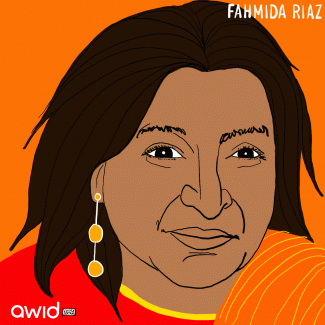
Fahmida Riaz broke social taboos by writing about female desire in her poetry, creating alternative narratives about women’s bodies and sexuality, and setting new standards in Urdu literature.
Her work faced harsh criticism from conservatives, who accused her of using erotic and “pornographic” expressions in her poetic language.
Fahimida was eventually blacklisted and charged with sedition under Section 124A of the Pakistan Penal Code) during the dictatorship of Zia Ul Haq. Forced into exile in 1981, she spent almost seven years in India before returning to Pakistan.
As part of the preface to “Badan Dareeda” ('The Torn-Bodied'), a collection of poetry published in 1974, she wrote:
If, indeed, I am forced to stand before this maqtal today and face the gallows, I should face them with my head held high. My poems are the trace of a mangled head: emanating sounds even as it is suspended from ropes... A Body Torn has taken the form of a razmia, or the sound of rupture. And if such rupture indeed shocks a people, then consider the poet as having achieved her purpose: she has managed to disturb them. (translation from Urdu by Asad Alvi)
The brilliance of Fahmida was in defying any singular logic or categories of gender, nation, religion or culture. She refused to be put in the role of a ‘woman poet’, breaking with traditional definitions of feminine poetry and concepts and themes (ranging from political consciousness, body, culture, desire, religion, home) and knocking down inhibitions put on her gender.
“You have to understand that culture can have no essence. Cultures move, flowing into one another, forming new cultures. Culture is born this way. There is no clash of cultures.”
Fahmida authored more than 15 books on poetry and fiction including her poem ‘Taaziyati Qaraardaaden’ (‘Condolence Resolutions’) that might serve as an appropriate tribute to her life and legacy and a collection of poems (Apna Jurm To Saabit He ‘My Crime Stands Proven’) published in 1988 during her time in exile.
Fahmida Riaz was born in Meerut, India on 28 July 1946 and passed away on 21 November 2018 in Lahore, Pakistan.
FRMag - Editors Note (ES)
Nota de la editora
Las Realidades Feministas son una invitación cálida y afectuosa, una suerte de acto de cuidado y preservación colectivo (en oposición al autocuidado), una invitación a atesorar, a hacer inventario de toda la labor realizada para que no desaparezca. (...)